
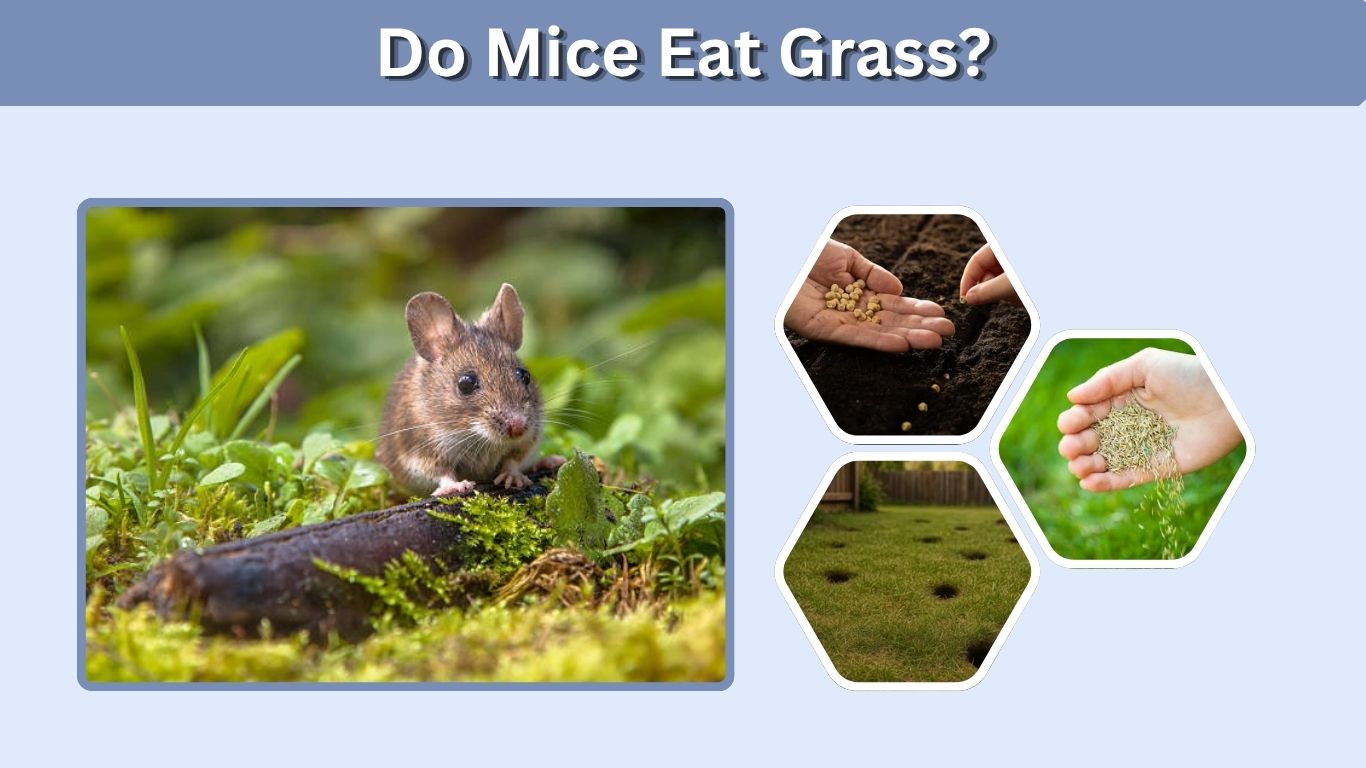
Yes, mice can eat grass, although it is not usually the main part of their diet. Wild and field mice are opportunistic feeders that consume seeds, grains, fruits, insects, and many types of plant material. Fresh grass blades may occasionally be eaten, but grass seeds are generally much more attractive because they provide concentrated nutrients and energy. If you have recently planted a lawn or stored bags of grass seed in a garage, mice may discover them quickly. Here is what mice eat and how grass affects their behavior.
Do Mice Eat Grass?
Mice do eat grass, particularly when they live in fields, meadows, gardens, and other grassy environments. However, they are omnivores rather than specialized grass-eating animals.
Grass blades may be eaten occasionally, especially tender new growth. Mice are generally more interested in the seeds produced by grasses because seeds contain more calories and nutrients than mature grass leaves.
What Parts of Grass Do Mice Eat?
Mice may consume several parts of grass plants, including:
- Grass seeds
- Young grass shoots
- Tender blades
- Seed heads
- Roots in some situations
- Other small plant materials found around grass
Seeds are usually the most attractive part. A mouse can collect seeds and carry them back to a sheltered location for later consumption.
Why Do Mice Eat Grass?
Wild mice must take advantage of whatever food is available in their environment. In grasslands and fields, grasses are abundant and produce large quantities of seeds.
Grass may therefore become part of their natural diet, particularly during seasons when seeds are plentiful. However, if grains, nuts, insects, fruits, or other high-energy foods are available, mice may prefer those foods instead.
Do Mice Eat Grass Seed?
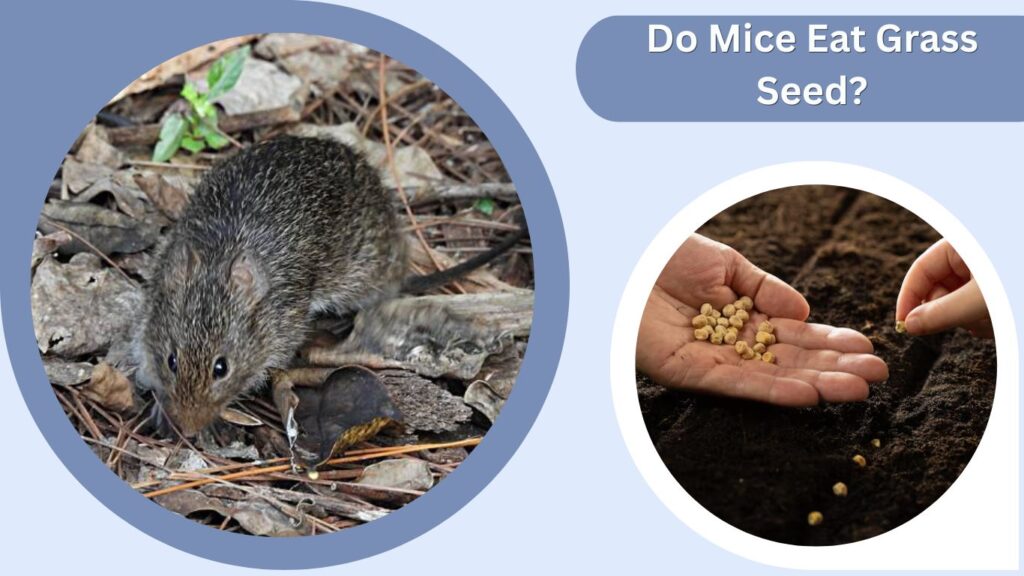
Yes. Mice readily eat grass seed, and freshly planted lawns can sometimes provide an easy feeding opportunity.
Grass seeds are small enough for mice to collect and contain stored nutrients intended to help a new plant germinate. Those same nutrients make seeds attractive to many seed-eating rodents.
Will Mice Eat Newly Planted Grass Seed?
Mice can remove grass seed before it germinates. The risk is usually greater when large amounts of seed remain exposed on top of bare soil.
Signs that animals may be eating newly planted seed include:
- Seed disappearing from the soil surface
- Small disturbed areas
- Tiny footprints
- Small holes near the lawn
- Seed shells or husks
- Increased rodent activity at night
Birds and other animals can also eat grass seed, so missing seed does not automatically mean mice are responsible.
Does Grass Seed Attract Mice?
Grass seed can attract mice when it is easily accessible, especially if bags are stored in garages, sheds, barns, or basements.
An open bag provides mice with a concentrated food supply. They may chew through paper or thin plastic packaging to reach the seed.
Store unused seed in a sturdy container with a tightly fitting lid if mice are common in your area.
Do Field Mice Eat Grass?
Field mice commonly encounter grass as both food and habitat. Depending on the species, their diet can include grass seeds, weed seeds, grains, fruits, berries, insects, and other plant materials.
They are particularly likely to consume grass seeds rather than relying entirely on grass blades.
Do Wild Mice Eat Grass?
Yes. Wild mice may eat grass and grass seeds as part of a varied natural diet.
What they eat changes with season and availability. During periods when seeds are abundant, seeds can become an important food. At other times, mice may consume insects, berries, roots, grains, or other vegetation.
Do Deer Mice Eat Grass?
Deer mice have highly varied diets. They commonly consume seeds, nuts, fruits, fungi, and insects, and grass seeds may be included when available.
Because they forage on the ground and around vegetation, grassy areas can provide both food and protection from predators.
Does Tall Grass Attract Mice?
Tall grass does not necessarily attract mice because they want to eat the blades. Instead, long or overgrown grass can create excellent cover.
Mice are small prey animals that prefer locations where they can move without being easily spotted by hawks, owls, cats, foxes, and other predators.
Why Mice Like Long Grass
Tall grass can provide:
- Protection from predators
- Hidden pathways
- Nesting material
- Access to grass seeds
- Insects and other food
- Cooler, sheltered areas
- Cover close to buildings
If long grass reaches the side of a home, garage, or shed, mice may be able to approach the structure while remaining concealed.
Does Cutting Grass Help Keep Mice Away?
Regular lawn maintenance can make an area less attractive for mice by reducing hiding places.
Keeping grass trimmed does not guarantee that mice will disappear, but it can be part of a broader prevention strategy. Removing piles of vegetation, weeds, fallen seed, and clutter can also reduce available shelter.
Do Mice Burrow in Grass?
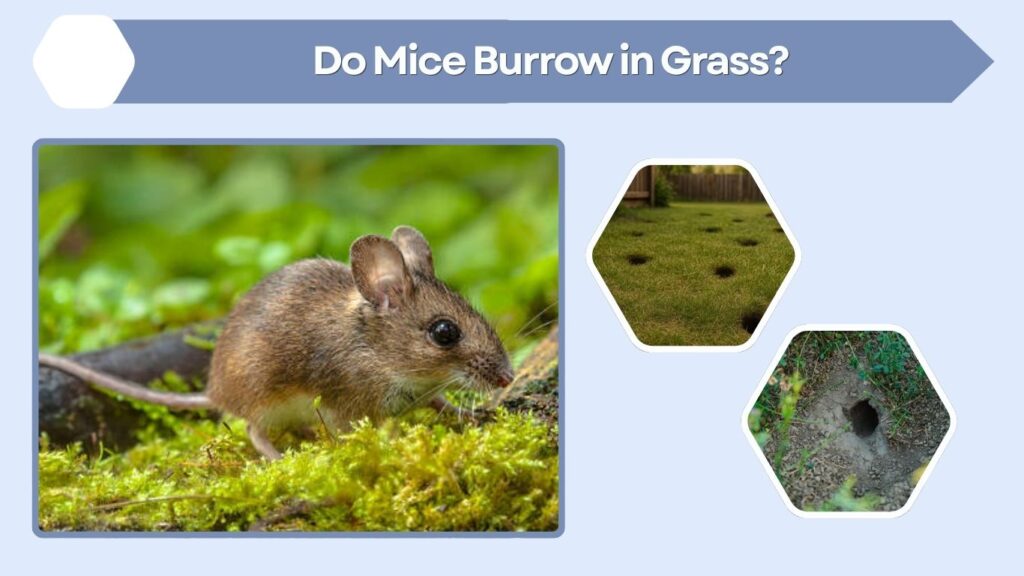
Mice may make nests or burrows in grassy environments, although the exact behavior depends on the mouse species.
Some mice use underground burrows, while others nest beneath vegetation, logs, rocks, sheds, or dense ground cover.
Do Mice Dig Holes in Lawns?
Small rodents can create holes in lawns, but it can be difficult to identify the responsible animal from the hole alone.
Possible signs of mouse activity include:
- Small openings near vegetation
- Narrow trails through grass
- Droppings
- Gnawed seeds or plants
- Nesting material
- Activity near sheds or foundations
Voles, chipmunks, insects, and other animals can also create lawn holes, so identification should consider more than one sign.
Can Pet Mice Eat Grass?
Pet mice can nibble certain untreated grasses, but fresh lawn grass should not become a replacement for a balanced mouse diet.
A quality food formulated for mice should provide their main nutrition.
Is Fresh Grass Safe for Pet Mice?
Fresh grass can be offered occasionally when you know it is free from:
- Pesticides
- Herbicides
- Fertilizer
- Roadside contamination
- Mold
- Animal waste
Avoid collecting random grass from public lawns or treated yards because you may not know which chemicals have been applied.
Can Mice Eat Wheatgrass or Cat Grass?
Untreated wheatgrass or cat grass can generally be offered as occasional enrichment. Some mice enjoy chewing fresh shoots even if they do not consume large amounts.
Introduce new foods gradually and provide them alongside a nutritionally complete diet.
Can Mice Eat Grass Hay?
Mice may chew hay, but they do not depend on hay nutritionally in the same way that rabbits or guinea pigs do.
Hay can sometimes provide nesting or enrichment material, but it should not replace appropriate mouse food.
How to Stop Mice Eating Grass Seed
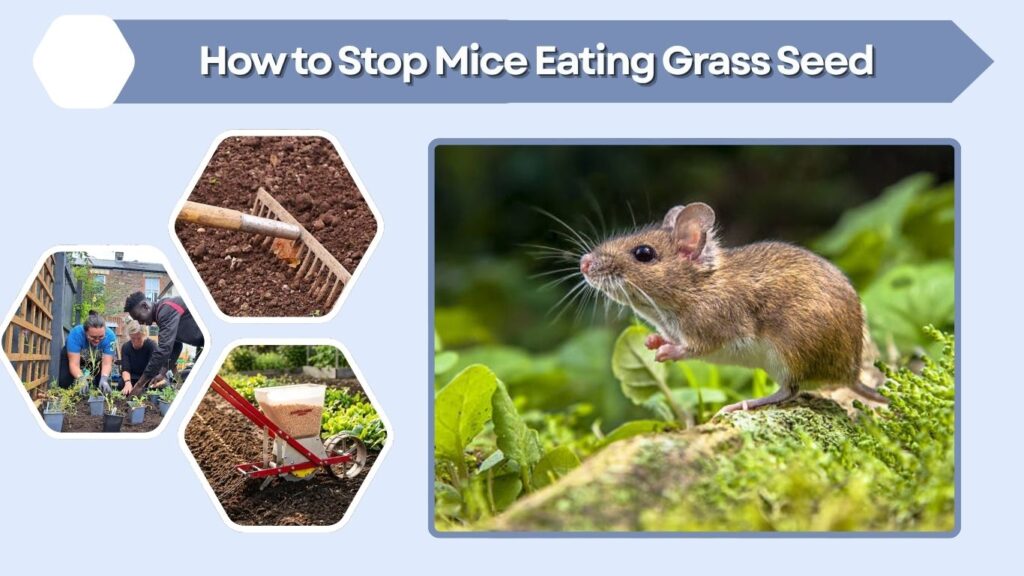
If mice repeatedly remove newly planted grass seed, changing how the seed is stored and planted can reduce losses.
Protecting Newly Planted Seed
Try these methods:
- Rake the seed gently into the top layer of soil.
- Avoid leaving large amounts of seed exposed.
- Keep the planting area tidy.
- Remove nearby food sources.
- Reduce dense weeds and ground cover.
- Store leftover seed in sealed containers.
- Repair entry points into nearby sheds or garages.
A light covering suitable for newly seeded lawns may also make seed harder for animals to reach while helping retain moisture.
Protect Grass Seed Stored in a Garage
A garage can provide mice with both shelter and food. Avoid leaving grass seed in open sacks or cardboard packaging.
Transfer it to a rodent-resistant container and clean up spilled seeds immediately. The same principle applies to bird seed, pet food, livestock feed, grains, and other foods that attract rodents.
How to Reduce Mice in Grassy Areas
Seeing an occasional wild mouse outdoors is normal, but large numbers near buildings can become troublesome.
You can make the area less inviting by:
- Keeping grass reasonably short
- Removing dense weeds near buildings
- Cleaning up fallen seeds and food
- Moving wood piles away from walls
- Storing animal feed securely
- Removing unnecessary outdoor clutter
- Sealing gaps around sheds and homes
- Avoiding accessible garbage
These measures reduce food and shelter rather than simply targeting the mice themselves.
FAQs
Do mice eat grass or only grass seed?
Mice can eat both grass and grass seed, but seeds are generally more appealing because they provide more concentrated energy. Tender shoots may also be nibbled, particularly by wild mice living in grassy habitats.
Will mice ruin a newly seeded lawn?
Mice may consume some newly planted grass seed, but they are unlikely to be the only animals feeding on it. Birds and other small animals may also remove exposed seed. Lightly incorporating seed into the soil can help reduce losses.
Does long grass cause mice around the house?
Long grass does not create mice, but it can provide excellent hiding cover and make areas near buildings more attractive. Keeping vegetation trimmed around foundations can reduce sheltered pathways that rodents use.
Do mice eat grass during winter?
Mice can eat available grass seeds and dried plant material during winter, but their diet depends on what food remains accessible. They may increasingly rely on stored seeds, grains, nuts, or human food when natural resources become limited.
How do I keep mice out of grass seed?
Keep grass seed in a sturdy container with a secure lid rather than an open paper or plastic bag. Clean spilled seed immediately and avoid storing it beside other exposed foods such as bird seed or pet food.