
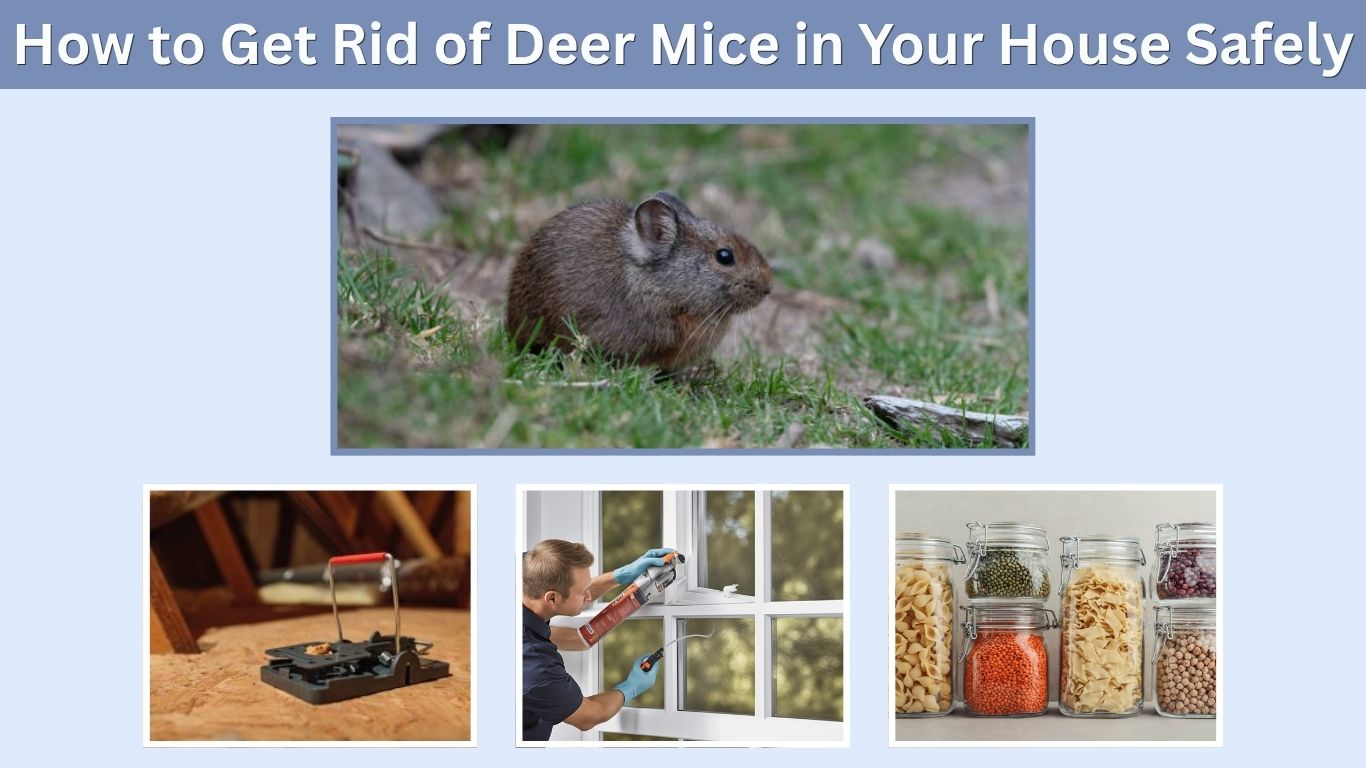
Finding deer mice in your house can quickly become a serious problem. These small rodents enter buildings looking for warmth, shelter, and food, especially when outdoor conditions become cold or food becomes scarce. Besides contaminating stored food and damaging materials, deer mice are important because some populations can carry hantaviruses. The best way to get rid of deer mice is to combine trapping, food removal, safe cleanup, and permanent sealing of their entry points.
What Are Deer Mice?
The deer mouse (Peromyscus maniculatus) is a small North American rodent recognized by its large dark eyes, prominent ears, white belly and feet, and distinctly two-colored tail. They naturally inhabit forests, grasslands, fields, and other outdoor habitats but may also enter houses, sheds, garages, cabins, and storage buildings.
How Big Do Deer Mice Get?
Deer mice are quite small. Their head-and-body length is generally around 3–4 inches, while the tail can measure approximately 2–5 inches.
Typical identification features include:
- Brown, gray, or reddish-brown upper body
- White belly and feet
- Dark upper side of the tail
- Light-colored underside of the tail
- Large black eyes
- Relatively large ears
- Pointed nose
- Long whiskers
Their small body allows them to take advantage of surprisingly narrow gaps around buildings.
How Do Deer Mice Get in Your House?
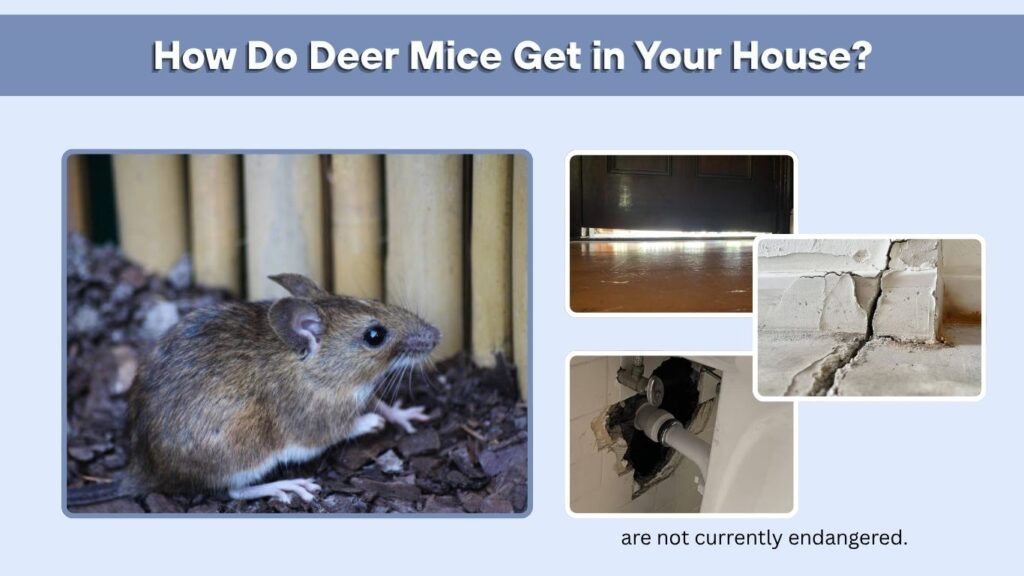
Deer mice can enter buildings through openings around foundations, walls, doors, roofs, plumbing, utility lines, vents, and other structural gaps.
CDC guidance recommends finding and sealing small openings around homes because rodents can use gaps of roughly ¼ inch or larger.
Common Deer Mouse Entry Points
Inspect areas such as:
- Gaps beneath exterior doors
- Openings around pipes
- Foundation cracks
- Garage-door edges
- Damaged vents
- Gaps around cables
- Spaces beneath siding
- Roof and attic openings
- Openings behind kitchen cabinets
Deer mice may also enter detached structures such as barns, sheds, deer blinds, workshops, and garages.
Why Do Deer Mice Keep Getting in My House?
Repeated infestations usually mean the mice still have access to one or more of three things: entry points, food, or shelter.
Simply killing the mice currently inside will not permanently solve the problem if new animals can continue entering from outdoors.
How to Get Rid of Deer Mice
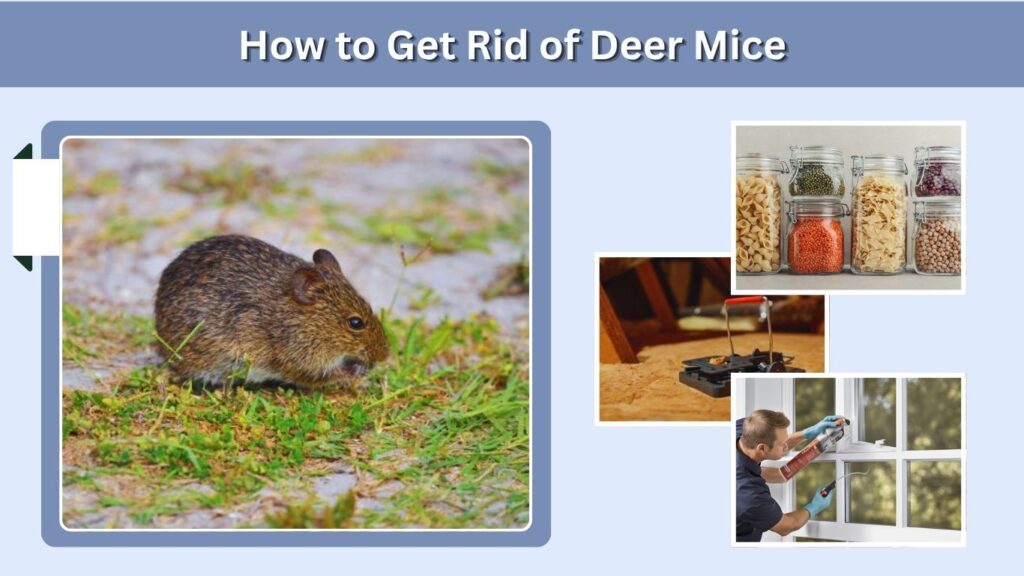
The most effective approach combines several control methods instead of relying on a single repellent or trap.
1. Use Snap Traps
Traditional snap traps are recommended for controlling mice in homes. Place traps where you see droppings, gnawing, nesting materials, or other signs of activity.
Good locations include:
- Behind refrigerators
- Behind stoves
- Along walls
- Inside cabinets
- Near suspected entry points
- In garages
- Near storage areas
Position traps close to walls because mice frequently travel along protected edges.
Keep all traps away from children and pets.
2. Remove Food Sources
Deer mice are attracted to easily available food. They naturally eat seeds, plant materials, insects, and other foods, but inside homes they may take advantage of almost anything accessible.
Store foods in tightly closed containers and clean up:
- Crumbs
- Spilled grain
- Pet food
- Birdseed
- Nuts
- Cereal
- Garbage
- Food stored in garages
Avoid leaving pet food out overnight.
3. Seal Entry Holes
Trapping mice without sealing their entrances can result in a repeating infestation.
Check both the inside and outside of your home. Small gaps may be filled or repaired with appropriate durable materials such as metal mesh, hardware cloth, steel wool combined with sealant, or other rodent-resistant building materials.
Pay special attention to areas where pipes, wires, vents, or utility lines enter the building.
4. Remove Nesting Areas
Deer mice prefer sheltered locations where they can remain hidden.
Reduce clutter in:
- Attics
- Basements
- Garages
- Sheds
- Storage rooms
- Closets
Cardboard boxes, piles of paper, fabric, insulation, and rarely disturbed storage can provide attractive nesting areas.
Outside, keep unnecessary vegetation, debris, and nesting materials away from the building.
How to Get Rid of Deer Mice Naturally
If you want to avoid rodenticides, the best “natural” approach is physical control and prevention rather than relying entirely on scents or homemade repellents.
Use Exclusion and Trapping
A non-chemical deer mouse control plan can include:
- Seal entry points.
- Use snap traps.
- Remove accessible food.
- Store pet food securely.
- Eliminate nesting material.
- Reduce vegetation and debris near buildings.
- Continue checking for fresh droppings.
These methods address the reasons deer mice entered the property instead of simply trying to repel them.
Strong-smelling products such as peppermint oil are sometimes promoted as mouse repellents, but they should not replace trapping and exclusion when mice are already established inside a home.
How to Get Rid of a Deer Mouse Infestation
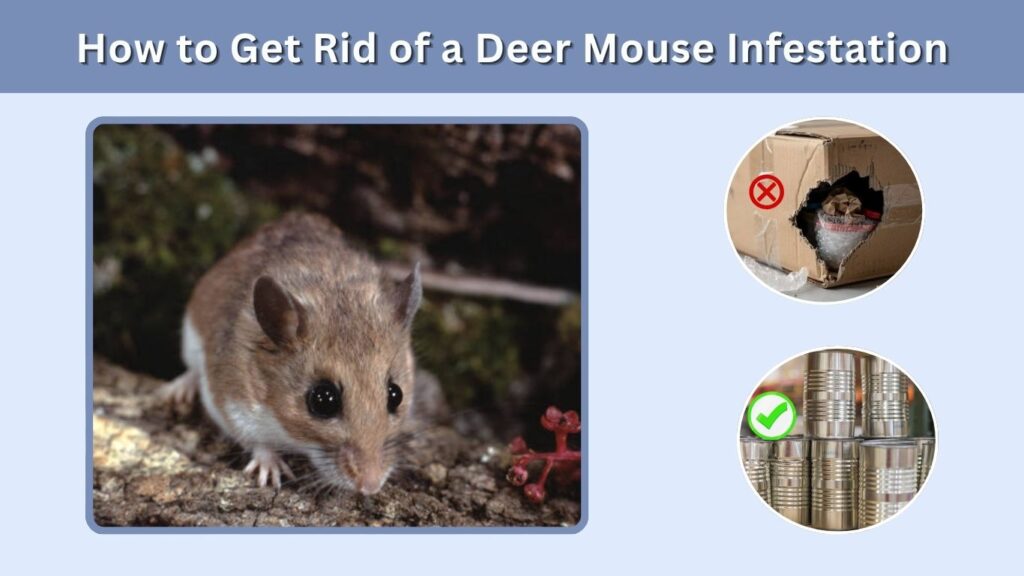
A larger infestation requires more extensive trapping and inspection.
Look for signs including:
- Numerous droppings
- Scratching noises at night
- Damaged food packages
- Chewed materials
- Nesting material
- Mouse odors
- Repeated sightings
If you continue finding fresh signs after trapping and sealing obvious entrances, additional hidden entry points may exist.
When Should You Call an Exterminator?
Professional pest control may be appropriate when:
- Mice continue appearing after repeated trapping
- You cannot locate their entrances
- Rodents are inside walls or inaccessible spaces
- There is extensive contamination
- You have a large infestation
- You cannot safely perform the cleanup
A professional can inspect the building, locate access points, set control devices, and recommend structural repairs.
Are Pesticides Effective Against Deer Mice?
Rodenticides are pesticides designed to control rodents, but they should be used carefully. CDC guidance recommends traditional snap traps first and says poison or bait stations may be considered for infestations that persist, using EPA-registered products.
Improper use can create risks for children, pets, and wildlife. Always follow the product label exactly.
Rodenticides also do not solve the underlying problem of mice entering the building, so exclusion remains essential.
Deer Mice and Hantavirus
Deer mice deserve additional caution because they are an important reservoir of Sin Nombre virus, the hantavirus responsible for most hantavirus pulmonary syndrome cases in the United States. Not every deer mouse is infected, but you cannot identify an infected animal simply by looking at it.
People can be exposed when virus from infected rodent urine, droppings, saliva, or nesting material becomes airborne or otherwise contacts them.
How to Clean Deer Mouse Droppings Safely
Do not sweep or vacuum dry mouse droppings. This can disturb contaminated material and send particles into the air.
CDC cleanup guidance recommends:
- Put on rubber or plastic gloves.
- Thoroughly wet urine and droppings with an appropriate disinfectant.
- Allow the disinfectant to remain wet for the recommended contact time.
- Wipe the material up with paper towels.
- Place the waste in a covered garbage container.
- Disinfect the surrounding surface.
- Wash gloved hands before removing gloves, then wash bare hands.
The CDC advises allowing disinfectant to soak contaminated material for about five minutes when using its recommended method, unless the disinfectant label specifies otherwise.
How to Keep Deer Mice Away Permanently
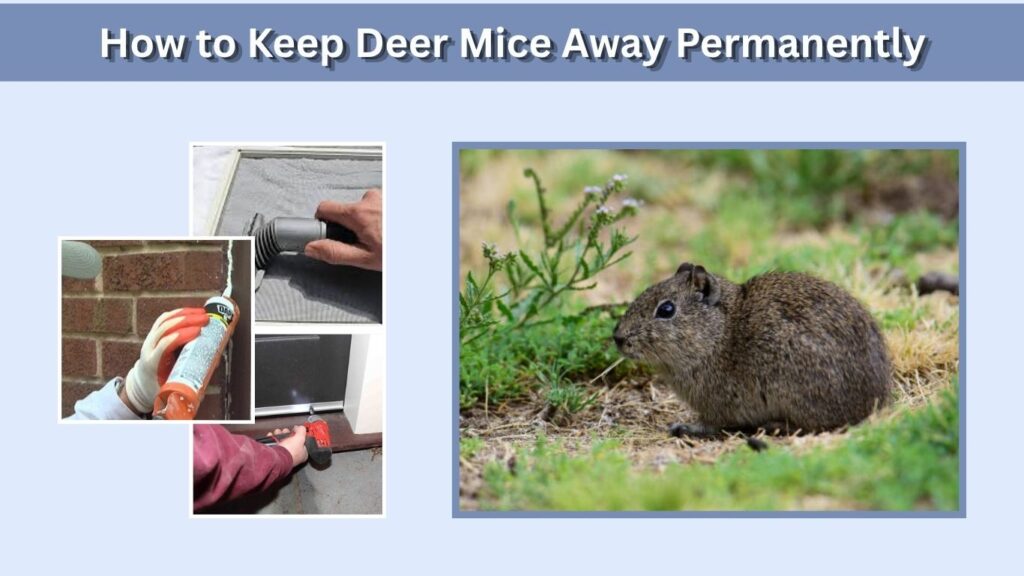
Removing existing mice is only half of the solution. Preventing their return provides the best long-term control.
Deer Mouse Prevention Checklist
- Seal cracks and holes around the house.
- Repair damaged vents and screens.
- Install proper door sweeps.
- Store food in sealed containers.
- Keep garbage tightly covered.
- Avoid leaving pet food overnight.
- Clean spilled birdseed.
- Reduce clutter.
- Inspect garages and sheds regularly.
- Remove nesting material around structures.
- Check areas around pipes and utility lines.
Regular inspection is especially important because droppings and gnaw marks may appear before you ever see a live mouse.
FAQs
What is the best way to get rid of deer mice?
The best approach combines snap traps, removing food sources, sealing entry holes, eliminating nesting areas, and safely cleaning contaminated surfaces. Trapping alone may remove current mice but will not prevent new deer mice from entering through the same openings.
Do deer mice get in houses?
Yes. Deer mice normally live outdoors but can enter homes, cabins, garages, barns, sheds, and other structures. They commonly seek sheltered locations where they can find food and nesting material, particularly when conditions outdoors become less favorable.
How do deer mice get hantavirus?
Hantaviruses can circulate naturally among certain wild rodent populations, including deer mice. Infected deer mice may shed virus in urine, droppings, and saliva. For people, preventing contact with rodents and safely cleaning contaminated areas are the most important protective measures.
Can deer mice come back after trapping?
Yes. New deer mice can enter if access points remain open. This is why trapping should be combined with sealing gaps, removing food, reducing shelter, and inspecting the building for additional openings.
How do I know if I have a deer mouse infestation?
Common signs include small droppings, nighttime scratching, damaged food packaging, gnaw marks, nesting material, and repeated mouse sightings. Deer mice can often be recognized by their large eyes, white belly and feet, and distinctly two-colored tail.