
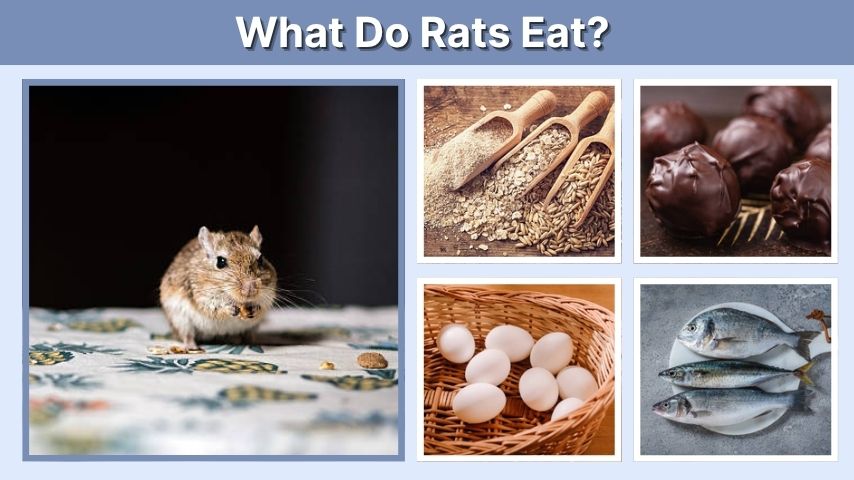
Rats are opportunistic eaters, which means they will eat almost anything they can find. Their diet changes based on location, season, and available food sources. In homes, restaurants, gardens, farms, and garbage areas, rats often look for easy meals that are rich in calories. Understanding what rats eat can help you prevent infestations and protect your property.
Why Rats Eat Almost Anything
Rats are highly adaptable animals. They survive in cities, villages, fields, drains, warehouses, and homes because they are not picky eaters. Their strong sense of smell helps them find food quickly, even when it is hidden inside cabinets, bags, or trash bins.
Rats need food daily to stay active and reproduce. They are especially attracted to foods that are easy to chew, high in energy, and easy to carry back to nesting areas. This is why kitchens, pantries, pet feeding areas, and garbage bins are common rat activity zones.
Rats Prefer Easy and Safe Food Sources
Although rats can eat many things, they usually choose foods that are easy to access. Open food packets, uncovered leftovers, spilled grains, and overflowing garbage are perfect feeding opportunities.
Common feeding areas include:
- Kitchen cabinets and pantry shelves
- Trash cans and compost piles
- Pet food bowls
- Gardens and fruit trees
- Restaurants and food storage rooms
13 Common Foods Rats Like to Eat
Rats eat both plant-based and animal-based foods. Some foods attract them more strongly because they are rich in sugar, fat, protein, or carbohydrates. Below are 13 common foods rats like to eat.
| No. | Food Rats Eat | Why Rats Like It |
|---|---|---|
| 1 | Grains and cereals | Easy to chew and store |
| 2 | Fruits | Sweet, juicy, and fragrant |
| 3 | Vegetables | Readily available in gardens and kitchens |
| 4 | Nuts and seeds | High in fat and energy |
| 5 | Meat scraps | Rich in protein |
| 6 | Fish | Strong smell attracts rats |
| 7 | Eggs | Soft, nutritious, and easy to eat |
| 8 | Bread | Common in homes and trash |
| 9 | Rice and pasta | High in carbohydrates |
| 10 | Pet food | Protein-rich and often left out |
| 11 | Sweets and chocolate | High sugar and strong smell |
| 12 | Garbage leftovers | Easy access to mixed foods |
| 13 | Birdseed | Small, dry, and easy to collect |
1. Grains and Cereals
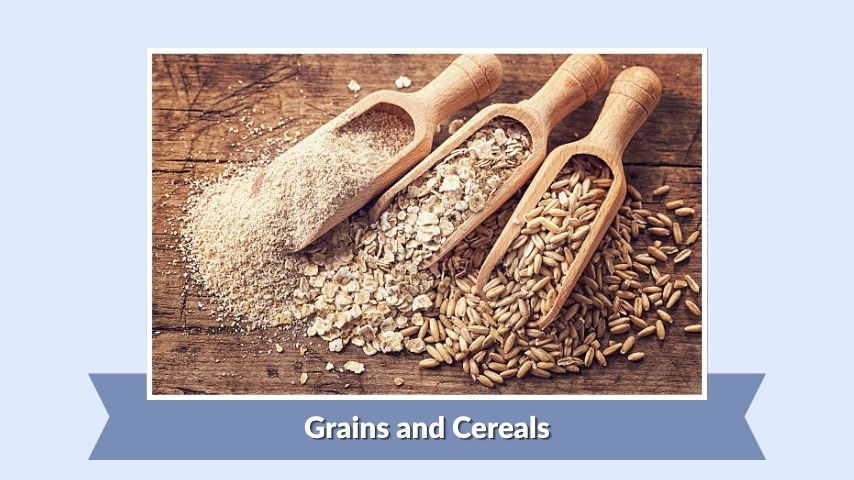
Grains are one of the most common foods rats eat. Rice, wheat, corn, oats, barley, and cereal products are all attractive to rats. These foods are easy to chew, easy to carry, and packed with carbohydrates.
Why Grains Attract Rats
Rats often invade pantries, farms, warehouses, and storage rooms because grains are commonly stored in large amounts. If grain bags are torn or loosely sealed, rats can quickly find their way in.
They may also contaminate more food than they actually eat. Rats leave droppings, urine, fur, and chew marks around feeding areas, making stored grains unsafe for human use.
2. Fruits
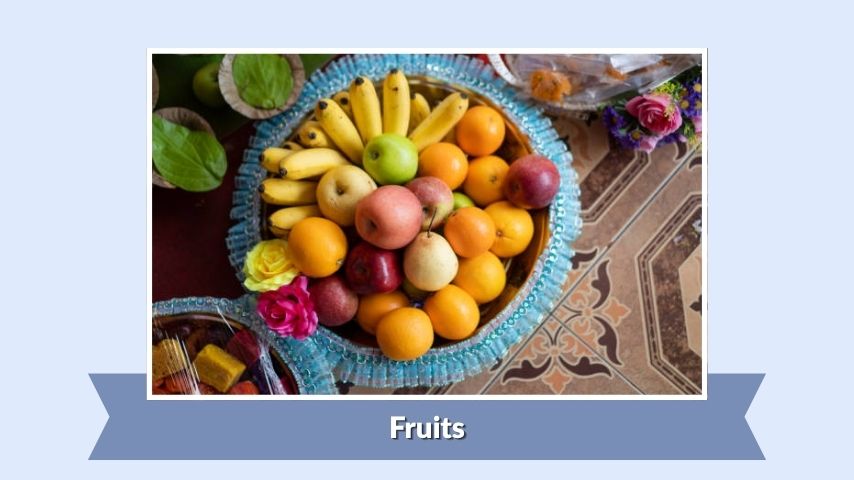
Rats enjoy many types of fruits because they are sweet, soft, and full of moisture. Apples, bananas, berries, mangoes, grapes, melons, and oranges can all attract rats.
Fruits in Gardens and Kitchens
Fruit trees can become a major rat attraction if fallen fruits are not cleaned up regularly. Rats may feed at night and hide during the day, so homeowners may not notice them immediately.
To reduce rat activity:
- Pick ripe fruits quickly
- Remove fallen fruits from the ground
- Keep fruit bowls covered indoors
- Store cut fruits in sealed containers
3. Vegetables
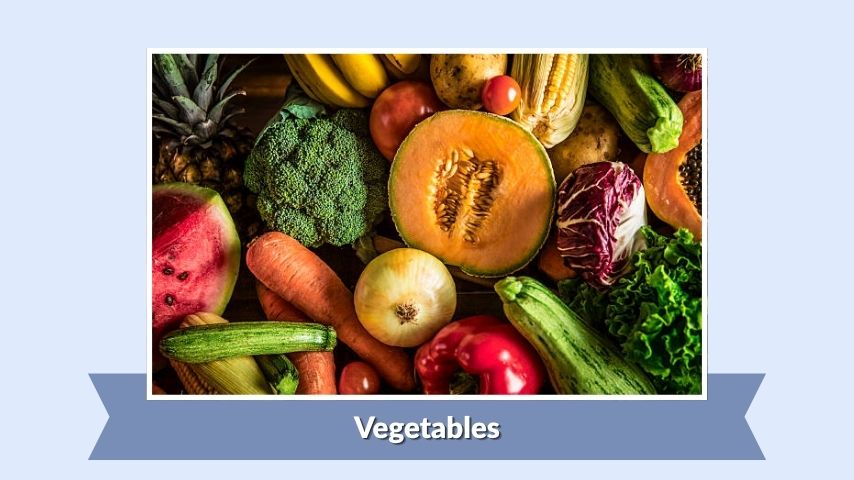
Rats also eat vegetables, especially when they are growing in gardens or stored in kitchens. They may nibble on carrots, potatoes, tomatoes, pumpkins, cabbage, lettuce, and beans.
Garden Damage from Rats
In gardens, rats may chew vegetables before they are fully mature. They can damage roots, stems, leaves, and fruits. Some rats also dig around garden beds while searching for insects, seeds, or soft plant roots.
A clean garden with fewer hiding places can help reduce rat problems. Thick weeds, wood piles, and messy corners often give rats safe shelter close to food.
4. Nuts and Seeds
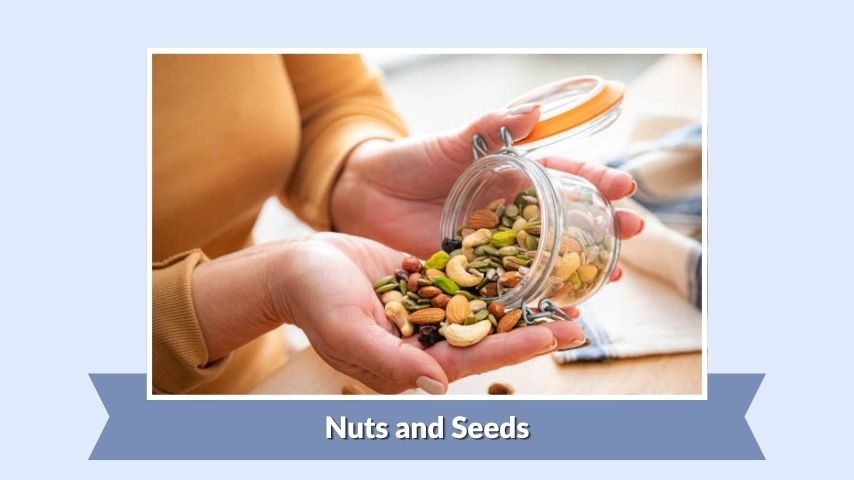
Nuts and seeds are highly attractive to rats because they contain fat, protein, and calories. Rats may eat peanuts, almonds, walnuts, sunflower seeds, pumpkin seeds, and birdseed.
Why Rats Love High-Energy Foods
Rats need energy to move, climb, reproduce, and survive cold weather. Nuts and seeds are small but calorie-rich, making them ideal for rats. They are also easy to carry away and hide.
Bird feeders often become a hidden rat problem. Seeds that fall to the ground can feed rats at night. Keeping the area under bird feeders clean is important for prevention.
5. Meat Scraps

Rats are not strict vegetarians. They can eat meat scraps from garbage bins, kitchen waste, restaurants, and outdoor cooking areas. Chicken bones, beef scraps, cooked meat, and fatty leftovers can all attract them.
Protein Helps Rats Survive
Meat provides protein, which supports growth and reproduction. This is especially important for female rats and young rats. Even small amounts of leftover meat in trash bags can create a strong smell that attracts rats from nearby areas.
To prevent this, meat waste should be sealed tightly before disposal.
6. Fish
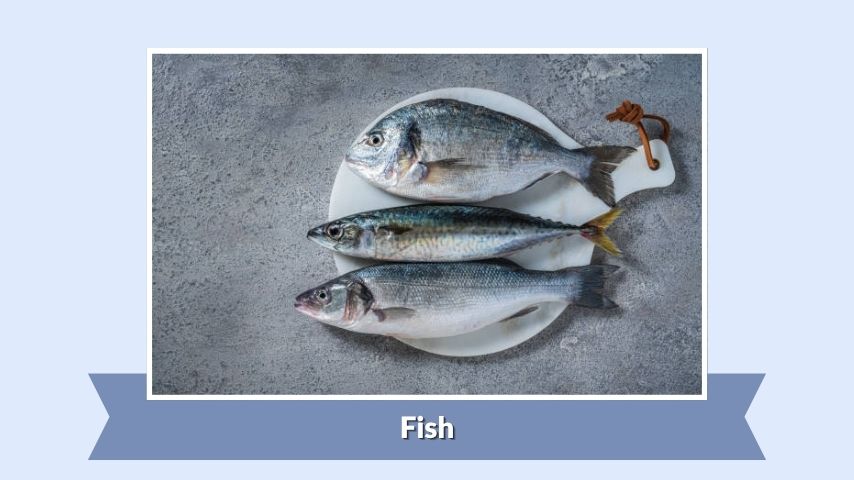
Fish is another food rats may eat, especially because it has a strong smell. Fish scraps, dried fish, fish bones, and seafood waste can attract rats quickly.
Strong Odors Bring Rats Closer
Rats rely heavily on smell. Foods with strong odors, such as fish, spoiled meat, and greasy leftovers, can attract them even from a distance. Outdoor garbage bins that contain fish waste should be tightly closed and cleaned often.
7. Eggs
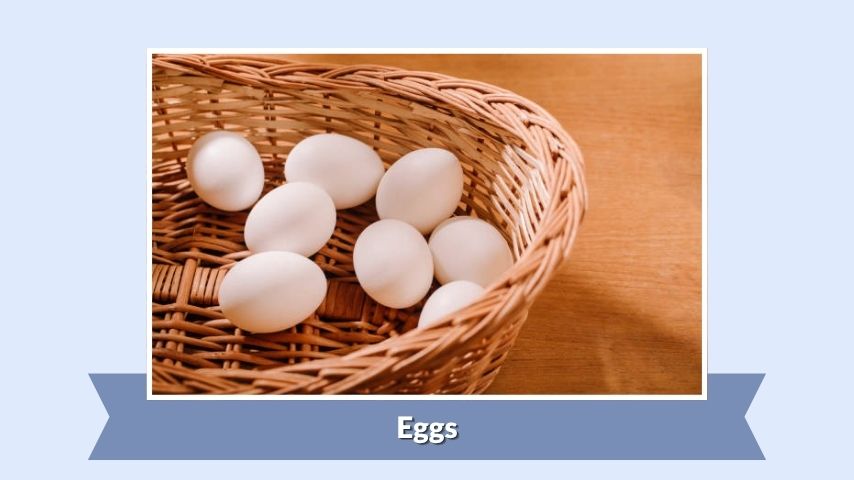
Rats may eat eggs when they find them in farms, chicken coops, bird nests, or kitchen waste. Eggs are soft, nutritious, and easy for rats to consume.
Rats Around Poultry Areas
Chicken coops can attract rats because they often contain eggs, chicken feed, spilled grain, and water. Rats may also burrow under coop walls or hide behind stored equipment.
To protect poultry areas:
- Collect eggs daily
- Store chicken feed in metal containers
- Clean spilled feed quickly
- Seal holes around the coop
8. Bread

Bread is a common household food that rats like to eat. It is soft, easy to chew, and often found in trash bins, lunch leftovers, and open kitchen counters.
Bread and Bakery Waste
Rats are often found near bakeries, restaurants, and grocery waste areas because bread products are thrown away frequently. Bread crumbs on floors, under appliances, or near dining areas can also attract rats indoors.
Even small crumbs can encourage rats to return repeatedly if they find food in the same place.
9. Rice and Pasta
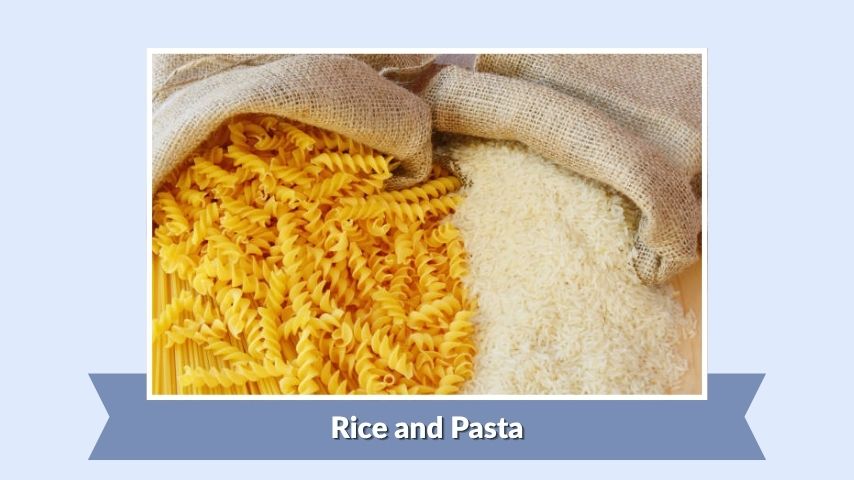
Cooked or uncooked rice and pasta can attract rats. These foods are high in carbohydrates and often available in kitchens and storage areas.
Stored Food Risks
Dry rice and pasta are usually stored in bags or boxes that rats can chew through. Once rats enter food storage areas, they may damage several packets in one night.
Use hard plastic, glass, or metal containers to store rice, pasta, flour, and other dry foods. Thin plastic bags and cardboard boxes are not strong enough to stop rats.
10. Pet Food
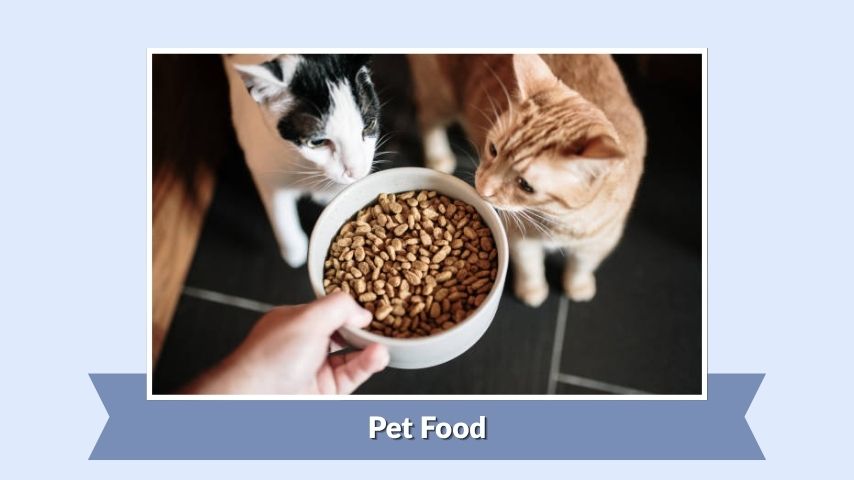
Pet food is one of the biggest rat attractants around homes. Dog food, cat food, bird food, and livestock feed are rich in protein and fat.
Why Pet Bowls Attract Rats
Many people leave pet food outside overnight. This gives rats a free and reliable food source. Once rats learn that food is available in the same place every night, they may build nests nearby.
Good habits include:
- Feeding pets during the day
- Removing leftover food before night
- Washing pet bowls regularly
- Storing pet food in sealed containers
11. Sweets and Chocolate

Rats are attracted to sweet foods such as candy, cookies, cakes, chocolate, syrup, and sweet drinks. These foods contain sugar and strong smells that rats can easily detect.
Sugar Gives Rats Quick Energy
Sweet foods provide fast energy, which makes them appealing. In homes, rats may chew through snack packets, candy boxes, and dessert containers.
Sticky spills from juice, soda, or syrup should be cleaned immediately. Even a small spill can attract rats, ants, and other pests.
12. Garbage Leftovers
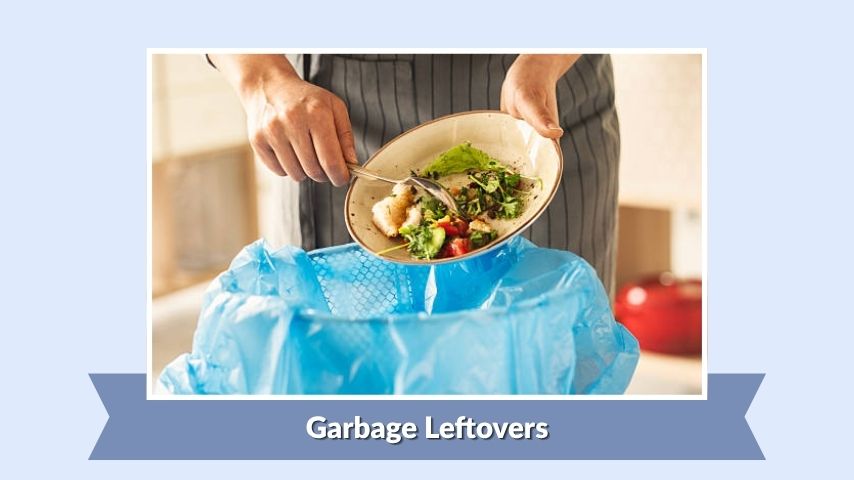
Garbage is one of the most common food sources for rats. Trash bins may contain meat, fruits, vegetables, bread, sweets, bones, and many other leftovers.
Open Trash Creates Rat Problems
Rats often search garbage at night because it offers many food choices in one place. Overflowing bins, torn trash bags, and uncovered waste areas can quickly become feeding spots.
To reduce rat activity, keep garbage bins closed, use strong trash bags, and clean bins regularly. Outdoor bins should not be placed directly beside doors or windows if possible.
13. Birdseed
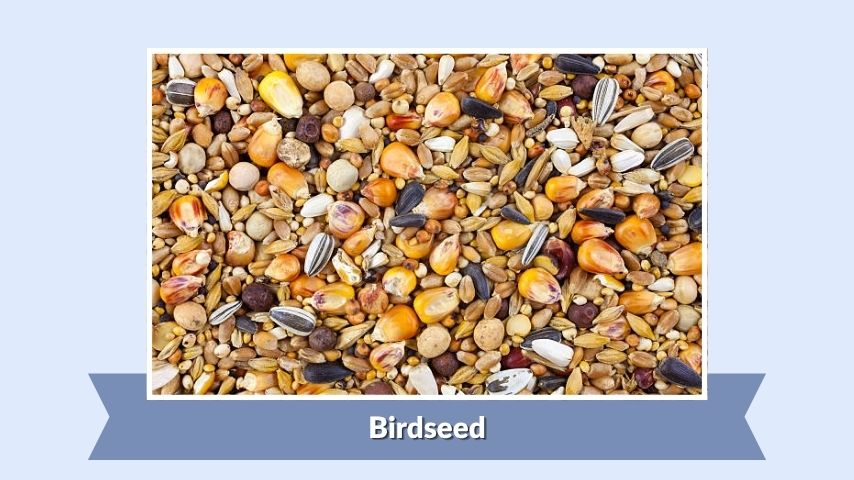
Birdseed is meant for birds, but rats also love it. Sunflower seeds, millet, cracked corn, and mixed seed blends are easy for rats to eat and store.
Bird Feeders Can Feed Rats Too
The main problem is not always the feeder itself. It is the seed that falls onto the ground. Rats may visit after dark to eat spilled seeds under the feeder.
To prevent this:
- Use seed trays under feeders
- Clean spilled seeds daily
- Avoid overfilling feeders
- Store birdseed in sealed containers
Do Rats Eat Non-Food Items?
Rats may chew many things that are not food, but chewing does not always mean eating. They chew because their front teeth grow continuously. Gnawing helps keep their teeth short and sharp.
Common Things Rats Chew
Rats may chew:
- Cardboard boxes
- Plastic containers
- Wood
- Electrical wires
- Paper
- Fabric
- Insulation
This chewing can cause property damage and even fire risks if electrical wires are damaged. Finding chew marks is often a sign that rats are active nearby.
What Food Attracts Rats the Most?
Foods with strong smells and high calories usually attract rats the most. Meat scraps, fish waste, pet food, nuts, seeds, garbage, and sweet foods are especially attractive.
The Biggest Household Attractants
In most homes, the biggest rat attractants are not unusual foods. They are everyday items that are poorly stored or left uncovered. Open trash, pet food bowls, dirty dishes, crumbs, and pantry items are enough to support rat activity.
Good sanitation is one of the most effective ways to reduce rat problems. Removing food sources makes your home less attractive to rats.
How to Keep Rats Away from Food
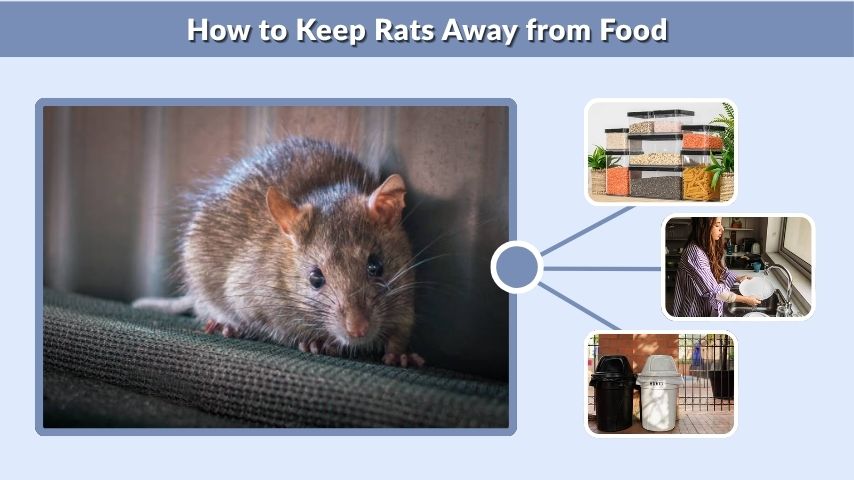
Preventing rats starts with making food harder to access. Rats can chew through paper, cardboard, and thin plastic, so food storage matters.
Simple Food Protection Tips
Use these steps to reduce rat attraction:
- Store dry foods in sealed containers
- Keep counters and floors clean
- Wash dishes before bedtime
- Do not leave pet food out overnight
- Keep trash bins tightly closed
- Remove garden fruits and vegetables that fall
- Clean under appliances and furniture
FAQs
What do rats like to eat the most?
Rats usually prefer foods that are high in calories, fat, sugar, or protein. They are strongly attracted to grains, nuts, seeds, pet food, meat scraps, fruits, sweets, and garbage leftovers. Easy access matters too, so uncovered food is more likely to attract them.
Do rats eat vegetables?
Yes, rats eat vegetables. They may feed on potatoes, carrots, tomatoes, cabbage, lettuce, beans, pumpkins, and other garden crops. Rats may damage vegetables while they are growing or eat stored vegetables in kitchens, sheds, and storage rooms.
Does pet food attract rats?
Yes, pet food is a major rat attractant. Dog food, cat food, bird food, and livestock feed are rich in protein and fat. Leaving pet food outside overnight can encourage rats to visit regularly and nest nearby.
Do rats eat meat?
Yes, rats can eat meat. They may feed on cooked meat scraps, bones, fish waste, and other animal-based leftovers found in garbage bins or outdoor waste areas. Meat smells strong, so it can attract rats quickly.
Can rats chew through food packaging?
Yes, rats can chew through cardboard, paper, thin plastic, and some soft packaging. Pantry foods stored in bags or boxes are not fully protected. Hard plastic, glass, or metal containers are better for keeping rats away from stored food.