
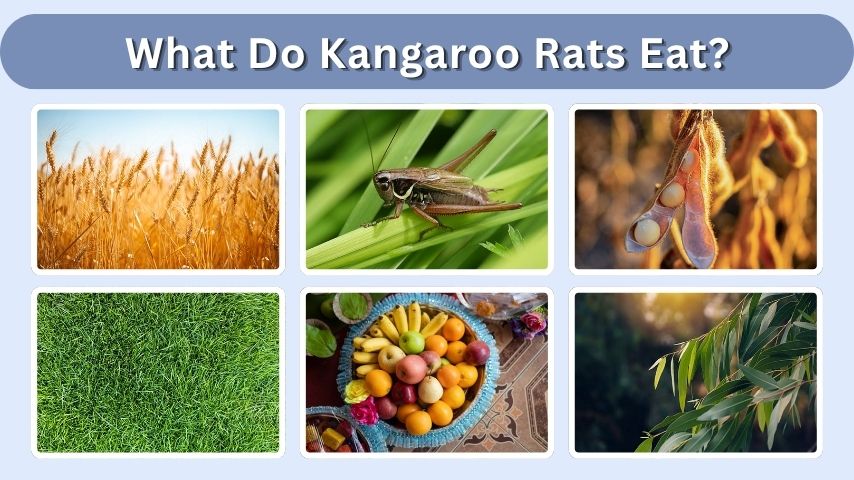
Kangaroo rats are small desert rodents known for their powerful back legs, long tails, and ability to survive in dry environments. Unlike common house rats, kangaroo rats mostly live in deserts, grasslands, and sandy areas. Their diet is mainly plant-based, and they are excellent at finding, storing, and surviving on dry foods such as seeds and grains.
What Are Kangaroo Rats?
Kangaroo rats are not the same as regular rats. They get their name because they hop on their strong hind legs like tiny kangaroos. They are mostly found in dry regions of North America, especially deserts and scrublands.
These animals are well adapted to desert life. They can survive with very little direct water because they get moisture from the food they eat. Their bodies are designed to conserve water, which helps them live in harsh, dry places where many animals struggle.
What Do Kangaroo Rats Usually Eat?
Kangaroo rats mainly eat seeds, grains, grasses, and other plant materials. Some species may also eat insects when available, but seeds are usually their favorite food.
They often collect food and store it in underground burrows. This habit helps them survive when food is hard to find. Since they are mostly active at night, they search for food after sunset when the desert is cooler and safer.
7 Common Foods Kangaroo Rats Eat
| No. | Food | Why Kangaroo Rats Eat It |
|---|---|---|
| 1 | Seeds | Their main food source |
| 2 | Grasses | Common in dry habitats |
| 3 | Grains | Easy to store and eat |
| 4 | Leaves | Provide plant nutrients |
| 5 | Stems | Available in desert plants |
| 6 | Fruits | Offer moisture and sugar |
| 7 | Insects | Extra protein when available |
1. Seeds
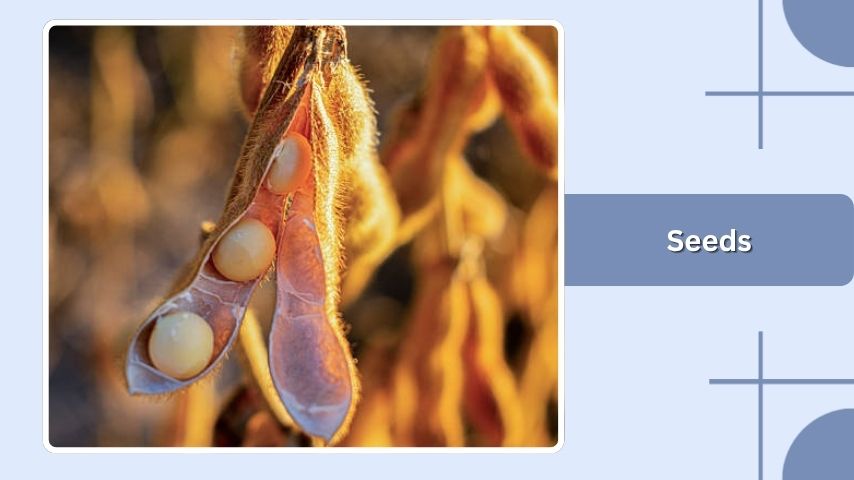
Seeds are the most important food in a kangaroo rat’s diet. They eat seeds from desert plants, grasses, shrubs, and wildflowers. Seeds are small, dry, easy to carry, and packed with energy.
Why Seeds Are Important
Kangaroo rats often collect seeds in their cheek pouches and carry them back to their burrows. Some seeds are eaten right away, while others are stored for later. This is useful because desert food can be seasonal.
Seeds also help kangaroo rats survive without drinking much water. Their bodies can produce moisture from the dry foods they eat, which is one reason they are so successful in desert habitats.
2. Grasses

Kangaroo rats also eat grasses and grass seeds. In dry grasslands and desert edges, grasses can be an important part of their diet.
Grass Seeds Are a Favorite
Although they may nibble on parts of grass plants, kangaroo rats are especially interested in the seeds. Grass seeds are nutritious and easy to store. They may gather them from the ground or from dry grass heads.
This feeding habit also helps spread seeds in nature. Some stored seeds are never eaten, and they may later grow into new plants.
3. Grains
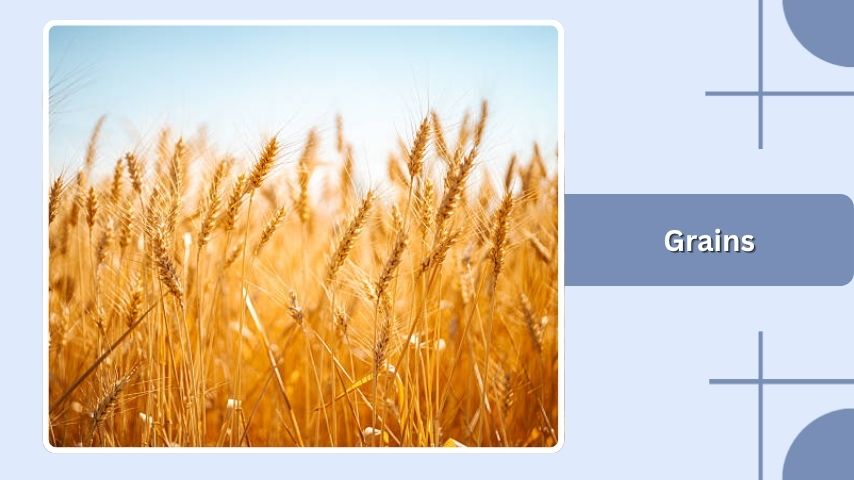
In areas near farms or human settlements, kangaroo rats may eat grains such as wheat, oats, barley, corn, or millet. These foods are similar to the wild seeds they naturally eat.
Why Grains Attract Kangaroo Rats
Grains are high in carbohydrates, which provide energy. They are also dry and easy to carry back to a burrow. If grain is stored poorly or spilled near fields, kangaroo rats may collect it.
However, kangaroo rats are not usually indoor pests like common rats. They are more often found outdoors in dry, open habitats.
4. Leaves
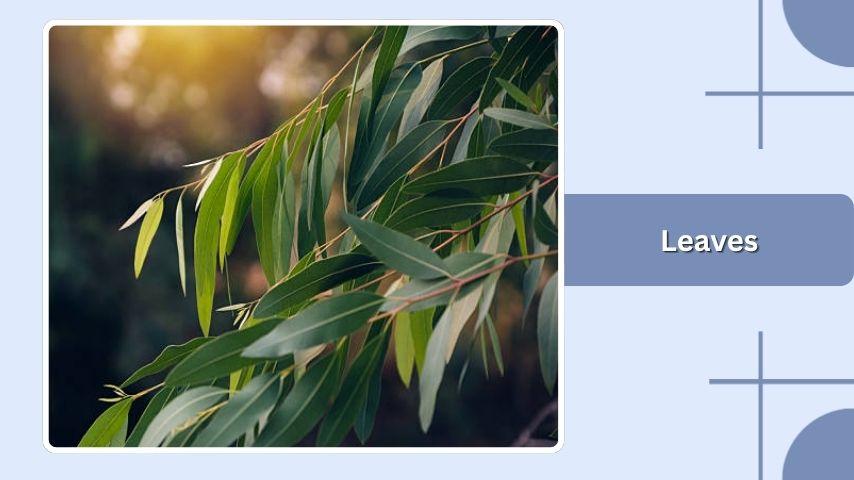
Kangaroo rats may eat leaves from small plants, shrubs, and desert vegetation. Leaves are not usually their main food, but they can be useful when seeds are less available.
Leaves Provide Nutrients
Leaves may provide vitamins, minerals, and some moisture. In dry environments, even a small amount of plant moisture can be helpful. Kangaroo rats may choose tender leaves when they can find them.
They are selective feeders, so they usually prefer the most nutritious plant parts available.
5. Stems
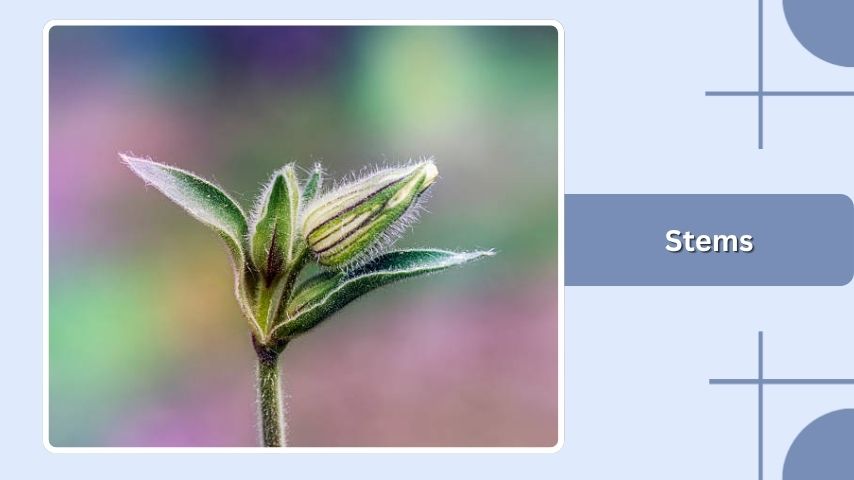
Some kangaroo rats may chew soft stems or plant parts, especially from desert plants. Stems are not as energy-rich as seeds, but they can still be part of the diet.
Stems Can Offer Moisture
Certain desert plants store moisture in their stems. Kangaroo rats may chew these parts when food is limited or when they need extra moisture from plants.
This does not mean stems are their favorite food. Seeds remain the main choice, but stems can support survival in difficult conditions.
6. Fruits
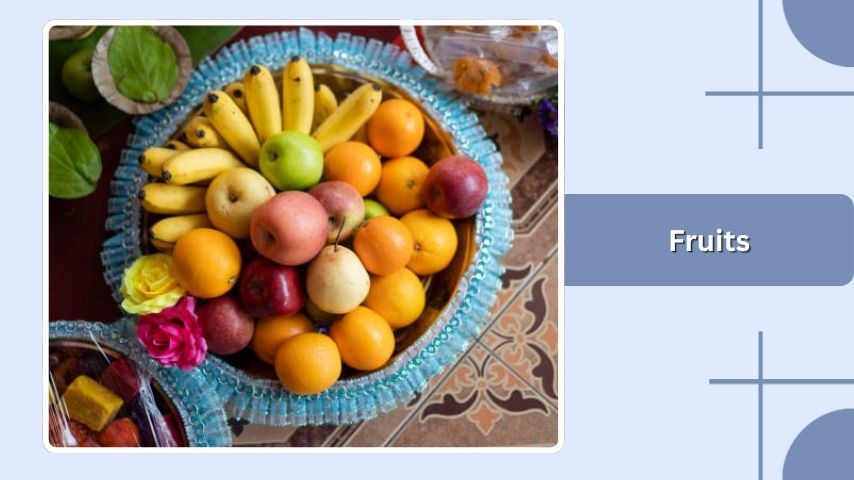
Kangaroo rats may eat small fruits when available. Desert fruits, berries, cactus fruits, or fallen fruit can provide sugar, nutrients, and moisture.
Fruits Are Helpful but Seasonal
Fruits are not always available in desert habitats. When they are present, kangaroo rats may take advantage of them because they are soft and easier to digest than some dry plant materials.
Fruits also contain water, which is valuable in dry environments. Even though kangaroo rats can live with very little water, moisture-rich food can still benefit them.
7. Insects
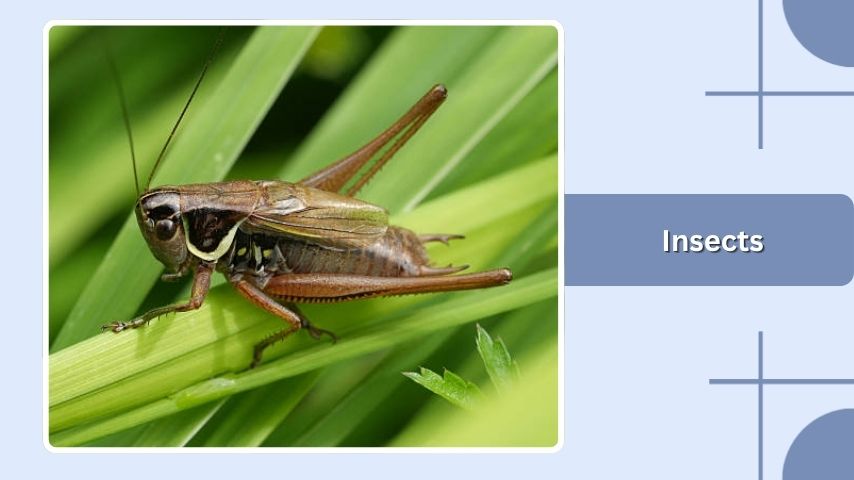
Although kangaroo rats are mostly seed eaters, some species may eat insects occasionally. They may eat beetles, grasshoppers, larvae, or other small insects when they find them.
Insects Add Protein
Insects provide protein and fat, which can be helpful during breeding seasons or when plant food is scarce. However, insects are usually not the main part of a kangaroo rat’s diet.
Most kangaroo rats still rely mainly on seeds and dry plant foods for daily survival.
Do Kangaroo Rats Drink Water?
One interesting fact about kangaroo rats is that they rarely need to drink water directly. They get much of the moisture they need from seeds and plant foods. Their bodies are extremely good at saving water.
They also avoid the hottest parts of the day by staying inside underground burrows. This helps reduce water loss and protects them from predators.
How Kangaroo Rats Store Food
Kangaroo rats are known for storing food. They collect seeds and other small foods in cheek pouches, then carry them back to their burrows or hidden storage spots.
Why Food Storage Matters
Desert food is not always available year-round. By storing seeds, kangaroo rats can survive during dry seasons or times when plants are not producing much food.
This habit also affects the environment. Some buried seeds are forgotten and may later grow, helping desert plants spread.
What Food Attracts Kangaroo Rats?
Kangaroo rats are most attracted to dry seeds, grains, and grasses. In natural areas, they search for wild plant seeds. Near farms or homes, they may be drawn to spilled grain, birdseed, livestock feed, or garden seeds.
To reduce attraction around properties, it is best to store dry foods in sealed containers and clean up spilled seeds or grains.
FAQs
What is a kangaroo rat’s favorite food?
Seeds are the favorite food of most kangaroo rats. They collect seeds from grasses, shrubs, and desert plants. Seeds are easy to carry, store, and digest, making them ideal for desert survival.
Do kangaroo rats eat insects?
Yes, some kangaroo rats may eat insects, but insects are not their main food. They usually eat insects only when available or when they need extra protein.
Do kangaroo rats eat grass?
Yes, kangaroo rats eat grass seeds and sometimes parts of grass plants. Grass seeds are more important because they are nutritious, dry, and easy to store.
Do kangaroo rats eat fruit?
Kangaroo rats may eat small fruits when they find them. Fruits provide sugar, nutrients, and moisture, but they are usually seasonal and not their main food.
Do kangaroo rats need to drink water?
Kangaroo rats rarely need to drink water directly. They get moisture from the seeds and plants they eat, and their bodies are very efficient at conserving water.