
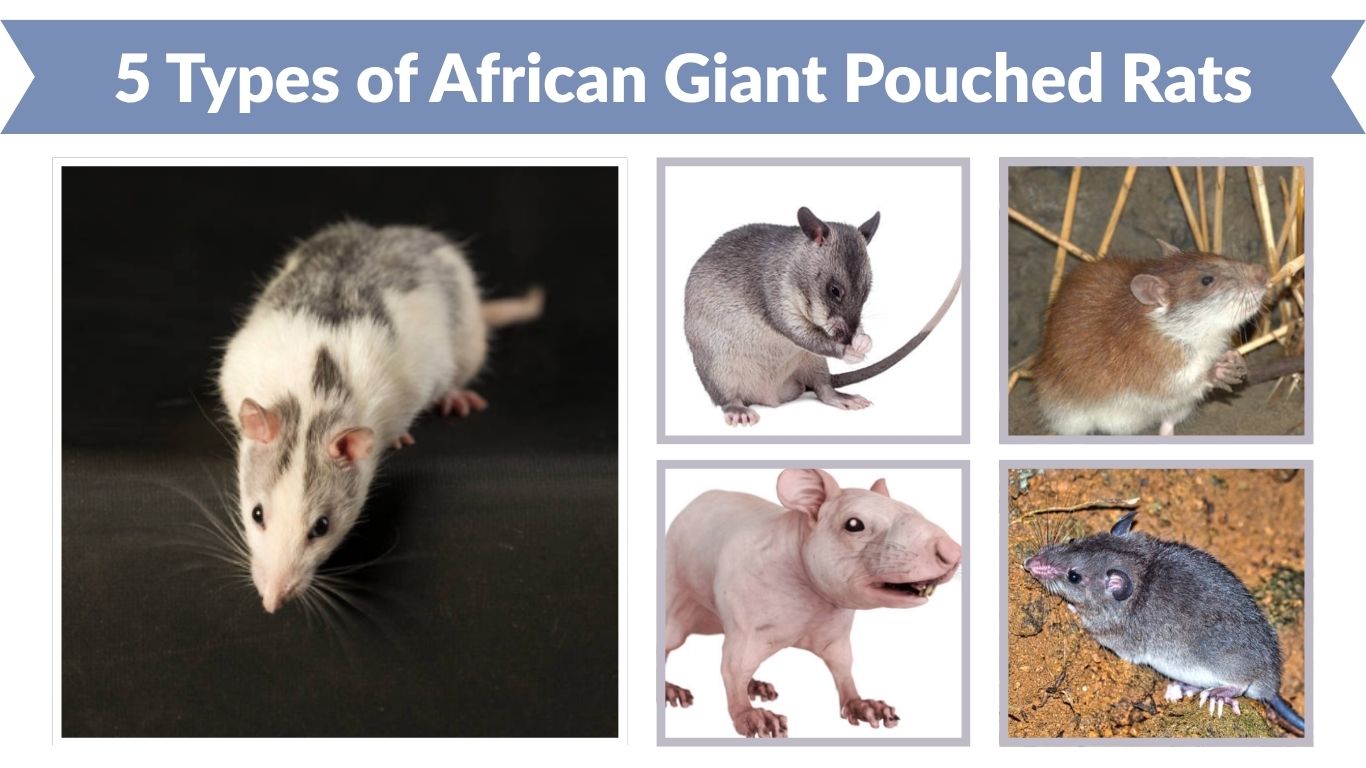
African giant pouched rats are large, intelligent rodents native to various regions of Africa. Known for their spacious cheek pouches, strong sense of smell, and long tails, these animals are highly adaptable and survive in forests, savannas, grasslands, and agricultural areas. They are mainly nocturnal and spend much of the night searching for food such as fruits, seeds, roots, and insects. Some species are even trained by humans to detect landmines and diseases because of their remarkable scent abilities. From the well-known Gambian Giant Pouched Rat to rarer regional species, these rodents display impressive diversity and survival skills in nature.
1. Southern African Giant Pouched Rat
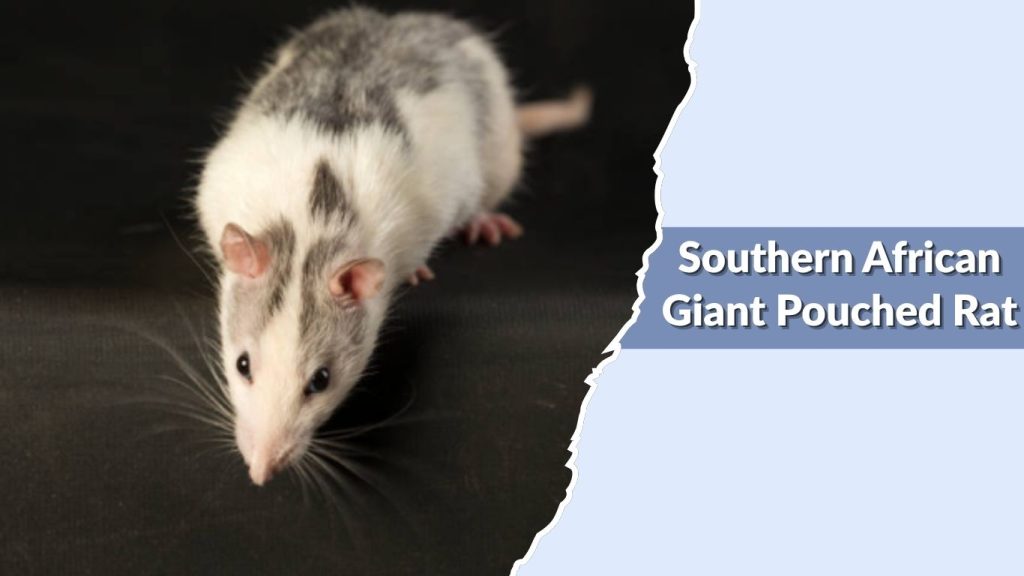
The Southern African Giant Pouched Rat is a large rodent species known for its cheek pouches, long tail, and excellent sense of smell. Native to southern parts of Africa, this intelligent rat is active mainly at night and lives in burrows or rocky shelters. It is admired for its adaptability and is sometimes trained for detecting landmines and diseases.
Identification
- Large rodent with a long hairless tail
- Brownish-gray fur with lighter underparts
- Large cheek pouches used for carrying food
- Strong hind legs and sharp claws
- Large rounded ears and dark eyes
- Body length usually between 25–45 cm
Habitat and Distribution
Southern African Giant Pouched Rats are distributed across southern African countries including Angola, Namibia, Botswana, Zambia, and nearby regions. They commonly inhabit savannas, woodlands, grasslands, and rocky environments. These rodents prefer areas with loose soil or natural shelters where they can create burrows for protection and nesting.
Behavior and Diet
These rats are mainly nocturnal and spend much of the night searching for food. They are intelligent and have an excellent sense of smell, which helps them locate seeds, fruits, roots, insects, and other food sources. Southern African Giant Pouched Rats are generally solitary but may tolerate others in areas with abundant resources.
Lifespan
Southern African Giant Pouched Rats usually live around 5–8 years in the wild, although they may survive longer in captivity with proper care. Their lifespan depends on food availability, environmental conditions, and predator presence. Young rats grow quickly and become independent after developing the skills needed for survival in natural habitats.
2. Gambian Giant Pouched Rat
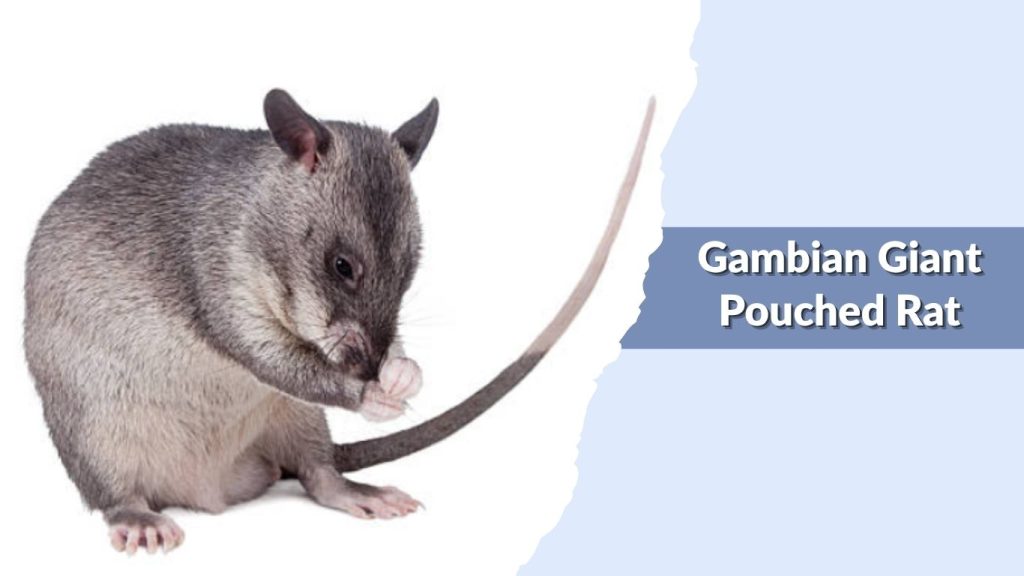
The Gambian Giant Pouched Rat is one of the largest rat species in the world, recognized for its cheek pouches, long tail, and highly developed sense of smell. Native to Africa, this intelligent rodent is active mainly at night and is widely known for being trained to detect landmines and tuberculosis due to its remarkable scent abilities.
Identification
- Large rodent with a long scaly tail
- Brownish-gray fur with pale underparts
- Large cheek pouches for carrying food
- Strong claws and powerful hind legs
- Large ears and dark round eyes
- Body length usually between 25–45 cm
Habitat and Distribution
Gambian Giant Pouched Rats are distributed across sub-Saharan Africa, including countries such as Gambia, Ghana, Tanzania, and Mozambique. They commonly inhabit savannas, forests, grasslands, agricultural fields, and rocky areas. These rodents prefer habitats with access to burrowing sites, food sources, and sheltered nesting locations naturally available in the environment.
Behavior and Diet
These rats are nocturnal and spend most of the night searching for food using their strong sense of smell. They feed on fruits, seeds, nuts, roots, insects, and small animals when available. Gambian Giant Pouched Rats are intelligent, curious, and capable climbers, often storing food inside their cheek pouches for transport to shelters.
Lifespan
Gambian Giant Pouched Rats usually live around 5–7 years in the wild, though individuals in captivity may survive longer with proper care and nutrition. Their lifespan depends on environmental conditions, predator pressure, and food availability. Young rats develop rapidly and learn survival skills shortly after becoming independent from their mothers.
3. Emin’s Giant Pouched Rat
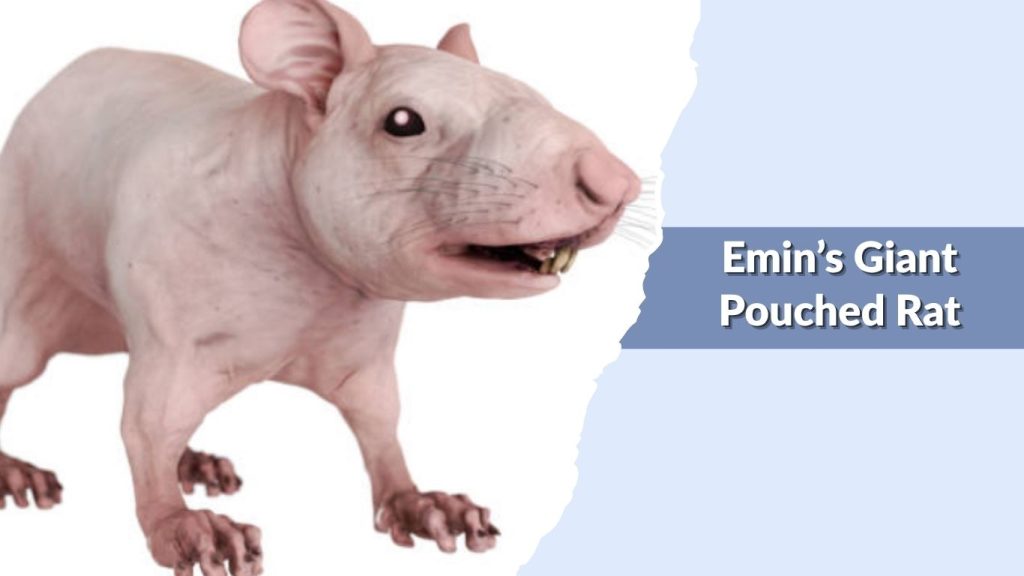
Emin’s Giant Pouched Rat is a large African rodent species known for its spacious cheek pouches, long tail, and excellent climbing abilities. This nocturnal rat belongs to the Cricetomys genus and is commonly found in tropical forests and woodland habitats. Its strong sense of smell and adaptable behavior help it survive in a wide range of natural environments.
Identification
- Large rodent with a long mostly hairless tail
- Brown or grayish fur with lighter underparts
- Large cheek pouches for storing food
- Strong claws and muscular hind legs
- Large rounded ears and dark eyes
- Body length usually between 25–40 cm
Habitat and Distribution
Emin’s Giant Pouched Rats are distributed across central and eastern Africa, including regions of Uganda, the Democratic Republic of the Congo, and neighboring countries. They commonly inhabit tropical forests, woodland edges, savannas, and agricultural areas. These rodents prefer habitats with dense vegetation, natural shelters, and loose soil suitable for burrowing naturally.
Behavior and Diet
These rats are mainly nocturnal and spend the night searching for food using their powerful sense of smell. They feed on fruits, seeds, nuts, roots, insects, and small invertebrates when available. Emin’s Giant Pouched Rats are skilled climbers and foragers that often carry food inside their cheek pouches back to nesting shelters.
Lifespan
Emin’s Giant Pouched Rats generally live around 5–8 years depending on environmental conditions and food availability. Individuals kept in captivity may survive longer with proper care and protection from predators. Young rats grow quickly and gradually become independent as they develop the ability to forage and defend themselves naturally.
4. East African Giant Pouched Rat
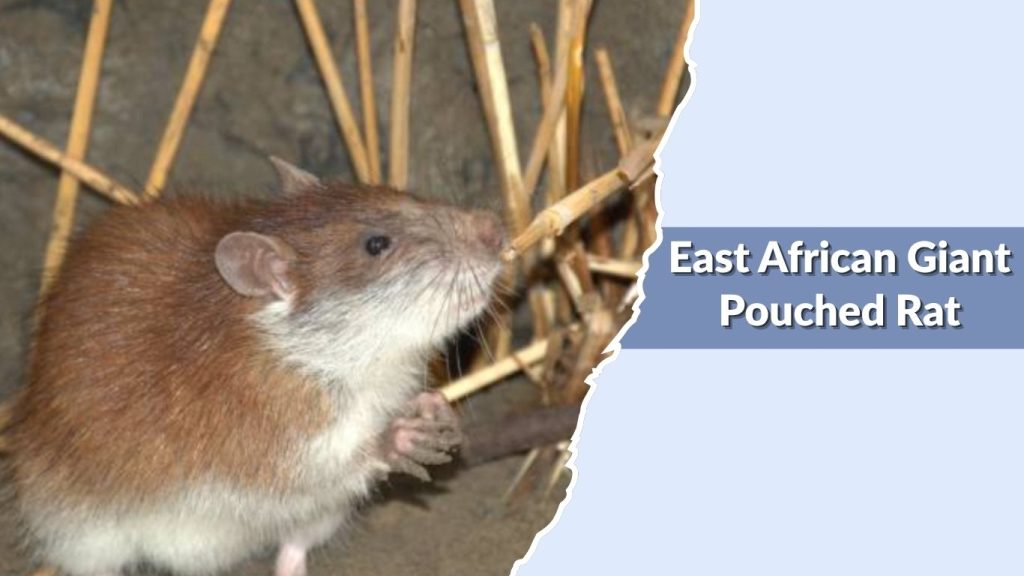
The East African Giant Pouched Rat is a large nocturnal rodent species recognized for its long tail, expandable cheek pouches, and highly developed sense of smell. Native to eastern Africa, this intelligent rat is adaptable and capable of surviving in forests, grasslands, and agricultural regions. It is also known for its climbing ability and efficient food-carrying behavior.
Identification
- Large rodent with a long hairless tail
- Brownish-gray fur with lighter belly coloration
- Spacious cheek pouches for carrying food
- Strong claws and powerful hind legs
- Large ears and dark rounded eyes
- Body length usually between 25–45 cm
Habitat and Distribution
East African Giant Pouched Rats are distributed across eastern African countries such as Kenya, Tanzania, Uganda, and nearby regions. They commonly inhabit savannas, forests, grasslands, rocky areas, and agricultural landscapes. These rodents prefer habitats with loose soil, dense vegetation, and natural shelters suitable for burrowing and nesting naturally.
Behavior and Diet
These rats are mainly active at night and rely heavily on their excellent sense of smell while searching for food. Their diet includes fruits, seeds, nuts, roots, insects, and other available plant material. East African Giant Pouched Rats often collect food using their cheek pouches and transport it back to secure burrows or shelters.
Lifespan
East African Giant Pouched Rats generally live around 5–8 years depending on environmental conditions, food supply, and predator presence. Individuals living in captivity may survive longer with proper care and nutrition. Young rats grow rapidly and gradually become independent after learning essential survival and foraging behaviors from adults.
5. Ansorge’s Giant Pouched Rat
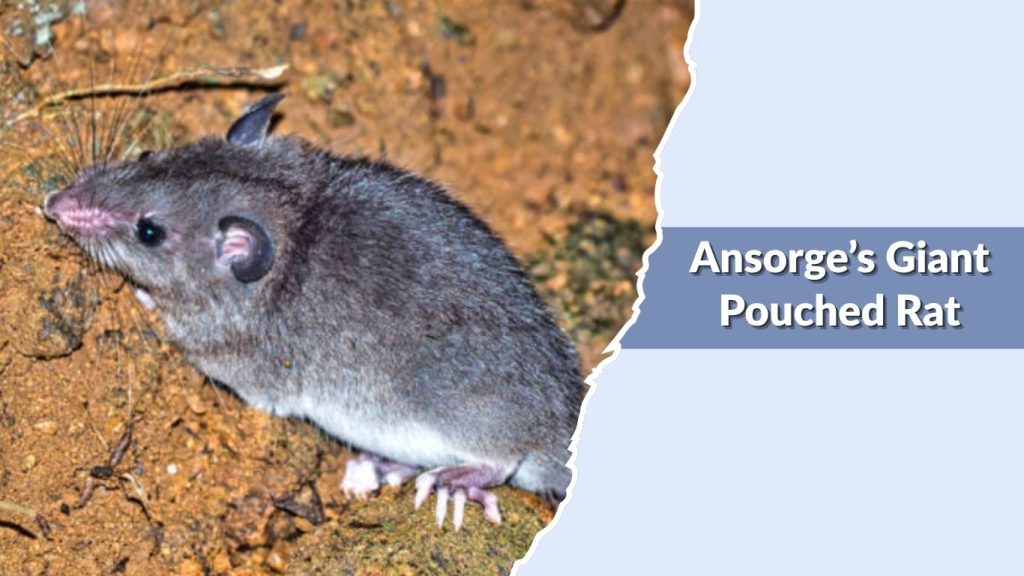
Ansorge’s Giant Pouched Rat is a large African rodent species known for its long tail, cheek pouches, and strong sense of smell. This nocturnal rat belongs to the Cricetomys genus and is commonly found in woodland and savanna habitats. Its adaptable nature and ability to carry food in its cheek pouches help it survive in diverse environments.
Identification
- Large rodent with a long mostly hairless tail
- Brownish or gray fur with lighter underparts
- Large expandable cheek pouches
- Strong claws and muscular hind legs
- Large rounded ears and dark eyes
- Body length usually between 25–45 cm
Habitat and Distribution
Ansorge’s Giant Pouched Rats are distributed across parts of central and southern Africa, including Angola and nearby regions. They commonly inhabit savannas, woodlands, grasslands, and agricultural areas with suitable shelter and food sources. These rodents prefer habitats with loose soil, rocky shelters, and dense vegetation for protection and nesting naturally.
Behavior and Diet
These rats are mainly nocturnal and spend nighttime hours searching for food using their excellent sense of smell. Their diet includes fruits, seeds, roots, nuts, insects, and other available plant material. Ansorge’s Giant Pouched Rats often store and transport food inside their cheek pouches back to burrows or protected shelters.
Lifespan
Ansorge’s Giant Pouched Rats generally live around 5–8 years depending on environmental conditions and food availability. Individuals in captivity may survive longer with proper care and protection from predators. Young rats grow quickly and gradually become independent after developing important survival, climbing, and foraging skills in natural habitats.
FAQs
What is an African giant pouched rat?
African giant pouched rats are large rodents belonging to the Cricetomys genus. They are known for their spacious cheek pouches, long tails, and excellent sense of smell. These intelligent animals are native to Africa and are commonly found in forests, savannas, woodlands, and agricultural regions across the continent.
Why are giant pouched rats called pouched rats?
They are called pouched rats because they have large cheek pouches used for carrying food. These expandable pouches allow them to transport seeds, fruits, and other food items back to their burrows or shelters. The pouches function similarly to those of hamsters and help them gather food efficiently.
What do African giant pouched rats eat?
African giant pouched rats are omnivores and feed on a wide variety of foods. Their diet commonly includes fruits, seeds, nuts, roots, insects, and other plant materials. They use their strong sense of smell to locate food and often store extra food inside their cheek pouches for transport.
Are African giant pouched rats dangerous to humans?
African giant pouched rats are generally not aggressive toward humans and usually avoid confrontation. They are intelligent and can even be trained for specialized tasks such as landmine detection and disease screening. However, like many wild rodents, they may bite if threatened or handled improperly in stressful situations.
How long do African giant pouched rats live?
African giant pouched rats usually live around 5–8 years in the wild, depending on food availability, predators, and environmental conditions. In captivity, they may live longer with proper nutrition and care. Young rats grow quickly and become independent after learning important survival and foraging behaviors naturally.