
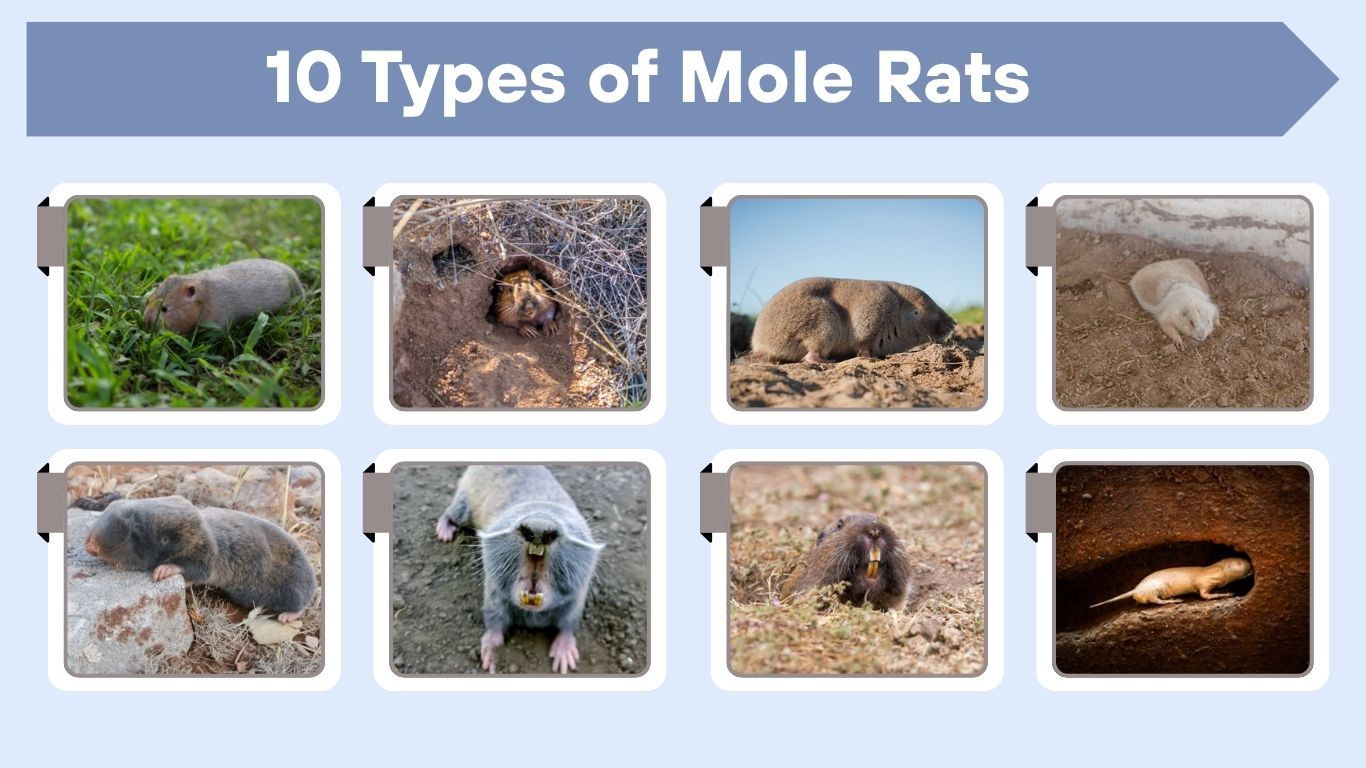
Mole rats are unique burrowing rodents that spend most of their lives underground in complex tunnel systems. These fascinating animals are specially adapted for subterranean living with strong teeth, powerful digging limbs, and reduced eyesight. Different mole rat species can be found across Africa, Europe, and parts of Asia, living in grasslands, deserts, and savannas. Some species are solitary, while others live in highly social colonies. Mole rats are also important for scientific research because of their unusual longevity, resistance to disease, and remarkable ability to survive in low-oxygen underground environments.
1. Naked Mole Rat
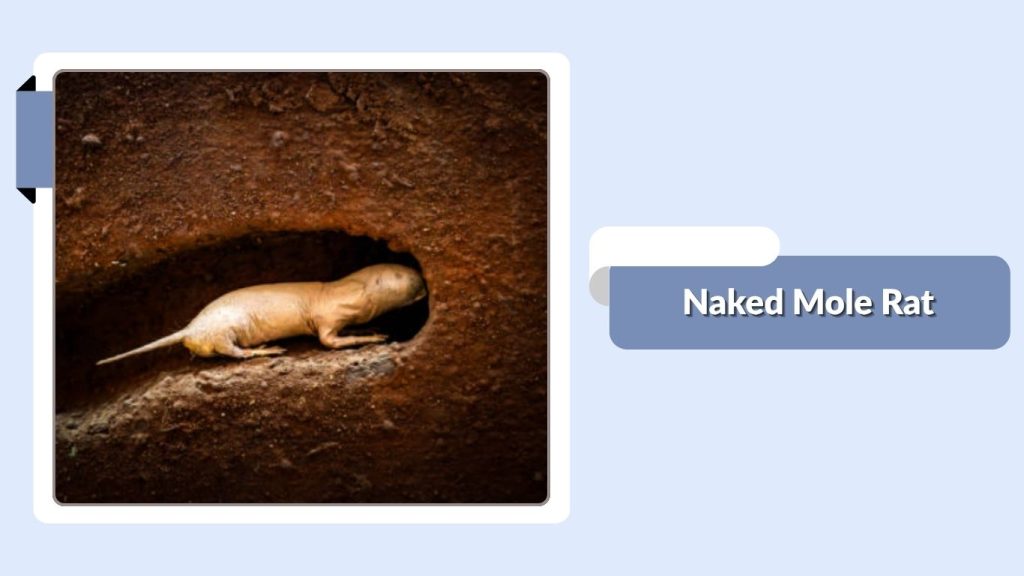
The naked mole rat is one of the most unusual rodents in the world. Native to East Africa, this burrowing mammal is famous for its hairless body, underground lifestyle, and highly social colony system similar to ants and bees. Naked mole rats are also known for their exceptional lifespan and resistance to certain diseases, making them an important species in scientific research.
Identification
- Nearly hairless pink or yellowish skin
- Small eyes with poor eyesight
- Large protruding front teeth used for digging
- Wrinkled body with cylindrical shape
- Short legs and small tail
Habitat and Distribution
Naked mole rats are mainly found in dry grasslands and semi-arid regions of East Africa, especially in Ethiopia, Kenya, and Somalia. They live in extensive underground tunnel systems that protect them from predators and extreme temperatures. Their burrows can stretch for several kilometers beneath the ground.
Behavior and Diet
Naked mole rats are highly social animals that live in colonies led by a single breeding queen. Colony members work together to dig tunnels, gather food, and care for young. Their diet mainly consists of underground roots, tubers, and bulbs, which also provide much of their water intake.
Lifespan
Naked mole rats are known for their remarkably long lifespan compared to other rodents. They can live for more than 30 years in captivity, which is extremely unusual for a small mammal. Scientists study them because of their resistance to aging, cancer, and low-oxygen environments.
2. Damaraland Mole Rat
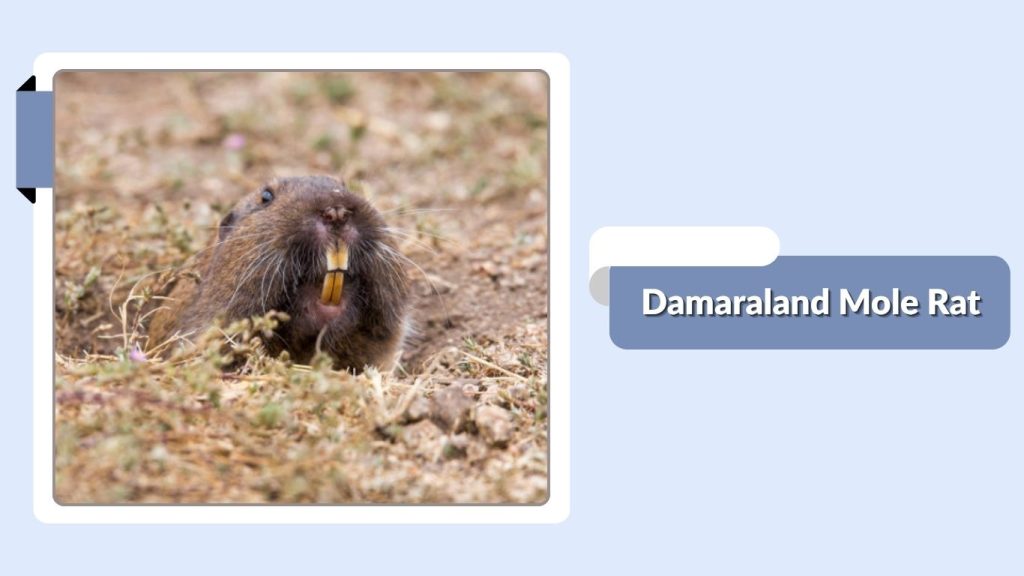
The Damaraland mole rat is a social burrowing rodent native to southern Africa. It is closely related to the naked mole rat and is known for its underground lifestyle and cooperative colony behavior. This species spends most of its life in tunnel systems beneath dry landscapes. Damara and mole rats are highly adapted to living underground and can survive in harsh environments with limited water resources.
Identification
- Dark gray or brown fur
- Cylindrical body shape
- Large front teeth for digging
- Small eyes and reduced eyesight
- Short tail and powerful limbs
Habitat and Distribution
Damaraland mole rats are mainly found in Namibia, Botswana, and parts of South Africa. They inhabit arid savannas, grasslands, and semi-desert regions with sandy or loose soil suitable for burrowing. Their underground tunnel systems protect them from predators and extreme temperatures.
Behavior and Diet
This species lives in cooperative colonies where members share tasks such as digging tunnels and gathering food. Damara and mole rats mainly feed on underground plant parts including roots, bulbs, and tubers. They rarely come above ground and obtain most of their moisture from their food.
Lifespan
Damara and mole rats have relatively long lifespans for rodents and can live for more than 10 years in captivity. Their underground lifestyle and social structure help reduce predation risks and environmental stress, contributing to their extended lifespan compared to many other small mammals.
3. Cape Mole Rat
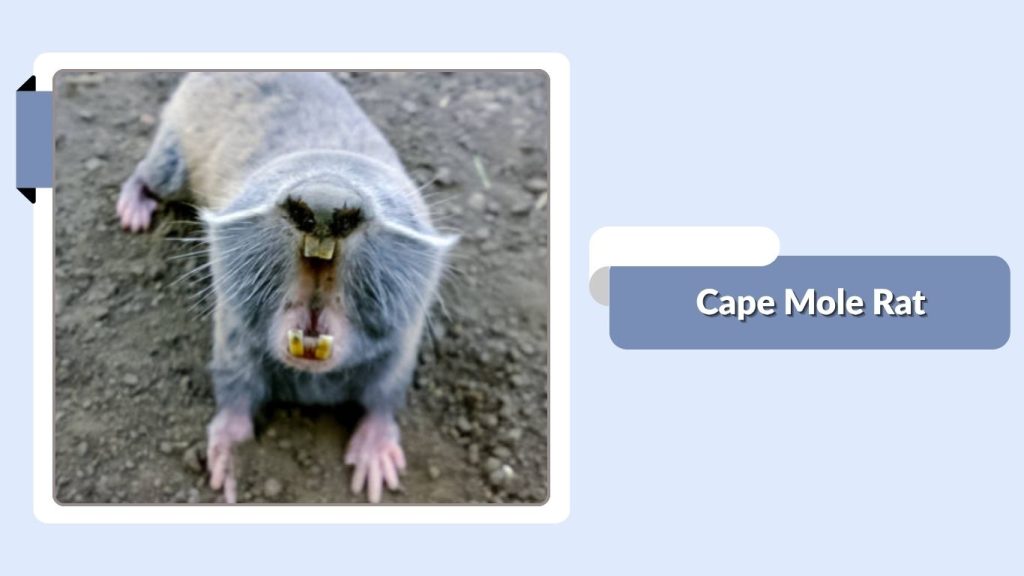
The Cape mole rat is a burrowing rodent native to southern Africa. It is known for its solitary lifestyle and strong digging ability, spending nearly its entire life underground. This species is well adapted to subterranean living and survives in a variety of soil conditions. Cape mole rats play an important ecological role by aerating soil and influencing underground plant growth through their tunneling activities.
Identification
- Thick gray or brown fur
- Cylindrical body with short neck
- Large front teeth for digging
- Small eyes and reduced vision
- Short tail and powerful forelimbs
Habitat and Distribution
Cape mole rats are commonly found in South Africa and neighboring regions. They inhabit grasslands, shrublands, and agricultural areas with soft or moderately compact soil suitable for digging. Their tunnel systems provide protection from predators and harsh weather conditions.
Behavior and Diet
Unlike some social mole rat species, the Cape mole rat usually lives alone except during breeding periods. It spends most of its time digging tunnels and searching for food underground. Its diet mainly consists of roots, bulbs, tubers, and other underground plant material.
Lifespan
Cape mole rats generally live several years in the wild and may survive longer in captivity under protected conditions. Their underground lifestyle helps reduce exposure to predators and environmental dangers, contributing to a relatively stable lifespan for a small rodent species.
4. Giant Mole Rat
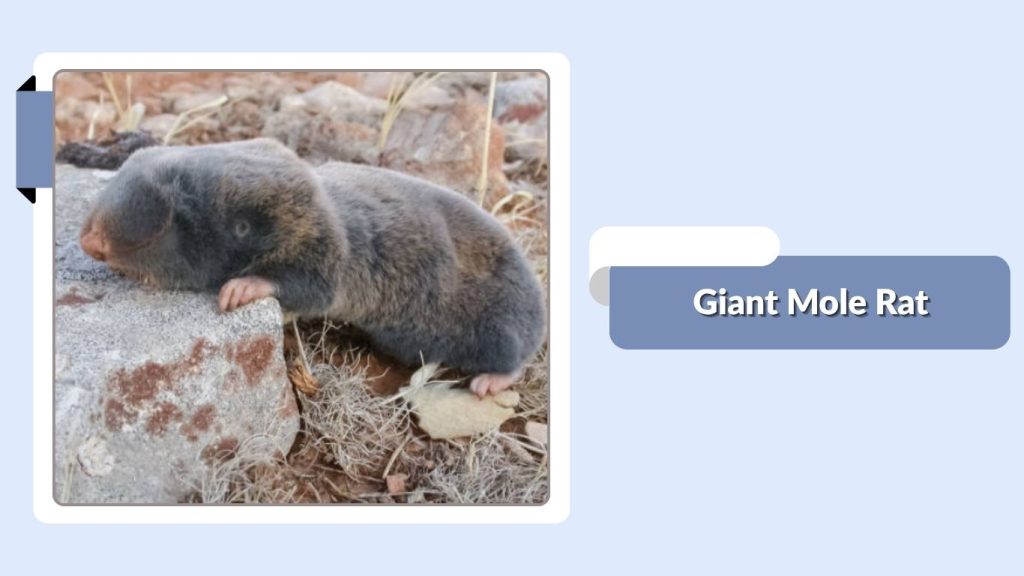
The giant mole rat is one of the largest mole rat species in the world and is native to East Africa. This powerful burrowing rodent spends most of its life underground in complex tunnel systems. It is specially adapted for digging and surviving in high-altitude grasslands. The giant mole rat is an important part of its ecosystem because its burrowing activities help improve soil structure and nutrient distribution.
Identification
- Large and heavy-bodied rodent
- Thick gray or brown fur
- Strong front teeth used for digging
- Small eyes and tiny ears
- Short limbs with powerful claws
Habitat and Distribution
Giant mole rats are mainly found in Ethiopia, particularly in highland grasslands and mountainous regions. They prefer soft volcanic soils that allow easy tunneling. Their underground burrow systems protect them from predators and extreme environmental conditions.
Behavior and Diet
This species spends nearly all of its life underground and is mostly solitary. Giant mole rats dig extensive tunnels in search of food and shelter. Their diet mainly includes roots, tubers, grasses, and other underground plant materials found within their habitat.
Lifespan
Giant mole rats can live for several years in the wild, although exact lifespan data is limited. Their underground existence reduces predation risks and exposure to harsh climates, helping them survive longer than many surface-dwelling rodents in similar environments.
5. Silvery Mole Rat
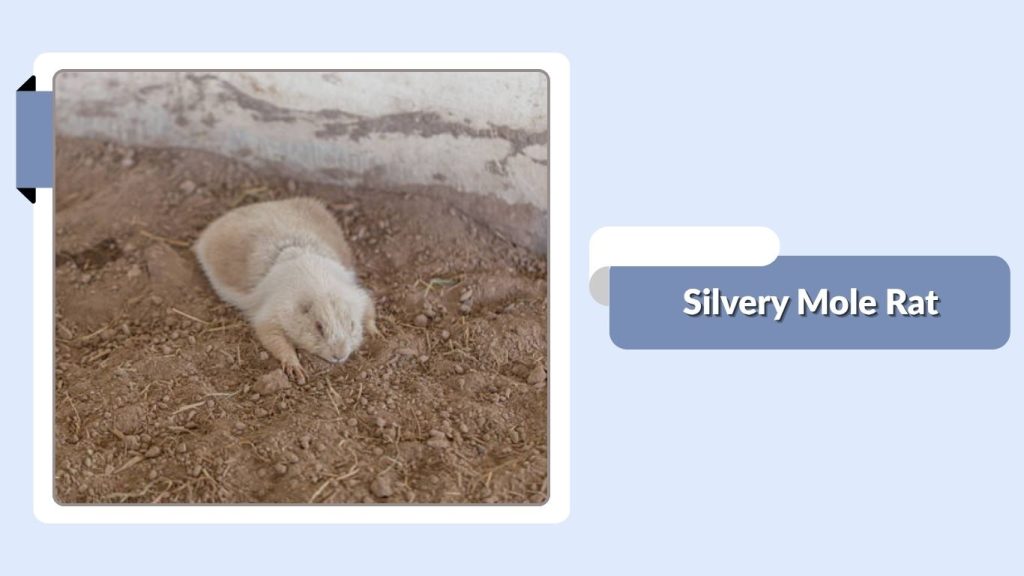
The silvery mole rat is a burrowing rodent species found in parts of East Africa. It is recognized for its soft silvery-gray fur and underground lifestyle. Like other mole rats, this species is highly adapted to digging and living beneath the surface. Silvery mole rats spend most of their lives in tunnel systems where they search for food, avoid predators, and remain protected from harsh environmental conditions.
Identification
- Silvery-gray or pale brown fur
- Cylindrical body shape
- Large front incisors for digging
- Small eyes with limited vision
- Short tail and sturdy limbs
Habitat and Distribution
Silvery mole rats are mainly found in Kenya, Tanzania, and nearby East African regions. They inhabit grasslands, savannas, and areas with loose soil that supports underground tunneling. Their burrow systems provide shelter from heat, predators, and changing weather conditions.
Behavior and Diet
This species spends most of its time underground and is generally solitary or lives in small family groups. Silvery mole rats feed mainly on roots, bulbs, tubers, and other underground plant material. They use their strong incisors to dig tunnels and locate food beneath the soil surface.
Lifespan
Silvery mole rats can live for several years, especially in protected underground environments. Their hidden lifestyle helps reduce the risk of predation and environmental stress. Although their exact lifespan is not widely documented, they generally live longer than many similarly sized surface rodents.
6. Common Mole Rat
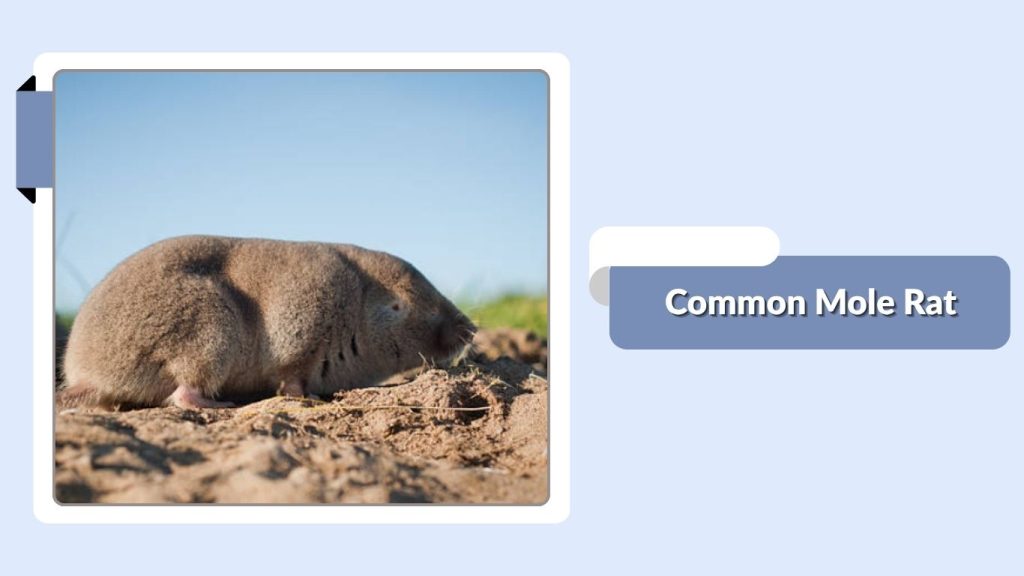
The common mole rat is a widespread burrowing rodent found across parts of Eastern Europe, the Middle East, and Central Asia. It is known for its underground lifestyle and strong digging abilities. This species spends nearly all its time below the surface, creating tunnel systems for shelter and food storage. The common mole rat is highly adapted to subterranean living and rarely appears above ground.
Identification
- Stocky cylindrical body
- Short dense gray or brown fur
- Large front incisors for digging
- Tiny eyes with poor eyesight
- Short tail and strong forelimbs
Habitat and Distribution
Common mole rats are found in grasslands, steppes, agricultural lands, and semi-arid regions across Eastern Europe and parts of Asia. They prefer loose or moderately soft soils that allow efficient tunnel construction and underground movement.
Behavior and Diet
This species is mostly solitary and territorial. Common mole rats spend their lives digging tunnels, searching for food, and maintaining underground chambers. Their diet mainly consists of roots, bulbs, tubers, and underground plant parts that provide both nutrients and moisture.
Lifespan
Common mole rats generally live several years in the wild and may survive longer in captivity. Their underground lifestyle protects them from many predators and harsh environmental conditions, contributing to a relatively stable lifespan for a small burrowing mammal.
7. Mechow’s Mole Rat
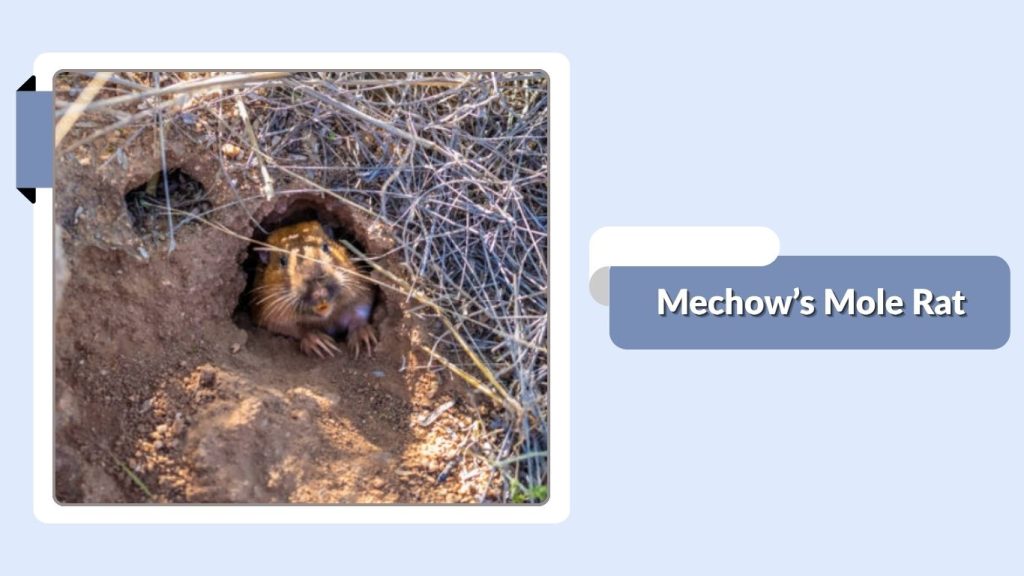
Mechow’s mole rat is a large burrowing rodent native to Central and Southern Africa. It is known for its strong body, underground lifestyle, and remarkable digging ability. This species spends most of its life beneath the surface in complex tunnel systems. Mechow’s mole rat is highly adapted to subterranean living and survives by feeding on underground plant material in grassland and savanna environments.
Identification
- Large cylindrical body
- Gray, brown, or reddish fur
- Powerful front incisors for digging
- Small eyes with weak vision
- Short tail and muscular limbs
Habitat and Distribution
Mechow’s mole rats are mainly found in Zambia, Angola, the Democratic Republic of the Congo, and neighboring regions. They inhabit grasslands, savannas, and woodland areas with loose or sandy soil suitable for tunnel construction and underground movement.
Behavior and Diet
This species is mostly solitary and spends nearly all its time underground. Mechow’s mole rats dig extensive tunnel systems while searching for roots, bulbs, tubers, and other underground plant parts. They rarely emerge above ground and rely heavily on their sense of touch and smell.
Lifespan
Mechow’s mole rats can live for several years, especially in stable underground environments where they are protected from predators and weather extremes. Their subterranean lifestyle contributes to lower exposure to environmental dangers and helps support a relatively long lifespan for a rodent species.
8. Ansell’s Mole Rat
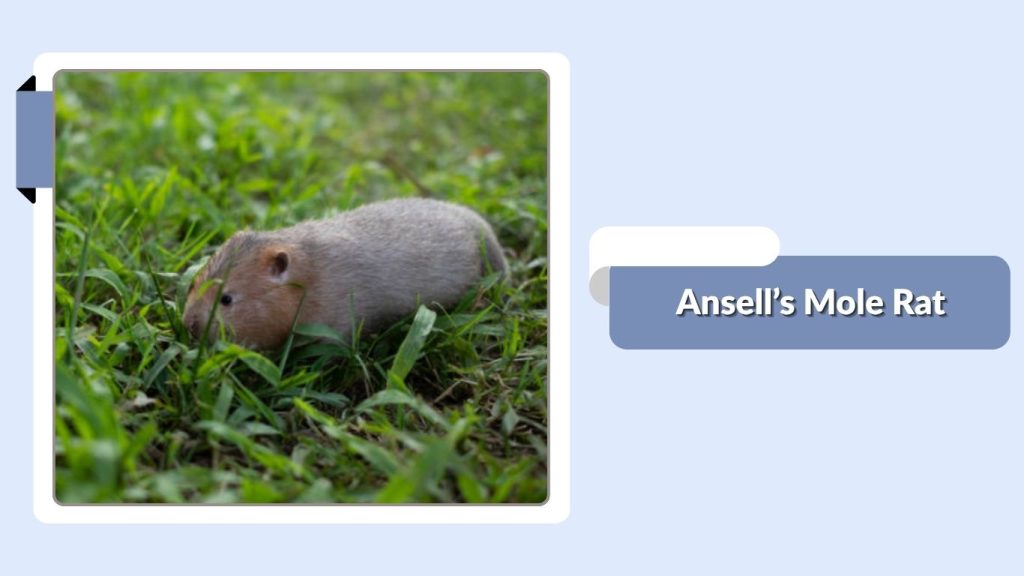
Ansell’s mole rat is a burrowing rodent species native to Zambia in southern Africa. It is closely related to other African mole rats and is known for its underground lifestyle and social behavior. This species has attracted scientific interest because of its unusual resistance to aging and disease. Ansell’s mole rats spend nearly their entire lives underground in tunnel systems built for feeding, nesting, and protection.
Identification
- Cylindrical gray or brown body
- Short dense fur
- Large front incisors for digging
- Small eyes with poor vision
- Short tail and compact limbs
Habitat and Distribution
Ansell’s mole rats are mainly found in Zambia, especially in grasslands and savanna habitats with soft soil suitable for burrowing. Their underground tunnel networks protect them from predators, temperature extremes, and dry environmental conditions.
Behavior and Diet
This species lives in social colonies where individuals cooperate in digging tunnels and gathering food. Ansell’s mole rats mainly feed on roots, tubers, bulbs, and underground plant material. They spend most of their time underground and rarely surface above the soil.
Lifespan
Ansell’s mole rats are known for their unusually long lifespan compared to many rodents. Some individuals can live for more than 20 years in captivity. Their resistance to aging and low rates of disease have made them important subjects in scientific and medical research.
9. Somali Mole Rat
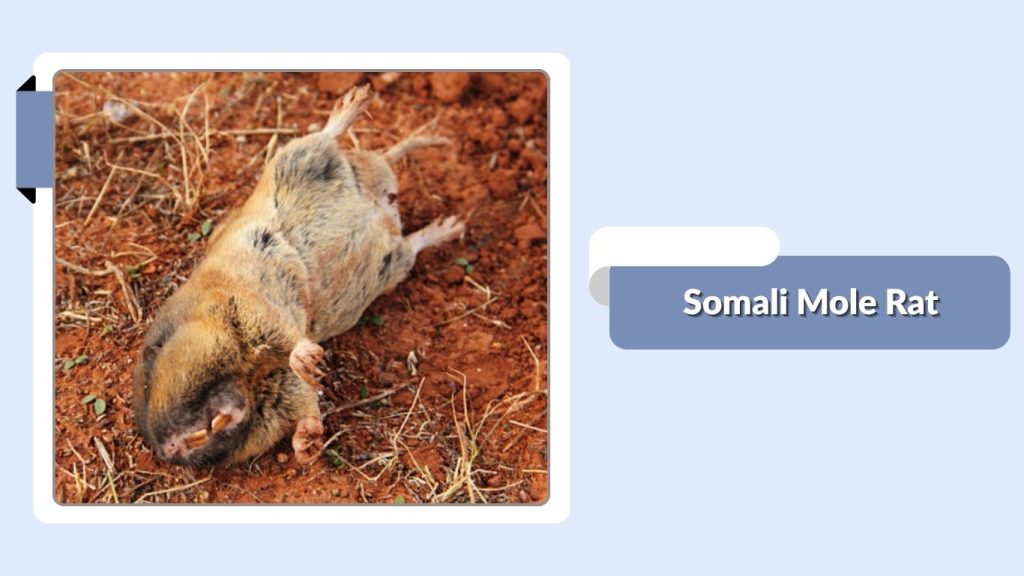
The Somali mole rat is a burrowing rodent species native to the Horn of Africa. It is specially adapted to life underground and spends most of its time inside tunnel systems beneath dry landscapes. Like other mole rats, it has strong digging abilities and reduced eyesight. The Somali mole rat survives in harsh environments by feeding on underground plant material and avoiding extreme surface temperatures.
Identification
- Gray or brown cylindrical body
- Short and dense fur
- Large front incisors for digging
- Tiny eyes with limited vision
- Short tail and strong limbs
Habitat and Distribution
Somali mole rats are mainly found in Somalia and nearby regions of East Africa. They inhabit dry grasslands, savannas, and semi-arid areas with loose soil suitable for burrowing. Their underground tunnels provide shelter from predators and harsh climate conditions.
Behavior and Diet
This species spends nearly all of its life underground and is generally solitary. Somali mole rats dig tunnels to search for roots, bulbs, tubers, and other underground plant parts. They rarely emerge above ground and rely heavily on touch and smell to navigate underground.
Lifespan
Somali mole rats can live several years in protected underground environments. Their subterranean lifestyle reduces exposure to predators and environmental stress, helping them survive longer than many similarly sized rodents living above ground.
10. Zambian Mole Rat
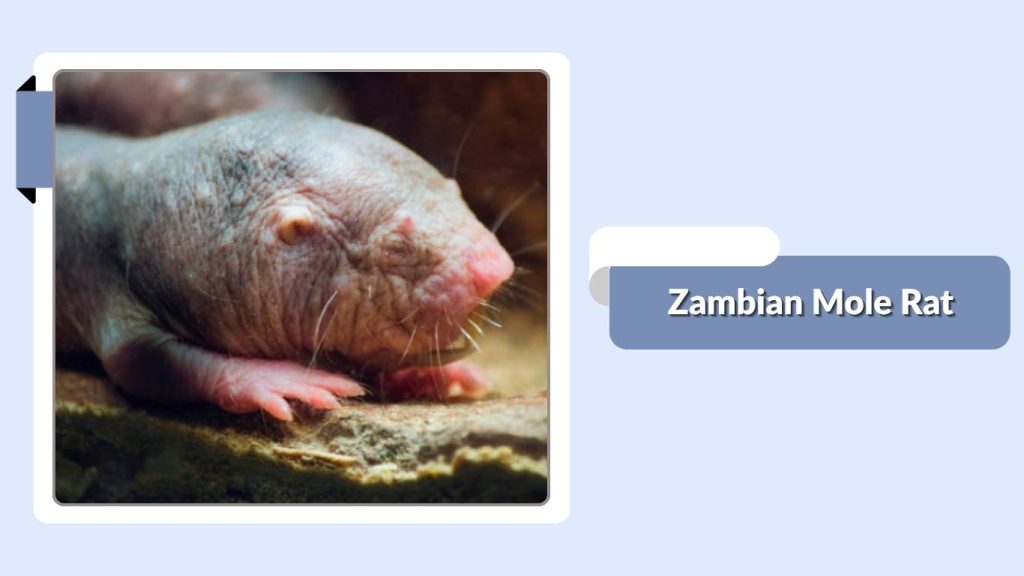
The Zambian mole rat is a burrowing rodent species native to southern Africa, particularly Zambia and nearby regions. It is highly adapted to underground living and spends most of its life in tunnel systems beneath grasslands and savannas. This species is known for its strong digging ability, reduced eyesight, and specialized teeth used for excavation. Like other mole rats, it plays an important role in soil aeration and underground ecosystem balance.
Identification
- Cylindrical gray or brown body
- Short dense fur
- Large protruding front incisors
- Small eyes with poor vision
- Short tail and muscular limbs
Habitat and Distribution
Zambian mole rats are mainly found in Zambia and surrounding southern African regions. They inhabit grasslands, savannas, and agricultural areas with soft soil suitable for tunneling. Their underground burrows protect them from predators, heat, and changing environmental conditions.
Behavior and Diet
This species spends nearly all its time underground and may live alone or in small social groups depending on environmental conditions. Zambian mole rats feed mainly on roots, bulbs, tubers, and other underground plant material. They use their strong incisors to dig tunnels and locate food sources beneath the soil.
Lifespan
Zambian mole rats can live for several years in stable underground environments. Their subterranean lifestyle reduces exposure to predators and harsh weather, helping them maintain a longer lifespan than many surface-dwelling rodents of similar size.
FAQs
What is a mole rat?
A mole rat is a burrowing rodent that spends most of its life underground. These animals are specially adapted for digging with strong teeth and powerful limbs. Mole rats are commonly found in Africa and parts of Europe and Asia, where they live in underground tunnel systems.
Are mole rats blind?
Most mole rats are not completely blind, but they have very poor eyesight because they live underground in dark environments. Their small eyes can usually detect light and movement, while their senses of touch, smell, and hearing are much more developed.
What do mole rats eat?
Mole rats mainly feed on underground plant material such as roots, bulbs, tubers, and rhizomes. Some species also eat stems and other vegetation found near their tunnel systems. They obtain much of their moisture directly from the food they consume.
Why are naked mole rats famous?
Naked mole rats are famous because of their unusual appearance, long lifespan, and resistance to certain diseases. Scientists study them for research related to aging, cancer resistance, and survival in low-oxygen conditions. They also have a highly social colony system similar to ants and bees.
Where do mole rats live?
Mole rats are commonly found in Africa, Eastern Europe, and parts of Asia. They usually inhabit grasslands, savannas, deserts, and semi-arid regions with soil suitable for digging underground tunnels and nesting chambers.