
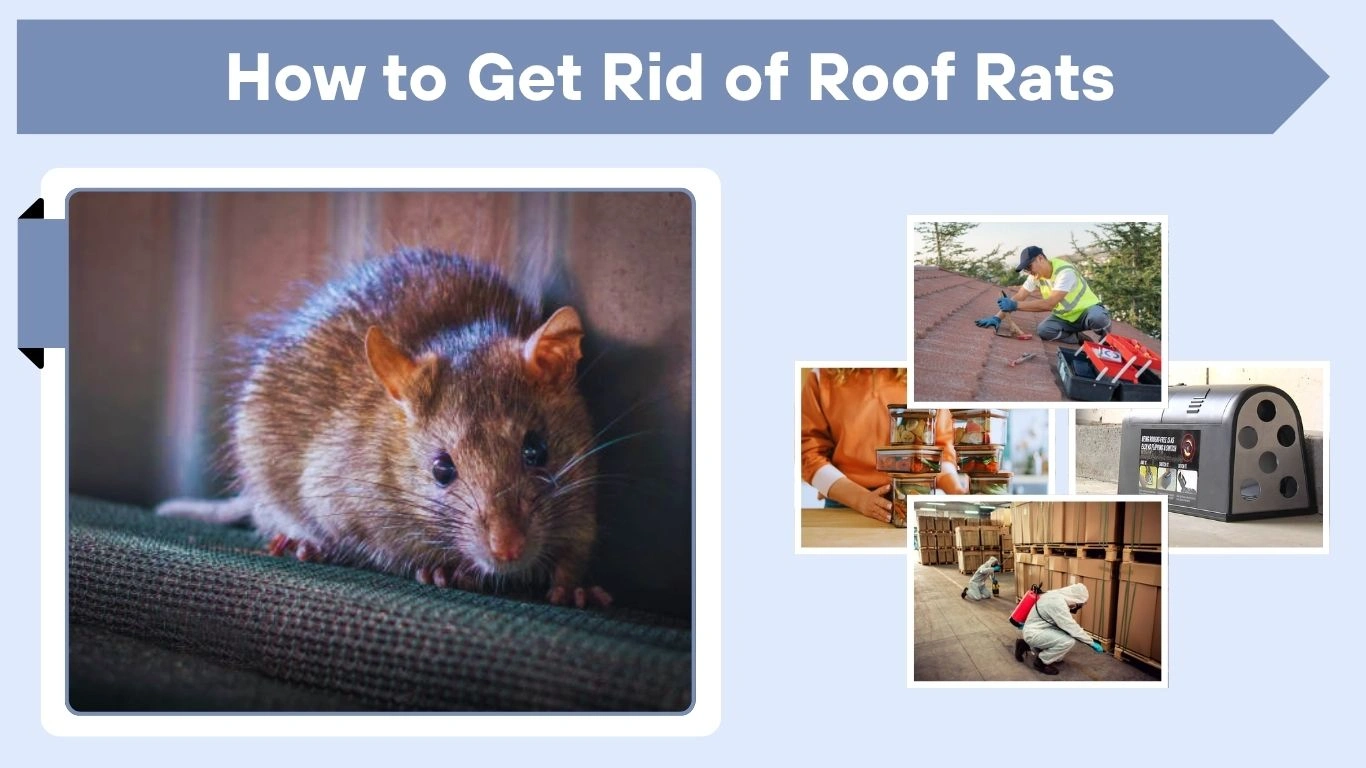
Roof rats can quickly turn a quiet home into a stressful environment filled with scratching noises, unpleasant odors, and damaged property. These climbing rodents commonly invade attics, ceilings, garages, and walls while searching for food and shelter. If left untreated, roof rat infestations may grow rapidly and create serious health and safety concerns. Getting rid of roof rats requires more than setting a few traps. Effective control involves identifying entry points, removing food sources, sealing access areas, and using the right trapping methods to stop the infestation permanently.
What Are Roof Rats?
Roof rats are agile rodents known for climbing walls, trees, roofs, and utility lines. Unlike Norway rats that usually stay near the ground, roof rats prefer elevated spaces such as attics, ceilings, roof voids, and upper floors. They are especially common in warm climates and urban neighborhoods with nearby food sources.
How Roof Rats Differ From Other Rats
Roof rats have several characteristics that make them easier to identify. Their bodies are slimmer, and their tails are usually longer than their bodies. They move quickly and are excellent climbers, which allows them to enter homes through roofs and upper openings.
Common roof rat traits include:
- Long tails and slender bodies
- Large ears and pointed noses
- Excellent climbing ability
- Preference for high nesting areas
- Nocturnal behavior with nighttime activity
Why Roof Rats Invade Homes
Roof rats enter homes for shelter, food, and water. Attics and roof spaces provide warmth, darkness, and protection from predators. Homes with fruit trees, pet food, bird feeders, or uncovered trash often attract roof rats more easily.
Once inside, roof rats can build nests using insulation, cardboard, and stored materials. Because they reproduce quickly, a small infestation can grow into a larger problem within a short period of time.
Signs You Have Roof Rats in Your Roof or Attic
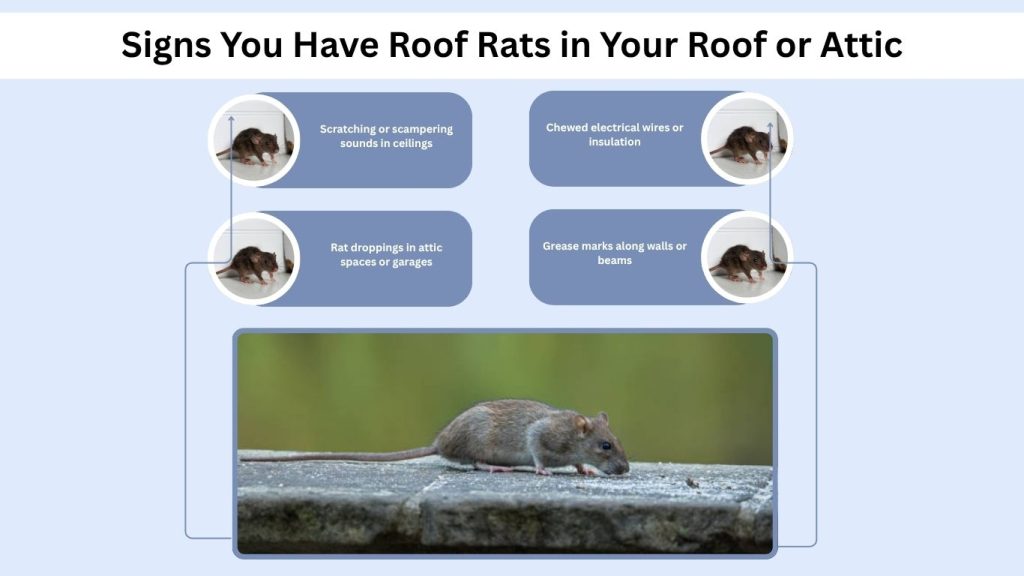
Early detection is important because roof rats can damage electrical wiring, insulation, wood, and stored belongings. Many homeowners first notice roof rats after hearing scratching or running noises at night.
Common Signs of Roof Rat Infestation
Several warning signs may indicate roof rats are living inside your attic, ceiling, or walls. The more signs you notice, the more likely it is that a larger infestation is developing.
- Scratching or scampering sounds in ceilings
- Rat droppings in attic spaces or garages
- Chewed electrical wires or insulation
- Grease marks along walls or beams
- Strong urine or musty odors
- Damage to stored food or fruit outdoors
Rat Smells and Roof Odors
One of the strongest indicators of a roof rat infestation is a persistent foul smell. Rat urine produces a strong ammonia-like odor, while a dead rat inside the roof can create an extremely unpleasant smell that spreads through the home.
These odors often become stronger during hot weather or in poorly ventilated attic spaces. If the smell suddenly becomes severe, there may be a dead rat trapped inside the roof or wall cavity.
How Roof Rats Get Into Your House
Roof rats can squeeze through surprisingly small openings and usually enter homes from elevated locations. Even tiny roof gaps or damaged vents can provide enough space for entry.
Common Roof Rat Entry Points
Many infestations begin outside the home where rats use trees, fences, and utility lines to access the roof. Once they find an opening, they can travel through attics, ceilings, and wall cavities.
Typical entry points include:
- Broken roof vents
- Openings around pipes and cables
- Gaps near roof edges
- Damaged attic screens
- Tree branches touching the roof
How Roof Rats Move Through Walls and Ceilings
Roof rats are highly flexible and can travel through narrow wall spaces with ease. After entering the attic, they often move between rooms using ceiling cavities and insulation pathways.
Because roof rats are active mostly at night, homeowners usually hear movement after dark. Scratching, chewing, and running sounds often become louder as the infestation grows.
How to Get Rid of Roof Rats Fast
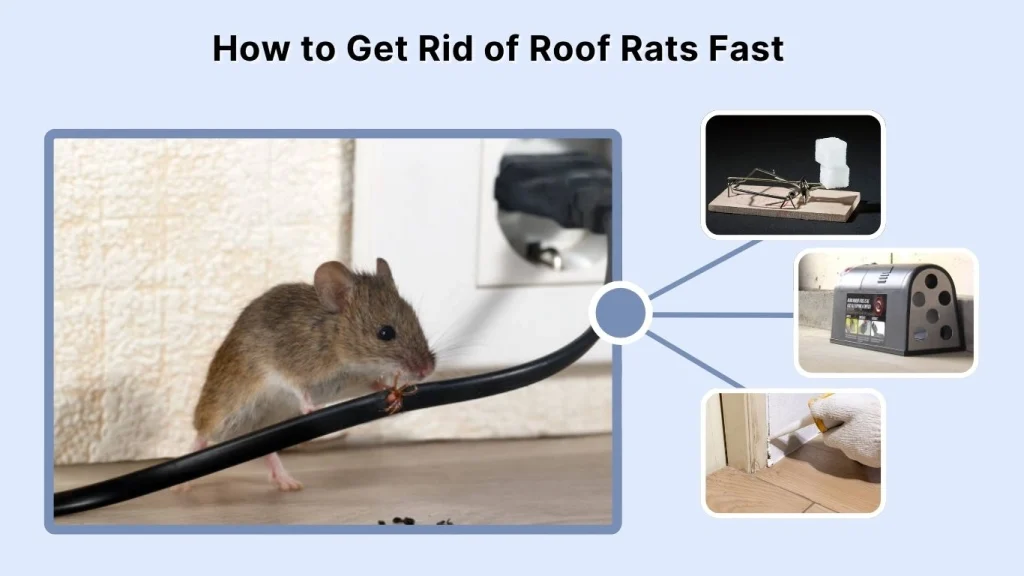
Fast roof rat removal requires a combination of trapping, sanitation, and exclusion methods. Simply removing one rat rarely solves the problem because more rats may still be hiding inside the home.
Best Methods for Fast Roof Rat Removal
Using multiple control methods at the same time usually produces the best results. Proper trap placement is especially important because roof rats prefer to travel along walls and narrow pathways.
Effective roof rat removal methods include:
- Snap traps placed near activity areas
- Electronic rat traps for enclosed spaces
- Sealing all roof entry points
- Removing outdoor food sources
- Cleaning nesting materials safely
Where to Place Roof Rat Traps
Trap placement can determine whether removal efforts succeed or fail. Roof rats avoid open spaces and prefer hidden travel routes. Traps should be placed where droppings, grease marks, or chewing damage are visible.
Attics, garage corners, roof edges, and wall access points are often the most effective trapping locations. Peanut butter, dried fruit, and nuts are commonly used as bait because roof rats are attracted to high-energy foods.
How to Get Rid of Roof Rats Without Poison
Many homeowners prefer poison-free roof rat control because rodenticides can create additional problems inside the home. Poisoned rats may die inside walls or ceilings, leading to strong odors and difficult cleanup. Non-poison methods are often safer for children, pets, and wildlife while still being highly effective when used correctly.
Non-Poison Roof Rat Removal Methods
Several humane and chemical-free solutions can help eliminate roof rats without using toxic bait. Combining trapping with prevention usually delivers the best long-term results.
- Snap traps placed in hidden travel paths
- Live traps for catch-and-release removal
- Steel wool and metal mesh to block openings
- Ultrasonic repellents for enclosed spaces
- Regular sanitation and food removal
Humane Roof Rat Control
Some homeowners prefer to avoid killing rats altogether. Live traps can capture roof rats safely, but released rats may return if nearby food and shelter remain available. Relocating rats may also be restricted in certain areas depending on local wildlife regulations.
The most effective humane strategy is exclusion. By sealing entry points and removing attractants, homeowners can prevent roof rats from returning without relying heavily on lethal control methods.
How to Get Rid of Roof Rats in the Attic
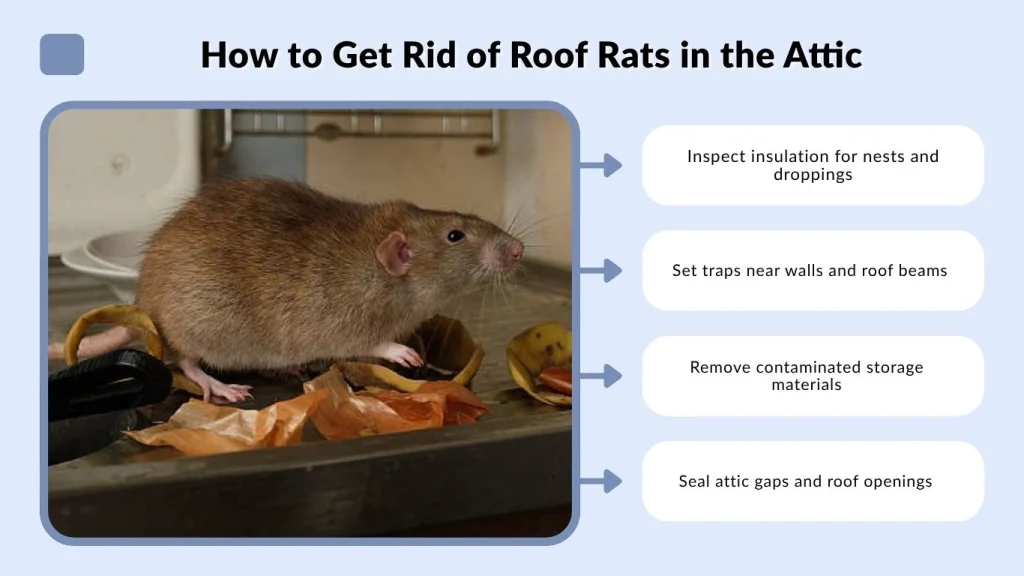
Attics are one of the most common nesting locations for roof rats because they provide warmth, darkness, and protection. A single nesting pair can quickly grow into a larger infestation if the attic is not cleaned and secured properly.
Steps to Remove Roof Rats From the Attic
Attic infestations should be handled carefully because rat droppings and urine may carry harmful bacteria. Wearing gloves, masks, and protective clothing is strongly recommended during cleanup.
Important attic removal steps include:
- Inspect insulation for nests and droppings
- Set traps near walls and roof beams
- Remove contaminated storage materials
- Seal attic gaps and roof openings
- Improve ventilation and cleanliness
Cleaning Rat Contamination Safely
Rat-contaminated areas should never be swept or vacuumed while dry because particles can spread through the air. Instead, affected areas should be lightly sprayed with disinfectant before cleanup begins.
Damaged insulation may also need replacement if the infestation has been severe. Proper attic sanitation helps eliminate lingering odors and discourages future nesting activity.
How to Prevent Roof Rats From Coming Back
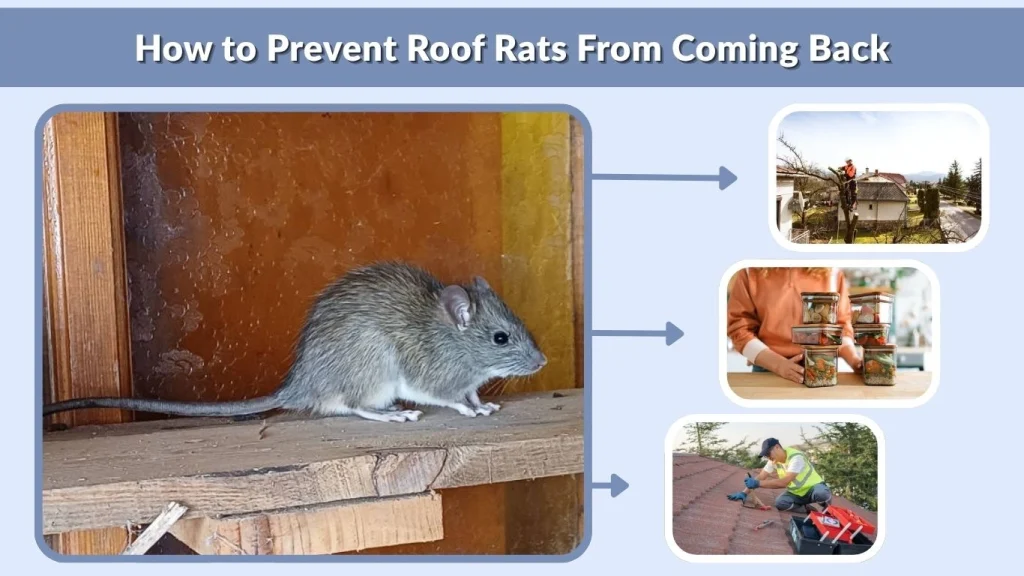
Long-term roof rat control depends on prevention. Even after successful trapping, roof rats may return if food, water, and shelter remain accessible around the property.
Best Roof Rat Prevention Tips
Consistent home maintenance greatly reduces the risk of another infestation. Roof rats are persistent climbers, so even small weaknesses around the home can become future entry points.
- Trim tree branches away from the roof
- Store pet food in sealed containers
- Secure trash bins with tight lids
- Repair damaged roof vents and screens
- Remove fallen fruit from yards regularly
Why Roof Rats Return After Removal
Roof rats often return because hidden openings remain undiscovered. Nearby infestations in neighboring properties can also increase reinfestation risk, especially in dense residential areas.
Warm climates allow roof rats to breed throughout much of the year, making prevention even more important in areas such as Arizona, Florida, Hawaii, and parts of Australia.
How Much Does Roof Rat Removal Cost?
The cost of roof rat removal varies depending on the severity of the infestation and the type of treatment required. Small infestations handled early are usually less expensive than large infestations involving structural damage or attic contamination.
Professional pest control services may charge for inspections, trapping, exclusion work, and attic cleanup separately. Homes with difficult roof access or severe contamination often require more extensive treatment.
In some cases, homeowners may spend only a small amount on traps and exclusion materials for minor problems. Larger infestations that require professional extermination and insulation replacement can cost significantly more.
When to Call a Professional Exterminator
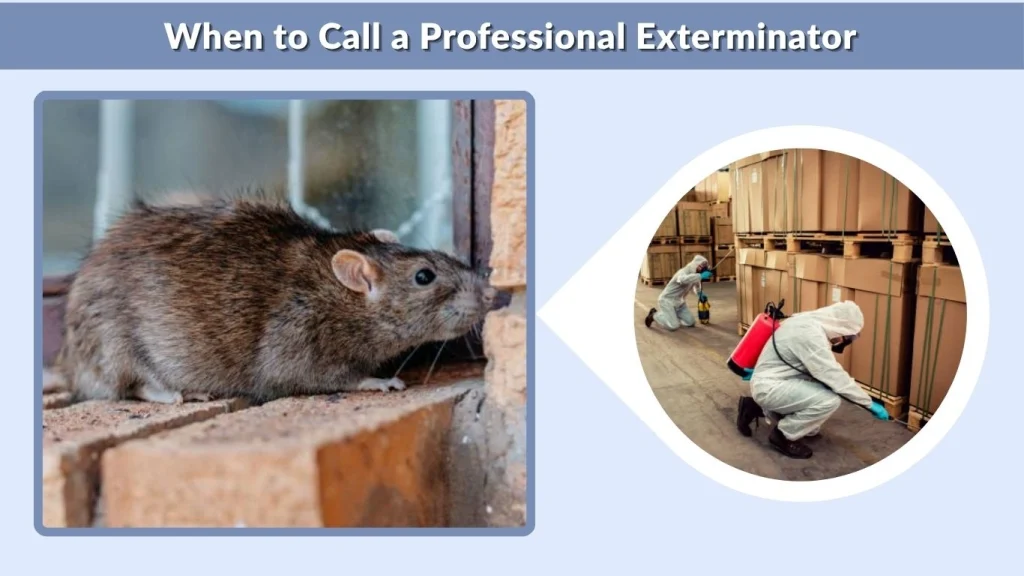
While some roof rat problems can be managed with DIY methods, larger infestations may require professional help. Pest control experts have specialized tools and experience for locating nests, sealing hidden entry points, and removing rats safely.
Signs You Need Professional Roof Rat Removal
Certain warning signs indicate the infestation may be too severe for simple home treatment methods.
- Rats appearing during daytime hours
- Persistent scratching despite trapping efforts
- Strong dead rat odors inside walls
- Heavy droppings throughout the attic
- Electrical or structural damage
Benefits of Professional Rat Control
Professional exterminators can identify hidden nesting areas that homeowners may overlook. They also understand roof rat behavior patterns and can create customized treatment plans based on the structure of the home.
Many pest control companies also provide exclusion services, attic sanitation, and ongoing monitoring to help prevent future infestations.
FAQs
What attracts roof rats to a house?
Roof rats are attracted by food, water, shelter, fruit trees, pet food, and accessible attic spaces. Poorly sealed roofs also make entry easier.
What is the fastest way to get rid of roof rats?
Snap traps combined with sealing entry points are usually the fastest and most effective method for controlling small infestations.
Can roof rats damage electrical wiring?
Yes. Roof rats commonly chew electrical wires, insulation, and wood, which may increase the risk of electrical fires and costly repairs.
How long does it take to get rid of roof rats?
Small infestations may be controlled within several days, while larger infestations can require several weeks of trapping, cleanup, and exclusion work.
Can roof rats come back after removal?
Yes. Roof rats often return if entry points remain open or outdoor food sources are still available near the home.