
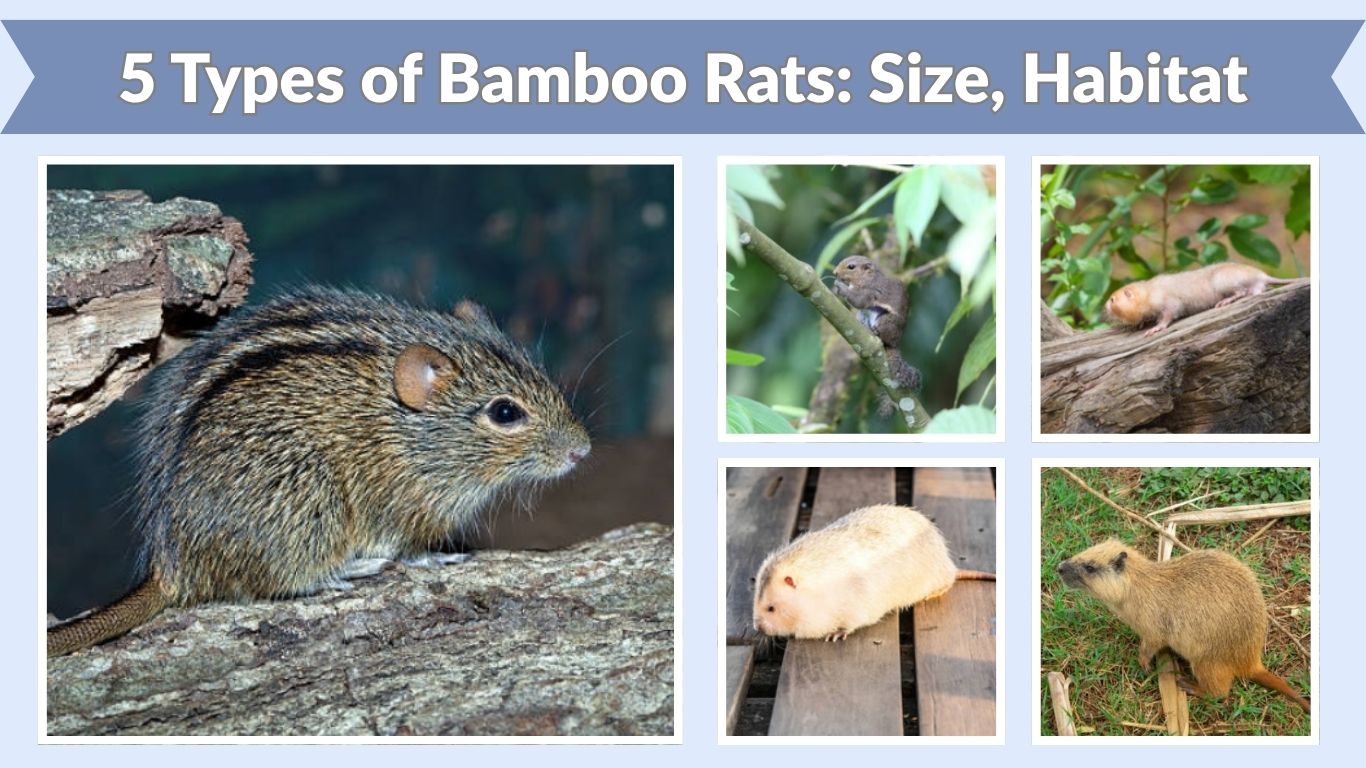
Bamboo rats are unique burrowing rodents commonly found in Asia, especially in bamboo forests, grasslands, and tropical woodland regions. These animals are known for their thick bodies, strong claws, and underground lifestyle. Most bamboo rat species spend the majority of their time inside tunnels where they search for food, build nests, and stay protected from predators.
Different types of bamboo rats vary in size, fur color, habitat, and behavior. Some species live in mountain forests, while others prefer grassy plains or humid tropical environments. Their powerful front teeth and digging claws make them highly adapted for feeding on bamboo roots, shoots, and underground plant materials.
Although bamboo rats are rarely seen in the wild due to their secretive nature, they play an important role in soil movement and ecosystem balance. In this guide, you will discover 5 types of bamboo rats along with their size, habitat, identification features, and pictures.
1. Chinese Bamboo Rat
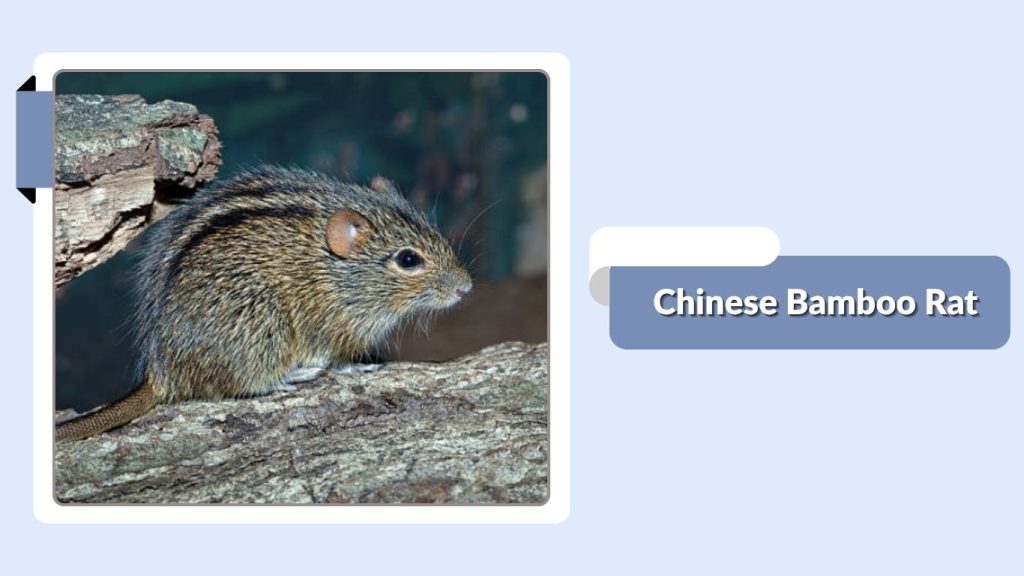
The Chinese Bamboo Rat is a burrowing rodent species commonly found in southern China and nearby parts of Southeast Asia. It belongs to the bamboo rat family and is known for its strong body, short limbs, and underground lifestyle. This species spends most of its time inside tunnels and feeds mainly on bamboo roots and other plant materials. Because of its secretive behavior, it is rarely seen in the wild during daylight hours.
Size
The Chinese Bamboo Rat is a medium-sized rodent with a body length of around 9 to 14 inches. Adults usually weigh between 3 and 6 pounds depending on age and habitat conditions. It has a thick cylindrical body, short tail, and strong claws designed for digging underground tunnels. Its compact structure allows it to move easily through narrow burrows beneath the soil.
Color
This bamboo rat typically has soft grayish-brown or dark brown fur covering its body. The underside is usually lighter in color, often pale gray or cream. Its fur appears dense and smooth, helping protect the animal from dirt and moisture inside underground burrows. The eyes and ears are small, which is a common adaptation for animals that spend most of their lives below ground.
Habitat
The Chinese Bamboo Rat mainly lives in bamboo forests, grasslands, mountain slopes, and forest edges with soft soil suitable for digging. It prefers humid environments where bamboo and underground roots are abundant. The species creates complex tunnel systems that provide shelter, nesting space, and protection from predators. Most activity takes place underground, especially during the daytime.
Diet
This rodent feeds mainly on bamboo shoots, roots, stems, and other underground plant materials. It may also eat grasses, crops, and vegetables when available near farmland. Its strong front teeth are specially adapted for gnawing through hard roots and thick plant stems.
Identification
- Thick cylindrical body shape
- Grayish-brown or dark brown fur
- Short tail and small ears
- Strong claws for digging burrows
- Small eyes adapted for underground life
- Commonly found in bamboo-rich habitats
2. Lesser Bamboo Rat
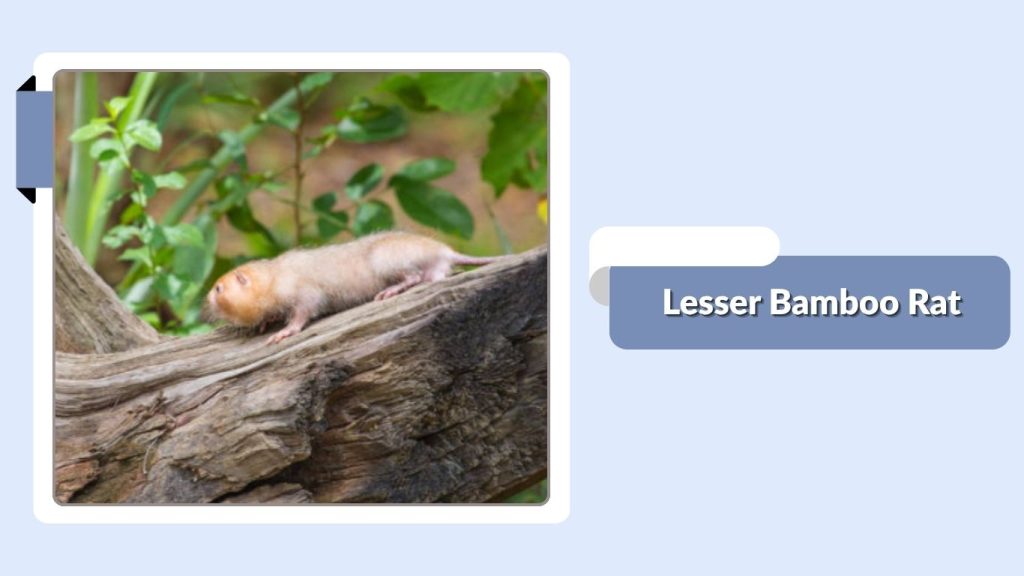
The Lesser Bamboo Rat is a small burrowing rodent commonly found across Southeast Asia and parts of South Asia. It is known for its underground lifestyle, powerful digging ability, and preference for bamboo-rich habitats. This species spends most of its life inside tunnels where it searches for food and avoids predators. Although it is rarely seen above ground, the Lesser Bamboo Rat plays an important role in soil movement and ecosystem balance.
Size
The Lesser Bamboo Rat is smaller than many other bamboo rat species, with a body length of about 6 to 10 inches. Adults usually weigh between 1.5 and 3 pounds. It has a compact and rounded body with short legs, a short tail, and strong front claws. These physical features help the animal dig extensive tunnel systems beneath the soil with great efficiency.
Color
This bamboo rat usually has grayish-brown, brown, or dark gray fur with a lighter underside. The fur is thick and soft, helping protect the animal while moving through underground tunnels. Its eyes and ears are very small, which reduces exposure to dirt while digging. The short tail is sparsely covered with fine hair and is much less noticeable compared to other rodent species.
Habitat
The Lesser Bamboo Rat commonly lives in bamboo forests, grassy hillsides, agricultural lands, and tropical woodland areas. It prefers soft soil where digging is easier and food sources are available underground. The species creates deep burrow systems that include nesting chambers, food storage spaces, and escape tunnels. These underground homes protect the animal from predators and extreme weather conditions.
Diet
The Lesser Bamboo Rat mainly feeds on bamboo roots, shoots, stems, and underground plant parts. It may also consume grasses, roots, cultivated crops, and vegetables near farmland. Its sharp front teeth continuously grow, allowing it to gnaw through tough roots and fibrous plant materials without difficulty.
Identification
- Small rounded body shape
- Grayish-brown or dark gray fur
- Short legs and short tail
- Strong digging claws on front feet
- Small eyes and ears adapted for burrowing
- Commonly found in bamboo forests and grassy habitats
3. Large Bamboo Rat
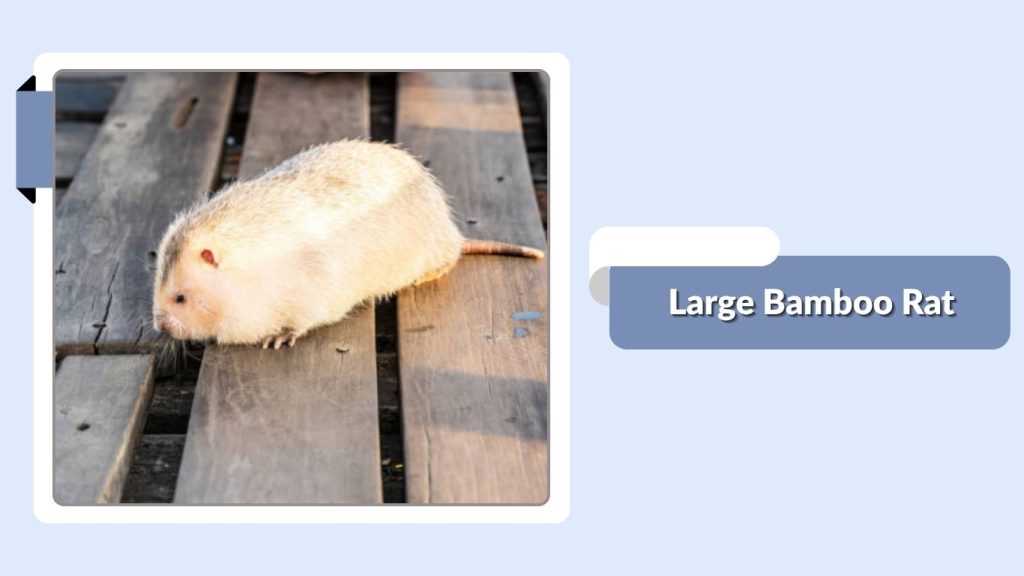
The Large Bamboo Rat is the biggest species among bamboo rats and is widely found in parts of Southeast Asia, including Myanmar, Thailand, Vietnam, and southern China. This rodent is known for its heavy body, strong digging ability, and underground lifestyle. It spends most of its time inside burrows where it remains protected from predators and harsh environmental conditions. Due to its secretive nature, the Large Bamboo Rat is rarely observed in the wild.
Size
The Large Bamboo Rat has a body length of about 12 to 18 inches and can weigh between 5 and 9 pounds. Its body is thick, muscular, and cylindrical, making it well suited for underground movement. The legs are short but powerful, especially the front limbs, which are equipped with large claws used for digging extensive tunnel systems. The tail is short and less visible compared to many other rodent species.
Color
This bamboo rat usually has dark brown, grayish-brown, or blackish fur with a lighter underside. The fur is dense and smooth, helping protect the body from soil and moisture inside underground burrows. Its small eyes and ears are adapted for a burrowing lifestyle, reducing exposure to dirt while digging. The nose is broad and sensitive, helping the animal locate food underground.
Habitat
The Large Bamboo Rat prefers bamboo forests, mountain slopes, tropical woodlands, and grassy rural areas with soft soil. It creates deep underground burrows that include nesting chambers, feeding tunnels, and storage spaces. These burrows provide safety from predators and maintain stable temperatures throughout the year. The species is most active during the night and remains underground for much of the daytime.
Diet
The Large Bamboo Rat mainly feeds on bamboo shoots, roots, stems, and underground plant materials. It may also eat grasses, cultivated crops, and vegetables near farmland. Its strong continuously growing front teeth are ideal for cutting through thick roots and fibrous plant matter.
Identification
- Large heavy cylindrical body
- Dark brown or grayish-black fur
- Short tail and small ears
- Strong front claws for digging
- Small eyes adapted for underground living
- Commonly found in bamboo forests and mountain areas
4. Sumatran Bamboo Rat
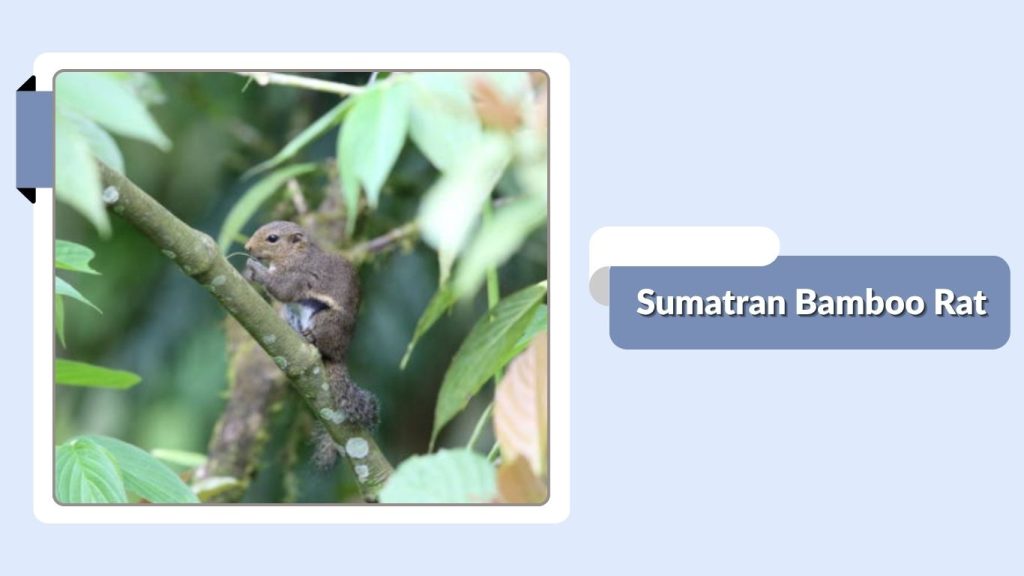
The Sumatran Bamboo Rat is a rare bamboo rat species native to the Indonesian island of Sumatra. It is a burrowing rodent that spends most of its life underground in forested and mountainous regions. Like other bamboo rats, this species is adapted for digging and feeding on underground plant materials. Due to its secretive behavior and limited distribution, the Sumatran Bamboo Rat is not commonly seen in the wild and remains less studied compared to other bamboo rat species.
Size
The Sumatran Bamboo Rat is a medium to large-sized rodent with a body length of around 10 to 15 inches. Adult individuals can weigh between 3 and 6 pounds depending on habitat conditions and food availability. It has a thick cylindrical body, short limbs, and a short tail that is barely visible beneath its fur. Its front legs are muscular and equipped with powerful claws designed for digging through soft forest soil.
Color
This bamboo rat typically has dark brown, grayish-brown, or blackish fur with lighter shades on the underside. The fur is soft, dense, and helps protect the body from moisture and dirt inside underground tunnels. Its eyes and ears are small, which is a common feature among burrowing mammals. The broad nose and sensitive whiskers help the animal navigate through dark tunnel systems while searching for food.
Habitat
The Sumatran Bamboo Rat mainly lives in tropical forests, bamboo groves, mountain slopes, and humid woodland regions of Sumatra. It prefers areas with loose soil that allow easy digging and underground tunnel construction. The species creates complex burrow systems that provide shelter, nesting areas, and food storage chambers. These underground homes help maintain stable temperatures and protect the rodent from predators.
Diet
This bamboo rat primarily feeds on bamboo roots, shoots, stems, and other underground plant materials. It may also eat grasses, roots, and cultivated crops found near forest edges or farmland. Its strong front teeth continuously grow, allowing it to chew tough roots and fibrous vegetation efficiently.
Identification
- Thick cylindrical body shape
- Dark brown or grayish-black fur
- Short tail and short legs
- Strong claws adapted for digging
- Small eyes and ears for underground life
- Commonly found in tropical forest habitats
5. Rhizomys Bamboo Rat
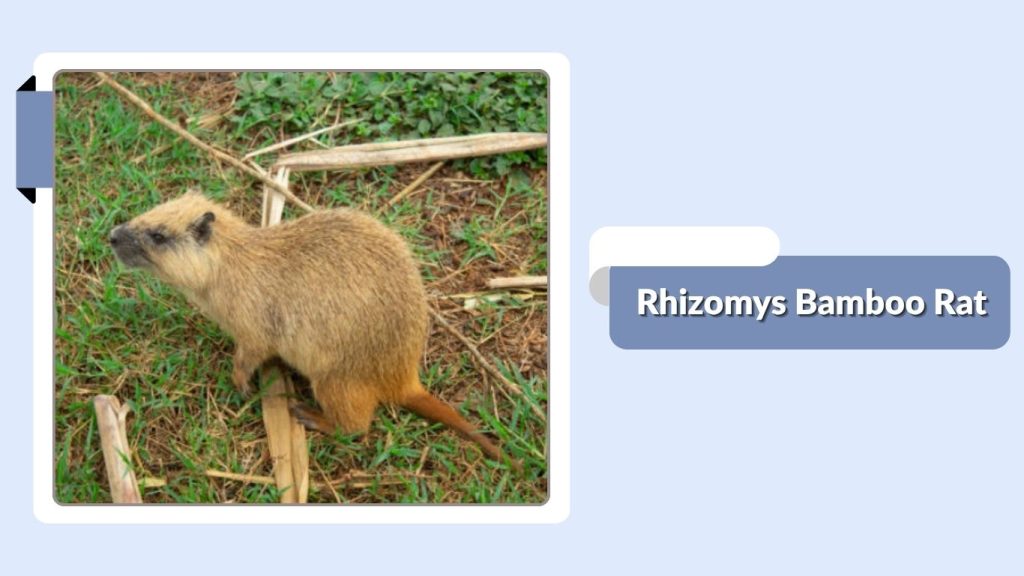
The Rhizomys Bamboo Rat is a burrowing rodent belonging to the bamboo rat family and is found in several parts of Asia, including China, India, Nepal, Myanmar, and Southeast Asia. This species is known for its underground lifestyle, strong digging ability, and preference for feeding on bamboo roots and underground vegetation. Like other bamboo rats, it spends most of its time hidden inside complex tunnel systems beneath the soil. Its secretive behavior and nocturnal activity make it difficult to observe in the wild.
Size
The Rhizomys Bamboo Rat is a medium to large-sized rodent with a body length ranging from 10 to 16 inches. Adults usually weigh between 3 and 7 pounds depending on habitat conditions and food supply. It has a thick cylindrical body with short but muscular legs that provide excellent digging strength. The short tail is barely noticeable and helps reduce interference while moving through narrow underground tunnels.
Color
This bamboo rat typically has grayish-brown, dark brown, or blackish fur with lighter shades on the belly. The fur is dense and smooth, protecting the animal from moisture, soil, and rough tunnel surfaces. Its small eyes and tiny ears are well adapted for underground living, where vision is less important than touch and smell. Sensitive whiskers around the nose help the rodent navigate through dark burrows.
Habitat
The Rhizomys Bamboo Rat mainly inhabits bamboo forests, grassy hillsides, agricultural fields, and tropical woodland regions. It prefers areas with soft moist soil suitable for digging deep burrow systems. These tunnels often include nesting chambers, food storage areas, and escape routes that provide safety from predators and changing weather conditions. The species is most active at night and usually remains underground during the daytime.
Diet
This rodent feeds mainly on bamboo roots, shoots, stems, and underground plant parts. It may also consume grasses, roots, tubers, and cultivated crops near farmland. Its strong continuously growing front teeth are specially designed for cutting through thick roots and fibrous vegetation.
Identification
- Thick cylindrical body structure
- Grayish-brown or dark brown fur
- Short tail and muscular limbs
- Powerful front claws for digging
- Small eyes and ears adapted for burrowing
- Commonly found in bamboo-rich environments
FAQs
What is a bamboo rat?
A bamboo rat is a burrowing rodent found mainly in Asia. It belongs to the rodent family and is known for living underground in tunnel systems. Bamboo rats feed mostly on bamboo roots, shoots, and other underground plant materials found in forests and grasslands.
Where do bamboo rats live?
Bamboo rats commonly live in bamboo forests, tropical woodlands, grassy hillsides, mountain slopes, and agricultural regions. They prefer areas with soft soil that allows easy digging and abundant underground vegetation for food and shelter.
What do bamboo rats eat?
Bamboo rats mainly eat bamboo shoots, roots, stems, grasses, and underground plant parts. Some species may also feed on cultivated crops and vegetables near farmland. Their strong front teeth help them chew tough roots and fibrous vegetation.
Are bamboo rats dangerous to humans?
Bamboo rats are generally not dangerous to humans. They are shy animals that spend most of their time underground and usually avoid contact with people. However, they may bite if captured or threatened while defending themselves.
How do bamboo rats dig tunnels?
Bamboo rats use their strong front claws and muscular forelimbs to dig underground burrows. Their cylindrical body shape and short tail help them move easily through narrow tunnels while searching for food and creating nesting chambers.
Why are bamboo rats rarely seen?
Bamboo rats are rarely seen because they spend most of their lives underground. They are mainly active at night and prefer staying inside their burrow systems during the daytime to avoid predators and harsh environmental conditions.