
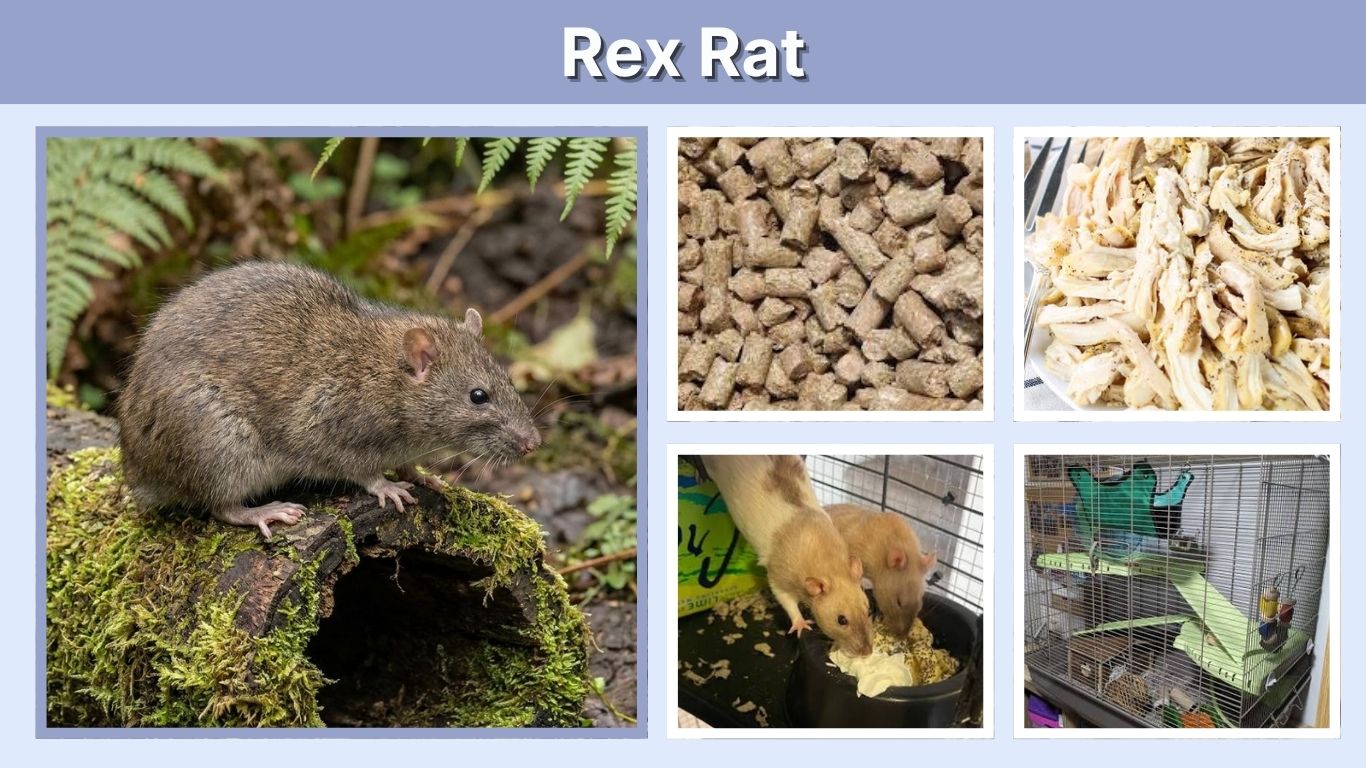
The Rex rat is a domesticated fancy rat recognized by its soft, curly coat and characteristically curled whiskers. Rex rats are not a separate species; they are a coat variety of the brown rat, Rattus norvegicus. They can display many colors, markings, body types, and ear shapes while retaining the distinctive Rex texture. Like other pet rats, they are intelligent, social, affectionate animals that require companionship, enrichment, appropriate nutrition, and veterinary care. This guide covers Rex rat appearance, personality, housing, feeding, lifespan, grooming, breeding, and health.
What Is a Rex Rat?
A Rex rat is a fancy rat carrying a genetic trait that changes the structure of its fur and whiskers. Rather than lying flat and straight, the coat develops a wavy or curly texture. The trait can occur alongside numerous colors, markings, and ear types, including standard-eared and Dumbo Rex rats.
Rex Coat and Genetics
The Rex trait affects the outer guard hairs and softer undercoat. Young rats may have particularly strong curls, while the coat can become looser, thinner, or less evenly textured with age. Males sometimes retain a coarser and more noticeable curl than females.
Rex is a coat variety rather than a color. A Rex rat may be black, blue, fawn, agouti, chocolate, white, hooded, Berkshire, self-colored, or another recognized combination. Dumbo ears are controlled separately, meaning a Dumbo Rex has both curled fur and low-set rounded ears.
Rex Rat Identification
Common identifying characteristics include:
- A short, dense, wavy, or curly coat
- Curled or crinkled whiskers
- Reduced or irregular guard hairs
- A plush texture, especially in young rats
- Fur that may appear rougher along the back
- Straight, rounded, or low-set Dumbo ears
- Any of the colors and markings found in fancy rats
- A long, nearly hairless tail
- A pointed face with bright, alert eyes
A healthy coat should not have inflamed skin, open sores, heavy dandruff, or widespread unexplained hair loss.
Rex Rat Temperament and Social Behavior
Rex rats generally have the same behavioral potential as other fancy rats. The coat gene does not determine whether an individual will be affectionate, energetic, shy, or confident. Genetics, early socialization, handling, housing, and previous experiences have a much greater influence on temperament.
Personality and Intelligence
Well-socialized Rex rats are usually curious, playful, and responsive to people. They can learn their names, come when called, navigate simple obstacle courses, and perform tricks for treats. Many enjoy sitting on shoulders, exploring sleeves, or resting beside familiar caregivers.
Individual personalities still vary. Some rats constantly explore, while others prefer quiet handling and comfortable sleeping places. Young rats are generally more active, whereas adults often become calmer and more interested in cuddling.
Companionship and Handling
Rex rats should normally live with at least one compatible rat because they are highly social. Human attention cannot completely replace sleeping, grooming, playing, and communicating with another rat. Same-sex pairs or properly managed groups prevent unplanned litters.
Approach a new rat calmly and allow it to sniff your hand before lifting it. Support its chest and hindquarters rather than grabbing its tail. Short, positive handling sessions build confidence without overwhelming a nervous animal.
Rex Rat Housing and Daily Care
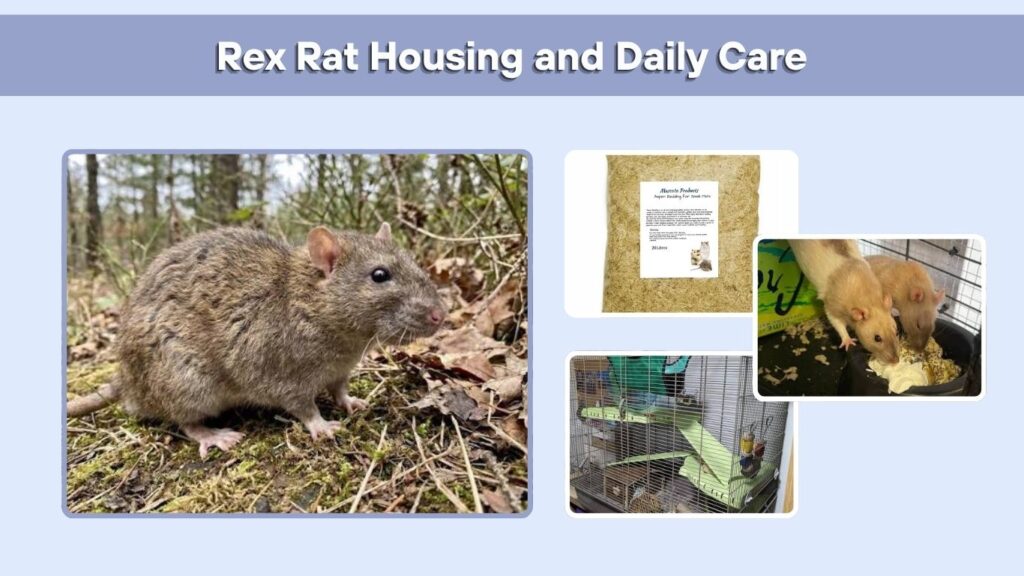
Rex rats require a spacious, secure cage that provides ventilation, climbing opportunities, comfortable resting areas, and room to interact. Wire cages are generally more suitable than enclosed glass tanks because poor airflow can allow ammonia and respiratory irritants to accumulate.
Cage Setup
A suitable enclosure should include:
- Closely spaced bars that prevent escapes
- Solid platforms or covered wire surfaces
- Paper-based or low-dust aspen bedding
- Multiple hammocks and sleeping areas
- Hides with more than one exit
- Ropes, ladders, baskets, and climbing branches
- Cardboard boxes and chewable toys
- A heavy food bowl or scatter-feeding area
- A secure water bottle
- Enough space for every rat to move and rest comfortably
Place the cage away from direct sunlight, drafts, cigarette smoke, strong fragrances, and extreme temperatures. Rats are especially vulnerable to excessive heat.
Grooming the Rex Coat
Most Rex rats require little formal grooming. They clean themselves and receive additional grooming from their companions. A soft damp cloth can remove surface dirt, but frequent bathing may dry the skin and remove natural oils.
Avoid vigorous brushing because curly fur can be delicate. Regularly inspect the skin for mites, scratches, scabs, or thinning patches. Curled eyelashes or whiskers occasionally irritate the eyes, so persistent watering, redness, or squinting requires veterinary attention.
Cleaning and Enrichment
Remove wet bedding, spoiled food, and heavily soiled nesting material regularly. Clean the enclosure before ammonia becomes noticeable, but retain a small amount of clean familiar nesting material to reduce excessive scent marking.
Provide supervised time outside the cage in a secure, rat-proofed area. Rotate boxes, tunnels, digging trays, foraging toys, and climbing equipment to prevent boredom. Protect electrical cords, toxic plants, small gaps, and objects that could be swallowed.
Rex Rat Diet and Nutrition
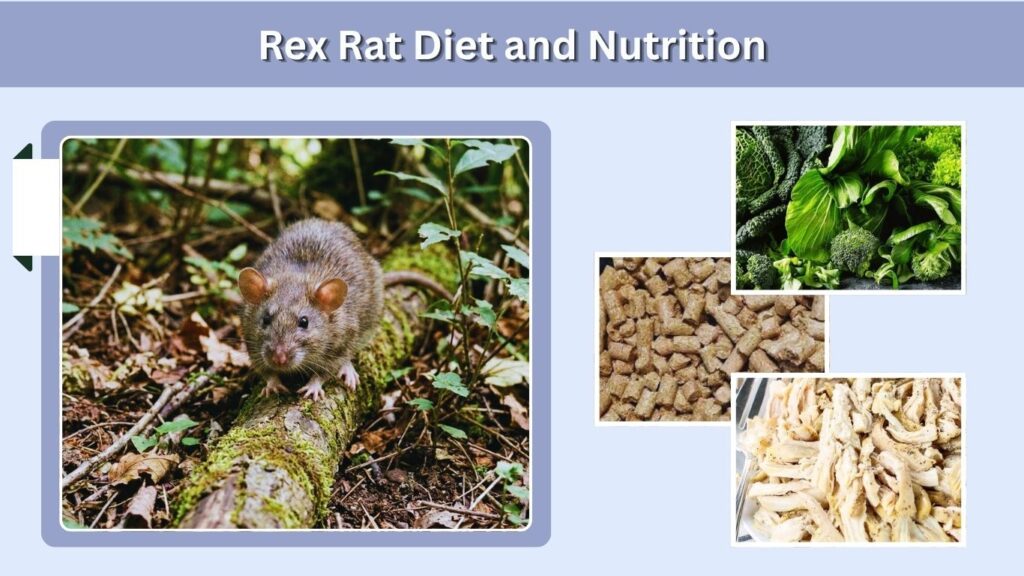
Rex rats need the same balanced nutrition as other domesticated rats. A complete commercial rat block or pellet should form the foundation of the diet because seed mixes allow selective eating. Fresh foods can add variety and enrichment but should not replace a nutritionally complete main food.
Suitable Foods
A balanced feeding plan may include:
- Complete laboratory-style rat blocks or pellets
- Leafy greens
- Broccoli, peas, carrots, and bell peppers
- Small portions of apple, berries, banana, or melon
- Cooked whole grains
- Plain cooked egg as an occasional treat
- Small amounts of unseasoned cooked chicken
- Unsweetened cereal or pasta for training treats
- Constant access to clean drinking water
Introduce new foods gradually. Portions should remain small because rats gain weight easily when given frequent high-calorie treats.
Foods to Limit or Avoid
Avoid sticky foods that may cause choking, spoiled food, alcohol, caffeine, heavily seasoned meals, and products containing excessive sugar or salt. Raw dried beans should not be offered, while cooked beans are generally acceptable in moderation.
Large quantities of fatty seeds, cheese, and processed snacks can contribute to obesity. Remove fresh food before it spoils, particularly during warm weather.
Rex Rat Size, Lifespan, and Breeding
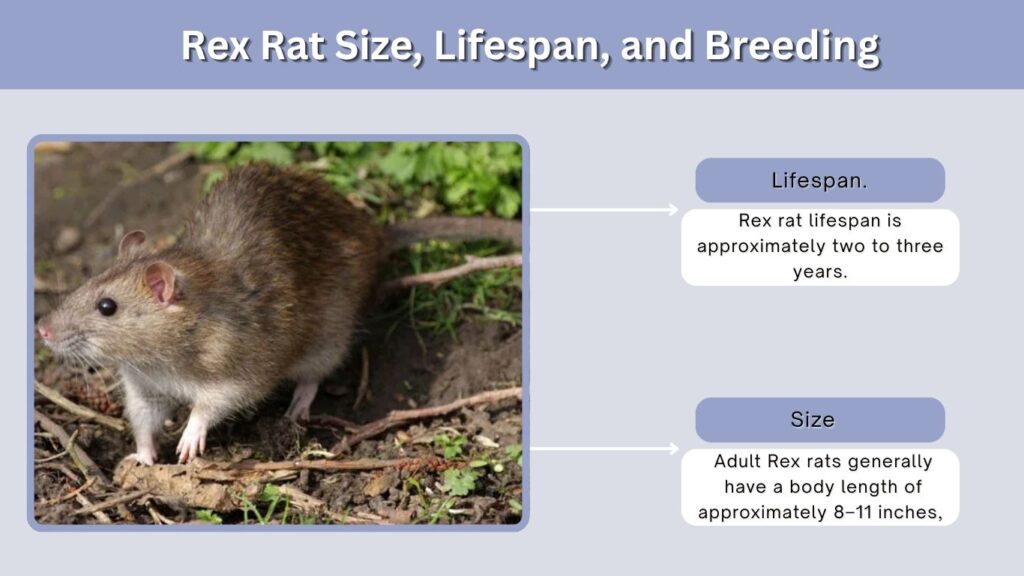
The Rex coat does not substantially change the rat’s adult size or expected lifespan. Growth depends on sex, genetics, diet, health, and overall body type. Responsible breeding requires detailed knowledge of hereditary health, temperament, reproductive risks, and appropriate homes for the offspring.
Rex Rat Size and Lifespan
Adult Rex rats generally have a body length of approximately 8–11 inches, excluding the tail. The tail can add another 6–9 inches. Males are usually heavier and broader than females.
Females commonly weigh approximately 250–450 grams, while adult males may weigh around 350–650 grams. Individual variation is considerable, and healthy body condition is more important than reaching a particular number.
The average Rex rat lifespan is approximately two to three years. Some may live longer with favorable genetics, excellent care, and prompt veterinary treatment.
Male vs. Female Rex Rats
Males commonly become larger, calmer, and more interested in resting with their caregivers. Their coats may feel coarser or oilier, particularly as they mature.
Females are often smaller, leaner, and more consistently active. However, these are general tendencies rather than guaranteed personality differences. Either sex can become affectionate and trainable when handled properly.
Rex vs. Double Rex Rat
A standard Rex usually has a full curly coat. A double Rex inherits Rex-related coat traits from both parents and may develop extremely thin, patchy, or periodically changing fur. Some double Rex rats appear nearly hairless in certain areas.
Breeding two Rex rats can produce offspring with different coat expressions. Because breeding also carries risks for the female and may perpetuate hereditary disease, it should not be attempted without experience, health records, and a responsible placement plan.
Common Rex Rat Health Problems
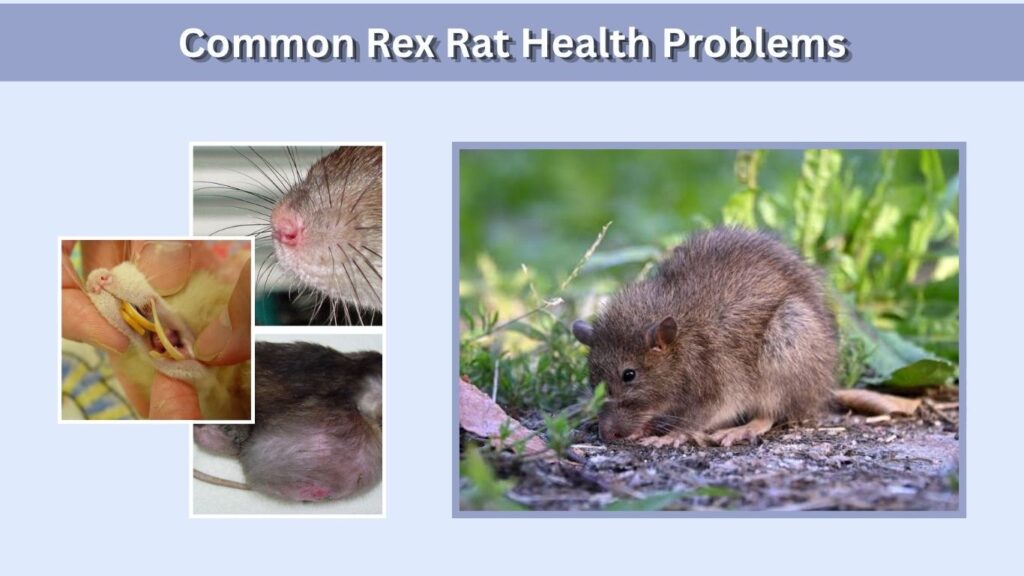
Rex rats are vulnerable to many of the same illnesses as other fancy rats. Their curly coat may also make skin problems less obvious or create occasional eye irritation. Daily observation is important because rats often conceal early signs of illness.
Health Conditions
Respiratory disease is common in pet rats and may cause repeated sneezing, noisy breathing, nasal discharge, or labored breathing. Mammary tumors can affect females and males, while pituitary tumors are more common in older females.
Other concerns include mites, lice, skin infections, dental overgrowth, obesity, hind-leg weakness, abscesses, and foot inflammation. A poor coat is not automatically caused by the Rex gene; sudden changes can indicate parasites, stress, nutritional problems, or illness.
Signs Requiring Veterinary Care
Contact a veterinarian experienced with rats if you notice:
- Difficult, rapid, or noisy breathing
- Persistent sneezing or nasal discharge
- Red discharge around the eyes or nose
- Squinting, swelling, or an injured eye
- Sudden or extensive hair loss
- Scabs, wounds, or intense scratching
- A new lump or rapidly growing mass
- Difficulty eating or overgrown teeth
- Reduced movement or loss of balance
- Loss of appetite or rapid weight change
Rats can deteriorate quickly, particularly when respiratory symptoms interfere with breathing or eating. Early treatment usually provides the best outcome.
FAQs
Rex rats are easy to recognize once their coat and whiskers develop, but their appearance can change with age. These answers address common questions about their care and suitability as pets.
Are Rex Rats Good Pets?
Yes. Properly socialized Rex rats are intelligent, affectionate, and entertaining companions. They require daily interaction, another compatible rat, enrichment, and access to veterinary care.
Are Rex Rats Hypoallergenic?
No. Their curly coat does not make them hypoallergenic. Allergens can occur in rat urine, saliva, skin flakes, and fur.
Do Rex Rats Shed?
Yes. Rex rats shed, although their short curled hairs may be less noticeable than straight fur. Coat thinning can also occur naturally with age.
Do Rex Rats Need Special Grooming?
They need regular skin and coat inspections but rarely require brushing or bathing. Handle the coat gently and seek veterinary advice for sores, scabs, or sudden hair loss.
What Is the Difference Between Rex and Dumbo Rats?
Rex describes a curly coat, while Dumbo describes large, low-set ears. A rat can inherit both features and be called a Dumbo Rex.