
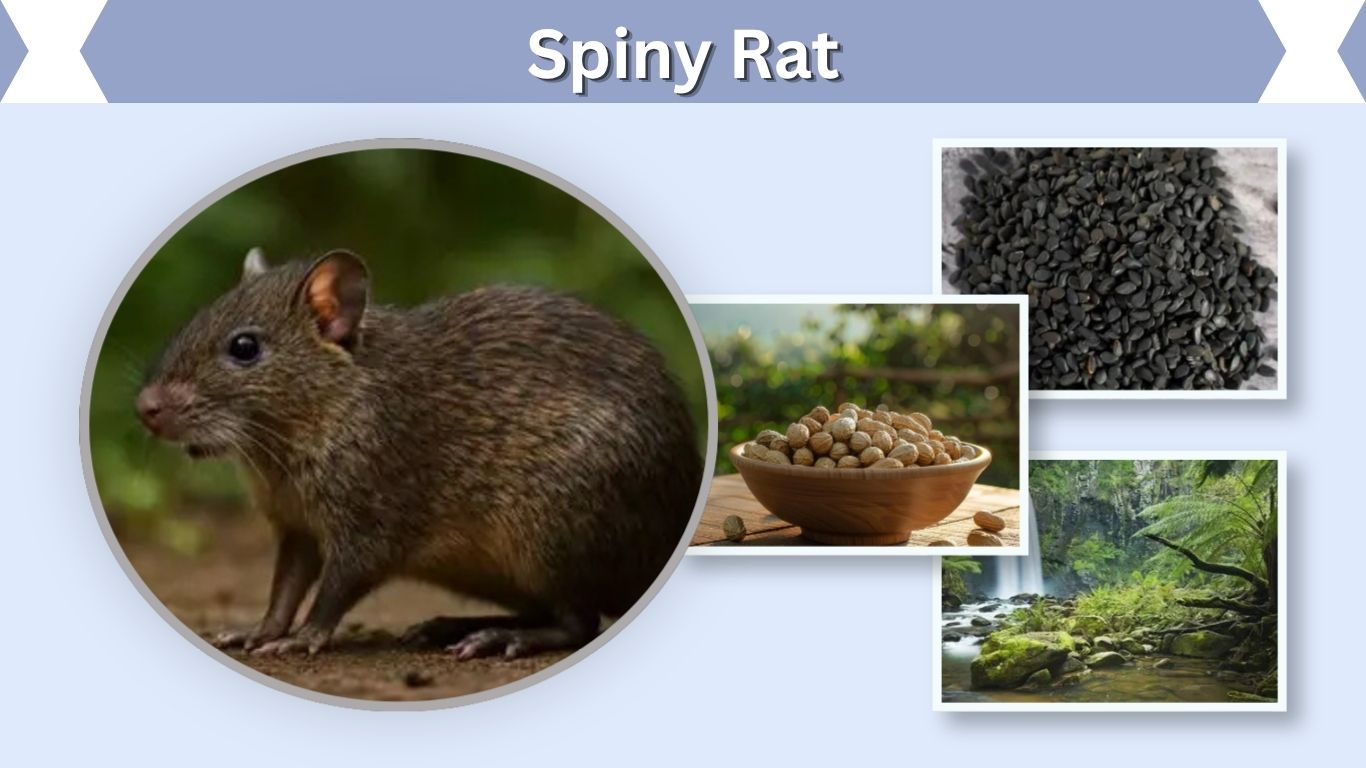
The spiny rat is a small to medium-sized rodent known for its stiff, bristly fur and secretive forest lifestyle. The name “spiny rat” can refer to many rodents in the family Echimyidae, especially species found in Central and South America. These animals are not the same as common house rats. They are mostly wild, nocturnal rodents that live in tropical habitats, feed on fruit and seeds, and play an important role in forest ecosystems.
What Is a Spiny Rat?
Spiny rats are Neotropical rodents, meaning they are mainly found in tropical parts of the Americas. Most species have a rat-like body, pointed nose, medium-sized ears, and stiff hairs or spines on the back and rump.
Scientific Classification
- Common name: Spiny rat
- Family: Echimyidae
- Order: Rodentia
- Range: Central America and South America
- Main habitat: Tropical forest, rainforest, dense vegetation, burrows, logs
The word “spiny” does not mean they are covered in sharp porcupine-like quills. Instead, many species have stiff guard hairs that feel bristly. In some species, the spines are more obvious, while others look softer and more like ordinary rats.
Spiny Rat Quick Facts
This table gives a simple overview of the animal for readers who want fast information.
| Feature | Details |
| Animal type | Rodent |
| Family | Echimyidae |
| Size | Varies by species; many are small to medium-sized |
| Body covering | Fur with stiff or spiny hairs |
| Activity | Mostly nocturnal |
| Diet | Fruits, seeds, fungi, plant matter, sometimes insects |
| Habitat | Rainforests, forest floor, dense undergrowth, logs, burrows |
| Defense | Spiny fur and tail-loss defense in some species |
| Pet status | Not a common domestic pet |
Where Do Spiny Rats Live?
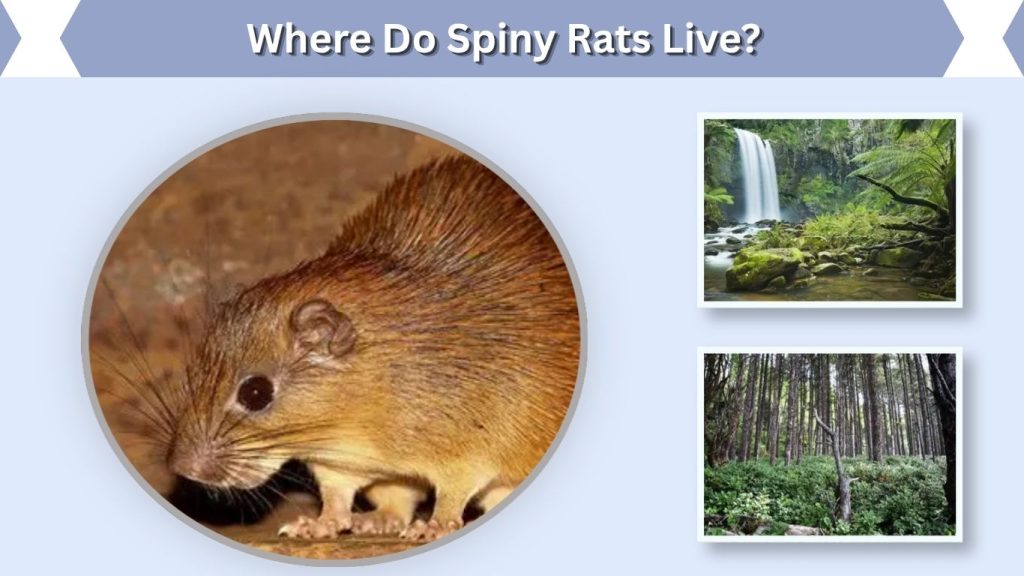
Spiny rats are mostly found in tropical regions of Central and South America. Some species live on the forest floor, some climb trees, and others use burrows or dense vegetation for shelter. The family is ecologically diverse, with species adapted to different lifestyles, including ground-dwelling, tree-dwelling, and burrowing habits.
Common Habitats
- Tropical rainforest
- Dense underbrush
- Areas near streams or rivers
- Fallen logs and hollow trees
- Burrows or underground shelters
- Tree roots and palm bases
For example, Tome’s spiny rat often uses burrows or hidden shelters during the day and comes out at night to forage. It is strongly linked with forest habitats where fruits, seeds, and cover are available.
What Does a Spiny Rat Look Like?
A spiny rat usually looks like a wild forest rat, but with rougher fur and a more specialized body. Many have pointed snouts, rounded ears, large eyes, long whiskers, and a tail that may be shorter than the body or nearly body-length, depending on species.
Identification Features
- Rat-like body shape
- Stiff or bristly hairs on the back
- Pointed nose in many species
- Medium-sized ears and eyes
- Long whiskers
- Brown, gray, chestnut, or orange-brown upper fur
- Lighter belly, often white or pale
- Tail that may break off when attacked
Some spiny rats can lose their tail as a defense. If a predator grabs the tail, it may break off, allowing the animal to escape. Unlike a lizard’s tail, the tail does not grow back.
What Do Spiny Rats Eat?
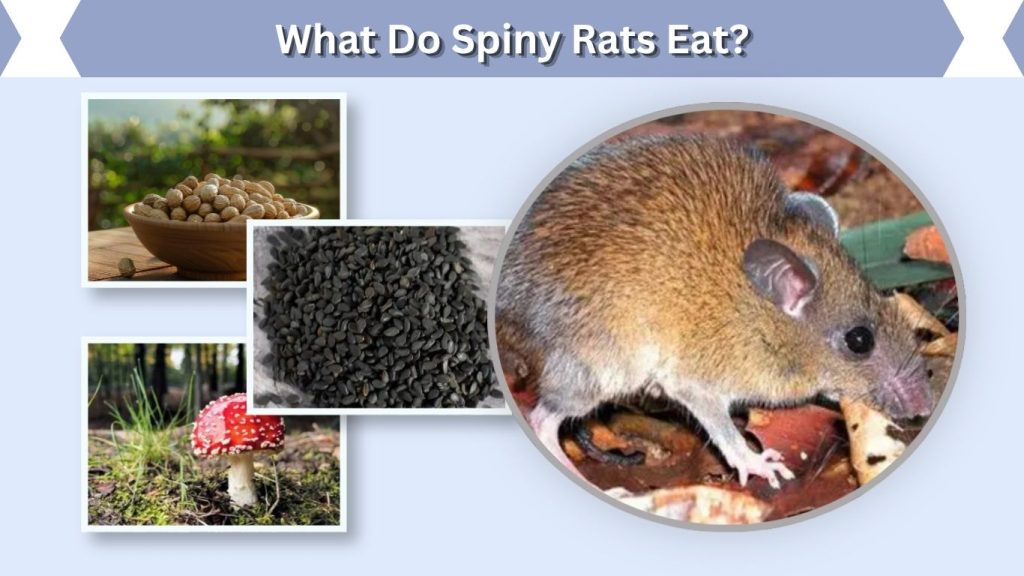
Spiny rats are mainly plant-based feeders, but their diet can vary by species and habitat. Many eat fallen fruits, seeds, fungi, and other plant material. Some may also eat insects when available.
Common Foods
- Fallen fruit
- Seeds
- Nuts
- Fungi
- Leaves and plant material
- Insects
- Palm fruits
- Large forest fruits
Tome’s spiny rat is especially known as a fruit-eating rodent. It may carry food to a safe place, eat the fruit, and leave some seeds behind. This makes it useful for spreading seeds in tropical forests.
Spiny Rat Behavior
Spiny rats are usually shy, secretive animals. Most are active at night and spend the day hiding in burrows, hollow logs, tree roots, or thick vegetation. Their large eyes and whiskers help them move and search for food in dark forest areas.
Nocturnal Lifestyle
Being nocturnal helps spiny rats avoid many daytime predators. At night, they search for fruit, seeds, fungi, and other food. They may move slowly and stay close to cover instead of running openly across exposed ground.
Defense Against Predators
Spiny rats use several defense strategies. Their stiff fur may make them harder for predators to grab or swallow. Some species also use tail-loss defense. This unusual trait helps them escape, but because the tail does not regenerate, it can only help once.
Are Spiny Rats Dangerous?
Spiny rats are not usually dangerous to people. They are wild animals and normally avoid humans. However, like any wild rodent, they should not be handled. A frightened spiny rat may bite, and wild rodents can carry parasites or pathogens in some areas. The safest choice is to observe them from a distance.
They are not the same as common city rats. Spiny rats are mostly forest animals, not typical household pests. If one appears near homes in its native range, it is usually because food, shelter, or dense cover is nearby.
Can You Keep a Spiny Rat as a Pet?
A spiny rat is not a common pet. Most species are wild rodents with specific habitat, diet, and legal requirements. They are not domesticated like fancy rats. Keeping one may also be illegal or require permits depending on the country or region.
People searching for “spiny rat pet” may actually mean the African spiny mouse, which is a different animal. Before considering any exotic rodent, it is important to check local wildlife laws and learn about proper care from qualified exotic animal experts.
Why Spiny Rats Matter in Nature
Spiny rats are important members of tropical forest ecosystems. They eat fruits and may spread seeds through caching or droppings. They also serve as prey for many predators, including owls, snakes, wild cats, and other forest hunters.
Their role is especially valuable in forests where large-seeded plants need animals to move seeds away from the parent tree. By feeding, carrying, and storing food, spiny rats help support forest regeneration.
Spiny Rat vs Common Rat
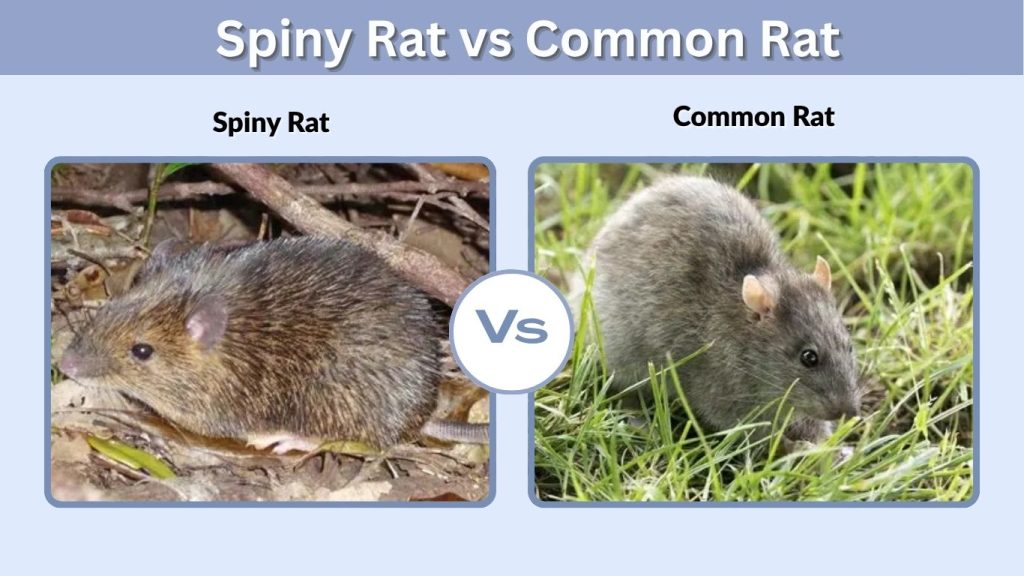
Many readers confuse spiny rats with ordinary rats, but they are not the same.
| Feature | Spiny Rat | Common House Rat |
| Family | Echimyidae | Muridae |
| Main range | Central and South America | Worldwide near humans |
| Habitat | Forests, burrows, logs, dense vegetation | Cities, farms, homes, sewers |
| Fur | Often stiff or bristly | Usually soft |
| Behavior | Mostly wild and secretive | Often lives near people |
| Pet use | Not common | Domesticated fancy rats exist |
FAQs
Are spiny rats real rats?
Spiny rats are rodents, but they are not the same as common house rats. They belong to the family Echimyidae, while common house rats belong to a different rodent family. They are mainly wild tropical rodents with bristly fur and forest-based habits.
Why are they called spiny rats?
They are called spiny rats because many species have stiff, bristly hairs or spine-like guard hairs on the back and rump. These hairs are not the same as porcupine quills, but they can make the animal feel rough or prickly.
What does a spiny rat eat?
A spiny rat usually eats fallen fruit, seeds, fungi, and plant material. Some species may also eat insects. Fruit is especially important for many forest-dwelling spiny rats, and their feeding habits can help spread seeds.
Do spiny rats bite humans?
A spiny rat may bite if trapped, handled, or frightened, but it does not normally attack people. Since it is a wild rodent, it is best not to touch one. Observe from a safe distance and avoid direct contact.
Is a spiny rat a good pet?
A spiny rat is generally not a good pet for most people. It is a wild animal, not a domesticated fancy rat. It may also be protected or regulated in some places, so legal rules and animal welfare concerns must be considered.