
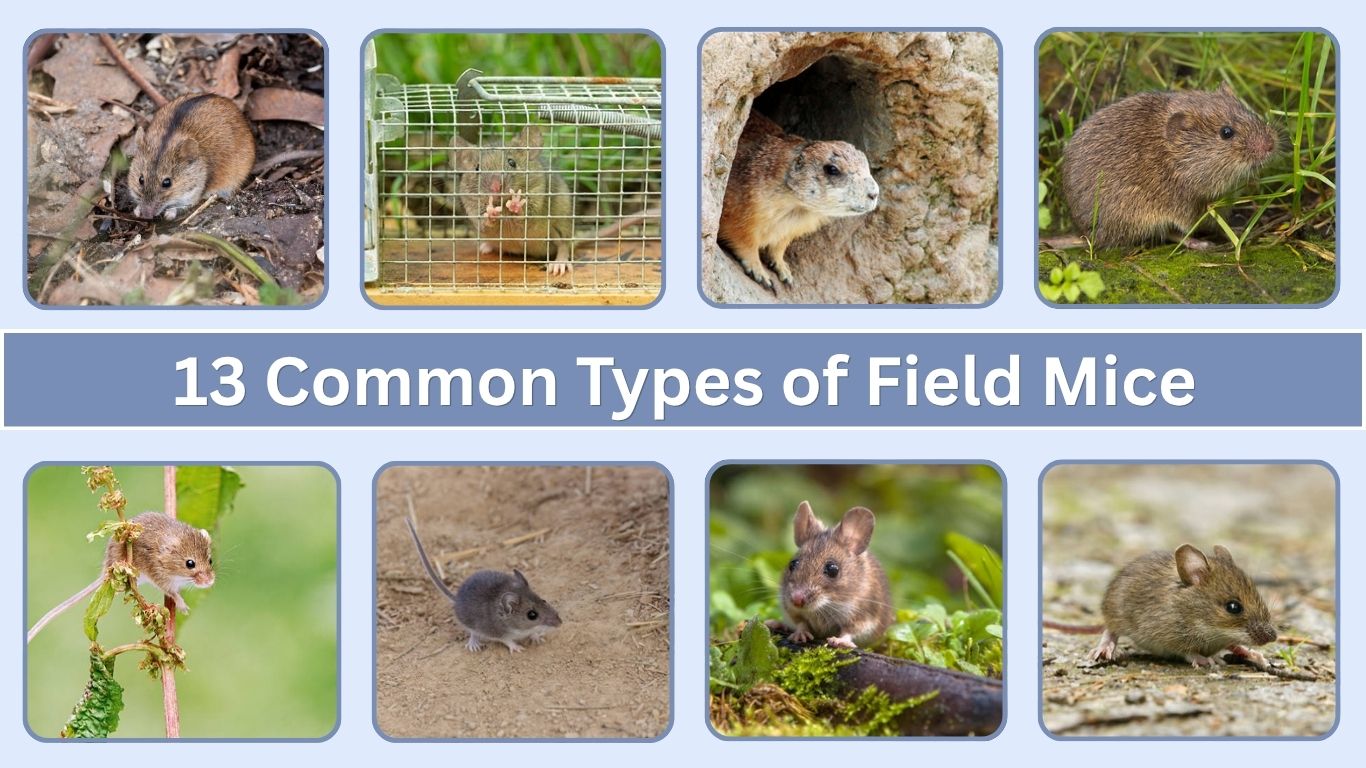
Field mice are small rodents often found in fields, gardens, woodlands, farms, hedgerows, and grassy areas. The name can refer to several wild mice and mouse-like rodents, including wood mice, deer mice, harvest mice, and even some voles. These animals are quick, shy, and usually active at night. In this guide, you will learn about 13 common types of field mice, how to identify them, where they live, what they eat, how they reproduce, and why they matter in nature.
1. Wood Mouse
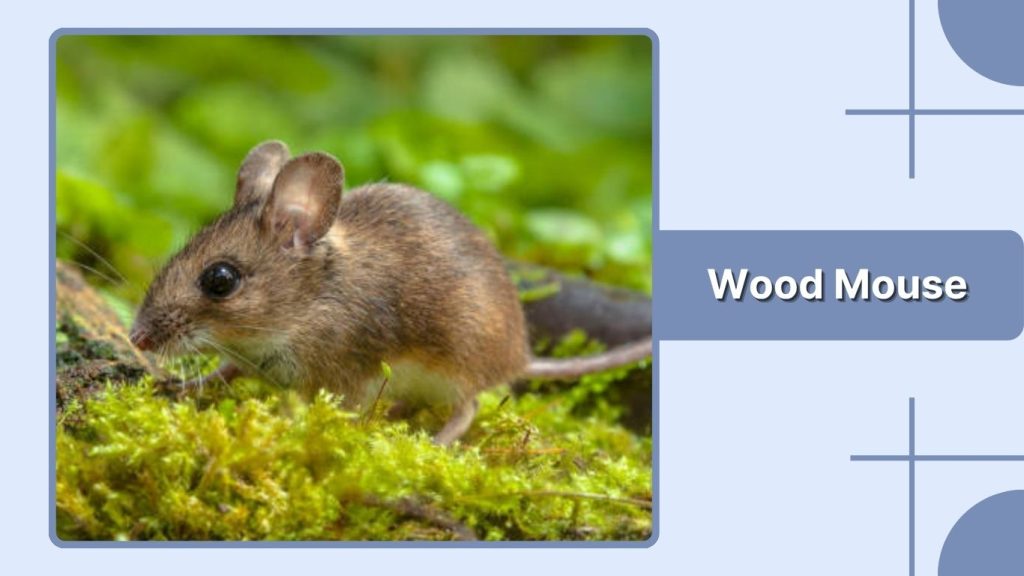
The Wood Mouse is one of the most common field mice found in gardens, woodlands, farms, hedgerows, and grassy areas. It is a small, quick, and adaptable rodent that often becomes active at night. Although it is called a wood mouse, it can live in many habitats and may enter sheds, barns, or homes during colder months.
Identification
- Small mouse with a slim body
- Sandy-brown or reddish-brown fur on the back
- Pale gray or white underside
- Large black eyes
- Large rounded ears
- Long tail, usually about the same length as the body
- Pointed nose
- Fast, jumping movements when disturbed
Habitat and Distribution
Wood Mice live in many different habitats, including woodlands, fields, gardens, hedgerows, grasslands, farms, and parks. They prefer places with cover, such as leaf litter, shrubs, logs, stone walls, and thick vegetation. They are widespread across many parts of Europe and nearby regions. In colder weather, they may move closer to buildings where food and shelter are easier to find.
Behavior and Diet
Wood Mice are mostly nocturnal, meaning they are most active at night. They spend the day hidden in burrows, nests, or sheltered places and come out after dark to search for food. Their diet includes seeds, berries, nuts, fruits, insects, fungi, and plant material. They may store food in underground chambers or hidden spaces to use later.
Life Cycle
The Wood Mouse breeds mainly during warmer months, although breeding may continue longer if food and shelter are available. Females give birth to small litters in nests made from grass, leaves, and other soft materials. Young mice grow quickly and become independent within a few weeks. Because they reproduce fast, local populations can increase when conditions are favorable.
2. Yellow-necked Mouse
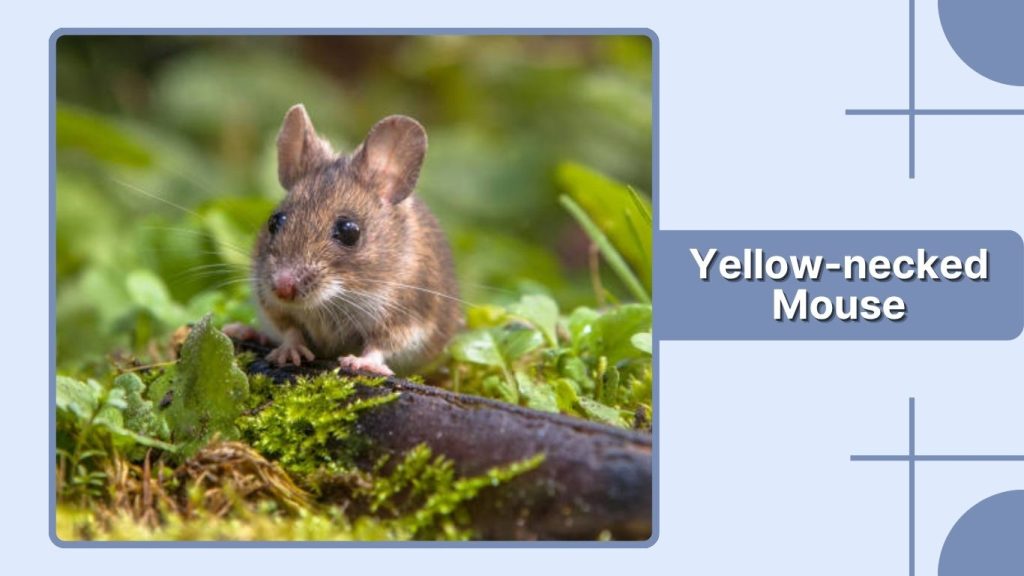
The Yellow-necked Mouse is a close relative of the Wood Mouse, but it is usually larger and more strongly marked. It gets its name from the yellowish collar or band of fur across the chest and neck area. This mouse is often found in woodlands, hedgerows, orchards, gardens, and rural buildings, especially where seeds and nuts are available.
Identification
- Larger than many common field mice
- Brown or reddish-brown fur on the back
- Pale underside
- Yellowish band or patch across the neck and chest
- Large eyes
- Large rounded ears
- Long tail, often as long as or longer than the body
- Strong jumping ability when disturbed
Habitat and Distribution
Yellow-necked Mice usually live in woodland, hedgerows, orchards, parks, gardens, and rural landscapes with plenty of cover. They prefer areas with trees, shrubs, leaf litter, and access to seeds or nuts. In colder months, they may enter sheds, barns, lofts, or houses while searching for warmth and food. They are found in parts of Europe and nearby regions.
Behavior and Diet
Yellow-necked Mice are mostly active at night. They are quick climbers and jumpers, which helps them escape predators and move through dense vegetation. Their diet includes seeds, nuts, fruits, berries, insects, fungi, and other plant material. They may store food in hidden places, especially during autumn when nuts and seeds are more abundant.
Life Cycle
The Yellow-necked Mouse breeds during the warmer part of the year, although breeding can continue longer when food is plentiful. Females build nests from grass, leaves, moss, and other soft materials. The young are born helpless but grow quickly and become independent within a few weeks. Good food supply and safe shelter can help populations increase rapidly.
3. Deer Mouse
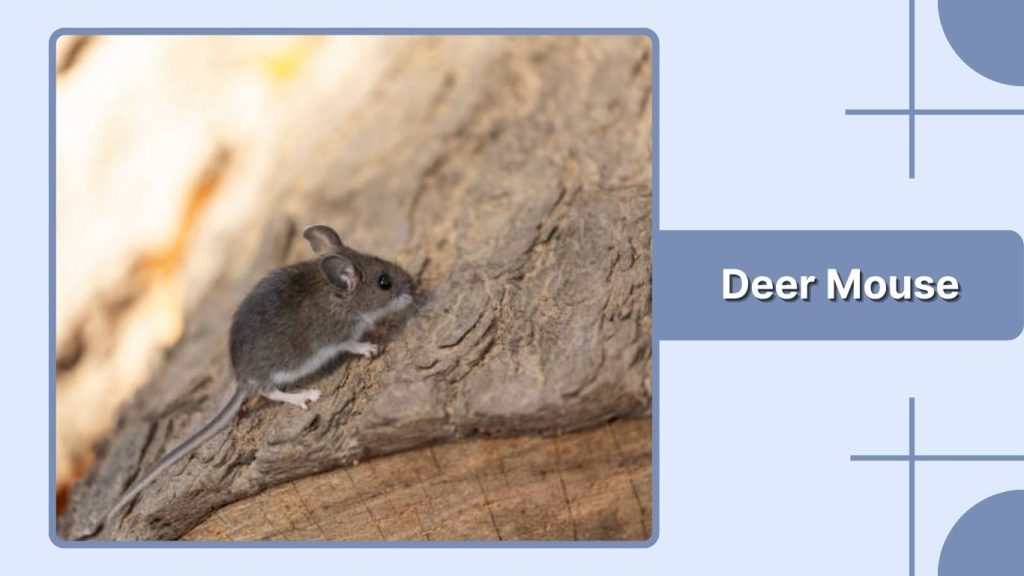
The Deer Mouse is a common small field mouse known for its large eyes, big ears, and two-toned body color. It is called a deer mouse because its brown upper body and white underside can resemble the color pattern of a deer. This mouse is active mostly at night and is often found in fields, forests, farms, sheds, and rural buildings.
Identification
- Small mouse with a slim body
- Brown, grayish-brown, or reddish-brown back
- White belly and underside
- Sharp color contrast between back and belly
- Large black eyes
- Large rounded ears
- Long tail with dark top and pale underside
- Quick running and jumping movements
Habitat and Distribution
Deer Mice live in many habitats, including grasslands, forests, farms, fields, brushy areas, deserts, and rural buildings. They are widely found across North America and can adapt to different climates and landscapes. They often use burrows, logs, rock piles, nests, and sheltered corners for hiding. In colder months, they may enter cabins, sheds, barns, or homes.
Behavior and Diet
Deer Mice are mostly nocturnal and spend much of the day hidden in nests or protected spaces. At night, they search for seeds, grains, fruits, nuts, insects, fungi, and other plant material. They may store food in hidden places for later use. They are agile climbers and can move quickly through vegetation, buildings, and natural cover.
Life Cycle
Deer Mice can breed several times a year when food and shelter are available. Females build soft nests from grass, fur, feathers, and plant fibers. The young are born helpless but develop quickly and leave the nest after a few weeks. Because they reproduce rapidly, populations can grow fast in areas with good food, cover, and mild conditions.
4. White-footed Mouse
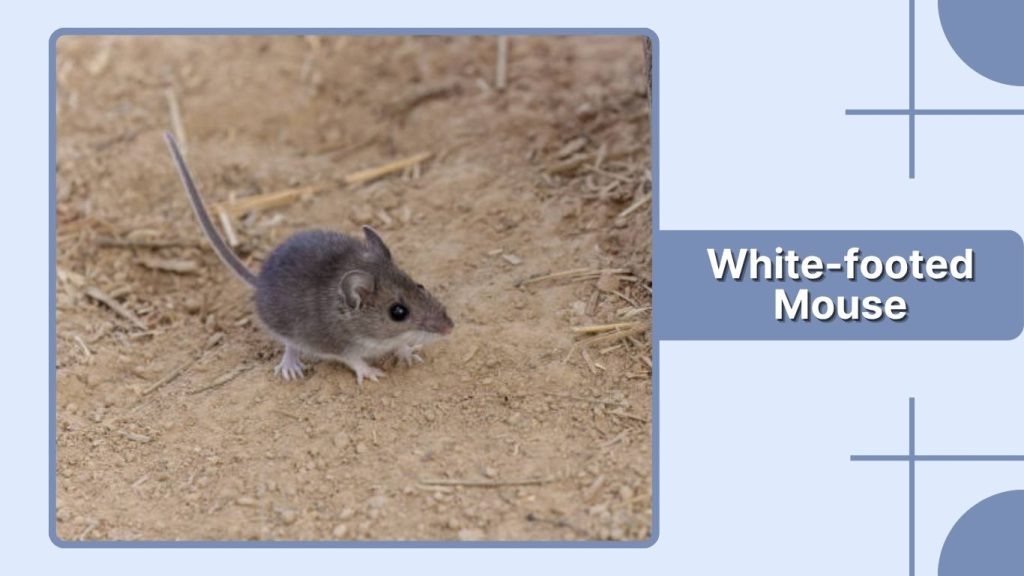
The White-footed Mouse is a small field mouse often found in woodlands, farms, brushy areas, gardens, and rural buildings. It looks similar to the Deer Mouse, with a brown upper body and pale underside. This mouse is mostly active at night and may enter homes, sheds, garages, or cabins when searching for food and shelter.
Identification
- Small mouse with a slim body
- Brown or grayish-brown fur on the back
- White feet
- Pale or white underside
- Large dark eyes
- Rounded ears
- Long tail with a darker top and lighter underside
- Quick, agile movement
Habitat and Distribution
White-footed Mice live in many habitats with cover and food. They are commonly found in forests, fields, hedgerows, brush piles, farms, gardens, parks, and woodland edges. They are widespread in eastern and central North America. During colder months, they may move into buildings, especially cabins, barns, sheds, garages, and homes near wooded or grassy areas.
Behavior and Diet
White-footed Mice are mostly nocturnal and usually hide during the day in nests, burrows, logs, or sheltered spaces. At night, they search for seeds, nuts, berries, fruits, fungi, insects, and grains. They are good climbers and may store food in hidden places. Their flexible diet helps them survive in both wild and human-made environments.
Life Cycle
White-footed Mice can breed several times during the warmer months, especially when food is plentiful. Females build soft nests from grass, leaves, fur, and plant fibers. The young are born blind and helpless but grow quickly. Within a few weeks, they leave the nest and begin feeding on their own. Under favorable conditions, populations can increase rapidly.
5. House Mouse
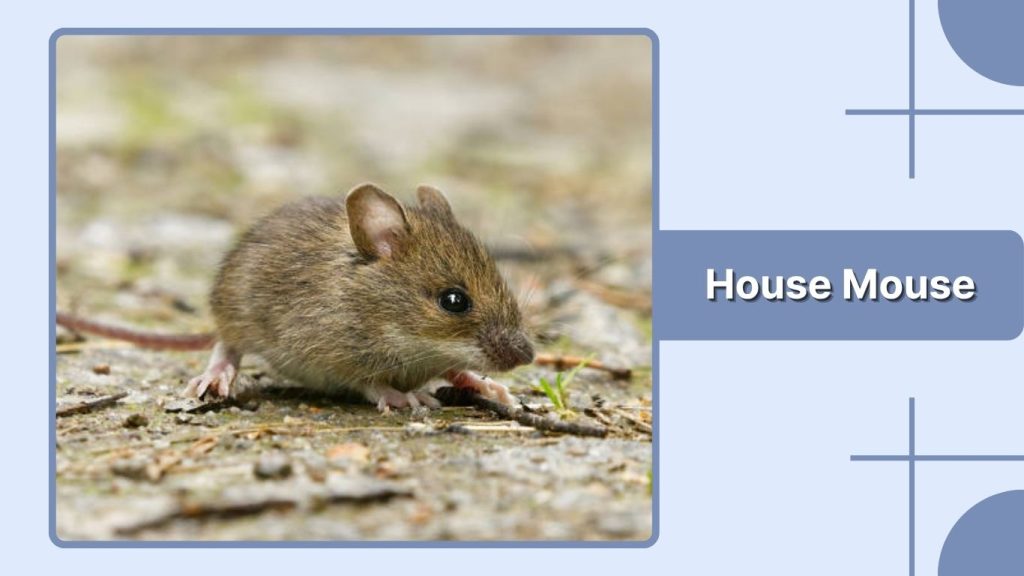
The House Mouse is one of the most familiar mice found around people. Although it often lives inside buildings, it can also be found in fields, farms, gardens, sheds, barns, and grassy areas near human activity. This mouse is small, adaptable, and active mostly at night, making it a common rodent in both rural and urban places.
Identification
- Small mouse with a slender body
- Gray, brown, or dusty-colored fur
- Pale gray or lighter underside
- Pointed nose
- Rounded ears
- Small dark eyes
- Long thin tail with little fur
- Quick running and hiding behavior
Habitat and Distribution
House Mice live almost anywhere they can find food, warmth, and shelter. They are common in homes, barns, warehouses, farms, sheds, gardens, fields, and rubbish areas. Outdoors, they may live in grassy edges, crop fields, compost piles, and thick vegetation. They are found worldwide because they have adapted well to living near humans.
Behavior and Diet
House Mice are mostly nocturnal and usually search for food at night. They eat seeds, grains, fruits, crumbs, stored food, insects, and many kinds of plant material. Around homes and farms, they may chew packaging, contaminate food, and leave droppings. They are curious animals and often explore small gaps, walls, cupboards, and hidden corners.
Life Cycle
House Mice reproduce quickly when food and shelter are available. Females can have several litters in a year, and the young grow fast. A nest is usually made from shredded paper, grass, fabric, insulation, or other soft materials. Because they breed rapidly, a small mouse problem can become larger if it is not controlled early.
6. Harvest Mouse
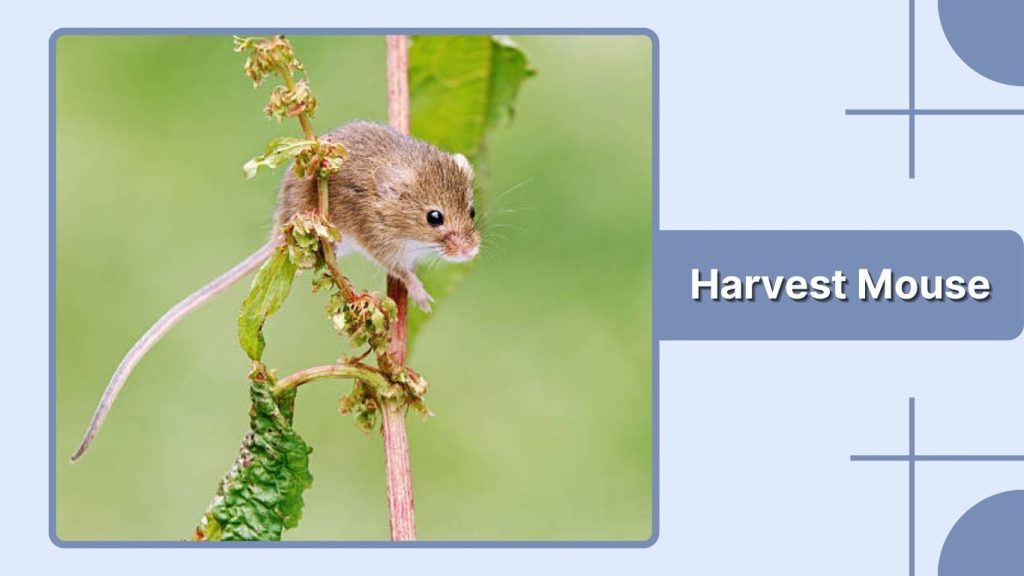
The Harvest Mouse is a tiny field mouse known for its small size, reddish-brown fur, and excellent climbing ability. It is often found in tall grasses, reed beds, crop fields, hedgerows, and meadows. Unlike many mice that stay mostly on the ground, the Harvest Mouse can climb stems and build round nests above ground.
Identification
- Very small mouse with a lightweight body
- Golden-brown or reddish-brown fur
- Pale underside
- Small rounded ears
- Blunt nose
- Long flexible tail used for balance
- Excellent climber among grasses and reeds
- Often associated with tall vegetation
Habitat and Distribution
Harvest Mice live in areas with tall grasses, reeds, cereal crops, hedgerows, field margins, and wet meadows. They prefer dense vegetation that gives them cover from predators and support for their nests. They are found in parts of Europe and Asia, especially in landscapes with grasslands, farmland, wetlands, and rough field edges.
Behavior and Diet
Harvest Mice are active climbers and often move through grass stems rather than staying only on the ground. They feed on seeds, grasses, berries, fruits, insects, and other small plant materials. Their flexible tails help them balance while climbing. They are usually shy and difficult to see because they stay hidden in thick vegetation.
Life Cycle
Harvest Mice are known for building round woven nests above ground among grasses or reeds. Females use grass strips to make a soft, ball-shaped nest where the young are born. The young grow quickly and leave the nest after a few weeks. Breeding usually happens during the warmer months when food and cover are plentiful.
7. Field Vole
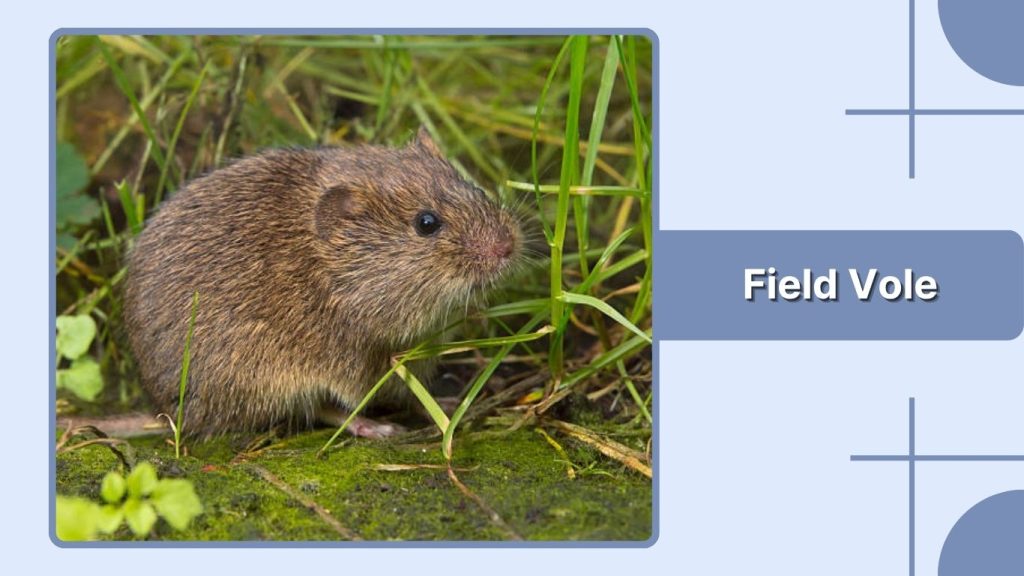
The Field Vole is a small, chunky rodent often found in grasslands, meadows, marshes, field edges, and rough vegetation. Although it is sometimes grouped with field mice in common searches, it is a vole, not a true mouse. It has a shorter tail, smaller ears, and a rounder body than many mice.
Identification
- Small, stocky rodent
- Brown, gray-brown, or yellowish-brown fur
- Short tail compared with mice
- Small rounded ears partly hidden by fur
- Blunt nose
- Compact body shape
- Short legs
- Often seen in grassy tunnels or runways
Habitat and Distribution
Field Voles live in places with dense ground cover, especially long grass, meadows, rough fields, marsh edges, woodland clearings, and hedgerows. They prefer areas where vegetation provides both food and protection from predators. They are widespread in parts of Europe and nearby regions, especially in rural landscapes with unmanaged grass and damp field margins.
Behavior and Diet
Field Voles are active during both day and night, but they often stay hidden under grass and vegetation. They feed mainly on grasses, stems, roots, seeds, herbs, and other soft plant material. Their feeding paths can create small runways through grass. They are important prey for owls, foxes, weasels, and many other predators.
Life Cycle
Field Voles can reproduce quickly when food and cover are available. Females build nests in thick grass or hidden ground-level shelters. The young are born helpless but grow fast and may become independent within a short time. In good conditions, several litters can be produced in one season, allowing populations to rise rapidly.
8. Meadow Vole
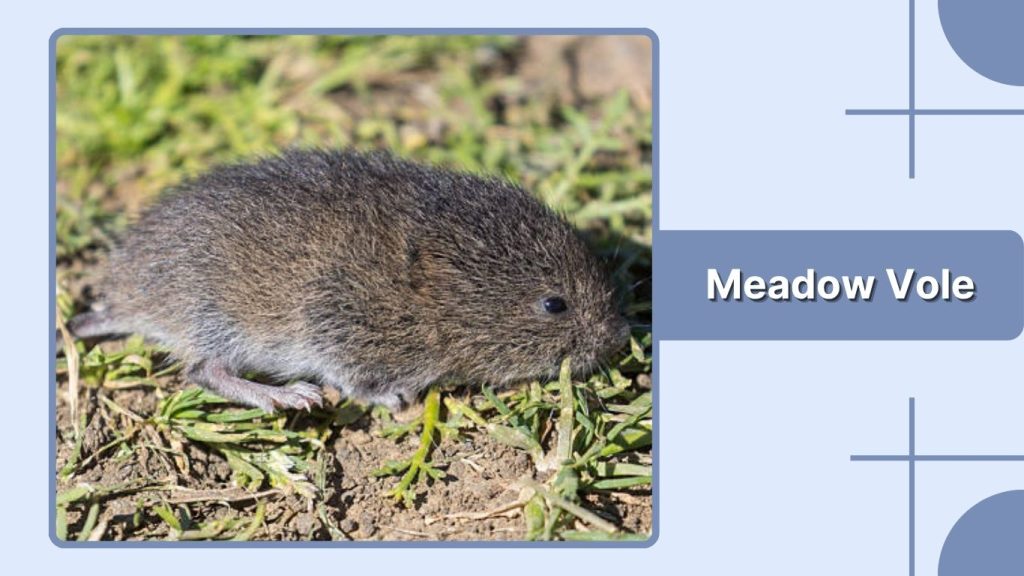
The Meadow Vole is a small, stocky rodent often found in grassy fields, meadows, wetlands, marsh edges, and weedy areas. Although people may call it a field mouse, it is actually a vole. It has a rounder body, shorter tail, smaller ears, and a more compact shape than most true mice.
Identification
- Small, chunky rodent
- Brown or grayish-brown fur
- Short tail compared with mice
- Small ears partly hidden by fur
- Blunt nose
- Round body shape
- Short legs
- Often uses grassy runways under vegetation
Habitat and Distribution
Meadow Voles prefer areas with thick ground cover. They are commonly found in meadows, grasslands, marshes, wet fields, roadside edges, gardens, and weedy places. They are widespread across much of North America and are especially common where grasses, sedges, and low plants provide food and protection from predators.
Behavior and Diet
Meadow Voles are active during both day and night, but they usually stay hidden in grass tunnels and surface runways. They feed mainly on grasses, sedges, roots, stems, seeds, and other plant material. In winter, they may feed under snow cover, leaving winding trails when the snow melts.
Life Cycle
Meadow Voles reproduce quickly when food and cover are available. Females build nests in thick grass, hidden runways, or shallow ground shelters. The young are born helpless but develop fast and leave the nest within a short time. Because they breed rapidly, meadow vole populations can increase sharply during favorable seasons.
9. Bank Vole
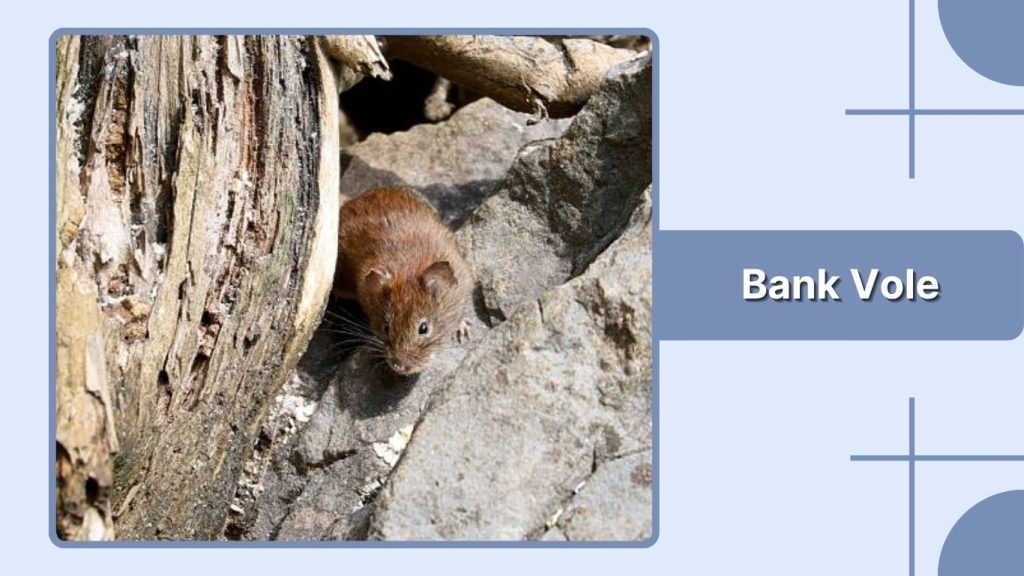
The Bank Vole is a small, rounded rodent often found in woodlands, hedgerows, gardens, grassy banks, and field edges. Although it may be called a field mouse in casual use, it is a vole, not a true mouse. It has a shorter tail, smaller ears, and a more compact body than most field mice.
Identification
- Small, rounded vole
- Reddish-brown or chestnut-brown fur on the back
- Grayish or pale underside
- Short tail compared with mice
- Small rounded ears
- Blunt nose
- Compact body shape
- Often seen near hedges, banks, and woodland edges
Habitat and Distribution
Bank Voles usually live in places with thick cover and plenty of low vegetation. They are common in woodlands, hedgerows, gardens, grassy banks, field margins, scrubland, and areas with leaf litter. They prefer habitats where they can hide from predators while feeding. This species is found across much of Europe and parts of nearby regions.
Behavior and Diet
Bank Voles are active during both day and night, although they often stay hidden under plants, leaves, roots, and grass. They feed on seeds, berries, fruits, roots, leaves, grasses, fungi, and small plant material. They may also nibble bark or shoots when other food is limited. Their diet changes with the season and available food.
Life Cycle
Bank Voles breed mainly during spring, summer, and early autumn when food is plentiful. Females build hidden nests in grass, leaf litter, roots, or underground spaces. The young are born helpless but grow quickly and become independent within a few weeks. In good conditions, several litters may be produced in one breeding season.
10. Prairie Vole
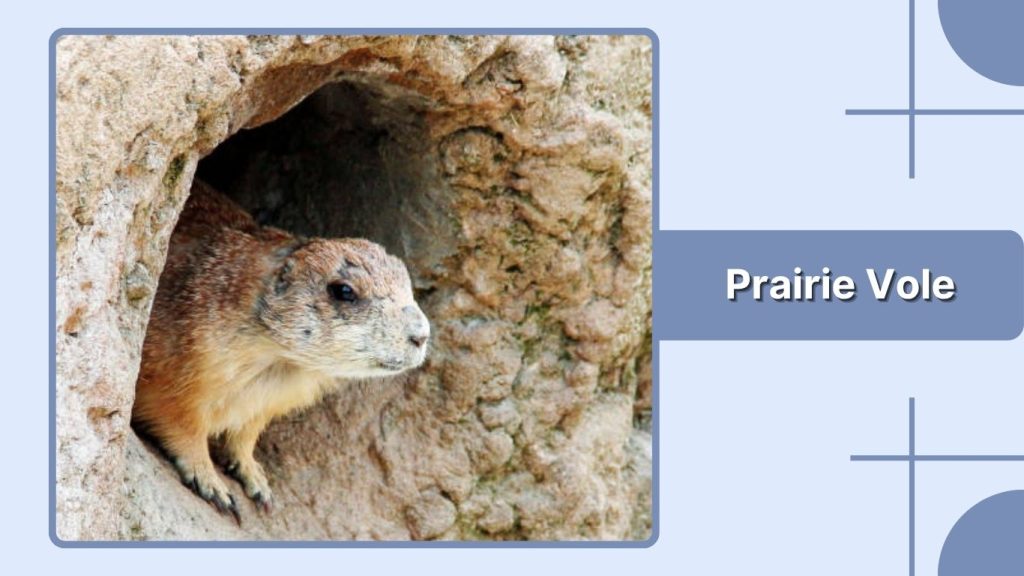
The Prairie Vole is a small, stocky rodent found in grasslands, prairies, fields, pastures, and weedy open areas. Although it may be mistaken for a field mouse, it is a vole with a shorter tail, rounder body, and blunt face. This species is closely tied to grassy habitats where it can feed, hide, and build nests.
Identification
- Small, chunky vole
- Brown or grayish-brown fur
- Short tail compared with true mice
- Small ears partly hidden by fur
- Blunt nose
- Rounded body shape
- Short legs
- Often found in grass runways or low vegetation
Habitat and Distribution
Prairie Voles live mainly in open grassy habitats. They are common in prairies, pastures, meadows, old fields, roadsides, crop edges, and weedy areas. They prefer places with thick ground cover because it protects them from predators and provides food. This species is found across parts of central North America where grassland habitats are available.
Behavior and Diet
Prairie Voles are active during both day and night, but they usually stay hidden under grass and low plants. They feed on grasses, roots, seeds, stems, leaves, and other plant material. They often create small surface runways through vegetation. These runways help them move safely while staying covered from owls, hawks, foxes, snakes, and other predators.
Life Cycle
Prairie Voles can reproduce quickly when food and cover are suitable. Females build nests in grass, underground burrows, or protected surface areas. The young are born helpless but grow rapidly and leave the nest after a short period. When conditions are favorable, several litters may be produced in a year, allowing local populations to rise quickly.
11. Long-tailed Field Mouse
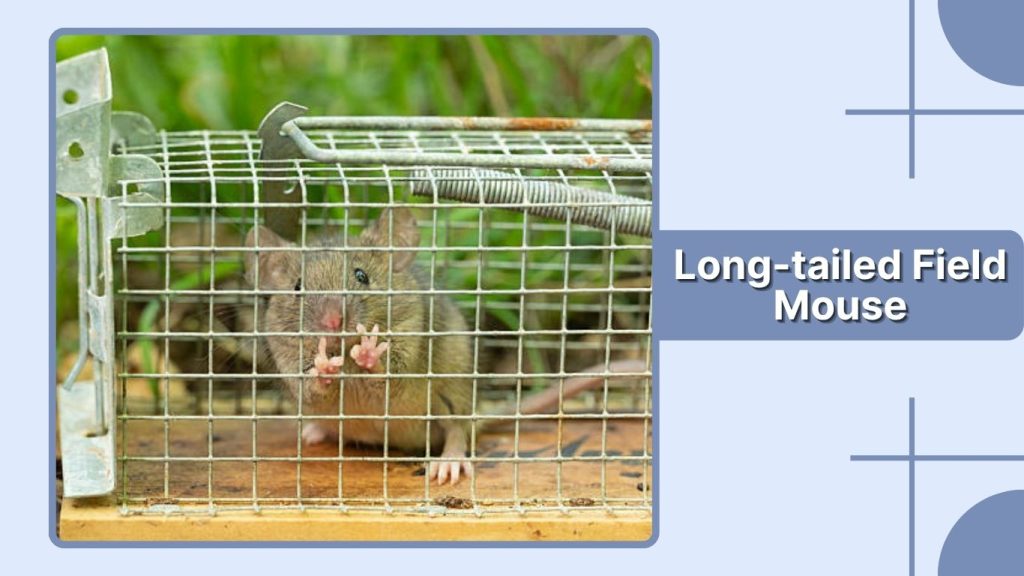
The Long-tailed Field Mouse is a small, agile mouse known for its long tail, large eyes, and quick movements. It is often found in fields, hedgerows, gardens, woodlands, farms, and grassy edges. This name is commonly used for field mice with long tails, especially the Wood Mouse in some regions.
Identification
- Small mouse with a slim body
- Brown or sandy-brown fur on the back
- Pale gray or white underside
- Large dark eyes
- Large rounded ears
- Long tail, often close to body length
- Pointed nose
- Fast running and jumping movements
Habitat and Distribution
Long-tailed Field Mice usually live in places with good cover and available food. They are found in fields, woodlands, hedgerows, gardens, farms, parks, grasslands, and rural buildings. They prefer areas with shrubs, leaf litter, logs, stone walls, thick grass, or other hiding places. In colder months, they may move into sheds, barns, or homes for shelter.
Behavior and Diet
Long-tailed Field Mice are mostly active at night. They spend the day hidden in burrows, nests, or covered spaces and come out after dark to feed. Their diet includes seeds, fruits, berries, nuts, fungi, insects, grains, and plant material. They may store food in hidden places, especially before colder weather.
Life Cycle
The Long-tailed Field Mouse breeds mainly during spring, summer, and early autumn when food is available. Females build soft nests from grass, leaves, moss, and other plant fibers. The young are born helpless but grow quickly and leave the nest within a few weeks. Good food supply and safe shelter can support fast population growth.
12. Striped Field Mouse
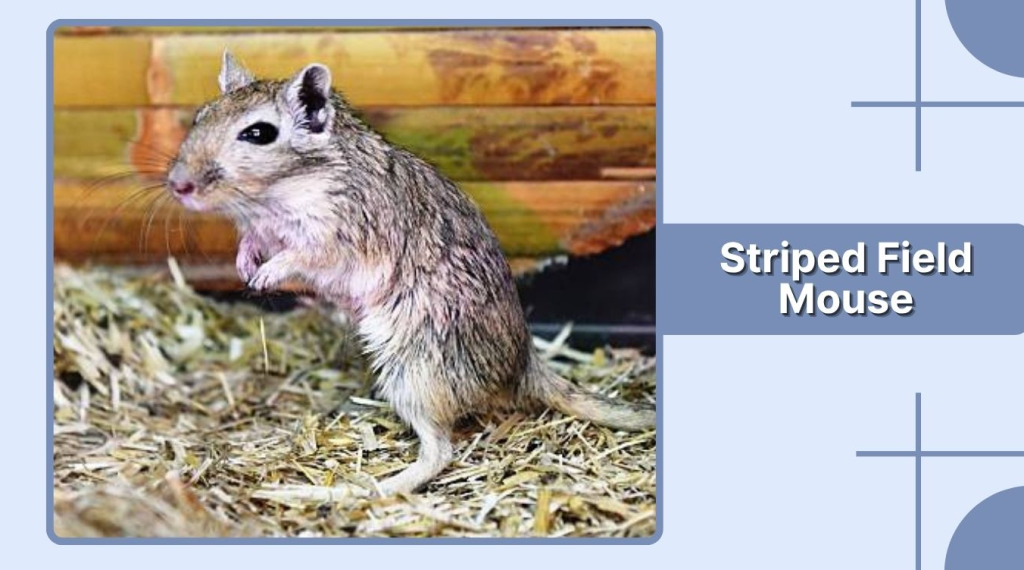
The Striped Field Mouse is a small rodent known for the dark stripe that runs along the middle of its back. It is often found in fields, grasslands, farmland, gardens, woodland edges, and scrubby places. This mouse is active mostly at night and uses thick vegetation for cover while searching for seeds, grains, and plant material.
Identification
- Small mouse with a slim body
- Brown or yellowish-brown fur
- Clear dark stripe running down the back
- Pale underside
- Rounded ears
- Dark eyes
- Long tail
- Quick movements through grass and low plants
Habitat and Distribution
Striped Field Mice usually live in open or semi-open habitats with plenty of ground cover. They are found in fields, meadows, crop edges, grasslands, hedgerows, gardens, scrubland, and woodland borders. They are widely distributed across parts of Europe and Asia, especially in rural landscapes where seeds, grains, and shelter are available.
Behavior and Diet
Striped Field Mice are mainly nocturnal, although they may sometimes be active during quiet daytime periods. They feed on seeds, grains, fruits, berries, insects, roots, and green plant material. Around farms, they may eat crop seeds or stored grain when available. Their quick movements and use of dense cover help them avoid predators.
Life Cycle
The Striped Field Mouse breeds during the warmer months when food is plentiful. Females build nests in burrows, grass, or hidden spaces using soft plant material. The young are born helpless and grow quickly, becoming independent within a few weeks. In favorable conditions, females may produce several litters during the breeding season.
13. Algerian Mouse
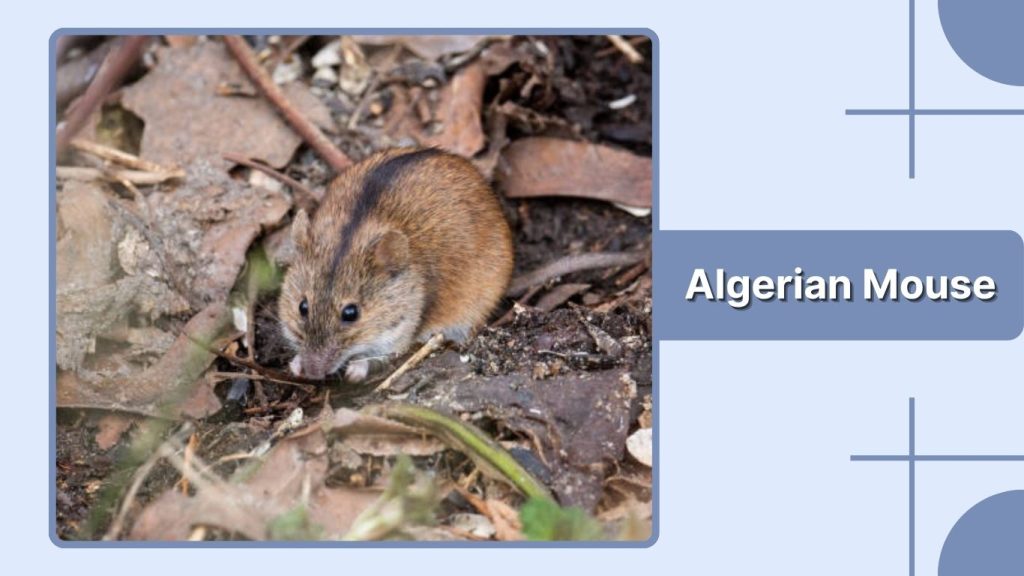
The Algerian Mouse is a small field mouse found in warm, dry, and semi-open habitats. It is commonly associated with grasslands, farmland, scrubland, gardens, and Mediterranean-type landscapes. This mouse is active mostly at night and uses vegetation, burrows, rocks, and ground cover for protection while searching for seeds and plant material.
Identification
- Small mouse with a slim body
- Brown or sandy-brown fur on the back
- Pale gray or whitish underside
- Large dark eyes
- Rounded ears
- Long thin tail
- Pointed nose
- Quick, alert movement through low vegetation
Habitat and Distribution
Algerian Mice usually live in warm regions with open or semi-open ground cover. They are found in fields, scrublands, grasslands, farms, gardens, orchards, rocky edges, and rural landscapes. They are especially associated with parts of North Africa and southwestern Europe, where dry vegetation, crops, and sheltered ground provide food and cover.
Behavior and Diet
Algerian Mice are mostly nocturnal and usually stay hidden during the day. At night, they come out to search for seeds, grains, fruits, roots, green plant material, and small insects. They often move through grass, crop edges, and low shrubs to avoid predators. Their flexible diet helps them survive in both natural and farmed habitats.
Life Cycle
The Algerian Mouse breeds when food and shelter are available, especially during favorable seasons. Females build nests in burrows, vegetation, or hidden ground spaces using soft plant material. The young are born helpless and develop quickly. When conditions are warm and food is plentiful, populations can increase through repeated breeding.
FAQs
What is a field mouse?
A field mouse is a small rodent that usually lives in fields, gardens, woodlands, hedgerows, farms, and grassy areas. The name is often used for several wild mice and similar rodents, including wood mice, deer mice, harvest mice, and sometimes voles.
How do you identify a field mouse?
A field mouse usually has a small body, pointed nose, rounded ears, dark eyes, and a long tail. Many field mice have brown or sandy fur with a pale underside. Voles are often confused with field mice, but they usually have shorter tails, smaller ears, and rounder bodies.
What do field mice eat?
Field mice usually eat seeds, grains, fruits, berries, nuts, roots, fungi, insects, and green plant material. Their diet changes with the season and habitat. Around farms, gardens, or homes, they may also eat stored grain, crumbs, birdseed, or crop seeds.
Where do field mice live?
Field mice live in places with food and cover, such as fields, meadows, woodlands, hedgerows, gardens, barns, sheds, and grassy edges. They often hide in burrows, leaf litter, thick vegetation, logs, walls, or sheltered corners, especially during cold or wet weather.
Are field mice harmful?
Field mice are important in nature because they spread seeds and provide food for owls, foxes, snakes, and other predators. However, they can become a problem if they enter homes, contaminate food, chew materials, or damage stored crops and garden plants.