
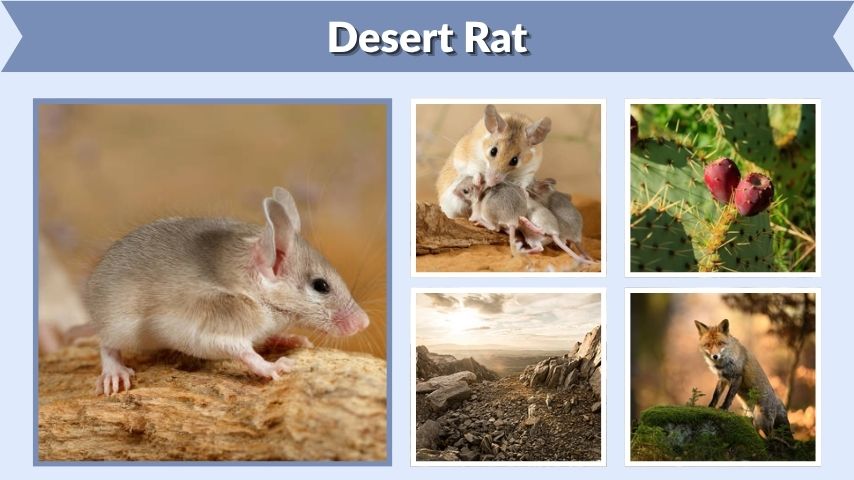
Desert rats are remarkable rodents that have evolved to survive in some of the harshest environments on Earth. Found in arid regions across North America, Africa, Asia, and the Middle East, these animals possess specialized adaptations that help them cope with extreme heat, scarce water supplies, and limited food resources. Species such as the desert kangaroo rat and desert woodrat play important ecological roles while demonstrating extraordinary survival abilities. Understanding their habitat, diet, and behavior provides valuable insight into desert ecosystems and wildlife adaptation.
What Is a Desert Rat?
The term “desert rat” refers to several rodent species that have adapted to life in dry and arid environments. These animals are known for their ability to conserve water, avoid predators, and thrive in habitats where many other mammals would struggle to survive. Although different species vary in appearance and behavior, they share many characteristics that help them endure harsh desert conditions.
Common Types of Desert Rats
Several species are commonly referred to as desert rats:
- Desert kangaroo rat
- Desert woodrat
- Desert pack rat
- Merriam’s kangaroo rat
- Banner-tailed kangaroo rat
Key Characteristics
Most desert rats share several notable features:
- Small to medium body size
- Large eyes for nighttime activity
- Strong hind legs for movement
- Excellent burrowing abilities
- Efficient water conservation systems
Desert Kangaroo Rat
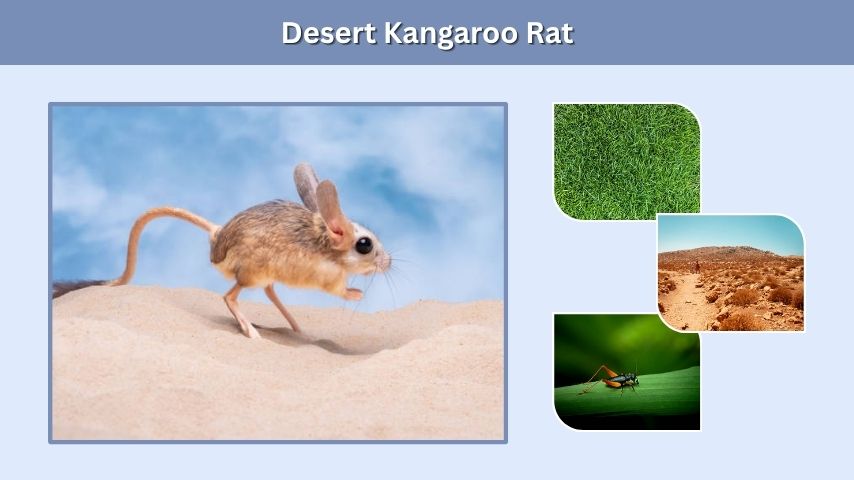
The desert kangaroo rat is one of the most fascinating desert rodents. Named for its long hind legs and hopping movement, this species has become a symbol of desert survival. It is particularly famous for its ability to live without drinking water directly, obtaining moisture from seeds and plant material instead.
Physical Appearance
Desert kangaroo rats typically have sandy-colored fur that helps them blend into their surroundings. Their long tails provide balance while hopping, and their large hind feet allow them to move quickly across loose desert sand.
What Do Desert Kangaroo Rats Eat?
The diet of a desert kangaroo rat consists mainly of plant-based foods. These rodents gather and store food to survive periods when resources become scarce.
Common food sources include:
- Seeds
- Grasses
- Desert shrubs
- Small insects
- Plant roots
Water Conservation Ability
One of the most impressive adaptations of kangaroo rats is their ability to survive with very little water. Their bodies efficiently extract moisture from food while minimizing water loss through specialized kidneys and behavioral adaptations.
Desert Rat Habitat
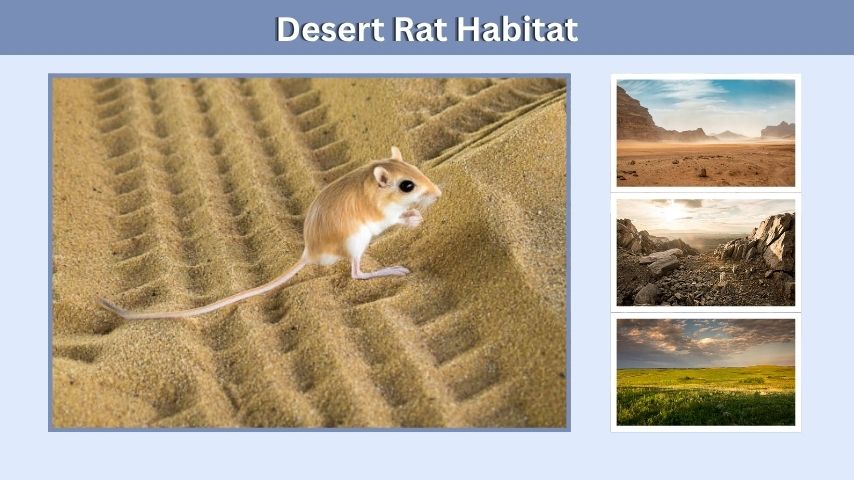
Desert rats occupy a variety of dry habitats, including sandy deserts, rocky terrain, grasslands, and shrub-covered landscapes. Their ability to construct burrows allows them to escape daytime heat and maintain a more stable environment underground.
Where Desert Rats Live
Desert rats can be found in numerous regions around the world. They are especially common in deserts that experience extreme daytime temperatures and cooler nights.
Burrow Systems
Burrows serve several important functions in the lives of desert rats. These underground shelters provide protection from predators, temperature extremes, and harsh weather conditions. Some burrow systems contain multiple chambers used for nesting, food storage, and resting.
Daily Activity Patterns
Most desert rats are nocturnal, meaning they are active primarily at night. This behavior helps them avoid dangerous daytime temperatures while reducing water loss through evaporation. During daylight hours, they typically remain inside their burrows.
Desert Rat Adaptations for Survival
Desert rats have evolved remarkable physical and behavioral adaptations that enable them to survive where water and food are often limited. These adaptations have developed over thousands of years and make them among the most successful mammals in desert ecosystems.
Water-Saving Adaptations
Desert rats use several strategies to conserve water:
- Highly efficient kidneys
- Minimal water loss through urine
- Moisture extraction from food
- Nocturnal activity patterns
- Burrow living to avoid heat
Protection From Heat
Rather than remaining active during the hottest part of the day, desert rats stay underground where temperatures are significantly cooler. This behavior helps reduce stress caused by extreme desert heat and conserves valuable body moisture.
Predator Avoidance
Desert environments contain numerous predators, including snakes, owls, foxes, and coyotes. Quick movements, camouflage, and underground shelters help desert rats avoid becoming prey.
What Do Desert Rats Eat?
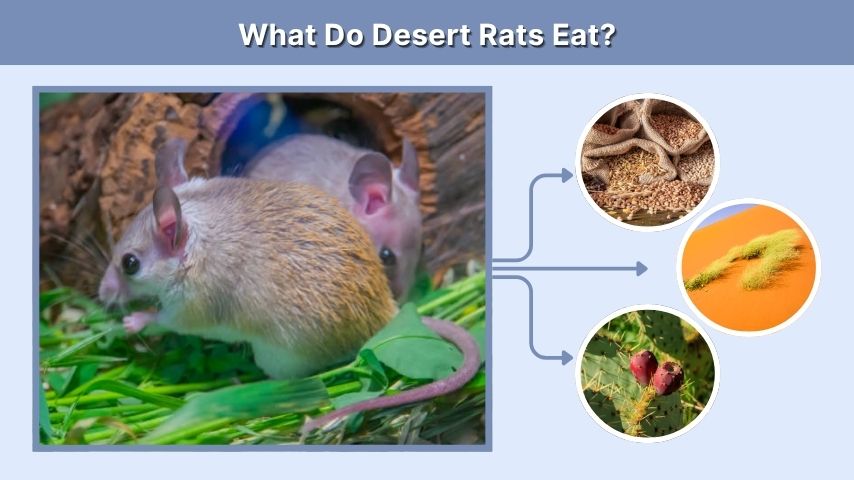
Desert rats have adapted to survive on limited food resources available in arid environments. Most species are primarily herbivorous, feeding on seeds, grasses, and desert plants. However, some may occasionally consume insects and other small food sources when available. Their ability to gather, store, and efficiently use food is essential for survival in unpredictable desert conditions.
Primary Food Sources
Desert rats commonly feed on:
- Seeds and grains
- Desert grasses
- Cactus fruits
- Shrub leaves
- Small insects
Food Storage Behavior
Many desert rats collect and store food inside their burrows. This behavior helps them survive droughts and periods when fresh food is difficult to find. Some species create underground chambers specifically designed for food storage.
Feeding Habits
Most desert rats forage at night when temperatures are cooler and predators are less active. They use their keen sense of smell and hearing to locate food while avoiding danger in the dark desert landscape.
Desert Rats Life Cycle and Reproduction
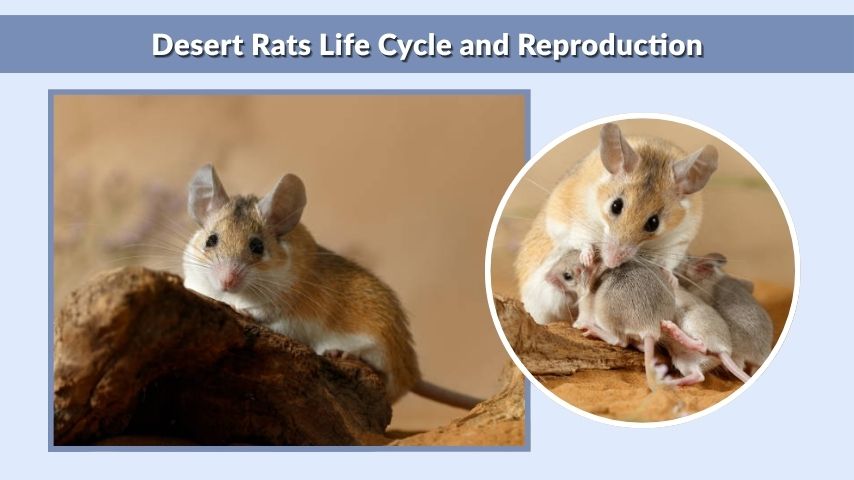
Desert rats have reproductive strategies that allow them to maintain healthy populations despite challenging environmental conditions. Breeding patterns often depend on rainfall, food availability, and seasonal temperature changes.
Breeding Season
The breeding season varies among species and locations. In many desert regions, reproduction increases after rainfall because food becomes more abundant and environmental conditions improve.
Gestation and Birth
Female desert rats typically have relatively short gestation periods. After birth, the young remain in protected nests until they are developed enough to leave the burrow and begin exploring their surroundings.
Lifespan
The average lifespan of a desert rat depends on species, habitat quality, and predator pressure. While many live only a few years in the wild, some individuals survive longer under favorable conditions.
Desert Rats and Their Role in the Ecosystem
Although small in size, desert rats play a significant role in maintaining the balance of desert ecosystems. Their feeding habits, burrowing activities, and interactions with other species contribute to environmental health and biodiversity.
Seed Dispersal
By collecting and transporting seeds, desert rats help distribute plant species across the landscape. Some stored seeds are never recovered, allowing new plants to grow in different locations.
Soil Improvement
Burrowing activities help aerate the soil and improve water infiltration. These underground tunnels can influence plant growth and create habitats for other small animals.
Food Source for Predators
Desert rats serve as an important food source for numerous predators. Their presence supports healthy populations of birds of prey, reptiles, and carnivorous mammals throughout desert ecosystems.
Predators of Desert Rats
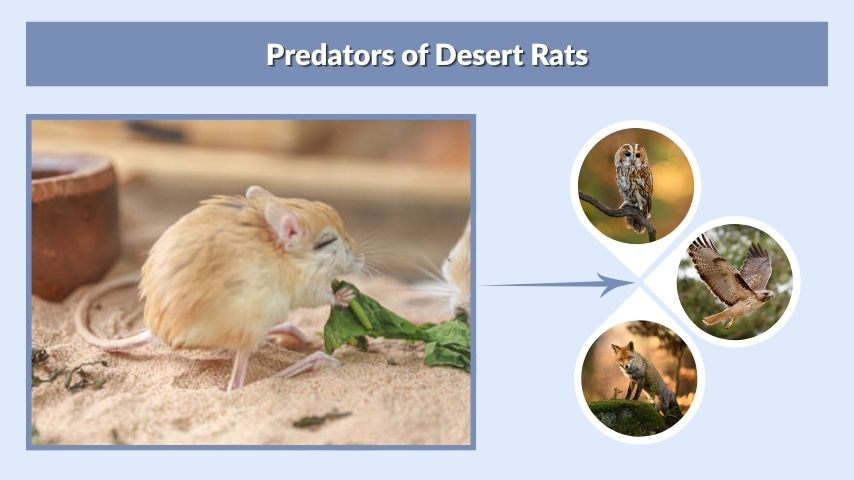
Desert rats face constant threats from predators that have adapted to hunting in harsh environments. To survive, they rely on speed, camouflage, and underground shelters.
Common Predators
The most common predators of desert rats include:
- Owls
- Hawks
- Snakes
- Coyotes
- Foxes
Survival Strategies
Desert rats use several methods to avoid predators. Their sandy-colored fur helps them blend into their surroundings, while their quick reflexes allow them to escape danger rapidly. Burrows provide a safe refuge when predators are nearby.
Importance of Nocturnal Behavior
Being active at night reduces the likelihood of encountering certain predators while also helping desert rats avoid daytime heat. This behavior is one of their most effective survival adaptations.
Interesting Facts About Desert Rats
Desert rats possess some of the most impressive survival abilities found among mammals. Scientists continue to study these rodents to better understand how animals adapt to extreme environments.
Amazing Desert Rat Facts
- Some species can survive without drinking water.
- Kangaroo rats can leap several feet in a single jump.
- Their kidneys are among the most efficient in the animal kingdom.
- Many species store food for future use.
- They help maintain healthy desert ecosystems.
Why Scientists Study Desert Rats
Researchers examine desert rats to learn about water conservation, climate adaptation, and ecological relationships. Their unique biology may provide insights into how animals respond to environmental change.
FAQs
What is a desert rat?
A desert rat is a rodent species adapted to life in arid and semi-arid environments. Examples include kangaroo rats, woodrats, and pack rats.
Can desert rats survive without drinking water?
Some species, particularly kangaroo rats, can survive without directly drinking water by obtaining moisture from seeds and plant material.
What do desert kangaroo rats eat?
Their diet mainly consists of seeds, grasses, desert plants, and occasionally insects.
Where do desert rats live?
Desert rats inhabit deserts, grasslands, rocky terrain, and shrublands throughout North America and other arid regions.
Why are desert rats important to the ecosystem?
They help disperse seeds, improve soil through burrowing, and provide food for many desert predators.