
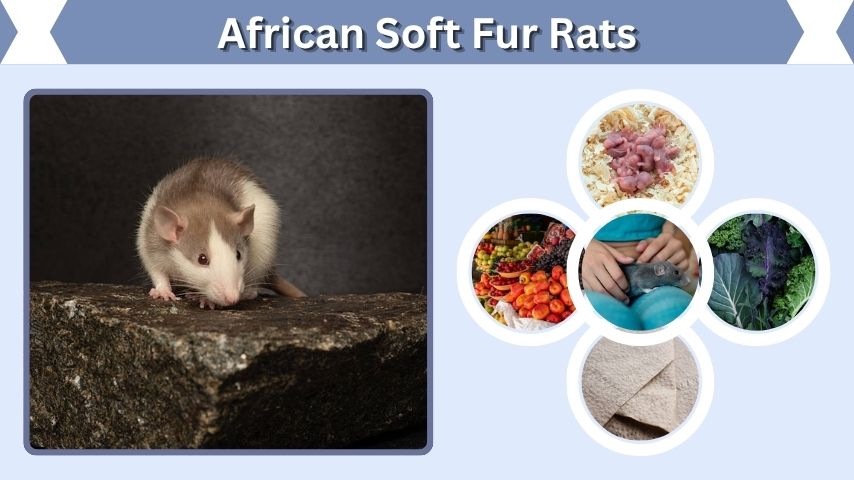
African soft fur rats have become increasingly popular among reptile keepers, breeders, and exotic pet enthusiasts. Known for their soft coats, high reproduction rates, and unique characteristics, these rodents serve multiple purposes, from companion animals to feeder rodents for snakes. Understanding their care requirements, growth patterns, and behavior is essential for anyone considering owning or breeding them.
What Are African Soft Fur Rats?
African soft fur rats, often abbreviated as ASF rats, are small rodents native to various regions of Africa. Despite their common name, they are not true rats but belong to the genus Mastomys. Their soft fur, social nature, and adaptability have contributed to their growing popularity in captivity.
Unlike fancy rats, African soft fur rats display more natural behaviors and are generally less domesticated. They are commonly raised as feeder rodents because many ball pythons readily accept them. However, some owners also keep them as pets due to their fascinating social dynamics and relatively low-maintenance care requirements.
Origin and Scientific Classification
The most common species found in captivity is Mastomys natalensis, also known as the Natal multimammate mouse. These rodents are widely distributed throughout sub-Saharan Africa and thrive in diverse habitats, including grasslands, agricultural fields, and savannas.
Physical Characteristics
African soft fur rats possess several distinctive traits that separate them from both mice and traditional rats:
- Soft, dense fur texture
- Long, slender tail
- Large ears and bright eyes
- Compact body structure
- Various shades of brown, gray, and tan
Their appearance often leads people to mistake them for oversized mice, though they are genetically distinct from both mice and rats.
African Soft Fur Rat Size and Growth
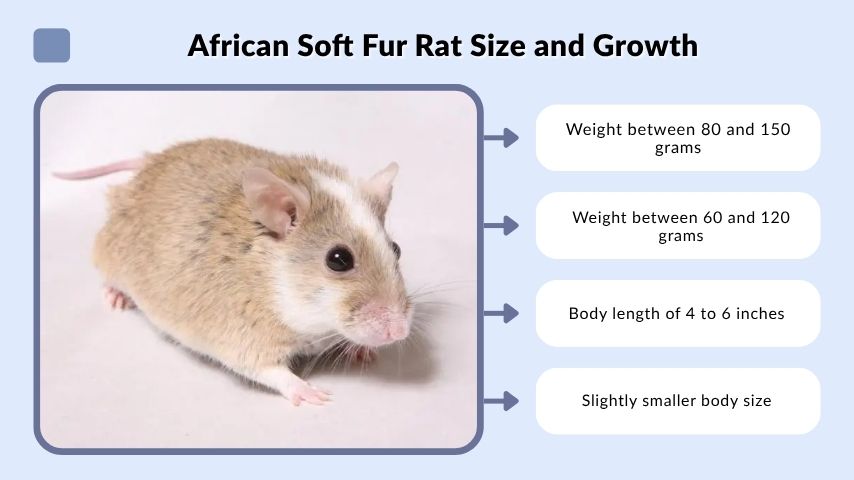
Understanding the size and growth rate of African soft fur rats is important for pet owners, breeders, and reptile keepers. Their rapid development makes them especially valuable as feeder rodents, while their manageable size appeals to hobbyists seeking smaller exotic pets.
ASF rats grow quickly during their first few months of life. Most individuals reach adult size between three and four months of age, though growth rates can vary depending on genetics, diet, and housing conditions.
Average Size of Adult ASF Rats
Adult African soft fur rats are generally smaller than standard fancy rats but larger than typical mice.
Male ASF Rats
Male African soft fur rats usually exhibit:
- Weight between 80 and 150 grams
- Body length of 4 to 6 inches
- Larger and more muscular build
Female ASF Rats
Female ASF rats typically feature:
- Weight between 60 and 120 grams
- Slightly smaller body size
- Leaner appearance than males
Growth Stages
The development of African soft fur rats follows a relatively predictable pattern.
- Newborns are hairless and completely dependent on their mother.
- Eyes begin opening around two weeks of age.
- Weaning generally occurs between three and four weeks.
- Sexual maturity may occur as early as six weeks.
- Full adult size is often reached by four months.
African Soft Fur Rat Lifespan
Lifespan is one of the most common questions prospective owners ask before acquiring African soft fur rats. While these rodents are relatively short-lived compared to larger pets, proper care can significantly improve both their longevity and quality of life.
Most captive African soft fur rats live between one and three years. Factors such as nutrition, genetics, environmental conditions, and stress levels play major roles in determining how long an individual animal survives.
Factors That Affect Lifespan
Several important elements influence the overall health and lifespan of ASF rats.
Nutrition
A balanced diet supports healthy growth, reproductive success, and disease resistance. Poor nutrition can shorten lifespan and increase the risk of health complications.
Housing Conditions
Clean, well-ventilated enclosures help prevent respiratory illnesses and other common health problems associated with rodents.
Genetics
Animals obtained from reputable breeding programs often exhibit stronger health and fewer inherited issues than poorly bred specimens.
Stress Management
Excessive noise, overcrowding, and improper handling can create chronic stress, which negatively impacts immune function and longevity.
African Soft Fur Rat Care Guide
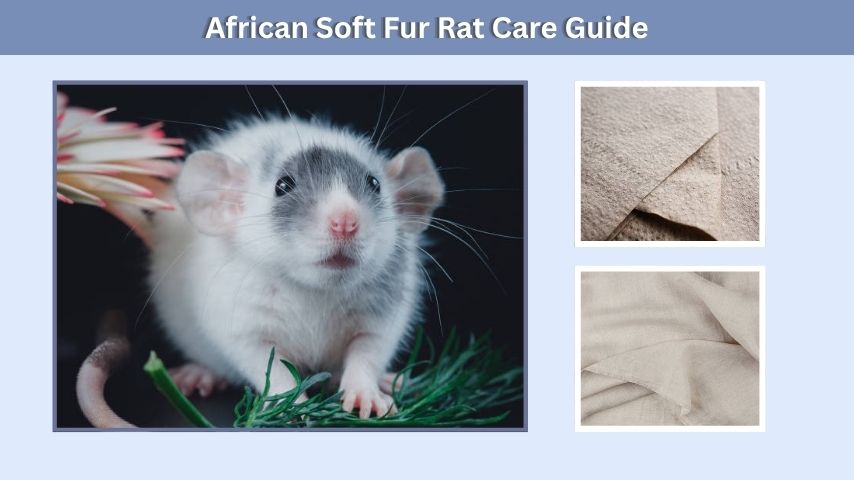
Proper husbandry is essential for maintaining healthy and active African soft fur rats. While they are relatively hardy animals, their needs differ slightly from those of traditional pet rats and mice.
Successful care involves providing appropriate housing, nutrition, temperature control, and enrichment opportunities. When these requirements are met, ASF rats can thrive in both breeding colonies and pet environments.
Housing Requirements
African soft fur rats require secure enclosures that prevent escapes while providing adequate space for movement and social interaction.
A suitable enclosure should include sufficient floor space, proper ventilation, nesting materials, and hiding areas. Since ASF rats are highly active and social, they benefit from living in compatible groups rather than in isolation.
Temperature and Environment
ASF rats prefer warm and stable temperatures. Sudden fluctuations can cause stress and increase susceptibility to illness.
The ideal temperature range generally falls between 70°F and 80°F (21°C to 27°C). Maintaining consistent environmental conditions helps promote healthy growth, breeding success, and overall well-being.
Bedding and Enrichment
Appropriate bedding contributes to cleanliness, odor control, and comfort.
Suitable options include:
- Aspen shavings
- Paper-based bedding
- Hemp bedding
- Shredded nesting materials
Providing tunnels, hides, and climbing opportunities encourages natural behaviors and helps prevent boredom in captive colonies.
African Soft Fur Rat Diet
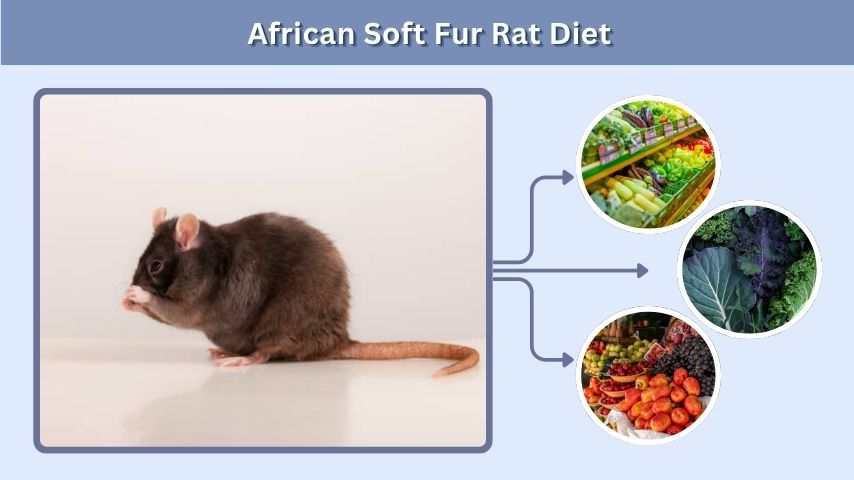
A proper diet is crucial for maintaining healthy African soft fur rats. Whether they are kept as pets, breeding stock, or feeder rodents, balanced nutrition supports growth, reproduction, and overall health. Providing a variety of foods helps ensure they receive essential nutrients while preventing dietary deficiencies.
What Do African Soft Fur Rats Eat?
ASF rats are omnivores and thrive on a diverse diet that combines commercial rodent feed with supplemental foods.
Commercial Rodent Foods
High-quality rodent pellets should serve as the foundation of their diet because they provide balanced nutrition and consistent nutrient levels.
Supplemental Foods
The following foods can be offered in moderation:
- Fresh vegetables
- Leafy greens
- Fruits
- Cooked eggs
- Mealworms
- Oats and grains
Foods to Avoid
Some foods may be harmful or toxic to ASF rats and should never be provided.
- Chocolate
- Caffeine
- Alcohol
- Onions
- Garlic
- Moldy foods
Providing fresh water at all times is equally important for maintaining proper hydration and health.
African Soft Fur Rat Breeding Guide
Breeding African soft fur rats is one of the primary reasons many hobbyists keep them. Their high reproductive rate and strong maternal instincts make them excellent colony breeders. However, successful breeding requires proper planning, nutrition, and colony management.
Unlike some rodent species, ASF rats often perform best in stable social groups. Frequent disruptions can negatively affect breeding success and colony harmony.
Breeding Age and Setup
Most ASF rats become sexually mature at a young age, allowing breeders to establish productive colonies quickly.
Recommended Breeding Ages
- Females: 8 to 12 weeks
- Males: 8 to 12 weeks
- Peak productivity: 3 to 12 months
Colony Ratios
Many breeders use:
- One male with three to five females
- One male with six females in larger setups
- Multiple female colonies for continuous production
Reproduction and Litters
Female ASF rats have relatively short gestation periods and can produce multiple litters throughout the year.
Typical breeding characteristics include:
- Gestation of approximately 21 to 23 days
- Litter sizes of 8 to 20 pups
- Rapid growth of offspring
- Strong maternal care
These traits make them highly efficient for both feeder production and colony expansion.
African Soft Fur Rats for Ball Pythons
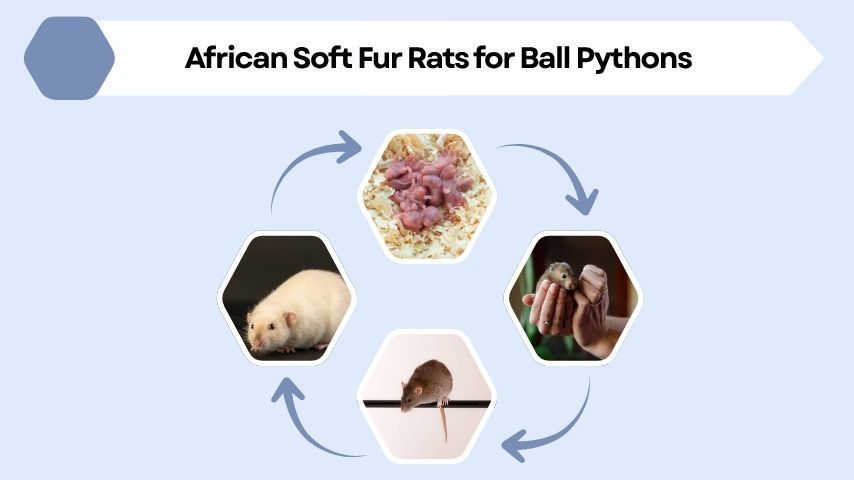
African soft fur rats are widely recognized in the reptile community as one of the preferred prey items for ball pythons. Many keepers report that ball pythons often show stronger feeding responses toward ASF rats compared to traditional mice or rats.
This preference is believed to be linked to scent recognition and natural prey associations. As a result, ASF rats are frequently used to encourage feeding in picky or reluctant snakes.
Benefits for Ball Pythons
ASF rats offer several advantages when used as feeder rodents.
Improved Feeding Response
Many ball pythons readily accept ASF rats, especially individuals that refuse standard rodents.
Multiple Size Options
Breeders can produce ASF rats in various sizes suitable for:
- Hatchlings
- Juveniles
- Sub-adults
- Adult snakes
Nutritional Value
ASF rats provide balanced nutrition and can serve as a staple prey item for many captive reptiles.
Frozen vs Live African Soft Fur Rats
Many reptile keepers must decide whether to use frozen or live ASF rats. Each option offers unique benefits and considerations depending on the keeper’s goals and the feeding behavior of their reptiles.
Frozen ASF rats have become increasingly popular due to convenience and safety, while live feeders remain useful in specific situations.
Benefits of Frozen ASF Rats
Frozen feeder rodents provide several important advantages.
- Reduced risk of injury to snakes
- Easier long-term storage
- Greater convenience
- Lower maintenance requirements
- Bulk purchasing options
Benefits of Live ASF Rats
Live feeders may still be preferred in certain cases.
- Useful for difficult feeders
- Natural hunting behavior stimulation
- Immediate availability from breeding colonies
Many experienced reptile keepers transition snakes to frozen-thawed prey whenever possible.
Are African Soft Fur Rats Good Pets?
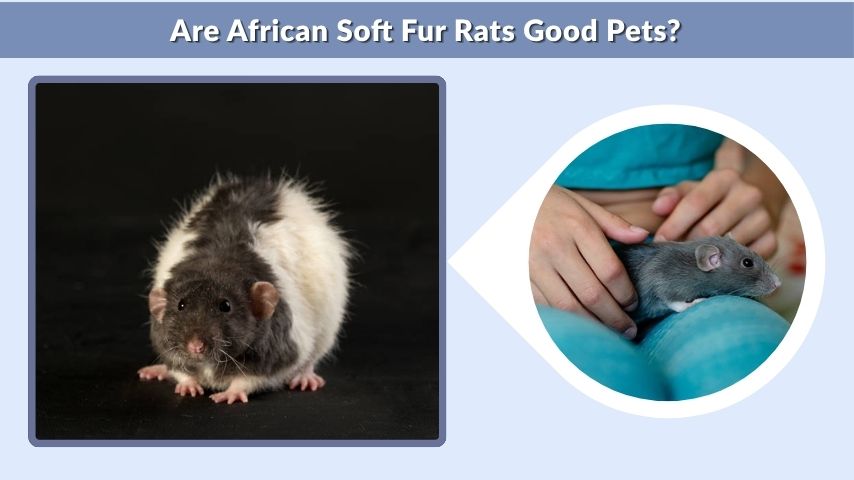
Although ASF rats are commonly associated with the reptile industry, some enthusiasts keep them as companion animals. Their social behavior and unique appearance make them interesting pets for experienced rodent keepers.
However, they differ significantly from domesticated fancy rats and generally require different expectations regarding handling and tameness.
Advantages as Pets
ASF rats offer several appealing characteristics.
- Soft and attractive coats
- Low odor compared to some rodents
- Active and entertaining behavior
- Strong social interactions
- Relatively easy care requirements
Potential Challenges
Prospective owners should also consider potential drawbacks.
- More skittish than fancy rats
- Less tolerant of frequent handling
- Fast reproduction if sexes are mixed
- Can be difficult to tame fully
For those who appreciate observing natural rodent behavior, ASF rats can be rewarding pets.
Legal Considerations and Availability
The legality of African soft fur rats varies depending on local regulations. Some regions permit ownership without restrictions, while others regulate breeding, transportation, or sale of certain rodent species.
Before purchasing ASF rats, always verify state, provincial, and local regulations to ensure compliance with current laws.
Where to Buy African Soft Fur Rats
Potential sources include:
- Specialized breeders
- Reptile expos
- Online feeder suppliers
- Local exotic animal communities
- Frozen feeder distributors
Choosing reputable breeders helps ensure healthier animals and better genetic quality.
FAQs
Are African Soft Fur Rats Legal to Own?
The legality of African soft fur rats varies by state, province, and country. While ownership is permitted in many areas, some regions have restrictions on breeding, selling, or transporting them. Always check local regulations before purchasing or breeding ASF rats.
What Is the Difference Between African Soft Fur Rats and Fancy Rats?
African soft fur rats belong to the Mastomys genus, while fancy rats are domesticated Norway rats (Rattus norvegicus). ASF rats are generally smaller, more skittish, and less domesticated than fancy rats, making them better suited for observation than frequent handling.
How Many Babies Do African Soft Fur Rats Have?
African soft fur rats are known for large litters. A healthy female can produce between 8 and 20 pups per litter, with some litters exceeding this range under optimal breeding conditions.
What Bedding Is Best for African Soft Fur Rats?
Safe bedding options include paper-based bedding, aspen shavings, and hemp bedding. These materials provide good odor control and absorb moisture effectively while minimizing respiratory issues associated with dusty substrates.
Where Can I Buy African Soft Fur Rats Near Me?
African soft fur rats can often be purchased from specialized breeders, reptile expos, exotic pet communities, and online feeder suppliers. Searching local breeder directories and reptile groups is one of the best ways to find ASF rats available in your area.