
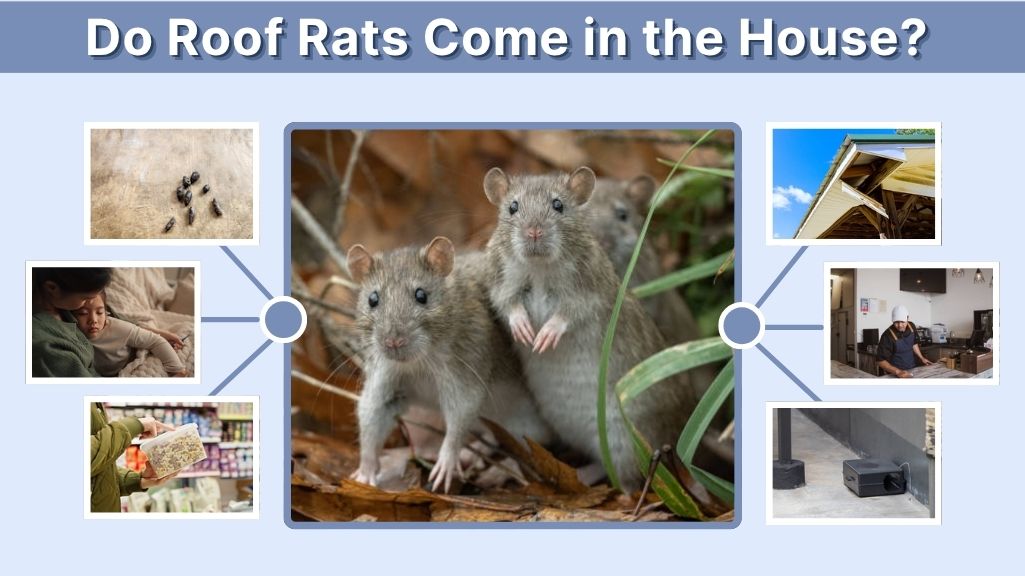
Roof rats are common household pests that frequently invade residential properties in search of food, water, and shelter. Despite their name, these rodents do not remain exclusively on roofs. They often enter attics, wall voids, garages, and other indoor spaces where they can safely nest and reproduce. Homeowners may first notice scratching noises, droppings, or damaged materials before realizing a rat problem exists. Understanding why roof rats enter homes and how to identify an infestation is essential for protecting your property and health.
Do Roof Rats Come in the House?
Roof rats are highly adaptable rodents capable of living both outdoors and indoors. While they prefer elevated locations such as trees and roofs, they readily enter homes when conditions are favorable. Once inside, they seek quiet, protected spaces where food and nesting materials are easily accessible.
The Short Answer
Yes, roof rats commonly enter houses. They often access homes through small openings in roofs, attics, vents, and exterior walls. Because they are excellent climbers, they can reach areas that many other rodents cannot.
Why Roof Rats Enter Homes
Several factors attract roof rats to residential properties.
Common reasons include:
- Reliable food sources
- Access to water
- Warm shelter
- Safe nesting locations
- Protection from predators
Homes provide ideal conditions that support survival and reproduction throughout the year.
When Roof Rats Are Most Active
Roof rats are primarily nocturnal animals. They usually leave their nests after dark to search for food and water. Activity often increases during cooler months when outdoor resources become less available and indoor environments offer greater protection.
How Do Roof Rats Get Into a House?
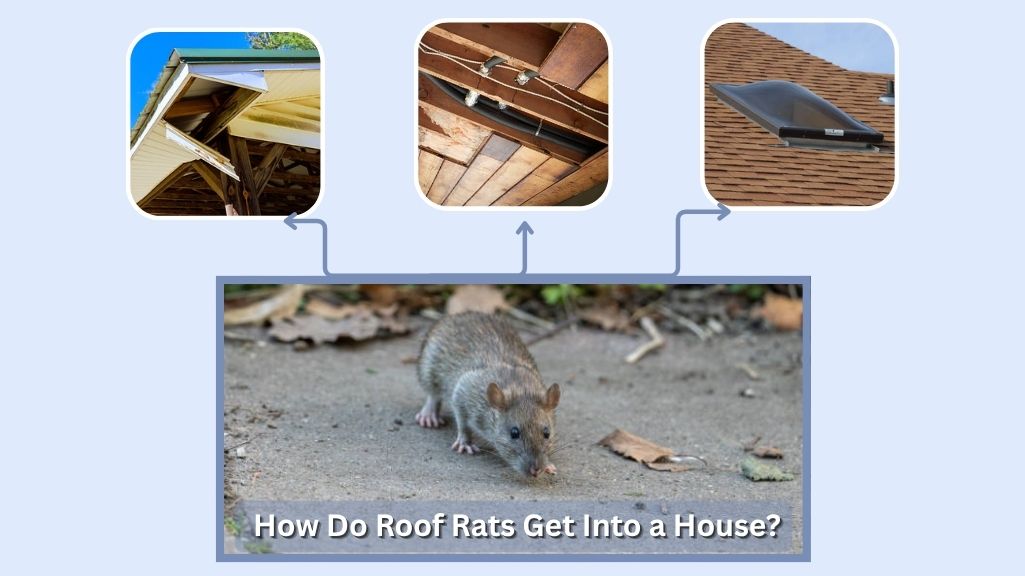
Roof rats possess remarkable climbing abilities that allow them to access buildings in ways many homeowners may not expect. Their flexible bodies and strong feet enable them to squeeze through surprisingly small openings and travel along elevated pathways.
Common Entry Points
Roof rats can enter through numerous openings around a home.
Frequently used access points include:
- Roof vents
- Attic openings
- Gaps around pipes
- Damaged soffits
- Broken screens
- Cracks in exterior walls
Even small openings can provide sufficient access for a determined rat.
Climbing Abilities
Unlike some rodent species, roof rats are exceptional climbers. They often reach homes by traveling along tree branches, fences, utility lines, and vines. Once they gain access to a roof, they begin searching for entry points into the structure.
Why Roof Rats Prefer Upper Areas
Roof rats naturally prefer elevated environments. Attics, ceilings, roof spaces, and upper wall cavities provide safe nesting areas that are often undisturbed by humans and pets. These locations also allow easy access to food sources within the home.
Signs of Roof Rats in the House
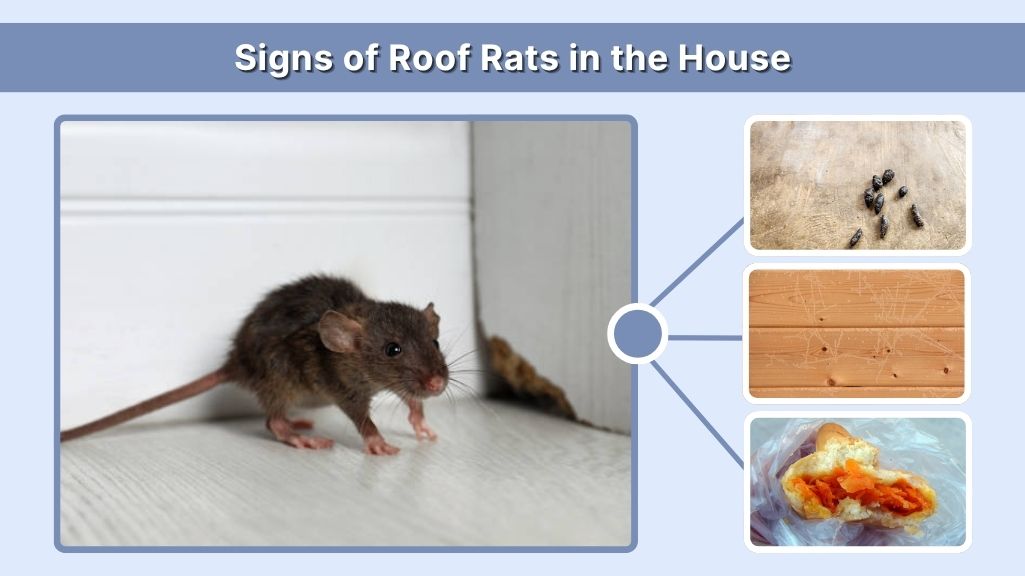
Early detection is one of the most important factors in preventing a serious infestation. Roof rats often leave behind evidence of their presence long before homeowners actually see them. Recognizing these warning signs can help address the problem quickly.
Physical Evidence
Several visible signs may indicate roof rat activity.
Common evidence includes:
- Small dark droppings
- Gnaw marks on wood
- Chewed wires
- Grease marks along walls
- Damaged food packaging
These indicators often appear near nesting sites and travel routes.
Sounds in the Home
Many homeowners first become aware of roof rats through unusual noises. Scratching, scurrying, or running sounds in ceilings and walls are especially common during nighttime hours when rats are most active.
Nesting Materials
Roof rats build nests using soft materials found around the home. Shredded paper, insulation, fabric, cardboard, and plant material are commonly used. Discovering these materials gathered in hidden areas may indicate active nesting behavior.
Where Do Roof Rats Hide Indoors?
Once inside a home, roof rats typically seek locations that provide security, warmth, and minimal disturbance. Their ability to access difficult-to-reach areas often allows them to remain hidden for extended periods.
Attics and Roof Spaces
Attics are among the most common indoor hiding places for roof rats. These areas offer warmth, protection, and abundant nesting opportunities. Roof rats may remain undetected for weeks or months if attic spaces are rarely inspected.
Inside Walls
Wall voids provide excellent shelter and travel routes. Rats frequently move between rooms through hidden spaces inside walls, making it difficult to determine the full extent of an infestation.
Garages and Storage Areas
Garages, sheds, and storage rooms often contain clutter that provides ideal hiding places. Stored food, pet supplies, and nesting materials can attract roof rats and encourage long-term occupancy.
Are Roof Rats Dangerous?
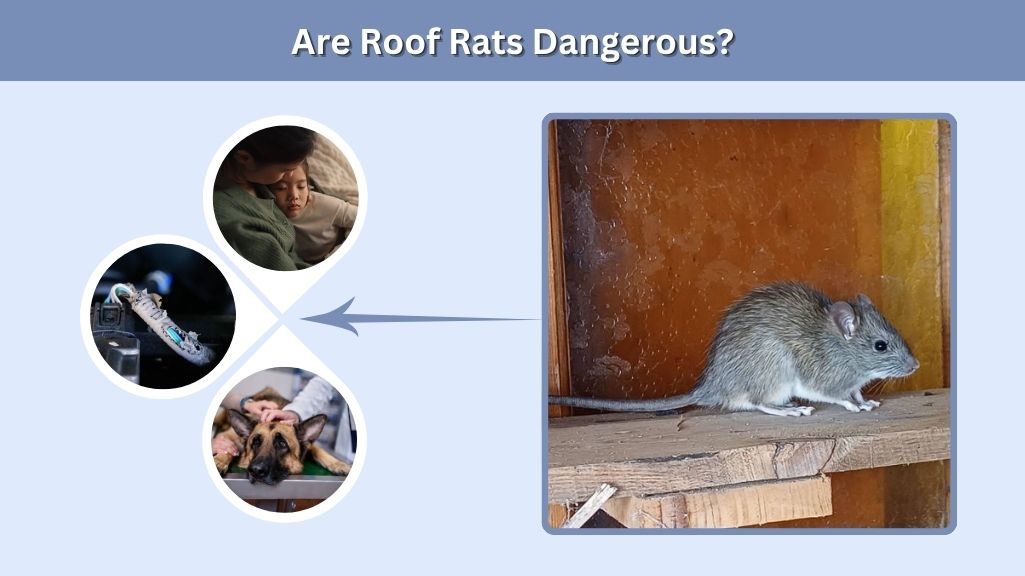
Roof rats pose risks beyond simple nuisance problems. Their presence can affect both property and health, making prompt action important whenever signs of infestation appear. Understanding these risks helps homeowners appreciate the importance of prevention and control.
Health Risks
Roof rats can contaminate food and surfaces with droppings, urine, and hair. Their activity may contribute to unsanitary conditions and increase the potential for disease exposure in homes and businesses.
Property Damage
Roof rats are notorious for causing damage inside homes. Their constant gnawing behavior can affect building materials, personal belongings, and household systems. Because their teeth continuously grow, they must chew regularly to keep them trimmed.
Common forms of damage include:
- Chewed electrical wiring
- Damaged insulation
- Gnawed wooden structures
- Destroyed storage boxes
- Contaminated food supplies
In severe infestations, property repairs can become costly and time-consuming.
Risks to Pets
Roof rats may contaminate pet food and water sources. They can also introduce parasites such as fleas and mites into the home. Pet owners should store food in sealed containers and inspect feeding areas regularly for signs of rodent activity.
Roof Rat Infestation Stages
A roof rat infestation rarely becomes severe overnight. Most infestations develop gradually as rats establish nesting sites and reproduce. Recognizing the different stages can help homeowners intervene before major damage occurs.
Early Signs
During the early stage, evidence may be limited and easy to overlook. Homeowners might occasionally hear scratching sounds at night or discover a few droppings near potential entry points.
Growing Population
As the infestation expands, signs become more noticeable. Activity increases, droppings become more common, and additional nesting sites may appear throughout the home. Food contamination and property damage also become more apparent.
Severe Infestation
Advanced infestations often involve multiple nests and widespread rodent activity. Common indicators include:
- Frequent nighttime noises
- Large numbers of droppings
- Extensive chewing damage
- Strong odors from nesting areas
- Multiple rat sightings
At this stage, professional pest-control assistance is often necessary.
How to Get Rid of Roof Rats
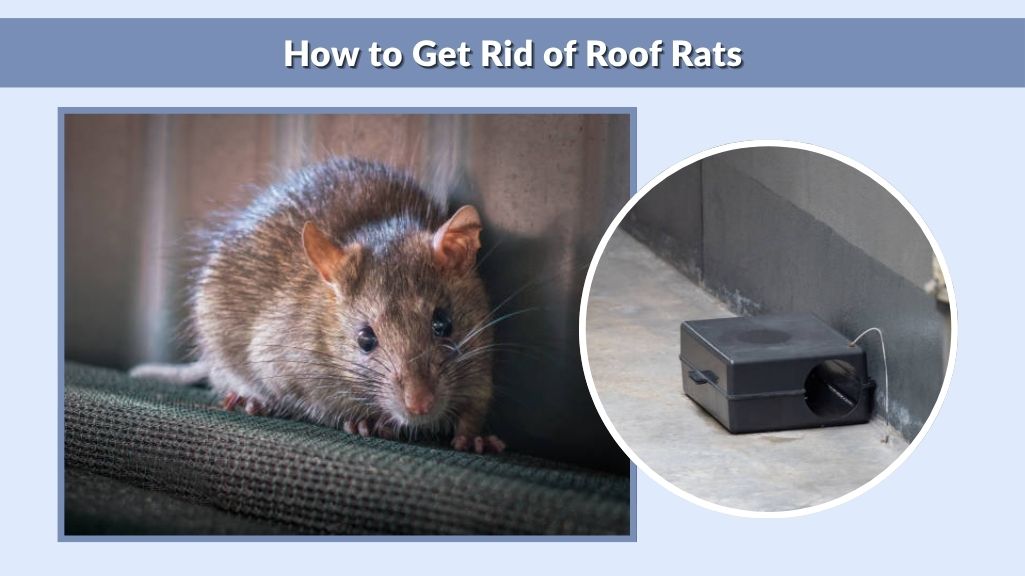
Successful roof rat control requires a combination of inspection, removal, and prevention strategies. Eliminating existing rats while preventing future entry is essential for long-term results.
Inspection and Identification
The first step is locating entry points, nesting sites, and travel routes. Careful inspection of attics, garages, rooflines, and exterior walls can help identify areas where rats are entering the home.
Trapping Methods
Traps remain one of the most effective methods for removing roof rats.
Popular trapping options include:
- Snap traps
- Electronic traps
- Live-capture traps
- Multiple-catch traps
Proper placement along known travel routes significantly improves trapping success.
Professional Pest Control
For larger infestations, professional pest-control services may provide the most effective solution. Specialists can identify hidden entry points, remove rats safely, and implement long-term exclusion measures.
How to Prevent Roof Rats From Entering Your House
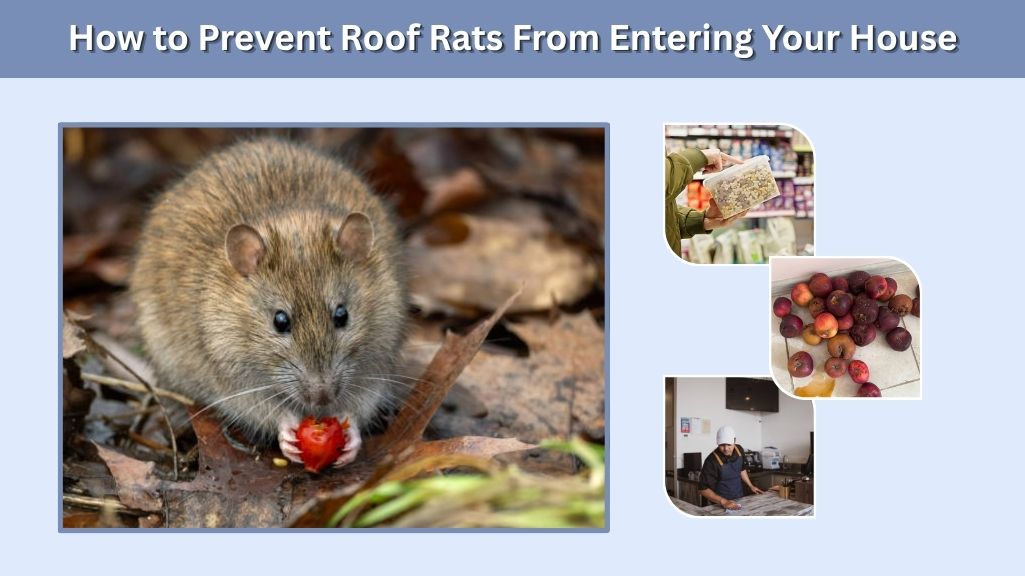
Prevention is the most effective strategy for avoiding roof rat problems. Reducing access to food, water, and shelter makes homes less attractive to these rodents.
Seal Entry Points
Closing potential access routes is one of the most important preventive measures. Repairing damaged vents, screens, soffits, and gaps around utility lines can significantly reduce the risk of infestation.
Remove Food Sources
Roof rats are attracted to easily accessible food. Keeping food properly stored and maintaining a clean environment discourages rodent activity.
Helpful practices include:
- Storing pet food in sealed containers
- Cleaning up fallen fruit
- Securing garbage bins
- Removing birdseed spills
- Keeping kitchens clean
Limiting food availability reduces the likelihood of attracting rats.
Reduce Outdoor Access
Outdoor conditions often influence indoor infestations. Trimming tree branches away from roofs and removing excess vegetation can reduce access routes. Maintaining a tidy yard also limits potential nesting locations.
Interesting Facts About Roof Rats
Roof rats are among the most agile rodent species found around homes. They are capable of climbing vertical surfaces, balancing on utility wires, and squeezing through openings as small as half an inch. Unlike Norway rats, which prefer ground-level environments, roof rats usually seek elevated nesting locations. Their excellent memory helps them navigate complex travel routes and avoid unfamiliar objects. These adaptations contribute to their success in urban and suburban environments worldwide.
Amazing Roof Rat Facts
Some fascinating facts about roof rats include:
- Excellent climbers and jumpers
- Mostly active at night
- Prefer elevated nesting sites
- Can fit through very small openings
- Possess strong problem-solving abilities
- Adapt easily to urban environments
These characteristics make roof rats particularly challenging pests to control.
FAQs
Do roof rats come inside houses?
Yes. Roof rats frequently enter homes in search of food, water, shelter, and nesting sites.
How do roof rats get into homes?
They commonly enter through roof vents, attic openings, damaged soffits, gaps around pipes, and small cracks in exterior walls.
What are the signs of roof rats?
Common signs include droppings, scratching noises, gnaw marks, nesting materials, and food contamination.
Can roof rats live in walls?
Yes. Roof rats often use wall voids as nesting and travel areas because they provide safety and protection.
Are roof rats dangerous?
Roof rats can contaminate food, spread parasites, and cause significant property damage through chewing and nesting activities.