
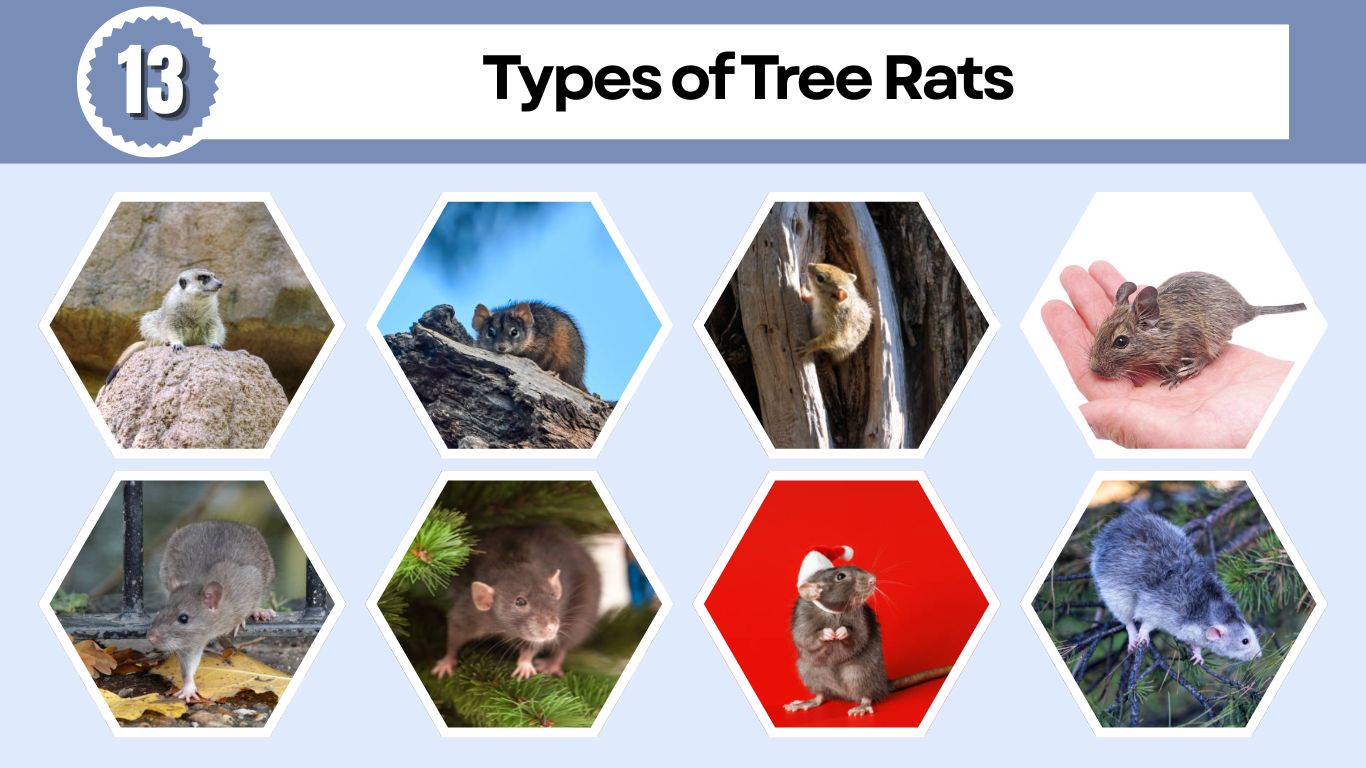
Tree rats are agile rodents specially adapted for life in forests and wooded habitats. Unlike ground-dwelling rats, these animals spend much of their time climbing trees in search of food, shelter, and protection from predators. They are commonly found in tropical rainforests, mountain forests, and dense woodlands around the world.
Many tree rat species play an important ecological role by dispersing seeds and supporting forest regeneration. Their long tails, sharp claws, and excellent climbing abilities make them highly suited for arboreal living in complex forest ecosystems.
1. Black Tree Rat
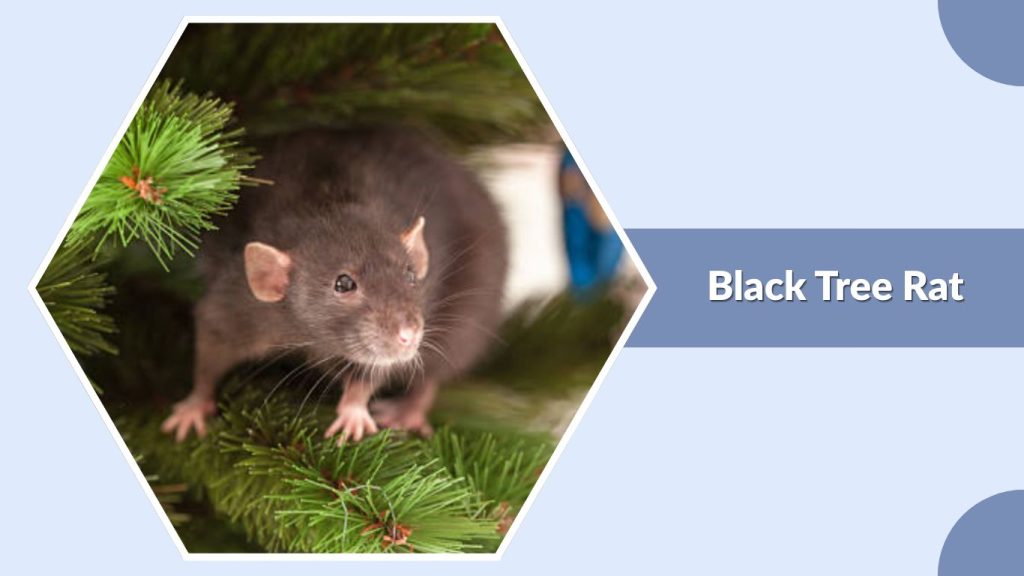
The Black Tree Rat is a nocturnal rodent species known for its climbing ability and tree-dwelling lifestyle. These rats are agile mammals that spend much of their time in forests, woodlands, and dense vegetation. Their dark fur helps them blend into shaded environments and avoid predators.
Identification and Appearance
Black Tree Rats usually have soft black or dark brown fur with long tails that assist in balance while climbing. Their ears are rounded, and their eyes are relatively large, helping them navigate during nighttime activities. They possess sharp claws and strong limbs adapted for moving through branches and trees.
Characteristics
- Dark black or brown fur
- Long tail for climbing balance
- Large eyes adapted for night vision
- Sharp claws for gripping branches
- Agile and fast climbers
- Mostly nocturnal behavior
- Omnivorous feeding habits
Habitat and Distribution
Black Tree Rats are commonly found in forests, woodlands, mangroves, and tropical environments. They prefer habitats with dense tree cover that provide shelter and easy movement through branches. Some populations are also found near farms and rural human settlements.
Behavior and Importance
These rats play a role in forest ecosystems by dispersing seeds and serving as prey for predators such as snakes, owls, and wild cats. Although generally shy, they may become agricultural pests if they feed on crops or stored food near human habitation.
2. Golden-backed Tree Rat
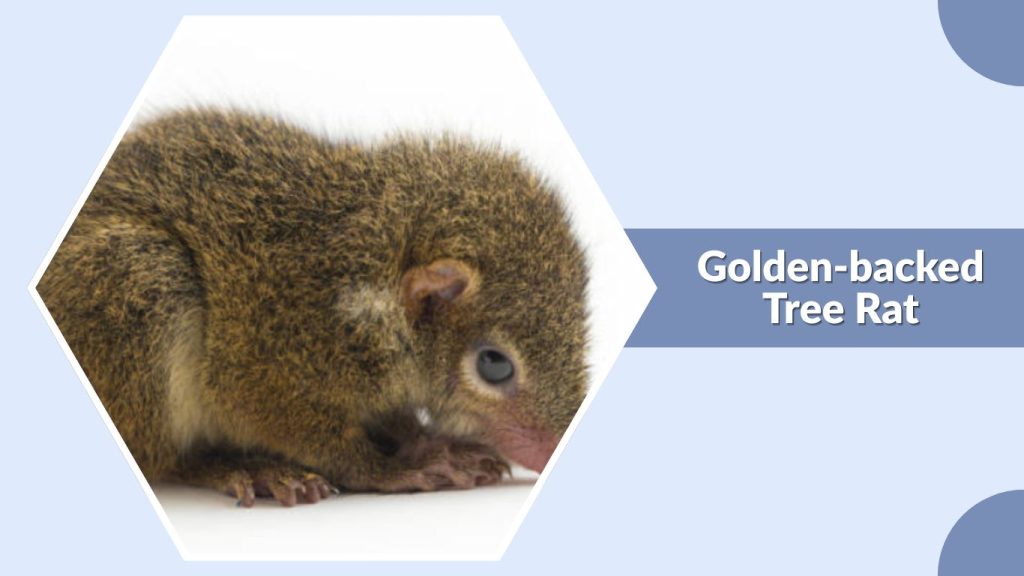
The Golden-backed Tree Rat is a tree-dwelling rodent recognized for the golden or yellowish coloration along its back. This species is highly adapted to life in forests and spends most of its time climbing trees in search of food and shelter.
Identification and Appearance
Golden-backed Tree Rats have soft fur with a golden-brown stripe or patch across the back. Their bodies are medium-sized with long tails that help maintain balance while climbing. They possess large eyes, rounded ears, and sharp claws suited for moving through branches.
Characteristics
- Golden or yellowish fur on the back
- Long tail for climbing support
- Large eyes for night activity
- Rounded ears and sharp claws
- Excellent tree-climbing ability
- Mostly nocturnal behavior
- Omnivorous feeding habits
Habitat and Distribution
This species is commonly found in tropical forests, woodlands, and dense vegetation areas. It prefers habitats with thick tree cover that provide protection from predators and access to fruits, seeds, and insects. Some populations live in mountainous forest regions.
Behavior and Importance
Golden-backed Tree Rats contribute to forest ecosystems by dispersing seeds and helping maintain plant diversity. They are active mainly at night and spend daytime hidden in tree hollows or nests. Although generally harmless, they may occasionally feed on crops near forest edges.
3. Red Tree Rat

The Red Tree Rat is a colorful rodent species known for its reddish or rust-colored fur. It is an agile climber that lives mainly in forest canopies and dense woodland habitats. This species is adapted to arboreal life and rarely spends much time on the ground.
Identification and Appearance
Red Tree Rats have reddish-brown fur covering most of the body, along with long tails and slender limbs. Their eyes are relatively large for improved nighttime vision, and their sharp claws allow them to grip branches securely while climbing through trees.
Characteristics
- Reddish or rust-colored fur
- Long tail for balance and climbing
- Sharp claws for gripping branches
- Large eyes adapted for nocturnal activity
- Agile movement through trees
- Mostly active at night
- Omnivorous diet including fruits and insects
Habitat and Distribution
These rats are commonly found in tropical forests, rainforest canopies, and wooded mountain regions. They prefer areas with dense vegetation and abundant food sources such as fruits, nuts, and seeds. Their arboreal lifestyle keeps them protected from many ground predators.
Behavior and Importance
Red Tree Rats help disperse seeds throughout forests, supporting plant growth and biodiversity. They are shy animals that avoid human contact whenever possible. In some regions, they also serve as prey for birds of prey, snakes, and small carnivorous mammals.
4. White-tailed Tree Rat
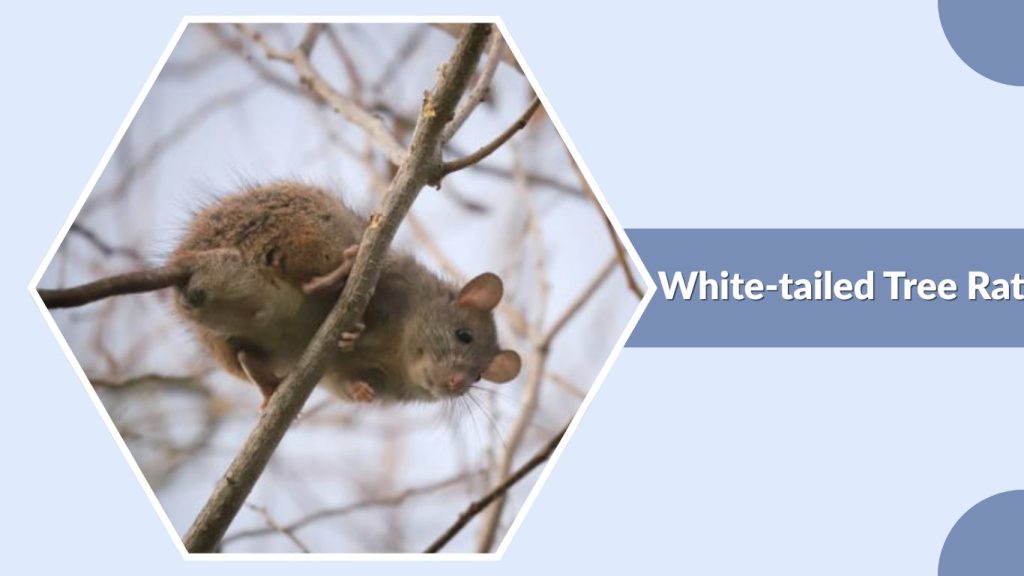
The White-tailed Tree Rat is an arboreal rodent species recognized for its distinctive pale or white-colored tail tip. It spends most of its life in trees and is highly adapted to climbing through forest canopies in search of food and shelter.
Identification and Appearance
White-tailed Tree Rats usually have brown or gray fur with a noticeably lighter or white-colored tail end. They possess long whiskers, rounded ears, and large eyes that assist with nighttime vision. Their strong claws and flexible limbs help them move efficiently through branches.
Characteristics
- Brown or gray body fur
- Distinctive white tail tip
- Large eyes for nocturnal activity
- Sharp claws for climbing
- Agile arboreal movement
- Mostly active at night
- Omnivorous feeding behavior
Habitat and Distribution
This species is commonly found in tropical forests, woodland areas, and dense vegetation habitats. It prefers regions with abundant tree cover that provide nesting sites and protection from predators. Some populations may also inhabit plantations and forest edges.
Behavior and Importance
White-tailed Tree Rats contribute to ecosystems by dispersing seeds and consuming insects. They are generally shy and avoid open ground whenever possible. These rodents also serve as prey for owls, snakes, and carnivorous mammals within forest food chains.
5. Brush-tailed Tree Rat
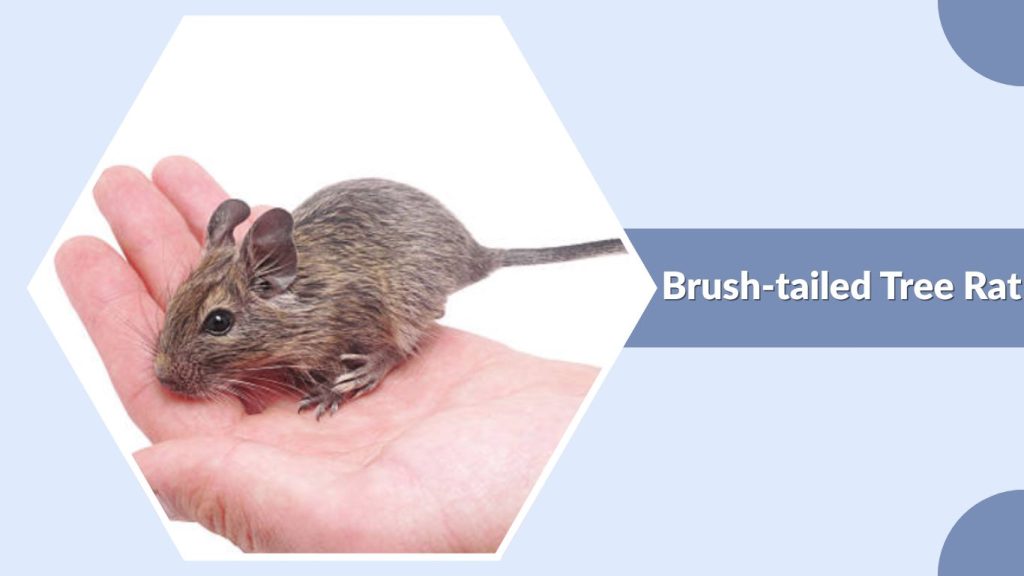
The Brush-tailed Tree Rat is a climbing rodent known for its thick, bushy tail and excellent arboreal abilities. This species spends most of its time in trees, where it searches for food and avoids predators within dense forest environments.
Identification and Appearance
Brush-tailed Tree Rats have soft brown or gray fur with a large bushy tail resembling a brush. Their bodies are slender with strong limbs and curved claws that allow secure movement across branches. Large eyes and sensitive whiskers help them navigate during nighttime activity.
Characteristics
- Thick bushy tail
- Brown or gray body fur
- Strong claws for climbing
- Large eyes adapted for night vision
- Agile movement in trees
- Mostly nocturnal lifestyle
- Omnivorous diet of fruits, seeds, and insects
Habitat and Distribution
This species inhabits forests, woodlands, and tropical rainforest regions with dense tree cover. It prefers elevated nesting sites in tree hollows or thick branches where it can remain protected from predators and harsh weather conditions.
Behavior and Importance
Brush-tailed Tree Rats help spread seeds throughout forests, supporting plant growth and biodiversity. They are active mainly at night and rest during the day in nests or hollow trees. These rodents also provide food for predators such as snakes, owls, and wild cats.
6. Long-haired Tree Rat
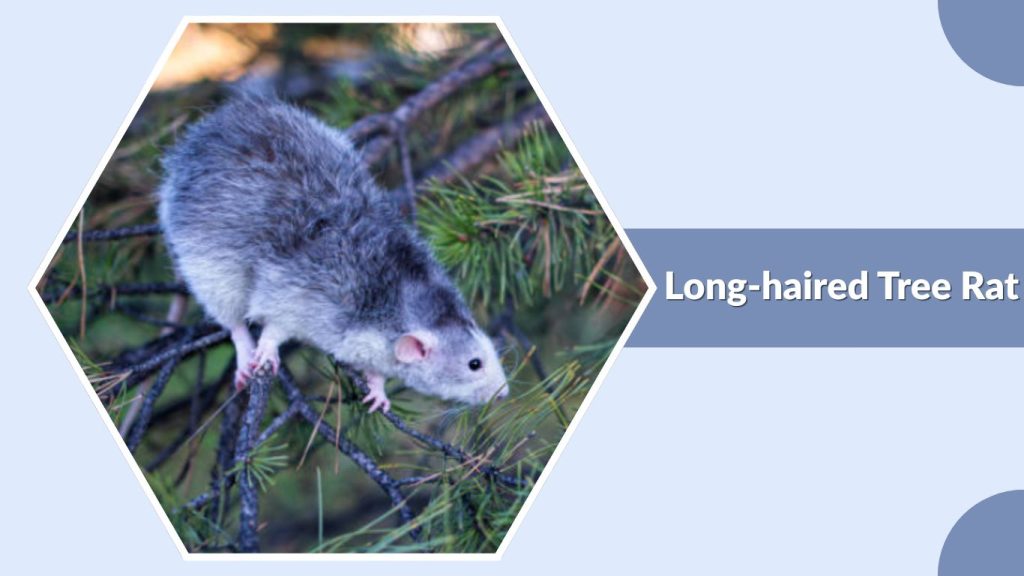
The Long-haired Tree Rat is a forest-dwelling rodent known for its thick, shaggy fur and arboreal lifestyle. This species is well adapted to living in trees, where it searches for food and shelter while avoiding many ground-based predators.
Identification and Appearance
Long-haired Tree Rats have dense, long fur that is usually brown, gray, or dark reddish in color. Their tails are lengthy and help maintain balance during climbing. They also possess rounded ears, large eyes, and strong claws that allow efficient movement through branches.
Characteristics
- Thick long fur covering the body
- Long tail for climbing balance
- Large eyes for nighttime activity
- Sharp claws adapted for tree climbing
- Agile arboreal movement
- Mostly nocturnal behavior
- Omnivorous feeding habits
Habitat and Distribution
This species is commonly found in tropical rainforests, woodlands, and mountainous forest regions. It prefers dense vegetation with tall trees that provide nesting locations and protection from predators. Moist forest environments are especially suitable for its survival.
Behavior and Importance
Long-haired Tree Rats play a role in forest ecosystems by dispersing seeds and consuming insects. They are generally shy and active mainly during nighttime hours. These rodents also serve as prey for snakes, owls, and other forest predators.
7. Luzon Tree Rat
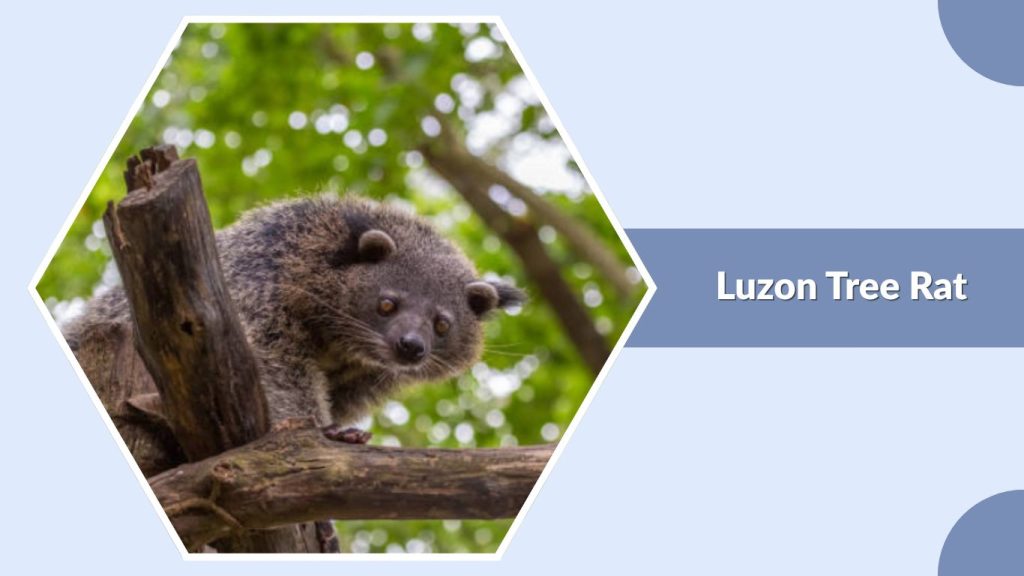
The Luzon Tree Rat is a tree-dwelling rodent native to forested regions of Luzon in the Philippines. It is adapted to climbing and spends most of its life among branches and dense vegetation in tropical forests.
Identification and Appearance
Luzon Tree Rats usually have brown or dark gray fur with long tails and slender bodies. Their eyes are relatively large, helping them move through forests at night. Strong claws and flexible limbs make them skilled climbers capable of navigating complex tree canopies.
Characteristics
- Brown or dark gray fur
- Long tail for balance in trees
- Large eyes adapted for nocturnal activity
- Strong claws for gripping branches
- Agile and fast climbers
- Mostly active during nighttime
- Omnivorous feeding behavior
Habitat and Distribution
This species is primarily found in tropical forests and mountainous woodland habitats on Luzon Island. It prefers dense vegetation and tall trees that provide shelter, nesting sites, and abundant food resources such as fruits, seeds, and insects.
Behavior and Importance
Luzon Tree Rats contribute to forest health by dispersing seeds and participating in nutrient cycling. They are generally secretive animals that avoid human contact. These rodents are also an important food source for predators within Philippine forest ecosystems.
8. Giant Tree Rat
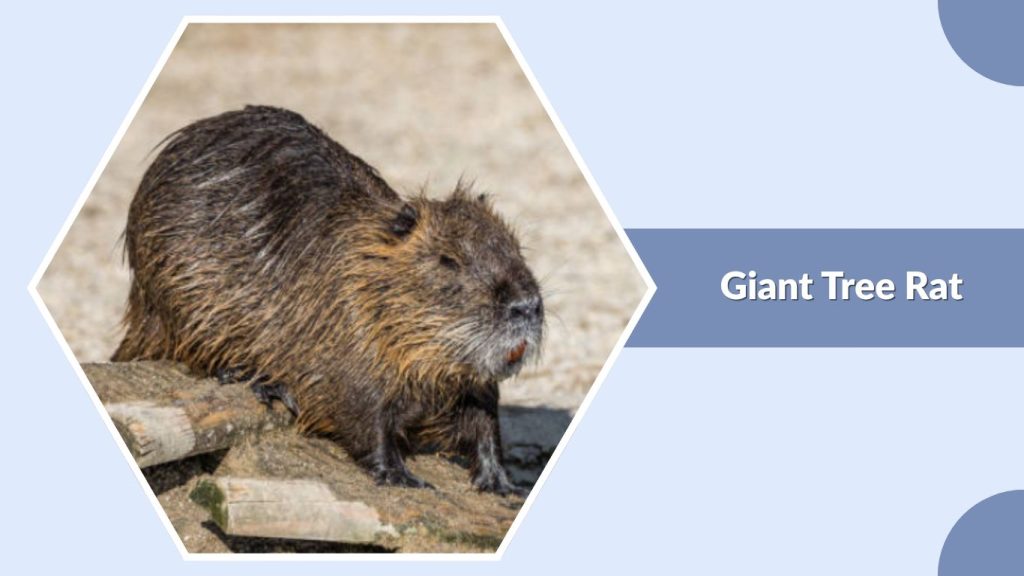
The Giant Tree Rat is one of the largest arboreal rodent species found in forest ecosystems. It is known for its strong climbing abilities and its preference for living high in tree canopies where food and shelter are abundant.
Identification and Appearance
Giant Tree Rats have large, robust bodies covered with thick brown or gray fur. Their long tails help maintain balance while climbing branches. They possess large eyes, rounded ears, and powerful claws adapted for gripping tree bark and moving through dense forests.
Characteristics
- Large and heavy body structure
- Thick brown or gray fur
- Long tail for climbing balance
- Strong claws for gripping branches
- Large eyes adapted for low light
- Mostly nocturnal behavior
- Omnivorous feeding habits
Habitat and Distribution
This species commonly inhabits tropical rainforests, mountain forests, and dense woodland environments. It prefers areas with tall mature trees that provide nesting sites and easy access to fruits, leaves, seeds, and insects.
Behavior and Importance
Giant Tree Rats help maintain forest ecosystems by dispersing seeds and consuming plant material. They are mainly active at night and spend daytime hidden in tree hollows or nests. These rodents also serve as prey for large snakes, birds of prey, and wild mammals.
9. Spiny Tree Rat
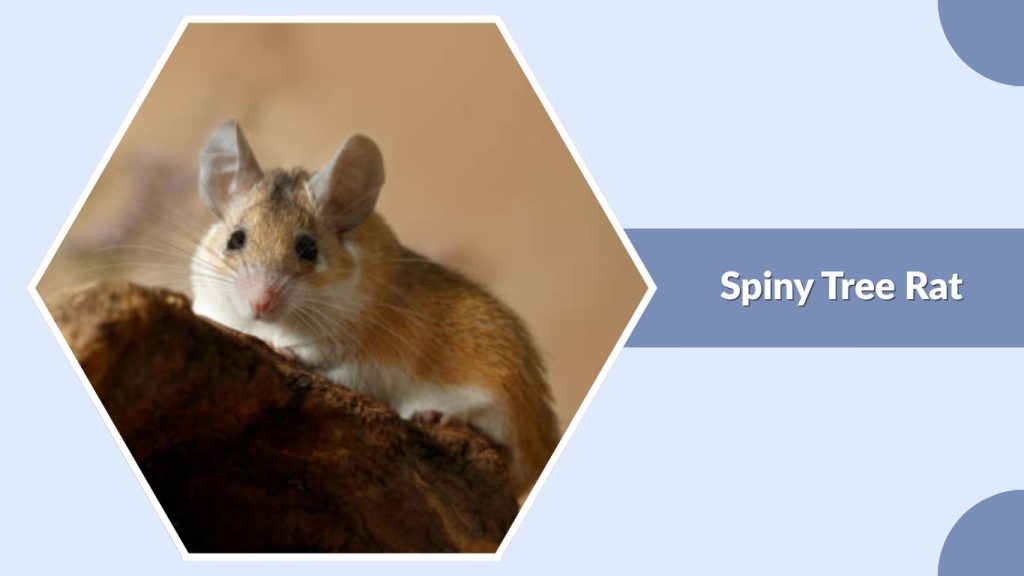
The Spiny Tree Rat is an arboreal rodent recognized for its coarse, spiny fur that provides protection from predators. It is highly adapted to life in forests and spends much of its time climbing among branches in search of food.
Identification and Appearance
Spiny Tree Rats have rough fur mixed with stiff spines or bristle-like hairs across the back. Their bodies are medium-sized with long tails that assist in balance while climbing. They also possess sharp claws, rounded ears, and large eyes suited for nocturnal activity.
Characteristics
- Coarse fur with stiff spines
- Long tail for climbing support
- Sharp claws for gripping bark
- Large eyes for night vision
- Agile movement in trees
- Mostly nocturnal lifestyle
- Omnivorous diet including fruits and insects
Habitat and Distribution
This species is commonly found in tropical forests, rainforests, and wooded habitats with dense vegetation. It prefers regions with abundant tree cover and sheltered nesting locations such as tree hollows or thick branches.
Behavior and Importance
Spiny Tree Rats contribute to forest biodiversity by dispersing seeds and helping maintain plant growth. Their spiny fur provides some defense against predators. They are also an important food source for owls, snakes, and carnivorous mammals in forest ecosystems.
10. Cloud Tree Rat
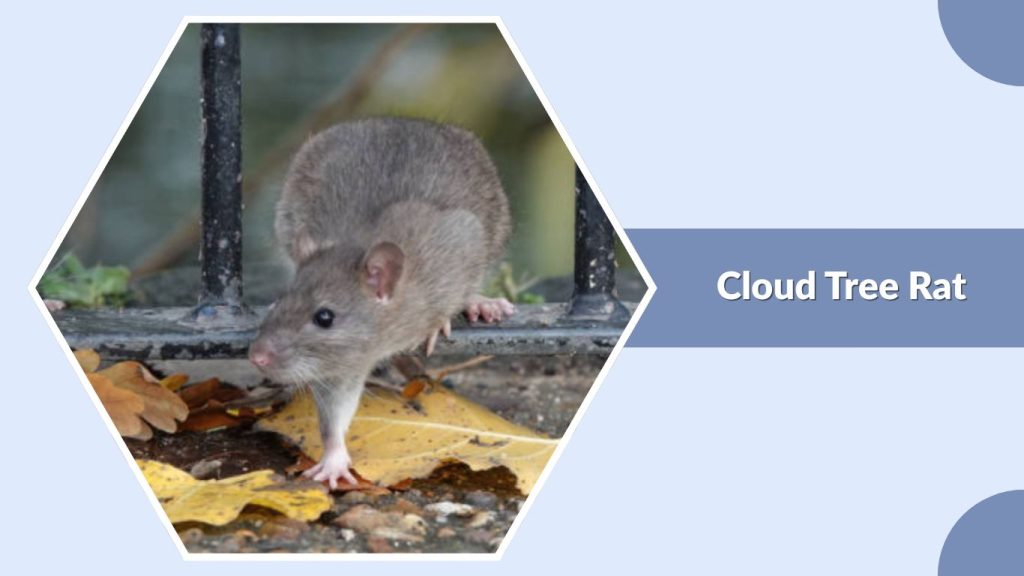
The Cloud Tree Rat is a rare arboreal rodent known for living in cool mountain forests often covered with mist or clouds. This species spends most of its life in trees and is highly adapted to climbing through dense forest canopies.
Identification and Appearance
Cloud Tree Rats usually have thick, soft fur that ranges from gray to brown in color. Their long bushy tails help maintain balance while moving through branches. They also possess large eyes, rounded ears, and sharp claws suited for climbing in forest habitats.
Characteristics
- Thick soft gray or brown fur
- Long bushy tail for balance
- Large eyes adapted for low light
- Strong claws for climbing trees
- Agile arboreal movement
- Mostly nocturnal activity
- Omnivorous feeding habits
Habitat and Distribution
This species is commonly found in cloud forests and mountainous woodland regions with cool and humid conditions. It prefers dense tree cover and elevated habitats that provide shelter, nesting sites, and abundant food resources.
Behavior and Importance
Cloud Tree Rats play an important role in forest ecosystems by dispersing seeds and supporting plant regeneration. They are shy animals that avoid human contact and spend most of their time hidden in tree hollows or thick vegetation during the day.
11. Big-eared Tree Rat
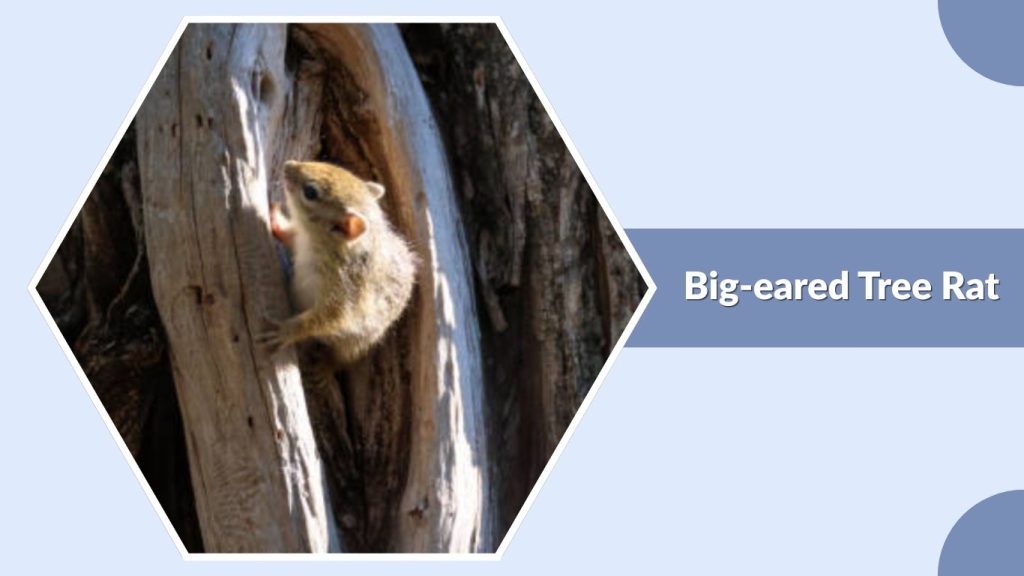
The Big-eared Tree Rat is a climbing rodent species recognized for its unusually large ears and agile tree-dwelling behavior. It is mainly active at night and relies on its sharp senses to survive in forest habitats.
Identification and Appearance
Big-eared Tree Rats have brown or gray fur with noticeably large ears compared to their body size. Their tails are long and flexible, helping maintain balance while climbing. They also possess large eyes and sharp claws that allow quick movement through branches.
Characteristics
- Large prominent ears
- Brown or gray body fur
- Long tail for climbing balance
- Large eyes for nocturnal vision
- Sharp claws for gripping branches
- Agile and fast climbers
- Omnivorous feeding behavior
Habitat and Distribution
This species inhabits forests, woodlands, and dense tropical vegetation where trees provide shelter and food. It prefers habitats with thick canopy cover and abundant fruits, seeds, and insects for feeding.
Behavior and Importance
Big-eared Tree Rats contribute to forest ecosystems by spreading seeds and consuming insects. Their large ears help detect predators and environmental sounds during nighttime activity. They also serve as prey for owls, snakes, and carnivorous mammals.
12. Soft-furred Tree Rat
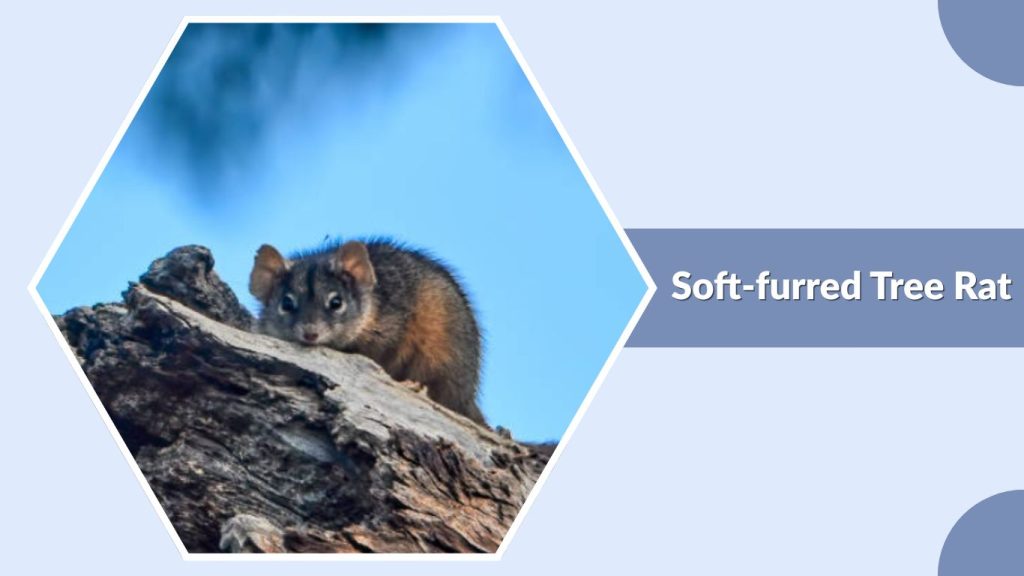
The Soft-furred Tree Rat is an arboreal rodent species known for its smooth, dense fur and agile climbing abilities. It spends most of its time in trees within forest habitats, where it searches for food and avoids predators.
Identification and Appearance
Soft-furred Tree Rats have silky brown, gray, or reddish fur that feels softer than many other tree rat species. Their tails are long and flexible, helping them maintain balance while climbing branches. Large eyes and sharp claws support their nocturnal tree-dwelling lifestyle.
Characteristics
- Soft dense body fur
- Long flexible tail for climbing
- Large eyes adapted for night activity
- Sharp claws for gripping branches
- Agile movement through trees
- Mostly nocturnal behavior
- Omnivorous feeding habits
Habitat and Distribution
This species commonly inhabits tropical forests, rainforests, and wooded mountain areas. It prefers habitats with thick vegetation and tall trees that provide shelter, nesting sites, and easy access to fruits, seeds, and insects.
Behavior and Importance
Soft-furred Tree Rats help disperse seeds and contribute to forest regeneration. They are shy animals that remain hidden during the day and become active at night. These rodents also provide food for predators such as snakes, owls, and wild cats.
13. Philippine Tree Rat
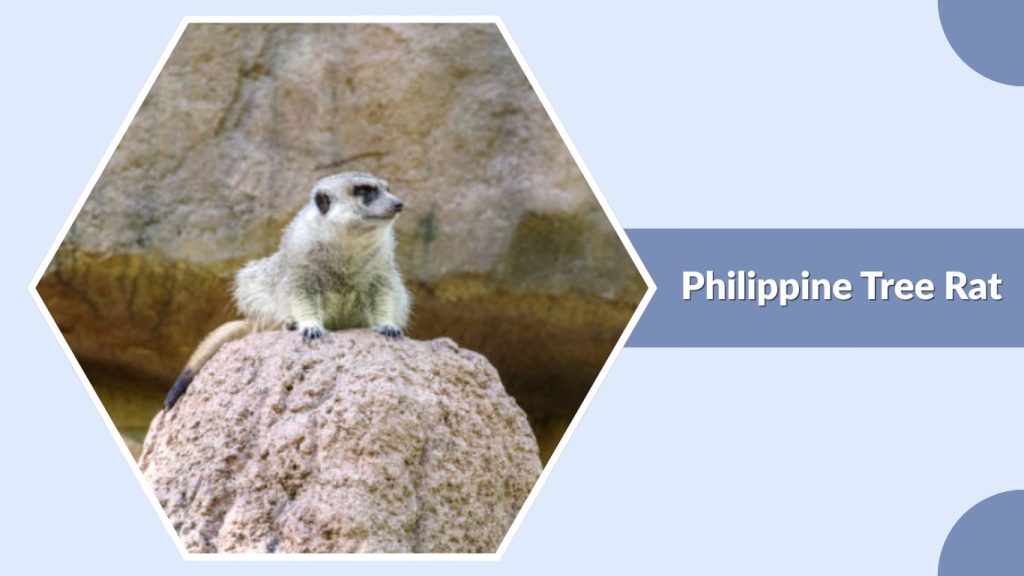
The Philippine Tree Rat is a forest-dwelling rodent native to the Philippines. It is adapted to an arboreal lifestyle and spends much of its time climbing trees in tropical forest environments rich in vegetation and food resources.
Identification and Appearance
Philippine Tree Rats usually have brown or dark gray fur with long tails and slender bodies. Their large eyes improve nighttime vision, while strong claws and flexible limbs help them move easily through branches and dense forest canopies.
Characteristics
- Brown or dark gray fur
- Long tail for climbing balance
- Large eyes adapted for nocturnal activity
- Strong claws for gripping branches
- Agile arboreal movement
- Mostly active at night
- Omnivorous feeding behavior
Habitat and Distribution
This species is found in tropical rainforests, mountain forests, and woodland regions throughout the Philippines. It prefers dense tree cover that provides protection, nesting areas, and abundant food such as fruits, nuts, seeds, and insects.
Behavior and Importance
Philippine Tree Rats play an important role in forest ecosystems by dispersing seeds and supporting plant growth. They are generally secretive and avoid human contact. These rodents are also an essential prey species for forest predators in the Philippine ecosystem.
FAQs
What is a tree rat?
A tree rat is a rodent species adapted for living in trees and forest canopies. These rats have strong claws, long tails, and agile bodies that help them climb branches easily. They are commonly found in tropical forests, woodlands, and mountainous regions around the world.
Are tree rats dangerous to humans?
Most tree rats are not dangerous to humans and usually avoid human contact. They are generally shy animals that spend most of their time in trees. However, like other wild rodents, they may carry diseases or become pests if they enter homes or farms.
What do tree rats eat?
Tree rats are mostly omnivorous animals. Their diet commonly includes fruits, seeds, nuts, leaves, insects, and sometimes small animals. Different species may prefer different food sources depending on their habitat and seasonal food availability.
Where do tree rats live?
Tree rats mainly live in forests, rainforests, woodlands, and mountainous regions with dense vegetation. They prefer habitats with plenty of trees for climbing, nesting, and hiding from predators. Some species are also found near plantations and rural areas.
Why are tree rats important in ecosystems?
Tree rats help maintain healthy forest ecosystems by dispersing seeds and supporting plant growth. They also serve as prey for predators such as snakes, owls, and wild cats. Their activities contribute to biodiversity and natural ecological balance in forest habitats.