
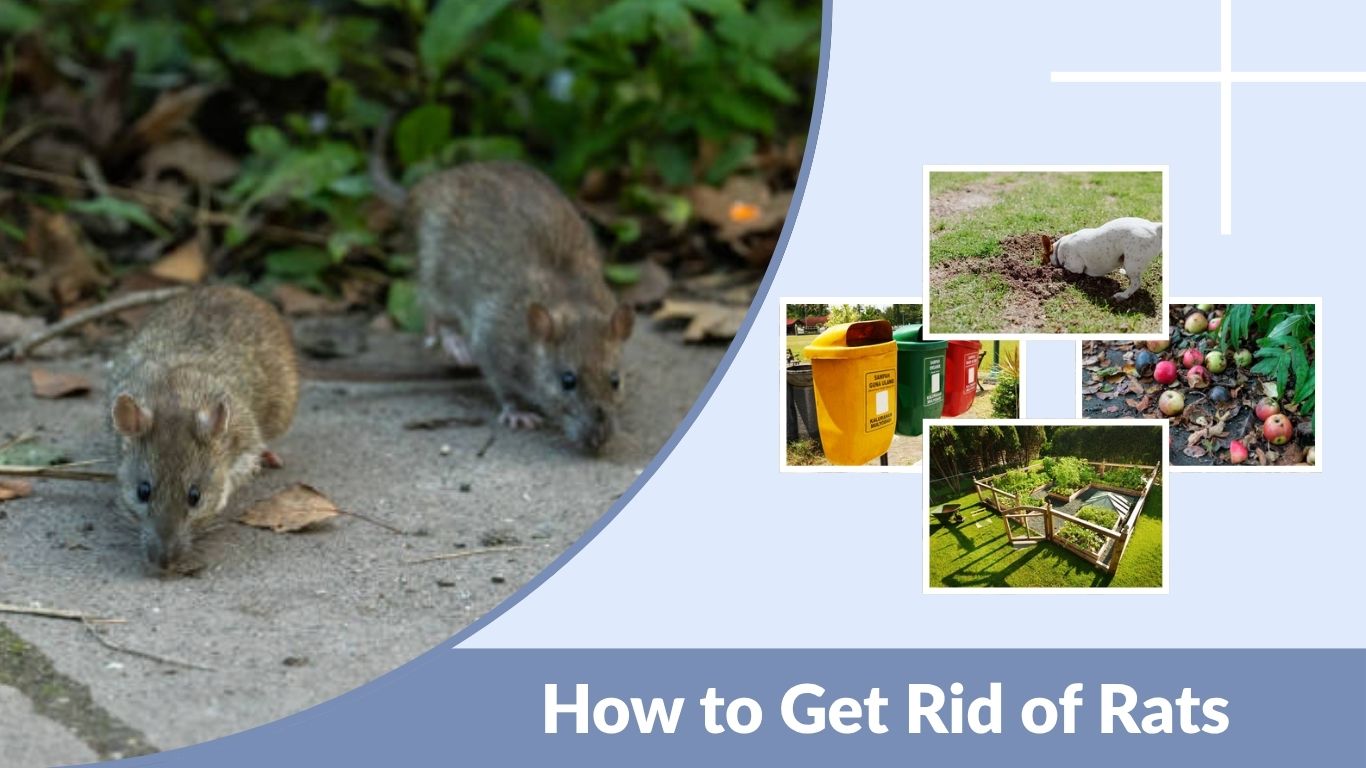
Rats in the garden can be a major nuisance. They damage plants, create burrows, spread diseases, and even bring unwanted pests like fleas and ticks. Whether you’re dealing with a few rats or a larger infestation, it’s important to take the right steps to remove them effectively and prevent future problems. In this article, we’ll explore various methods to get rid of rats in the garden, including natural, humane, and poison-free options, as well as solutions for dealing with rat holes, burrows, and garden sheds.
Why Are Rats Coming Into Your Garden?
Before you begin removing rats, it’s important to understand what might be attracting them to your garden. Rats are opportunistic feeders and shelter seekers, and your garden may be offering them just what they need: food, water, and a safe place to hide.
Easy Food Sources Attract Rats
Rats are often drawn to gardens due to easily accessible food sources. Fallen fruit from trees, bird seed, pet food left outdoors, and compost bins can all be sources of nourishment for rats. If you have these food sources unsecured, it makes your garden an attractive place for rats to forage.
Rats Look for Shelter and Nesting Places
Rats need a safe and sheltered environment to build nests, and your garden could be providing the perfect conditions. Sheds, wood piles, overgrown areas, and compost heaps offer plenty of cover and warmth. If your garden has any of these hiding spots, it could be encouraging rats to take up residence.
Water Can Keep Rats Around
Rats need water to survive, and they’re not picky about where they get it. Leaking pipes, bird baths, pet water bowls, or even areas with poor drainage could provide the water rats need to thrive. If you have any standing water in your garden, it could be a major draw for rats.
Signs You Have Rats in the Garden
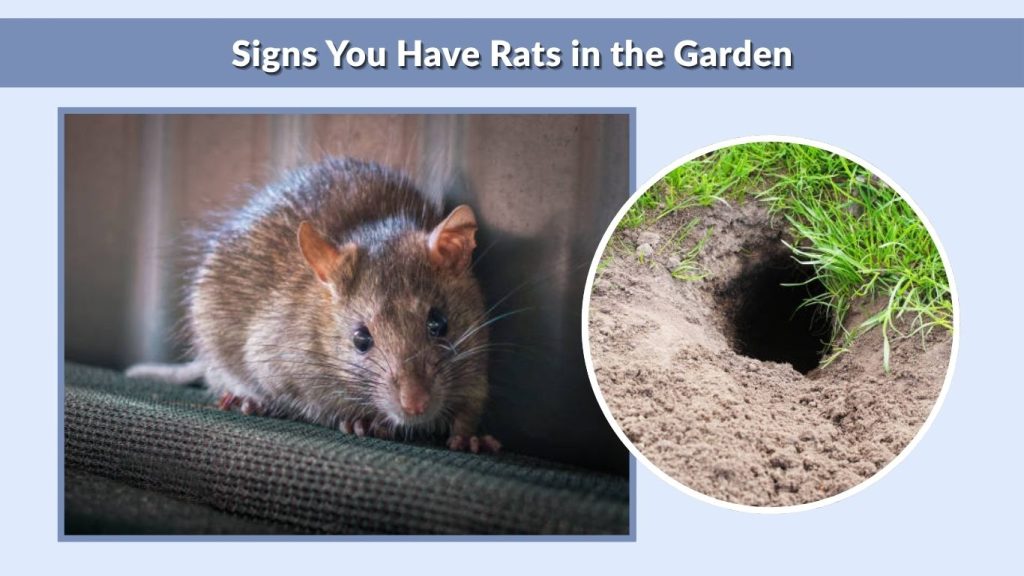
Often, rats are not directly visible in the garden, but they leave behind clear signs of their presence. Identifying these signs early can help you take action before the problem worsens.
Rat Holes and Burrows
One of the most obvious signs of a rat infestation is the presence of rat holes or burrows. These are usually found near structures such as sheds, fences, compost bins, or decking. A rat burrow is typically a small tunnel entrance, often surrounded by loose soil, leaves, or debris.
If you notice rat holes around the edges of your garden, under structures, or in overgrown areas, it’s a strong indication that you have rats living in your garden.
Droppings and Strong Smell
Rats often leave behind droppings as they move around. These droppings are small, dark, and oval-shaped. They are typically found near food sources, in sheltered spots, or along pathways. In addition to droppings, you may also notice a strong, musty smell in areas where rats have been living. This smell is often more noticeable in confined spaces like garden sheds or under decking.
Chewed Plants, Pipes, Wood, or Plastic
Rats have strong teeth that grow continuously, which means they need to gnaw on objects to wear them down. If you notice chewed plants, gnawed-on irrigation pipes, damaged wood, or plastic containers, this could be a sign that rats are present. They might also damage vegetables, especially tender ones like tomatoes or squash.
Seeing Rats in Daylight
Rats are nocturnal creatures, but if you see them during the day, it could indicate a larger infestation. Daytime activity suggests that the rats are active because food and shelter are plentiful, and they are comfortable in the environment. This is an issue that requires immediate attention.
How to Get Rid of Rats in the Garden Fast
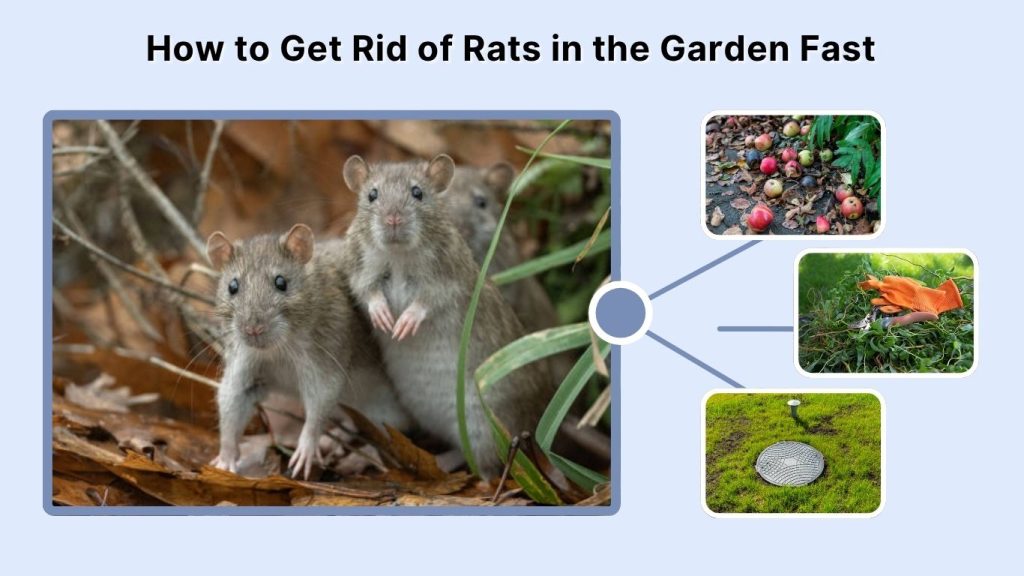
Once you’ve confirmed that rats are living in your garden, it’s time to take action. The faster you act, the easier it will be to reduce the infestation and prevent further damage.
Remove All Food Sources Immediately
The first and most important step in getting rid of rats is to remove food sources. This will make your garden less attractive to them. Here’s what you should do:
- Clean up fallen fruit: Gather any fallen fruit from trees, as this is a major food source for rats.
- Secure compost bins: Make sure your compost bins are properly sealed so rats cannot access food scraps.
- Remove pet food: Avoid leaving pet food outside overnight or in accessible areas.
Clear Hiding Places
Rats like to hide in dense vegetation, sheds, and piles of debris. To make your garden less hospitable:
- Cut back overgrown plants: Trim back bushes and grass to eliminate cover for rats.
- Move wood piles and debris: Rats love to nest in piles of wood, leaves, or other clutter, so clear these areas away from your garden.
- Remove bird nests: If you notice abandoned bird nests or nesting materials, remove them as they can serve as rat shelters.
Seal Obvious Access Routes
Rats are skilled at entering gardens through small gaps, cracks, and holes. To prevent rats from coming back:
- Block gaps under fences and gates: Check for holes at the base of fences and gates, and seal them using materials like metal mesh.
- Close holes around sheds and structures: Use wire mesh or sealant to close holes around garden sheds or structures where rats might be entering.
- Cover vents and drains: If your garden has any open vents or drains, make sure they are sealed or covered securely.
Use Traps Carefully if Needed
If you’ve already removed food and shelter, and rats are still active, it may be time to use traps. Choose between snap traps, humane traps, or electronic traps, depending on your preferences. If you want to avoid harming the rats, consider using live traps that allow you to capture and release them away from your property.
Place traps in areas where you’ve noticed rat activity, such as near burrows or where you’ve seen damage. Be sure to check the traps regularly to avoid unnecessary stress or harm to the rats.
How to Get Rid of Rats in the Garden Naturally
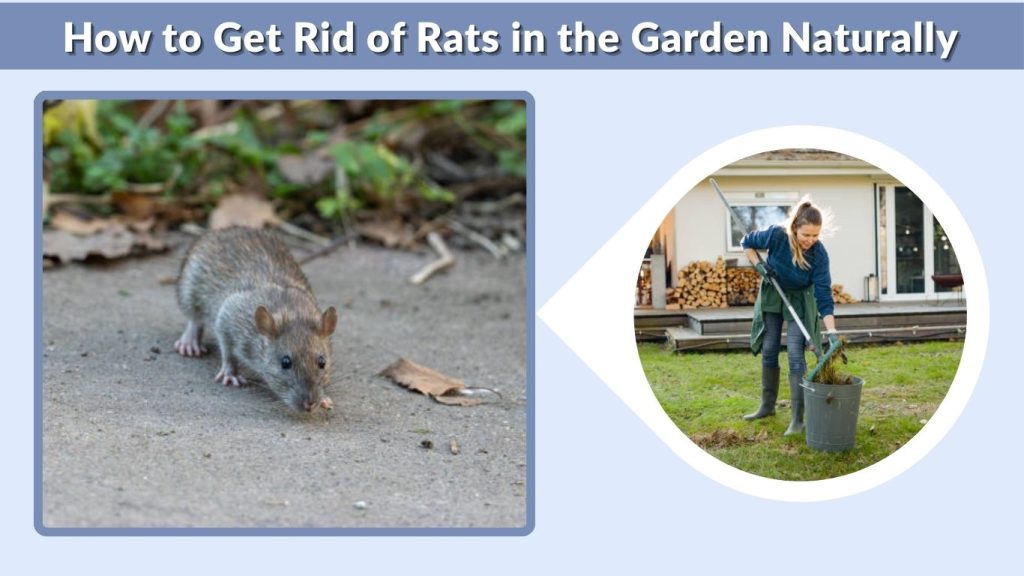
For those who prefer natural methods of rat control, there are several effective ways to make your garden less attractive to rats without using poison.
Keep the Garden Clean and Open
Rats thrive in areas where they can hide, so keeping your garden open and tidy will make it less inviting. By keeping pathways clear and trimming plants regularly, you can prevent rats from finding shelter in your garden.
Remove Nesting Materials
If you have any piles of leaves, straw, or other organic materials, remove them. These materials can provide rats with an ideal environment to nest. If you need to use mulch or straw, keep it in an area where rats cannot easily access it.
Use Strong Smells Carefully
Rats dislike certain smells, and peppermint or mint is one of the most commonly used natural repellents. While it won’t solve an infestation on its own, using peppermint oil around burrows, entry points, and garden boundaries may help deter rats. You can soak cotton balls in peppermint oil and place them near known rat activity areas.
Encourage Natural Predators
Encouraging natural predators, like owls and hawks, can help control rat populations. If you have a yard that can support them, consider installing birdhouses or perches to attract these predators. However, keep in mind that this method can take time and may not eliminate rats quickly.
How to Get Rid of Rats in Garden Without Poison
Many homeowners prefer to avoid using poison due to the risk it poses to pets, children, and local wildlife. Fortunately, there are several effective ways to control rat populations without resorting to toxic chemicals.
Why Poison May Not Be the Best First Choice
Poison can have serious consequences, especially if you have pets or children in the garden. It can also pose risks to non-target animals, such as birds of prey, that might consume poisoned rats. Additionally, rats that die from poison often end up decaying in hard-to-reach areas, creating unpleasant odors and potentially attracting more pests.
Use Exclusion Instead of Poison
One of the most effective ways to get rid of rats without using poison is to seal entry points and block access. By making your garden and home inaccessible to rats, you can prevent them from entering in the first place. Use materials like metal mesh or caulk to fill cracks and holes in sheds, fences, or other structures.
Choose Safer Control Methods
Humane traps are an excellent alternative to poison. Live traps allow you to capture rats without harming them, and then release them in a suitable location away from your home. If you prefer not to deal with live traps, you can also use snap traps or electronic traps, which are quick and efficient, and do not require poison.
How to Get Rid of Garden Rats Humanely
Humane rat control methods focus on preventing harm to the animals while still addressing the infestation. If you are concerned about the welfare of the rats, consider using non-lethal methods to remove them.
Make the Garden Less Attractive
The first step in humane rat control is to remove all food sources and shelter options. Rats are less likely to stay in your garden if they can’t find anything to eat or hide. Remove bird seed, compost piles, fallen fruit, and pet food from the garden. Ensure that all food sources are securely stored or disposed of.
Use Live Traps Responsibly
Live traps allow you to capture rats without harming them. Once trapped, release the rats far away from your property, ideally in a location where they can find food and shelter. However, it’s essential to check the traps frequently to prevent distress to the animals. If you’re using live traps, ensure they are placed in areas where the rats are most active, such as near burrows or feeding areas.
Avoid Harmful DIY Methods
Some people attempt to get rid of rats using homemade solutions, such as drowning, glue traps, or poisoned bait. These methods are not only inhumane, but they can also harm other animals, including pets and wildlife. It is better to stick with safer, more effective alternatives like live traps or snap traps, which offer a quick, humane solution.
How to Get Rid of Rats in Garden With Dogs
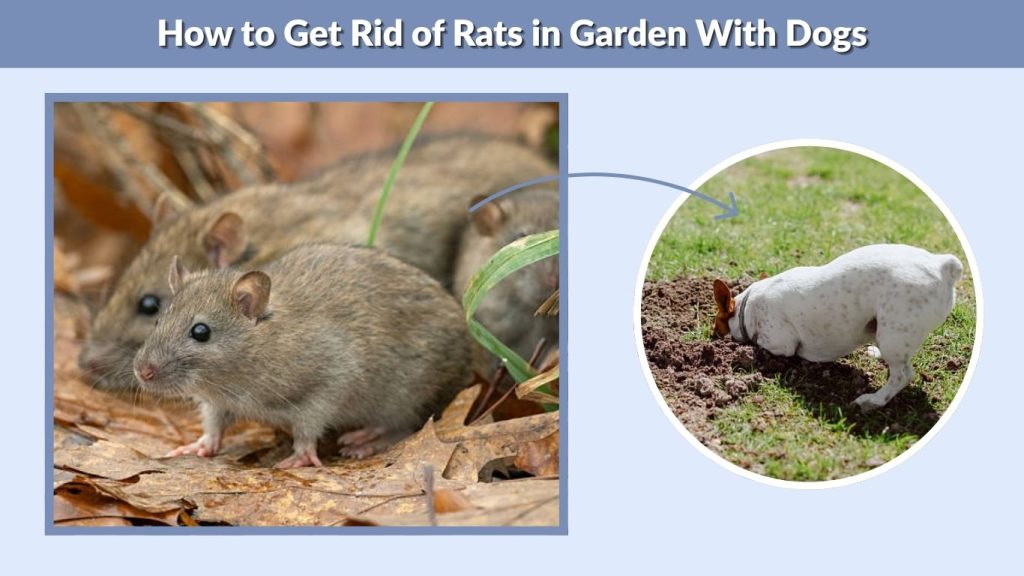
When you have dogs in your garden, it’s essential to ensure that rat control methods are safe for your pets. Some rat control techniques can be harmful to dogs, so extra precautions should be taken to protect them.
Avoid Poison Where Dogs Can Access It
If you’re trying to eliminate rats without poison, be aware that even rat poison that is used outdoors can pose a significant risk to dogs if ingested. If you must use poison, make sure it is placed in secure bait stations that your dog cannot access. However, it’s always safer to opt for non-poisonous methods like traps and exclusion.
Keep Dogs Away From Rat Holes and Droppings
Rats can carry diseases, parasites, and bacteria, some of which may be transmitted to your dog. Ensure that your dog does not come into contact with rat droppings, urine, or burrows, as this could lead to infection. Consider using an exclusion method such as fencing off areas where rats are most active or using traps in these zones while keeping your dog away.
Use Enclosed Trap Stations Only
When using traps, ensure that they are placed in secure, enclosed stations that only allow rats to enter, but not your dog. You can also use snap traps or electronic traps within the stations, which are effective at catching rats without harming pets.
Clean Pet Food and Water Bowls
Pet food left outside is a common attractant for rats. Make sure to bring food and water bowls inside after your pets are finished eating. Rats are opportunistic feeders and will happily take advantage of any available food sources, including your pet’s leftovers.
How to Get Rid of Rat Holes and Burrows in the Garden
Rats dig burrows and tunnels to create nesting areas and shelter. To fully eliminate the rats, you must deal with these burrows and prevent them from digging new ones.
How to Identify Rat Holes
Rat holes are usually found near structures like sheds, fences, and walls. They are typically small, round openings, often surrounded by dirt and debris. You may also notice rat tracks or droppings near the entrances. In some cases, you might see chewing marks around the holes, indicating that the rats are using them for nesting or feeding.
Should You Block Rat Holes?
While it may be tempting to block rat holes immediately, it’s important to make sure the rats are no longer inside the burrows before sealing them. If you seal a burrow while the rats are still in it, they may try to escape through another opening, potentially causing damage to other parts of your garden. Once you’ve taken steps to remove food and shelter, and you’ve set traps or used other control methods, you can then fill the holes with soil, gravel, or wire mesh to prevent the rats from re-entering.
How to Fill Rat Holes Safely
After confirming that the rats have been removed, fill the burrows with soil, gravel, or even concrete if necessary. If you want to prevent rats from digging new holes, you can add mesh wire inside the holes before filling them to create a barrier that rats cannot chew through.
What if Holes Keep Coming Back?
If rats continue to dig holes in the same areas, it could indicate that the colony is still active or that your garden isn’t secure enough. Consider professional pest control or more thorough exclusion methods, such as adding fencing around vulnerable areas and placing traps in more locations.
How to Get Rid of Rats in a Garden Shed
Sheds are ideal environments for rats because they provide warmth, shelter, and access to food. If rats are living in your garden shed, you need to take steps to make it inhospitable to them.
Remove Food and Nesting Material from the Shed
Clean out any pet food, bird seed, or gardening supplies that could be attracting rats. Clear away old fabric, boxes, or any other materials rats could use to build nests.
Seal Gaps Under the Shed
Use metal mesh, steel wool, or caulk to seal any gaps or cracks around the shed where rats might be entering. Pay special attention to areas near the foundation, doorways, and around vents or pipes.
Raise Stored Items Off the Floor
Store tools, pots, and other items off the shed floor to reduce the potential for rats to nest in or around them. Use shelving or plastic bins with lids to keep items secure and prevent rats from chewing through boxes or bags.
How to Get Rid of Rats in a Vegetable Garden
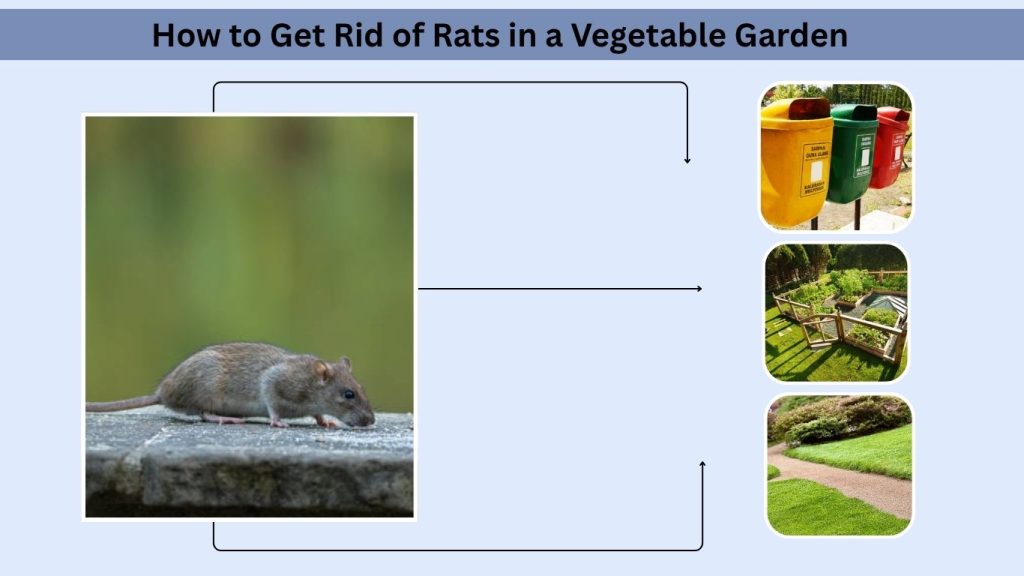
Rats in the vegetable garden can cause significant damage to your crops, especially when they begin gnawing on fruits, roots, and vegetables. It’s important to implement preventive measures to protect your garden from rat infestations.
Harvest Ripe Vegetables Quickly
Rats are often attracted to ripe vegetables such as tomatoes, corn, and squash. Pick your vegetables promptly to prevent rats from harvesting them for you. Regularly check your crops to ensure that no food is left exposed.
Protect Compost Bins
Compost bins can be an ideal spot for rats to feed on kitchen scraps. To prevent this, use a secure compost bin that is sealed tightly and rat-proof. Avoid adding items like meat, dairy, cooked foods, or oily scraps, as these can attract rats.
Use Physical Barriers
Consider using mesh fencing around your vegetable garden to keep rats out. A wire mesh barrier, buried a few inches into the ground, can prevent rats from burrowing underneath. Raised garden beds also act as a deterrent, as rats prefer to dig in the ground.
Keep Pathways and Borders Clean
Rats prefer areas with plenty of cover, so keep pathways and borders clean and open. Avoid overgrown vegetation and weeds, which can provide hiding spots for rats. Keeping your garden tidy will make it less inviting to these rodents.
How to Prevent Rats From Coming Back
Once you’ve removed rats from your garden, the next step is to prevent them from returning. Prevention is key to long-term success in managing a rat-free garden.
Secure Bins and Compost
Make sure that your trash bins and compost bins are securely sealed. Use lids that rats cannot easily lift or chew through. Consider using rodent-proof bins to store waste and food scraps. Also, ensure that bird seed is stored in airtight containers to prevent attracting rats.
Control Bird Feeding
Bird feeders can be a great attraction for rats, especially if food is spilled on the ground. Use catch trays under bird feeders and clean up spilled seed regularly. It’s also helpful to avoid feeding birds directly on the ground, which gives rats easier access to the food.
Maintain the Garden Regularly
Regular maintenance will prevent rats from finding places to hide. Keep grass cut and bushes trimmed to reduce the cover where rats can nest. Clear fallen leaves, branches, and debris from your garden regularly to remove potential hiding spots.
Inspect Sheds, Fences, and Decking
Periodically check your sheds, fences, and decking for any new holes, gnaw marks, or rat activity. Rats can quickly find new entry points, so it’s essential to seal gaps and holes promptly. Use steel wool or wire mesh to block potential entrances.
What Not to Use for Rats in the Garden
While there are many ways to get rid of rats, some methods can be dangerous, ineffective, or even illegal depending on your location. It’s important to avoid these harmful approaches and opt for safer, more humane alternatives.
Do Not Use Mothballs
Some people use mothballs as a rat deterrent, but they are not only ineffective but also dangerous. The strong smell of mothballs may drive rats away temporarily, but it doesn’t address the root cause. Additionally, mothballs can be toxic to pets, children, and other wildlife. Avoid using them in your garden.
Avoid Bleach, Ammonia, or Harsh Chemicals
While some people suggest using bleach, ammonia, or other harsh chemicals to deter rats, these substances can be harmful to plants, animals, and the environment. They can also cause skin irritation or respiratory problems if handled improperly. Stick to safer, more natural alternatives instead.
Avoid Glue Traps
Glue traps are inhumane and can cause unnecessary suffering to rats. These traps are also not effective at fully controlling rat populations, as they often capture non-target species like birds or beneficial insects. It’s better to use snap traps or live traps for more humane and efficient control.
Do Not Leave Poison Exposed
If you choose to use poison, never leave it exposed where children, pets, or wildlife can access it. Even rodent-proof bait stations can be harmful to other animals if not placed properly. Always use poison with caution, and if possible, opt for humane methods like exclusion or traps.
When Should You Call a Pest Control Professional?
If your efforts to get rid of rats have not been successful or if you find yourself dealing with a large infestation, it may be time to call in professional help. Pest control experts have the knowledge and tools necessary to manage rodent populations safely and effectively.
Call a Professional If Rats Are Seen in Daylight Often
If you’re seeing rats during the day, it suggests a large and active infestation. Rats are typically nocturnal, so daytime activity may mean that there’s a larger colony or the rats are desperate for food. A pest control professional can help assess the situation and implement more aggressive control measures.
Call if There Are Many Burrows
If you notice numerous rat holes or burrows around your property, it could indicate a serious infestation. A professional can conduct an inspection to determine the extent of the infestation and recommend the best course of action.
Call if Rats Are Entering the House
If you suspect rats are entering your house or other buildings, it’s crucial to get help quickly. Rats can cause significant damage to structures, wiring, and insulation, and they can spread diseases. A pest control professional will know how to seal entry points and address the problem efficiently.
Call if You Have Pets or Children and Need Safe Control
If you have pets or young children, professional pest control may be the safest and most effective option. Experts can use pet-safe methods, such as humane traps, to remove rats from your garden without putting your pets at risk.
FAQs
What is the fastest way to get rid of rats in the garden?
The fastest way to get rid of rats is to remove food sources, secure shelter, and seal all entry points. Using live traps or snap traps can also help reduce the population quickly.
How do I get rid of rats in the garden naturally?
To get rid of rats naturally, remove food sources, keep the garden clean, reduce hiding places, and use natural deterrents like peppermint oil.
How do I get rid of rats in the garden without poison?
Use humane traps, seal off access points, remove attractants, and clean your garden to discourage rats from staying in the area.
How do I get rid of rats in my vegetable garden?
Protect your crops by securing compost, clearing fallen produce, using physical barriers like mesh fencing, and storing food in sealed containers.
How do I get rid of rats under a garden shed?
To eliminate rats under a shed, clean the area, seal gaps around the shed, and set traps in the vicinity to capture any rats.