
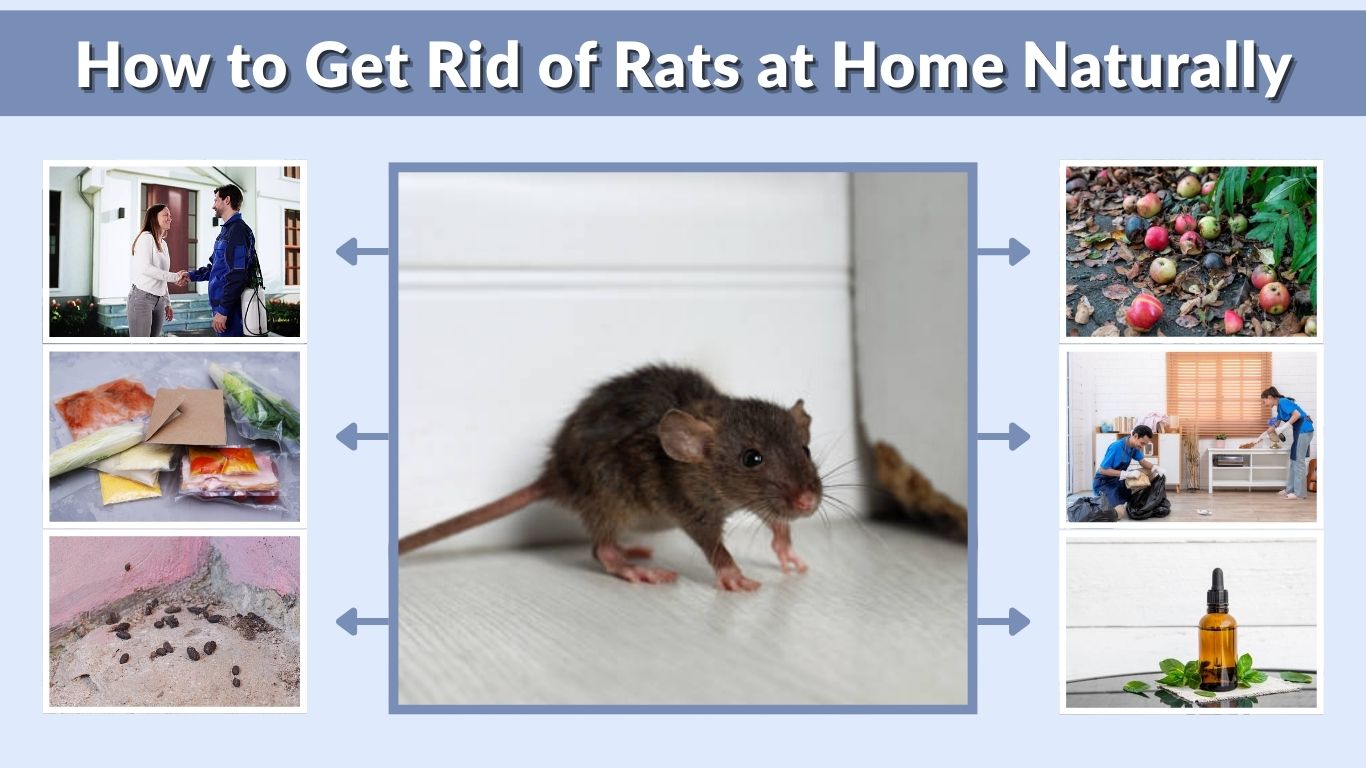
Rats are one of the most common household pests and can quickly become a serious problem if ignored. They contaminate food, damage furniture and wiring, spread diseases, and create unpleasant odors inside the home. Many homeowners prefer natural rat control methods because they are safer for children, pets, and the environment than chemical poisons.
The good news is that natural rat removal can be very effective when done correctly. By combining cleaning, sealing entry points, natural repellents, and traps, you can reduce and eliminate rat activity without relying heavily on toxic chemicals.
Why Rats Enter Your Home
Rats enter homes mainly in search of food, water, warmth, and shelter. Once they find a safe environment with easy access to resources, they may begin nesting and reproducing rapidly.
Understanding why rats are attracted to your home is the first step toward preventing infestations.
Common Reasons Rats Come Indoors
Rats are usually attracted by conditions that provide survival advantages.
Common causes include:
- Open food sources
- Unsealed garbage
- Warm hiding places
- Water leaks
- Cluttered storage areas
- Small wall openings
Even tiny crumbs and pet food can attract rats indoors.
Where Rats Usually Hide
Rats prefer dark, quiet areas where they feel protected.
Common hiding places include:
- Kitchens
- Attics
- Basements
- Garages
- Wall cavities
- Storage rooms
They often stay close to walls and hidden corners while moving around the house.
Signs You Have Rats at Home
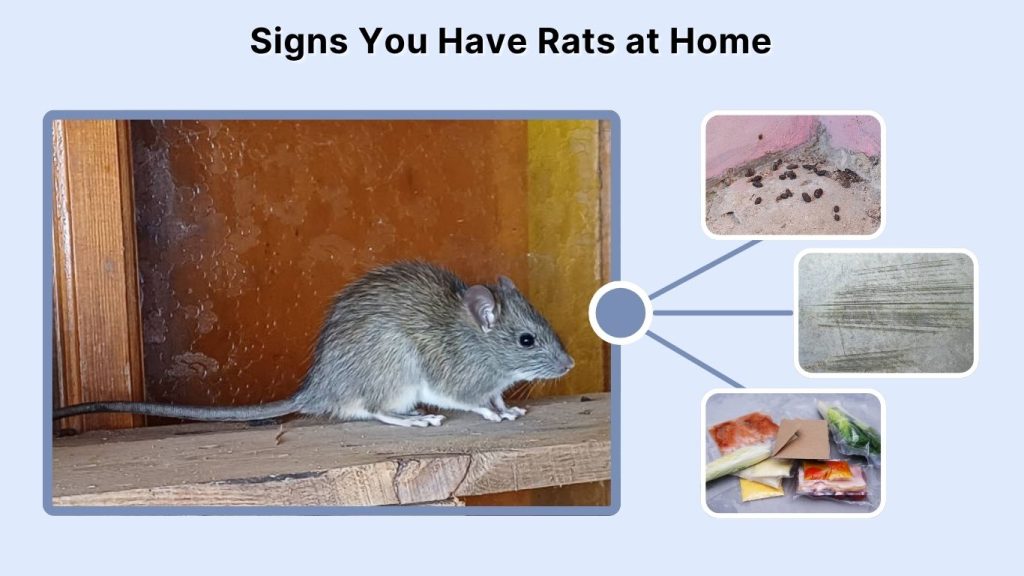
Early detection is important because rats reproduce quickly. Identifying signs of infestation early can help prevent a larger problem later.
Common Signs of Rats
Several warning signs may indicate rat activity inside the home.
Common signs include:
- Rat droppings
- Gnaw marks
- Scratching noises
- Greasy rub marks
- Strong musky odor
- Damaged food packages
Scratching sounds inside walls or ceilings are especially common at night.
Rat Droppings vs Mouse Droppings
Rat droppings are larger and easier to identify than mouse droppings.
| Feature | Rat Droppings | Mouse Droppings |
| Size | Larger | Smaller |
| Shape | Blunt ends | Pointed ends |
| Quantity | Fewer but bigger | More numerous |
| Location | Along walls | Near food and nests |
Fresh droppings are usually dark and moist, while older droppings appear dry and gray.
Step 1: Remove Food and Water Sources
Rats will continue returning if food and water remain easily available. Eliminating these resources is one of the most important natural rat control steps.
How to Remove Food Sources
Reducing food access makes your home far less attractive to rats.
Helpful food-control tips include:
- Store food in sealed containers
- Clean crumbs immediately
- Remove pet food overnight
- Keep counters clean
- Secure pantry items
Even small food spills under appliances may attract rodents.
How to Remove Water Sources
Rats also require regular water access to survive.
Important water-control steps include:
- Fix leaking pipes
- Dry sinks at night
- Empty standing water
- Check under appliances
- Repair dripping faucets
Moist basements and kitchens often attract rats because of water availability.
Step 2: Clean and Declutter the House
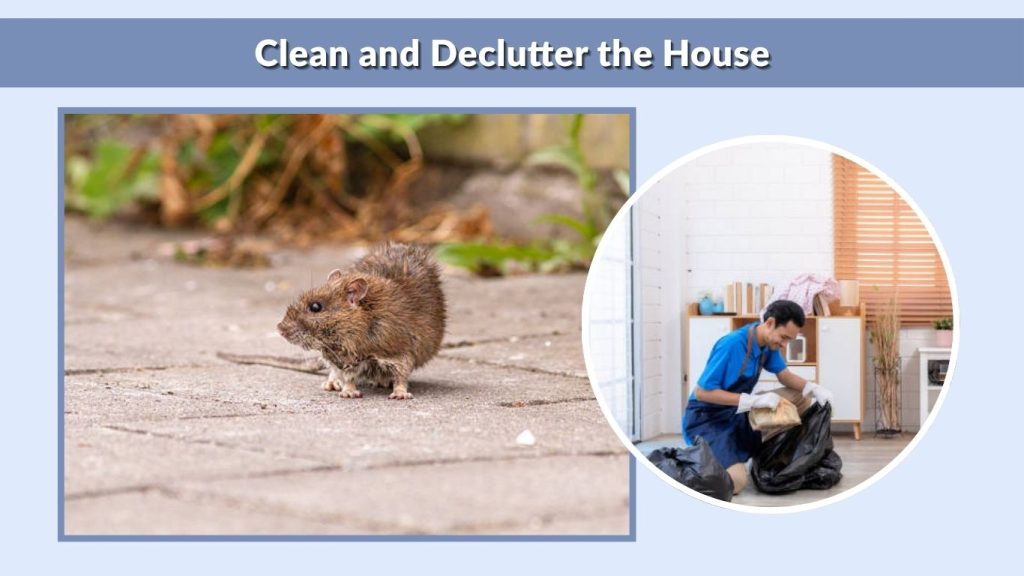
Clutter creates excellent nesting and hiding spots for rats. Cleaning the home thoroughly makes it harder for rats to hide and breed.
A cleaner home also helps you identify signs of infestation more easily.
Areas to Clean First
Certain areas should be prioritized during cleaning.
Important locations include:
- Kitchen
- Pantry
- Garage
- Basement
- Attic
- Storage closets
Cardboard boxes, old papers, and fabric piles often become nesting material for rats.
Natural Cleaning Tips
Natural cleaning methods can help reduce odors and discourage pests.
Helpful cleaning tips include:
- Use vinegar-based cleaners
- Vacuum crumbs frequently
- Remove nesting materials
- Dispose of cardboard clutter
- Clean behind appliances
Regular deep cleaning is one of the most effective natural prevention methods.
Step 3: Seal Rat Entry Points
Rats can squeeze through surprisingly small openings. Sealing entry points is critical because removing existing rats will not solve the problem if new ones continue entering the home.
Common Rat Entry Points
Rats often enter through small gaps around the house.
Common entry areas include:
- Gaps under doors
- Cracks in walls
- Holes around pipes
- Roof openings
- Air vents
- Garage gaps
Even holes as small as a coin may allow young rats to enter.
Best Natural-Friendly Materials for Sealing
Several durable materials work well for blocking rat access.
| Material | Best Use |
| Steel wool | Small holes |
| Caulk | Cracks and gaps |
| Metal mesh | Vents |
| Door sweeps | Door gaps |
| Cement | Larger holes |
Steel wool is especially useful because rats struggle to chew through it.
Step 4: Use Natural Rat Repellents
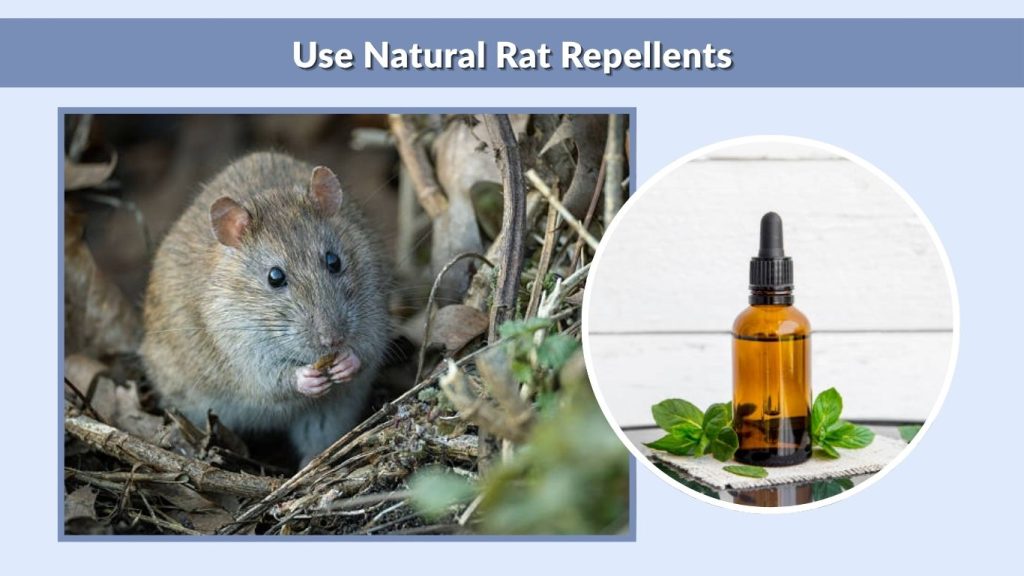
Natural repellents may help discourage rats by creating unpleasant smells or irritating environments. While repellents alone rarely solve serious infestations, they can support other rat control methods.
Best Natural Rat Repellents
Several natural substances are commonly used to repel rats.
Popular natural repellents include:
- Peppermint oil
- Clove oil
- Garlic
- Onion
- Cayenne pepper
- Vinegar
Strong smells may help discourage rats from certain areas temporarily.
Homemade Rat Repellent Spray
A simple homemade spray can be made using natural ingredients.
Basic ingredients include:
- Water
- Peppermint oil
- Vinegar
This spray can be applied near suspected entry points, corners, and rat pathways.
Do Natural Repellents Really Work?
Natural repellents can help reduce rat activity, but they work best when combined with cleaning, trapping, and sealing entry points.
Important facts about repellents include:
- Strong smells may discourage rats temporarily
- Repellents alone rarely eliminate infestations
- Consistent reapplication is necessary
- Combining methods gives better results
Using repellents together with sanitation and exclusion creates a more effective long-term solution.
Step 5: Use Humane or Non-Poison Traps
Traps are one of the safest and most effective ways to remove rats naturally without using toxic chemicals.
Different trap styles work for different situations and infestation levels.
Natural Rat Trap Options
Common non-poison trap options include:
- Humane live traps
- Snap traps
- Bucket traps
- Reusable traps
Humane traps allow homeowners to release rats away from the property, while snap traps provide faster removal.
Best Baits for Rat Traps
Choosing the right bait improves trap success.
Popular bait choices include:
- Peanut butter
- Oats
- Nuts
- Dried fruit
- Pet food
Peanut butter is especially effective because of its strong smell and sticky texture.
Where to Place Rat Traps
Proper trap placement is very important.
Best trap locations include:
- Along walls
- Near droppings
- Behind appliances
- Near entry points
- Dark corners
Rats usually avoid open spaces and prefer moving close to walls.
Step 6: Keep Outdoor Areas Rat-Free
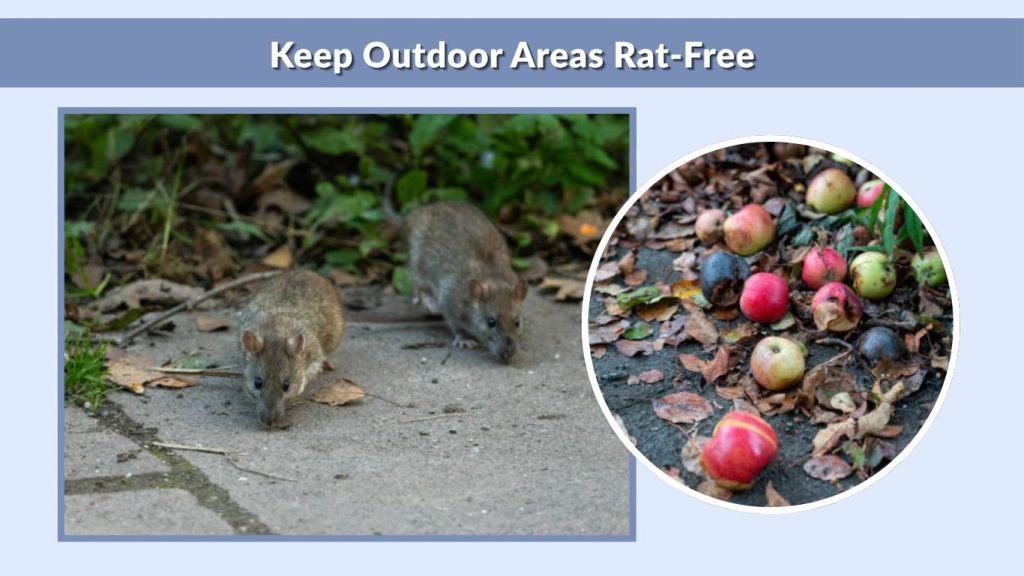
Outdoor conditions often contribute directly to indoor rat problems. Reducing outdoor food, shelter, and nesting opportunities helps prevent rats from entering the home.
Outdoor Rat Prevention Tips
Helpful outdoor prevention methods include:
- Secure garbage bins tightly
- Remove fallen fruit
- Trim thick vegetation
- Store firewood away from walls
- Clean spilled birdseed
- Block outdoor burrows
Overgrown yards and cluttered outdoor spaces often attract rodents.
Yard Maintenance Checklist
| Area | What to Do |
| Trash area | Use tight lids |
| Garden | Remove fallen produce |
| Walls/foundation | Seal cracks |
| Shrubs | Trim away from house |
| Firewood | Store off ground |
Simple yard maintenance greatly reduces rodent hiding areas.
Step 7: Monitor and Repeat the Process
Natural rat control requires consistency and regular monitoring. Even after rats disappear, continued prevention helps stop future infestations.
Weekly Rat Control Checklist
Important weekly tasks include:
- Check traps regularly
- Inspect sealed holes
- Look for fresh droppings
- Clean food areas
- Refresh repellents
Routine monitoring helps identify problems before they become severe.
How Long Does It Take to Get Rid of Rats Naturally?
The time required depends on infestation size and how quickly prevention steps are implemented.
General timelines include:
- Mild infestation: several days to 2 weeks
- Moderate infestation: several weeks
- Severe infestation: may require professional help
Consistency is the key to long-term success.
Natural Remedies That May Not Work Well
Some popular home remedies have limited effectiveness against rats and should not be relied upon alone.
Common Weak Remedies
Less reliable methods include:
- Mothballs
- Ultrasonic devices
- Open vinegar bowls
- Random herbs
- Ammonia-soaked cloths
These methods may provide temporary effects but rarely solve infestations completely.
Why Rats Return
Rats often come back when underlying problems remain unresolved.
Common reasons include:
- Entry points remain open
- Food sources are still available
- Nesting areas remain untouched
- Outdoor conditions attract rodents
Permanent prevention requires removing the conditions that attract rats.
When to Call Pest Control
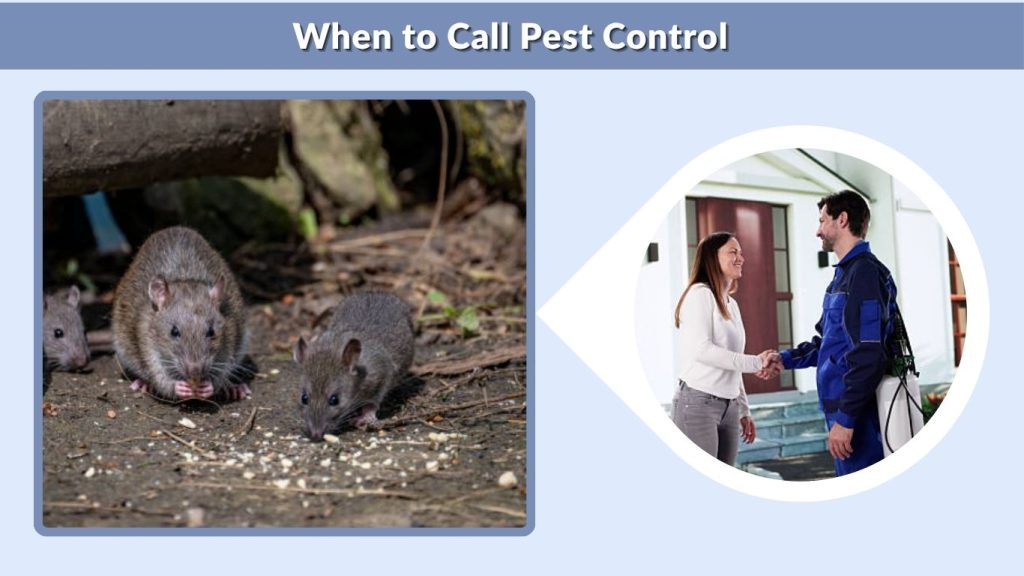
Some infestations become too large or dangerous for home treatment alone.
Signs You Need Professional Help
You may need pest control if you notice:
- Large amounts of droppings
- Rats seen during daytime
- Strong persistent odors
- Chewed electrical wiring
- Repeated infestations
- Sick pets or family members
Large infestations can become serious health and safety risks.
Why Fast Action Matters
Ignoring rats can lead to major problems.
Possible risks include:
- Disease spread
- Food contamination
- Fire hazards from chewed wires
- Structural damage
- Rapid population growth
Rats reproduce quickly, so early action is very important.
Health Risks of Rats at Home
Rats can create serious health concerns inside homes through contamination and parasite spread.
Common Rat-Related Risks
Potential health and safety risks include:
- Food contamination
- Disease transmission
- Allergies
- Fleas and mites
- Electrical damage
- Property destruction
Keeping living areas clean reduces many of these risks.
Mistakes to Avoid When Removing Rats Naturally
Many homeowners unintentionally make rat problems worse by using incomplete control methods.
Common Mistakes
Mistakes to avoid include:
- Using repellents only
- Leaving food exposed
- Ignoring outdoor areas
- Not sealing holes
- Moving traps too often
- Delaying treatment
Successful rat control requires multiple methods working together.
FAQs
How do I get rid of rats naturally at home?
Natural rat removal involves cleaning food sources, sealing entry holes, using traps, reducing clutter, and applying natural repellents such as peppermint oil. Combining several prevention and removal methods usually produces the best long-term results.
What smell keeps rats away?
Strong smells such as peppermint oil, clove oil, garlic, vinegar, and cayenne pepper may help discourage rats temporarily. However, these repellents work best when combined with proper sanitation, sealing entry points, and trapping methods.
Can peppermint oil get rid of rats?
Peppermint oil may help repel rats because of its strong scent, but it usually does not eliminate infestations by itself. Reapplying the oil regularly and combining it with traps and home sealing improves effectiveness.
What is the fastest natural way to remove rats?
The fastest natural rat control method combines sealing entry points, removing food and water sources, deep cleaning, and setting effective traps. Acting quickly and consistently helps reduce infestations much faster than using repellents alone.
How do I stop rats from coming back?
Preventing rats from returning requires sealing all access points, keeping food sealed, removing clutter, maintaining outdoor cleanliness, and checking regularly for signs of activity. Ongoing prevention is essential for long-term rat control.