
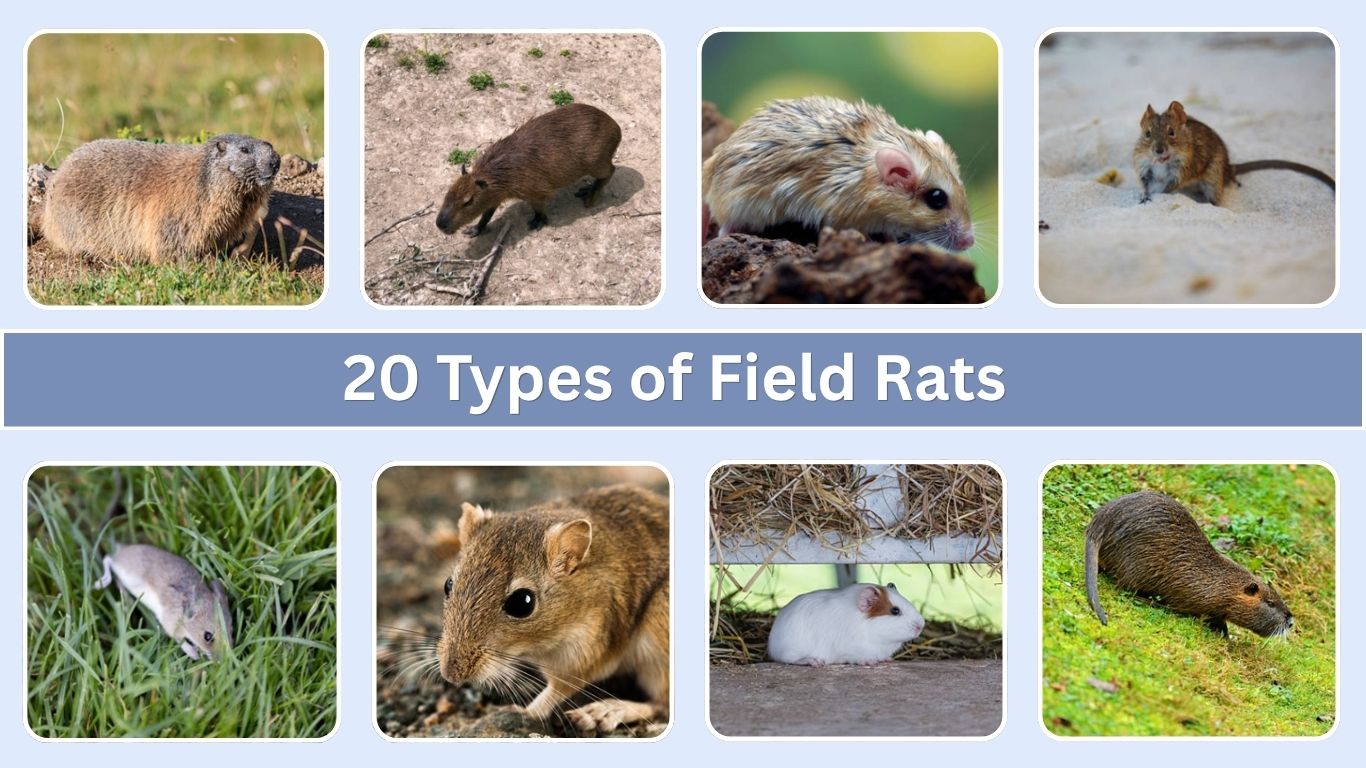
Field rats are adaptable rodents found across Asia and parts of Africa, thriving in agricultural lands, grasslands, and forest edges. They play a dual role in ecosystems: dispersing seeds and serving as prey for snakes, birds, and small carnivores. While often considered crop pests, their behavior and diet make them an important part of the food web. This guide explores 20 notable field rat species, detailing their identification, habitat, behavior, diet, and lifespan, providing a comprehensive overview of these resilient and widespread rodents.
1. Ricefield Rat
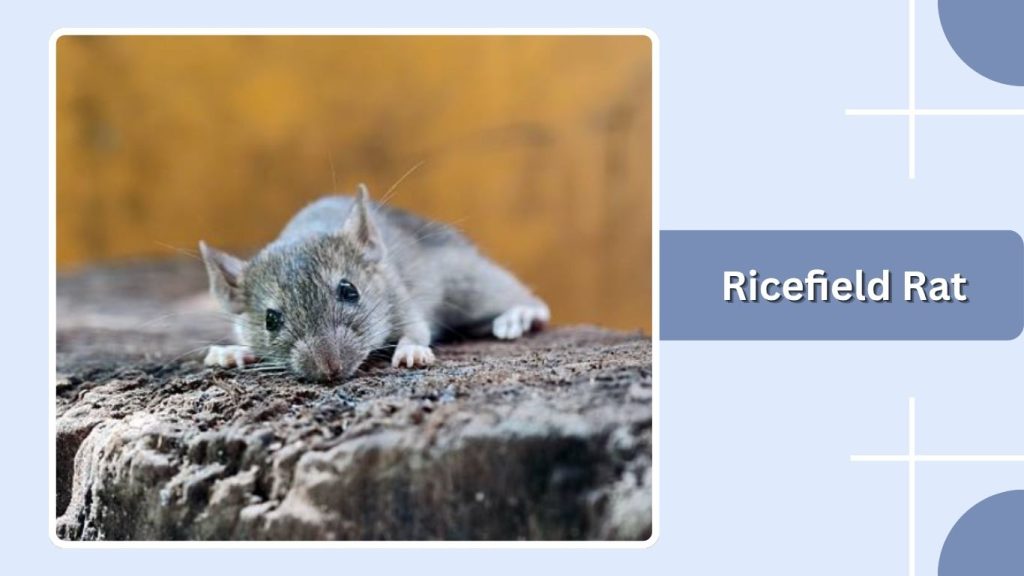
The Ricefield Rat is one of the most common field rats found across Asia, especially in areas with rice cultivation. It is highly adaptable and often considered an agricultural pest due to its tendency to feed on crops. Despite this, it plays a role in local ecosystems by dispersing seeds and serving as prey for snakes, birds of prey, and small carnivores.
Identification
- Fur: light brown to gray, sometimes with a reddish tint
- Long, scaly tail approximately equal to body length
- Small rounded ears and black eyes
- Sharp claws for digging and climbing
Habitat and Distribution
Ricefield Rats are primarily found in paddy fields, grasslands, and agricultural regions of Southeast Asia, including India, Thailand, and Vietnam. They prefer areas with dense vegetation near water sources.
Behavior and Diet
Nocturnal and highly active, they feed on rice, grains, seeds, and occasionally small insects. They dig burrows near crops for shelter and store food in hidden caches.
Lifespan
In the wild, Ricefield Rats typically live 1–2 years. Predation and crop availability influence their survival, while those in captivity may live slightly longer.
2. Brown Field Rat
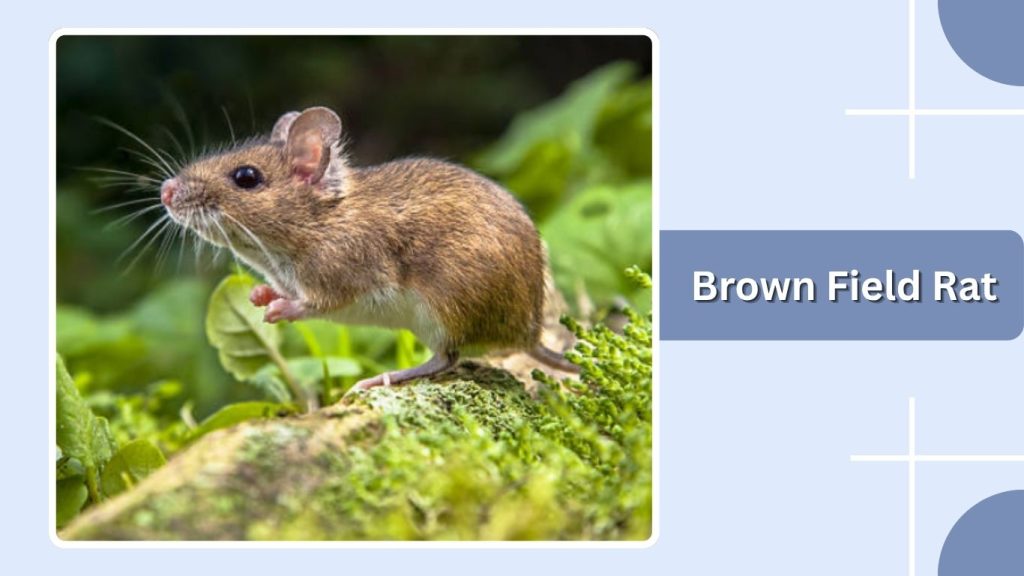
The Brown Field Rat is a widely distributed rodent found in open fields, grasslands, and farmlands. Known for its adaptability, this species thrives in a variety of climates and is often considered a pest due to its crop-feeding habits. It also plays an ecological role by dispersing seeds and serving as prey for numerous predators.
Identification
- Fur: brownish-gray with a lighter underbelly
- Medium-length scaly tail
- Rounded ears and dark eyes
- Strong claws for digging burrows and climbing vegetation
Habitat and Distribution
Brown Field Rats inhabit agricultural fields, grasslands, and meadows across Asia, Africa, and parts of Europe. They prefer areas with abundant vegetation and accessible food sources.
Behavior and Diet
Primarily nocturnal, they feed on grains, seeds, fruits, and small insects. They dig burrows or use natural shelters and are often active foragers, especially near crops.
Lifespan
In the wild, Brown Field Rats usually live 1–2 years. Environmental pressures and predation affect their lifespan, while captive individuals may survive slightly longer.
3. Black Field Rat
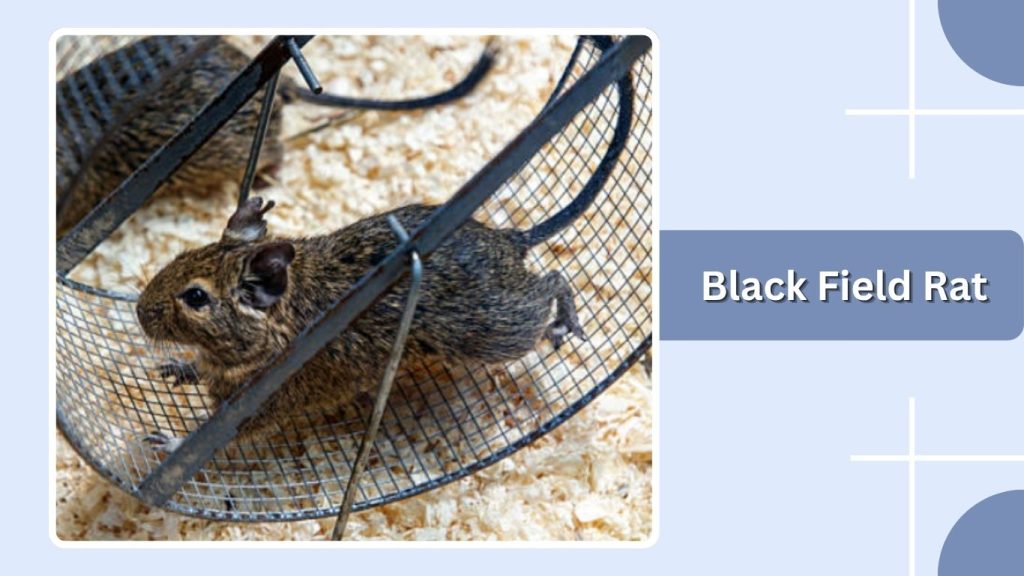
The Black Field Rat is a nocturnal rodent commonly found in agricultural and grassland areas. Its dark fur provides camouflage in low-light conditions, helping it avoid predators. While sometimes considered a pest due to crop damage, it also plays an important ecological role as seed disperser and prey for snakes, birds, and small mammals.
Identification
- Fur: dark brown to black
- Long, thin, scaly tail
- Small, rounded ears with prominent whiskers
- Sharp claws for digging and climbing
Habitat and Distribution
Black Field Rats are found across South and Southeast Asia, often in rice paddies, farmlands, and open grassy fields. They prefer areas with dense vegetation or crop cover for shelter.
Behavior and Diet
Nocturnal and agile, they feed on seeds, grains, fruits, and insects. They dig burrows near food sources and store food in hidden caches, often for use during scarce periods.
Lifespan
In the wild, Black Field Rats live around 1–2 years, with predation and food availability influencing survival. Captive individuals may live slightly longer under controlled conditions.
4. Himalayan Field Rat

The Himalayan Field Rat is a rodent species native to the Himalayan foothills. It is well-adapted to cooler, mountainous environments and rocky terrain. While primarily a seed and grain feeder, it contributes to the local ecosystem by serving as prey for birds of prey and small carnivores.
Identification
- Fur: light brown to gray, sometimes with a slight reddish hue
- Medium-length scaly tail for balance
- Small rounded ears and dark, alert eyes
- Sharp claws for digging and climbing rocky surfaces
Habitat and Distribution
Himalayan Field Rats inhabit the Himalayan foothills, terraced farmlands, and rocky grasslands of India, Nepal, and Bhutan. They prefer areas with vegetation cover and accessible food sources.
Behavior and Diet
Nocturnal and mostly solitary, they feed on seeds, grains, fruits, and occasionally insects. They dig burrows or use natural crevices for shelter and often store food for later consumption.
Lifespan
In the wild, Himalayan Field Rats typically live 1–2 years. Survival depends on predation and food availability, while captive individuals may live slightly longer.
5. Indian Field Rat
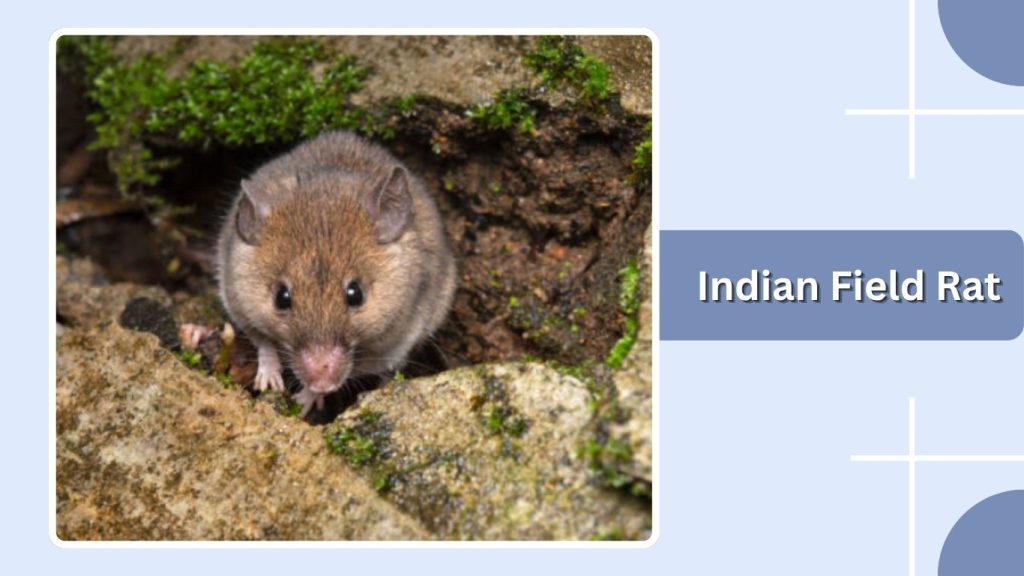
The Indian Field Rat is a common rodent species found throughout agricultural fields, grasslands, and rural areas of India. It is highly adaptable and often considered a pest due to its tendency to feed on crops, yet it plays an important role in the ecosystem by dispersing seeds and serving as prey for local predators.
Identification
- Fur: light brown to gray, with a slightly paler underbelly
- Long, scaly tail approximately equal to body length
- Small, rounded ears and black eyes
- Strong claws for digging burrows and climbing vegetation
Habitat and Distribution
Indian Field Rats are widely distributed across India, particularly in rice fields, wheat farms, and open grasslands. They favor areas with dense vegetation or crop cover for shelter and foraging.
Behavior and Diet
Primarily nocturnal, they feed on grains, seeds, fruits, and occasionally insects. They dig burrows near crops or use natural shelters and store food in hidden caches for times of scarcity.
Lifespan
In the wild, Indian Field Rats typically live 1–2 years. Predation and environmental factors influence survival, while captive individuals may live slightly longer.
6. Malayan Field Rat
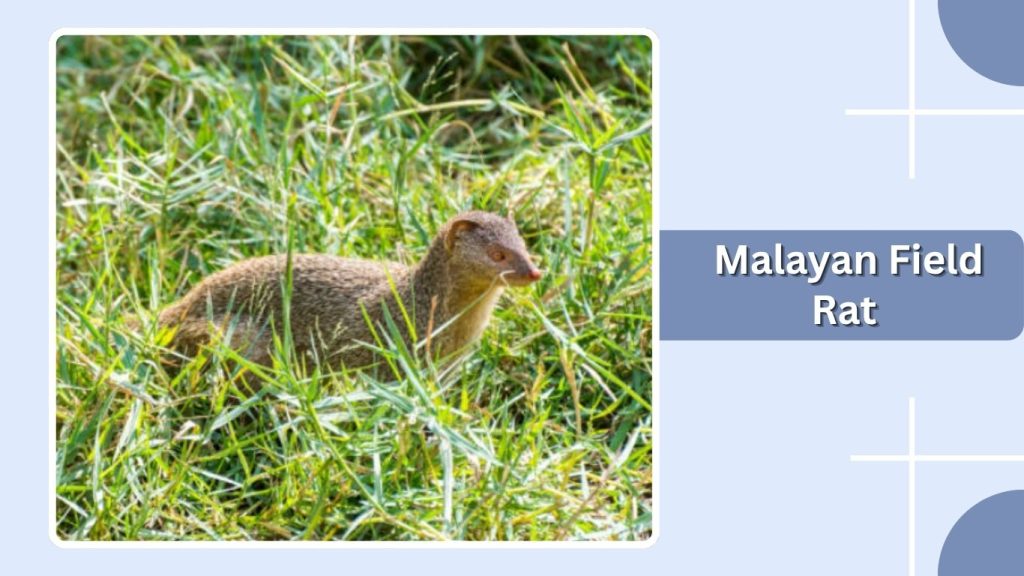
The Malayan Field Rat is a rodent commonly found in the forests, plantations, and agricultural fields of Southeast Asia. It is highly adaptable and can thrive in both natural and human-modified habitats. While sometimes considered a pest, it plays a key ecological role as a seed disperser and as prey for snakes, owls, and small carnivores.
Identification
- Fur: brownish-gray, slightly darker on the back
- Long, scaly tail for balance
- Small rounded ears and dark eyes
- Sharp claws for digging and climbing
Habitat and Distribution
Malayan Field Rats are found across Malaysia, Thailand, and surrounding regions. They inhabit forests, plantations, rice paddies, and open fields with adequate cover and food availability.
Behavior and Diet
Nocturnal and agile, they feed on grains, seeds, fruits, and insects. They dig burrows or use natural shelters and often store food in hidden caches to survive periods of scarcity.
Lifespan
In the wild, Malayan Field Rats live approximately 1–2 years. Predation and availability of food influence their survival, while captive individuals may live slightly longer.
7. African Field Rat
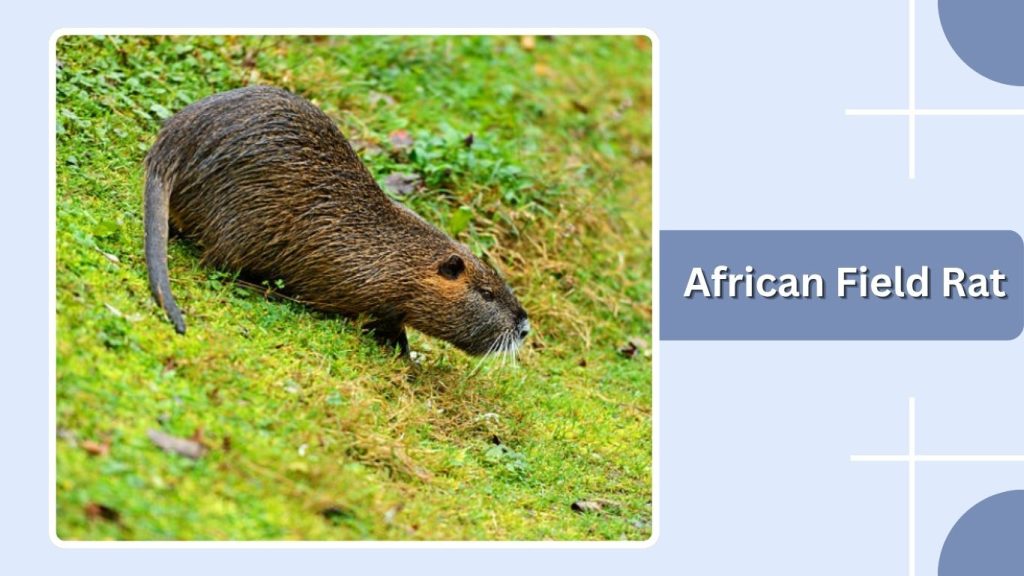
The African Field Rat is a rodent native to grasslands, savannas, and agricultural regions across sub-Saharan Africa. It is highly adaptable and thrives in a variety of habitats, often near human settlements. While occasionally considered a pest, it plays a critical ecological role by dispersing seeds and serving as prey for snakes, birds, and small carnivores.
Identification
- Fur: light brown to gray with a pale underbelly
- Medium-length scaly tail
- Small rounded ears and dark, alert eyes
- Strong claws for digging and climbing
Habitat and Distribution
African Field Rats are found throughout sub-Saharan Africa in grasslands, farmlands, and lightly wooded areas. They prefer regions with dense ground cover and access to food sources such as crops or wild seeds.
Behavior and Diet
Primarily nocturnal, these rats feed on seeds, grains, fruits, and small insects. They dig burrows or use natural shelters and often store food in hidden caches for future consumption.
Lifespan
In the wild, African Field Rats typically live 1–2 years. Predation and food availability influence survival, while captive individuals may live slightly longer.
8. Plains Field Rat
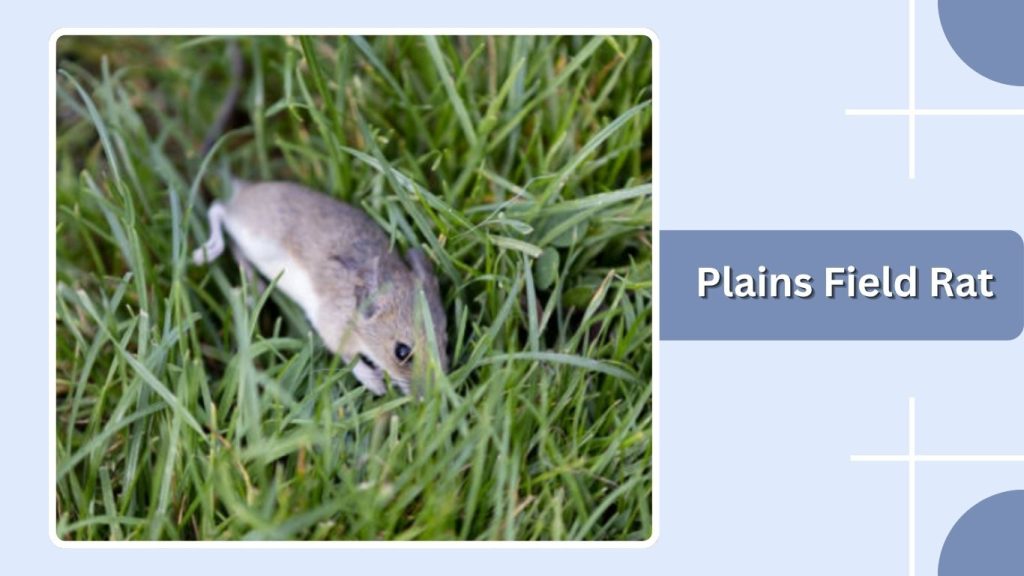
The Plains Field Rat is a small rodent commonly found in open grasslands and agricultural plains. It is highly adaptable to different climates and terrain types, making it a resilient species in both natural and human-modified environments. Like other field rats, it serves an important ecological role by dispersing seeds and acting as prey for a variety of predators.
Identification
- Fur: light brown to gray with a paler underside
- Medium-length scaly tail
- Small rounded ears and dark eyes
- Sharp claws for digging and climbing vegetation
Habitat and Distribution
Plains Field Rats are distributed across open grasslands, farmlands, and plains of Africa and Asia. They prefer areas with scattered shrubs or crop cover that provide protection and food.
Behavior and Diet
Nocturnal and mostly solitary, they feed on seeds, grains, fruits, and small insects. They dig burrows or use natural shelters and store food in hidden caches for periods of scarcity.
Lifespan
In the wild, Plains Field Rats typically live 1–2 years. Survival is influenced by predation and food availability, while captive individuals may live slightly longer.
9. Philippine Field Rat
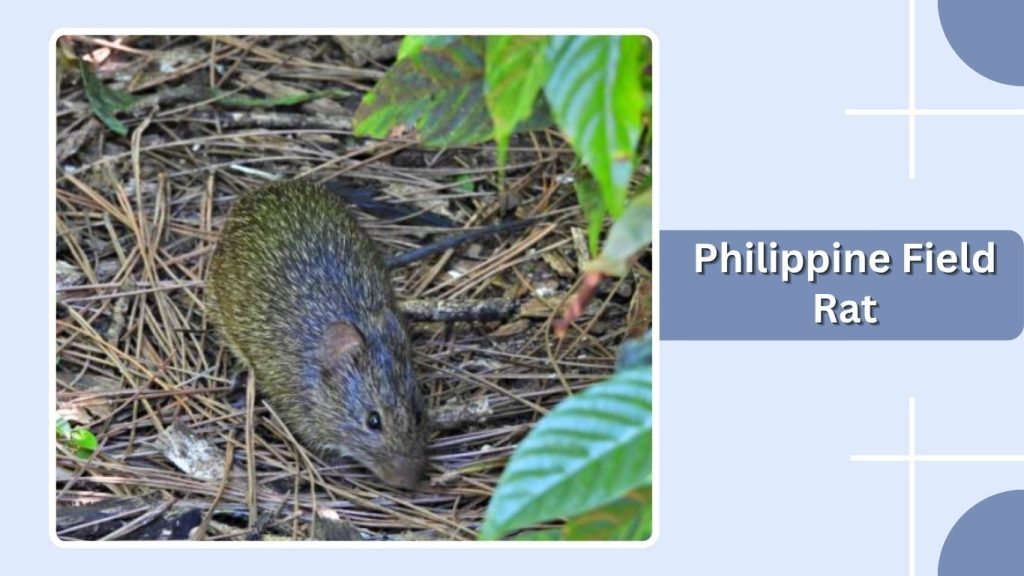
The Philippine Field Rat is a rodent species native to the islands of the Philippines. It is highly adaptable to agricultural areas, grasslands, and forest edges. While sometimes considered a crop pest, it also plays an ecological role by dispersing seeds and serving as prey for local predators such as snakes, birds of prey, and small carnivores.
Identification
- Fur: brown to gray, sometimes with a slight reddish tint
- Long, scaly tail for balance
- Small, rounded ears and dark eyes
- Strong claws for climbing and digging
Habitat and Distribution
Philippine Field Rats are found across the lowlands, rice fields, and grasslands of the Philippines. They prefer areas with dense vegetation and access to crops or natural seeds for food.
Behavior and Diet
Primarily nocturnal, they feed on grains, seeds, fruits, and occasionally insects. They dig burrows or use natural shelters and may store food in hidden caches to survive periods of scarcity.
Lifespan
In the wild, Philippine Field Rats typically live 1–2 years. Predation and food availability influence survival, while captive individuals may live slightly longer.
10. Vietnamese Field Rat

The Vietnamese Field Rat is a rodent species commonly found in the rice paddies, grasslands, and agricultural areas of Vietnam. It is highly adaptable to human-altered landscapes and plays an important role in the ecosystem by dispersing seeds and serving as prey for snakes, owls, and small carnivores.
Identification
- Fur: light brown to gray, blending with fields and soil
- Medium-length scaly tail
- Small, rounded ears and dark eyes
- Sharp claws for digging and climbing vegetation
Habitat and Distribution
Vietnamese Field Rats are primarily found in rice paddies, agricultural fields, and open grasslands throughout Vietnam. They prefer areas with dense vegetation or crop cover for shelter and foraging.
Behavior and Diet
Nocturnal and agile, they feed on grains, seeds, fruits, and small insects. They often dig burrows or use natural shelters and store food in hidden caches to survive periods of scarcity.
Lifespan
In the wild, Vietnamese Field Rats typically live 1–2 years. Predation and environmental conditions influence their survival, while captive individuals may live slightly longer.
11. Javan Field Rat
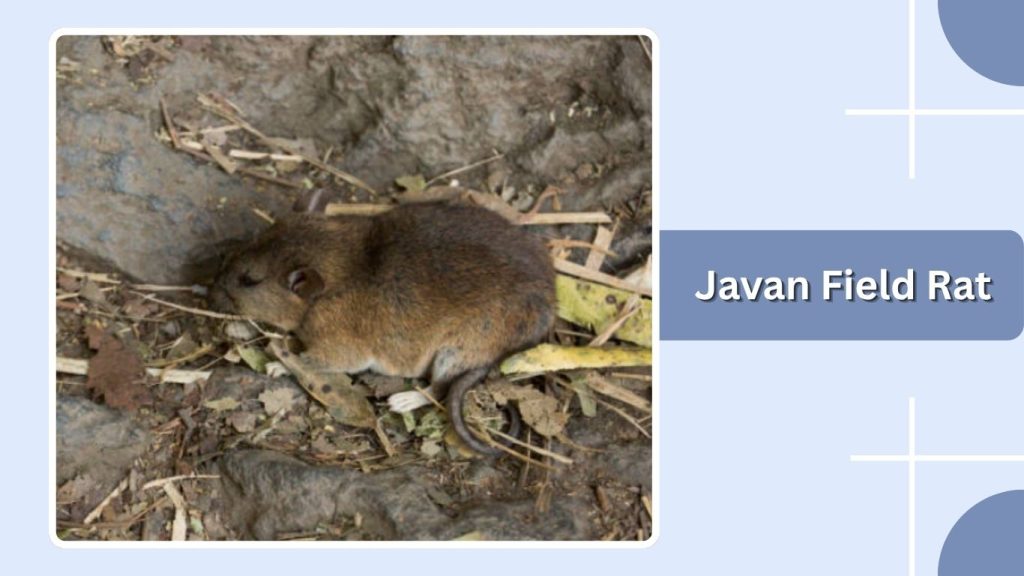
The Javan Field Rat is a rodent species native to the island of Java in Indonesia. It thrives in agricultural lands, grasslands, and forest edges, often near human settlements. While it can damage crops, it also plays an ecological role by dispersing seeds and serving as prey for local predators such as snakes, birds of prey, and small carnivores.
Identification
- Fur: brownish-gray with a lighter underbelly
- Long, scaly tail for balance and agility
- Rounded ears and dark, alert eyes
- Strong claws for digging and climbing vegetation
Habitat and Distribution
Javan Field Rats are commonly found across Java in rice fields, plantations, and open grasslands. They prefer areas with abundant vegetation or crop cover for food and shelter.
Behavior and Diet
Primarily nocturnal, they feed on grains, seeds, fruits, and occasionally insects. They dig burrows or take shelter in natural crevices and may store food for later use.
Lifespan
In the wild, Javan Field Rats typically live 1–2 years. Predation and availability of food influence survival, while captive individuals may live slightly longer.
12. Burmese Field Rat
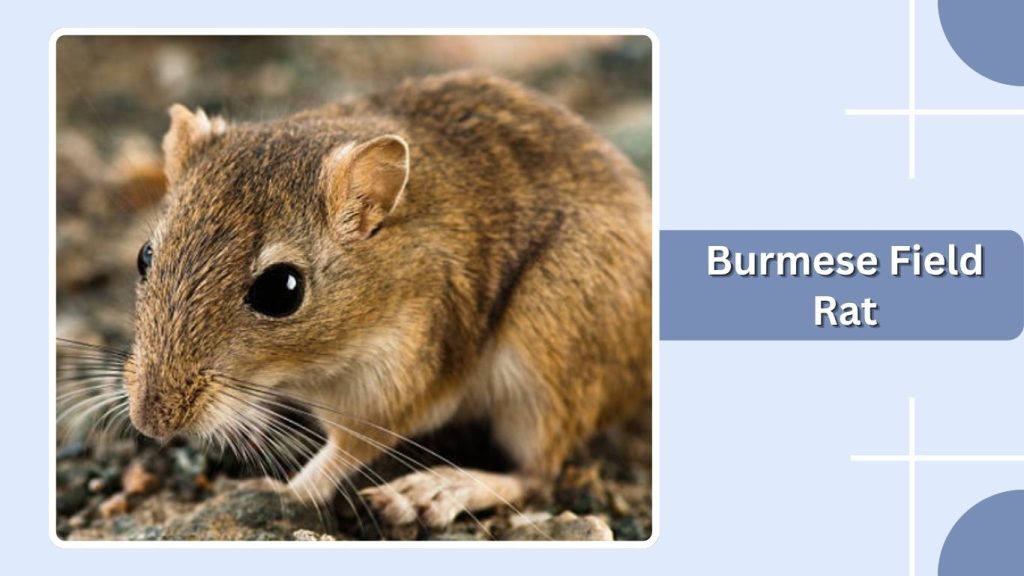
The Burmese Field Rat is a rodent species commonly found in the agricultural fields, grasslands, and forest edges of Myanmar (Burma). It is highly adaptable and often considered a pest due to its crop-feeding habits, yet it contributes to the ecosystem as a seed disperser and prey species for local predators.
Identification
- Fur: brown to gray with a paler underside
- Medium-length scaly tail
- Small rounded ears and dark eyes
- Sharp claws for digging and climbing
Habitat and Distribution
Burmese Field Rats are found throughout Myanmar in rice paddies, farmlands, and open grassy areas. They prefer regions with dense vegetation or crop cover for shelter and food.
Behavior and Diet
Nocturnal and agile, they feed on grains, seeds, fruits, and insects. They dig burrows or use natural shelters and often store food in hidden caches for later consumption.
Lifespan
In the wild, Burmese Field Rats typically live 1–2 years. Survival depends on predation and food availability, while captive individuals may live slightly longer.
13. Thai Field Rat
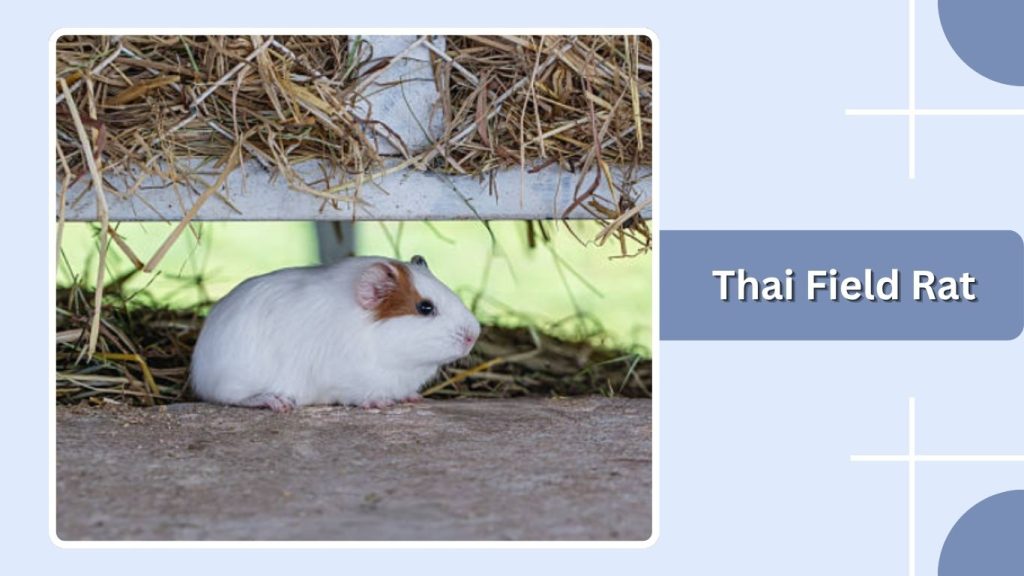
The Thai Field Rat is a rodent species native to Thailand, commonly found in agricultural fields, grasslands, and rural areas. It is highly adaptable and often considered a pest due to its tendency to feed on crops. Despite this, it plays an important role in the ecosystem by dispersing seeds and serving as prey for local predators such as snakes, birds, and small carnivores.
Identification
- Fur: light brown to gray, sometimes reddish
- Medium-length scaly tail
- Small, rounded ears and dark eyes
- Strong claws for digging and climbing
Habitat and Distribution
Thai Field Rats inhabit rice paddies, farmland, and open grasslands throughout Thailand. They prefer areas with vegetation or crop cover for shelter and protection.
Behavior and Diet
Primarily nocturnal, they feed on grains, seeds, fruits, and small insects. They dig burrows or use natural shelters and often store food in hidden caches during scarce periods.
Lifespan
In the wild, Thai Field Rats typically live 1–2 years. Predation and food availability influence survival, while captive individuals may live slightly longer.
14. Cambodian Field Rat
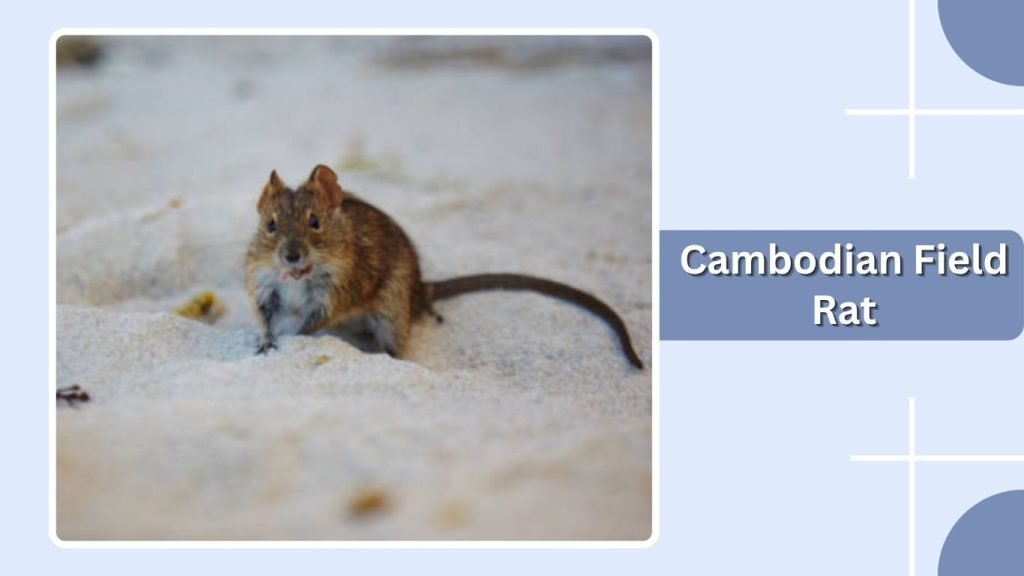
The Cambodian Field Rat is a rodent commonly found in rice fields, grasslands, and agricultural areas of Cambodia. It is highly adaptable to human-modified landscapes and plays an important ecological role by dispersing seeds and serving as prey for snakes, birds, and small carnivores.
Identification
- Fur: light brown to gray, blending with soil and vegetation
- Medium-length scaly tail
- Small rounded ears and dark eyes
- Sharp claws for digging and climbing
Habitat and Distribution
Cambodian Field Rats are found primarily in rice paddies, farmlands, and open grassy areas across Cambodia. They prefer areas with dense vegetation or crop cover for shelter and foraging.
Behavior and Diet
Nocturnal and agile, they feed on grains, seeds, fruits, and small insects. They often dig burrows or use natural shelters and store food in hidden caches to survive periods of scarcity.
Lifespan
In the wild, Cambodian Field Rats typically live 1–2 years. Predation and food availability influence survival, while captive individuals may live slightly longer.
15. Indonesian Field Rat
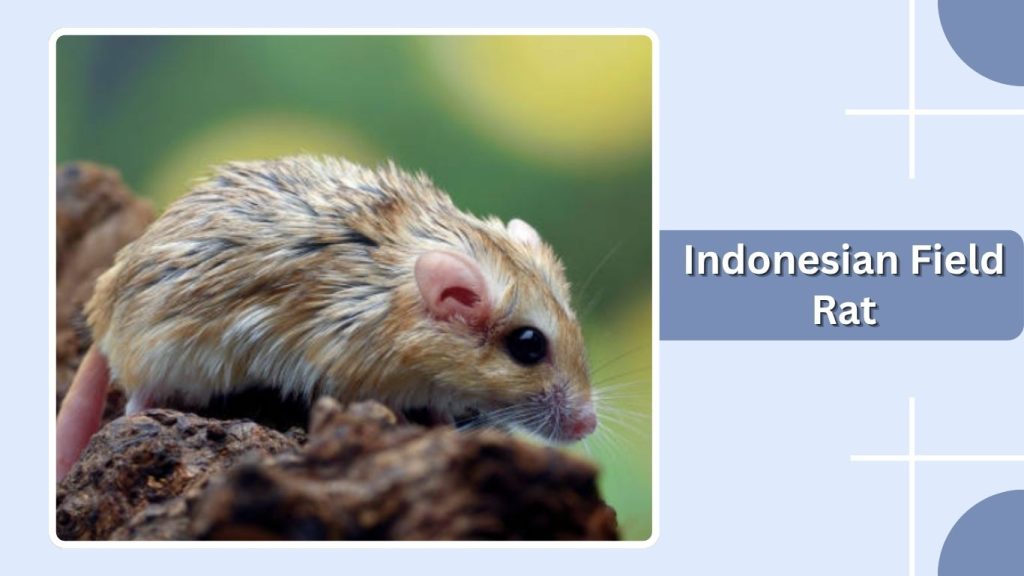
The Indonesian Field Rat is a rodent species native to Indonesia, commonly found in agricultural fields, grasslands, and forest edges. It is highly adaptable and often considered a pest due to its tendency to feed on crops. However, it also contributes ecologically by dispersing seeds and serving as prey for snakes, birds, and small carnivores.
Identification
- Fur: brown to gray with a lighter underbelly
- Medium-length scaly tail
- Small rounded ears and dark eyes
- Sharp claws for digging and climbing
Habitat and Distribution
Indonesian Field Rats inhabit rice paddies, plantations, and open grasslands across the Indonesian islands. They prefer areas with dense vegetation or crop cover for shelter and food.
Behavior and Diet
Nocturnal and mostly solitary, they feed on grains, seeds, fruits, and small insects. They dig burrows or use natural shelters and often store food in hidden caches for times of scarcity.
Lifespan
In the wild, Indonesian Field Rats typically live 1–2 years. Predation and environmental conditions influence survival, while captive individuals may live slightly longer.
16. Southern Field Rat
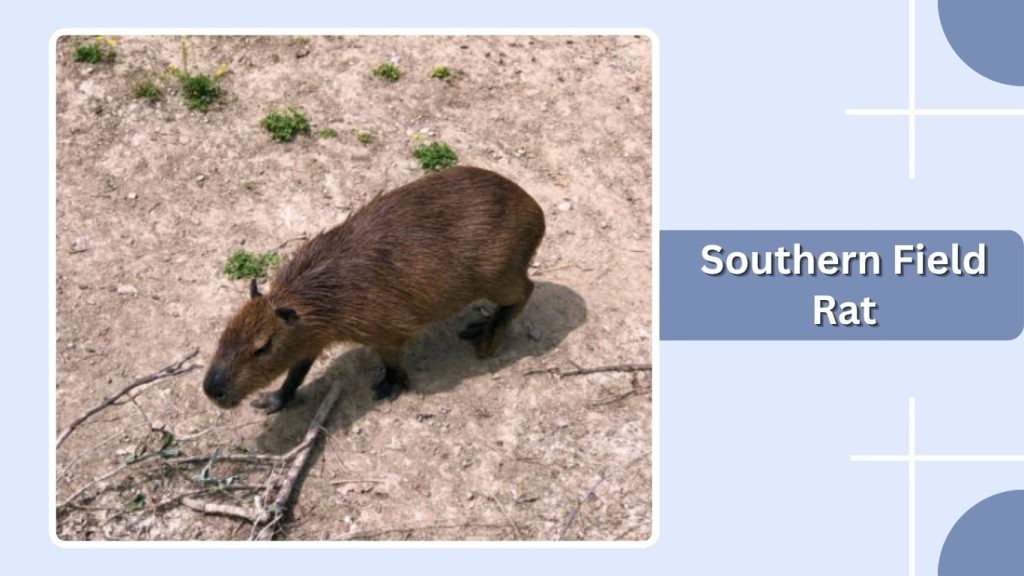
The Southern Field Rat is a rodent species found in the southern regions of Asia and parts of Southeast Asia. It is highly adaptable, inhabiting grasslands, agricultural fields, and open countryside. While occasionally considered a pest, it plays an important role in the ecosystem by dispersing seeds and serving as prey for snakes, birds, and small carnivores.
Identification
- Fur: light brown to gray, with a slightly paler underside
- Medium-length scaly tail
- Rounded ears and dark, alert eyes
- Strong claws for digging and climbing vegetation
Habitat and Distribution
Southern Field Rats are found in farmlands, grasslands, and open fields across southern Asia, including India, Thailand, and neighboring countries. They prefer areas with dense vegetation or crop cover for protection and foraging.
Behavior and Diet
Primarily nocturnal, they feed on grains, seeds, fruits, and small insects. They dig burrows or use natural shelters and often store food in hidden caches to survive periods of scarcity.
Lifespan
In the wild, Southern Field Rats typically live 1–2 years. Predation and food availability influence survival, while captive individuals may live slightly longer.
17. Northern Field Rat
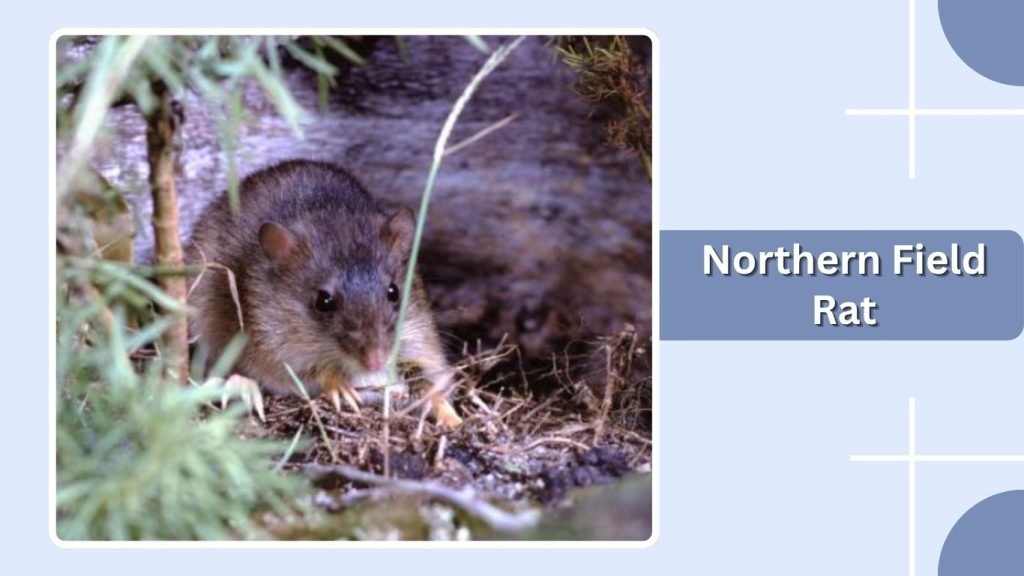
The Northern Field Rat is a rodent species found in the northern regions of Southeast Asia and parts of South Asia. It is highly adaptable to a variety of habitats, including agricultural fields, grasslands, and forest edges. While sometimes considered a pest, it contributes ecologically by dispersing seeds and serving as prey for snakes, birds of prey, and small carnivores.
Identification
- Fur: grayish-brown with lighter underparts
- Medium-length scaly tail
- Small, rounded ears and dark eyes
- Sharp claws for digging and climbing vegetation
Habitat and Distribution
Northern Field Rats inhabit farmlands, rice paddies, and open grasslands across northern Thailand, Vietnam, and neighboring regions. They prefer areas with vegetation cover or crops for shelter and foraging.
Behavior and Diet
Nocturnal and agile, they feed on grains, seeds, fruits, and small insects. They dig burrows or use natural shelters and often store food in hidden caches for future use.
Lifespan
In the wild, Northern Field Rats typically live 1–2 years. Survival is influenced by predation and food availability, while captive individuals may live slightly longer.
18. Western Field Rat
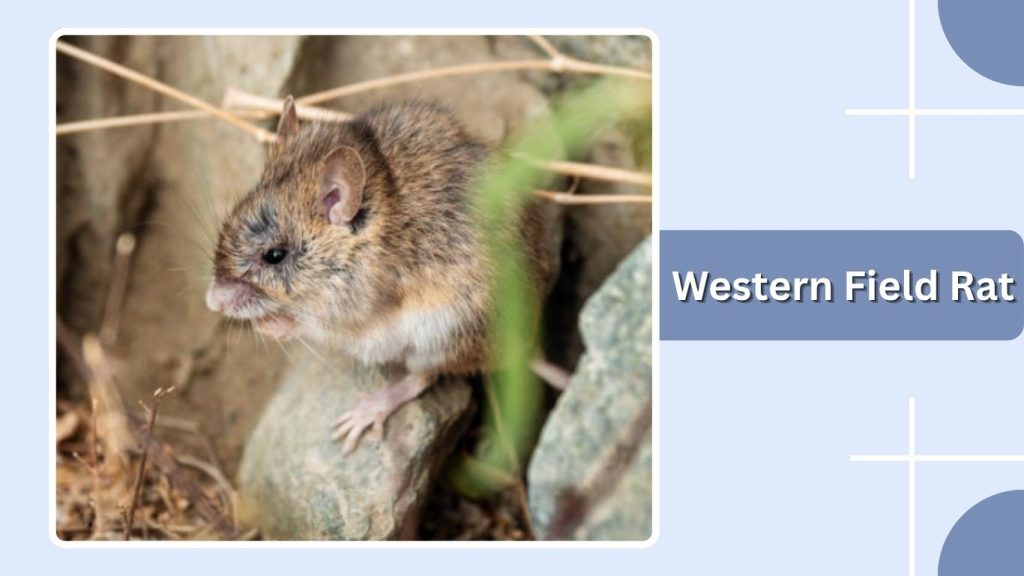
The Western Field Rat is a rodent species native to the western regions of Asia and parts of Southeast Asia. It thrives in agricultural lands, grasslands, and open countryside. While sometimes considered a crop pest, it also plays an ecological role by dispersing seeds and serving as prey for local predators such as snakes, birds, and small mammals.
Identification
- Fur: light brown to gray with a paler underside
- Medium-length scaly tail
- Rounded ears and dark, alert eyes
- Sharp claws for digging and climbing
Habitat and Distribution
Western Field Rats are found in farmlands, grasslands, and open fields in western Southeast Asia, including parts of Thailand, Myanmar, and neighboring countries. They prefer areas with dense vegetation or crop cover for shelter and protection.
Behavior and Diet
Primarily nocturnal, they feed on grains, seeds, fruits, and small insects. They dig burrows or use natural shelters and often store food in hidden caches to survive periods of scarcity.
Lifespan
In the wild, Western Field Rats typically live 1–2 years. Predation and environmental conditions influence survival, while captive individuals may live slightly longer.
19. Eastern Field Rat
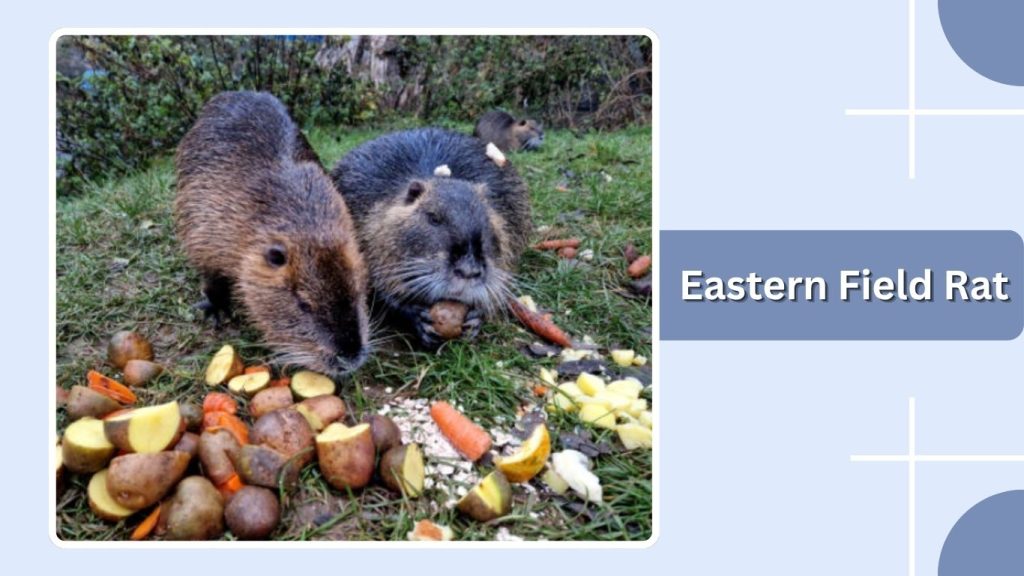
The Eastern Field Rat is a rodent species commonly found in the eastern regions of Southeast Asia. It inhabits grasslands, farmlands, and forest edges, showing great adaptability to both natural and human-altered environments. While occasionally considered a pest, it contributes to the ecosystem by dispersing seeds and serving as prey for snakes, birds, and small carnivores.
Identification
- Fur: light brown to gray with a slightly paler underbelly
- Medium-length scaly tail
- Small, rounded ears and dark eyes
- Strong claws for digging and climbing vegetation
Habitat and Distribution
Eastern Field Rats are found in farmlands, rice paddies, and open grasslands across eastern Thailand, Cambodia, and Vietnam. They prefer areas with vegetation or crop cover for food and shelter.
Behavior and Diet
Nocturnal and agile, they feed on grains, seeds, fruits, and small insects. They dig burrows or take shelter in natural crevices and may store food for later consumption.
Lifespan
In the wild, Eastern Field Rats typically live 1–2 years. Predation and food availability influence survival, while captive individuals may live slightly longer.
20. Mountain Field Rat

The Mountain Field Rat is a rodent species adapted to higher altitude regions and mountainous terrains in Southeast Asia. It is highly agile, allowing it to navigate rocky slopes and uneven landscapes. While sometimes considered a pest in agricultural areas, it plays an important ecological role as a seed disperser and as prey for local predators.
Identification
- Fur: grayish-brown with a lighter underbelly
- Medium-length scaly tail for balance
- Small, rounded ears and dark, alert eyes
- Sharp claws for digging and climbing rocky surfaces
Habitat and Distribution
Mountain Field Rats inhabit mountainous regions, terraced farms, and forest edges across highland areas in countries like Vietnam, Thailand, and Myanmar. They prefer areas with rocks, shrubs, and natural cover for shelter.
Behavior and Diet
Primarily nocturnal, they feed on seeds, grains, fruits, and small insects. They dig burrows or use natural shelters and often store food in hidden crevices to survive periods of scarcity.
Lifespan
In the wild, Mountain Field Rats typically live 1–2 years. Predation and environmental conditions affect their survival, while captive individuals may live slightly longer.
FAQs
What is the primary habitat of field rats?
Field rats are commonly found in agricultural fields, grasslands, forest edges, and open countryside. They prefer areas with dense vegetation, crop cover, or natural crevices for shelter and protection.
Are field rats nocturnal or diurnal?
Most field rat species are nocturnal. They are active at night to forage for food while avoiding predators, returning to burrows or shelters during the day.
What do field rats eat?
Field rats are omnivorous. Their diet mainly consists of grains, seeds, fruits, and occasionally small insects. Many species store food in hidden caches for periods of scarcity.
How long do field rats live?
In the wild, field rats generally live 1–2 years depending on species, predation, and food availability. Captive individuals may live slightly longer under controlled conditions.
Do field rats damage crops?
Yes, many field rat species are considered agricultural pests because they feed on crops like rice, wheat, and other grains. Despite this, they also play an ecological role as seed dispersers and prey for predators.