
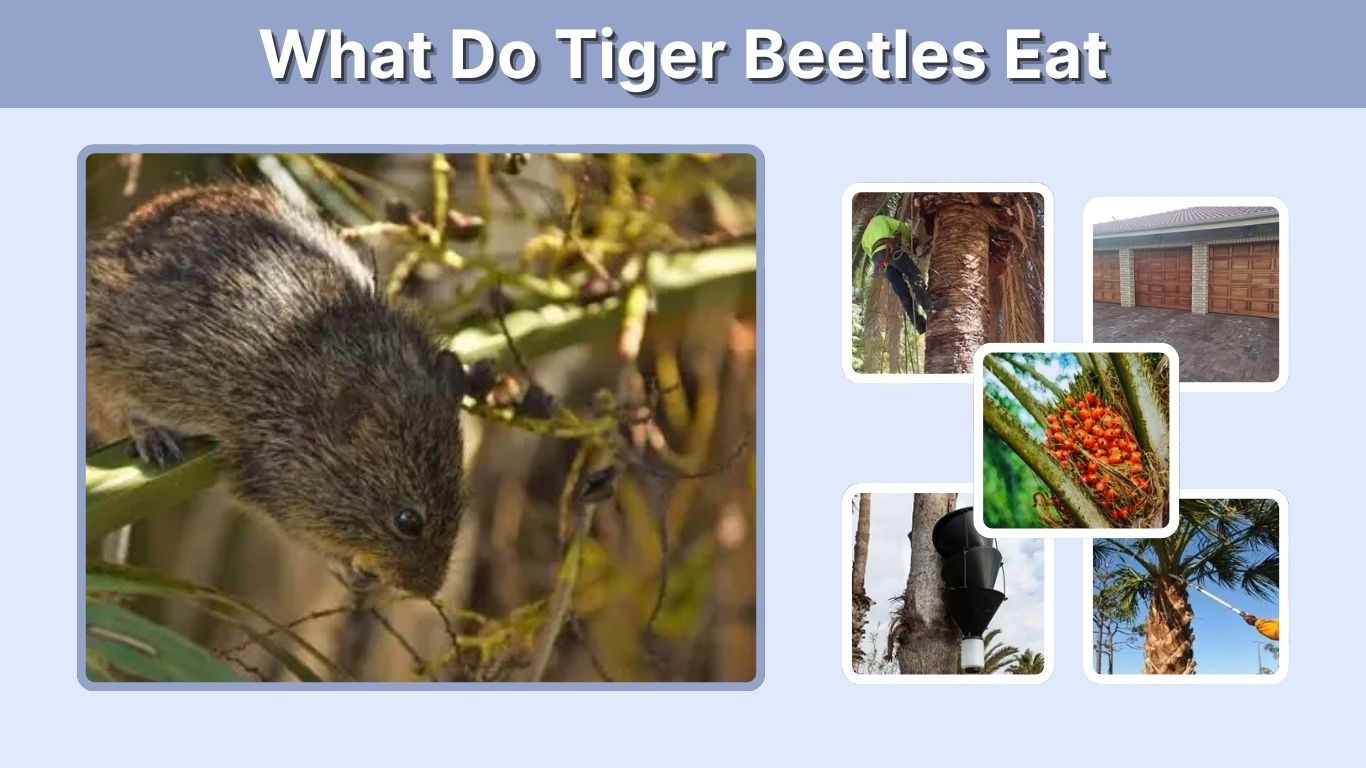
Palm trees can make a yard feel tropical, but their dense fronds, fruit, and sheltered crowns may also provide an attractive home for rats. Palm tree rats are not a separate rat species. The name usually refers to roof rats that climb palms to find food, protection, and nesting materials. Once established, these rodents may enter roofs, attics, garages, and nearby buildings. Understanding why rats choose palm trees, recognizing signs of activity, and removing food and shelter can help prevent a larger infestation.
What Are Palm Tree Rats?
“Palm tree rat” is an informal name commonly used for rats that climb, feed, or nest in palm trees. In many warm regions, especially Florida and California, these rodents are usually roof rats.
Roof rats are excellent climbers with slender bodies, long tails, pointed noses, and large ears. Their climbing ability allows them to move along fences, utility lines, branches, roofs, and palm trunks.
Palm trees do not create rats, but an overgrown or fruit-producing palm can give them several things they need:
- Protected nesting areas
- Edible fruit, nuts, and seeds
- Dead leaves for nesting material
- Access to rooftops and attics
- Cover from predators and bad weather
Norway rats may occasionally forage around the base of palms, but roof rats are much more likely to live above ground.
Do Rats Live in Palm Trees?
Yes, rats can live and nest in palm trees. They often hide inside the dense crown where the fronds attach to the trunk. Dead palm leaves and old boots—the hard bases left after fronds are cut—can create protected cavities where rodents rest or raise their young.
Why Palm Trees Attract Rats
A palm becomes especially appealing when it has a thick, untrimmed canopy. The crowded fronds conceal rats from owls, hawks, cats, and people.
Fruit-producing palms can also provide a regular food supply. Rats may eat ripe fruit, seeds, flowers, insects, and other organic material found in the tree.
Palms growing close to a house present another problem. Rats can use the fronds like bridges to reach gutters, roofs, vents, and attic openings.
Do All Palm Trees Attract Rats?
No. A healthy and properly maintained palm does not automatically attract rats. Problems are more likely when a tree contains dead fronds, fallen fruit, seed pods, heavy foliage, or hidden cavities.
Rats may be attracted to almost any palm that offers dependable food or shelter. However, date palms, queen palms, coconut palms, fan palms, and other fruiting varieties may be particularly appealing when their fruit is allowed to accumulate.
Signs of Rats in Palm Trees
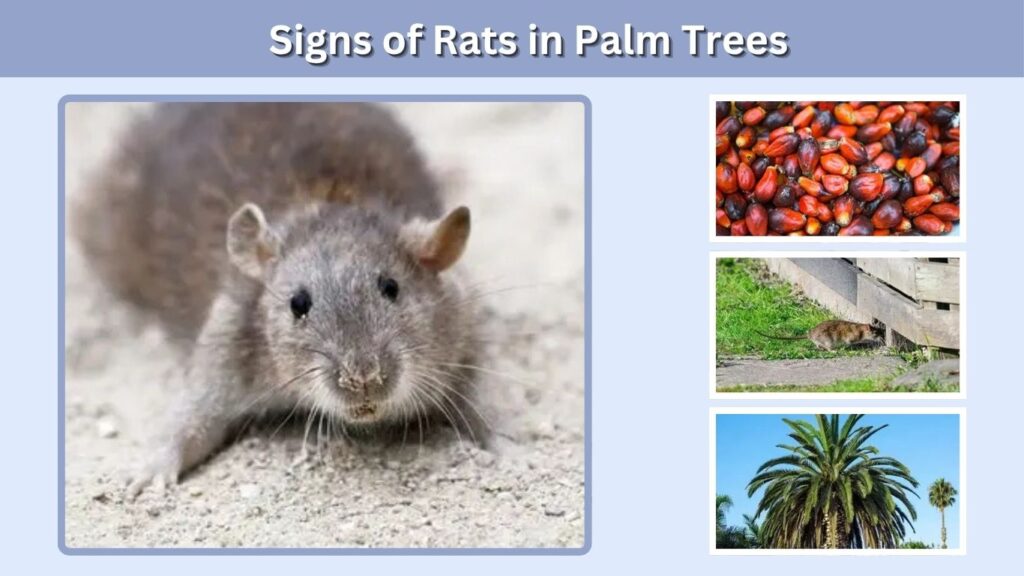
Rats are mainly active after dark, so you may not see them during the day. Instead, look for physical evidence around the tree and nearby structures.
Common Signs of Activity
- Scratching or squeaking noises at night
- Rats running along fronds, fences, or rooflines
- Droppings near the trunk or beneath the canopy
- Gnawed palm fruit, nuts, or seed shells
- Partially eaten fruit on the ground
- Greasy rub marks on climbing routes
- Shredded leaves or nesting materials
- Burrows or hiding places near landscaping
- Gnaw marks around roof vents, soffits, or wires
Roof rat droppings are usually dark, narrow, and pointed at the ends. Finding fresh droppings repeatedly beneath a palm may indicate that rats are feeding or nesting overhead.
What Does a Rat Nest in a Palm Tree Look Like?
A nest may consist of shredded palm fibers, dry leaves, grass, paper, fabric, insulation, or other soft materials. It is often hidden inside the crown rather than clearly visible from the ground.
Some rats occupy natural spaces between frond bases instead of building an obvious nest. A professional inspection may be necessary when the crown is high or difficult to examine safely.
What Do Rats Eat in Palm Trees?
Rats are opportunistic omnivores. They eat whatever food is easiest to reach, including both plant and animal material.
| Food source | Why rats eat it |
| Palm fruit | Rich in sugar and moisture |
| Seeds and nuts | High in calories and fat |
| Seed pods | Easy to access in mature palms |
| Flowers and buds | Soft and nutritious |
| Insects | Provide protein |
| Bird eggs | Available in unprotected nests |
| Pet food | Often left outdoors overnight |
| Garbage | Provides many different foods |
Rats may eat palm tree seeds and nuts, especially after they fall to the ground. Fallen fruit can attract rodents even when they are not nesting in the tree itself.
Can Rats Climb Palm Trees?
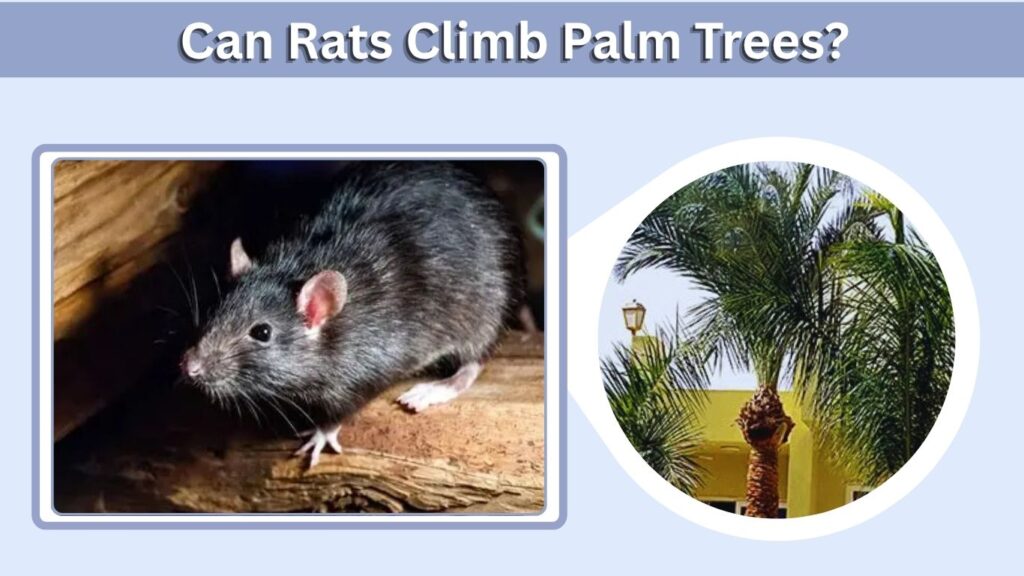
Yes. Roof rats are powerful climbers capable of scaling rough trunks and moving through connected vegetation. Even a tall palm may be accessible if the trunk has textured bark, old frond bases, vines, or nearby structures.
Smooth, cleaned trunks may be more difficult to climb, but they are not always rat-proof. Rats can jump from fences, branches, power lines, walls, or neighboring trees.
A palm touching a roof creates a particularly convenient route. Rats may move from the crown to the house without ever returning to the ground.
Are Palm Tree Rats Dangerous?
Palm tree rats can create health, safety, and property concerns. They may contaminate outdoor surfaces and stored food with droppings, urine, or saliva.
Damage Around Homes
Rats constantly gnaw to control the growth of their teeth. After reaching a building, they may damage:
- Electrical wiring
- Plastic plumbing lines
- Roof insulation
- Air-conditioning ducts
- Stored belongings
- Wooden trim
- Screens and vents
- Garden fruit and vegetables
Damaged electrical wiring may increase the risk of short circuits or fires. Rats may also disturb birds, eat eggs, and compete with native wildlife.
Health Concerns
Rodents can carry pathogens, parasites, fleas, and ticks. The risk is usually associated with direct contact, contaminated surfaces, bites, droppings, or urine.
Avoid handling rats, nests, or droppings with bare hands. Dry sweeping or vacuuming droppings can send contaminated particles into the air. Instead, ventilate the area, wear gloves, moisten the material with disinfectant, and remove it carefully.
How to Get Rid of Rats in Palm Trees
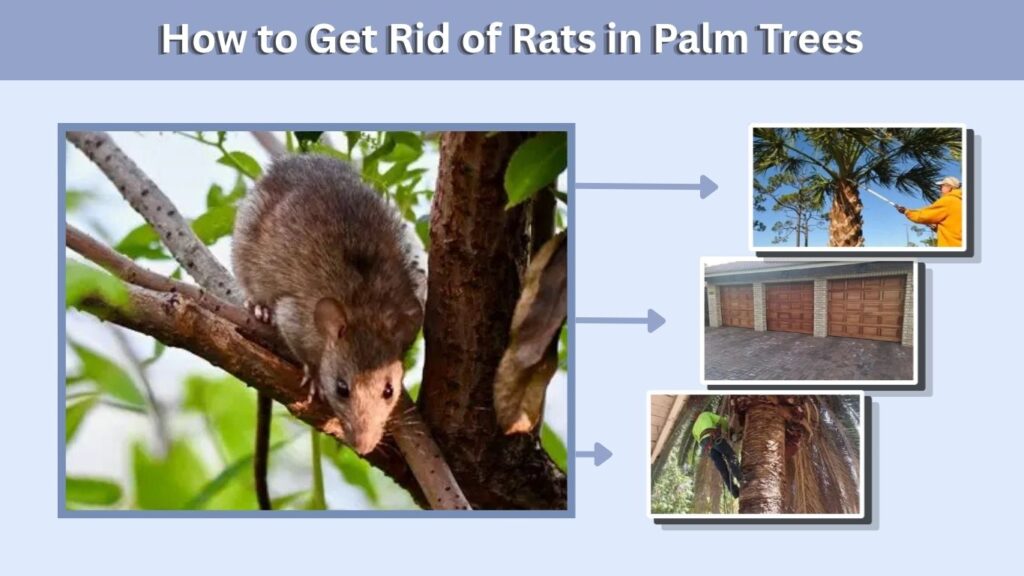
Successful control requires more than removing one visible rat. You must eliminate food, nesting cover, travel routes, and entry points around the property.
1. Trim Dead Palm Fronds
Remove dead, hanging, or tightly packed fronds that create hidden nesting spaces. Also remove loose fiber and unnecessary vegetation around the crown when appropriate for the palm species.
Palm trimming can be dangerous, especially on tall trees. Hire a qualified tree-care professional rather than climbing the tree yourself.
Avoid excessive trimming. Removing too many healthy green fronds may weaken the palm and does not guarantee that rats will disappear.
2. Remove Fruit and Seed Pods
Harvest ripe fruit and remove unwanted seed stalks when it is safe to do so. Clean up fallen fruit, seeds, and shells regularly.
Do not leave piles of palm debris on the ground. They may provide food, shelter, and nesting material.
3. Eliminate Other Food Sources
Palm tree maintenance may fail when other food remains available. Keep pet food indoors overnight, clean grills, secure compost, and use garbage cans with tight-fitting lids.
Clean up spilled birdseed and avoid leaving livestock feed in open containers. Pick ripe garden fruit promptly and remove rotting produce.
4. Block Access to the House
Trim palm fronds and nearby branches so they do not touch the roof, walls, windows, or utility lines. A wider separation is better because rats can jump between surfaces.
Inspect the building for openings around:
- Roof vents
- Eaves and soffits
- Pipes and cables
- Garage doors
- Attic vents
- Air-conditioning lines
- Damaged screens
Seal small openings with durable, rodent-resistant materials. Rats can squeeze through surprisingly narrow gaps.
5. Use Traps Carefully
Snap traps can be effective when placed along known travel routes or inside buildings. Position them where children, pets, birds, and other wildlife cannot reach them.
Use multiple traps because a property may contain more than one rat. Bait options may include peanut butter, nuts, dried fruit, or foods already being eaten on the property.
Avoid placing unsecured traps high in palm trees. They may fall, injure wildlife, or become difficult to monitor.
6. Consider a Palm Tree Rat Guard
A rat guard is a smooth metal barrier fitted around the trunk to make climbing more difficult. It may help when rats have no other route into the canopy.
A guard will not work well when rats can jump from nearby trees, walls, wires, or roofs. Improper installation may also damage the palm, so professional fitting is recommended.
7. Contact a Pest-Control Professional
Professional help is useful when rats are nesting high in a tree, entering the attic, avoiding traps, or appearing in large numbers.
A licensed technician can identify the rodent species, locate entry points, recommend safe trap placement, and develop a control plan that reduces risks to pets and wildlife.
How to Keep Rats Out of Palm Trees
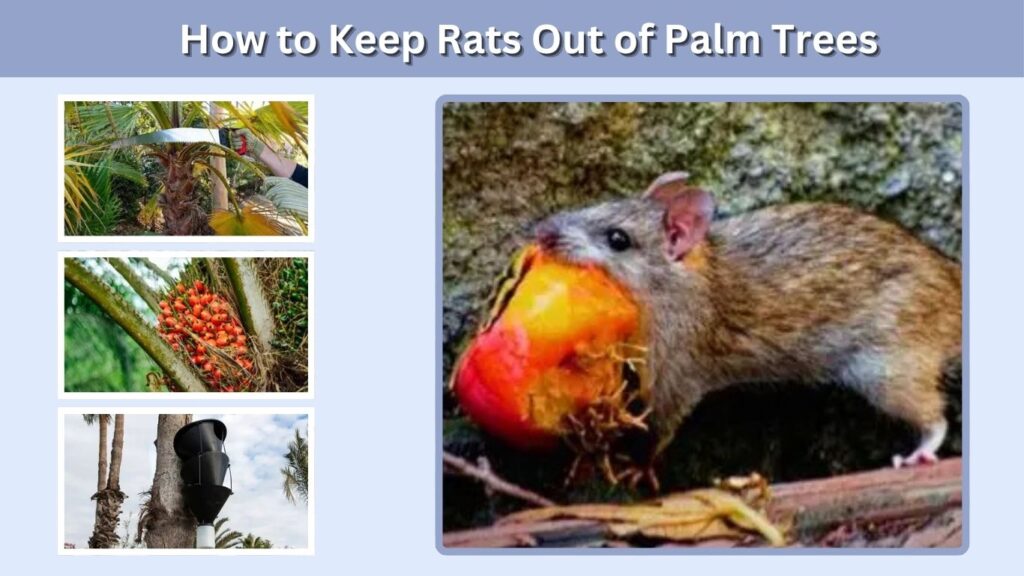
Prevention depends on making the entire property less attractive, not just treating one tree.
Maintain palms regularly and remove dead vegetation before it becomes a thick nesting area. Keep the ground beneath palms clear of fruit, seed pods, garbage, and clutter.
Store animal feed in sealed containers and repair leaking faucets or irrigation lines that provide drinking water. Keep shrubs trimmed away from walls and remove vines that allow rodents to climb.
Inspect roofs, attics, sheds, garages, and outdoor kitchens several times a year. Early repairs are usually easier than controlling a well-established infestation.
Palm Tree Rats in Florida and California
Palm tree rat problems are frequently reported in Florida and California because both regions have warm climates, abundant palms, fruit trees, and long rodent breeding seasons.
In Florida, roof rats may shelter in palm crowns and then enter attics through roof gaps, soffits, or vents. In California, rats may feed on palm seeds, citrus, avocados, nuts, and backyard produce.
The same prevention principles apply in both locations: trim vegetation, remove fruit, secure food, separate trees from buildings, and seal structural openings.
FAQs
Do palm trees naturally contain rats?
No. Palm trees do not naturally contain rats, and many palms remain rodent-free. Rats move into palms when they find food, nesting cover, or an easy route to nearby buildings. Regular trimming, sanitation, and property maintenance can make a palm much less attractive.
Do dead palm leaves attract rats?
Dead leaves may attract rats by creating hidden, weather-protected spaces where they can rest or build nests. The leaves themselves may also be shredded for nesting material. Removing dead fronds and loose debris reduces shelter, although food sources must also be controlled.
Do rats eat palm tree seeds?
Yes, rats may eat palm seeds, nuts, fruit, and seed pods. Fallen seeds can create a dependable food source beneath the tree. Regular cleanup is important, particularly during fruiting seasons when large quantities may collect on lawns, roofs, or sidewalks.
How do I know whether rats are nesting in my palm?
Look for nighttime movement, droppings, gnawed fruit, shredded plant fibers, greasy marks, and repeated scratching sounds. Because nests are often hidden inside the crown, confirmation may require inspection by a tree-care or pest-control professional.
Will trimming a palm tree get rid of rats?
Trimming can remove nesting cover and make rats easier to detect, but it may not solve the entire problem. Rats can remain nearby when food, water, roof access, or other hiding places are available. Combine trimming with sanitation, trapping, exclusion, and regular monitoring.