
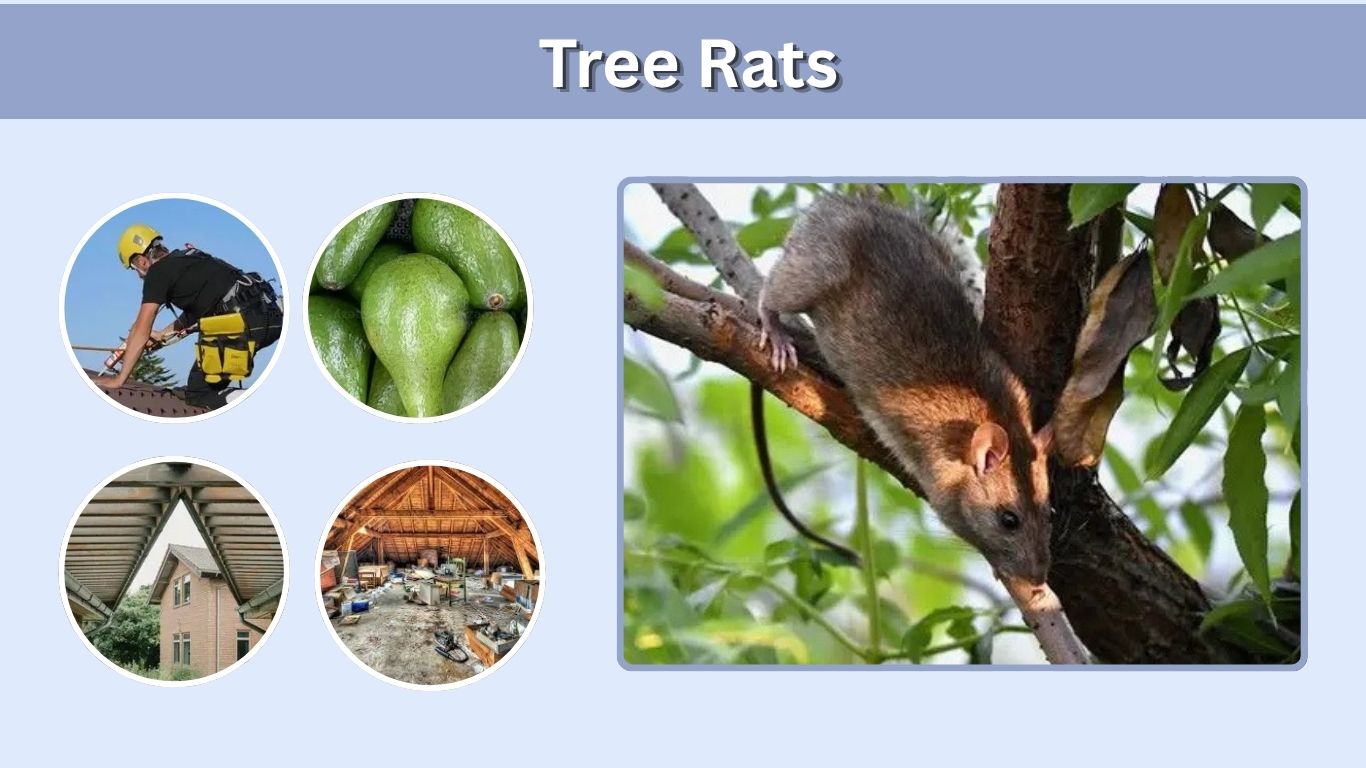
Tree rats are climbing rodents commonly found in trees, roof spaces, attics, fences, and dense vegetation. In American pest-control searches, the term usually refers to the roof rat, also called the black rat, ship rat, fruit rat, citrus rat, or palm rat. These agile rodents are especially noticeable in warm regions such as Florida, where palms and fruit trees provide food and shelter. Learning how to recognize their appearance, damage, diet, and entry routes is essential for controlling an infestation safely.
What Are Tree Rats?
“Tree rat” is an informal name rather than the official name of one particular species. Although several wild rodents live in trees, household tree-rat complaints usually involve roof rats, scientifically known as Rattus rattus. Roof rats are strong climbers that can live in vegetation or occupy the upper floors, ceilings, and attics of buildings.
Roof Rats and Palm Tree Rats
Palm tree rats are generally roof rats that shelter, travel, or feed in and around palms. Their ability to climb branches, walls, utility lines, vines, and fences allows them to reach roofs without approaching a building from ground level.
Roof rats are usually slender, with relatively large ears, a pointed muzzle, and a long, nearly hairless tail. The tail is typically longer than the combined length of the head and body and helps the animal balance while climbing.
| Feature | Roof or tree rat | Norway rat |
| Body shape | Slim and agile | Heavy and stocky |
| Muzzle | Pointed | Blunt |
| Ears | Relatively large | Relatively small |
| Tail | Usually longer than body | Usually shorter than body |
| Preferred location | Trees, roofs and attics | Ground floors, drains and burrows |
| Climbing ability | Excellent | Less specialized |
Are Squirrels Tree Rats?
Squirrels are not rats, even though both animals are rodents and may live in trees. Squirrels belong to the family Sciuridae, which includes tree squirrels, ground squirrels, flying squirrels, chipmunks and marmots. Typical rats belong to a different family, Muridae.
Squirrels normally have bushier tails and are commonly active during daylight. Roof rats have thin tails and usually emerge after dark. However, identification should be based on several features because poor lighting can make the animals difficult to distinguish.
Where Do Tree Rats Live?
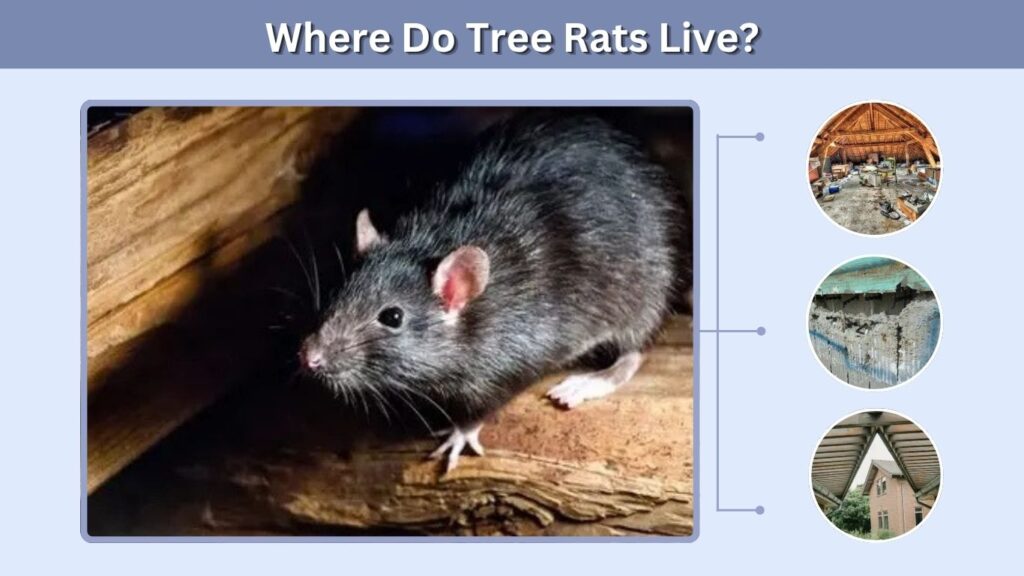
Roof rats prefer elevated, protected locations near dependable sources of food and water. Outdoors, they may nest in palms, thick vines, hedges, fruit trees, woodpiles and dense shrubs. Indoors, they commonly occupy attics, wall voids, soffits, roof spaces and storage buildings.
Palm Tree Rats in Florida
Roof rats are a significant rodent pest in Florida. The state’s warm climate, abundant vegetation, citrus trees and ornamental palms provide suitable habitat throughout the year. These rats may move from trees to buildings by following overhanging branches, fences, vines or utility cables.
The presence of rats in a palm does not necessarily mean they are eating the tree itself. The palm may provide fruit, seeds, nesting material, hiding places or convenient access to a nearby roof.
Signs of a Tree-Rat Infestation
Common evidence includes:
- Dark droppings in attics, cupboards or along travel routes
- Scratching or running sounds above ceilings at night
- Gnaw marks on wood, plastic containers or electrical wiring
- Damaged fruit still hanging on trees
- Greasy rub marks beside rafters, pipes or openings
- Shredded insulation, paper or plant material used for nesting
Roof rats may hollow out oranges, avocados and other fruits, sometimes leaving an empty skin hanging from the branch. They can also damage nuts, bark, stems and stored food.
What Do Tree Rats Eat?
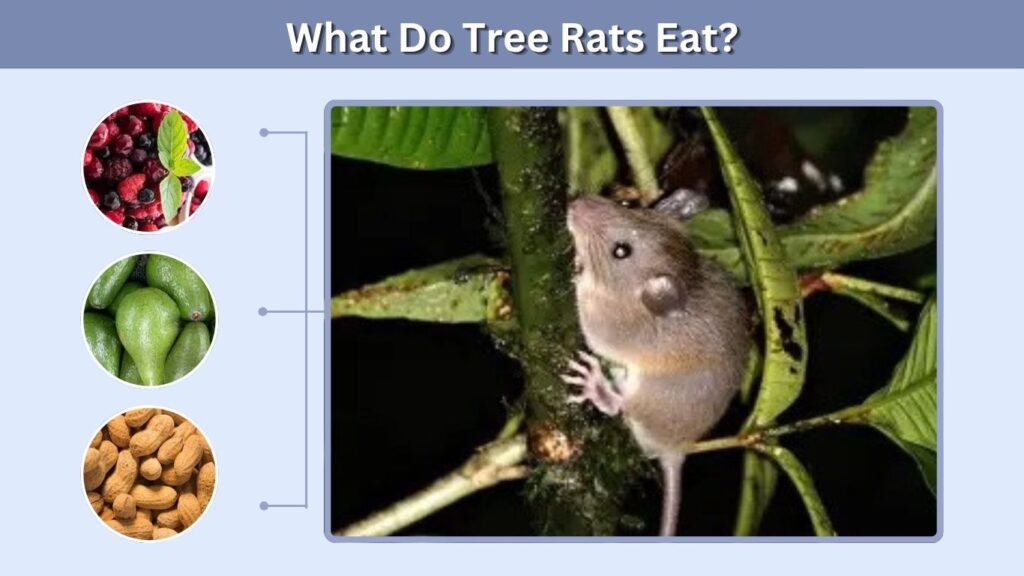
Tree rats are opportunistic feeders. Roof rats commonly prefer plant-based foods, particularly fruit, nuts, seeds and tender vegetation, but they readily use human food when it is available.
Their diet can include citrus fruits, avocados, berries, palm fruit, nuts, birdseed, vegetables, pet food, livestock feed, garbage and food stored inside buildings. Removing these resources is therefore one of the most important parts of long-term control.
Pick ripe and fallen fruit promptly, clean beneath bird feeders and avoid leaving pet food outdoors overnight. Garbage should be stored in containers with tight-fitting lids. Indoor food, including animal feed, should be kept in durable containers that rats cannot easily chew through.
Are Tree Rats Dangerous?
Tree rats usually try to avoid people, but an infestation should not be ignored. The main concerns are food contamination, disease exposure, property damage and the possibility of bites when a rat is cornered or handled.
Health Risks
Wild rodents can carry organisms that spread through urine, droppings, saliva, contaminated food, bites or parasites. Risk increases when people handle rodents or clean contaminated areas incorrectly.
Finding one rat does not mean someone will become ill. Nevertheless, direct contact should be avoided, and contaminated surfaces should be cleaned using recommended precautions.
Damage to Homes and Trees
A roof rat’s continuously growing teeth require regular gnawing. Rats may chew wooden structures, plastic pipes, food containers, insulation and electrical wiring. In orchards and gardens, they can eat fruit, damage nuts and girdle branches or stems.
Chewed wiring can create an electrical or fire hazard. Rats may also contaminate stored food with droppings and urine, making affected products unsafe to use.
How to Get Rid of Tree Rats
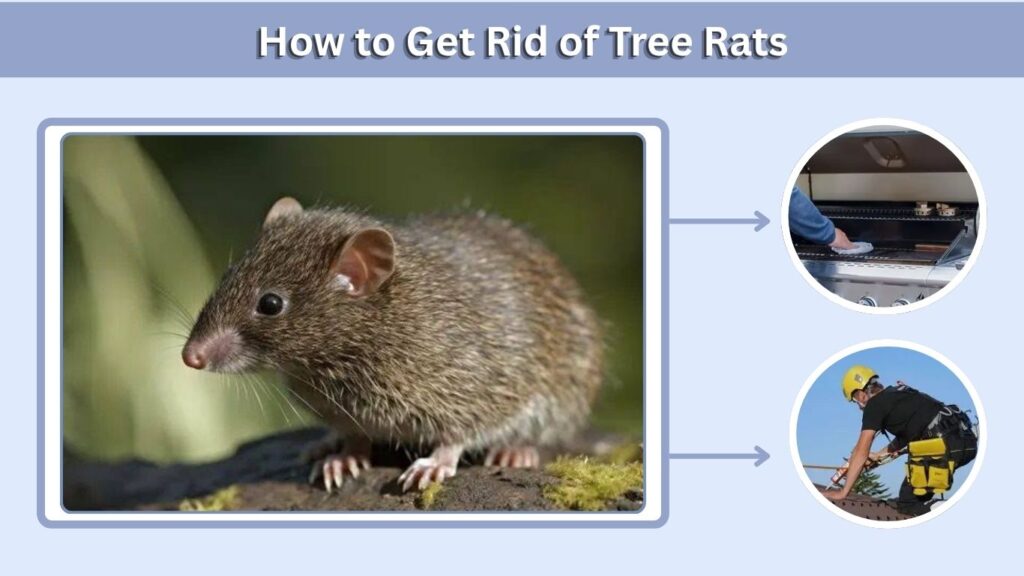
Effective control combines food removal, landscape management, building exclusion, monitoring and trapping. Killing a few rats without removing their food and entry routes often provides only temporary relief.
Remove Food and Shelter
Harvest fruit as it ripens and remove fallen produce. Clean grills and outdoor eating areas, secure garbage, reduce clutter and store pet food or birdseed in sealed containers.
Trim dense groundcover and remove unused piles of lumber or debris. Palm trees should be maintained, with dead fronds and heavy accumulations of organic material removed where appropriate.
Block Access to the Roof
Prune tree limbs and vines that touch or overhang the building. Inspect soffits, vents, roof edges, doors, utility openings and damaged screens. Seal accessible gaps with durable rodent-resistant materials rather than relying only on soft foam, which rats may chew. The CDC recommends locating and sealing holes to prevent rodents from entering buildings.
Before permanently closing an opening, confirm that animals are not trapped inside. Sealing an active nest can create odor problems and may cause rats to chew new exit holes.
Use Traps Carefully
Rat-sized snap traps are generally recommended for household infestations. Place traps along known travel routes, such as walls, rafters or protected attic areas, with the trigger facing the route. All traps must remain inaccessible to children and pets.
Roof rats can be cautious around unfamiliar objects, so traps may be left baited but unset briefly before being activated. Outdoor trapping must be designed to avoid catching birds, squirrels and other wildlife. UC guidance advises against outdoor glue boards because they can capture nontarget animals.
Professional pest control is appropriate when rats are inside inaccessible walls, the infestation is extensive, or safe trap placement is difficult.
Clean Droppings Safely
Do not sweep or vacuum dry droppings, urine or nesting material. This can send contaminated particles into the air. Ventilate the area when possible, wear rubber or plastic gloves, thoroughly wet contaminated material with disinfectant, and follow public-health cleanup guidance.
What Are Black-Footed Tree Rats?
The black-footed tree-rat is not the same animal as the invasive roof rat discussed in household pest searches. It is a large native Australian rodent found in the tropical north. It is nocturnal, shelters mainly in tree hollows and has shaggy fur, large dark ears and a hairy tail with a pale or white tip.
These native animals should not be treated as household roof rats. Anyone who encounters an injured black-footed tree-rat in Australia should contact a veterinarian, wildlife ranger or licensed wildlife-care organization.
FAQs
Do tree rats actually live in trees?
Yes. Roof rats are excellent climbers and may shelter in palms, fruit trees, dense vines or tree cavities. They also travel through branches to reach roofs and attics. However, they can nest inside buildings even when no obvious tree nest is present.
Are palm rats active during the day?
Palm or roof rats are primarily nocturnal, so they usually forage after sunset. A daytime sighting may occur when a nest is disturbed, food competition is high or the population is large, but one daytime observation does not automatically prove a severe infestation.
Will trimming palm trees remove rats?
Trimming can reduce shelter and nesting material, but it rarely solves the problem alone. Food sources, connecting branches, roof openings and nearby vegetation must also be addressed. Rats may simply relocate to another tree or enter a building when only one palm is treated.
What smells keep tree rats away?
Strong odors may temporarily disturb rats, but scent-based repellents rarely provide dependable long-term control. Sanitation, exclusion and well-positioned traps address the reasons rats remain on a property. Avoid using unregistered chemicals or household products in ways that could endanger children, pets or wildlife.
Should I use poison for tree rats?
Poison can endanger pets and wildlife and may leave dead rats inside walls or ceilings. The CDC recommends snap traps first and limiting rodenticide use to persistent infestations, using registered products as directed. A licensed professional can determine whether secured bait stations are appropriate.