
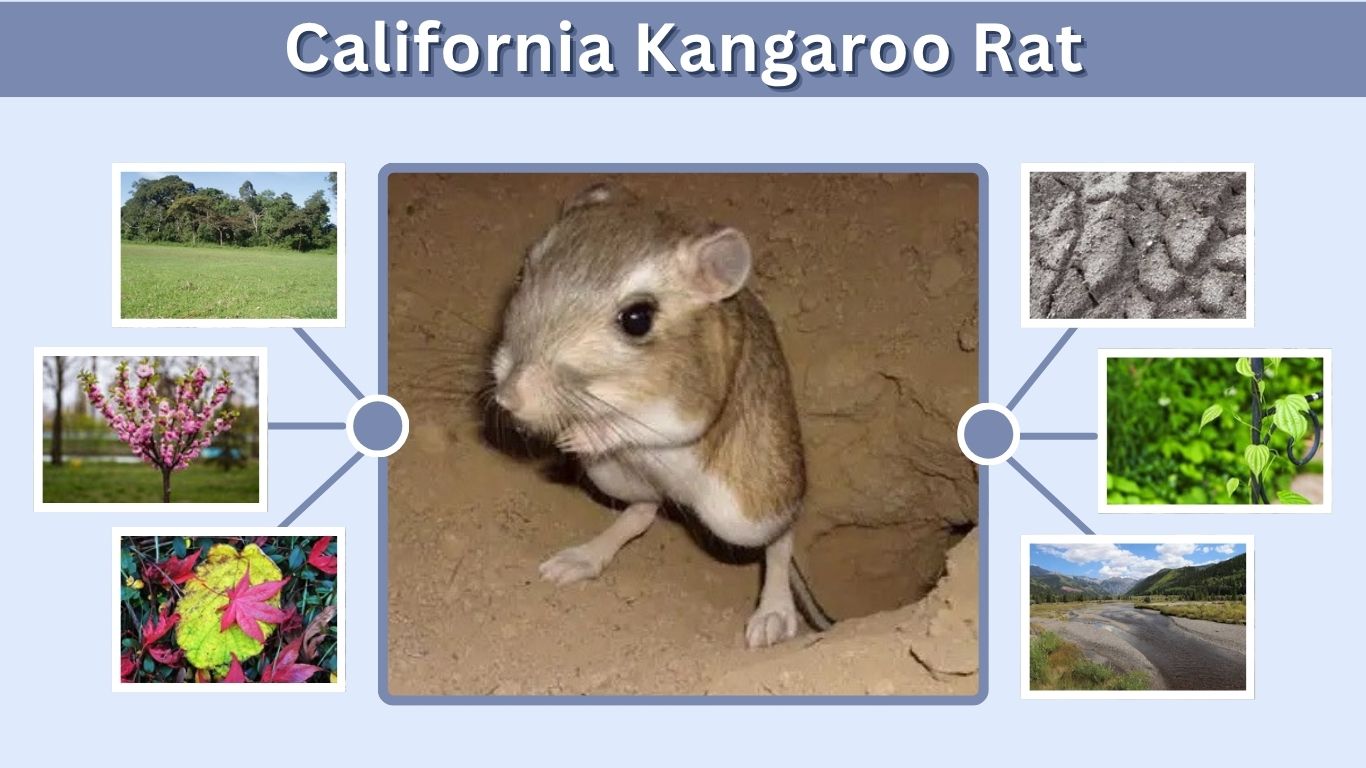
The California kangaroo rat usually refers to Dipodomys californicus, a small hopping rodent found in parts of northern California and nearby southern Oregon. However, the phrase can also mean any kangaroo rat species living in California, including endangered species such as the giant kangaroo rat, Fresno kangaroo rat, and Tipton kangaroo rat. These desert and grassland rodents are important seed eaters, burrow builders, and prey for many California predators.
Are There Kangaroo Rats in California?
Yes, kangaroo rats live in California. The state has several kangaroo rat species and subspecies, especially in dry grasslands, deserts, scrublands, sandy soils, and parts of the San Joaquin Valley. The California kangaroo rat, Dipodomys californicus, occurs from the San Francisco Bay area northward into northern California and southern Oregon, including parts of the Sacramento Valley and nearby foothills.
Kangaroo rats are not true rats like city rats. They belong to the family Heteromyidae, a group that includes kangaroo rats, kangaroo mice, and pocket mice. Their long back legs, large feet, and long tails help them hop quickly across open ground.
California Kangaroo Rat Identification
The California kangaroo rat is small, nocturnal, and built for jumping. It is easiest to recognize by its large hind feet, long tail, and seed-carrying cheek pouches.
Identification
- Small rodent with a compact body
- Long hind legs and large back feet
- Long tail used for balance while hopping
- Large dark eyes for nighttime activity
- Sandy brown, tan, or grayish upper fur
- Pale or whitish underside
- External cheek pouches for carrying seeds
- Moves by hopping instead of running like a house mouse
The California kangaroo rat is often confused with kangaroo mice, pocket mice, deer mice, and young pack rats. The hopping movement and large hind feet are the best quick clues.
California Kangaroo Rat Habitat
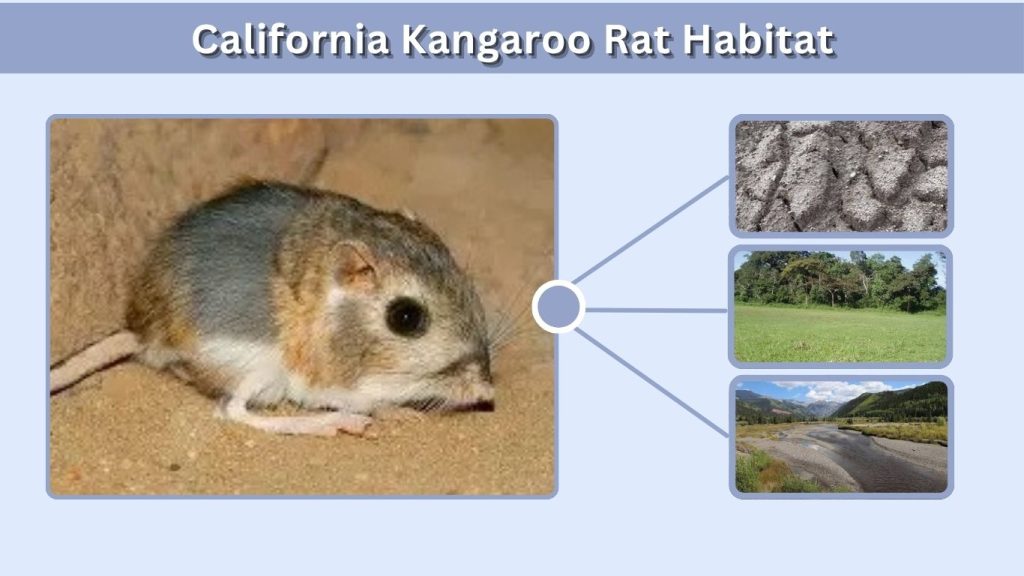
California kangaroo rats prefer dry, open habitats where the soil is loose enough for digging. They make burrows for shelter, food storage, and protection from heat and predators. These burrows are especially important because kangaroo rats are mostly active at night and spend hot daytime hours underground.
Common Habitat Types
- Dry grasslands
- Open scrubland
- Sandy or loose soils
- Valley floors
- Foothill edges
- Desert margins
- Open areas with scattered shrubs
The species Dipodomys californicus has been recorded in California from around the San Francisco Bay area north to south-central Oregon, and it occurs on the floor of the Sacramento Valley and below about 400 meters in nearby foothills.
What Do California Kangaroo Rats Eat?
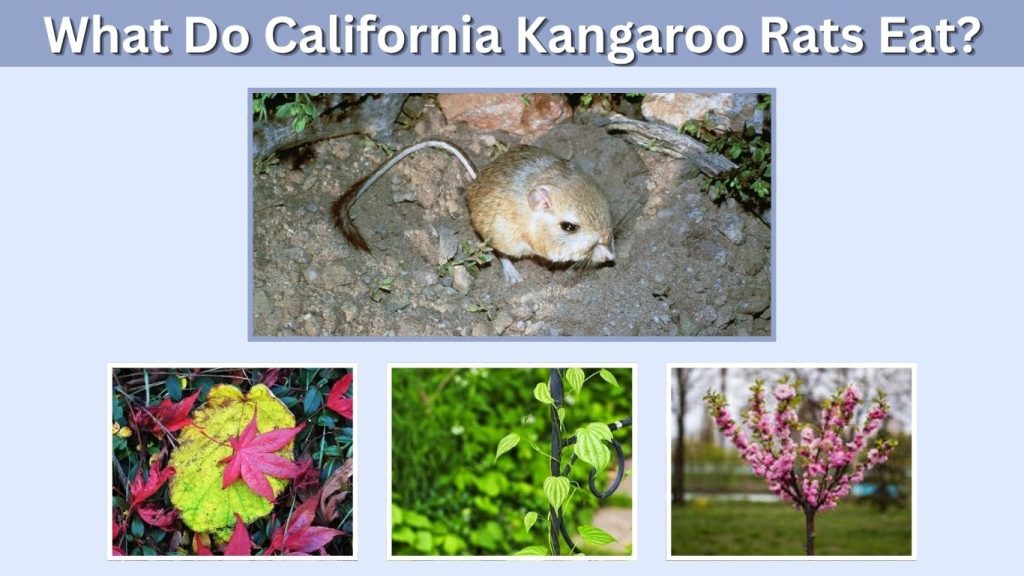
California kangaroo rats mainly eat seeds. Like other kangaroo rats, they gather food and carry it in cheek pouches back to burrows or storage areas. This helps them survive dry seasons when fresh plant material is limited.
Some kangaroo rats also eat leaves, stems, buds, fruits, or insects when available. Fresno kangaroo rats, for example, are described as mainly granivorous but may also eat plant parts and insects.
Are California Kangaroo Rats Endangered?
The answer depends on which kangaroo rat you mean. The species called the California kangaroo rat (Dipodomys californicus) is listed as Least Concern by the IUCN according to Animal Diversity Web.
However, several kangaroo rats in California are endangered or threatened. This is why the keyword California kangaroo rat endangered can be confusing.
| Kangaroo Rat | Scientific Name | Status |
| California kangaroo rat | Dipodomys californicus | IUCN Least Concern |
| Giant kangaroo rat | Dipodomys ingens | Federally endangered |
| Fresno kangaroo rat | Dipodomys nitratoides exilis | Federally endangered |
| Tipton kangaroo rat | Dipodomys nitratoides nitratoides | Federally endangered |
| Stephens’ kangaroo rat | Dipodomys stephensi | Federally threatened |
The giant kangaroo rat lives mainly in grassland areas along the western edge of California’s San Joaquin Valley and was listed as endangered in 1987. The Fresno kangaroo rat is also listed as endangered, while the Tipton kangaroo rat is an endangered San Joaquin Valley subspecies. Stephens’ kangaroo rat was downlisted from endangered to threatened in 2021 after its status improved.
Important Kangaroo Rats in California
California has more than one kangaroo rat of conservation interest. Some are common enough to be seen as part of natural desert ecosystems, while others are rare and protected.
Giant Kangaroo Rat
The giant kangaroo rat is the largest kangaroo rat species. It lives in grasslands along parts of the San Joaquin Valley, Carrizo Plain, and nearby valleys. It is endangered because much of its historic habitat has been lost or fragmented.
Tipton Kangaroo Rat
The Tipton kangaroo rat is a San Joaquin Valley subspecies. It once occurred more widely on the valley floor, but much of its habitat has been converted to agricultural, urban, and industrial uses.
Fresno Kangaroo Rat
The Fresno kangaroo rat is another endangered San Joaquin Valley kangaroo rat. It is small, seed-eating, and closely tied to remaining natural valley habitats. The U.S. Fish and Wildlife Service lists it as endangered.
Stephens’ Kangaroo Rat
Stephens’ kangaroo rat lives in southern California grassland and open scrub habitats. It was originally listed as endangered in 1988 but was downlisted to threatened in 2021.
Why California Kangaroo Rats Are Important
Kangaroo rats are small, but they play a large role in California ecosystems. They collect and store seeds, dig burrows, move soil, and provide food for snakes, owls, foxes, coyotes, badgers, and other predators.
Their burrowing can also affect plant growth and soil structure. In some grassland and desert habitats, kangaroo rats act like ecosystem engineers because their digging and seed storage influence the surrounding plant community.
Can You Keep a California Kangaroo Rat as a Pet?
No, a California kangaroo rat is not a good pet. Kangaroo rats are wild native rodents, and some species or subspecies in California are protected. Even species that are not endangered are adapted to wild habitats, burrows, special diets, and nighttime activity.
A domestic gerbil, hamster, or pet mouse is a much better choice for someone looking for a small rodent pet.
California Kangaroo Rat vs House Rat
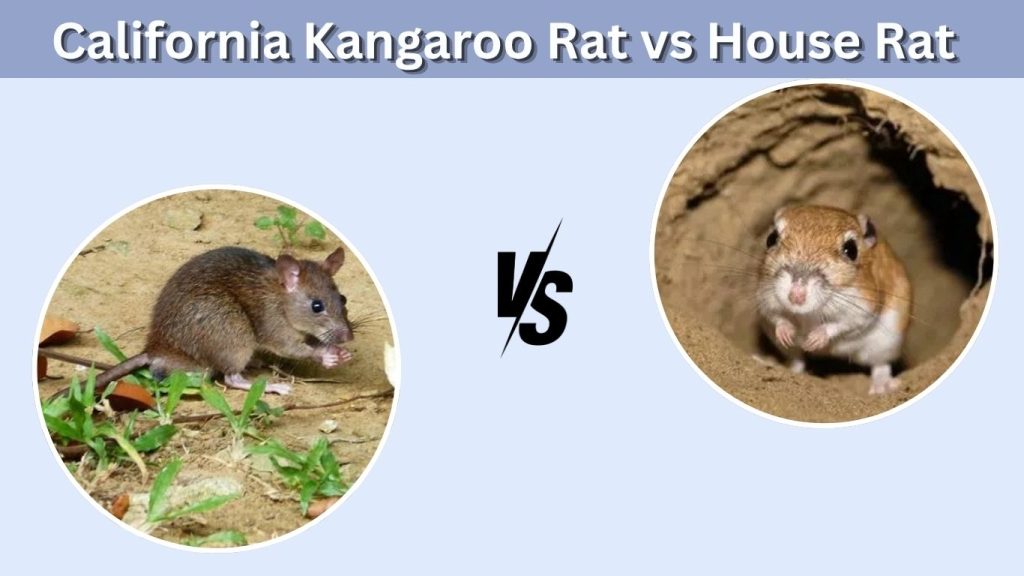
A California kangaroo rat is very different from a house rat. House rats are larger, more invasive, and often live near people. Kangaroo rats are native wildlife that usually avoid homes and live in natural dry habitats.
| Feature | California Kangaroo Rat | House Rat |
| Native to California | Yes | No |
| Movement | Hops on hind legs | Runs on all four feet |
| Habitat | Grassland, scrub, desert-like areas | Cities, farms, buildings |
| Diet | Mostly seeds | Omnivorous |
| Tail | Long, used for balance | Long, scaly-looking |
| Pet suitability | Not suitable | Domestic rats can be pets |
FAQs
Do kangaroo rats live in California?
Yes, kangaroo rats live in California. They occur in dry grasslands, desert areas, scrublands, and parts of the San Joaquin Valley. Several species and subspecies live in the state, including the California kangaroo rat, giant kangaroo rat, Tipton kangaroo rat, and Stephens’ kangaroo rat.
Is the California kangaroo rat endangered?
The species called the California kangaroo rat, Dipodomys californicus, is listed as Least Concern. However, several kangaroo rats in California are endangered or threatened, including the giant kangaroo rat, Fresno kangaroo rat, Tipton kangaroo rat, and Stephens’ kangaroo rat.
Where do California kangaroo rats live?
California kangaroo rats live in dry, open habitats with loose soil for burrowing. They can be found in grasslands, scrublands, valley floors, foothill edges, and sandy areas. Some endangered species are strongly associated with the San Joaquin Valley.
What does a California kangaroo rat eat?
A California kangaroo rat mainly eats seeds. It collects seeds in cheek pouches and stores them in or near its burrow. Some kangaroo rats may also eat leaves, stems, buds, fruits, or insects when available.
Can kangaroo rats survive without drinking water?
Many kangaroo rats are highly adapted to dry habitats and can get much of their moisture from seeds and plant material. They also conserve water efficiently and spend hot daytime hours in burrows, where conditions are cooler and more stable.