
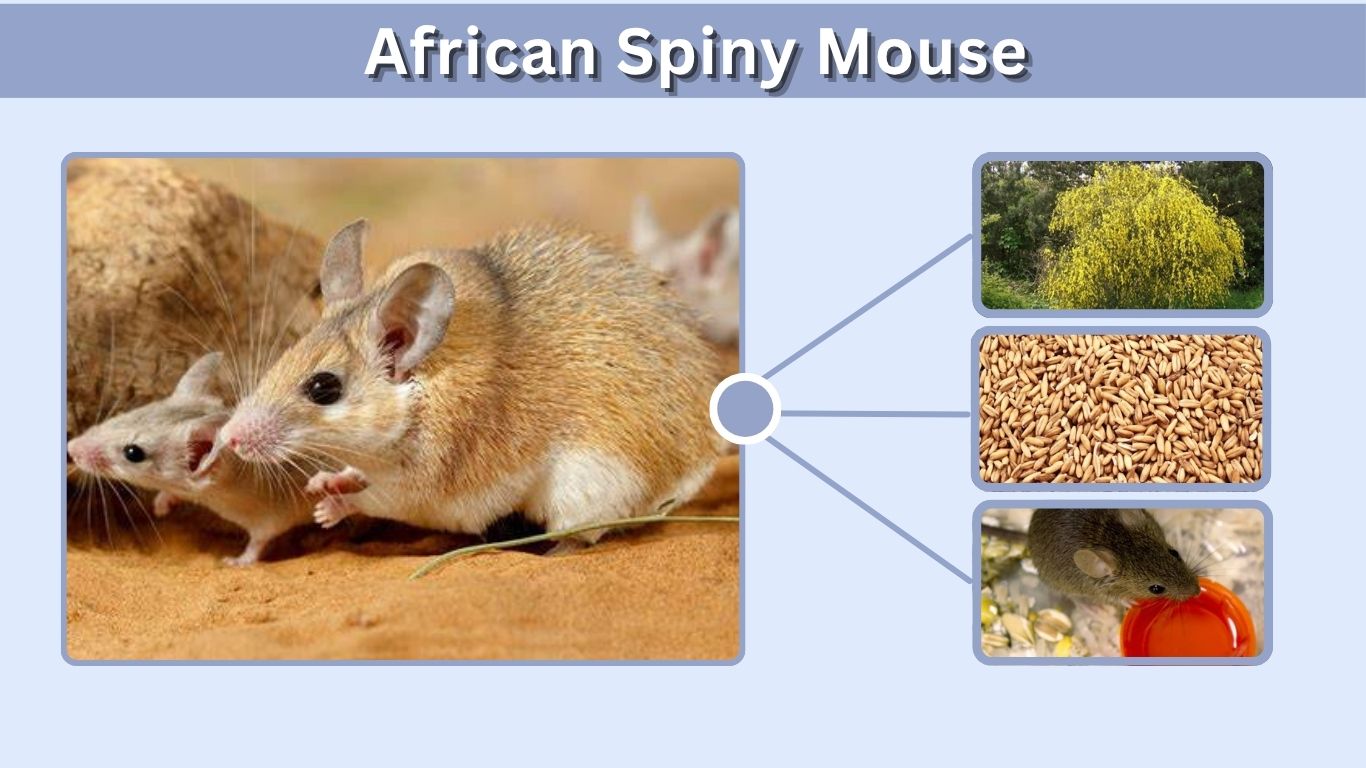
The African spiny mouse is a small rodent best known for its stiff, spiny fur and unusual healing ability. Unlike common pet mice, spiny mice belong to the genus Acomys and are often studied because some species can shed fragile skin and heal wounds with little scarring. This guide covers African spiny mouse habitat, diet, adaptations, regeneration, pet care interest, and why researchers are so interested in this animal.
What Is an African Spiny Mouse?
The African spiny mouse is not one single species. It usually refers to several rodents in the genus Acomys, including species such as the Cairo spiny mouse and other African and Middle Eastern spiny mice. They are small, fast-moving rodents with coarse guard hairs on the back that give them a prickly or spiny appearance.
These mice are mainly known for two things: their desert-adapted lifestyle and their remarkable tissue repair. Scientists study them as an emerging mammalian model for scarless wound healing and regeneration.
African Spiny Mouse at a Glance
| Feature | African Spiny Mouse |
| Genus | Acomys |
| Animal type | Rodent |
| Size | Small mouse-sized mammal |
| Fur | Coarse, spiny hairs on the back |
| Diet | Omnivorous |
| Habitat | Dry, rocky, grassy, and semi-arid areas |
| Best-known trait | Skin shedding and regeneration |
| Pet status | Kept by some exotic rodent hobbyists |
Where Does the African Spiny Mouse Live?
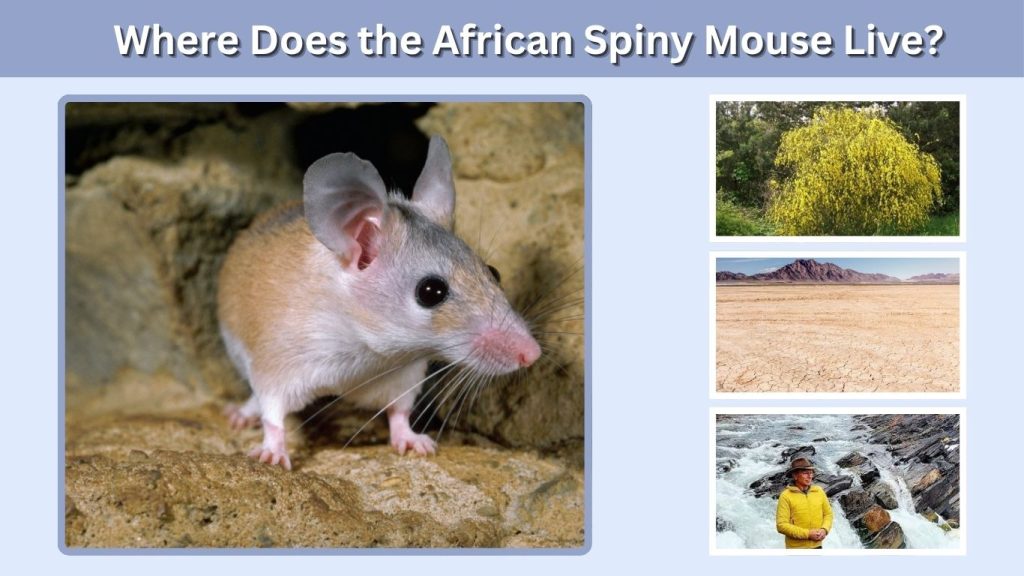
African spiny mice live across parts of Africa and the Middle East, depending on the species. They are often associated with dry habitats, rocky areas, savannas, grasslands, scrublands, and semi-desert regions.
Some species also live near human settlements where they may feed on stored grain, crops, or food scraps. Their natural habitats usually provide hiding spaces such as rocks, burrows, vegetation, cracks, and abandoned shelters.
Common Habitat Features
African spiny mice are often found in places with:
- Dry or semi-arid climate
- Rocky cover
- Grass or scrub vegetation
- Warm temperatures
- Seeds and insects
- Shelter from predators
- Low moisture environments
Their ability to survive in harsh habitats makes them different from many common house mice.
African Spiny Mouse Appearance
African spiny mice look similar to ordinary mice at first, but their coat and body shape make them distinctive.
Identification
Key features include:
- Small rodent body
- Large dark eyes
- Rounded ears
- Long tail
- Brown, gray, sandy, or reddish-brown upper fur
- Pale or white underside
- Stiff, spiny hairs along the back
- Quick, alert movements
The spiny fur is one of the easiest ways to recognize them. These stiff hairs help give the animal a rougher, more hedgehog-like look compared with soft-furred mice.
African Spiny Mouse Diet
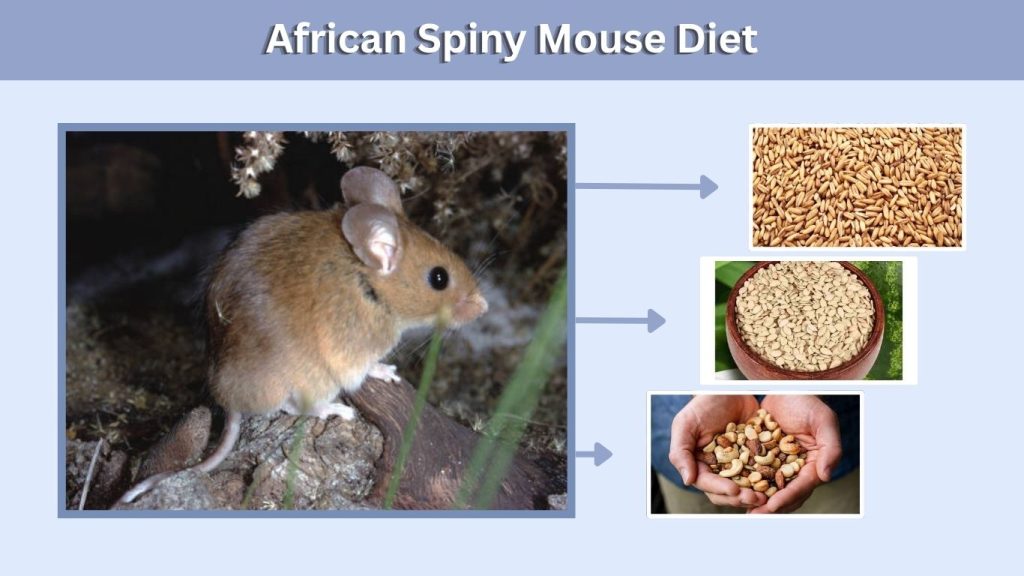
African spiny mice are omnivores. In the wild, their diet can include seeds, grains, fruits, green plant parts, insects, spiders, and other small animal material. Cairo spiny mice, for example, are described as opportunistic omnivores that eat plant matter and animal foods when available.
What Do African Spiny Mice Eat?
Their diet may include:
- Seeds
- Grains
- Nuts
- Fruits
- Leaves
- Insects
- Spiders
- Small invertebrates
- Stored human food near settlements
In captivity, they need a balanced rodent diet with careful control of fatty and sugary foods. Husbandry research also notes that captive spiny mice may prefer sunflower seeds before standard pellets, which means diet balance is important.
African Spiny Mouse Adaptations
African spiny mice have several adaptations that help them survive in dry and predator-rich environments.
Physical Adaptations
Important physical adaptations include:
- Spiny back fur for protection
- Large eyes for low-light activity
- Agile movement for escaping predators
- Pale underside for camouflage
- Ability to survive in dry habitats
- Fragile skin that may tear away during predator attacks
Behavioral Adaptations
These mice are usually alert, fast, and cautious. They often hide in cracks, rocks, burrows, or dense cover during danger. Many species are active during cooler parts of the day or night, helping them avoid heat and predators.
African Spiny Mouse Regeneration
The most famous African spiny mouse trait is regeneration. Researchers found that some Acomys species can shed skin when grabbed and then repair large wounds with reduced scarring. A 2012 study reported skin autotomy in African spiny mice and showed that they could regenerate hair follicles after skin loss.
This makes them extremely important in regenerative medicine research. Scientists study them because most mammals heal deep wounds by forming scars, while spiny mice can restore more normal tissue structure.
What Can They Regenerate?
Research shows that spiny mice can regenerate or repair several tissues better than typical laboratory mice, including skin and ear tissue. More recent research reviews describe regeneration involving epidermis, dermis, hair follicles, glands, fat cells, nerves, muscles, and cartilage after wounding.
African Spiny Mouse Skin Shedding
African spiny mouse skin is unusually fragile. When a predator grabs the animal, the skin can tear away more easily than in most mammals. This is called skin autotomy.
Instead of simply forming a heavy scar, the wound can contract and heal rapidly. This ability may help the mouse survive attacks, although it also makes careful handling very important in captivity.
Why Are Researchers Interested in African Spiny Mice?
Researchers are interested in African spiny mice because they may help explain why some mammals regenerate tissue while others scar. They are used in studies related to wound healing, fibrosis, tissue repair, menstruation, diabetes, and regeneration biology.
The spiny mouse is now considered an emerging research organism because of its scarless healing abilities in skin wounds and ear injuries.
African Spiny Mouse as Pets
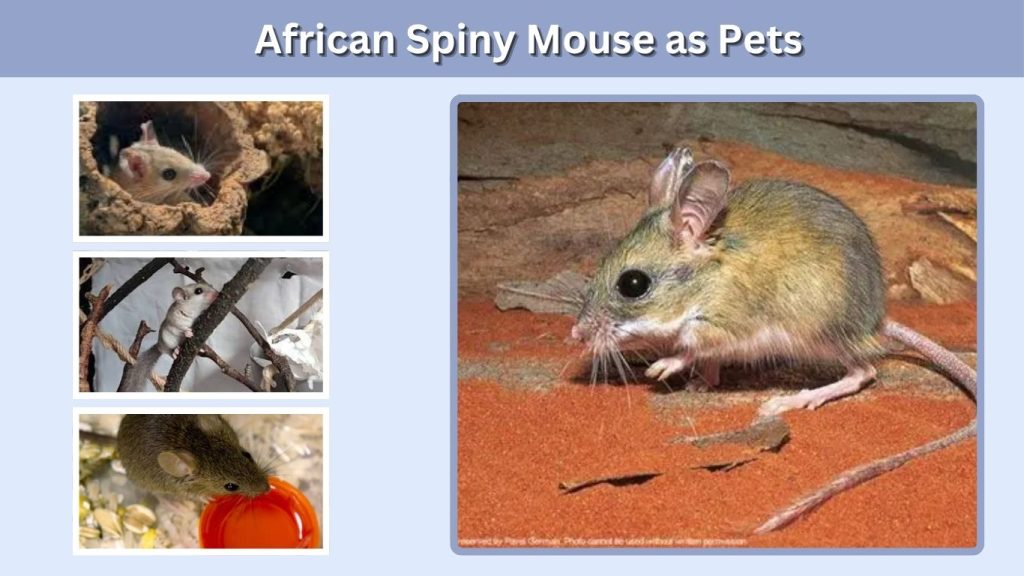
African spiny mice are sometimes kept as exotic pets, but they are not the same as standard fancy mice. They can be nervous, fast, and delicate. Their fragile skin means they should not be grabbed roughly or picked up by the tail.
Basic Care Needs
Pet African spiny mice need:
- Secure enclosure
- Warm, dry environment
- Hiding places
- Climbing space
- Dust-free bedding
- Balanced rodent food
- Small amounts of protein
- Fresh water
- Gentle handling
They are social animals, so they may do better with compatible companions, but introductions must be managed carefully.
African Spiny Mouse vs House Mouse
| Feature | African Spiny Mouse | House Mouse |
| Genus | Acomys | Mus |
| Coat | Spiny back hairs | Soft fur |
| Habitat | Dry, rocky, wild habitats | Human buildings |
| Main trait | Regeneration | Indoor pest behavior |
| Pet type | Exotic rodent | Common fancy mouse relative |
| Handling | Delicate skin | Easier to handle |
FAQs
What is an African spiny mouse?
An African spiny mouse is a small rodent in the genus Acomys. It is known for stiff spiny fur, dry-habitat adaptations, and unusual wound-healing abilities that allow some species to regenerate skin and other tissues better than typical mice.
Where does the African spiny mouse live?
African spiny mice live in parts of Africa and the Middle East. Their habitats include rocky areas, grasslands, scrublands, savannas, semi-deserts, and sometimes areas near human settlements where food and shelter are available.
Why is the African spiny mouse famous?
It is famous for skin shedding and regeneration. Some species can lose fragile skin when attacked and then heal wounds with little scarring, making them valuable animals for scientific research on tissue repair.
Can African spiny mice be pets?
Yes, some people keep African spiny mice as exotic pets. However, they need careful handling, secure housing, warm conditions, proper diet, and species-appropriate care. They are more delicate than common pet mice.
What do African spiny mice eat?
African spiny mice are omnivores. They eat seeds, grains, fruit, leaves, insects, spiders, and other small foods. In captivity, they need a balanced rodent diet with controlled treats and occasional protein sources.