
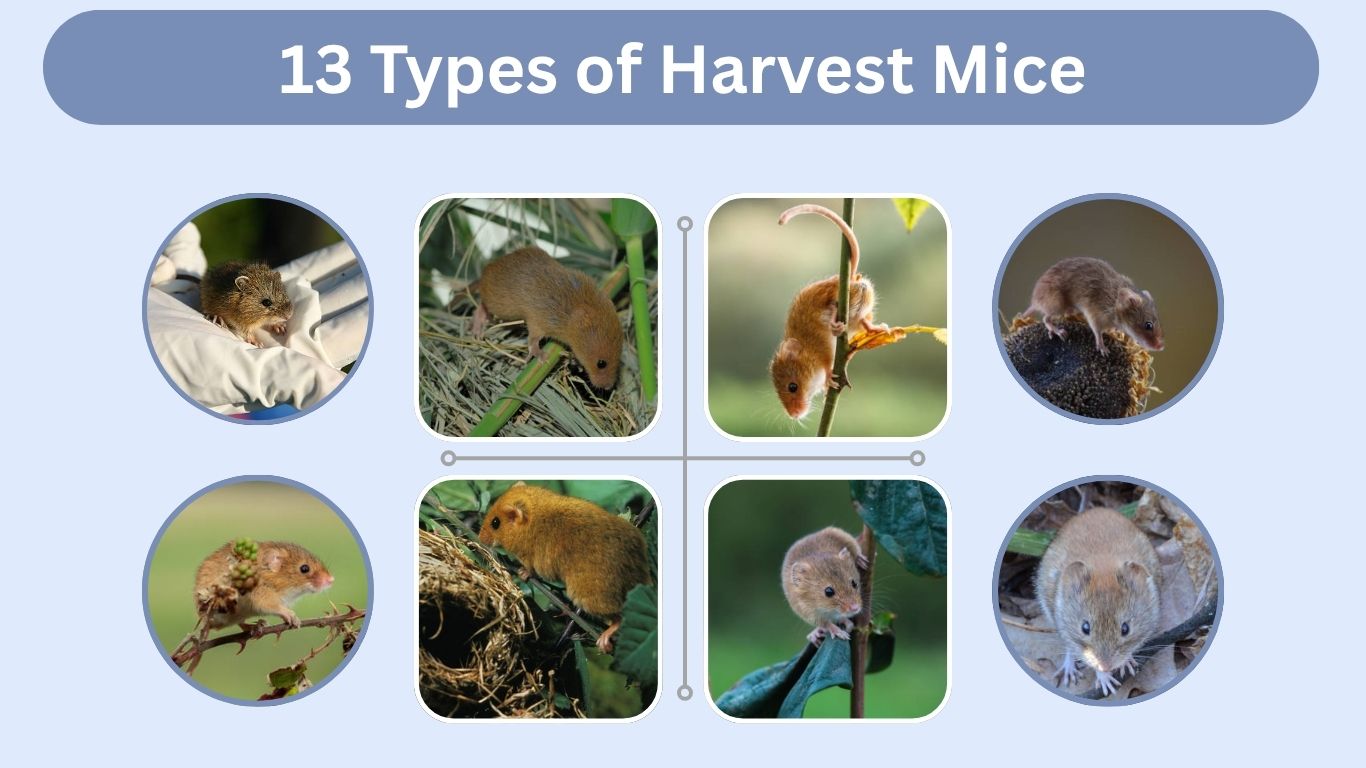
Harvest mice are small rodents known for their tiny bodies, long tails, and ability to live among grasses, reeds, fields, and marsh plants. Many species are active at night and stay hidden in dense vegetation for safety. From the Eurasian Harvest Mouse to rare marsh and island species, each type has unique size, color, habitat, and identification features.
1. Eurasian Harvest Mouse
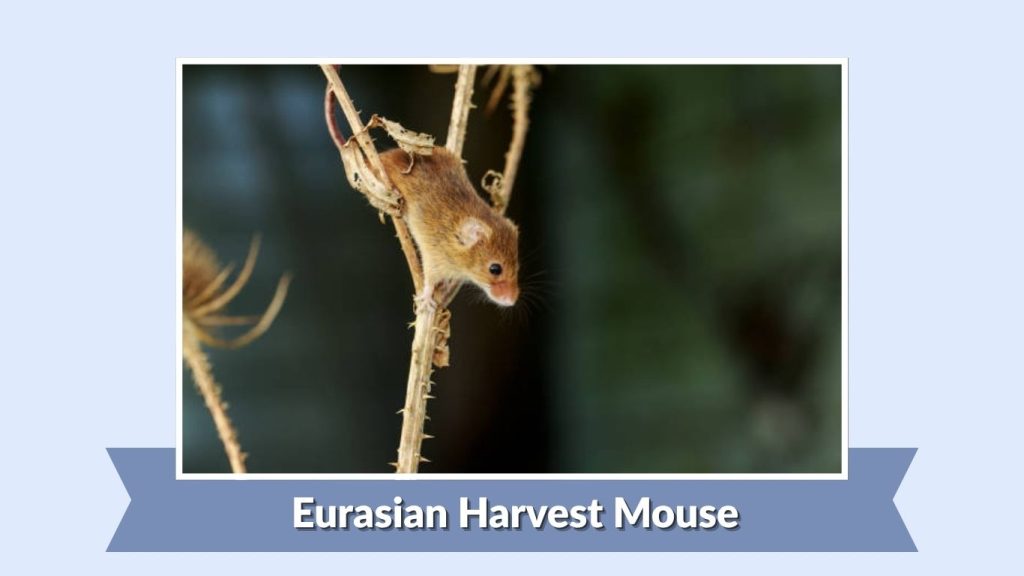
The Eurasian Harvest Mouse is a tiny mouse known for its small body, long tail, and excellent climbing ability. It is commonly found in grasslands, reed beds, crop fields, hedgerows, and meadow habitats. This mouse is famous for building round woven nests above the ground, often attached to tall grasses or plant stems.
Characteristics
- Very small mouse with a lightweight body
- Long tail used for balance while climbing
- Golden-brown fur with a pale underside
- Builds round nests in tall grass or reeds
- Active mostly at night and during quiet hours
- Common in grasslands, fields, and wetlands
Size
The Eurasian Harvest Mouse is one of the smallest mice, usually measuring about 2 to 3 inches in body length. Its tail is almost as long as its body and helps it grip stems while climbing. Because of its tiny size, it can move easily through dense grass and crop plants.
Color
This mouse usually has warm golden-brown or reddish-brown fur on its back, with a white or cream-colored belly. Its small rounded ears and dark eyes give it a delicate appearance. The color helps it blend well with dry grass, reeds, and field vegetation.
Habitat and ID
Eurasian Harvest Mice live in grasslands, wheat fields, reed beds, hedgerows, marsh edges, and meadows. They often stay above the ground among tall stems instead of running in open spaces. To identify them, look for a tiny golden-brown mouse with a long tail and small woven nests attached to grasses.
2. American Harvest Mouse
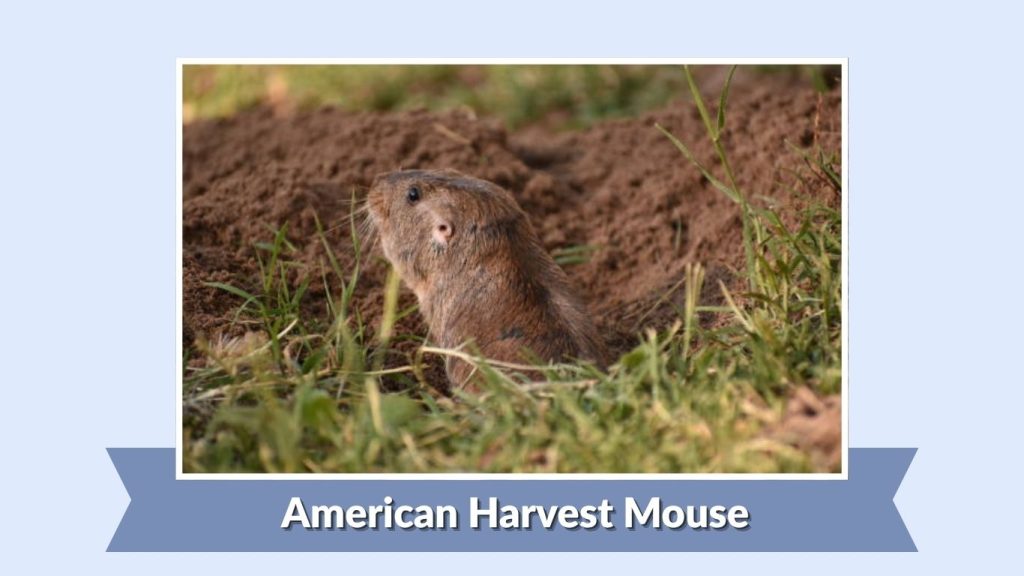
The American Harvest Mouse is a small rodent found in grassy fields, weedy areas, prairies, and open habitats. It is known for its tiny size, quick movements, and ability to live among thick grasses and low plants. This mouse often stays hidden in vegetation, where it searches for seeds, insects, and plant material.
Characteristics
- Small mouse with a slim body
- Long tail used for balance
- Usually active at night
- Lives in grasses, weeds, and open fields
- Feeds on seeds, plants, and small insects
- Often hides in dense vegetation
Size
The American Harvest Mouse is a small mouse, usually around 2 to 3 inches long in body length. Its tail is often about the same length as its body. Because of its small size, it can move easily through grass stems, weeds, and low ground cover.
Color
This mouse usually has brown, grayish-brown, or tan fur on its upper body, with a lighter underside. Its soft colors help it blend with dry grass, soil, and field plants. The ears are small and rounded, while the eyes are dark and alert.
Habitat and ID
American Harvest Mice live in grasslands, prairies, fields, roadsides, meadows, and weedy places. They prefer areas with thick plant cover that provides food and protection. To identify them, look for a tiny brownish mouse with a long tail, pale belly, and strong connection to grassy habitats.
3. Western Harvest Mouse
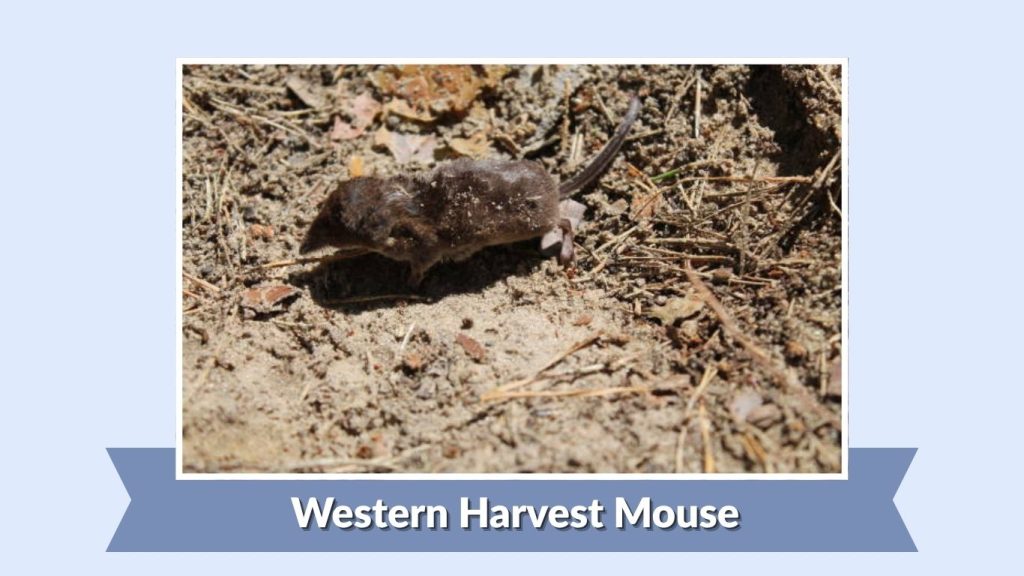
The Western Harvest Mouse is a tiny mouse commonly found in western North America. It lives in grasslands, shrublands, fields, marsh edges, and dry open areas with enough plant cover. This mouse is mostly active at night and often stays hidden among grasses, seeds, and low vegetation.
Characteristics
- Very small mouse with a delicate body
- Long tail, often close to body length
- Brownish or grayish upper fur
- Pale underside
- Active mostly at night
- Common in grasslands and shrublands
Size
The Western Harvest Mouse is usually about 2 to 3 inches long, not including the tail. Its tail may be nearly as long as the body, helping it balance as it moves through grasses and low plants. Its small size allows it to stay hidden from predators.
Color
This mouse usually has brown, grayish-brown, or buff-colored fur on the back. The underside is lighter, often white or pale gray. Some individuals may have a faint darker line along the back, but the overall color is soft and natural-looking.
Habitat and ID
Western Harvest Mice live in grasslands, deserts, shrublands, marsh edges, agricultural fields, and weedy roadsides. They prefer places with seeds, grasses, and protective cover. To identify them, look for a very small mouse with a long tail, pale underside, and grassy or shrubby habitat.
4. Eastern Harvest Mouse
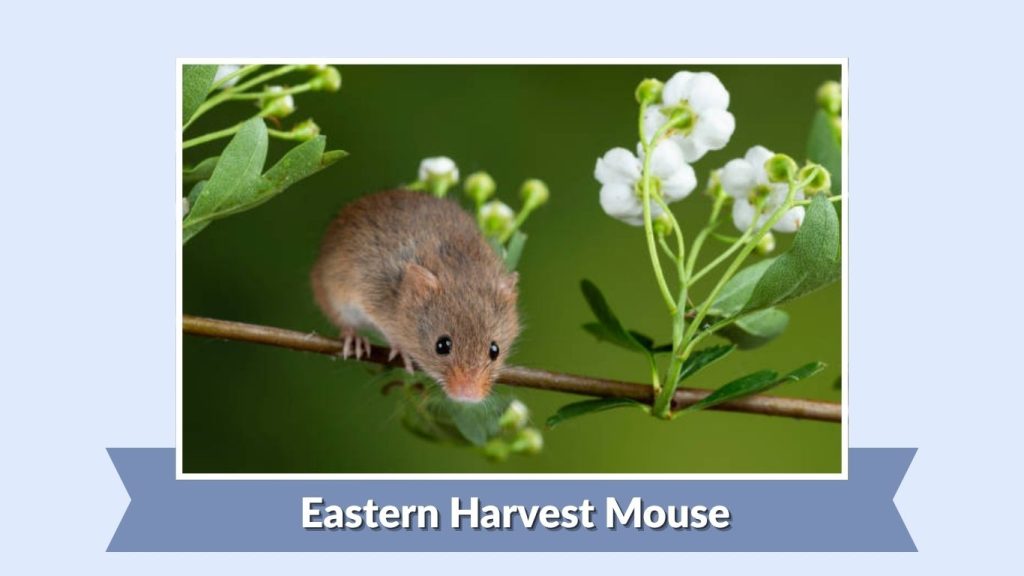
The Eastern Harvest Mouse is a small mouse found in grassy and open habitats of eastern and central North America. It is often seen in fields, meadows, prairies, roadsides, and weedy areas. This mouse is shy and mostly active at night, using thick vegetation for cover and nesting.
Characteristics
- Small mouse with a slim body
- Brownish upper fur and pale belly
- Long tail for balance
- Mostly active at night
- Lives in grassy and weedy areas
- Feeds mainly on seeds and plant material
Size
The Eastern Harvest Mouse is usually about 2 to 3 inches long in body length. Its tail is long and thin, helping it move through grasses and low plants. Because it is small and quick, it is not often seen unless it moves across open ground.
Color
This mouse usually has brown or grayish-brown fur on the back and sides. Its underside is lighter, often white, cream, or pale gray. The natural coloring helps it blend with dry grass, leaves, and soil in open habitats.
Habitat and ID
Eastern Harvest Mice live in meadows, fields, prairies, roadsides, grasslands, and weedy borders. They often make nests in grass clumps or low vegetation. To identify them, look for a small brown mouse with a pale underside, long tail, and strong preference for grassy cover.
5. Salt Marsh Harvest Mouse
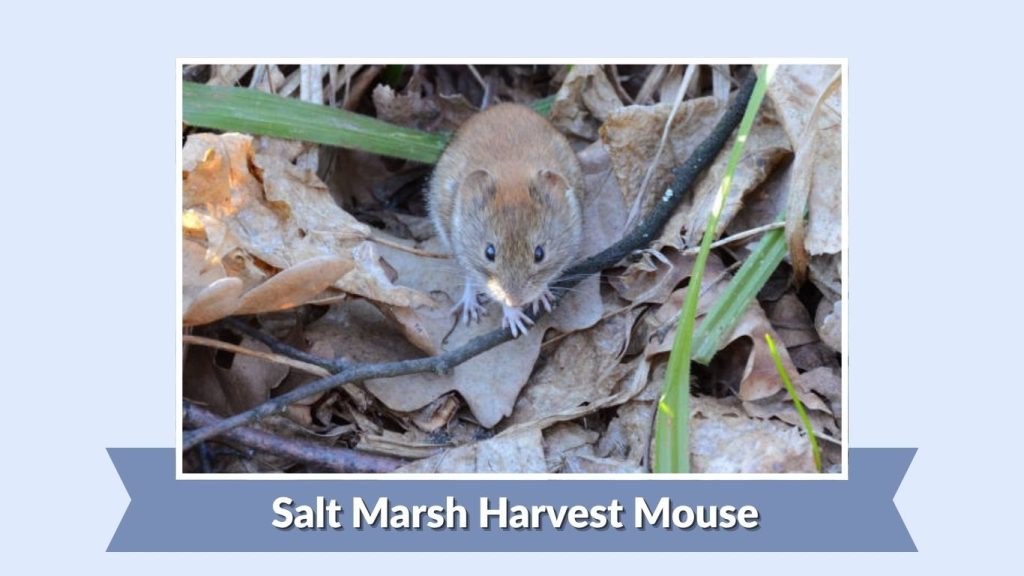
The Salt Marsh Harvest Mouse is a small and rare mouse found in salt marsh habitats. It is strongly connected to coastal wetlands, especially areas with pickleweed and dense marsh plants. This mouse is specially adapted to living in wet, salty environments where it climbs vegetation and avoids flooding.
Characteristics
- Small mouse adapted to salt marshes
- Brownish or reddish-brown fur
- Long tail for balance while climbing
- Lives among marsh plants and pickleweed
- Can survive in wet coastal habitats
- Mostly active during quiet nighttime hours
Size
The Salt Marsh Harvest Mouse is small, usually around 2.5 to 3 inches long in body length. Its tail is often close to the same length as its body. This tail helps it climb marsh plants and move through thick vegetation above wet ground.
Color
This mouse often has brown, reddish-brown, or cinnamon-toned fur on its back, with a lighter underside. Its warm color helps it blend with marsh vegetation, mud, and dry plant stems. Some individuals may appear darker depending on habitat conditions.
Habitat and ID
Salt Marsh Harvest Mice live in coastal salt marshes, especially areas with thick pickleweed, grasses, and tidal wetland plants. They depend on dense cover for food and protection. To identify them, look for a tiny marsh mouse with reddish-brown tones and a habitat closely tied to salt wetlands.
6. Fulvous Harvest Mouse
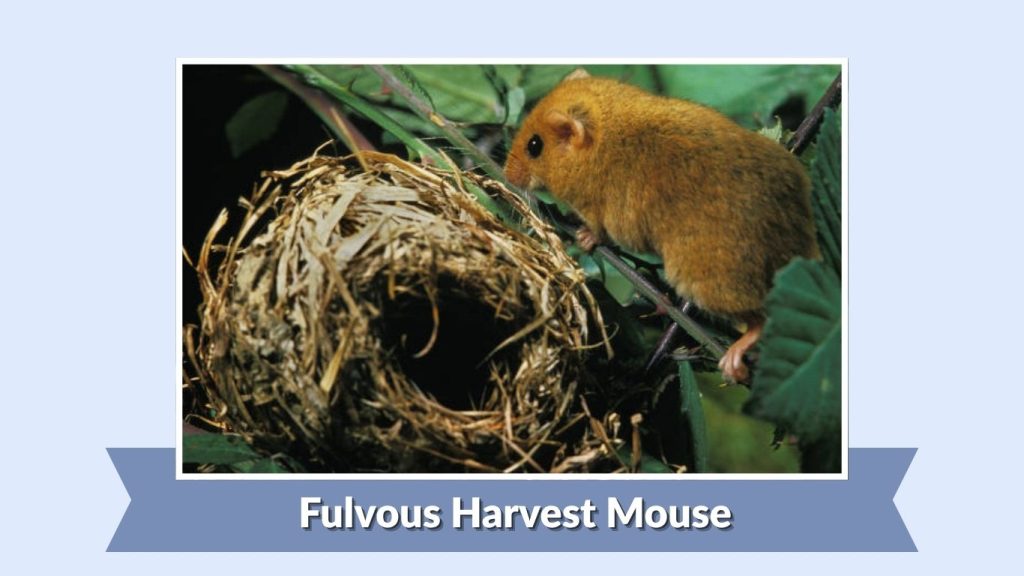
The Fulvous Harvest Mouse is a small mouse known for its warm yellowish-brown or tawny fur. It is found in grassy fields, marsh edges, agricultural areas, and weedy habitats. This mouse often lives close to the ground, where it builds nests and searches for seeds, grasses, and small insects.
Characteristics
- Small mouse with warm tawny coloring
- Pale underside and rounded ears
- Long tail compared to body size
- Mostly active at night
- Lives in grasslands and wetland edges
- Feeds on seeds, grasses, and insects
Size
The Fulvous Harvest Mouse is usually about 2.5 to 3.5 inches long in body length. Its tail is fairly long and helps it balance as it moves through plants. Its small body allows it to hide easily in thick grasses and low vegetation.
Color
This mouse has yellowish-brown, tawny, or fulvous-colored fur on the upper body. The underside is usually lighter, often pale gray or whitish. Its warm coat color helps it blend with dry grasses, reeds, and crop fields.
Habitat and ID
Fulvous Harvest Mice live in grassy fields, marsh borders, prairies, rice fields, farms, and weedy areas. They prefer places with thick ground cover and available seeds. To identify them, look for a small mouse with warm tawny fur, a pale belly, and grassy or marshy habitat.
7. Plains Harvest Mouse
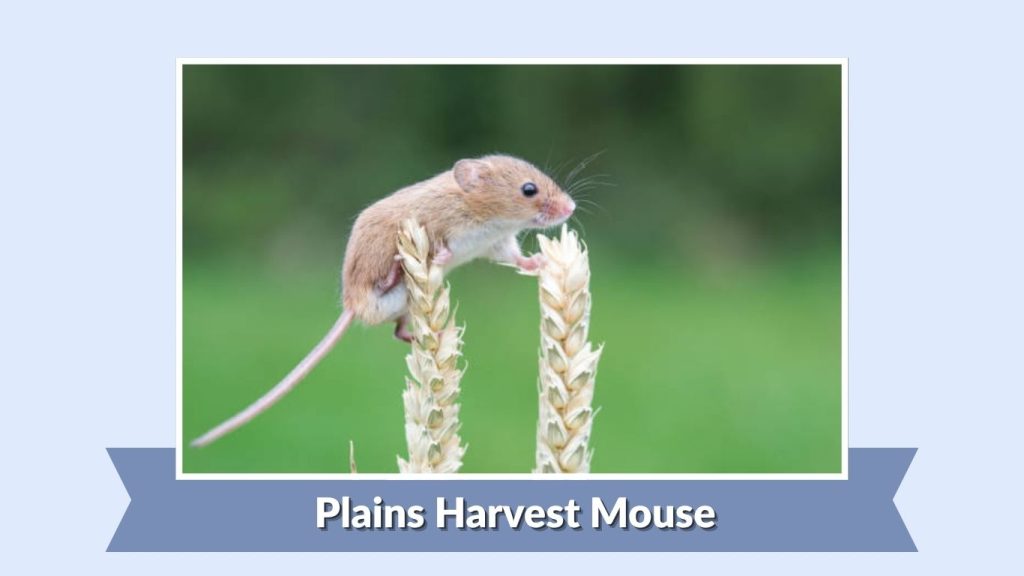
The Plains Harvest Mouse is a tiny mouse found in prairies, grasslands, fields, and open plains. It is well adapted to living among grasses and low plants, where it stays hidden from predators. This mouse is mostly nocturnal and feeds on seeds, grasses, and small insects.
Characteristics
- Very small mouse with a slim body
- Brown or grayish-brown upper fur
- Pale underside
- Long tail used for balance
- Lives in prairies and grasslands
- Active mostly at night
Size
The Plains Harvest Mouse is usually about 2 to 3 inches long in body length. Its tail is thin and often close to body length. Because it is so small, it can move easily through grass stems and quickly hide in dense ground cover.
Color
This mouse usually has brown, tan, or grayish-brown fur on its back, with a white or pale underside. Its soft earth-toned color helps it blend with prairie grasses, soil, and dry plant material. The eyes are small and dark, giving it an alert look.
Habitat and ID
Plains Harvest Mice live in prairies, grasslands, open fields, roadsides, pastures, and weedy places. They prefer habitats with enough grasses and seeds for food. To identify them, look for a very small brownish mouse with a long tail, pale belly, and open grassland habitat.
8. Mexican Harvest Mouse
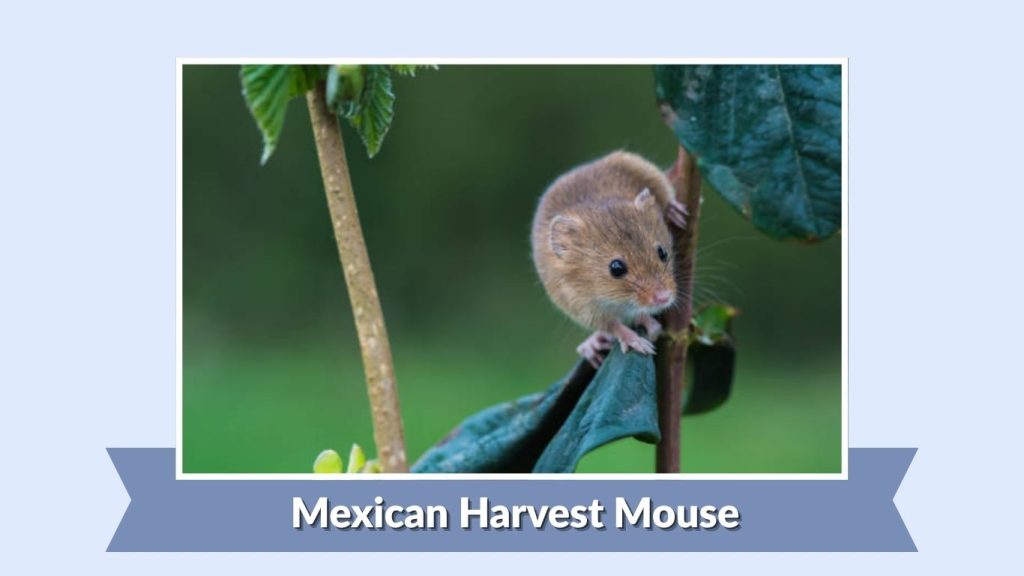
The Mexican Harvest Mouse is a small rodent found in grassy, shrubby, and open habitats in Mexico and nearby regions. It is usually active at night and spends much of its time hidden among grasses, weeds, and low plants. This mouse feeds mainly on seeds, plant parts, and small insects.
Characteristics
- Small mouse with a slim body
- Brownish or grayish upper fur
- Pale underside
- Long tail for balance
- Mostly active at night
- Lives in grassy and shrubby habitats
Size
The Mexican Harvest Mouse is usually about 2 to 3 inches long in body length. Its tail is thin and often close to the length of its body. Its tiny size helps it move quietly through dense grasses and low vegetation while avoiding predators.
Color
This mouse usually has brown, tan, or grayish-brown fur on its back. The underside is lighter, often pale gray, cream, or whitish. Its natural earth-toned coloring helps it blend with grass stems, soil, and dry leaves.
Habitat and ID
Mexican Harvest Mice live in grasslands, shrublands, fields, forest edges, roadsides, and weedy areas. They prefer places with dense plant cover and plenty of seeds. To identify them, look for a tiny brownish mouse with a pale belly, long tail, and grassy or shrubby habitat.
9. Slender Harvest Mouse
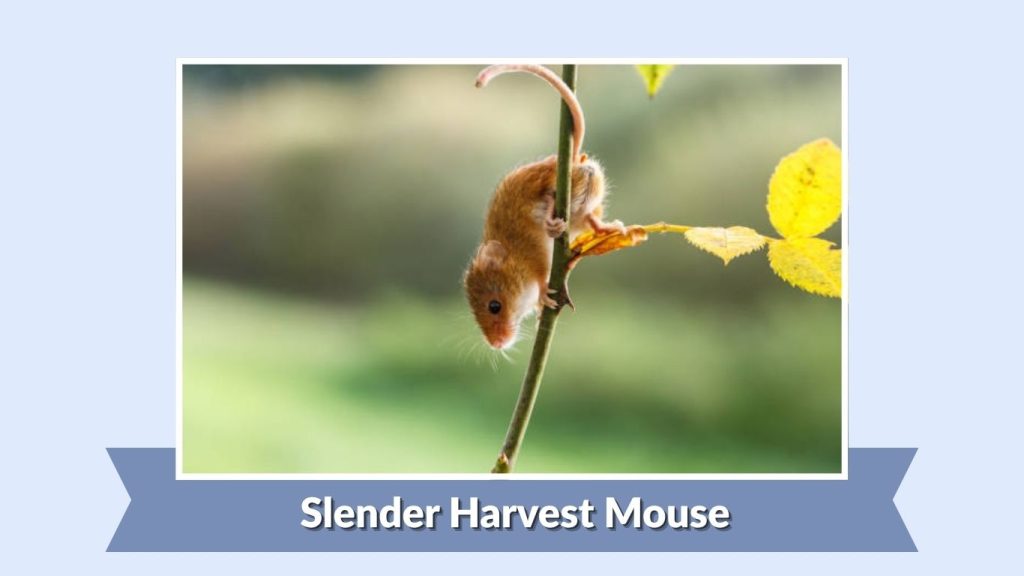
The Slender Harvest Mouse is a small, delicate mouse known for its narrow body and long tail. It lives in grassy and open habitats where it can hide among stems and low plants. This mouse is mostly nocturnal and uses its small size to move through dense vegetation without being easily noticed.
Characteristics
- Small mouse with a slender body
- Long thin tail
- Brownish upper fur
- Pale underside
- Mostly active at night
- Common in grassy or weedy areas
Size
The Slender Harvest Mouse is usually about 2 to 3 inches long in body length. Its slim body shape helps it move easily through grasses and narrow spaces. The long tail provides balance as it climbs or moves across plant stems.
Color
This mouse is usually brown, tan, or grayish-brown on the upper body. Its underside is lighter, often white, cream, or pale gray. The soft natural coloring helps it stay hidden in dry grasses, weeds, and field vegetation.
Habitat and ID
Slender Harvest Mice live in grasslands, meadows, fields, shrublands, roadsides, and weedy borders. They often stay hidden in thick cover during the day. To identify them, look for a tiny narrow-bodied mouse with a long tail, pale belly, and grassy habitat.
10. Narrow-nosed Harvest Mouse
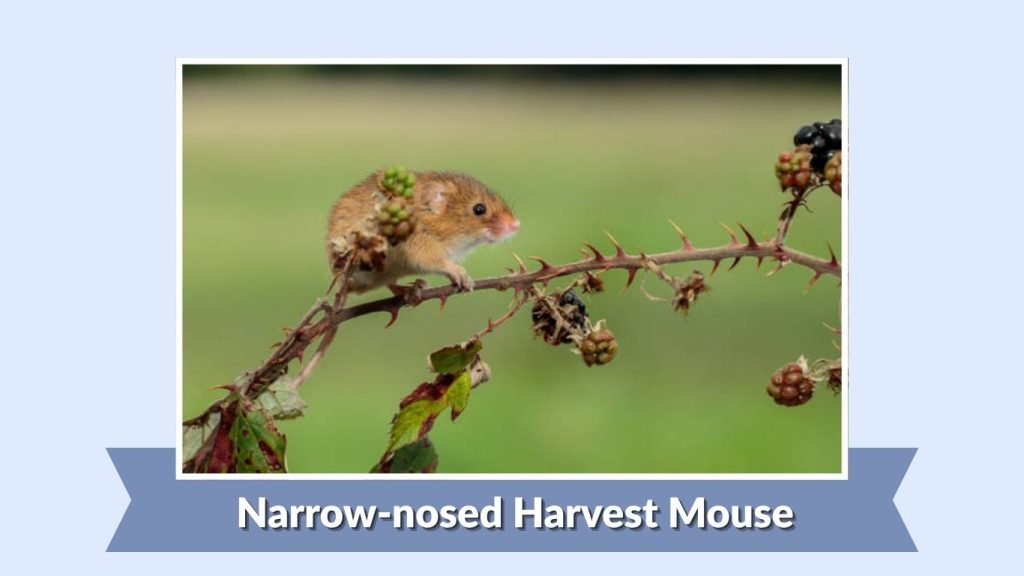
The Narrow-nosed Harvest Mouse is a small mouse named for its more pointed or narrow-looking nose. It is found in grassy areas, shrublands, fields, and open habitats where thick vegetation provides cover. This mouse is mostly active at night and feeds on seeds, grasses, and small insects.
Characteristics
- Small mouse with a narrow-looking nose
- Slim body and long tail
- Brown or grayish-brown fur
- Pale underside
- Active mainly at night
- Lives in grassy and shrubby areas
Size
The Narrow-nosed Harvest Mouse is usually small, often around 2 to 3 inches in body length. Its tail may be nearly as long as its body. This small size helps it move through dense vegetation, while its slim shape allows it to hide quickly.
Color
This mouse usually has brown, tan, or grayish-brown fur on its back and sides. Its belly is lighter, often cream, white, or pale gray. These muted colors help it blend with grasslands, dry leaves, and soil.
Habitat and ID
Narrow-nosed Harvest Mice live in grasslands, shrublands, fields, roadsides, and open areas with thick plant cover. They usually avoid exposed spaces. To identify them, look for a small harvest mouse with a slim body, pointed-looking nose, long tail, and pale underside.
11. Volcano Harvest Mouse
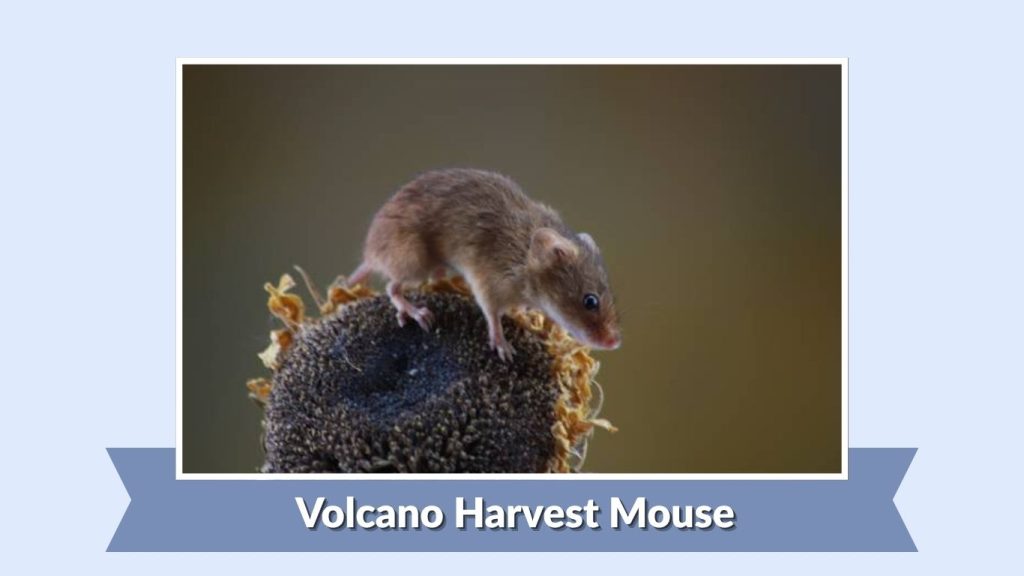
The Volcano Harvest Mouse is a small mouse found in highland and volcanic mountain habitats. It is adapted to cooler grasslands, rocky slopes, and open areas with enough vegetation for cover. This mouse is usually active at night and stays hidden among grasses, plants, and rocks.
Characteristics
- Small mouse from highland habitats
- Brownish fur with a pale underside
- Long tail for balance
- Mostly active at night
- Lives near grassy mountain areas
- Uses vegetation and rocks for cover
Size
The Volcano Harvest Mouse is usually about 2 to 3 inches long in body length. Its light body and long tail help it move through grasses and uneven ground. Its small size allows it to hide in dense plants and rocky spaces.
Color
This mouse usually has brown, grayish-brown, or tan fur on its upper body. The underside is lighter, often pale gray or whitish. Its natural coloring helps it blend with mountain grasses, soil, rocks, and dry vegetation.
Habitat and ID
Volcano Harvest Mice live in highland grasslands, volcanic slopes, mountain meadows, rocky areas, and shrubby places. They prefer habitats with cover and available seeds. To identify them, look for a tiny brownish mouse with a long tail and high-elevation grassy habitat.
12. Cozumel Harvest Mouse
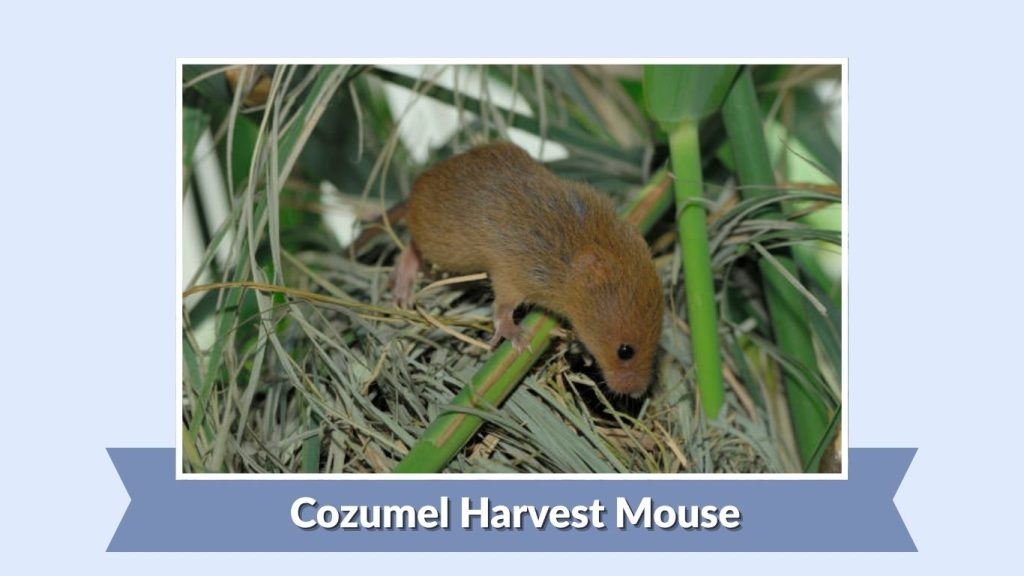
The Cozumel Harvest Mouse is a small mouse associated with Cozumel Island and nearby tropical habitats. It lives in areas with grasses, shrubs, and low vegetation where it can hide and search for food. Because island habitats can be limited, this mouse depends on suitable plant cover for survival.
Characteristics
- Small island harvest mouse
- Brownish upper fur and pale underside
- Long thin tail
- Mostly active at night
- Lives in grassy and shrubby cover
- Feeds on seeds, plants, and small insects
Size
The Cozumel Harvest Mouse is usually small, about 2 to 3 inches long in body length. Its tail is thin and helps it balance while moving through grasses and low plants. Its small body allows it to remain hidden in dense vegetation.
Color
This mouse usually has brown, tan, or grayish-brown fur on the back. The underside is lighter, often pale gray or cream. These soft colors help it blend with tropical grass, dry leaves, and soil in its island habitat.
Habitat and ID
Cozumel Harvest Mice live in grassy areas, shrublands, forest edges, and low vegetation zones on or near Cozumel Island. They depend on dense cover for protection. To identify them, look for a small brownish mouse with a pale belly, long tail, and island habitat connection.
13. Chihuahuan Harvest Mouse
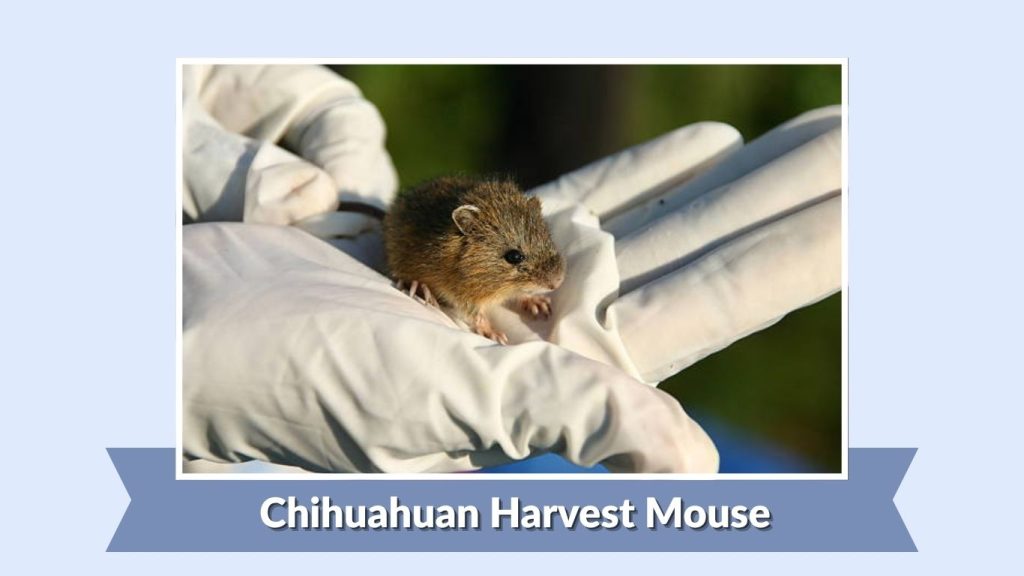
The Chihuahuan Harvest Mouse is a small mouse found in dry grasslands, desert edges, and shrubby habitats of the Chihuahuan region. It is adapted to open environments where grasses, seeds, and low plants provide food and shelter. This mouse is mostly nocturnal and stays hidden during the day.
Characteristics
- Small mouse adapted to dry habitats
- Brownish or sandy upper fur
- Pale underside
- Long tail for balance
- Mostly active at night
- Lives in desert grasslands and shrublands
Size
The Chihuahuan Harvest Mouse is usually about 2 to 3 inches long in body length. Its long tail helps with balance as it moves through dry grasses and low shrubs. Its small size helps it avoid predators in open desert-edge habitats.
Color
This mouse often has sandy brown, tan, or grayish-brown fur on the upper body. The underside is lighter, usually pale gray, cream, or whitish. Its color matches dry soil, desert grasses, and scrub vegetation, helping it remain hidden.
Habitat and ID
Chihuahuan Harvest Mice live in desert grasslands, shrublands, dry fields, rocky edges, and open habitats with low vegetation. They feed on seeds, grasses, and small insects. To identify them, look for a tiny sandy-brown mouse with a pale underside, long tail, and dry grassland habitat.
FAQs
What are harvest mice?
Harvest mice are small rodents that usually live in grasslands, fields, marshes, reed beds, and shrubby areas. They are known for their tiny bodies, long tails, and ability to move through dense vegetation. Some species build nests in grasses, while others stay hidden near the ground.
Are harvest mice dangerous?
Harvest mice are not usually dangerous to people. They are shy, small animals that avoid humans and spend most of their time hidden in vegetation. Like any wild rodent, they should not be handled because they may carry germs, parasites, or cause minor bites if frightened.
Where do harvest mice live?
Harvest mice live in many habitats depending on the species. Common places include crop fields, meadows, prairies, marshes, reed beds, grasslands, shrublands, and wetland edges. They prefer areas with thick plant cover because it gives them food, nesting sites, and protection from predators.
What do harvest mice eat?
Harvest mice mostly eat seeds, grasses, grains, fruits, plant shoots, and small insects. Their diet can change depending on the season and habitat. In farm fields and grasslands, they often feed on seeds and grains, while wetland species may eat marsh plants and insects.
How can you identify a harvest mouse?
You can identify a harvest mouse by its small size, long tail, soft brown or golden fur, and pale underside. Habitat is also important for identification. Many harvest mice live in grassy or marshy areas, and the Eurasian Harvest Mouse is known for weaving round nests in tall grasses.