
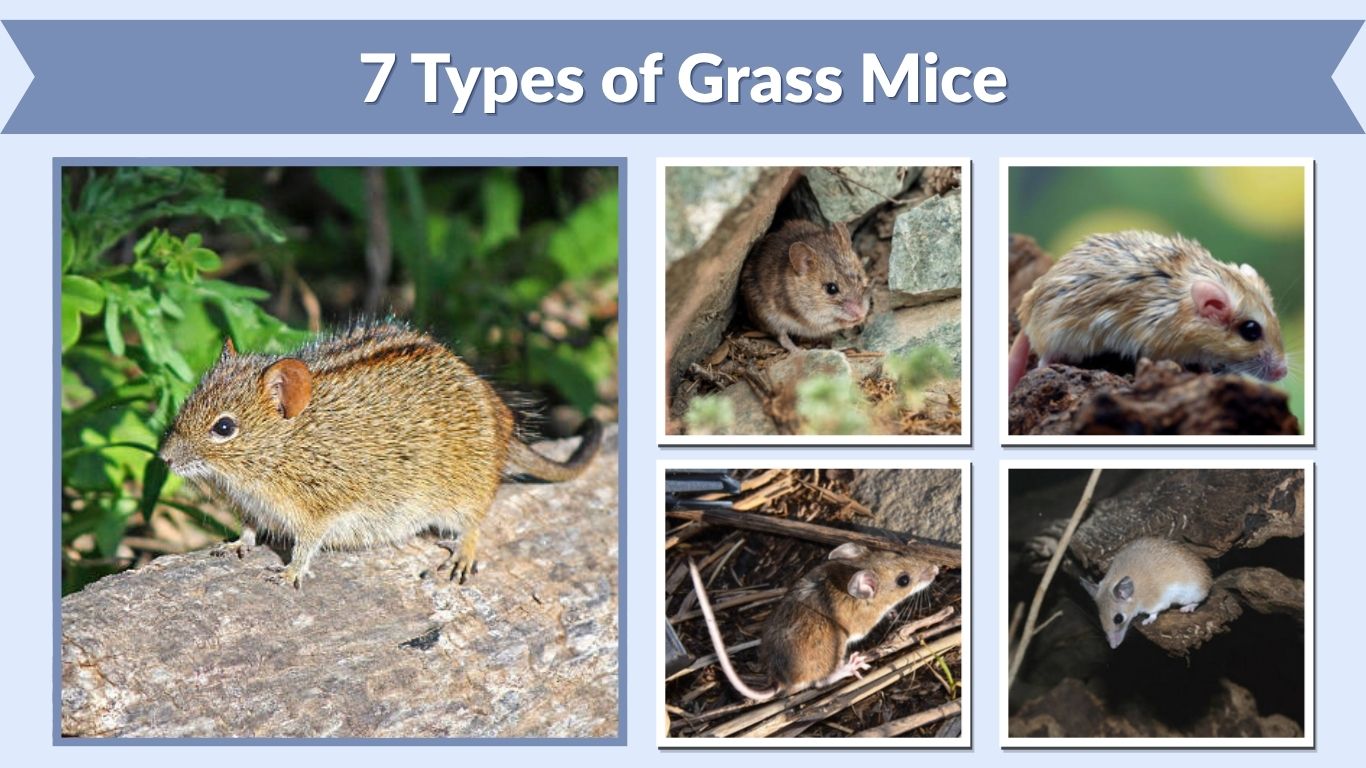
Grass mice are small wild rodents that live in grasslands, fields, shrublands, and open natural habitats. They often have slim bodies, long tails, soft brownish fur, and quick movement that helps them escape predators. This guide covers 7 types of grass mice and explains how to identify each one by appearance, behavior, and natural habitat.
1. Highland Grass Mouse
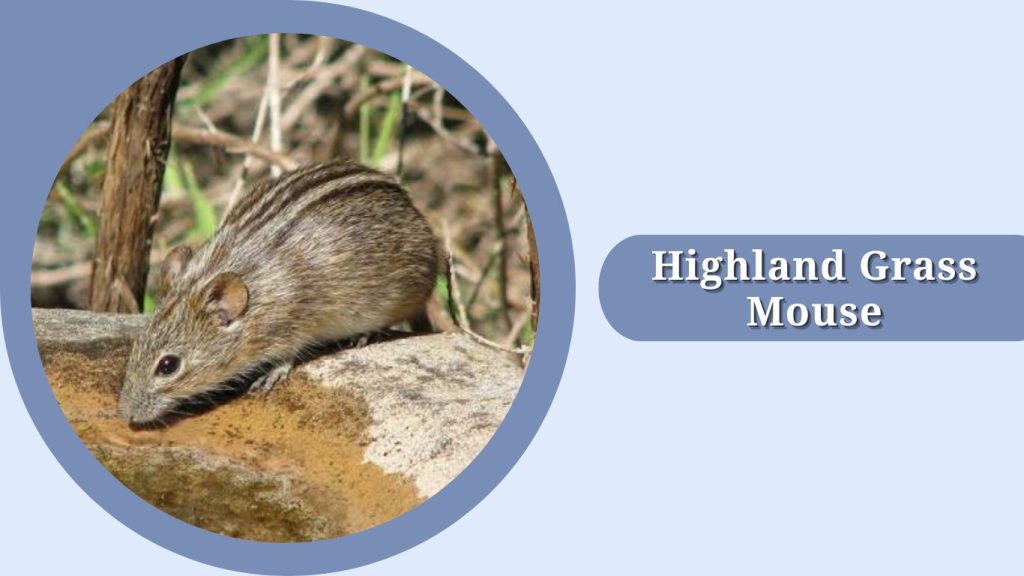
The Highland Grass Mouse is a small rodent species known for living in grassy and elevated habitats. It belongs to the group of South American grass mice and is usually recognized by its small body, soft fur, and quick movement. This mouse is not a common pet and is mostly studied as a wild species in its natural environment.
Identification
- Small wild grass mouse species
- Usually has brownish or gray-brown fur
- Lighter color on the underside
- Long tail compared to body size
- Small rounded ears and dark eyes
- Slim body with quick movement
- Commonly linked with grasslands, highlands, and open natural habitats
Appearance
The Highland Grass Mouse has a neat and delicate body shape. Its upper fur is usually brown, grayish-brown, or slightly reddish-brown, helping it blend with dry grass, soil, and natural ground cover. The belly is usually paler than the back. Its tail is thin and fairly long, which gives it a balanced and agile look. The small ears, pointed face, and dark eyes make it look similar to many other wild field mice.
Behavior
This grass mouse is active, alert, and cautious in the wild. It spends much of its time moving through grass, searching for seeds, plant materials, and other small food sources. Because it is a prey animal, it usually avoids open danger and quickly hides in vegetation or sheltered areas. Its behavior is shaped by survival in open landscapes.
Habitat
The Highland Grass Mouse is mostly associated with grassy highland areas, fields, and natural open habitats. It prefers places with enough vegetation for cover and food. Since it is a wild mouse, it is not normally kept as a household pet. It is best understood as part of the natural grassland ecosystem, where it helps support the food chain and seed movement.
2. Colombian Grass Mouse
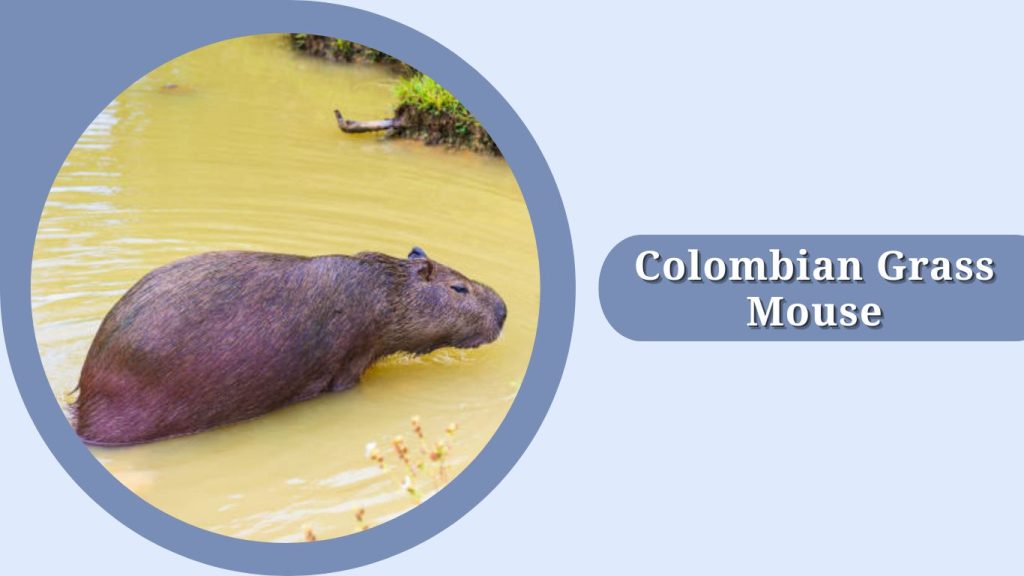
The Colombian Grass Mouse is a small wild rodent species found in parts of Colombia and nearby regions. It is known for its slim body, soft fur, and ability to live in grassy or shrubby habitats. Like many grass mice, it is not commonly kept as a pet and is mostly recognized as a wild animal in natural ecosystems.
Identification
- Small wild grass mouse species
- Brownish or gray-brown fur on the back
- Lighter fur on the belly
- Slim body with a pointed face
- Long, thin tail compared to body size
- Small rounded ears and dark eyes
- Usually found in grasslands, shrublands, or field edges
Appearance
The Colombian Grass Mouse has a delicate body with soft natural-colored fur. Its upper body is usually brown, grayish-brown, or slightly warm-toned, helping it blend with soil, grass, and leaves. The underside is paler, creating a simple two-tone appearance. Its long tail, small ears, and narrow face give it a typical wild mouse look.
Behavior
This mouse is active, cautious, and quick-moving. In the wild, it searches for seeds, grasses, fruits, and small plant materials. It usually stays close to vegetation for protection from predators. When disturbed, it may quickly hide under grass, leaf litter, or natural cover.
Habitat
Colombian Grass Mice are mainly linked with grassy areas, shrublands, forest edges, and open natural habitats. They depend on vegetation for food, shelter, and safety. Since they are wild rodents, they are not suitable for normal home care and are best understood in their natural environment.
3. White-Bellied Grass Mouse
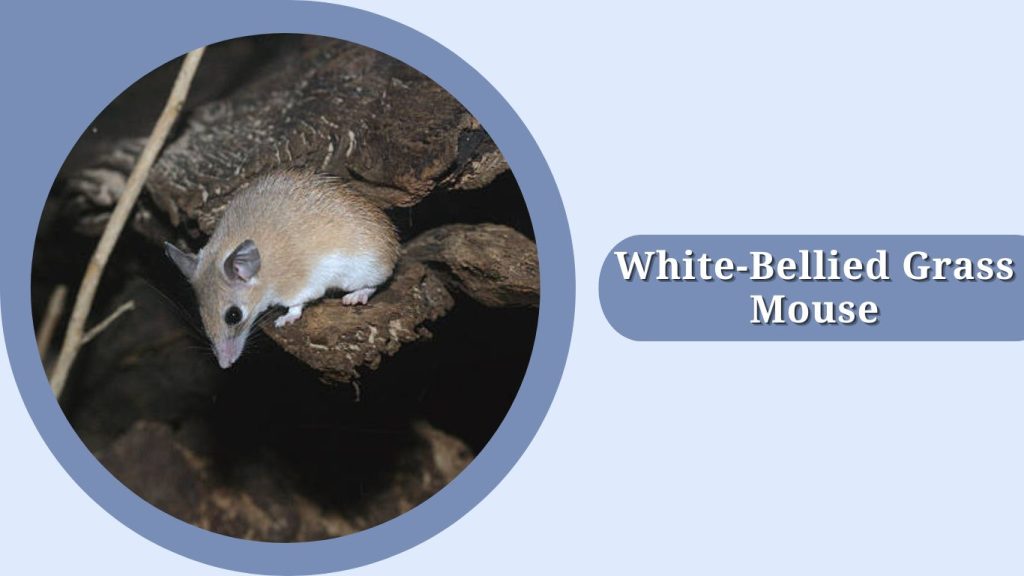
The White-Bellied Grass Mouse is a small wild rodent known for its pale underside and natural grassland appearance. It is usually recognized by its brownish upper fur, white or cream-colored belly, slim body, and long tail. This mouse is not a common pet and is mainly found in wild habitats where grass, shrubs, and ground cover provide protection.
Identification
- Small wild grass mouse species
- Brownish or gray-brown fur on the back
- White or cream-colored belly
- Long, thin tail compared to body size
- Slim body with a pointed face
- Small rounded ears and dark eyes
- Usually found in grassy or open natural habitats
Appearance
The White-Bellied Grass Mouse has a simple but clear color pattern. Its upper body is usually brown, gray-brown, or slightly reddish-brown, while the underside is much lighter. This pale belly is the main feature that helps separate it from many other grass mice. Its body is small and narrow, with a fine tail and quick movement suited to life on the ground.
Behavior
This mouse is cautious, active, and fast-moving. It usually searches for seeds, grasses, fruits, and other small plant materials. Because many predators hunt small rodents, it often stays close to grass, leaf litter, or low vegetation. When it senses danger, it quickly hides in nearby cover instead of staying in open areas.
Habitat
White-Bellied Grass Mice are mostly associated with grasslands, field edges, shrublands, and open natural areas. They need vegetation for food, nesting, and safety. Since they are wild mice, they are not suitable for normal household care and are best understood as part of their natural ecosystem.
4. Azara’s Grass Mouse
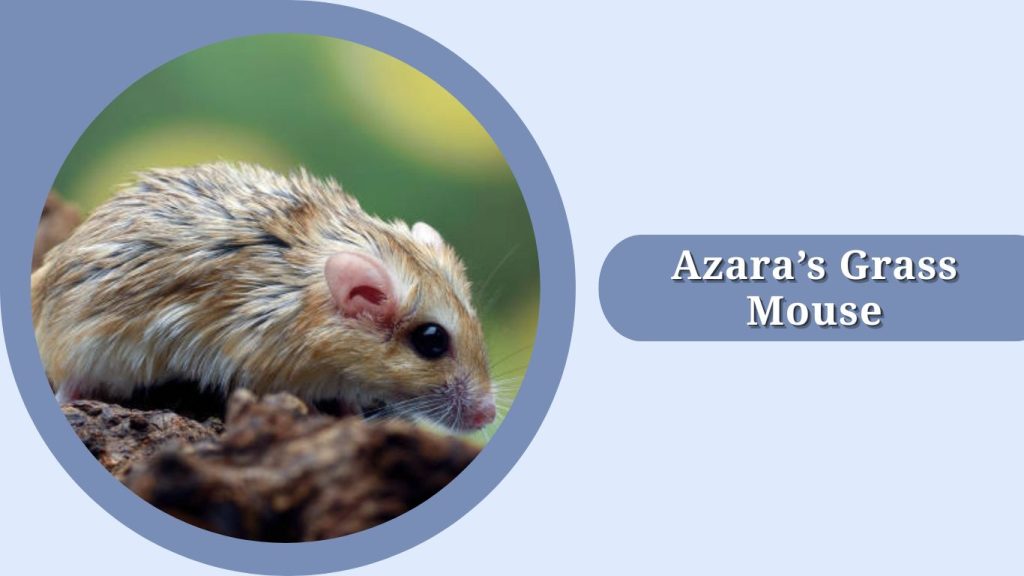
Azara’s Grass Mouse is a small wild rodent species found in parts of South America. It is known for its slim body, long tail, and natural brownish coat. This mouse is usually linked with grasslands, open fields, and areas with low vegetation. It is not a household pet and is mostly recognized as a wild grassland species.
Identification
- Small wild grass mouse species
- Brownish or gray-brown fur on the back
- Lighter fur on the underside
- Long, thin tail compared to body size
- Slim body with quick movement
- Small ears and dark eyes
- Commonly found in grasslands, fields, and open habitats
Appearance
Azara’s Grass Mouse has a narrow body covered with soft earth-toned fur. Its upper body is usually brown, gray-brown, or slightly reddish, while the belly is lighter. This natural coloring helps it blend with grass, soil, and dry vegetation. Its tail is thin and long, helping balance its quick movements through low ground cover.
Behavior
This mouse is alert, active, and cautious. It spends much of its time searching for seeds, grasses, fruits, and other small food sources. Because it is a small prey animal, it usually stays near vegetation and avoids open spaces when possible. If disturbed, it quickly runs into grass or sheltered areas.
Habitat
Azara’s Grass Mouse commonly lives in grasslands, field edges, shrublands, and open natural environments. It depends on low vegetation for food, nesting space, and protection from predators. Since it is a wild rodent, it is best understood in its natural habitat rather than as a pet.
5. Bogota Grass Mouse
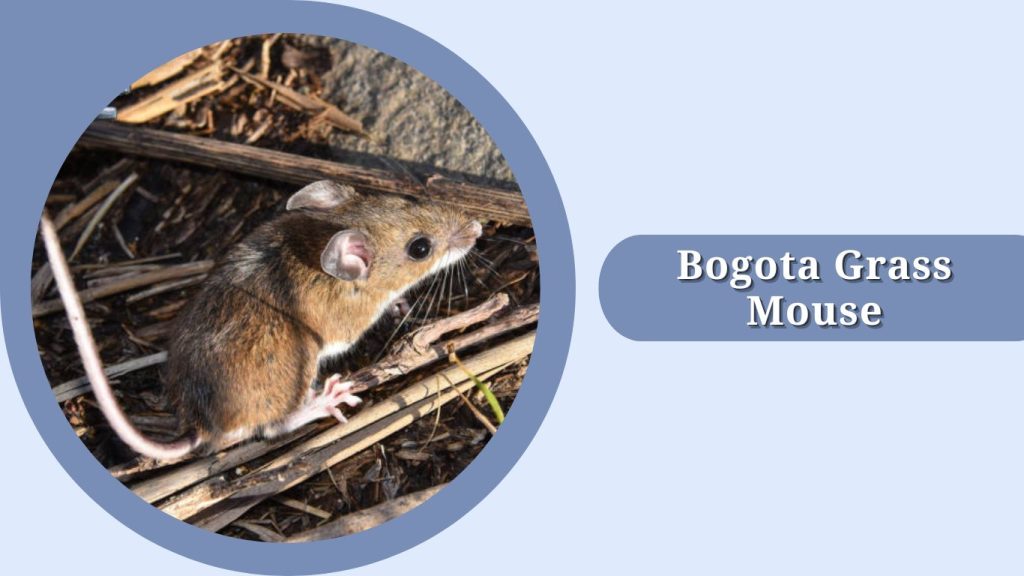
The Bogota Grass Mouse is a small wild rodent species associated with grassy and open habitats in parts of South America. It has a slim body, soft natural-colored fur, and quick movement. Like other grass mice, it is not a common household pet and is mainly known as a wild species living close to vegetation and ground cover.
Identification
- Small wild grass mouse species
- Brownish or gray-brown fur on the back
- Lighter fur on the underside
- Slim body with a pointed face
- Long, thin tail compared to body size
- Small rounded ears and dark eyes
- Usually found in grasslands, fields, and shrubby areas
Appearance
The Bogota Grass Mouse has a delicate body shape with soft fur that helps it blend into soil, grass, and leaf litter. Its back is usually brown or grayish-brown, while the belly is paler. The long tail and narrow face give it a typical wild mouse appearance. Its small size helps it move easily through low vegetation.
Behavior
This mouse is alert, fast, and cautious. It spends much of its time searching for seeds, grasses, fruits, and other natural food sources. Since it is vulnerable to predators, it usually stays near grass, shrubs, or ground cover. When threatened, it quickly hides in nearby shelter.
Habitat
Bogota Grass Mice are mostly linked with grasslands, shrublands, field edges, and open natural areas. They depend on vegetation for nesting, feeding, and protection. Because they are wild rodents, they are not suitable for normal home care and are best understood in their natural ecosystem.
6. Bolivian Grass Mouse
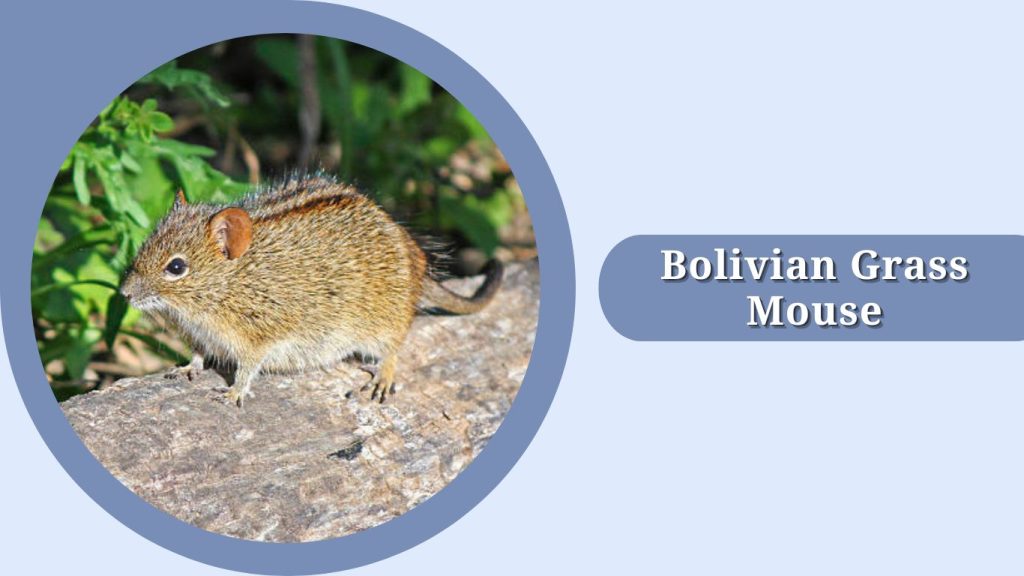
The Bolivian Grass Mouse is a small wild rodent species found in parts of Bolivia and nearby South American regions. It is known for its slim body, soft brownish fur, and quick movement through grassy habitats. This mouse is not commonly kept as a pet and is mainly recognized as a wild species in natural environments.
Identification
- Small wild grass mouse species
- Brownish or gray-brown fur on the back
- Lighter fur on the underside
- Slim body with a pointed face
- Long, thin tail compared to body size
- Small rounded ears and dark eyes
- Usually found in grasslands, fields, and open natural areas
Appearance
The Bolivian Grass Mouse has a narrow, lightweight body covered with soft natural-colored fur. Its upper coat is usually brown, gray-brown, or slightly reddish, helping it blend with grass, soil, and dry vegetation. The underside is usually paler. Its long tail and small ears give it the typical appearance of a wild grass mouse.
Behavior
This mouse is active, cautious, and fast-moving. It spends time searching for seeds, grasses, fruits, and other small natural foods. Because it is a prey animal, it usually stays close to grass, shrubs, or ground cover. When it feels threatened, it quickly escapes into nearby vegetation or shelter.
Habitat
Bolivian Grass Mice are mostly associated with grasslands, shrublands, field edges, and other open habitats. They depend on vegetation for food, nesting, and protection from predators. Since they are wild rodents, they are best understood in their natural ecosystem rather than as household pets.
7. Cursor Grass Mouse
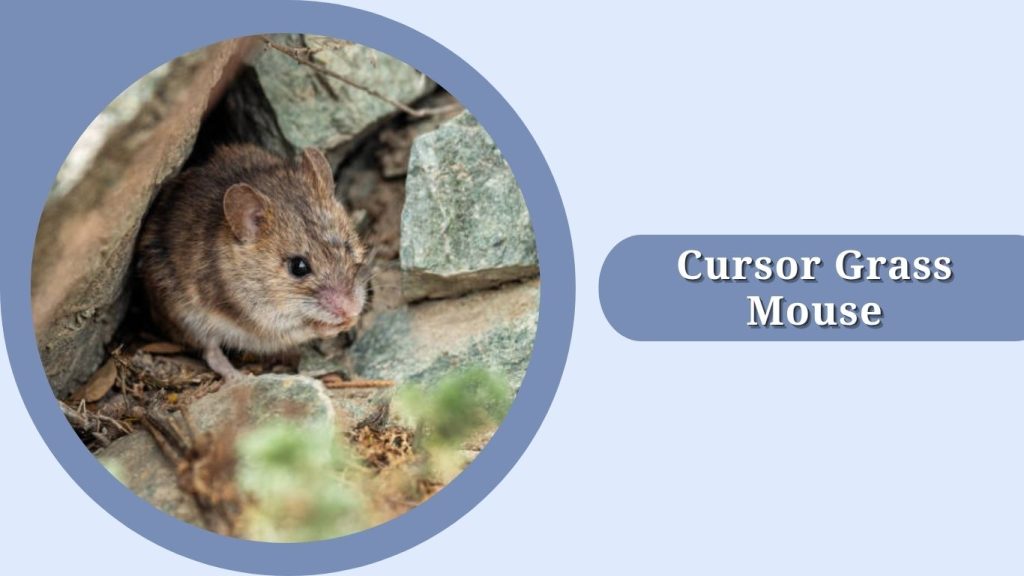
The Cursor Grass Mouse is a small wild rodent species found in parts of South America. It is known for its slim body, long tail, and fast movement through grass and low vegetation. This mouse is not kept as a normal household pet and is mainly recognized as a wild species in grassland and field habitats.
Identification
- Small wild grass mouse species
- Brownish or gray-brown fur on the back
- Lighter fur on the underside
- Long, thin tail compared to body size
- Slim body with a pointed face
- Small rounded ears and dark eyes
- Usually found in grasslands, fields, and open natural areas
Appearance
The Cursor Grass Mouse has a narrow body covered with soft, natural-colored fur. Its upper coat is usually brown, gray-brown, or slightly reddish-brown, which helps it blend into soil, dry grass, and leaf litter. The underside is paler, creating a soft contrast. Its long tail and lightweight body support quick movement through low vegetation.
Behavior
This mouse is active, alert, and cautious. It searches for seeds, grasses, fruits, and other small natural food sources. Because it is often hunted by predators, it usually stays close to vegetation and avoids exposed spaces. When disturbed, it quickly escapes into grass, shrubs, or sheltered ground cover.
Habitat
Cursor Grass Mice are mostly associated with grasslands, field edges, shrublands, and open habitats. They depend on vegetation for food, nesting space, and protection. Since they are wild rodents, they are best understood in their natural ecosystem rather than as pets.
FAQs
What are grass mice?
Grass mice are small wild rodents that usually live in grasslands, fields, shrublands, and open habitats. They often have slim bodies, long tails, brownish fur, and quick movement. Most grass mice are not kept as pets and are better known as wild animals in natural ecosystems.
How can I identify a grass mouse?
You can identify a grass mouse by looking at its body size, fur color, belly color, tail length, and habitat. Many grass mice have brown or gray-brown backs, lighter undersides, pointed faces, small rounded ears, and long thin tails.
Are grass mice the same as house mice?
No, grass mice are not the same as common house mice. Grass mice usually live in outdoor habitats such as fields, grasslands, and shrublands. House mice are more closely connected with homes, buildings, farms, and human settlements.
Do grass mice make good pets?
Grass mice are generally not suitable as pets because most are wild species. They are not normally bred for handling and may become stressed around humans. Pet owners usually choose domesticated mice or common pet rodents instead of wild grass mice.
What do grass mice eat?
Grass mice usually eat seeds, grasses, fruits, plant materials, and sometimes small insects. Their diet depends on the habitat and food available nearby. In the wild, they spend much of their time foraging close to vegetation where they can also hide from predators.