
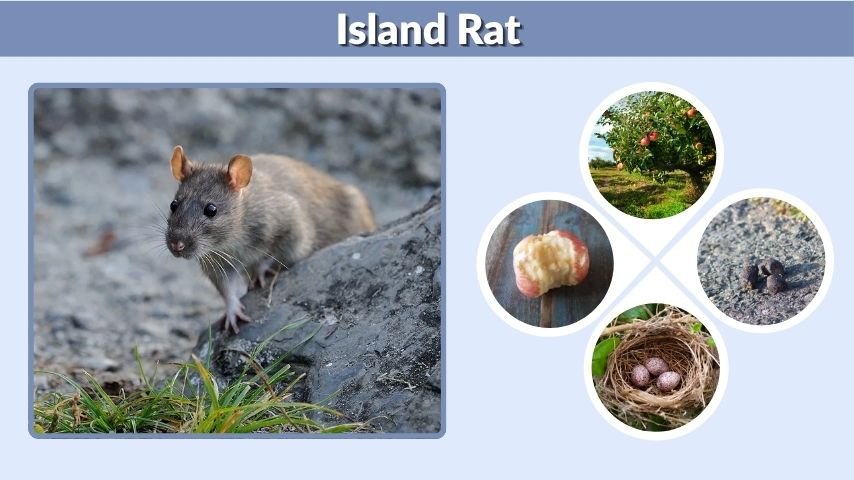
Island rat is a general name people use for rats that live on islands, especially invasive rats that arrive with human travel, ships, cargo, or settlements. These rats may look small and ordinary, but they can have a major effect on island wildlife. On many islands, rats eat eggs, chicks, seeds, insects, reptiles, and crops. This guide explains what island rats are, where they live, what they eat, why they are a problem, and how islands manage them.
What Is an Island Rat?
An island rat is not always one single species. The term may describe different rats living on islands, including the Polynesian rat, black rat, and Norway rat. Some island rats are native to certain regions, while others are introduced and invasive. The meaning depends on location, but in conservation, “island rat” often refers to rats that damage fragile island ecosystems.
Common Island Rat Species
Several rat species are strongly linked with islands. The Polynesian rat, also called the Pacific rat or kiore, is one of the best-known island-associated rats. Black rats and Norway rats are also common invasive rodents on many islands.
Common island rat types include:
- Polynesian rat or Pacific rat
- Black rat
- Norway rat
- Ship rat
- Roof rat
- Local native island rodents in some regions
Why the Name Can Be Confusing
The phrase “island rat” sounds like a specific animal, but it is often a broad description. A rat on one island may be a Polynesian rat, while another island may have black rats or Norway rats. Correct identification usually requires location, size, tail length, color, behavior, and habitat details.
Island Rat Identification
Island rats are usually small to medium-sized rodents with pointed noses, rounded ears, long tails, and sharp front teeth. Their exact appearance depends on the species. Some are slim and agile climbers, while others are heavier ground-dwelling rats. Because many rat species look similar, behavior and location are often just as important as body shape.
What Does an Island Rat Look Like?
Most island rats have brown, gray, or blackish fur. They have whiskers, strong teeth, and flexible bodies that help them move through rocks, vegetation, buildings, and cargo areas. Some species have tails as long as or longer than the body, while others have shorter, thicker tails.
The Polynesian rat is usually smaller than the black rat and Norway rat. Black rats are often slender and good climbers. Norway rats are usually heavier, stronger, and more likely to use burrows or ground-level shelters.
Island Rat vs House Rat
A house rat is usually a rat living near people, food, storage areas, or buildings. An island rat may live in forests, beaches, farms, villages, ports, or natural habitats. On islands, the same rat may behave like both a wild pest and a household pest.
Island Rat Habitat and Range
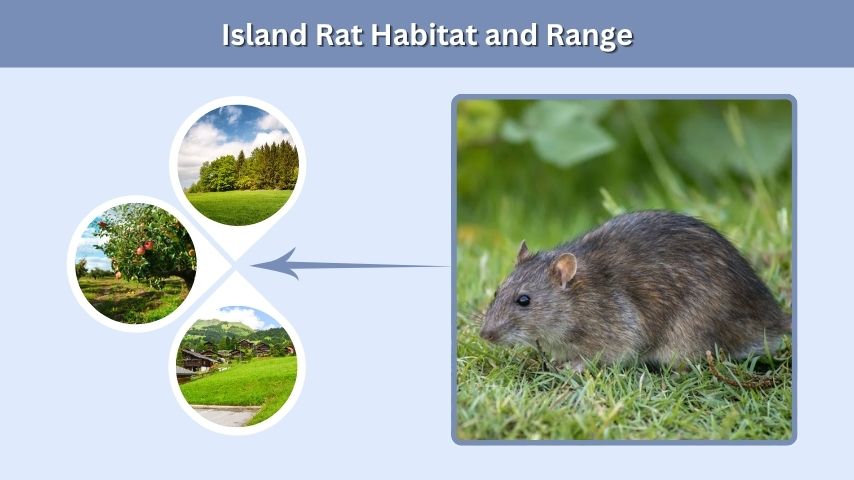
Island rats can survive in many habitats because they are adaptable and opportunistic. They may live near people, but they can also spread into forests, coastal areas, grasslands, farms, cliffs, and nesting sites. On remote islands, even a small number of introduced rats can grow into a large population if food and shelter are available.
Where Island Rats Live
Island rats may use natural shelters or human-made structures. Their habitat often depends on food, safety, and nesting opportunities.
Common island rat habitats include:
- Forest edges and native woodland
- Coastal vegetation and dunes
- Farms, gardens, and fruit trees
- Ports, ships, and cargo storage areas
- Villages, houses, and restaurants
- Rock piles, burrows, and old buildings
- Seabird nesting areas
How Rats Reach Islands
Rats often reach islands through human movement. They may hide on ships, in cargo, in stored food, or around docks. Historically, some rats spread with early human migrations, while others arrived later through trade and shipping.
Once established, rats can be hard to remove because they reproduce quickly and use many food sources.
What Do Island Rats Eat?
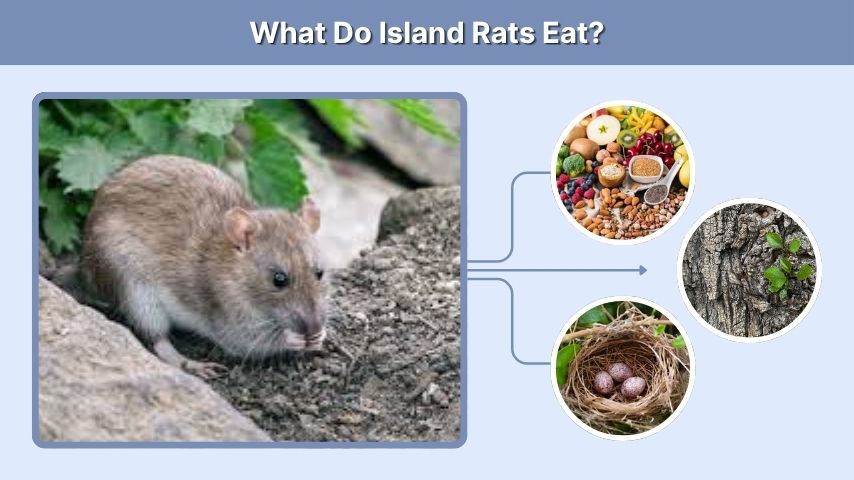
Island rats are omnivores, which means they eat both plant and animal material. Their diet changes with season, habitat, and food availability. This flexible diet helps them survive on small islands, but it also makes them harmful to native wildlife and crops. They may feed on seeds one day and eggs or insects the next.
Common Island Rat Foods
Island rats may eat many different foods, including:
- Seeds and fruits
- Nuts and grains
- Leaves, shoots, and bark
- Insects and other invertebrates
- Bird eggs and chicks
- Small reptiles
- Human food scraps
- Stored crops and livestock feed
Why Their Diet Matters
A rat’s diet matters because island species often evolved without mammal predators. Ground-nesting birds, reptiles, insects, and plants may not have defenses against rats. When rats eat eggs, chicks, seeds, or rare insects, they can reduce native populations and change the whole island ecosystem.
Island Rats and Ecosystem Damage
Island ecosystems are often more vulnerable than mainland ecosystems. Many island birds nest on the ground or in burrows because they evolved without land predators. When rats arrive, these birds may lose eggs and chicks. Rats can also affect plants by eating seeds and seedlings, which changes forest recovery over time.
Effects on Birds and Reptiles
Rats are especially harmful to nesting birds. They may raid nests at night, eating eggs and young chicks. Seabirds, island rails, petrels, and other ground-nesting birds are often at risk. Reptiles can also suffer when rats eat eggs, hatchlings, or small adults.
In some places, removing invasive rats has helped native wildlife recover. However, recovery can take years because the food web needs time to rebalance.
Effects on Plants and Insects
Island rats also affect plants and insects. By eating seeds, fruits, flowers, and seedlings, they can reduce the growth of native plants. They may also eat large insects, land snails, and other invertebrates that play important roles in soil and forest health.
When rats reduce insects and seeds, the effects can spread to birds, reptiles, and other animals that depend on those resources.
Signs of Island Rats
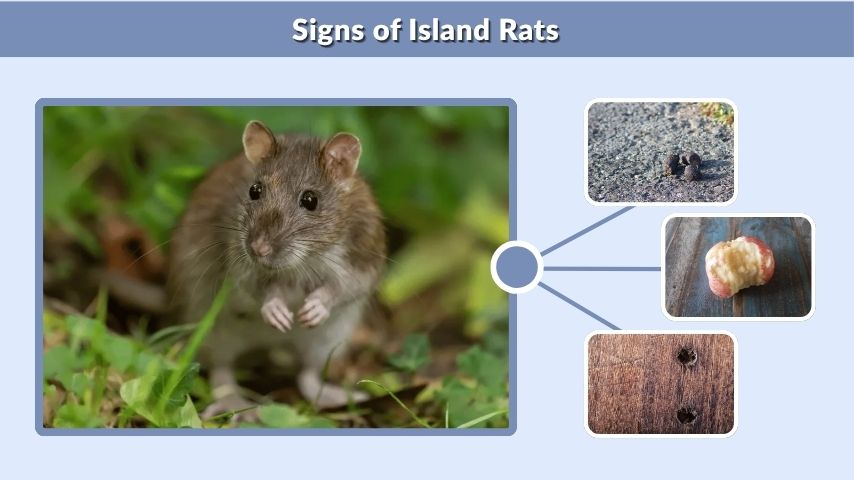
Detecting rats early is important on islands because a small population can become a major problem. Rat signs are often found near food, shelters, trails, docks, farms, and nesting areas. Some signs are obvious, while others are subtle. Conservation teams often use traps, tracking tunnels, cameras, and bait stations to monitor rat activity.
Common Signs to Watch For
Signs of island rats may include:
- Small dark droppings
- Gnaw marks on wood, fruit, wires, or containers
- Scratching sounds at night
- Tracks in sand, mud, or dust
- Chewed seeds, coconuts, or fruit
- Nesting material in hidden spaces
- Burrow holes or runways in vegetation
- Missing bird eggs or damaged nests
When Rat Signs Become Serious
A few droppings near food storage may suggest a household problem, but rat signs near nesting birds, farms, or conservation areas can be more serious. On small islands, even a limited rat population can affect rare species. Early reporting and control are important because delay makes eradication harder.
Are Island Rats Dangerous?
Island rats can be dangerous in several ways. They may damage food supplies, chew wires, contaminate surfaces, and spread germs through urine, droppings, or fleas. Their biggest danger on many islands is ecological. They can threaten native wildlife that has no natural defense against rodent predators.
Risks to People and Property
Rats can contaminate stored food and water sources. Around homes, restaurants, ships, and farms, they may damage packaging, insulation, pipes, wires, and wooden structures. Chewed wiring can create safety risks, and droppings can make indoor spaces unhealthy.
People should avoid touching wild rats, nests, urine, or droppings with bare hands. Cleaning should be done carefully, using gloves and safe sanitation methods.
Risks to Wildlife
The wildlife risk is often greater than the household risk. Island rats can reduce nesting success for birds, eat rare insects, damage native plants, and disturb natural food chains. On islands with endangered species, rat control can become a major conservation priority.
Island Rat Control and Prevention
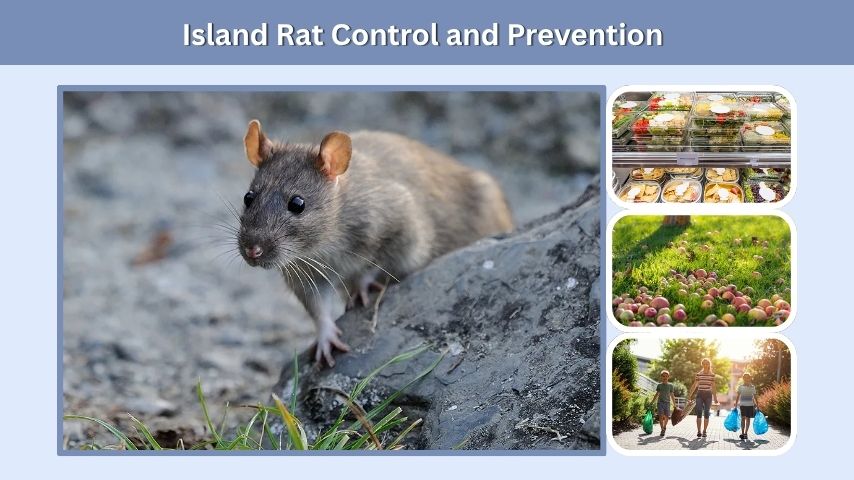
Managing island rats requires planning. Simple trapping may help around homes, but island-wide rat control is more complex. Conservation projects often combine monitoring, biosecurity, baiting, trapping, public education, and long-term prevention. The goal is not only to remove rats but also to stop them from returning.
Prevention Tips for Homes and Small Islands
Useful prevention steps include:
- Store food in sealed containers
- Remove garbage regularly
- Seal holes around buildings
- Keep vegetation trimmed near structures
- Clean up fallen fruit and spilled feed
- Protect compost areas
- Check boats, cargo, and storage areas
- Report unusual rat signs early
Why Island Biosecurity Matters
Biosecurity means preventing rats from arriving or returning. This is especially important after an island has removed invasive rats. Boats, cargo, camping gear, food shipments, and construction materials can accidentally carry rodents.
Good biosecurity protects wildlife, farms, tourism, and public health. Without it, years of conservation work can be undone by a single pregnant rat arriving on a boat.
FAQs
What is an island rat?
An island rat is a rat living on an island, often an introduced or invasive species. The term may refer to Polynesian rats, black rats, Norway rats, or other local rodents. In conservation, it usually means rats that affect island wildlife, crops, and ecosystems.
What do island rats eat?
Island rats eat many foods, including seeds, fruits, grains, insects, eggs, chicks, small reptiles, and human food scraps. Their flexible diet helps them survive in different habitats, but it also makes them harmful to native birds, plants, and small animals.
Are island rats invasive?
Many island rats are invasive, especially when they arrive on islands where native animals evolved without mammal predators. Invasive rats can harm seabirds, reptiles, insects, plants, crops, and stored food. Their impact can be severe on small or isolated islands.
How do rats get to islands?
Rats often reach islands by traveling with people, ships, cargo, food supplies, or building materials. Some spread historically with human migration, while others arrived through modern trade and transport. Once they establish a population, they can be difficult to remove.
How can island rats be controlled?
Island rat control may include trapping, bait stations, monitoring, sanitation, sealing buildings, and strict biosecurity. Large conservation projects may use island-wide eradication methods. After removal, preventing rats from returning is just as important as eliminating the original population.