
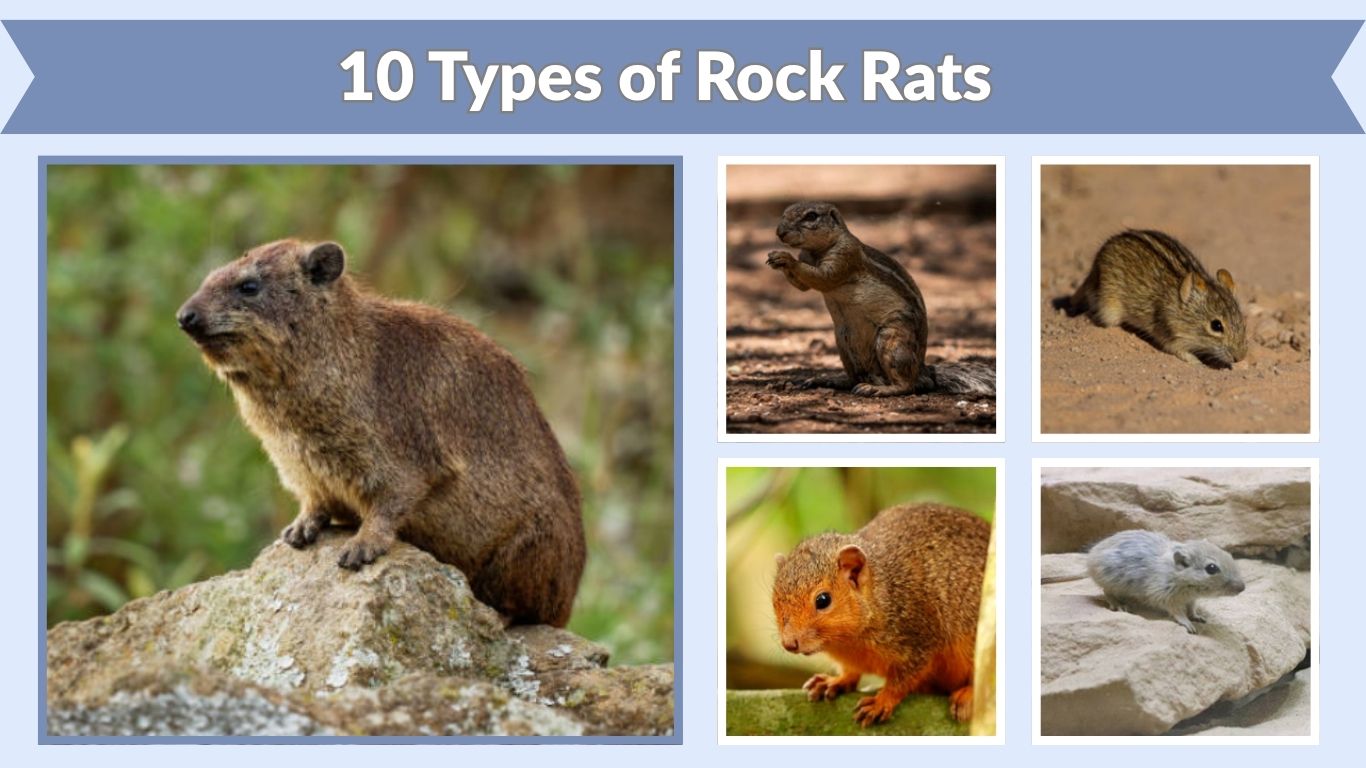
Rock rats are fascinating rodents specially adapted to rocky and mountainous regions across Africa. Each species has unique features, behaviors, and diets that help it survive in rugged environments. From the Cape Rock Rat in South Africa to the Mount Elgon Rock Rat in East Africa, these rodents are agile climbers and important contributors to their ecosystems. They disperse seeds, control insect populations, and serve as prey for a variety of predators. This guide explores the identification, habitat, behavior, diet, and lifespan of 10 notable rock rat species, offering a comprehensive overview of these resilient creatures.
1. Cape Rock Rat
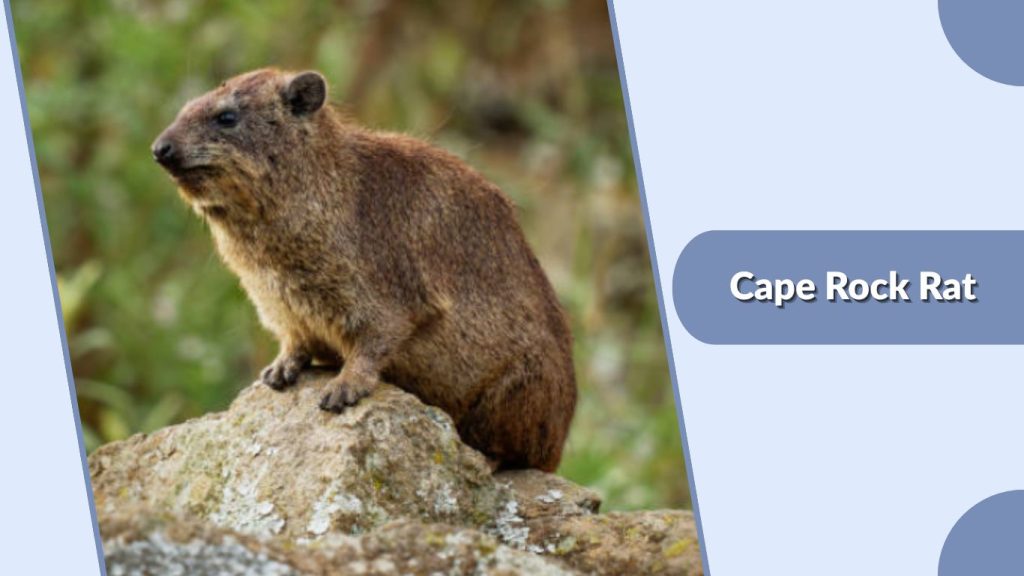
The Cape Rock Rat is a small rodent adapted to rocky environments, primarily found in the southern regions of Africa. It is known for its agility on rocky terrains and its ability to survive in harsh, arid climates. This species plays an important role in the local ecosystem as both a seed disperser and prey for predators.
Identification
- Small rodent with grayish-brown fur
- Long tail for balance on rocky surfaces
- Sharp claws for climbing
- Rounded ears and dark eyes
Habitat and Distribution
The Cape Rock Rat inhabits rocky outcrops, cliffs, and mountainous regions of South Africa, particularly in the Western and Eastern Cape provinces. It favors areas with crevices and sparse vegetation for shelter and protection.
Behavior and Diet
This species is primarily nocturnal and highly agile. It feeds on seeds, fruits, and small insects. The Cape Rock Rat is known for storing food in hidden crevices for later consumption and often uses vocalizations to communicate with others in its colony.
Lifespan
In the wild, the Cape Rock Rat typically lives 2 to 4 years. Predation and environmental factors influence its survival, while individuals in captivity can occasionally live slightly longer due to reduced threats.
2. Natal Rock Rat
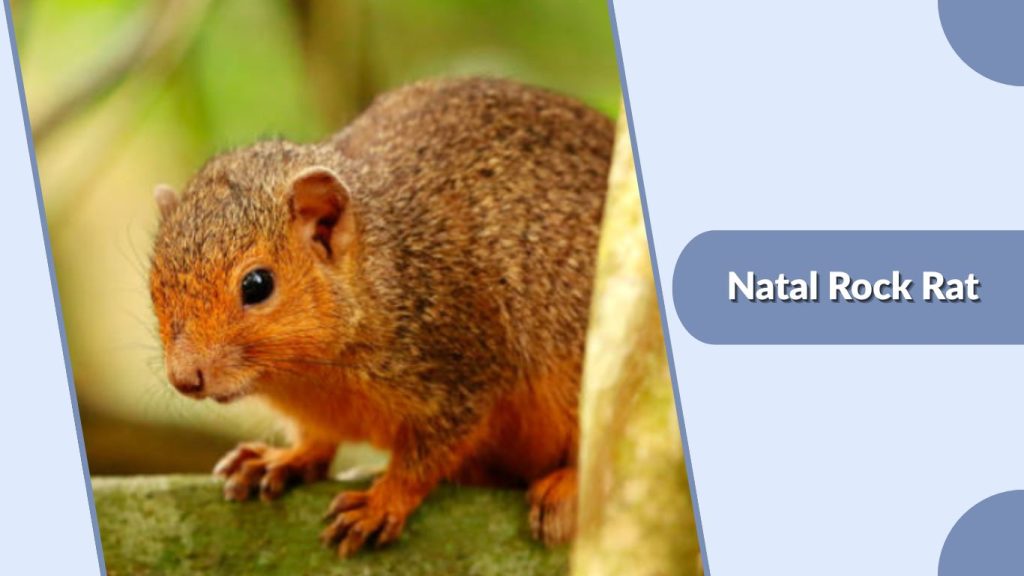
The Natal Rock Rat is a medium-sized rodent found in the rocky hills and mountainous regions of southeastern Africa. It is adapted to navigating uneven terrain and has developed keen senses for detecting predators. This species contributes to its ecosystem by dispersing seeds and serving as prey for birds of prey and small carnivores.
Identification
- Fur color: reddish-brown to gray
- Medium-length tail for balance
- Strong hind legs for climbing rocks
- Rounded ears and prominent whiskers
Habitat and Distribution
Natal Rock Rats are found mainly in the KwaZulu-Natal province of South Africa and neighboring regions. They prefer rocky hillsides, outcrops, and areas with sparse shrub cover that provide hiding spots.
Behavior and Diet
Nocturnal and agile, Natal Rock Rats feed on seeds, fruits, and occasionally small insects. They create small burrows or use rock crevices for shelter and are known to be social within small family groups.
Lifespan
In the wild, Natal Rock Rats typically live 2–3 years, though predation and food availability can reduce this. In protected environments, they may survive slightly longer.
3. Bushveld Rock Rat

The Bushveld Rock Rat is a versatile rodent commonly found in the rocky savanna regions of southern Africa. It is highly adapted to climbing and leaping across uneven surfaces, allowing it to evade predators effectively. This species plays a role in controlling insect populations and spreading seeds, contributing to ecosystem balance.
Identification
- Fur: grayish-brown with lighter underbelly
- Long tail aiding in balance
- Sharp claws for climbing rocks and shrubs
- Small, rounded ears with dark eyes
Habitat and Distribution
Bushveld Rock Rats inhabit the rocky outcrops and hills of the Bushveld region, spanning parts of South Africa, Botswana, and Zimbabwe. They prefer areas with scattered rocks, shrubs, and grasses for both food and shelter.
Behavior and Diet
Primarily nocturnal, these rats feed on seeds, fruits, and small insects. They are excellent climbers and often store food in hidden rock crevices. They exhibit cautious and territorial behavior, especially during breeding season.
Lifespan
In the wild, the Bushveld Rock Rat generally lives 2–4 years. Survival is heavily influenced by predation and environmental conditions, with captive individuals sometimes living longer.
4. Namaqua Rock Rat
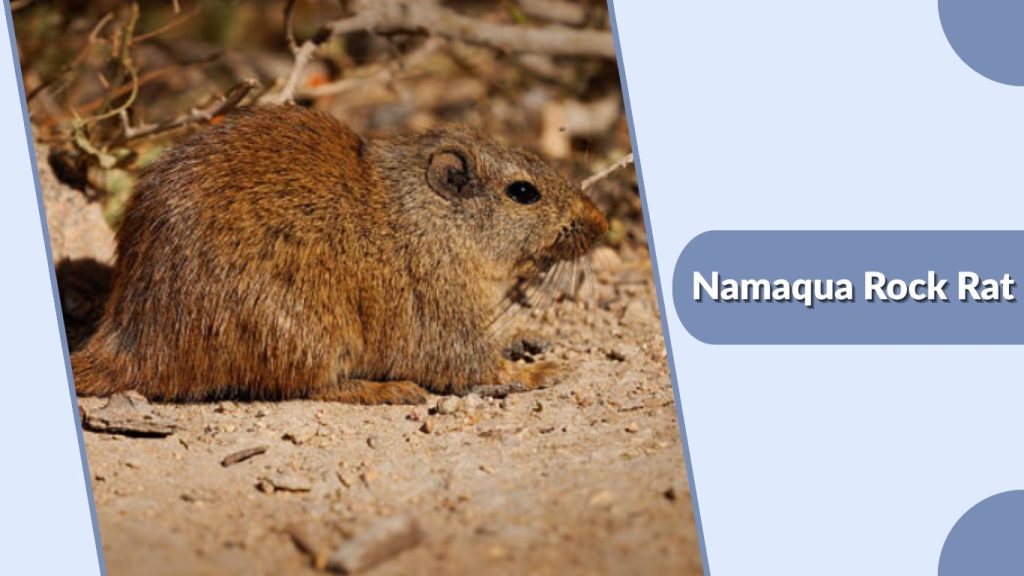
The Namaqua Rock Rat is a small, nimble rodent native to the arid and semi-arid regions of southern Africa. It has evolved to thrive in rocky, dry landscapes, relying on its agility and keen senses to avoid predators. This species is important for seed dispersal and serves as prey for a variety of birds and small mammals.
Identification
- Fur: sandy or light brown to blend with rocky terrain
- Medium-length tail for balance on uneven surfaces
- Strong claws for gripping rocks and crevices
- Small rounded ears and dark eyes
Habitat and Distribution
Namaqua Rock Rats are found mainly in the Northern Cape and surrounding desert regions. They prefer rocky hills, outcrops, and sparse scrubland where they can hide and forage safely.
Behavior and Diet
Nocturnal and cautious, they feed on seeds, fruits, and occasionally insects. They often store food in rock crevices for times of scarcity and are generally solitary except during mating periods.
Lifespan
Typically, Namaqua Rock Rats live 2–3 years in the wild. Survival depends on predation pressures and food availability, while individuals in captivity may live slightly longer.
5. Karoo Rock Rat
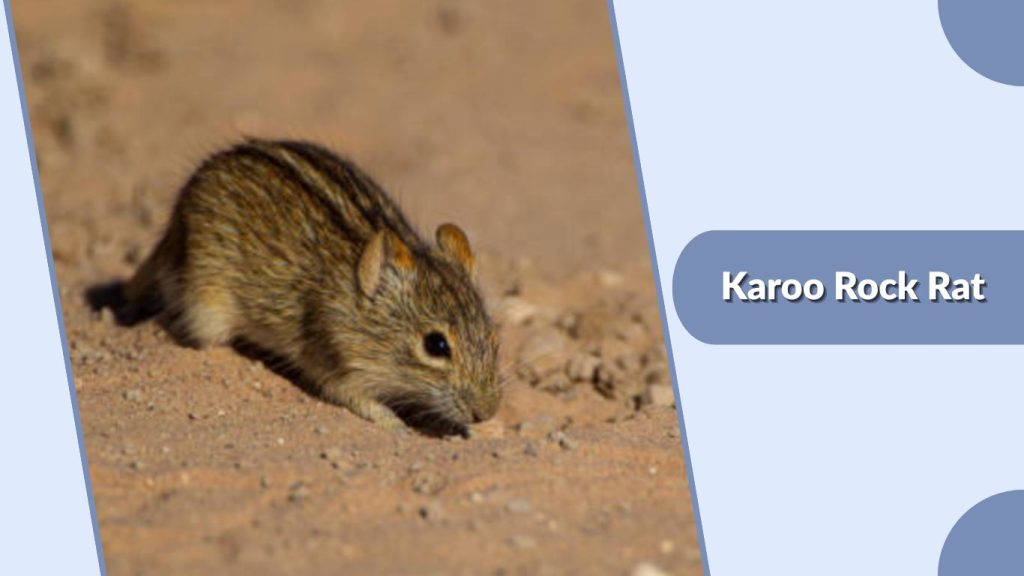
The Karoo Rock Rat is a small rodent adapted to the semi-arid Karoo region of South Africa. It is skilled at navigating rocky terrain and arid landscapes, making it a resilient species in harsh environmental conditions. This rat contributes to the ecosystem by dispersing seeds and serving as prey for snakes, owls, and small carnivores.
Identification
- Fur: light brown to gray, blending with rocky surroundings
- Long, thin tail for balance
- Strong claws for climbing and digging
- Rounded ears and dark, alert eyes
Habitat and Distribution
Karoo Rock Rats are mainly found in the Karoo region, including rocky outcrops, dry riverbeds, and semi-arid hills. They favor areas with crevices and scattered vegetation for shelter.
Behavior and Diet
Primarily nocturnal, these rats feed on seeds, small fruits, and insects. They often store food in rock crevices and remain highly alert to avoid predators. They are mostly solitary outside of the breeding season.
Lifespan
In the wild, Karoo Rock Rats live about 2–3 years. Predation and scarcity of food affect survival, while captive individuals can sometimes live longer under controlled conditions.
6. Drakensberg Rock Rat
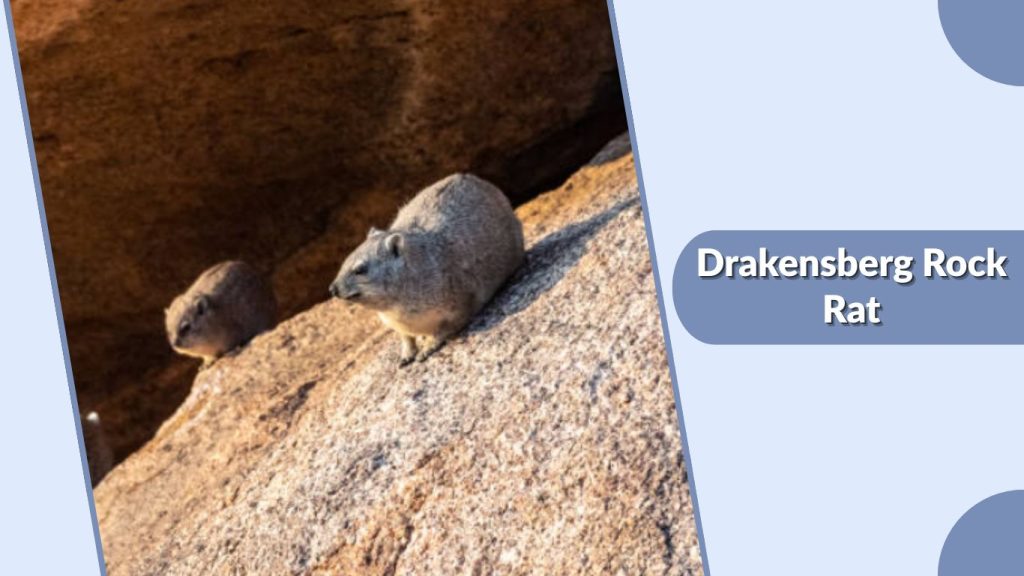
The Drakensberg Rock Rat is a rodent species native to the mountainous Drakensberg region of South Africa and Lesotho. It is highly adapted to steep, rocky slopes and is known for its agility and climbing ability. The species plays a role in seed dispersal and serves as prey for raptors and small carnivores in its ecosystem.
Identification
- Fur: gray-brown with a lighter underbelly
- Medium-length tail for balance on rocks
- Strong, sharp claws for climbing steep terrain
- Rounded ears and bright, dark eyes
Habitat and Distribution
Drakensberg Rock Rats inhabit rocky cliffs, mountainous slopes, and scattered shrublands within the Drakensberg mountains. They prefer areas with crevices and dense rocks for shelter and protection from predators.
Behavior and Diet
Mostly nocturnal, they feed on seeds, fruits, and small insects. They are excellent climbers, often moving swiftly across rocky surfaces. These rats tend to be solitary, coming together only during mating periods.
Lifespan
In the wild, the Drakensberg Rock Rat typically lives 2–4 years. Environmental conditions and predation largely influence their lifespan, while captive individuals may occasionally live slightly longer.
7. Ethiopian Rock Rat
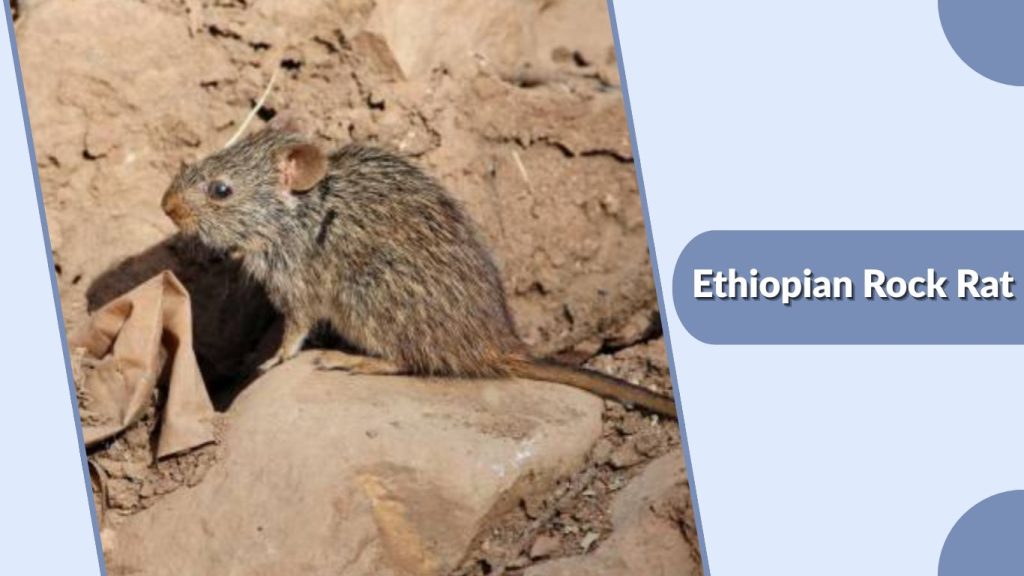
The Ethiopian Rock Rat is a small rodent endemic to the rocky highlands of Ethiopia. It is specially adapted to steep, rocky environments and cooler climates, using its agility and climbing skills to evade predators. This species contributes to its ecosystem by dispersing seeds and serving as prey for birds of prey and small carnivores.
Identification
- Fur: brownish-gray with a lighter underside
- Long, thin tail aiding in balance
- Strong claws for climbing and gripping rocks
- Small, rounded ears and dark, alert eyes
Habitat and Distribution
Ethiopian Rock Rats are found in rocky highlands, cliffs, and escarpments across Ethiopia. They prefer areas with crevices, boulders, and sparse vegetation for shelter and protection.
Behavior and Diet
Nocturnal and agile, these rats feed mainly on seeds, fruits, and small insects. They are mostly solitary except during the breeding season and are known to store food in hidden crevices for times of scarcity.
Lifespan
In the wild, Ethiopian Rock Rats generally live 2–3 years. Predation and environmental factors affect survival, while captive individuals may live slightly longer under controlled conditions.
8. Somali Rock Rat
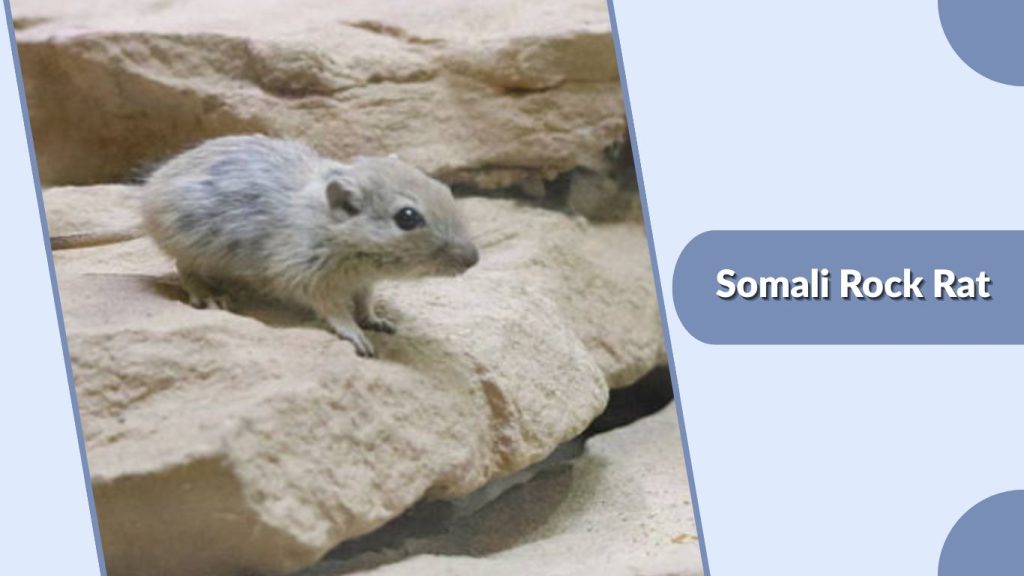
The Somali Rock Rat is a small rodent native to the rocky and semi-arid regions of Somalia. It is well-adapted to climbing and navigating rugged terrain, using its agility to avoid predators. This species plays a role in the ecosystem by dispersing seeds and serving as prey for birds and small carnivores.
Identification
- Fur: sandy to light brown for camouflage
- Medium-length tail for balance on rocks
- Sharp claws for climbing and gripping rocky surfaces
- Small rounded ears and dark eyes
Habitat and Distribution
Somali Rock Rats are found mainly in rocky outcrops, hills, and semi-arid scrublands of Somalia. They prefer areas with crevices and scattered shrubs for shelter and foraging.
Behavior and Diet
Primarily nocturnal, Somali Rock Rats feed on seeds, fruits, and occasionally insects. They are mostly solitary, except during mating periods, and often store food in hidden rock crevices for future use.
Lifespan
In the wild, Somali Rock Rats typically live 2–3 years. Predation and food availability influence survival, while captive individuals may live slightly longer.
9. Angolan Rock Rat
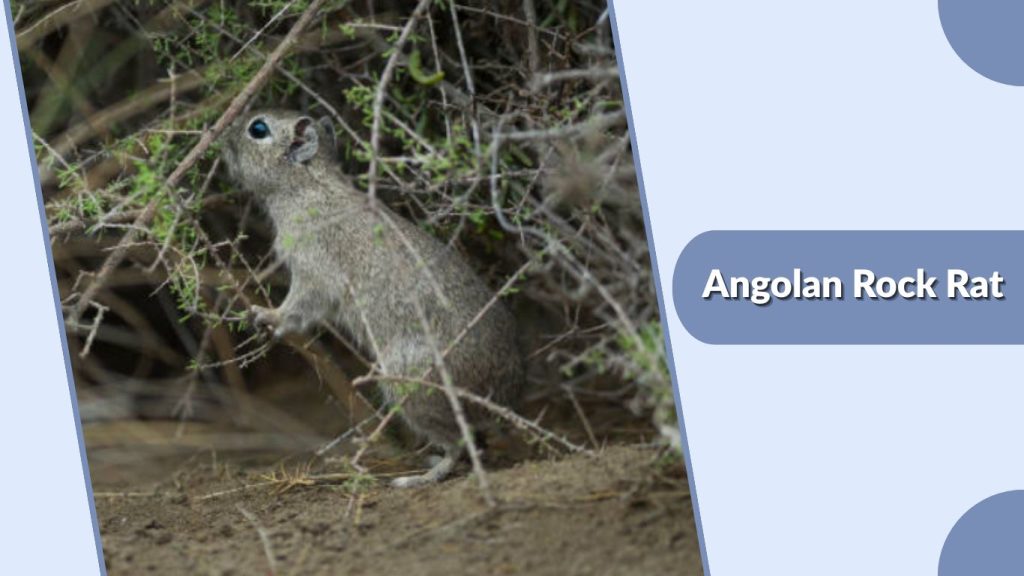
The Angolan Rock Rat is a medium-sized rodent found in the rocky terrains and savanna regions of Angola. Adapted to climbing and hopping across uneven surfaces, it is agile and cautious, helping it evade predators. The species contributes to its ecosystem by dispersing seeds and serving as prey for birds and small carnivorous mammals.
Identification
- Fur: grayish-brown with lighter underparts
- Long tail for balance on rocks and uneven terrain
- Strong claws for climbing and digging
- Rounded ears and dark eyes
Habitat and Distribution
Angolan Rock Rats inhabit rocky outcrops, hills, and scattered shrublands throughout Angola. They prefer areas with abundant crevices and sparse vegetation for shelter and protection.
Behavior and Diet
Nocturnal and primarily solitary, they feed on seeds, fruits, and small insects. They store food in hidden crevices and are highly alert to predators, using vocalizations to communicate in some cases.
Lifespan
In the wild, Angolan Rock Rats live about 2–4 years, with survival influenced by predation and resource availability. Captive individuals may occasionally live longer.
10. Mount Elgon Rock Rat
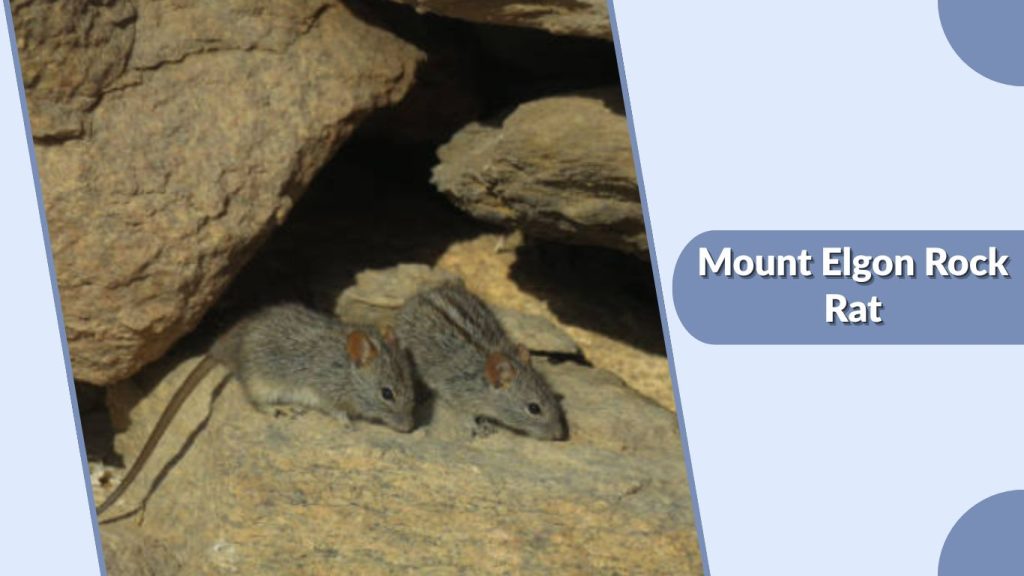
The Mount Elgon Rock Rat is a rodent species native to the rocky highlands surrounding Mount Elgon in East Africa, along the Kenya–Uganda border. Adapted to steep, rocky slopes, it uses its agility and climbing skills to evade predators. This species also contributes to the ecosystem by dispersing seeds and serving as prey for birds of prey and small carnivores.
Identification
- Fur: brownish-gray with a lighter underbelly
- Long, thin tail for balance on rocky surfaces
- Sharp claws for climbing and gripping rocks
- Small, rounded ears and dark eyes
Habitat and Distribution
Mount Elgon Rock Rats inhabit rocky hillsides, cliffs, and highland slopes around Mount Elgon. They prefer areas with boulders, crevices, and sparse vegetation for shelter and protection.
Behavior and Diet
Nocturnal and agile, they feed primarily on seeds, fruits, and small insects. They are mostly solitary except during mating periods and often store food in hidden rock crevices for future consumption.
Lifespan
In the wild, Mount Elgon Rock Rats typically live 2–3 years. Predation and environmental factors influence their survival, while captive individuals may live slightly longer under controlled conditions.
FAQs
What is the primary habitat of rock rats?
Rock rats primarily inhabit rocky terrains, cliffs, hills, and mountainous regions. They prefer areas with crevices, boulders, and sparse vegetation that provide shelter from predators and harsh environmental conditions.
Are rock rats nocturnal or diurnal?
Most rock rat species are nocturnal. They are active at night to forage for seeds, fruits, and insects while avoiding predators, returning to crevices or burrows during the day for safety.
What do rock rats eat?
Rock rats are omnivorous, feeding mainly on seeds, fruits, and small insects. Some species may also consume small plants or fungi, and many store food in crevices for later consumption.
How long do rock rats live?
In the wild, rock rats generally live 2–4 years depending on species, predation, and food availability. In captivity, they may live slightly longer due to reduced threats and consistent food supply.
Do rock rats climb well?
Yes, rock rats are excellent climbers. They have long tails and sharp claws that help them navigate rocky surfaces, steep slopes, and crevices efficiently, allowing them to escape predators and search for food.