
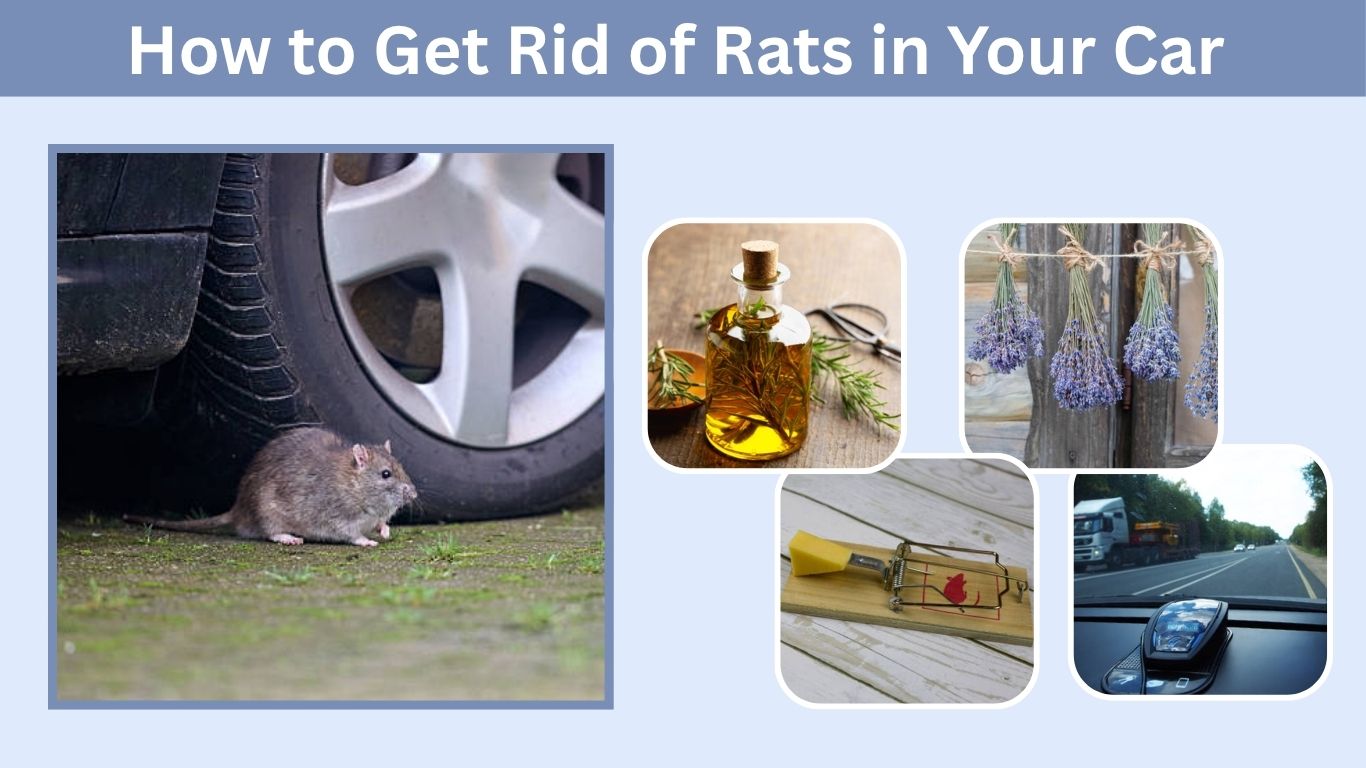
Rats and mice in cars are more than a nuisance—they can chew wires, damage upholstery, and spread disease. While chemical traps or poisons are available, natural methods are safer for both you and your vehicle. This guide explains why rats infest cars, how to identify signs of an infestation, and effective natural strategies to deter and remove them. From essential oils and ultrasonic devices to cleaning routines and preventive measures, these solutions provide safe, eco-friendly ways to keep your car rat-free.
Understanding Why Rats Invade Cars
Rats are drawn to cars for warmth, shelter, and food. Knowing why your vehicle attracts rodents helps target natural removal and prevention strategies effectively.
Common Reasons for Infestation
- Warm engine compartments and interiors that provide shelter
- Stored food, crumbs, or wrappers inside the vehicle
- Garages or parking areas near dense vegetation or trash
- Clutter or debris under the car or in the parking area providing hiding spots
Signs of Rats in Cars
- Gnaw marks on wiring, insulation, seats, or upholstery
- Droppings in the footwell, trunk, or engine bay
- Scratching noises, particularly at night
- Nests made from paper, fabric, or insulation
Potential Damage
- Chewed electrical wires causing vehicle malfunctions
- Torn upholstery and insulation
- Contaminated surfaces with urine or feces
- Increased risk of mechanical or fire hazards
Natural Repellents for Cars
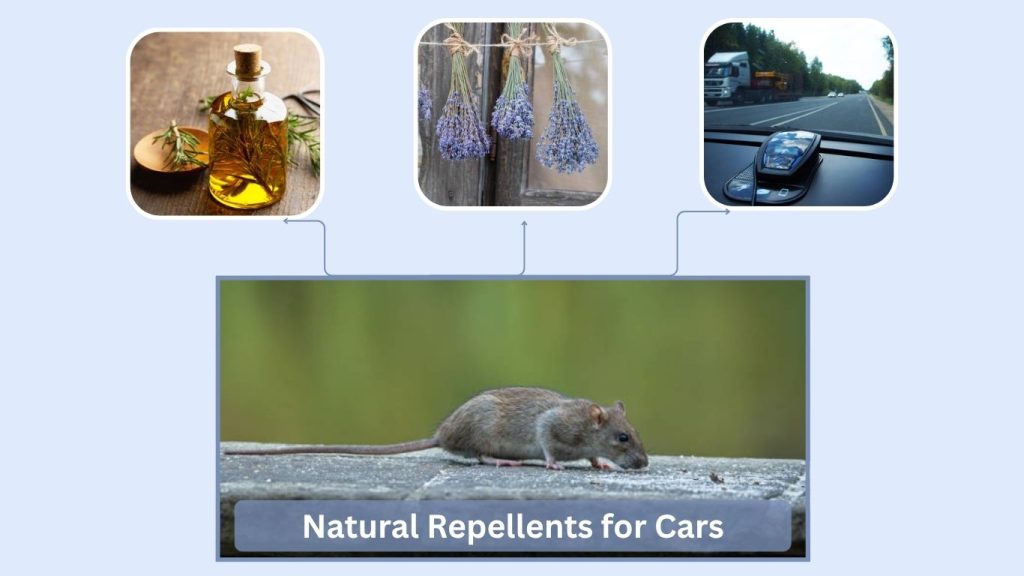
Using natural repellents reduces chemical exposure while discouraging rodents from entering your vehicle.
Essential Oils and Strong Scents
- Peppermint, eucalyptus, or citronella oils applied on cotton balls
- Place cotton balls in the engine bay, footwells, or trunk
- Refresh regularly to maintain effectiveness
Plant-Based Deterrents
- Dried lavender or bay leaves in footwells or trunk
- Sprinkling cayenne pepper near potential entry points
- Cloves or garlic cloves act as a natural deterrent for rats
Ultrasonic Devices
- Emit high-frequency sounds inaudible to humans
- Discourage rats from nesting or entering vehicles
- Most effective when used while the car is parked in garages or driveways
Cleaning and Hygiene Practices
Maintaining a clean vehicle reduces attractants and removes potential nesting materials, making your car less appealing to rats.
Interior Cleaning
- Remove leftover food, wrappers, and crumbs
- Vacuum carpets, seats, and floor mats thoroughly
- Wash or wipe down upholstery and mats to eliminate odors
Exterior Cleaning
- Clear leaves, debris, and clutter around parking spaces
- Remove trash bins or food sources near garages
- Keep the undercarriage and engine bay free from nesting materials
Parking Habits
- Avoid parking near dumpsters, overgrown bushes, or dense vegetation
- Park in well-lit or open areas to reduce rodent access
- Consider using a car cover to act as a physical barrier
Preventive Measures
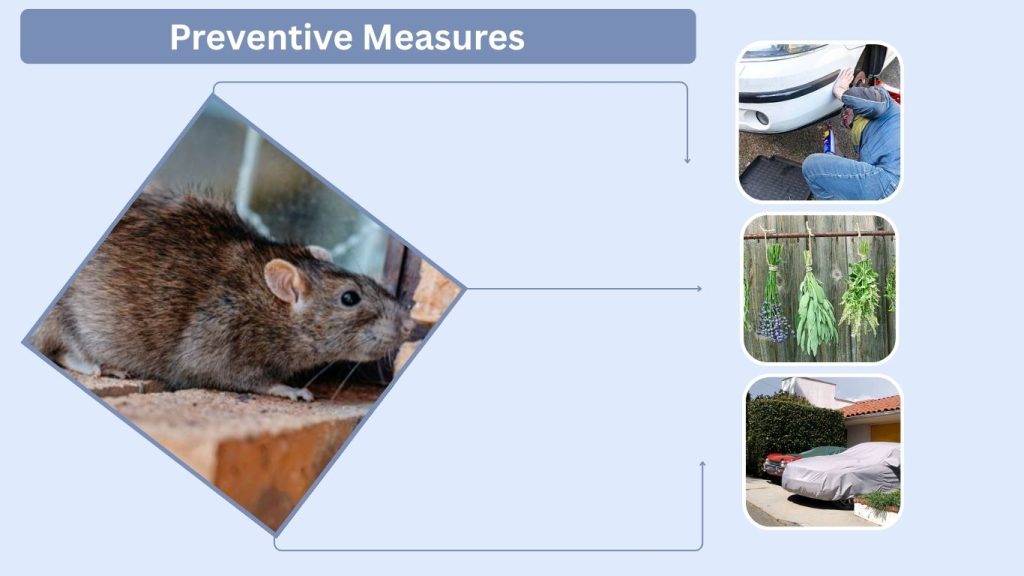
Preventing future infestations is easier than repeated removal. Taking proactive steps reduces the risk of rats returning to your vehicle.
Physical Barriers
- Seal gaps and openings under the car and in the garage
- Install wire mesh over air vents, exhaust pipes, and other potential entry points
- Use a car cover to reduce access when parked for long periods
Natural Deterrents
- Place mothballs or dried herbs near parking areas (handle safely)
- Sprinkle chili powder or coffee grounds around the garage perimeter
- Continue using ultrasonic devices for ongoing deterrence
Regular Maintenance Practices
Regular maintenance ensures your car remains unattractive to rats and reduces the chances of hidden infestations.
Routine Checks
- Inspect wires, hoses, and insulation for bite marks
- Remove accumulated leaves, rags, or other debris under the car
- Check engine bay and trunk for any signs of nesting or droppings
Cleaning Habits
- Vacuum and wipe the interior frequently
- Keep food or crumbs out of the vehicle
- Wash floor mats and upholstery regularly to remove scents that attract rodents
How to Handle an Active Infestation
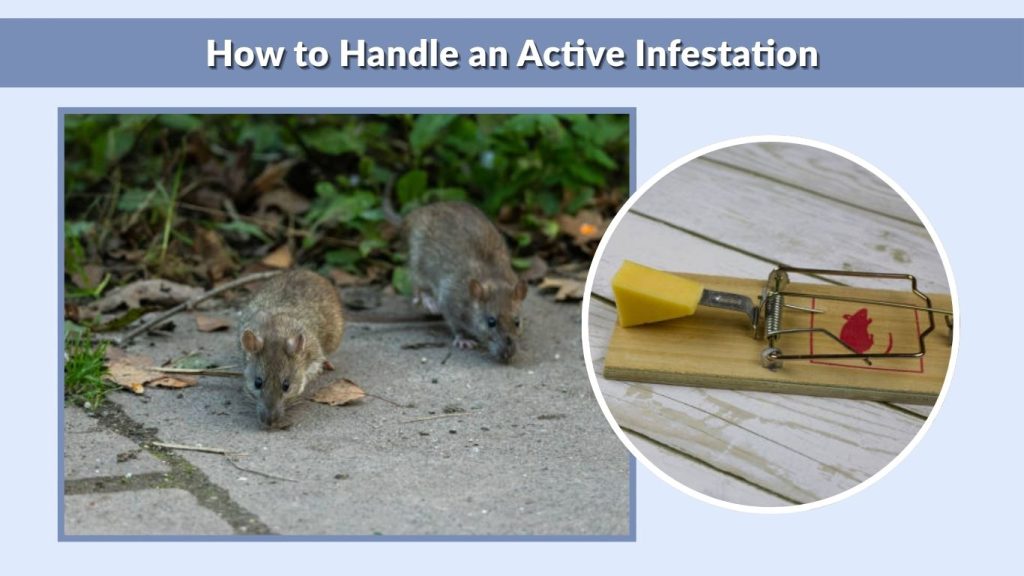
If you notice signs of rats despite preventive measures, taking immediate action is key.
- First, park your car in a safe, open area to inspect it
- Use natural repellents like peppermint oil-soaked cotton balls in suspected nesting areas
- Place traps or deterrents outside the car to prevent re-entry
- Remove any existing nests carefully while wearing gloves and protective clothing
- Avoid using toxic chemicals inside the car for safety
FAQs
How can I naturally get rid of rats in my car?
Use essential oils like peppermint or eucalyptus, ultrasonic devices, and plant-based deterrents such as bay leaves or cloves. Combine these with thorough cleaning and preventive maintenance to make your car uninviting to rodents.
What are the signs that rats are in my car?
Look for gnawed wires or upholstery, droppings in the trunk or footwells, scratching noises at night, or nests made from paper, fabric, or insulation.
Can rats damage my car seriously?
Yes. Rats can chew electrical wiring, insulation, and upholstery, potentially causing vehicle malfunctions, short circuits, or even fire hazards if left untreated.
Are ultrasonic devices effective for preventing rats in cars?
Ultrasonic devices can help deter rats by emitting high-frequency sounds, but they are most effective when combined with cleaning, sealing entry points, and natural repellents.
How can I prevent rats from coming back after removal?
Seal potential entry points, park in open or well-lit areas, use natural repellents, eliminate food sources, and maintain regular cleaning inside and around your vehicle.