
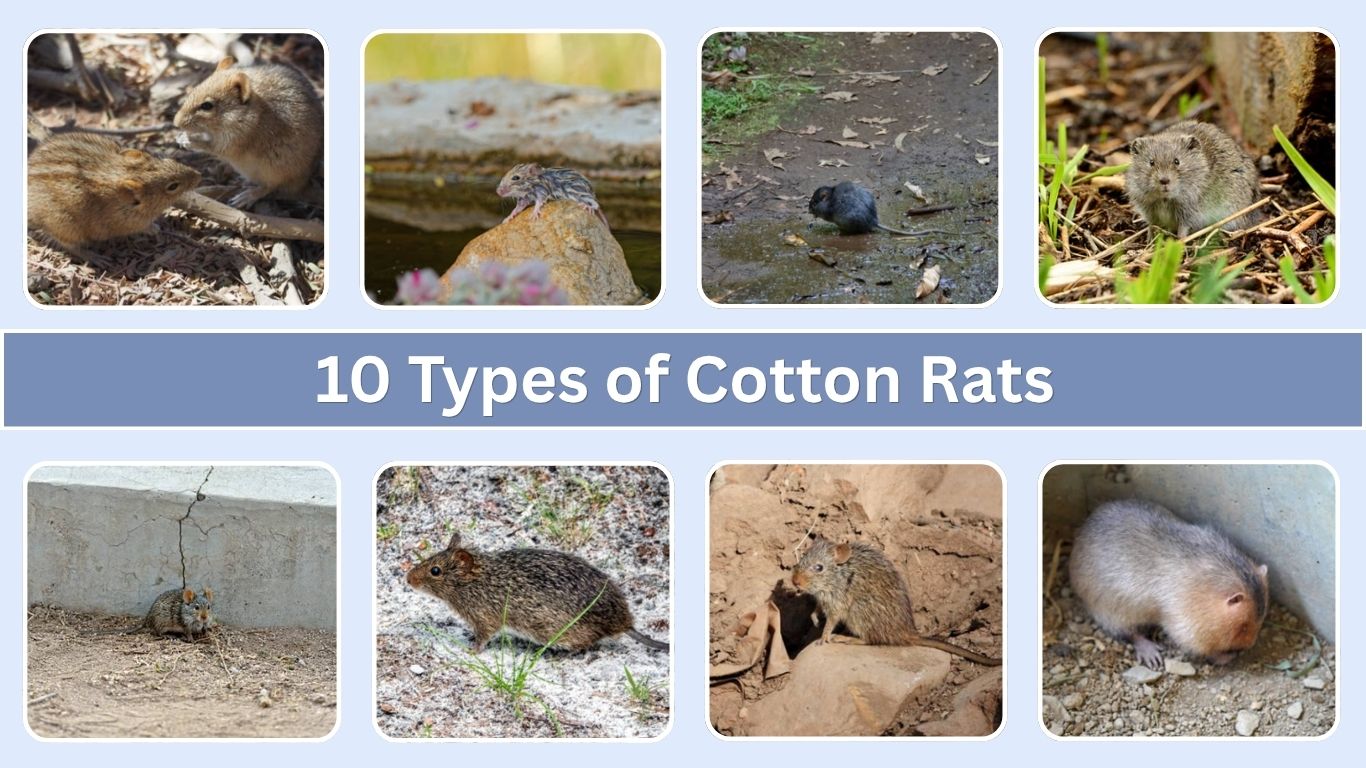
Cotton rats are small rodents commonly found in grassy habitats across North, Central, and South America. Belonging to the genus Sigmodon, these animals are known for their coarse fur, short tails, and ability to thrive in dense vegetation. Cotton rats play an important role in ecosystems by spreading seeds and serving as prey for many predators, including owls, snakes, and foxes. Different species inhabit grasslands, marshes, forests, and agricultural fields in both tropical and temperate regions. From the hispid cotton rat to the Argentine cotton rat, these adaptable rodents display a variety of characteristics and habitat preferences.
1. Hispid Cotton Rat
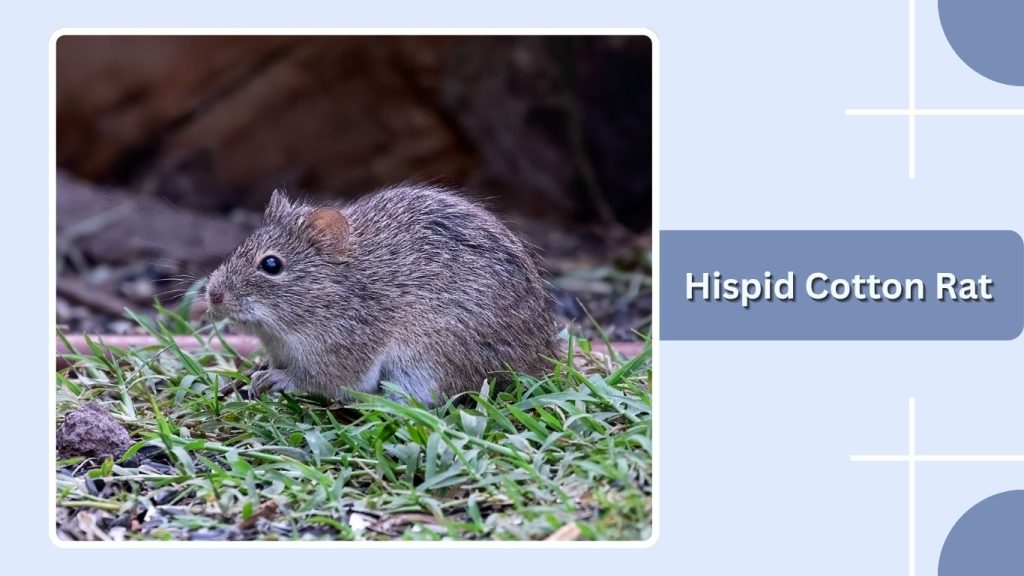
The hispid cotton rat is one of the most common and widely studied cotton rat species in North America. Known for its coarse fur and stocky body, this small rodent is commonly found in grassy habitats, agricultural fields, and wetlands. It plays an important role in local ecosystems as both a seed eater and prey animal.
Identification
- Medium-sized rodent with a stocky body
- Coarse grayish-brown or dark brown fur
- Short tail covered with sparse hair
- Small rounded ears partially hidden by fur
- Blunt snout with long whiskers
- Body length usually ranges from 5 to 8 inches
- Tail is shorter than the body length
- Dark eyes and strong hind legs
Habitat and Distribution
The hispid cotton rat is widely distributed across the southern United States, Mexico, and parts of Central America. It commonly inhabits grasslands, marshes, roadsides, overgrown fields, agricultural areas, and forest edges.
These rodents prefer dense vegetation that provides cover from predators and protection for nesting. They often build nests from grasses and plant material hidden in thick ground cover.
Behavior and Diet
Hispid cotton rats are mainly active during the night and early morning hours. They are strong runners and use narrow pathways through vegetation to move between feeding areas and nests.
Their diet mainly includes grasses, seeds, roots, bark, and agricultural crops. They may also eat insects occasionally. Hispid cotton rats are important prey for snakes, owls, foxes, and other predators in their habitat.
Lifespan
The average lifespan of a hispid cotton rat in the wild is usually less than one year because of heavy predation and environmental pressures. In captivity, they may live up to two years under protected conditions.
Females reproduce rapidly and can produce several litters each year. Young cotton rats grow quickly and become independent within a short period after birth.
2. Yellow-Nosed Cotton Rat
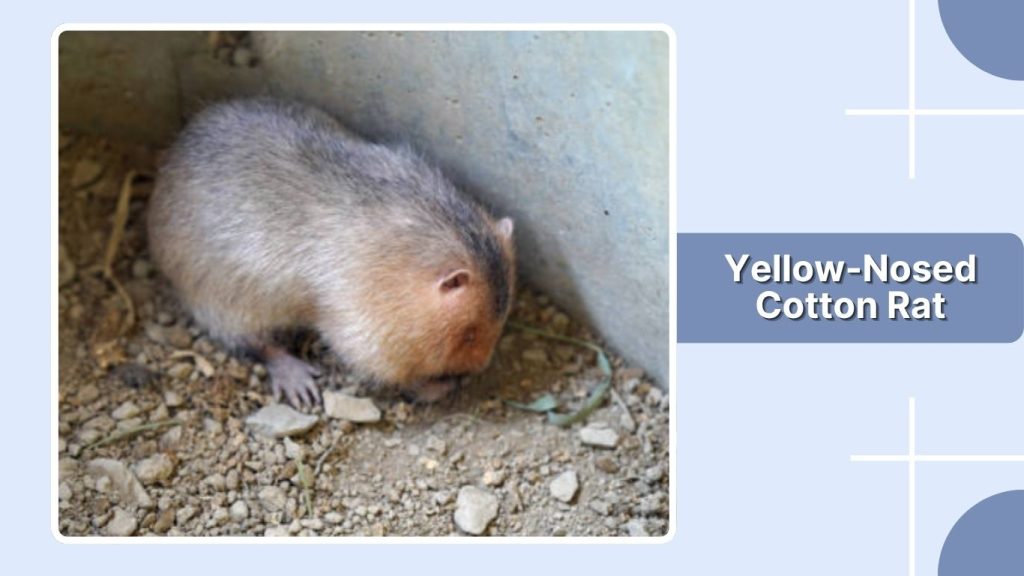
The yellow-nosed cotton rat is a small rodent species recognized for its slightly yellowish nose and coarse fur. This cotton rat is commonly found in grassy and shrubby habitats in parts of Mexico and Central America. It is an active ground-dwelling rodent that plays an important role in seed dispersal and local food chains.
Identification
- Medium-sized rodent with a compact body
- Grayish-brown or reddish-brown coarse fur
- Slight yellow or buff coloration around the nose
- Small rounded ears partly hidden by fur
- Short tail with sparse hair
- Dark eyes and long whiskers
- Body length usually ranges from 5 to 7 inches
- Tail shorter than the combined head and body length
Habitat and Distribution
The yellow-nosed cotton rat is mainly found in Mexico and nearby parts of Central America. It commonly inhabits grasslands, shrublands, forest edges, agricultural areas, and overgrown fields with dense vegetation.
This species prefers habitats that provide thick ground cover for hiding and nesting. It often builds nests from grasses and plant material in sheltered areas close to food sources.
Behavior and Diet
Yellow-nosed cotton rats are mainly nocturnal and spend much of their time moving through grassy pathways while searching for food. They are quick runners and rely on dense vegetation for protection from predators.
Their diet mainly consists of grasses, seeds, roots, fruits, and other plant material. They may occasionally consume insects and small invertebrates. These rodents are important prey for snakes, birds of prey, and carnivorous mammals.
Lifespan
The yellow-nosed cotton rat usually lives less than one year in the wild due to predation and environmental challenges. In captivity, individuals may survive for up to two years under favorable conditions.
Females reproduce several times a year and can produce multiple litters annually. Young cotton rats grow rapidly and become independent soon after weaning.
3. Toltec Cotton Rat
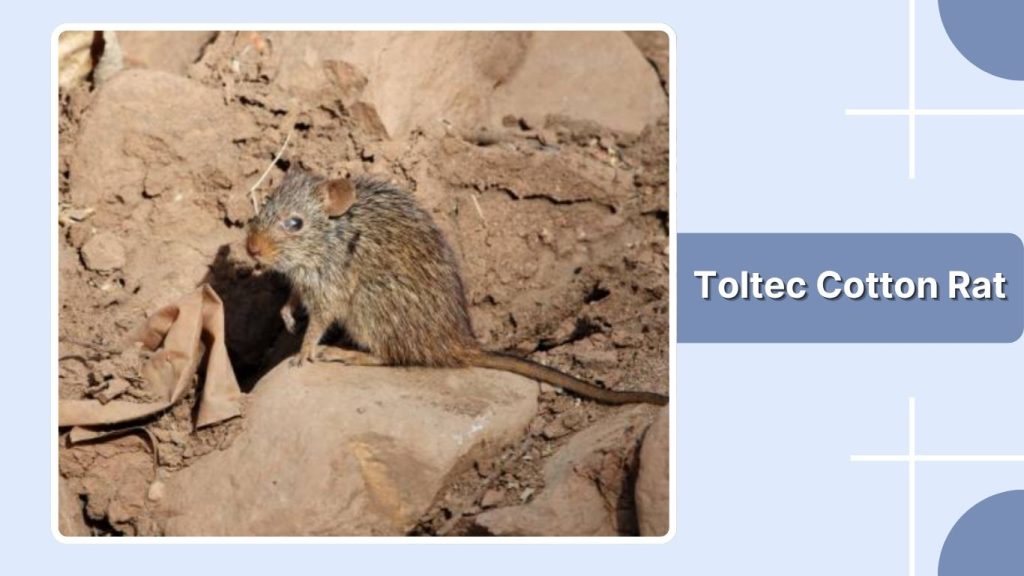
The Toltec cotton rat is a medium-sized rodent native to parts of Mexico and Central America. This species is known for its coarse fur, short tail, and preference for dense grassy habitats. Like other cotton rats, it is an important part of local ecosystems as both a plant eater and a food source for predators.
Identification
- Medium-sized rodent with a sturdy body
- Coarse grayish-brown or reddish-brown fur
- Short tail covered with sparse hair
- Small rounded ears partly hidden by fur
- Blunt snout with long whiskers
- Dark eyes and strong hind legs
- Body length usually ranges from 5 to 8 inches
- Tail shorter than the body length
Habitat and Distribution
The Toltec cotton rat is commonly found in eastern Mexico and parts of Central America. It inhabits grasslands, marshes, agricultural fields, forest edges, and areas with thick vegetation.
This species prefers habitats with dense ground cover that provides shelter from predators and suitable nesting areas. Nests are usually built from grasses and other plant materials hidden within vegetation.
Behavior and Diet
Toltec cotton rats are mainly active during the night and early morning. They create narrow pathways through grass and shrubs to travel between feeding and nesting areas.
Their diet mainly includes grasses, seeds, roots, stems, and other plant material. They may occasionally consume insects or small invertebrates. These rodents are important prey for owls, snakes, foxes, and other predators.
Lifespan
The average lifespan of a Toltec cotton rat in the wild is generally less than one year due to predation and environmental pressures. In captivity, they may survive for up to two years.
Females reproduce frequently and can give birth to several litters each year. Young rats grow quickly and become independent within a short time after birth.
4. White-Toothed Cotton Rat
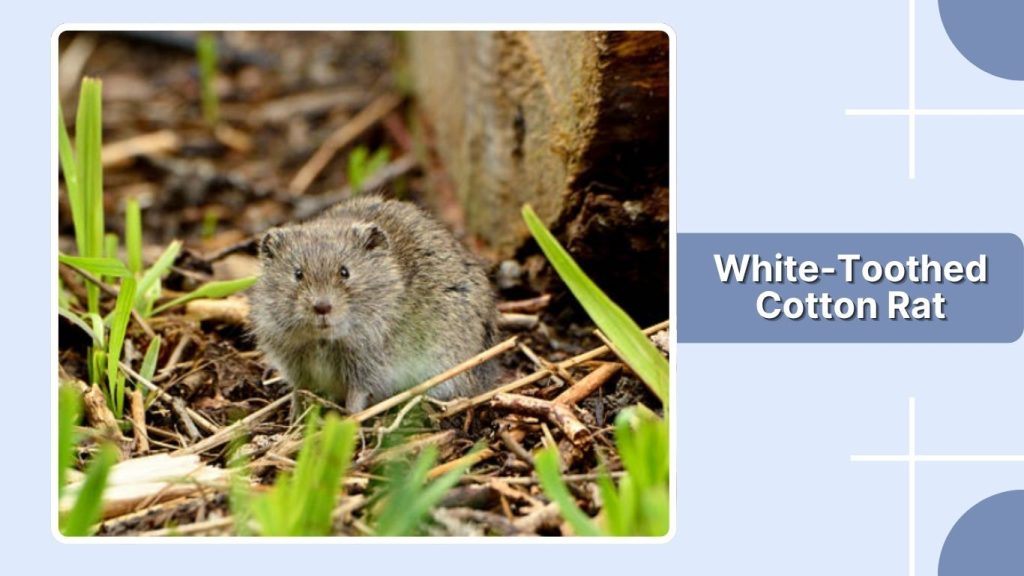
The white-toothed cotton rat is a small rodent species known for its pale teeth, coarse fur, and strong adaptability to grassy habitats. This cotton rat is commonly found in parts of Central America and southern Mexico, where it lives among dense vegetation and agricultural landscapes.
Identification
- Medium-sized rodent with a compact body
- Coarse gray-brown or reddish-brown fur
- Distinct pale or white-colored teeth
- Small rounded ears partly hidden by fur
- Short tail covered with sparse hair
- Long whiskers and dark eyes
- Body length usually ranges from 5 to 7 inches
- Tail shorter than the head and body length combined
Habitat and Distribution
The white-toothed cotton rat is mainly distributed across southern Mexico and parts of Central America. It inhabits grasslands, marshes, crop fields, forest edges, and overgrown vegetation areas.
This species prefers habitats with thick plant cover that offers protection from predators and provides nesting material. It commonly builds nests from dry grasses hidden near the ground.
Behavior and Diet
White-toothed cotton rats are mostly nocturnal and remain active during cooler parts of the day and night. They travel through narrow grassy trails while searching for food and shelter.
Their diet mainly consists of grasses, seeds, stems, roots, and other plant material. They may occasionally eat insects and small invertebrates. These rodents are important prey for snakes, owls, hawks, and small carnivorous mammals.
Lifespan
The white-toothed cotton rat generally lives less than one year in the wild because of heavy predation and environmental stress. In captivity, some individuals may live up to two years.
Females reproduce multiple times throughout the year and can produce several litters annually. Young cotton rats grow rapidly and become independent shortly after weaning.
5. Perote Cotton Rat
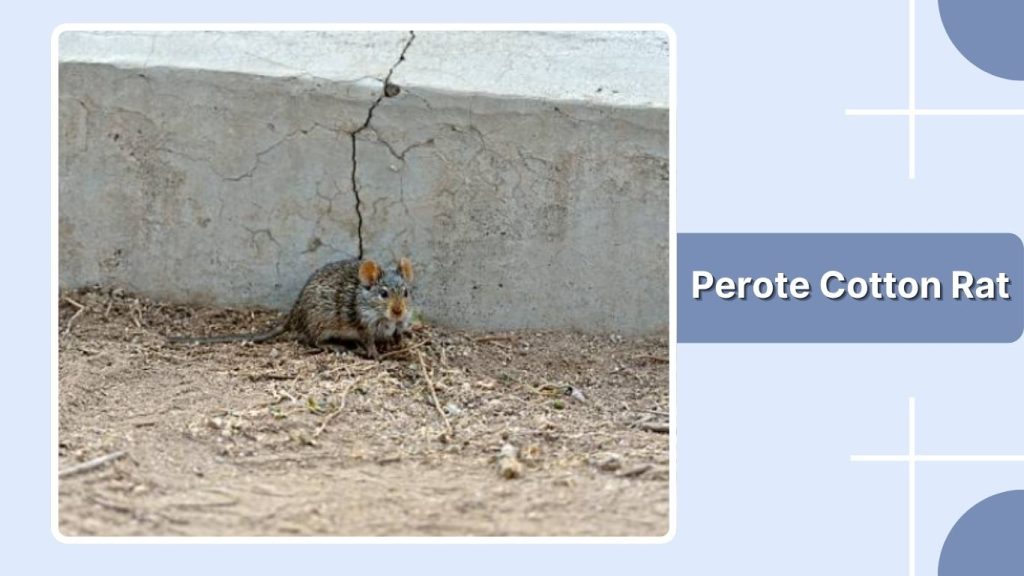
The Perote cotton rat is a rare cotton rat species native to highland regions of Mexico. This small rodent is known for its dense fur and preference for grassy mountain habitats. Like other cotton rats, it plays an important role in local ecosystems by feeding on plants and serving as prey for predators.
Identification
- Medium-sized rodent with a stocky body
- Dense grayish-brown or dark brown fur
- Short tail with sparse hair
- Small rounded ears partly covered by fur
- Blunt snout with long whiskers
- Dark eyes and sturdy legs
- Body length usually ranges from 5 to 7 inches
- Tail shorter than the head and body length combined
Habitat and Distribution
The Perote cotton rat is mainly found in central Mexico, especially in mountainous grasslands and high-elevation valleys. It inhabits meadows, agricultural fields, shrublands, and areas with thick vegetation.
This species prefers cool habitats with dense grasses that provide shelter and nesting material. Nests are usually built near the ground using dry grass and plant fibers.
Behavior and Diet
Perote cotton rats are mostly active during the night and early morning hours. They create narrow runways through grasses and remain hidden from predators during the day.
Their diet mainly includes grasses, seeds, roots, stems, and other plant material. They may occasionally consume insects or small invertebrates. These rodents are important prey for snakes, birds of prey, and small carnivorous mammals.
Lifespan
The Perote cotton rat generally has a short lifespan in the wild, often living less than one year because of predation and environmental conditions. In protected environments, they may survive for up to two years.
Females can produce several litters each year, and the young develop quickly after birth. Juveniles become independent within a short period and begin searching for their own territory.
6. Tropical Cotton Rat
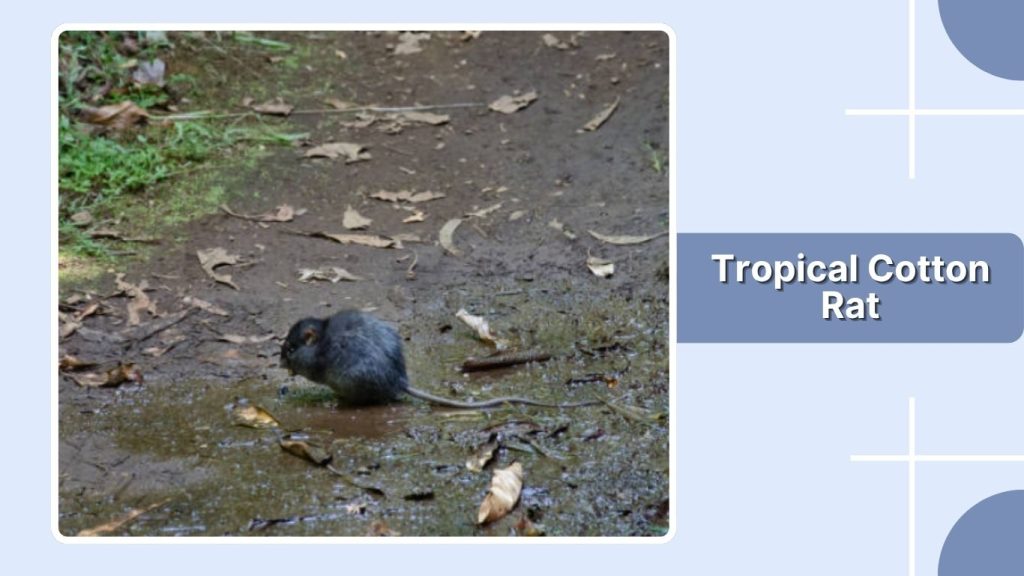
The tropical cotton rat is a widespread rodent species commonly found in warm regions of Central and South America. This cotton rat is known for its coarse fur, strong body, and ability to thrive in dense grassy habitats. It is an important part of many ecosystems where it helps disperse seeds and serves as prey for predators.
Identification
- Medium-sized rodent with a sturdy body
- Coarse grayish-brown or reddish-brown fur
- Short tail with sparse hair covering
- Small rounded ears partially hidden by fur
- Blunt snout with long whiskers
- Dark eyes and strong hind legs
- Body length usually ranges from 5 to 8 inches
- Tail shorter than the body length
Habitat and Distribution
The tropical cotton rat is widely distributed across Central America, northern South America, and parts of southern Mexico. It inhabits grasslands, marshes, agricultural areas, forest edges, and overgrown fields.
This species prefers dense vegetation that offers protection from predators and provides nesting material. It commonly builds nests from grasses and plant fibers hidden within thick ground cover.
Behavior and Diet
Tropical cotton rats are mainly nocturnal and spend much of their time traveling through grassy pathways while searching for food. They are fast runners and rely on vegetation for cover.
Their diet mainly includes grasses, seeds, stems, roots, fruits, and other plant material. They may also occasionally eat insects. These rodents are important prey for snakes, owls, foxes, and other carnivorous animals.
Lifespan
The tropical cotton rat usually lives less than one year in the wild because of predation and environmental challenges. In captivity, some individuals may survive for up to two years.
Females reproduce frequently and can produce several litters each year. Young cotton rats grow rapidly and become independent shortly after weaning.
7. Montane Cotton Rat
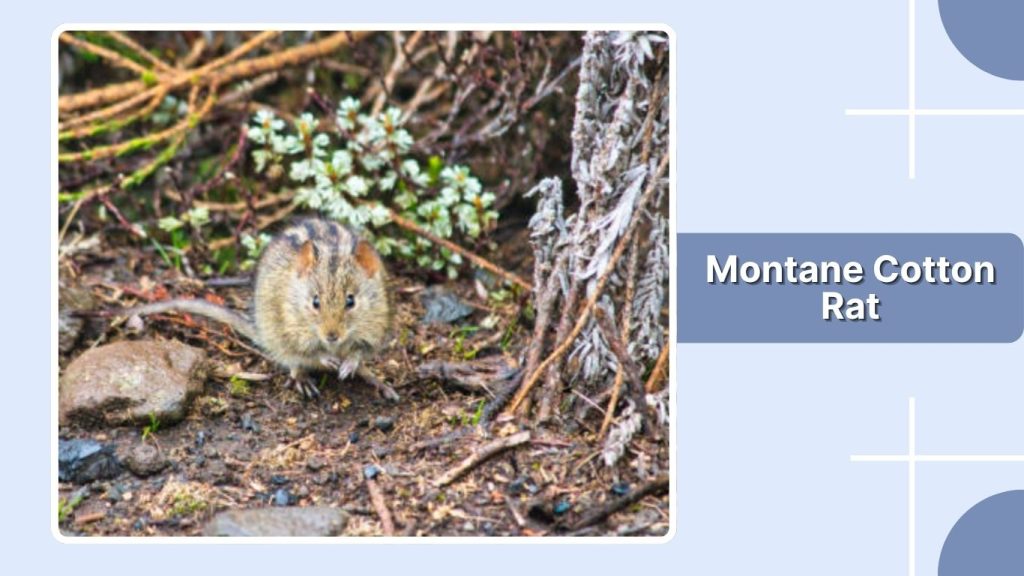
The montane cotton rat is a highland rodent species adapted to cooler mountainous environments. This cotton rat is recognized for its thick fur and preference for grassy slopes and elevated habitats. It plays an important ecological role by feeding on vegetation and serving as prey for various predators.
Identification
- Medium-sized rodent with a compact body
- Thick grayish-brown or dark brown fur
- Short tail with sparse hair
- Small rounded ears partly hidden by dense fur
- Blunt snout with long whiskers
- Dark eyes and sturdy hind legs
- Body length usually ranges from 5 to 7 inches
- Tail shorter than the combined head and body length
Habitat and Distribution
The montane cotton rat is mainly found in mountainous regions of Central America and Mexico. It inhabits high-altitude grasslands, shrublands, forest edges, and cool meadows with dense vegetation.
This species prefers habitats with thick grasses and plant cover that provide shelter from predators and harsh weather. Nests are commonly built near the ground using dry grasses and plant fibers.
Behavior and Diet
Montane cotton rats are mostly nocturnal and remain hidden during the day within thick vegetation. They use narrow pathways through grasses to move between feeding and nesting areas.
Their diet mainly consists of grasses, seeds, roots, stems, and other plant material. They may occasionally consume insects and small invertebrates. These rodents are important prey for owls, snakes, foxes, and other predators in mountain ecosystems.
Lifespan
The montane cotton rat generally has a short lifespan in the wild, often less than one year because of predation and environmental pressures. In captivity, some individuals may live for up to two years.
Females reproduce several times throughout the year and can produce multiple litters annually. Young cotton rats grow quickly and become independent soon after weaning.
8. Jalisco Cotton Rat
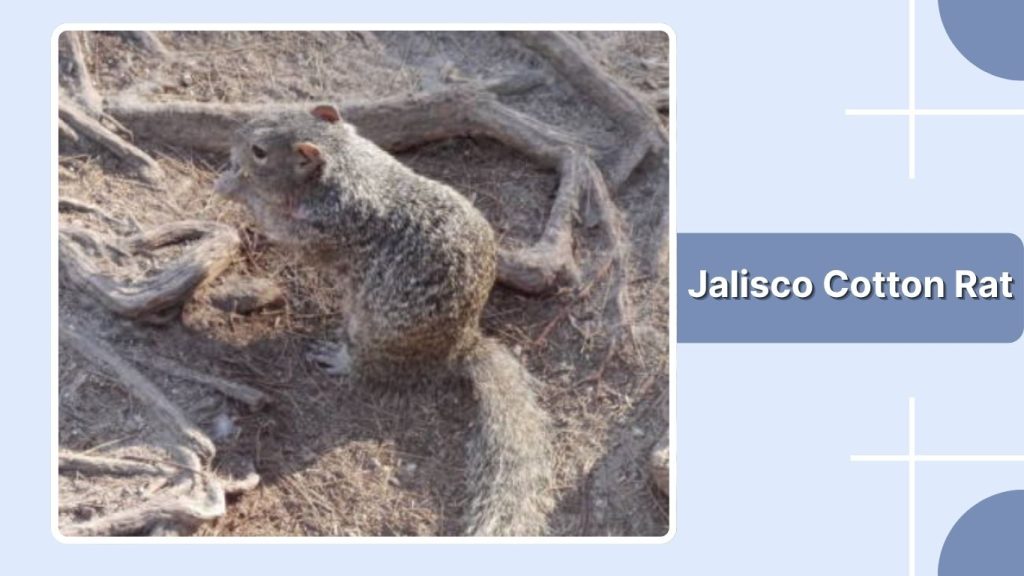
The Jalisco cotton rat is a small rodent species native to western Mexico. This cotton rat is known for its coarse fur, compact body, and preference for grassy and shrubby habitats. It is an important part of local ecosystems where it helps spread seeds and serves as prey for many predators.
Identification
- Medium-sized rodent with a sturdy body
- Coarse gray-brown or reddish-brown fur
- Short tail covered with sparse hair
- Small rounded ears partly hidden by fur
- Blunt snout with long whiskers
- Dark eyes and strong hind legs
- Body length usually ranges from 5 to 7 inches
- Tail shorter than the body length
Habitat and Distribution
The Jalisco cotton rat is mainly found in western Mexico, especially in the state of Jalisco and nearby regions. It inhabits grasslands, shrublands, forest edges, agricultural fields, and areas with dense vegetation.
This species prefers habitats with thick ground cover that provides protection from predators and suitable nesting locations. Nests are commonly built from dry grasses and plant material hidden near the ground.
Behavior and Diet
Jalisco cotton rats are mainly nocturnal and spend much of their time moving through narrow grassy pathways while searching for food. They are quick runners and rely heavily on vegetation for shelter.
Their diet mainly consists of grasses, seeds, roots, stems, and other plant material. They may occasionally consume insects and small invertebrates. These rodents are important prey for snakes, owls, hawks, and small carnivorous mammals.
Lifespan
The Jalisco cotton rat generally lives less than one year in the wild because of predation and environmental conditions. In captivity, some individuals may survive for up to two years.
Females reproduce several times during the year and can produce multiple litters annually. Young cotton rats grow rapidly and become independent shortly after weaning.
9. Tehuantepec Cotton Rat
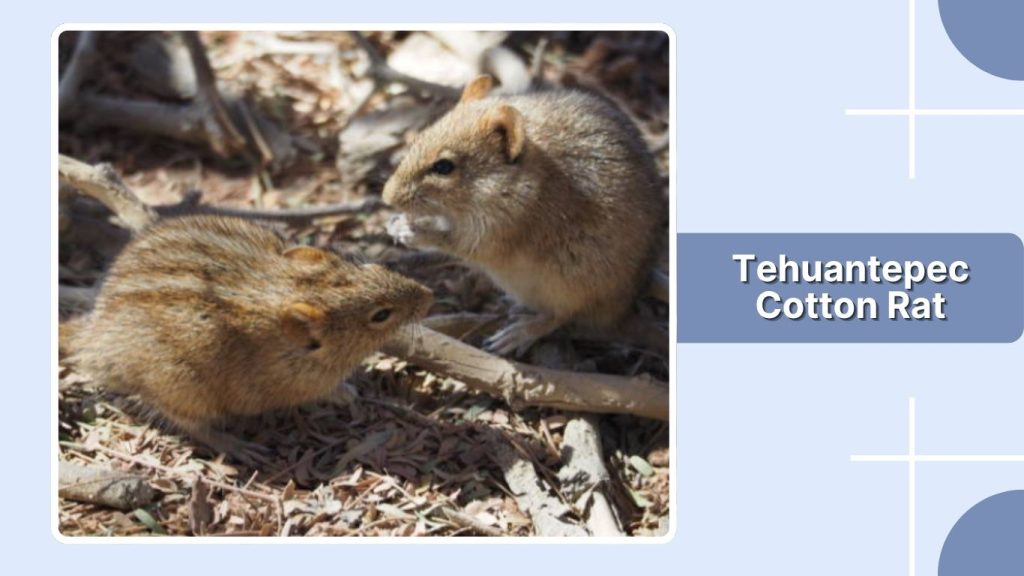
The Tehuantepec cotton rat is a small rodent species native to southern Mexico. This cotton rat is adapted to warm grassy environments and is known for its coarse fur and short tail. Like other cotton rats, it is an important part of the ecosystem as both a plant eater and a prey species.
Identification
- Medium-sized rodent with a compact body
- Coarse grayish-brown or reddish-brown fur
- Short tail with sparse hair covering
- Small rounded ears partly hidden by fur
- Blunt snout with long whiskers
- Dark eyes and sturdy hind legs
- Body length usually ranges from 5 to 7 inches
- Tail shorter than the combined head and body length
Habitat and Distribution
The Tehuantepec cotton rat is mainly found in the Isthmus of Tehuantepec region in southern Mexico. It inhabits grasslands, shrublands, agricultural fields, forest edges, and overgrown vegetation areas.
This species prefers habitats with dense ground cover that offers shelter from predators and suitable nesting locations. Nests are commonly built from dry grasses and plant fibers hidden within thick vegetation.
Behavior and Diet
Tehuantepec cotton rats are mostly nocturnal and spend much of their time moving through grassy pathways while searching for food. They remain hidden during the day to avoid predators.
Their diet mainly includes grasses, seeds, roots, stems, and other plant material. They may occasionally eat insects and small invertebrates. These rodents are important prey for owls, snakes, foxes, and other carnivorous animals.
Lifespan
The Tehuantepec cotton rat usually lives less than one year in the wild because of predation and environmental pressures. In captivity, some individuals may survive for up to two years.
Females reproduce frequently and can produce several litters each year. Young cotton rats grow quickly and become independent soon after weaning.
10. Argentine Cotton Rat
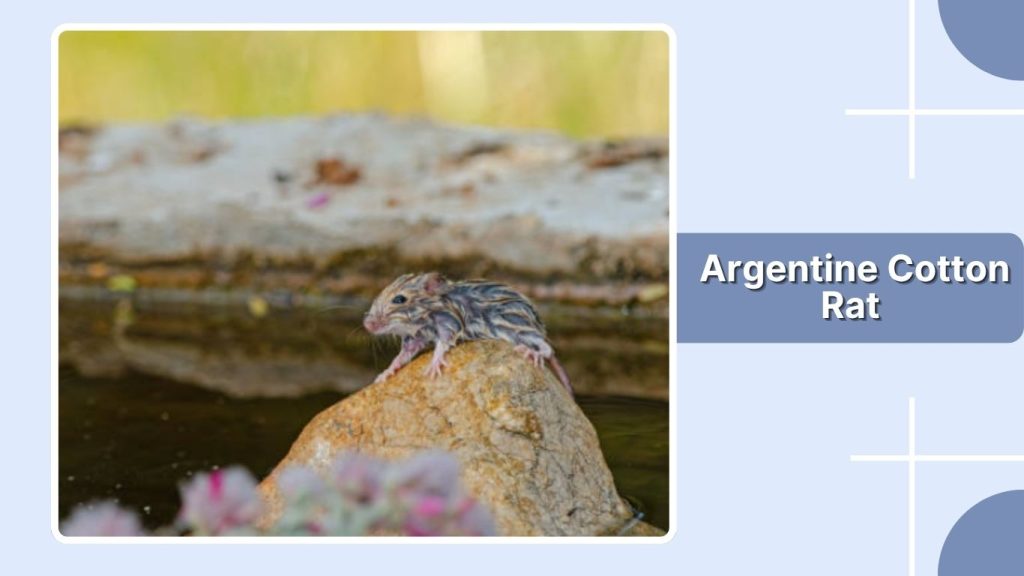
The Argentine cotton rat is a South American rodent species known for its coarse fur and adaptability to grassy habitats. This cotton rat commonly lives in fields, wetlands, and agricultural regions where it feeds on vegetation and serves as prey for many predators.
Identification
- Medium-sized rodent with a stocky body
- Coarse grayish-brown or dark brown fur
- Short tail covered with sparse hair
- Small rounded ears partly hidden by fur
- Blunt snout with long whiskers
- Dark eyes and strong hind legs
- Body length usually ranges from 5 to 8 inches
- Tail shorter than the body length
Habitat and Distribution
The Argentine cotton rat is mainly found in Argentina, Uruguay, Paraguay, and nearby parts of South America. It inhabits grasslands, marshes, farmlands, shrublands, and forest edges with dense vegetation.
This species prefers habitats with thick ground cover that provides shelter from predators and suitable nesting areas. Nests are usually made from grasses and plant material hidden near the ground.
Behavior and Diet
Argentine cotton rats are mainly nocturnal and remain active during the night and early morning. They move through narrow pathways in dense vegetation while searching for food.
Their diet mainly includes grasses, seeds, roots, stems, fruits, and other plant material. They may occasionally consume insects and small invertebrates. These rodents are important prey for snakes, owls, foxes, and other predators.
Lifespan
The Argentine cotton rat generally lives less than one year in the wild because of predation and environmental challenges. In captivity, individuals may survive for up to two years under protected conditions.
Females reproduce several times each year and can produce multiple litters annually. Young cotton rats grow rapidly and become independent shortly after weaning.
FAQs
What are cotton rats?
Cotton rats are small rodents belonging to the genus Sigmodon. They are commonly found in grasslands, agricultural fields, marshes, and shrubby habitats throughout North, Central, and South America.
What do cotton rats eat?
Cotton rats mainly feed on grasses, seeds, roots, stems, fruits, and other plant material. Some species may occasionally eat insects and small invertebrates when available.
Where do cotton rats live?
Cotton rats live in habitats with dense vegetation, including grasslands, wetlands, forest edges, agricultural fields, and shrublands. They usually build nests close to the ground using grasses and plant fibers.
Are cotton rats dangerous to humans?
Cotton rats are generally not aggressive toward humans. However, like many wild rodents, they can carry diseases and should not be handled without proper precautions.
How long do cotton rats live?
Most cotton rats live less than one year in the wild because of predators and environmental conditions. In captivity, they may survive for up to two years under protected care.