
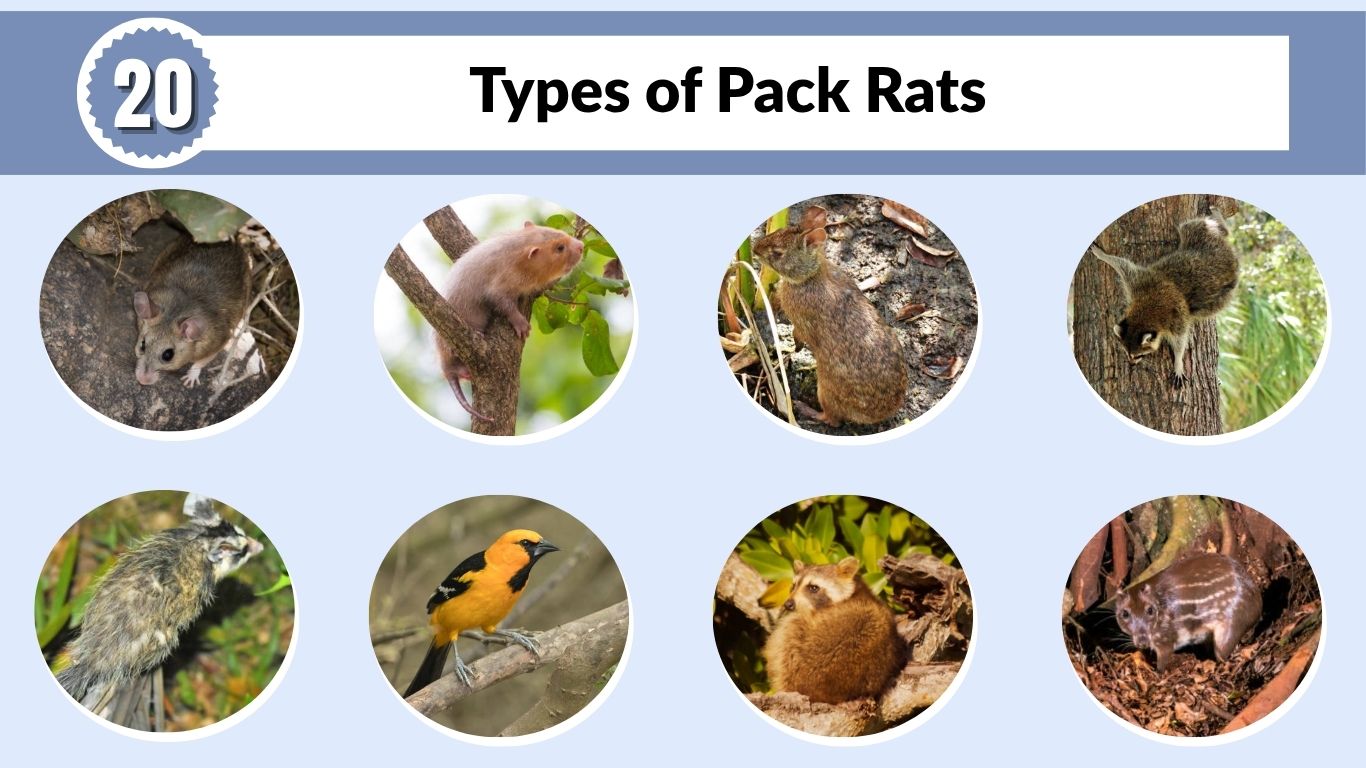
Pack rats, also known as woodrats, are fascinating rodents found throughout North and Central America. These animals are famous for building large nests from sticks, leaves, cactus parts, and other collected materials. Many species are also known for gathering shiny or unusual objects and storing them near their shelters. Woodrats live in a wide variety of habitats including deserts, forests, mountains, shrublands, and coastal regions. Most species are nocturnal and highly adaptable to harsh environments. Learning about the different types of pack rats helps researchers better understand rodent behavior, ecosystem balance, and wildlife diversity across North America.
1. Desert Woodrat
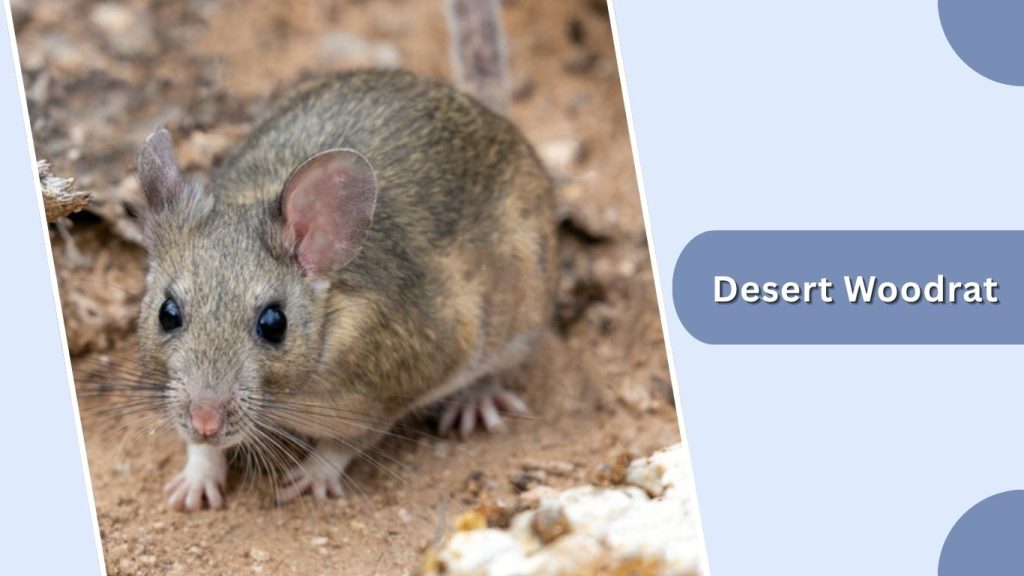
The Desert Woodrat is a medium-sized rodent commonly found in arid and semi-arid regions of the southwestern United States and northern Mexico. Also known as a pack rat, this species is famous for collecting shiny objects and building large nests from sticks, cactus parts, and plant debris. Desert Woodrats are highly adaptable and can survive in harsh desert environments with limited water. Their nests often provide shelter from extreme temperatures and predators. These nocturnal rodents play an important role in desert ecosystems by spreading seeds and serving as prey for many animals.
Identification
- Grayish-brown or tan fur coloration
- Large black eyes and rounded ears
- Long tail covered with fur
- Medium-sized body with soft thick fur
- Long whiskers and pointed nose
- Strong claws for climbing and digging
- Usually larger than common house mice
Habitat
Desert Woodrats mainly inhabit deserts, rocky hillsides, cactus forests, and dry shrublands. They prefer areas with dense vegetation, rock crevices, or cactus patches that provide protection from predators and harsh weather conditions. Their nests are often built near prickly pear cacti, shrubs, or rocky shelters. These rodents are highly adapted to dry climates and can survive with very little direct water intake because they obtain moisture from plants and food sources.
Behavior
Desert Woodrats are primarily nocturnal, meaning they are most active during the night. They are known for collecting various objects, including sticks, bones, leaves, and shiny items, which they bring back to their nests. These rodents are excellent climbers and spend much of their time searching for food and nesting materials. They are generally solitary animals and defend their nests from intruders. Their large stick nests may be reused for many years.
Diet
The Desert Woodrat mainly feeds on cactus pads, seeds, fruits, leaves, and other desert vegetation. It can safely consume certain cactus species that many animals avoid because of sharp spines. These rodents occasionally eat insects and other small food sources when plant material is limited. Their ability to digest tough desert plants helps them survive in environments with scarce food resources.
Lifespan
In the wild, Desert Woodrats usually live between 2 and 4 years, depending on food availability, predators, and environmental conditions. Young woodrats face threats from snakes, owls, foxes, and other predators. Those living in protected habitats with stable food sources may survive longer than individuals exposed to extreme desert conditions.
2. Eastern Woodrat
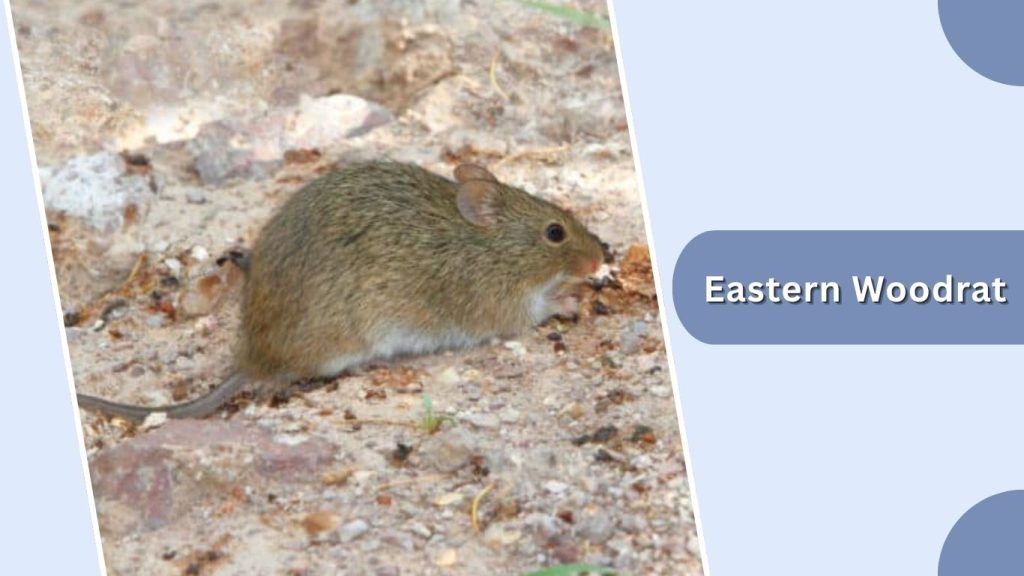
The Eastern Woodrat is a large rodent native to forests and rocky regions in the eastern United States. Commonly called a pack rat, this species is known for gathering sticks, leaves, bark, and shiny objects to build large nests. Eastern Woodrats are excellent climbers and often create homes inside caves, hollow logs, rocky cliffs, and abandoned buildings. These nocturnal animals are shy and secretive, spending most of the day hidden inside their nests. They play an important role in forest ecosystems by dispersing seeds and serving as prey for predators such as owls, foxes, and snakes.
Identification
- Grayish-brown fur with a lighter underside
- Large rounded ears and dark eyes
- Long furry tail instead of a scaly tail
- Medium to large body size
- Long whiskers and pointed snout
- Strong claws for climbing rocks and trees
- Soft dense fur with a slightly shaggy appearance
Habitat
Eastern Woodrats are commonly found in deciduous forests, rocky hillsides, caves, cliffs, and woodland areas. They prefer habitats with plenty of hiding places such as rock piles, hollow trees, and abandoned structures. Their nests are often built from sticks, leaves, moss, and other plant materials. These rodents favor areas with dense vegetation because it provides food and protection from predators. In colder regions, they may use sheltered rocky areas to survive harsh winter weather.
Behavior
Eastern Woodrats are mostly active at night and spend their evenings searching for food and nesting materials. They are famous for collecting unusual objects and carrying them back to their nests. These rodents are solitary and usually defend their nesting areas from other woodrats. They are skilled climbers and can move easily across rocks, trees, and fallen logs. Their nests may grow very large over time as more materials are added.
Diet
The Eastern Woodrat mainly feeds on seeds, nuts, fruits, bark, leaves, fungi, and green vegetation. Acorns and other tree nuts are especially important food sources during colder months. These rodents sometimes store food inside their nests for future use. Their varied plant-based diet allows them to survive in different forest environments throughout the year.
Lifespan
Eastern Woodrats generally live between 2 and 3 years in the wild, although some may survive longer in protected habitats. Predators, disease, food shortages, and habitat loss are major threats to their survival. Young woodrats are especially vulnerable during their first year of life when they begin exploring outside the nest.
3. Bushy-Tailed Woodrat
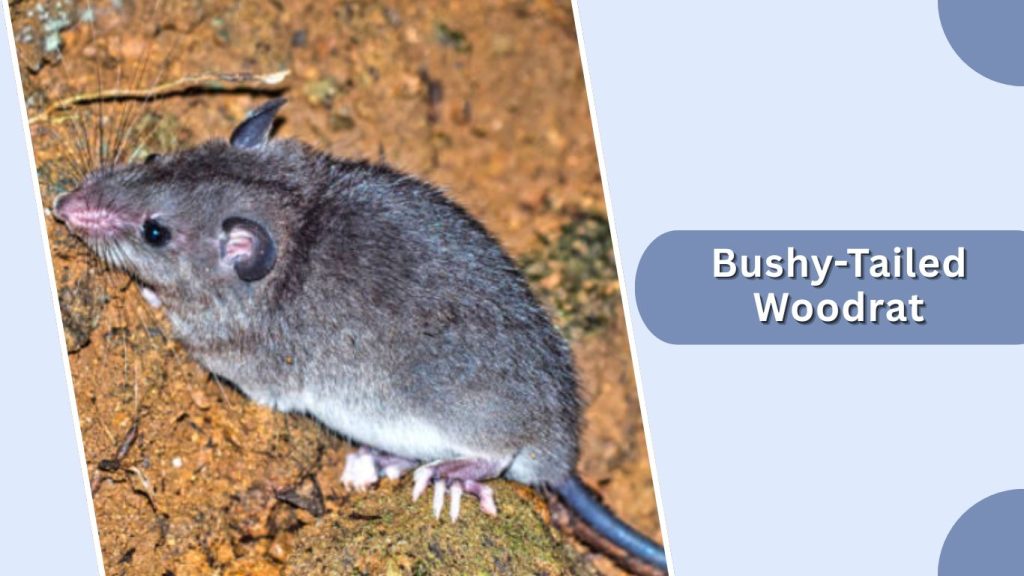
The Bushy-Tailed Woodrat is a large woodrat species found across western North America. It is well known for its thick, bushy tail and impressive climbing ability. This woodrat often lives in rocky cliffs, forests, abandoned cabins, and mountainous regions where it builds large nests from sticks and plant materials. Like other pack rats, it has a habit of collecting shiny or unusual objects and carrying them back to its nest. Bushy-Tailed Woodrats are nocturnal and highly adaptable, allowing them to survive in both cold mountain habitats and dry woodland environments.
Identification
- Thick bushy tail covered with fur
- Gray, brown, or reddish-brown fur coloration
- Large rounded ears and dark eyes
- Medium to large body size
- Long whiskers and pointed nose
- Strong claws for climbing rocks and trees
- Soft dense fur with a fluffy appearance
Habitat
Bushy-Tailed Woodrats inhabit forests, rocky cliffs, mountains, woodlands, and canyon regions throughout western North America. They prefer areas with natural shelters such as caves, rock crevices, hollow trees, and abandoned buildings. Their nests are usually built from sticks, bark, moss, and plant debris. These rodents are highly adaptable and can live in both dry and cold environments as long as food and shelter are available.
Behavior
Bushy-Tailed Woodrats are primarily nocturnal and spend most of the night searching for food and nesting materials. They are skilled climbers and can move easily across steep rocks, trees, and wooden structures. These rodents are famous for collecting various objects, including bones, leaves, twigs, and shiny items. They are generally solitary animals and defend their nests from intruders. Their large nests may be reused and expanded over several years.
Diet
The Bushy-Tailed Woodrat mainly feeds on leaves, seeds, bark, nuts, berries, fungi, and green vegetation. In forest habitats, it often consumes pine needles and tree bark during colder months when fresh plants are limited. These rodents may also store food inside their nests to survive winter conditions and periods of food scarcity.
Lifespan
In the wild, Bushy-Tailed Woodrats usually live between 3 and 4 years, although some individuals may survive longer in protected environments. Predators such as owls, foxes, snakes, and wildcats are major threats to their survival. Harsh weather and limited food availability can also reduce their lifespan in mountainous habitats.
4. Mexican Woodrat
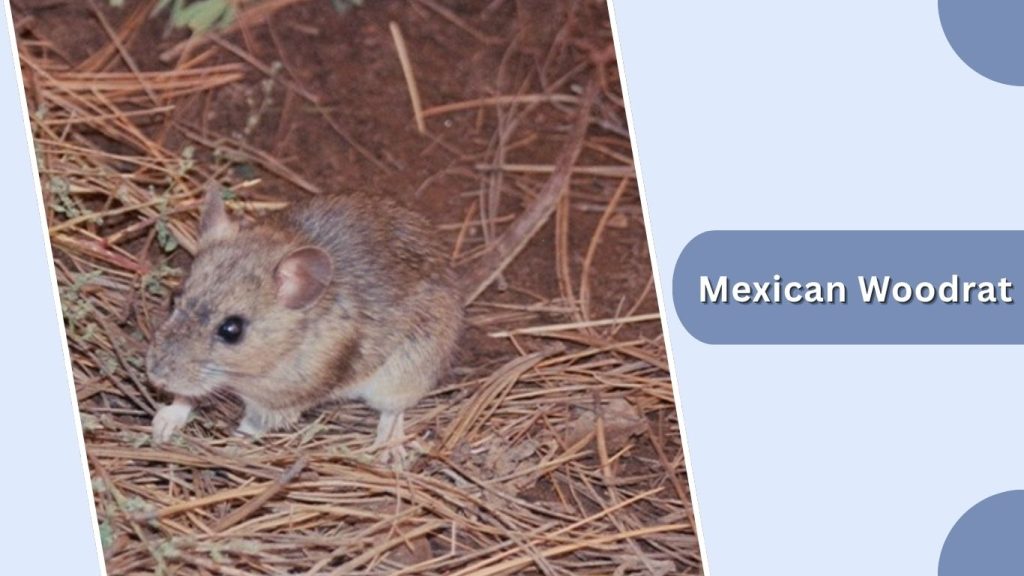
The Mexican Woodrat is a medium-sized rodent native to parts of Mexico and the southwestern United States. This species belongs to the pack rat group and is recognized for its large nests made from sticks, leaves, cactus parts, and other plant materials. Mexican Woodrats are highly adaptable and can survive in rocky deserts, woodlands, and mountainous environments. Like many woodrats, they are nocturnal and spend most of the daytime hidden inside their nests. Their habit of collecting various objects and storing them near nesting sites makes them an interesting species within North American rodent populations.
Identification
- Grayish-brown or reddish-brown fur
- Large dark eyes and rounded ears
- Long furry tail with a slightly bushy appearance
- Medium-sized body with soft dense fur
- Long whiskers and pointed snout
- Strong claws adapted for climbing and digging
- Lighter-colored underside and chest area
Habitat
Mexican Woodrats commonly inhabit rocky hillsides, desert regions, shrublands, forests, and mountainous areas. They prefer environments with natural shelters such as rock crevices, caves, fallen logs, and dense vegetation. Their nests are often constructed in protected areas using sticks, cactus spines, bark, and plant debris. These rodents are highly adaptable and can survive in both dry desert climates and cooler highland forests where food and shelter are available.
Behavior
Mexican Woodrats are mainly active during the night and spend their evenings searching for food and nesting materials. They are solitary animals that usually defend their nesting territories from other woodrats. Like other pack rats, they collect shiny or unusual objects and carry them back to their nests. They are agile climbers and can move easily through rocky terrain and dense vegetation. Their nests may become quite large as additional materials are collected over time.
Diet
The Mexican Woodrat feeds primarily on seeds, cactus pads, fruits, leaves, bark, and green vegetation. In dry habitats, cactus plants provide both food and moisture. These rodents may also consume insects and fungi when plant food is less available. Their flexible diet allows them to adapt to different environmental conditions throughout their range.
Lifespan
In the wild, Mexican Woodrats generally live between 2 and 4 years depending on habitat quality, food availability, and predator pressure. Common predators include snakes, owls, foxes, and wild cats. Young woodrats face higher survival challenges due to harsh weather conditions and limited shelter during early development stages.
5. Dusky-Footed Woodrat
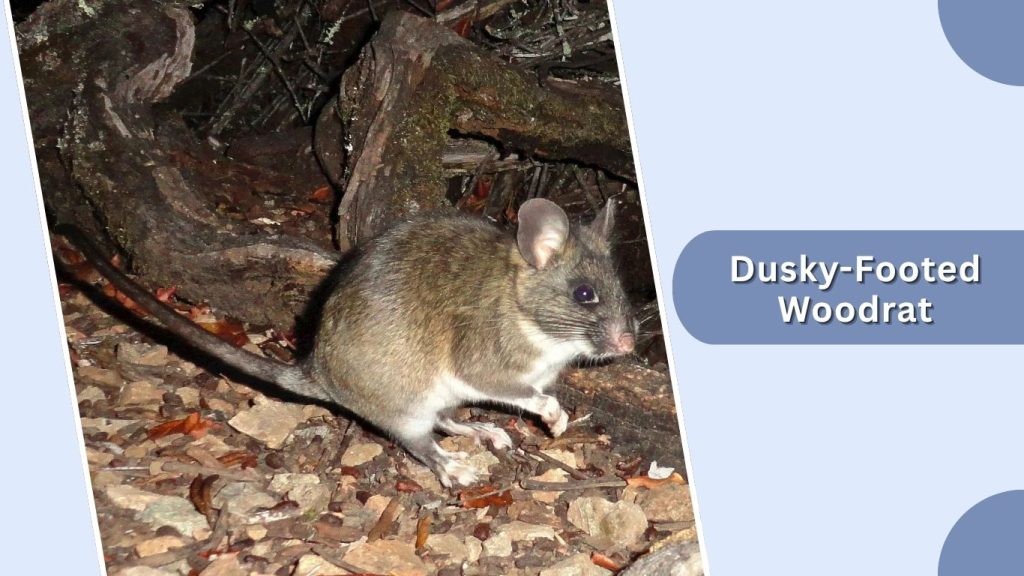
The Dusky-Footed Woodrat is a large woodrat species commonly found along the western coast of the United States, especially in California and nearby regions. This pack rat is well known for building large stick nests that can last for many years. It prefers woodland and chaparral habitats with dense vegetation and plenty of natural cover. Dusky-Footed Woodrats are nocturnal animals that spend most of the daytime hidden inside their nests. They play an important ecological role by spreading seeds, trimming vegetation, and providing food for predators such as owls, snakes, and wildcats.
Identification
- Grayish-brown fur with a lighter underside
- Dark-colored feet covered with fur
- Large rounded ears and black eyes
- Long furry tail with a slightly bushy appearance
- Medium to large body size
- Long whiskers and pointed snout
- Soft dense fur adapted to woodland habitats
Habitat
Dusky-Footed Woodrats mainly inhabit oak woodlands, chaparral areas, forests, and shrub-covered hillsides. They prefer habitats with thick vegetation, fallen branches, and rocky shelters that provide protection from predators. Their nests are often built from sticks, leaves, bark, and other plant materials. These nests may become very large over time and are commonly placed near trees, logs, or dense shrubs. The species thrives in mild climates with abundant plant growth.
Behavior
Dusky-Footed Woodrats are primarily active during the night and spend their evenings searching for food and nesting materials. They are solitary animals that usually defend their nests from intruders. Like other pack rats, they collect a variety of objects and carry them back to their shelters. They are excellent climbers and can move easily through trees and dense vegetation. Their nests often serve as long-term shelters and may be used for several generations.
Diet
The Dusky-Footed Woodrat feeds mainly on leaves, bark, seeds, nuts, berries, and green vegetation. Oak leaves and acorns are important food sources in woodland habitats. These rodents sometimes store food inside their nests for later use, especially during seasons when fresh vegetation becomes limited.
Lifespan
In the wild, Dusky-Footed Woodrats generally live between 2 and 4 years. Predators such as owls, snakes, foxes, and bobcats are major threats to their survival. Habitat destruction and wildfires can also affect local populations by reducing shelter and food availability.
6. Southern Plains Woodrat

The Southern Plains Woodrat is a medium-sized pack rat found in grasslands, shrublands, and rocky regions of the central and southern United States. This species is recognized for its large stick nests and its ability to adapt to dry environments with scattered vegetation. Southern Plains Woodrats are nocturnal rodents that spend most of the day hidden in sheltered nesting sites. Like other woodrats, they are known for collecting a variety of objects and carrying them back to their nests. These rodents are important members of prairie and woodland ecosystems because they help spread seeds and provide food for many predators.
Identification
- Grayish-brown or reddish-brown fur coloration
- Large dark eyes and rounded ears
- Long furry tail with a slightly bushy appearance
- Medium-sized body with soft dense fur
- Long whiskers and pointed nose
- Strong claws for digging and climbing
- Lighter-colored belly and chest area
Habitat
Southern Plains Woodrats commonly inhabit grasslands, scrublands, rocky hillsides, woodlands, and desert edges. They prefer habitats with dense shrubs, cactus patches, fallen logs, or rocky crevices that provide shelter from predators. Their nests are usually made from sticks, leaves, cactus pads, and plant debris. These nests may be built under bushes, near rocks, or inside abandoned animal burrows. The species is highly adaptable and can survive in both dry prairie regions and lightly wooded environments.
Behavior
Southern Plains Woodrats are mostly active during the night and spend their evenings searching for food and nesting materials. They are solitary animals and generally defend their nests from other woodrats. Like many pack rats, they collect shiny or unusual objects and store them inside or near their nests. They are capable climbers and can move efficiently through shrubs and rocky terrain. Their nests often grow larger over time as new materials are added.
Diet
The Southern Plains Woodrat mainly feeds on seeds, cactus pads, fruits, leaves, bark, and green vegetation. In dry habitats, cactus plants provide an important source of both nutrition and moisture. These rodents may also consume insects and fungi when plant food becomes scarce. Their flexible diet helps them survive in changing environmental conditions.
Lifespan
In the wild, Southern Plains Woodrats generally live between 2 and 3 years. Predators such as snakes, owls, foxes, and coyotes are common threats to their survival. Harsh weather conditions, habitat loss, and food shortages can also reduce their lifespan in natural environments.
7. White-Throated Woodrat
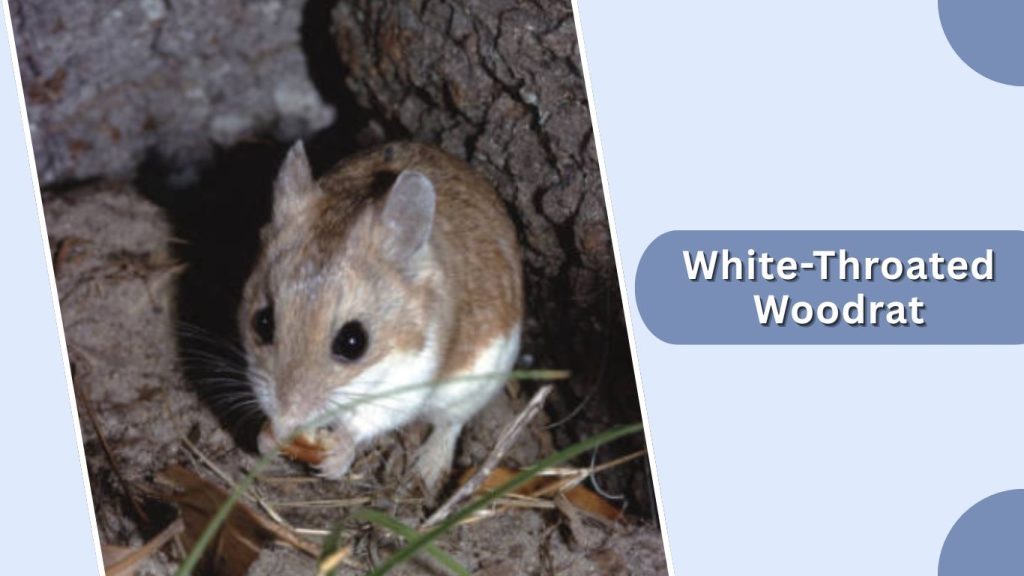
The White-Throated Woodrat is a large pack rat species found in rocky deserts and mountainous regions of the southwestern United States and northern Mexico. It is best known for the bright white fur on its throat and underside, which gives the species its common name. Like other woodrats, it builds large nests from sticks, cactus parts, and plant debris. White-Throated Woodrats are nocturnal and highly adaptable to dry environments with limited water sources. Their nesting behavior and ability to survive in harsh desert habitats make them important members of desert ecosystems.
Identification
- Grayish-brown upper body with white throat and belly
- Large rounded ears and dark eyes
- Long furry tail with a bushy appearance
- Medium to large body size
- Soft thick fur adapted to dry climates
- Long whiskers and pointed snout
- Strong claws for climbing rocky terrain
Habitat
White-Throated Woodrats mainly inhabit rocky deserts, canyons, shrublands, and mountainous regions with sparse vegetation. They prefer areas with cliffs, rock piles, caves, or cactus patches that provide shelter and protection from predators. Their nests are often built among rocks or beneath shrubs using sticks, cactus spines, bark, and plant materials. These rodents are highly adapted to arid conditions and can survive in environments with extreme heat and limited water availability.
Behavior
White-Throated Woodrats are primarily active at night and spend most daylight hours hidden inside their nests. They are solitary animals and defend their nesting territories from other woodrats. Like other pack rats, they collect a variety of objects and carry them back to their nests. These rodents are excellent climbers and can move easily across rocky landscapes and steep terrain. Their nests may remain occupied and expanded for several years.
Diet
The White-Throated Woodrat mainly feeds on cactus pads, seeds, fruits, leaves, bark, and desert shrubs. Cactus plants are especially important because they provide both nutrients and moisture in dry habitats. These rodents may also eat insects and fungi when vegetation becomes limited. Their digestive system is adapted to handle tough desert plants and spiny vegetation.
Lifespan
In the wild, White-Throated Woodrats generally live between 2 and 4 years depending on habitat conditions and predator activity. Common predators include owls, snakes, foxes, and coyotes. Extreme temperatures and food shortages can also affect survival rates in desert environments.
8. Stephen’s Woodrat

Stephen’s Woodrat is a desert-dwelling pack rat native to the southwestern United States, especially Arizona, Nevada, and Utah. This species is closely associated with juniper woodlands and rocky desert habitats where it builds large nests from sticks and plant materials. Stephen’s Woodrat is nocturnal and spends most of the daytime hidden inside sheltered nesting sites. Like other woodrats, it is known for gathering various objects and carrying them back to its nest. This rodent plays an important role in desert ecosystems by spreading seeds and serving as prey for predators such as owls, snakes, and foxes.
Identification
- Grayish or brownish fur with a lighter underside
- Large rounded ears and dark eyes
- Long furry tail with a slightly bushy appearance
- Medium-sized body with soft dense fur
- Long whiskers and pointed snout
- Strong claws for climbing rocks and trees
- Compact body adapted to dry habitats
Habitat
Stephen’s Woodrat mainly inhabits rocky deserts, juniper woodlands, shrublands, and canyon regions of the southwestern United States. It prefers habitats with dense vegetation, rock crevices, and scattered trees that provide shelter from predators and harsh weather. Its nests are usually built beneath shrubs, inside rocky areas, or near juniper trees using sticks, bark, cactus pieces, and leaves. These rodents are highly adapted to dry climates with limited water availability.
Behavior
Stephen’s Woodrat is primarily active during the night and spends its evenings searching for food and nesting materials. It is a solitary species that usually defends its nest from intruders. Like other pack rats, it often collects unusual objects and stores them inside or near its shelter. These rodents are agile climbers and can move efficiently across rocky terrain and vegetation. Their nests may remain occupied for long periods and grow larger over time.
Diet
Stephen’s Woodrat mainly feeds on juniper leaves, seeds, cactus pads, bark, fruits, and other desert vegetation. Juniper plants are especially important because they provide both food and shelter. These rodents may also eat insects and fungi when plant food becomes less available. Their digestive system is adapted to handle tough desert plants and low-moisture diets.
Lifespan
In the wild, Stephen’s Woodrats generally live between 2 and 4 years depending on environmental conditions and predator activity. Owls, snakes, foxes, and coyotes are common predators. Habitat destruction and prolonged drought conditions can also reduce survival rates in some regions.
9. Allegheny Woodrat

The Allegheny Woodrat is a rare pack rat species found in the Appalachian Mountains of the eastern United States. It is closely associated with rocky cliffs, caves, and forested mountain habitats. This woodrat is known for building nests among rock crevices using sticks, leaves, moss, and other natural materials. Like other pack rats, it often collects and stores various objects near its nest. The Allegheny Woodrat is primarily nocturnal and spends most daylight hours hidden in protected rocky shelters. Due to habitat loss and disease, populations of this species have declined in several regions.
Identification
- Grayish-brown fur with a white underside
- Large rounded ears and black eyes
- Long furry tail with a slightly bushy appearance
- Medium-sized body with soft dense fur
- Long whiskers and pointed snout
- Strong claws for climbing rocky surfaces
- Compact body adapted to mountain habitats
Habitat
Allegheny Woodrats mainly inhabit rocky mountain forests, cliffs, caves, and talus slopes within the Appalachian region. They prefer habitats with deep rock crevices that provide shelter from predators and harsh weather conditions. Their nests are commonly built among boulders using sticks, leaves, bark, moss, and plant debris. These rodents depend heavily on forested mountain ecosystems with abundant food sources and secure rocky shelters.
Behavior
Allegheny Woodrats are mostly active during the night and spend evenings searching for food and nesting materials. They are solitary animals that usually defend their nesting territories from other woodrats. Like many pack rats, they collect unusual objects and carry them back to their nests. These rodents are skilled climbers and can move easily through rocky terrain and steep slopes. Their nests may be reused for many years if suitable habitat conditions remain stable.
Diet
The Allegheny Woodrat mainly feeds on nuts, seeds, fruits, fungi, leaves, and bark. Acorns are especially important because they provide a major food source during colder months. These rodents may store food inside rock crevices or nesting areas for future use. Their varied diet helps them survive seasonal changes in mountain forests.
Lifespan
In the wild, Allegheny Woodrats generally live between 2 and 3 years. Predators such as owls, snakes, foxes, and bobcats pose major threats to their survival. Habitat fragmentation, food shortages, and disease outbreaks have contributed to population declines in some areas of their natural range.
10. Big-Eared Woodrat
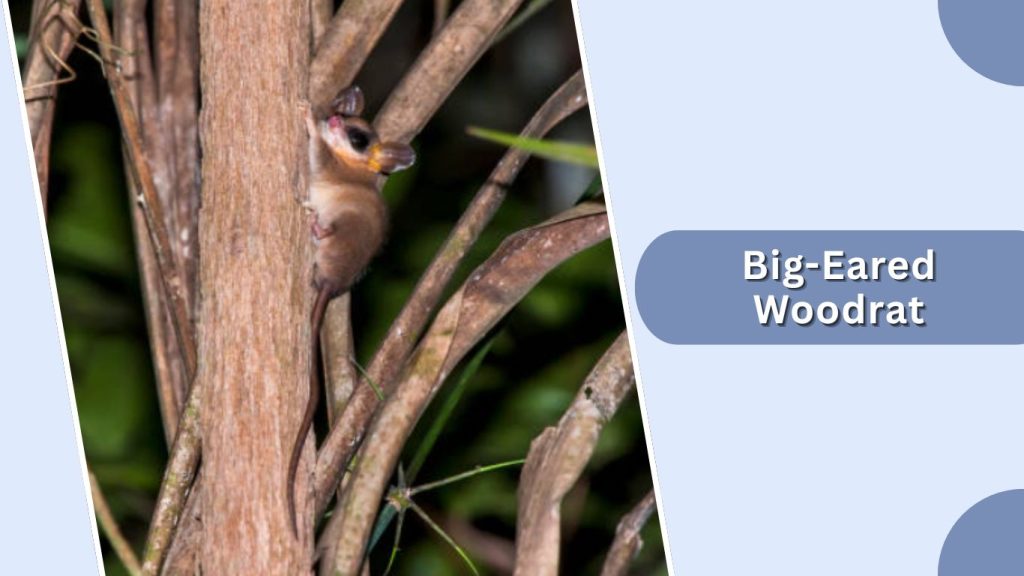
The Big-Eared Woodrat is a distinctive pack rat species native to rocky deserts and dry woodland regions of the southwestern United States and northern Mexico. It is named for its unusually large ears, which help it detect predators and regulate body temperature in warm climates. Like other woodrats, this species builds nests from sticks, cactus pieces, leaves, and other plant materials. Big-Eared Woodrats are nocturnal and spend most of the daytime hidden inside rock crevices or sheltered nesting sites. Their ability to survive in harsh desert environments makes them an important part of arid ecosystem food chains.
Identification
- Very large rounded ears compared to body size
- Grayish-brown or reddish-brown fur coloration
- White or pale underside
- Long furry tail with a slightly bushy appearance
- Medium-sized body with soft thick fur
- Long whiskers and pointed snout
- Strong claws adapted for climbing rocky terrain
Habitat
Big-Eared Woodrats mainly inhabit rocky deserts, canyon regions, shrublands, and dry woodlands. They prefer habitats with cliffs, caves, rock piles, and dense desert vegetation that provide shelter from predators and extreme temperatures. Their nests are commonly built among rocks or beneath shrubs using sticks, bark, cactus pads, and plant debris. These rodents are highly adapted to dry climates where water sources are limited.
Behavior
Big-Eared Woodrats are primarily active during the night and spend their evenings searching for food and nesting materials. They are solitary animals and usually defend their nesting territories from intruders. Like many pack rats, they collect unusual objects and carry them back to their nests. These rodents are excellent climbers and can move quickly across rocky surfaces and steep terrain. Their nests may remain occupied and expanded for several years.
Diet
The Big-Eared Woodrat mainly feeds on seeds, cactus pads, fruits, leaves, bark, and desert shrubs. Cactus plants provide both nutrition and moisture in arid environments. These rodents may also consume insects and fungi when plant food becomes scarce. Their digestive system is adapted to process tough desert vegetation and low-water diets.
Lifespan
In the wild, Big-Eared Woodrats generally live between 2 and 4 years depending on habitat quality and predator activity. Common predators include owls, snakes, foxes, and coyotes. Extreme heat, drought, and habitat loss can also affect survival rates in desert regions.
11. Arizona Woodrat

The Arizona Woodrat is a desert-adapted pack rat native to the southwestern United States and parts of northern Mexico. This species is commonly found in rocky desert landscapes, canyons, and dry shrublands where it builds large nests from sticks, cactus pieces, and plant debris. Like other woodrats, the Arizona Woodrat is known for collecting objects and storing them near its nesting site. These rodents are primarily nocturnal and spend most of the daytime hidden inside rock crevices or sheltered nests. Their ability to survive in harsh desert environments makes them an important part of arid ecosystem food webs.
Identification
- Grayish-brown or reddish-brown fur coloration
- White or pale-colored underside
- Large rounded ears and dark eyes
- Long furry tail with a slightly bushy appearance
- Medium-sized body with soft dense fur
- Long whiskers and pointed snout
- Strong claws for climbing rocky surfaces
Habitat
Arizona Woodrats mainly inhabit rocky deserts, dry canyons, shrublands, and semi-arid woodland areas. They prefer environments with rock piles, caves, cactus patches, and dense shrubs that provide shelter from predators and extreme heat. Their nests are commonly built among rocks or beneath desert vegetation using sticks, bark, cactus spines, and plant materials. These rodents are highly adapted to dry climates where water is scarce.
Behavior
Arizona Woodrats are primarily active during the night and spend evenings searching for food and nesting materials. They are solitary animals that usually defend their nesting territories from other woodrats. Like many pack rats, they collect shiny or unusual objects and store them inside or near their nests. These rodents are skilled climbers and can move efficiently across rocky terrain and desert vegetation. Their nests often grow larger over time as new materials are added.
Diet
The Arizona Woodrat mainly feeds on cactus pads, seeds, fruits, bark, leaves, and desert shrubs. Cactus plants are especially valuable because they provide both food and moisture in arid habitats. These rodents may also consume insects and fungi when vegetation becomes less available. Their digestive system is adapted to process tough desert plants and low-water diets.
Lifespan
In the wild, Arizona Woodrats generally live between 2 and 4 years depending on environmental conditions and predator pressure. Owls, snakes, foxes, coyotes, and wildcats are common predators. Extreme heat, drought, and habitat destruction can reduce survival rates in some desert regions.
12. Narrow-Skulled Woodrat
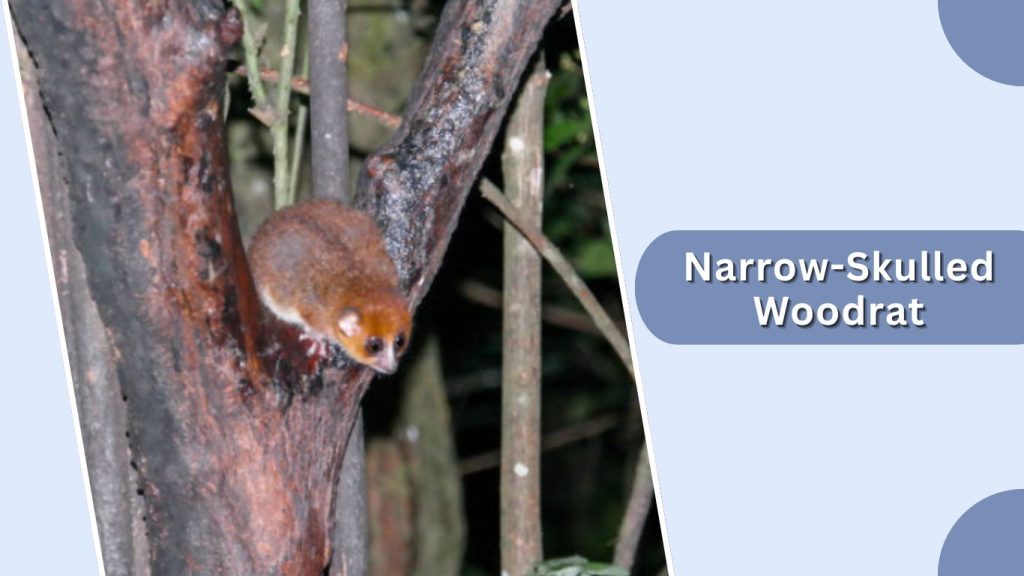
The Narrow-Skulled Woodrat is a rare pack rat species found mainly in parts of Mexico and the southwestern United States. It is named for its long and narrow skull shape, which distinguishes it from many other woodrat species. Like other pack rats, it builds nests from sticks, leaves, cactus parts, and various plant materials. These rodents are nocturnal and spend most of the daytime hidden inside rocky shelters or dense vegetation. The Narrow-Skulled Woodrat is well adapted to dry and semi-arid environments where food and water resources can be limited.
Identification
- Long narrow skull and pointed face
- Grayish-brown or reddish-brown fur
- White or pale underside
- Large rounded ears and dark eyes
- Long furry tail with a slightly bushy appearance
- Medium-sized body with soft dense fur
- Strong claws for climbing and digging
Habitat
Narrow-Skulled Woodrats mainly inhabit rocky deserts, dry shrublands, canyons, and semi-arid woodland regions. They prefer habitats with rock crevices, cactus patches, dense shrubs, and fallen logs that provide protection from predators and harsh weather. Their nests are usually built among rocks or beneath vegetation using sticks, bark, cactus spines, and plant debris. These rodents are highly adapted to warm climates with limited water availability.
Behavior
Narrow-Skulled Woodrats are primarily active during the night and spend their evenings searching for food and nesting materials. They are solitary animals and generally defend their nests from intruders. Like many pack rats, they collect unusual or shiny objects and store them inside or near their nests. These rodents are agile climbers and can move efficiently across rocky landscapes and desert vegetation. Their nests may remain occupied and expanded for several years.
Diet
The Narrow-Skulled Woodrat mainly feeds on seeds, cactus pads, fruits, leaves, bark, and desert shrubs. In arid habitats, cactus plants provide both nutrients and moisture. These rodents may also consume fungi and insects when plant food becomes limited. Their digestive system allows them to process tough vegetation commonly found in dry environments.
Lifespan
In the wild, Narrow-Skulled Woodrats generally live between 2 and 4 years depending on habitat quality and predator activity. Common predators include owls, snakes, foxes, coyotes, and wildcats. Harsh weather conditions, drought, and habitat destruction can reduce survival rates in some areas.
13. Key Largo Woodrat
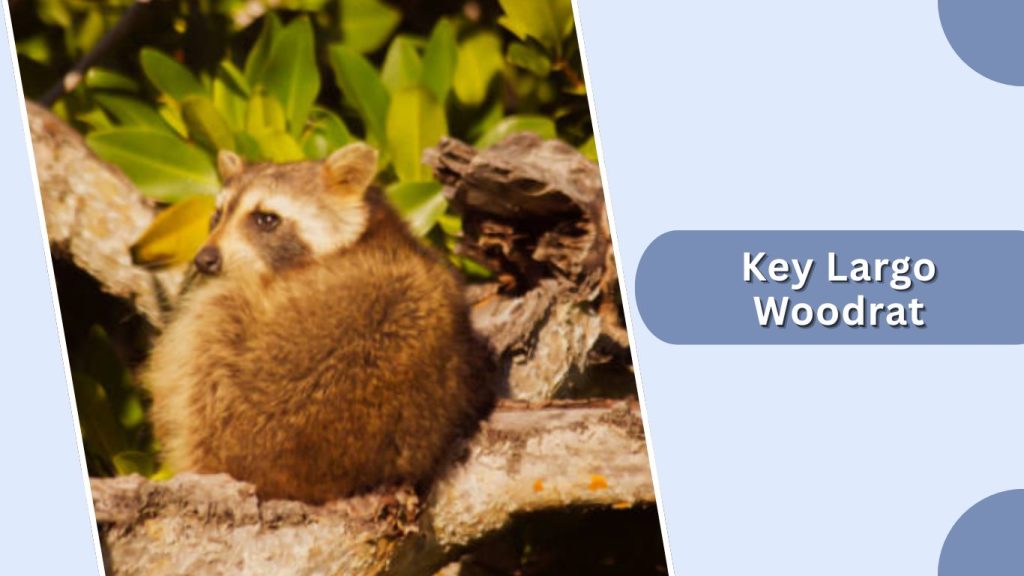
The Key Largo Woodrat is an endangered pack rat species found only on Key Largo in southern Florida. This rare woodrat is closely associated with tropical hardwood forests and dense island vegetation. Like other woodrats, it builds nests from sticks, leaves, and plant debris, often creating large dome-shaped shelters on the forest floor. The Key Largo Woodrat is nocturnal and spends most daylight hours hidden inside its nest. Due to habitat destruction, invasive predators, and limited geographic range, this species has experienced major population declines and is considered one of the rarest woodrats in North America.
Identification
- Grayish-brown fur with a pale underside
- Large rounded ears and dark eyes
- Long furry tail with a slightly bushy appearance
- Medium-sized body with soft dense fur
- Long whiskers and pointed snout
- Strong claws for climbing and digging
- Compact body adapted to forest environments
Habitat
Key Largo Woodrats mainly inhabit tropical hardwood hammocks and dense forested areas on Key Largo Island. They prefer habitats with thick vegetation, fallen logs, rock crevices, and abundant leaf litter that provide shelter from predators and harsh weather. Their nests are commonly built on the ground using sticks, leaves, bark, and other plant materials. Because their range is extremely limited, they depend heavily on healthy forest ecosystems for survival.
Behavior
Key Largo Woodrats are primarily active during the night and spend evenings searching for food and nesting materials. They are solitary animals and usually defend their nesting areas from other woodrats. Like many pack rats, they collect various objects and store them near their nests. These rodents are skilled climbers and can move easily through dense vegetation and fallen branches. Their nests may be reused and expanded over time.
Diet
The Key Largo Woodrat mainly feeds on fruits, seeds, leaves, bark, and other forest vegetation. Native tropical plants provide most of their food throughout the year. These rodents may also consume fungi and small insects when plant food is less available. Their varied diet helps them survive within the limited habitat of Key Largo.
Lifespan
In the wild, Key Largo Woodrats generally live between 2 and 3 years. Predators such as snakes, raccoons, feral cats, and owls are major threats to their survival. Habitat destruction, hurricanes, and invasive species have significantly affected population numbers, making conservation efforts essential for the species’ future.
14. Bryant’s Woodrat
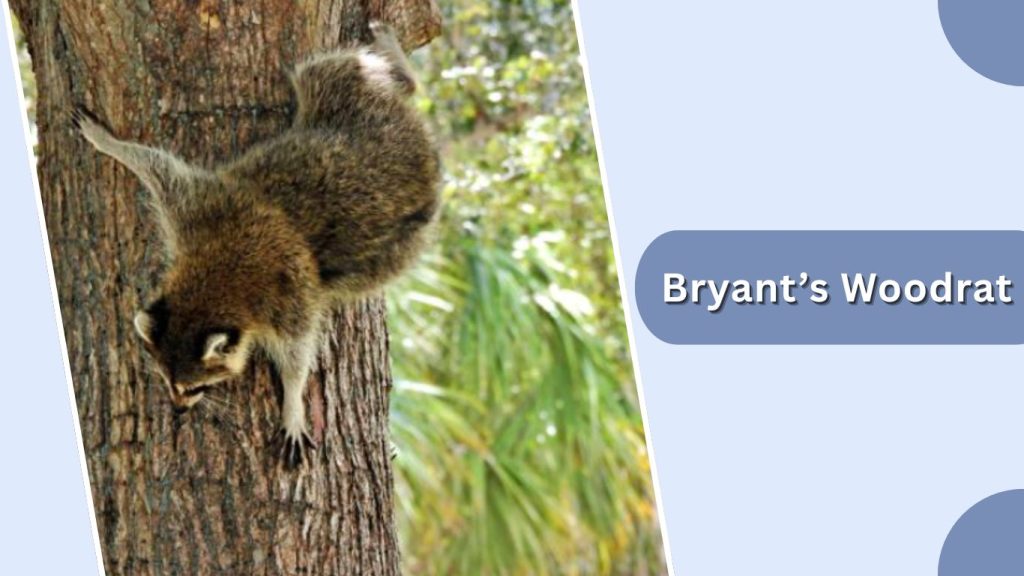
Bryant’s Woodrat is a pack rat species found in the southwestern United States and parts of northern Mexico. This rodent is commonly associated with rocky deserts, dry shrublands, and cactus-filled landscapes. Like other woodrats, it is known for building large nests from sticks, cactus pieces, and plant materials. Bryant’s Woodrat is mainly nocturnal and spends most daylight hours hidden inside rock crevices or sheltered nests. Its ability to survive in hot, dry environments makes it well adapted to desert ecosystems where food and water can be limited.
Identification
- Grayish-brown or tan fur coloration
- White or pale-colored underside
- Large rounded ears and dark eyes
- Long furry tail with a slightly bushy appearance
- Medium-sized body with soft dense fur
- Long whiskers and pointed snout
- Strong claws for climbing rocky terrain
Habitat
Bryant’s Woodrat mainly inhabits rocky deserts, cactus forests, dry shrublands, and canyon regions. It prefers areas with rock piles, cliffs, dense shrubs, and cactus patches that provide shelter from predators and harsh temperatures. Its nests are commonly built among rocks or beneath desert vegetation using sticks, bark, cactus spines, and plant debris. These rodents are highly adapted to warm arid climates with limited water availability.
Behavior
Bryant’s Woodrat is primarily active during the night and spends evenings searching for food and nesting materials. It is generally solitary and defends its nesting territory from intruders. Like many pack rats, it gathers unusual or shiny objects and stores them near its nest. These rodents are excellent climbers and can move efficiently across rocky landscapes and desert vegetation. Their nests often become larger over time as new materials are added.
Diet
Bryant’s Woodrat mainly feeds on cactus pads, fruits, seeds, bark, leaves, and desert shrubs. Cactus plants are especially important because they provide both nutrients and moisture in dry habitats. These rodents may also eat fungi and insects when plant food becomes scarce. Their digestive system is adapted to process tough desert vegetation and low-moisture diets.
Lifespan
In the wild, Bryant’s Woodrats generally live between 2 and 4 years depending on habitat conditions and predator activity. Common predators include owls, snakes, foxes, coyotes, and wildcats. Extreme heat, drought, and habitat destruction can reduce survival rates in some desert environments.
15. Baird’s Woodrat
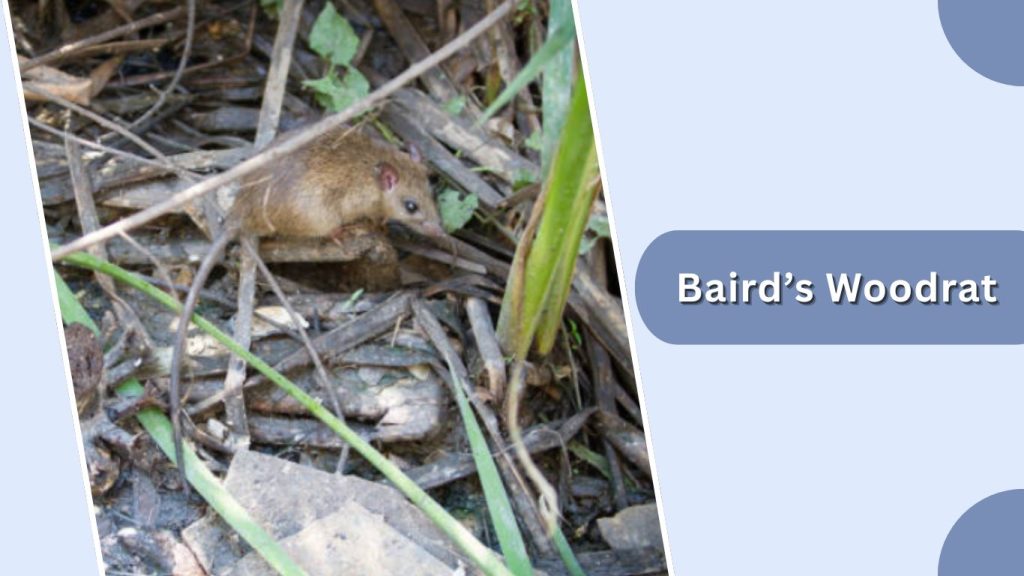
Baird’s Woodrat is a medium-sized pack rat species found mainly in northern Mexico and parts of southern Texas. This woodrat is well adapted to dry grasslands, rocky slopes, and desert shrub habitats where it builds nests from sticks, leaves, cactus parts, and other plant materials. Like other woodrats, it is known for collecting different objects and carrying them back to its nesting area. Baird’s Woodrat is nocturnal and spends most daylight hours hidden inside rock crevices or dense vegetation. Its adaptability allows it to survive in environments with extreme temperatures and limited water resources.
Identification
- Grayish-brown or reddish-brown fur coloration
- White or pale underside
- Large rounded ears and dark eyes
- Long furry tail with a slightly bushy appearance
- Medium-sized body with soft thick fur
- Long whiskers and pointed snout
- Strong claws for climbing and digging
Habitat
Baird’s Woodrat mainly inhabits rocky grasslands, desert shrublands, dry woodlands, and canyon regions. It prefers habitats with rock piles, cactus patches, dense shrubs, and fallen logs that provide protection from predators and harsh weather conditions. Its nests are commonly built among rocks or beneath vegetation using sticks, bark, cactus spines, and plant debris. These rodents are highly adapted to arid and semi-arid climates where water availability is low.
Behavior
Baird’s Woodrat is primarily active during the night and spends evenings searching for food and nesting materials. It is generally solitary and defends its nest from intruders. Like many pack rats, it gathers unusual objects and stores them inside or near its shelter. These rodents are agile climbers and can move efficiently through rocky terrain and desert vegetation. Their nests may continue growing larger over several years.
Diet
Baird’s Woodrat mainly feeds on cactus pads, seeds, fruits, leaves, bark, and desert shrubs. Cactus plants are important because they provide both nutrients and moisture in dry environments. These rodents may also consume insects and fungi when plant food becomes less available. Their digestive system is adapted to handle tough desert vegetation and low-water diets.
Lifespan
In the wild, Baird’s Woodrats generally live between 2 and 4 years depending on habitat quality and predator activity. Owls, snakes, foxes, coyotes, and wildcats are common predators. Harsh drought conditions and habitat destruction can also reduce survival rates in some regions.
16. Goldman’s Woodrat
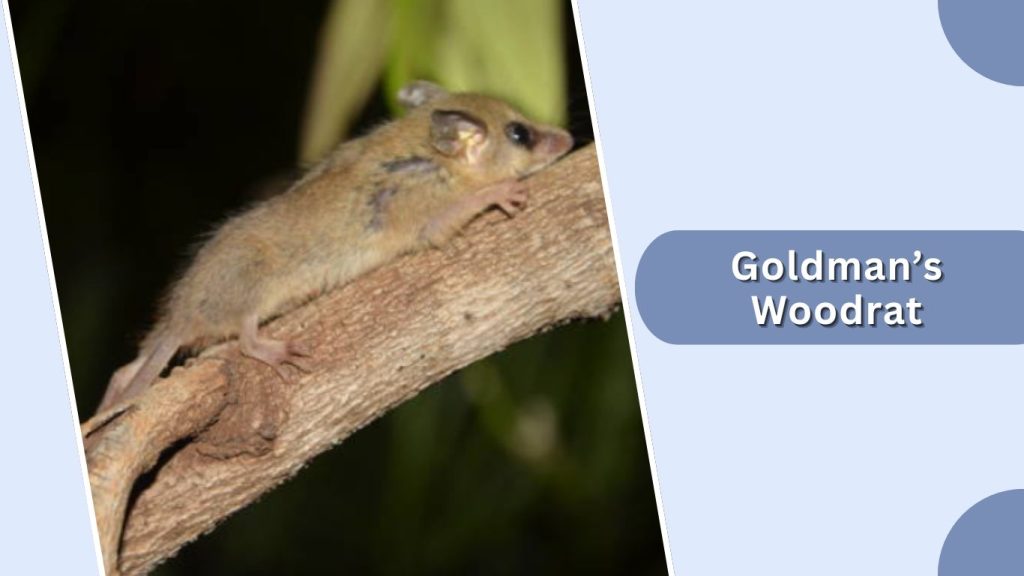
Goldman’s Woodrat is a rare pack rat species native to parts of Mexico and nearby dry mountainous regions. This rodent belongs to the woodrat group known for building nests from sticks, bark, cactus parts, and plant debris. Goldman’s Woodrat is mainly nocturnal and spends most of the daytime hidden in rocky shelters or dense vegetation. Like other pack rats, it often gathers different objects and stores them near its nesting site. Its ability to survive in dry and rugged habitats makes it well adapted to harsh environmental conditions with limited food and water resources.
Identification
- Grayish-brown or reddish-brown fur coloration
- Pale or white underside
- Large rounded ears and dark eyes
- Long furry tail with a slightly bushy appearance
- Medium-sized body with soft dense fur
- Long whiskers and pointed snout
- Strong claws adapted for climbing rocky terrain
Habitat
Goldman’s Woodrat mainly inhabits rocky hillsides, dry shrublands, desert edges, and mountainous woodland regions. It prefers habitats with rock crevices, cactus patches, shrubs, and fallen logs that provide shelter from predators and extreme weather. Its nests are commonly built among rocks or beneath vegetation using sticks, bark, leaves, and cactus materials. These rodents are highly adapted to semi-arid and arid climates where natural water sources may be limited.
Behavior
Goldman’s Woodrat is primarily active during the night and spends evenings searching for food and nesting materials. It is generally solitary and protects its nesting territory from intruders. Like many pack rats, it collects unusual objects and stores them inside or near its nest. These rodents are skilled climbers and can move efficiently through rocky landscapes and dense vegetation. Their nests may continue expanding as more materials are added over time.
Diet
Goldman’s Woodrat mainly feeds on seeds, cactus pads, fruits, bark, leaves, and desert shrubs. In dry habitats, cactus plants provide both nutrition and moisture. These rodents may also consume fungi and insects when plant food becomes less available. Their digestive system is adapted to process tough desert vegetation and survive on low-water diets.
Lifespan
In the wild, Goldman’s Woodrats generally live between 2 and 4 years depending on habitat quality, food availability, and predator activity. Common predators include owls, snakes, foxes, coyotes, and wildcats. Drought, habitat destruction, and environmental changes can negatively affect survival rates in some regions.
17. Nelson’s Woodrat

Nelson’s Woodrat is a medium-sized pack rat species native to parts of Mexico and nearby dry mountainous regions. This woodrat is adapted to rocky environments, shrublands, and semi-arid habitats where it builds nests from sticks, bark, leaves, and cactus materials. Like other woodrats, it is known for collecting various objects and storing them near its nest. Nelson’s Woodrat is mainly nocturnal and spends most daylight hours hidden inside rocky shelters or dense vegetation. Its strong survival abilities allow it to thrive in rugged landscapes with limited water and food resources.
Identification
- Grayish-brown or reddish-brown fur coloration
- Pale or white underside
- Large rounded ears and dark eyes
- Long furry tail with a slightly bushy appearance
- Medium-sized body with soft dense fur
- Long whiskers and pointed snout
- Strong claws for climbing and digging
Habitat
Nelson’s Woodrat mainly inhabits rocky hillsides, dry forests, shrublands, and mountainous desert regions. It prefers areas with rock crevices, dense shrubs, fallen logs, and cactus patches that provide shelter from predators and harsh weather conditions. Its nests are commonly built among rocks or beneath vegetation using sticks, bark, leaves, and plant debris. These rodents are highly adapted to semi-arid climates where water availability may be limited.
Behavior
Nelson’s Woodrat is primarily active during the night and spends evenings searching for food and nesting materials. It is generally solitary and defends its nesting territory from other woodrats. Like many pack rats, it gathers unusual or shiny objects and stores them inside or near its nest. These rodents are agile climbers and can move efficiently across rocky terrain and dense vegetation. Their nests may continue growing larger over time as additional materials are collected.
Diet
Nelson’s Woodrat mainly feeds on seeds, cactus pads, fruits, bark, leaves, and desert shrubs. Cactus plants provide important nutrients and moisture in dry habitats. These rodents may also consume fungi and insects when vegetation becomes scarce. Their digestive system is adapted to handle tough desert plants and survive on low-moisture diets.
Lifespan
In the wild, Nelson’s Woodrats generally live between 2 and 4 years depending on environmental conditions and predator activity. Common predators include owls, snakes, foxes, coyotes, and wildcats. Habitat destruction, drought, and food shortages can reduce survival rates in some parts of their natural range.
18. Florida Woodrat

The Florida Woodrat is a large pack rat species native to Florida and nearby southeastern coastal regions of the United States. This rodent is strongly associated with forests, scrublands, and coastal habitats where it builds nests from sticks, leaves, bark, and plant debris. Like other woodrats, it is known for gathering different objects and carrying them back to its nest. Florida Woodrats are mainly nocturnal and spend most daylight hours hidden in dense vegetation or sheltered nesting sites. They are important members of local ecosystems because they help spread seeds and provide food for predators.
Identification
- Grayish-brown fur with a lighter underside
- Large rounded ears and dark eyes
- Long furry tail with a slightly bushy appearance
- Medium-sized body with soft dense fur
- Long whiskers and pointed snout
- Strong claws for climbing and digging
- Compact body adapted to warm climates
Habitat
Florida Woodrats mainly inhabit coastal scrublands, pine forests, hardwood hammocks, and dense woodland areas. They prefer habitats with thick vegetation, fallen logs, rock piles, and shrub cover that provide protection from predators and extreme weather. Their nests are commonly built on the ground or inside sheltered areas using sticks, bark, leaves, moss, and plant materials. These rodents depend heavily on healthy forest ecosystems with abundant vegetation and food sources.
Behavior
Florida Woodrats are primarily active during the night and spend evenings searching for food and nesting materials. They are generally solitary animals that defend their nesting territories from intruders. Like many pack rats, they collect unusual objects and store them near their nests. These rodents are skilled climbers and can move easily through dense vegetation and low tree branches. Their nests may be reused and expanded for several years.
Diet
The Florida Woodrat mainly feeds on seeds, fruits, leaves, bark, nuts, and green vegetation. Native plants provide most of their food throughout the year. These rodents may also consume fungi and small insects when plant food becomes less available. Their flexible diet helps them survive in different forest and coastal environments.
Lifespan
In the wild, Florida Woodrats generally live between 2 and 4 years depending on habitat quality and predator activity. Owls, snakes, foxes, raccoons, and wildcats are common predators. Habitat destruction, coastal development, and environmental changes can negatively affect population numbers in some regions.
19. San Martin Island Woodrat

The San Martin Island Woodrat is a rare pack rat species found only on San Martin Island off the coast of Baja California, Mexico. This isolated woodrat has adapted to rocky island environments with limited vegetation and freshwater resources. Like other woodrats, it builds nests from sticks, leaves, bark, and plant debris, often placing them in sheltered rocky areas. The San Martin Island Woodrat is mainly nocturnal and spends most daylight hours hidden inside protected nesting sites. Its restricted island habitat makes it especially vulnerable to environmental changes and introduced predators.
Identification
- Grayish-brown or tan fur coloration
- Pale or white underside
- Large rounded ears and dark eyes
- Long furry tail with a slightly bushy appearance
- Medium-sized body with soft dense fur
- Long whiskers and pointed snout
- Strong claws adapted for climbing rocky terrain
Habitat
San Martin Island Woodrats mainly inhabit rocky coastal areas, dry shrublands, and sparse island vegetation zones. They prefer habitats with rock crevices, volcanic formations, shrubs, and dense plant cover that provide shelter from predators and harsh coastal weather. Their nests are commonly built among rocks using sticks, bark, leaves, and plant materials. Because the species exists only on a small island, it relies heavily on stable environmental conditions and available vegetation.
Behavior
San Martin Island Woodrats are primarily active during the night and spend evenings searching for food and nesting materials. They are generally solitary animals that defend their nesting territories from other woodrats. Like many pack rats, they gather unusual objects and store them inside or near their nests. These rodents are agile climbers and can move efficiently across rocky coastal terrain. Their nests may continue expanding over time as additional materials are collected.
Diet
The San Martin Island Woodrat mainly feeds on seeds, fruits, leaves, bark, and coastal shrub vegetation. Native island plants provide most of its nutrition throughout the year. These rodents may also consume fungi and insects when plant food becomes limited. Their flexible diet helps them survive in a restricted island ecosystem with changing seasonal conditions.
Lifespan
In the wild, San Martin Island Woodrats generally live between 2 and 4 years depending on habitat quality and predator activity. Birds of prey, snakes, and introduced predators can threaten their survival. Environmental changes, habitat disturbance, and limited geographic range also make the species vulnerable to population decline.
20. Sonoran Woodrat
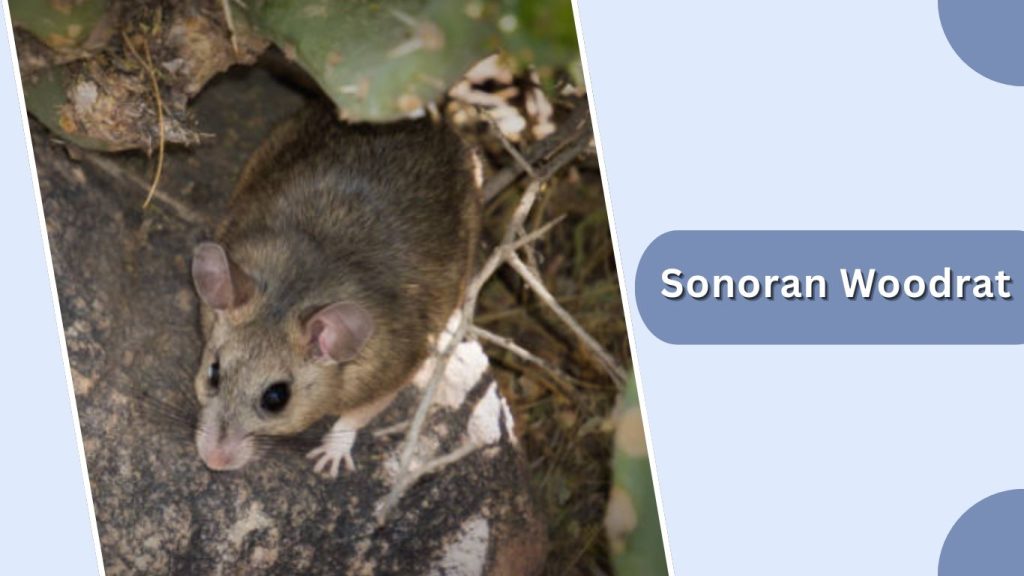
The Sonoran Woodrat is a desert-adapted pack rat found mainly in the Sonoran Desert regions of the southwestern United States and northwestern Mexico. This rodent is well known for its ability to survive in extremely hot and dry environments with limited water sources. Like other woodrats, it builds large nests from sticks, cactus pieces, leaves, and other plant materials. Sonoran Woodrats are primarily nocturnal and spend most daylight hours hidden inside rocky shelters or dense vegetation. Their nesting behavior and desert survival skills make them important members of arid ecosystem food chains.
Identification
- Grayish-brown or reddish-brown fur coloration
- White or pale underside
- Large rounded ears and dark eyes
- Long furry tail with a slightly bushy appearance
- Medium-sized body with soft dense fur
- Long whiskers and pointed snout
- Strong claws adapted for climbing rocky desert terrain
Habitat
Sonoran Woodrats mainly inhabit deserts, rocky canyons, cactus forests, and dry shrublands within the Sonoran Desert region. They prefer habitats with rock crevices, cactus patches, dense shrubs, and fallen logs that provide shelter from predators and extreme heat. Their nests are commonly built among rocks or beneath desert vegetation using sticks, bark, cactus spines, and plant debris. These rodents are highly adapted to arid conditions with limited rainfall and high daytime temperatures.
Behavior
Sonoran Woodrats are primarily active during the night and spend evenings searching for food and nesting materials. They are generally solitary animals that defend their nesting territories from intruders. Like many pack rats, they collect shiny or unusual objects and store them near their nests. These rodents are agile climbers and can move efficiently across rocky landscapes and cactus-covered terrain. Their nests may continue growing larger as new materials are added over time.
Diet
The Sonoran Woodrat mainly feeds on cactus pads, fruits, seeds, bark, leaves, and desert shrubs. Cactus plants provide both nutrition and moisture, helping these rodents survive in dry environments. They may also consume fungi and insects when vegetation becomes scarce. Their digestive system is adapted to process tough desert plants and survive on low-water diets.
Lifespan
In the wild, Sonoran Woodrats generally live between 2 and 4 years depending on habitat quality and predator activity. Common predators include owls, snakes, foxes, coyotes, and wildcats. Extreme desert heat, drought, and habitat destruction can negatively affect survival rates in some regions.
FAQs
What is a pack rat or woodrat?
A pack rat, also called a woodrat, is a rodent belonging to the Neotoma genus. These animals are known for collecting sticks, leaves, bones, and shiny objects to build nests. Pack rats are mainly found in North and Central America and are usually active at night.
Why are woodrats called pack rats?
Woodrats are called pack rats because of their habit of gathering and carrying objects back to their nests. They often collect unusual items such as shiny materials, small bones, shells, and plant pieces. This collecting behavior is one of their most recognizable characteristics.
Where do woodrats usually live?
Woodrats live in a wide range of habitats including deserts, forests, mountains, grasslands, shrublands, and rocky canyons. Most species prefer areas with natural shelters such as rock crevices, fallen logs, dense vegetation, or caves where they can safely build nests.
What do woodrats eat?
Most woodrats mainly eat seeds, fruits, leaves, bark, cactus pads, and other vegetation. Some species may also consume fungi or insects when plant food is limited. Desert woodrats often rely on cactus plants because they provide both nutrition and moisture.
Are woodrats harmful to humans?
Woodrats are generally not dangerous to humans and usually avoid direct contact. However, they may become pests when nesting inside buildings, cabins, or storage areas. In some regions, they can carry parasites or diseases, so avoiding contact with nests and droppings is recommended.