
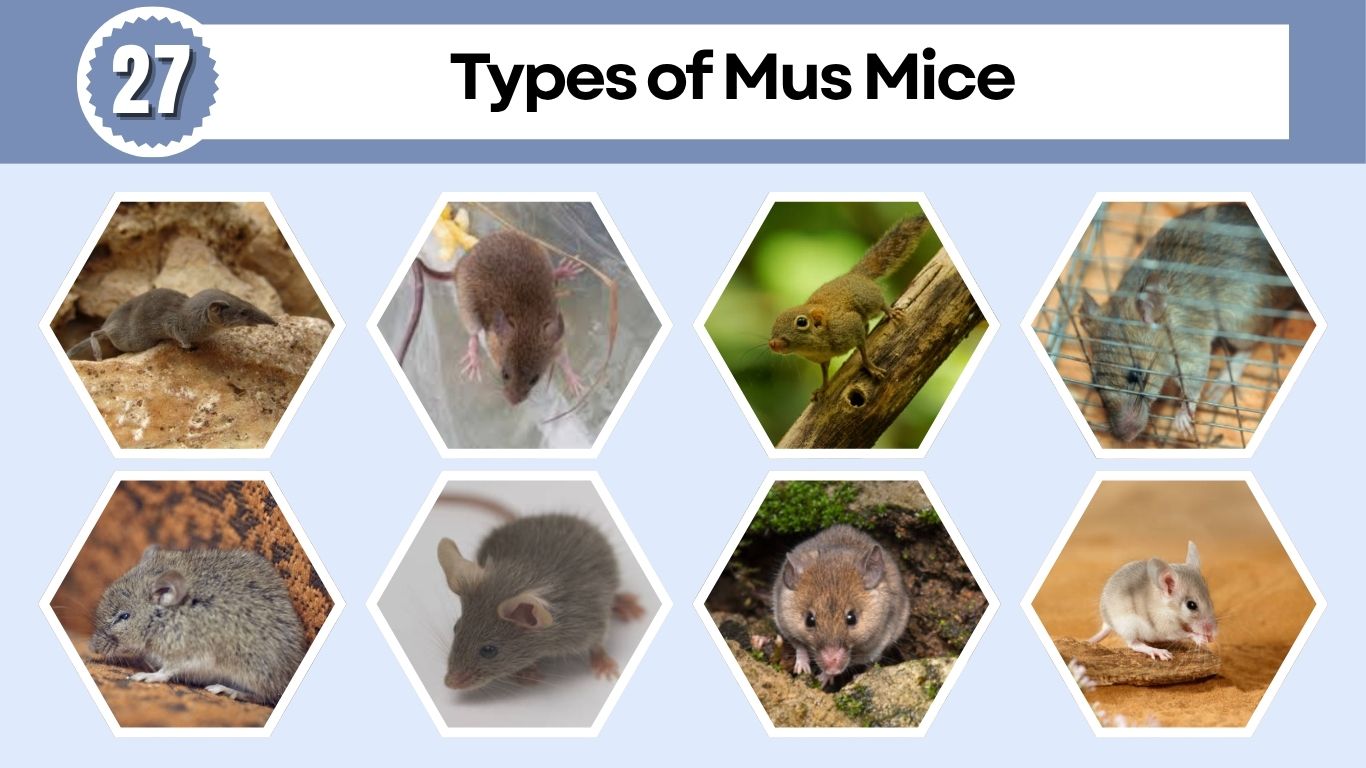
Mus mice are a diverse group of small rodents found across a wide range of environments, from dense forests and grasslands to farms and human homes. Known for their adaptability and rapid reproduction, these mice play important roles in ecosystems but can also become pests in certain settings. Different types of Mus mice vary in appearance, habitat, and behavior, making them unique in their own ways. Understanding these species helps in identifying them correctly and managing their presence, whether in the wild or near human environments.
1. House Mouse
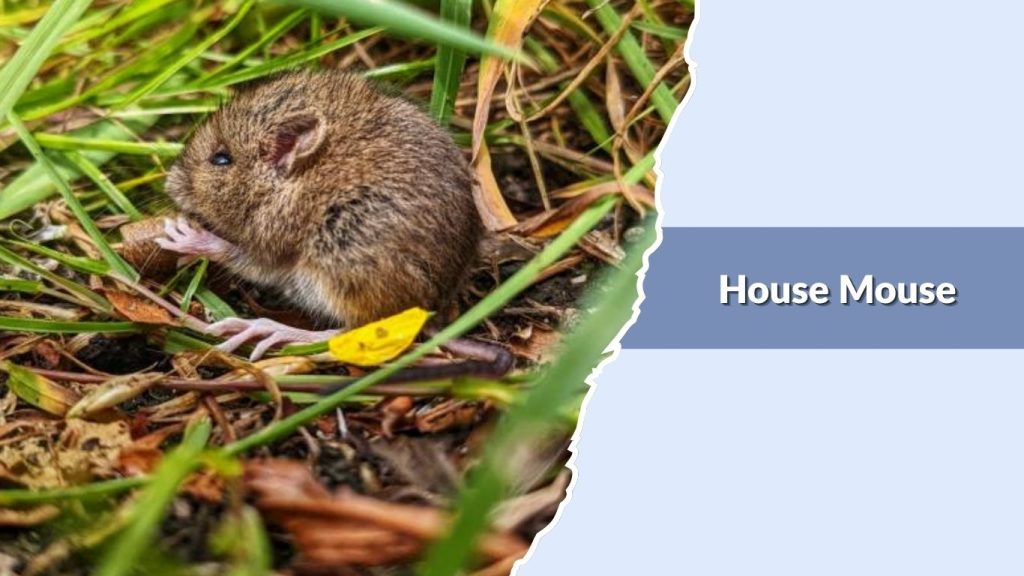
The house mouse is one of the most common and widely distributed mouse species in the world. It is closely associated with human environments and has successfully adapted to living in homes, farms, and cities. Its small size, fast reproduction rate, and ability to survive in different conditions make it both a persistent pest and an important model in scientific research. Because it lives near humans, it is often encountered in daily life and can quickly establish populations if not controlled.
Identification
- Small rodent with a slender and compact body
- Fur typically ranges from light brown to gray
- Underside is lighter, often white or pale gray
- Large, rounded ears compared to head size
- Long, thin, nearly hairless tail equal to body length
Habitat
The house mouse thrives in environments where food and shelter are easily available. It is commonly found in homes, warehouses, barns, and agricultural fields. Indoors, it hides in walls, ceilings, cupboards, and storage spaces. Outdoors, it may live in burrows or sheltered areas near buildings. It prefers warm and dry locations, especially during colder seasons, which is why it frequently moves indoors when temperatures drop.
Behaviors
House mice are primarily nocturnal and are most active at night. They are excellent climbers, jumpers, and can squeeze through very small openings. These mice are naturally curious and often explore new objects in their environment. They build nests using soft materials such as paper, cloth, or plant fibers. House mice tend to stay close to their food source and can reproduce quickly, leading to rapid population growth in a short time.
Diet and Lifespan
House mice are omnivores and feed on a wide variety of foods, including grains, seeds, fruits, and small insects. They can survive on minimal food and often obtain water from their food. In the wild, their lifespan is usually around 9 to 12 months due to predators and environmental factors. However, in controlled or indoor environments, they may live longer, sometimes up to two years.
2. Algerian Mouse
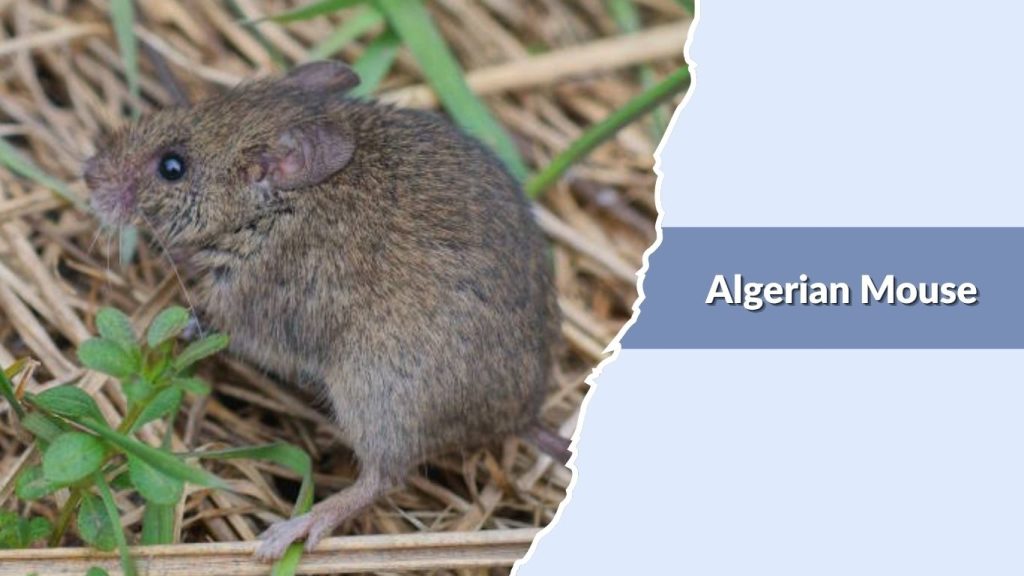
The Algerian mouse is a small and adaptable mouse species commonly found in North African and Mediterranean regions. It is closely related to the house mouse but tends to prefer more natural and semi-natural environments. This species is known for its agility and ability to survive in dry conditions, often living near human settlements without being fully dependent on them.
Identification
- Small body with a slender build
- Fur is usually light brown to sandy in color
- Underside is pale or whitish
- Large ears relative to head size
- Long, thin tail, often slightly longer than the body
Habitat
The Algerian mouse is typically found in dry, open habitats such as grasslands, scrublands, and agricultural areas. It may also live near villages and farms where food is available. Unlike the house mouse, it prefers more natural surroundings but can enter human structures occasionally, especially when searching for food or shelter.
Behaviors
This mouse is mostly nocturnal and active during the night. It is a fast and agile climber, often moving through vegetation or low shrubs. The Algerian mouse builds nests in burrows or hidden ground spaces. It tends to be less dependent on humans and is more cautious in its behavior compared to fully domesticated species.
Diet and Lifespan
The Algerian mouse feeds on seeds, grains, and plant material, along with occasional insects. It is well adapted to environments with limited water, often obtaining moisture from its food. In the wild, its lifespan is relatively short, usually around one year, depending on environmental conditions and predators.
3. Macedonian Mouse
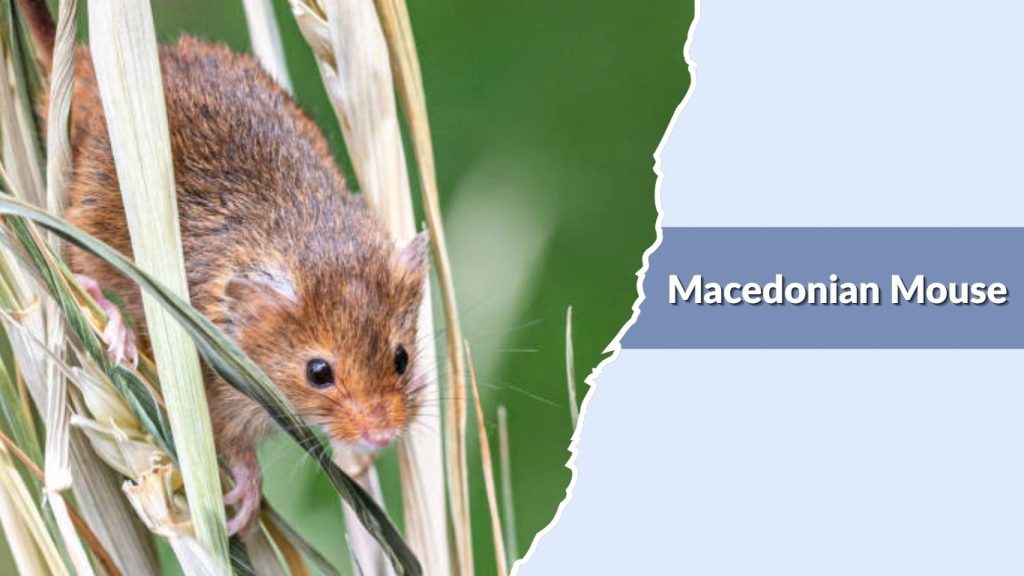
The Macedonian mouse is a small wild mouse species commonly found in parts of southeastern Europe. It is closely related to other Mus species but is more adapted to natural environments rather than urban living. This mouse is typically found in open landscapes and is known for its ability to survive in varying seasonal conditions.
Identification
- Small, slender body with a delicate appearance
- Fur is usually grayish-brown on the upper side
- Underside is lighter, often pale gray or white
- Ears are moderately large and rounded
- Tail is long, thin, and slightly shorter or equal to body length
Habitat
The Macedonian mouse prefers open habitats such as grasslands, fields, and lightly wooded areas. It is commonly found in agricultural regions where crops provide both food and cover. This species usually avoids dense urban areas but may live near farms or rural settlements where natural and human environments overlap.
Behaviors
This mouse is primarily nocturnal and remains active during the night. It is a ground-dwelling species that creates burrows for shelter and nesting. The Macedonian mouse is cautious and tends to avoid open exposure, using vegetation for cover. It is also known for seasonal activity patterns, adjusting behavior based on temperature and food availability.
Diet and Lifespan
The Macedonian mouse mainly feeds on seeds, grains, and other plant materials. It may also consume small insects when available. Its diet changes depending on the season and food supply. In the wild, its lifespan is generally around one year, though this can vary based on environmental conditions and predation.
4. Spiny Mouse
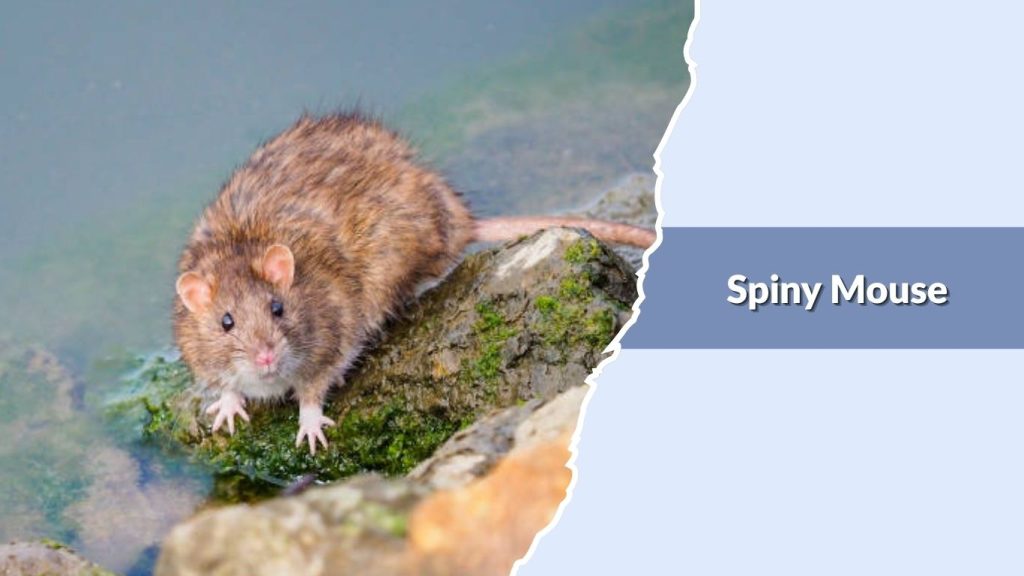
The spiny mouse is a unique Mus-related species known for its coarse, spiny fur and strong adaptability to harsh environments. It is commonly found in rocky and dry regions, where it survives extreme temperatures and limited water. Unlike many other mice, it is more resilient and has some unusual traits, including the ability to shed parts of its skin to escape predators.
Identification
- Small to medium-sized mouse with a sturdy body
- Fur is coarse with spiny, bristle-like hairs on the back
- Color ranges from brown to gray or reddish tones
- Large ears and prominent eyes
- Tail is relatively short and may appear slightly rough
Habitat
The spiny mouse prefers dry, rocky habitats such as deserts, hillsides, and stone-covered landscapes. It often shelters in crevices, burrows, or under rocks to avoid heat and predators. This species is well adapted to environments with little vegetation and limited water sources.
Behaviors
Spiny mice are mostly nocturnal and active during cooler hours. They are agile climbers and can move quickly across rocky terrain. They often live in small groups and show social behavior. One notable trait is their ability to escape predators by shedding patches of skin, which later regenerate.
Diet and Lifespan
The spiny mouse has an omnivorous diet, feeding on seeds, plants, insects, and small invertebrates. It can survive with very little water by obtaining moisture from its food. In the wild, its lifespan is usually around 1 to 2 years, depending on environmental conditions.
5. Steppe Mouse
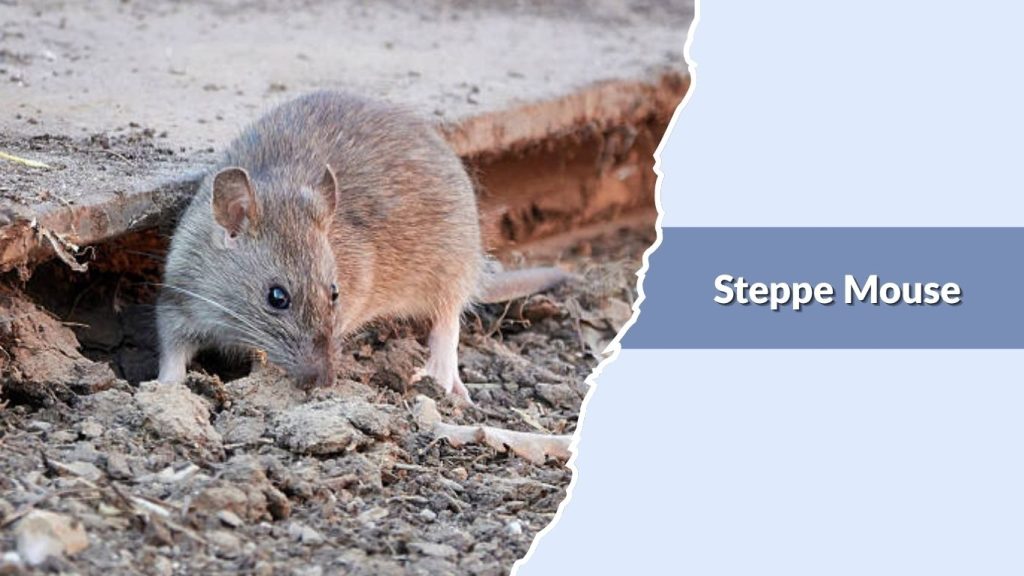
The steppe mouse is a small Mus species adapted to open, dry grassland environments known as steppes. It is commonly found across parts of Eurasia where vegetation is sparse and conditions can be harsh. This mouse is well suited to surviving temperature extremes and limited water availability, making it a resilient species in its natural habitat.
Identification
- Small, slender body with a light build
- Fur is typically pale brown or grayish
- Underside is lighter, often whitish or pale gray
- Ears are moderately sized and rounded
- Tail is thin and about equal to body length
Habitat
The steppe mouse primarily inhabits open grasslands, semi-arid regions, and agricultural fields. It prefers dry areas with low vegetation where it can easily move and find shelter. It often creates burrows in the ground to protect itself from predators and extreme weather conditions.
Behaviors
This mouse is mainly nocturnal and remains active during the night. It is a ground-dwelling species that spends much of its time in burrows. The steppe mouse is cautious and relies on speed and cover to avoid predators. It may also show seasonal activity changes depending on climate conditions.
Diet and Lifespan
The steppe mouse feeds mostly on seeds, grains, and plant materials, with occasional insects. It is adapted to low-water environments and often gets moisture from its food. In the wild, its lifespan is usually around one year, depending on environmental factors and predation.
6. Cook’s Mouse
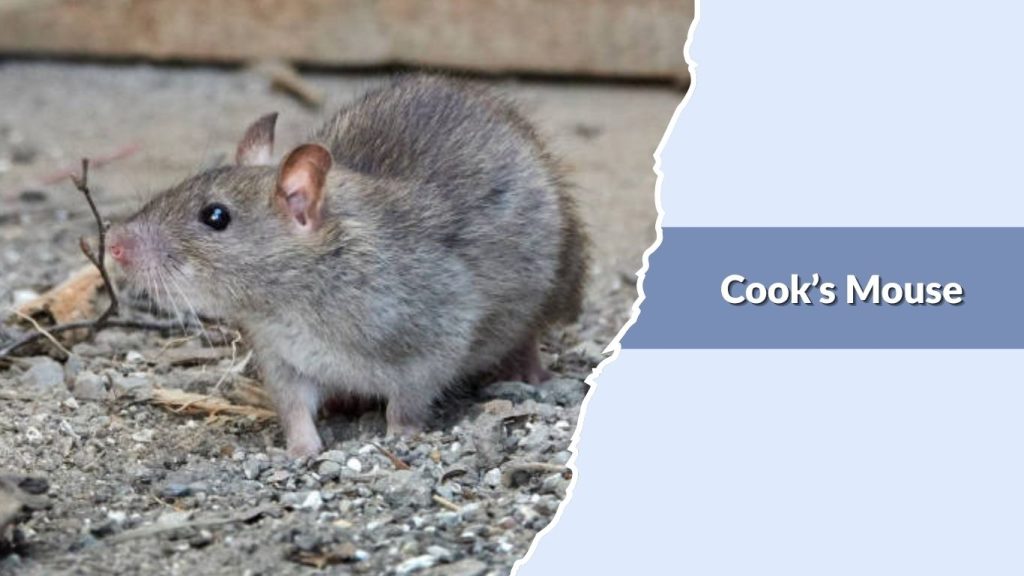
Cook’s mouse is a small wild Mus species commonly found in parts of South and Southeast Asia. It is closely related to the house mouse but is more often associated with natural and agricultural environments rather than strictly indoor settings. This species is adaptable and can live near human activity while still maintaining its presence in fields and rural landscapes.
Identification
- Small body with a slender and agile build
- Fur is usually brown to grayish-brown
- Underside is lighter, often pale gray or white
- Ears are relatively large and rounded
- Tail is long, thin, and nearly equal to body length
Habitat
Cook’s mouse is typically found in agricultural fields, grasslands, and rural areas. It prefers habitats with sufficient ground cover such as crops or dense vegetation. It may also enter human structures like barns or storage areas when food is available, but it is less dependent on indoor environments than the house mouse.
Behaviors
This mouse is mainly nocturnal and active during the night. It is a ground-dwelling species that builds burrows for shelter and nesting. Cook’s mouse is cautious and tends to stay hidden within vegetation. It is also known to be a good climber when searching for food or escaping predators.
Diet and Lifespan
Cook’s mouse feeds on seeds, grains, and plant material, along with small insects when available. Its diet often depends on what is locally abundant. In the wild, its lifespan is generally around one year, though this can vary based on environmental conditions and threats from predators.
7. Musser’s Mouse
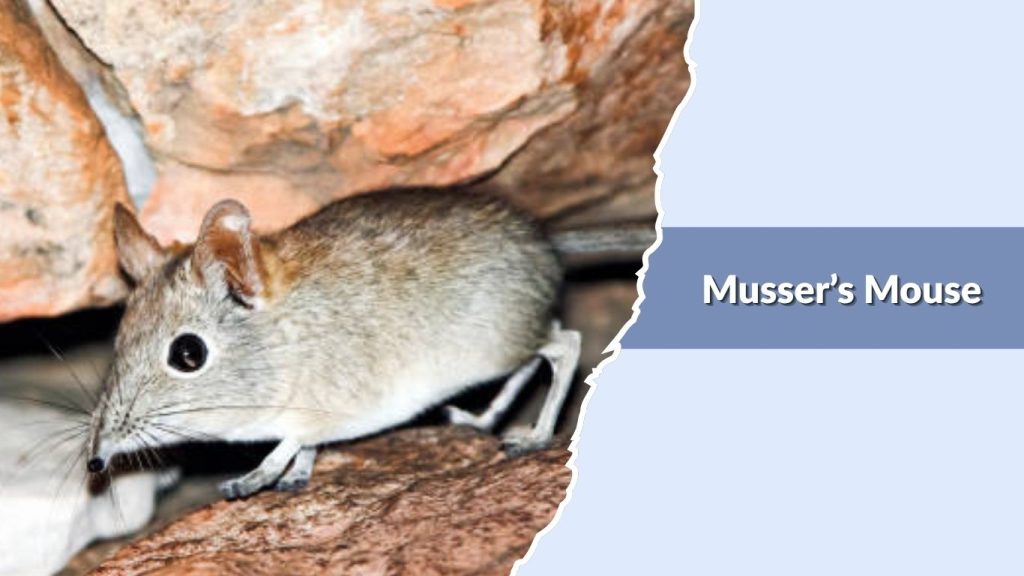
Musser’s mouse is a lesser-known Mus species typically found in specific regional habitats. It is more associated with natural environments than urban areas and is adapted to living in areas with vegetation and ground cover. Like many wild mice, it remains relatively hidden and is not commonly encountered by humans.
Identification
- Small mouse with a slender body
- Fur is usually brown or grayish-brown
- Underside is lighter in color
- Ears are moderately large and rounded
- Tail is thin and roughly equal to body length
Habitat
Musser’s mouse is usually found in forest edges, grasslands, and rural landscapes. It prefers areas with dense vegetation where it can find shelter and protection. This species may also inhabit agricultural fields where food is available, but it tends to avoid highly urbanized environments.
Behaviors
This mouse is primarily nocturnal and remains active during the night. It is a ground-dwelling species that often builds burrows or uses natural cover for nesting. Musser’s mouse is cautious and avoids open spaces, relying on vegetation for safety from predators.
Diet and Lifespan
Musser’s mouse mainly feeds on seeds, grains, and plant material, along with occasional insects. Its diet depends on the availability of local food sources. In the wild, its lifespan is usually around one year, though environmental factors and predation can influence survival.
8. Shortridge’s Mouse
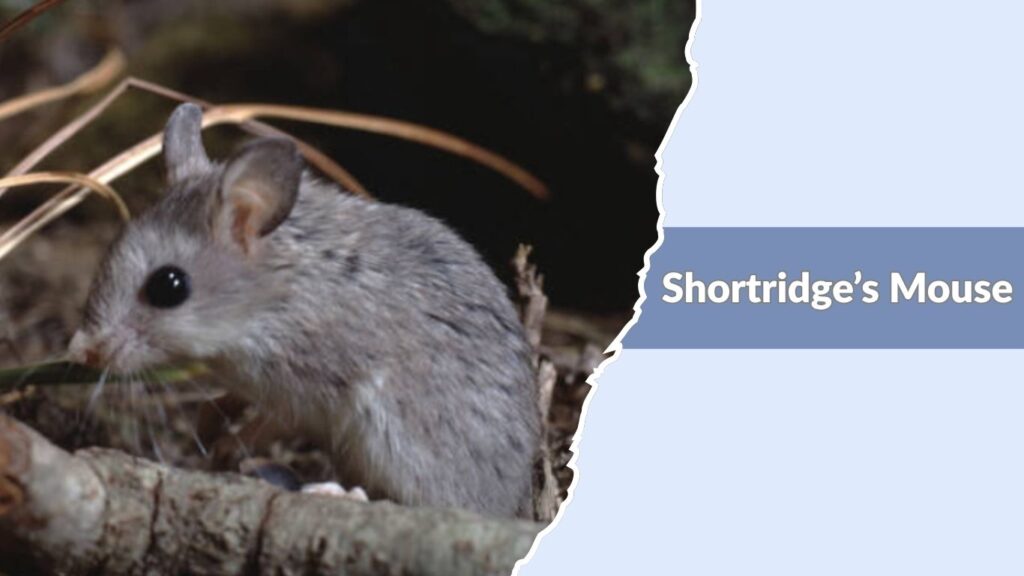
Shortridge’s mouse is a small Mus species typically found in parts of Asia. It is associated with natural and semi-natural environments, often living in areas with vegetation and moderate moisture. This species is not commonly seen in urban settings and tends to remain hidden in its habitat, making it less familiar compared to more widespread mice.
Identification
- Small, slender mouse with a compact body
- Fur is generally brown to grayish-brown
- Underside is lighter, often pale gray or white
- Ears are moderately sized and rounded
- Tail is thin and approximately equal to body length
Habitat
Shortridge’s mouse prefers grasslands, forest edges, and rural environments with good ground cover. It is often found in areas with shrubs, crops, or natural vegetation that provide shelter and food. This species avoids highly urbanized areas and is more common in less disturbed habitats.
Behaviors
This mouse is mainly nocturnal and active during the night. It is a ground-dwelling species that builds burrows or nests in hidden locations. Shortridge’s mouse is cautious and relies on vegetation for protection. It may also show seasonal activity changes depending on temperature and food availability.
Diet and Lifespan
Shortridge’s mouse feeds primarily on seeds, grains, and plant material, with occasional insects. Its diet varies depending on the environment and season. In the wild, its lifespan is typically around one year, though survival depends on predators and environmental conditions.
9. Fragile Mouse
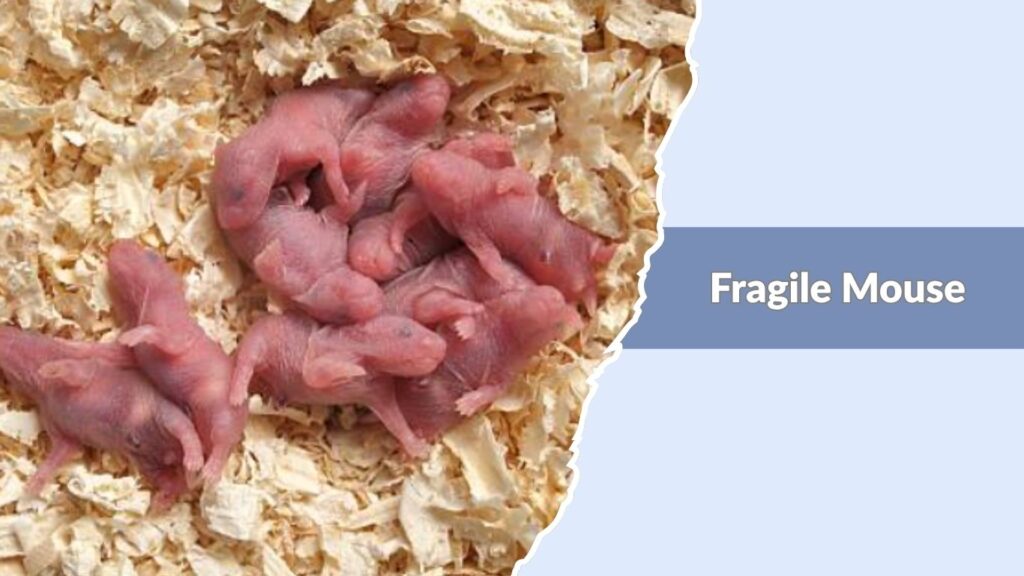
The fragile mouse is a small Mus species known for its delicate body structure and preference for natural habitats. It is typically found in regions with moderate vegetation and tends to avoid heavily urbanized areas. This mouse is not commonly encountered and remains mostly hidden in its environment, relying on cover for protection.
Identification
- Small, slender body with a delicate appearance
- Fur is usually soft, brown to grayish in color
- Underside is lighter, often pale gray or white
- Ears are relatively large and thin
- Tail is long, fine, and nearly equal to body length
Habitat
The fragile mouse prefers grasslands, forest edges, and lightly wooded areas with sufficient ground cover. It is often found in regions where vegetation provides both food and shelter. This species may also inhabit agricultural fields but generally avoids dense urban environments.
Behaviors
This mouse is mainly nocturnal and active during the night. It is a ground-dwelling species that builds nests in sheltered areas such as burrows or under vegetation. The fragile mouse is cautious and avoids open spaces, relying on its surroundings to stay hidden from predators.
Diet and Lifespan
The fragile mouse feeds on seeds, grains, and plant material, along with occasional insects. Its diet depends on seasonal availability. In the wild, its lifespan is usually around one year, though it may vary based on environmental conditions and predation.
10. Bawean Mouse
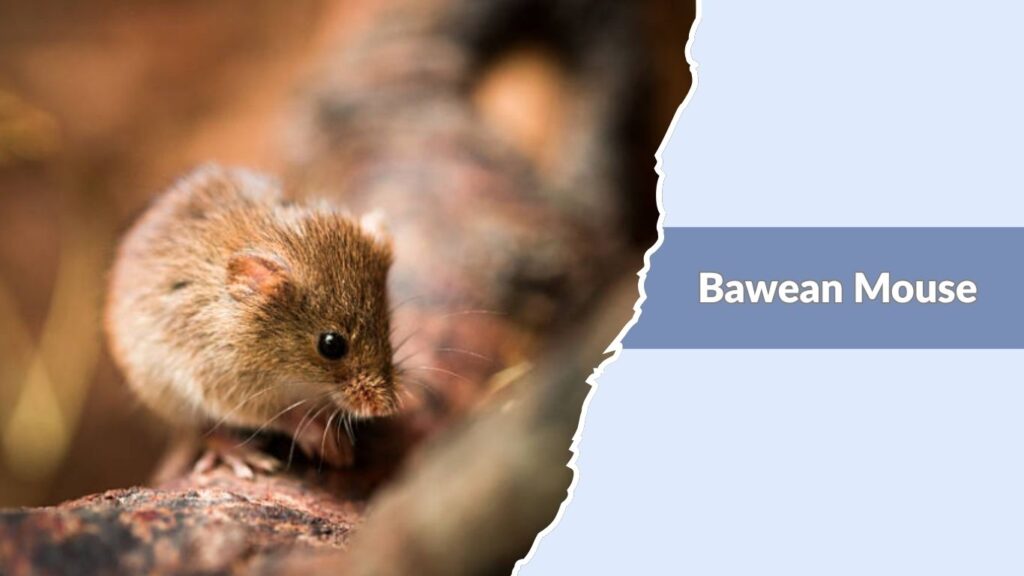
The Bawean mouse is a small Mus species native to specific island environments. It is typically found in natural habitats with limited human disturbance. Due to its restricted range, this mouse is less commonly known and is adapted to local environmental conditions, including vegetation and climate unique to its region.
Identification
- Small mouse with a slender and compact body
- Fur is generally brown or grayish-brown
- Underside is lighter, often pale gray or white
- Ears are moderately sized and rounded
- Tail is thin and about equal to body length
Habitat
The Bawean mouse is usually found in forested and rural island environments. It prefers areas with dense vegetation, where it can find shelter and food. This species is rarely seen in urban settings and tends to remain in natural habitats with minimal disturbance.
Behaviors
This mouse is primarily nocturnal and active during the night. It is a ground-dwelling species that builds nests in hidden areas such as burrows or under plant cover. The Bawean mouse is cautious and avoids open spaces, relying on vegetation for protection from predators.
Diet and Lifespan
The Bawean mouse feeds mainly on seeds, fruits, and plant material, along with occasional insects. Its diet depends on what is available in its habitat. In the wild, its lifespan is generally around one year, though environmental conditions and predators can influence survival.
11. Mahomet Mouse
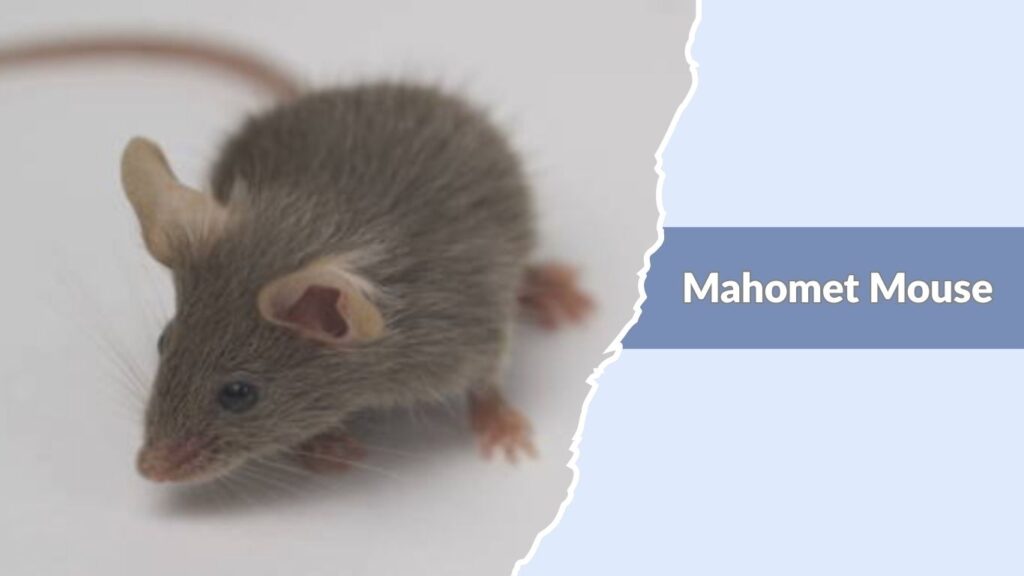
The Mahomet mouse is a lesser-known Mus species typically found in specific regional habitats. It is adapted to natural environments and is more commonly associated with rural or semi-natural landscapes than urban areas. This mouse tends to remain hidden and is not frequently observed, making it less familiar compared to more widespread species.
Identification
- Small, slender mouse with a compact body
- Fur is usually brown to grayish-brown
- Underside is lighter, often pale gray or white
- Ears are moderately large and rounded
- Tail is thin and roughly equal to body length
Habitat
The Mahomet mouse prefers grasslands, forest edges, and rural environments with good ground cover. It is often found in areas with shrubs or crops that provide both shelter and food. This species typically avoids dense urban environments and remains in less disturbed habitats.
Behaviors
This mouse is mainly nocturnal and active during the night. It is a ground-dwelling species that builds burrows or nests in hidden areas. The Mahomet mouse is cautious and relies on vegetation for protection, avoiding open spaces where predators are more likely.
Diet and Lifespan
The Mahomet mouse feeds on seeds, grains, and plant material, along with occasional insects. Its diet varies depending on seasonal availability. In the wild, its lifespan is usually around one year, though survival depends on environmental conditions and predation.
12. Gairdner’s Shrewmouse
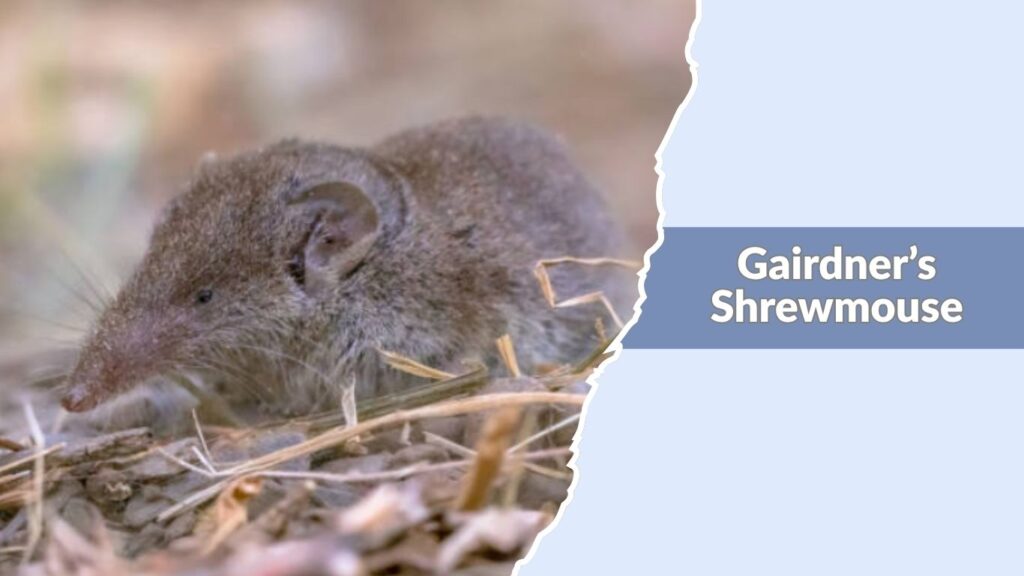
Gairdner’s shrewmouse is a small Mus species known for its slightly pointed snout, giving it a shrew-like appearance. It is typically found in natural environments and is less associated with human settlements. This species is adapted to living in areas with dense ground cover and remains mostly hidden in its habitat.
Identification
- Small body with a slightly elongated, pointed snout
- Fur is usually grayish-brown with a soft texture
- Underside is lighter, often pale gray
- Ears are smaller and less prominent
- Tail is thin and about equal to body length
Habitat
This mouse prefers forested areas, grasslands, and regions with dense vegetation. It is often found in moist environments where ground cover is abundant. It avoids urban areas and typically lives in natural habitats where it can remain concealed and protected.
Behaviors
Gairdner’s shrewmouse is primarily nocturnal and active at night. It is a ground-dwelling species that builds nests in hidden locations such as under vegetation or in shallow burrows. It is cautious and relies on cover to avoid predators, rarely venturing into open spaces.
Diet and Lifespan
This mouse feeds mainly on seeds, small plant material, and insects. Its slightly pointed snout helps it forage efficiently in soil and leaf litter. In the wild, its lifespan is generally around one year, though environmental factors and predation can affect survival.
13. Grizzled Mouse
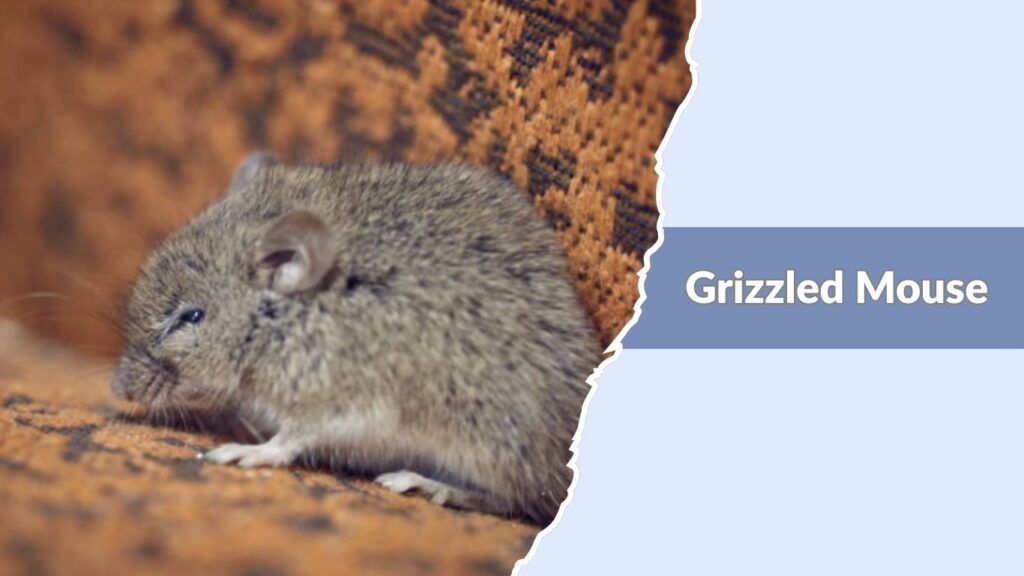
The grizzled mouse is a small Mus species recognized for its slightly rough, mixed-color fur that gives it a grizzled appearance. It is typically found in natural and rural environments where it can stay hidden among vegetation. This species is not commonly seen in urban areas and is better adapted to outdoor living conditions.
Identification
- Small, slender mouse with a slightly coarse coat
- Fur appears mixed with gray and brown, giving a grizzled look
- Underside is lighter, often pale gray or whitish
- Ears are moderately sized and rounded
- Tail is thin and about equal to body length
Habitat
The grizzled mouse prefers grasslands, scrublands, and lightly wooded areas. It is often found in regions with good ground cover, such as shrubs and low vegetation. This species may also inhabit agricultural areas but generally avoids dense urban environments.
Behaviors
This mouse is mainly nocturnal and active during the night. It is a ground-dwelling species that creates nests in burrows or hidden spots under vegetation. The grizzled mouse is cautious and relies on its surroundings for protection, rarely venturing into open areas.
Diet and Lifespan
The grizzled mouse feeds on seeds, grains, and plant materials, along with occasional insects. Its diet varies depending on seasonal availability. In the wild, its lifespan is typically around one year, influenced by environmental conditions and predators.
14. Indo-Chinese Forest Mouse
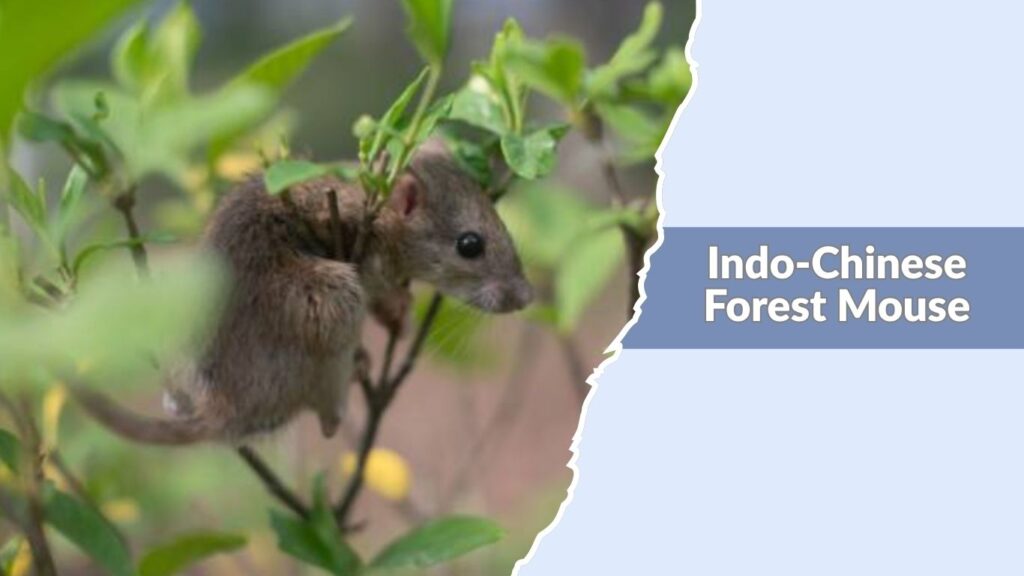
The Indo-Chinese forest mouse is a small Mus species commonly found in forested regions of Southeast Asia. It is well adapted to humid, shaded environments and typically lives away from heavily urbanized areas. This mouse relies on dense vegetation for shelter and is rarely seen in open spaces, making it less noticeable than more common species.
Identification
- Small, slender body with a soft appearance
- Fur is usually brown to reddish-brown
- Underside is lighter, often pale gray or white
- Ears are moderately sized and rounded
- Tail is thin and about equal to body length
Habitat
This mouse prefers tropical and subtropical forests with dense vegetation. It is often found in areas with leaf litter, shrubs, and ground cover that provide both food and protection. It may also inhabit forest edges and rural areas but generally avoids urban environments.
Behaviors
The Indo-Chinese forest mouse is primarily nocturnal and active at night. It is a ground-dwelling species that builds nests in hidden areas such as under leaves or in shallow burrows. It is cautious and depends on dense vegetation to avoid predators and remain concealed.
Diet and Lifespan
This mouse feeds mainly on seeds, fruits, and plant material, along with small insects. Its diet varies depending on seasonal availability in forest environments. In the wild, its lifespan is generally around one year, though environmental conditions and predation can affect survival.
15. Philippine Forest Mouse
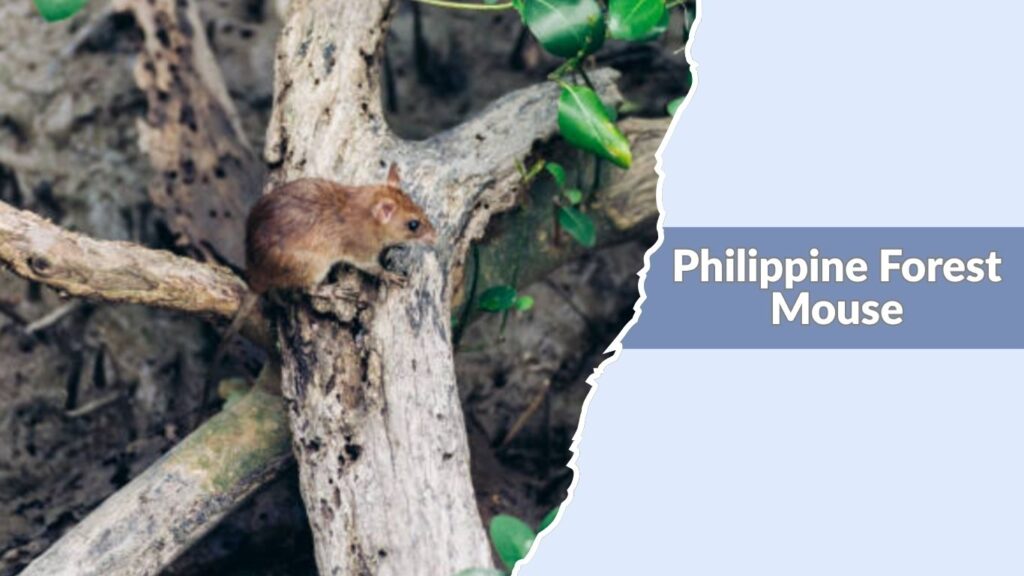
The Philippine forest mouse is a small Mus species native to forested regions of the Philippines. It is well adapted to tropical environments and typically lives in dense vegetation where it can remain hidden. This species is more commonly found in natural habitats rather than urban areas, relying on forest cover for survival.
Identification
- Small, slender mouse with a compact body
- Fur is usually brown to dark brown
- Underside is lighter, often pale gray or whitish
- Ears are moderately sized and rounded
- Tail is thin and about equal to body length
Habitat
This mouse prefers tropical forests with thick vegetation and high humidity. It is often found in areas with leaf litter, shrubs, and fallen logs that provide shelter. It may also live near forest edges but generally avoids highly developed or urban areas.
Behaviors
The Philippine forest mouse is mainly nocturnal and active during the night. It is a ground-dwelling species that builds nests in hidden locations such as under leaves or within shallow burrows. It is cautious and depends on dense vegetation to stay protected from predators.
Diet and Lifespan
This mouse feeds on seeds, fruits, and plant materials, along with small insects when available. Its diet varies with seasonal food availability. In the wild, its lifespan is typically around one year, though survival depends on environmental conditions and predation.
16. Ryukyu Mouse
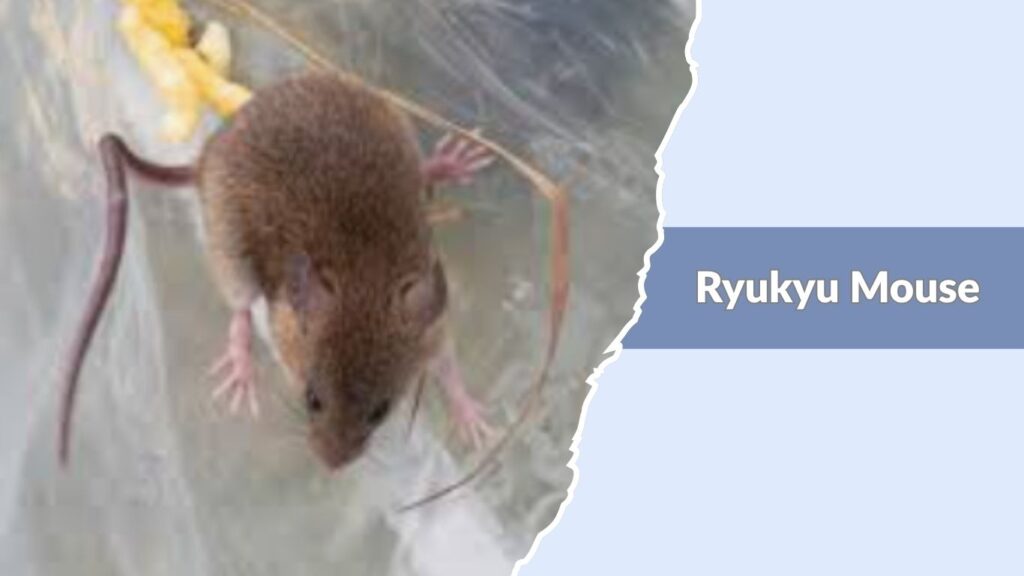
The Ryukyu mouse is a small Mus species native to island regions, particularly in subtropical environments. It is adapted to living in natural habitats with dense vegetation and moderate humidity. This mouse is not commonly associated with human dwellings and is usually found in forested or rural landscapes where it can remain concealed.
Identification
- Small, slender mouse with a compact body
- Fur is typically brown to grayish-brown
- Underside is lighter, often pale gray or white
- Ears are moderately sized and rounded
- Tail is thin and about equal to body length
Habitat
The Ryukyu mouse prefers forested areas, grasslands, and regions with thick ground cover. It is commonly found in island ecosystems where vegetation provides shelter and food. This species avoids highly urbanized areas and tends to remain in natural surroundings.
Behaviors
This mouse is primarily nocturnal and active during the night. It is a ground-dwelling species that builds nests in hidden places such as under vegetation or in shallow burrows. The Ryukyu mouse is cautious and relies on its environment for protection, rarely venturing into open areas.
Diet and Lifespan
The Ryukyu mouse feeds mainly on seeds, fruits, and plant material, along with occasional insects. Its diet depends on what is available in its habitat. In the wild, its lifespan is generally around one year, influenced by environmental conditions and predators.
17. Sumatran Mountain Mouse
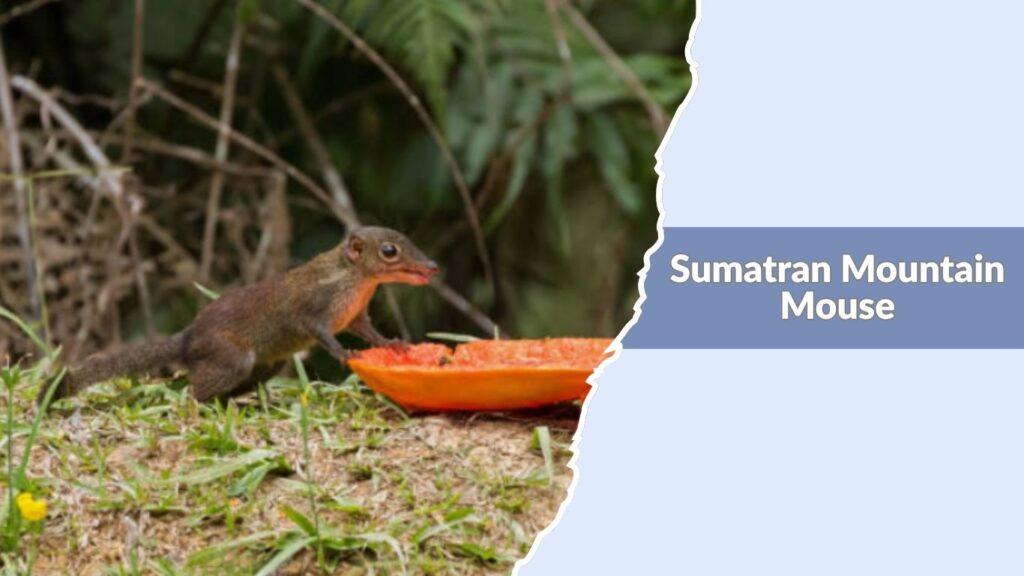
The Sumatran mountain mouse is a small Mus species found in highland regions of Southeast Asia. It is adapted to cooler, mountainous environments and is typically associated with natural habitats rather than human settlements. This species thrives in areas with dense vegetation and moist conditions, allowing it to remain well hidden from predators.
Identification
- Small, slender mouse with a compact build
- Fur is usually dark brown to grayish
- Underside is lighter, often pale gray
- Ears are moderately sized and rounded
- Tail is thin and about equal to body length
Habitat
This mouse prefers mountainous forests, highland grasslands, and cool, humid regions. It is commonly found in areas with thick vegetation, leaf litter, and natural ground cover. The Sumatran mountain mouse avoids urban environments and remains in less disturbed, elevated habitats.
Behaviors
The Sumatran mountain mouse is mainly nocturnal and active during the night. It is a ground-dwelling species that builds nests in sheltered locations such as under vegetation or in shallow burrows. It is cautious and depends on dense cover to avoid predators in its environment.
Diet and Lifespan
This mouse feeds on seeds, plant material, and small insects. Its diet varies depending on seasonal availability in mountain regions. In the wild, its lifespan is generally around one year, though environmental conditions and predation can affect survival.
18. Javan Mouse

The Javan mouse is a small Mus species commonly found in Southeast Asia, particularly in island and tropical environments. It is adaptable and can live in both natural habitats and areas influenced by human activity. This mouse is often associated with vegetation-rich regions where food and shelter are readily available.
Identification
- Small, slender body with a compact shape
- Fur is typically brown to grayish-brown
- Underside is lighter, often pale gray or white
- Ears are moderately large and rounded
- Tail is thin and about equal to body length
Habitat
The Javan mouse prefers tropical forests, grasslands, and agricultural areas. It is commonly found in regions with dense vegetation, including plantations and rural landscapes. While it can live near human settlements, it is more often associated with natural surroundings that provide cover and food.
Behaviors
This mouse is mainly nocturnal and active during the night. It is a ground-dwelling species that builds nests in hidden locations such as under vegetation or in burrows. The Javan mouse is cautious and relies on dense cover to protect itself from predators.
Diet and Lifespan
The Javan mouse feeds on seeds, grains, fruits, and small insects. Its diet depends on local availability and seasonal changes. In the wild, its lifespan is usually around one year, though environmental factors and predation can influence survival.
19. Bornean Mountain Mouse
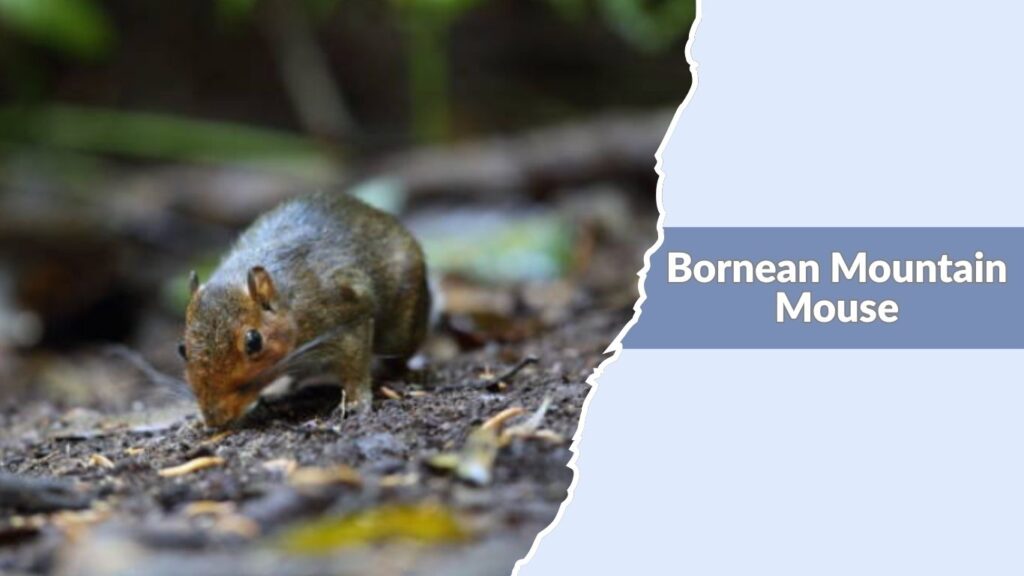
The Bornean mountain mouse is a small Mus species native to highland regions of Borneo. It is adapted to cooler, moist environments and is typically found in natural forest habitats. This mouse is not commonly seen near human settlements and relies on dense vegetation and ground cover for protection and survival.
Identification
- Small, slender mouse with a compact build
- Fur is usually dark brown to grayish
- Underside is lighter, often pale gray or whitish
- Ears are moderately sized and rounded
- Tail is thin and about equal to body length
Habitat
This mouse prefers mountainous forests and high-altitude regions with dense vegetation. It is often found in areas with thick leaf litter, moss, and natural ground cover. The Bornean mountain mouse avoids urban areas and remains in undisturbed forest environments.
Behaviors
The Bornean mountain mouse is primarily nocturnal and active during the night. It is a ground-dwelling species that builds nests in hidden places such as under vegetation or within shallow burrows. It is cautious and depends on dense forest cover to avoid predators.
Diet and Lifespan
This mouse feeds on seeds, plant material, and small insects. Its diet varies based on seasonal availability in its mountain habitat. In the wild, its lifespan is generally around one year, though environmental conditions and predation can affect survival.
20. Sulawesi Mouse

The Sulawesi mouse is a small Mus species native to the island of Sulawesi. It is adapted to tropical environments and is typically found in natural habitats with dense vegetation. This species is not commonly associated with urban areas and prefers to remain in forested or rural landscapes where it can stay hidden.
Identification
- Small, slender mouse with a compact body
- Fur is usually brown to dark brown
- Underside is lighter, often pale gray or whitish
- Ears are moderately sized and rounded
- Tail is thin and about equal to body length
Habitat
The Sulawesi mouse prefers tropical forests, grasslands, and rural areas with dense plant cover. It is often found in environments rich in vegetation, such as forest floors and shrublands. This species avoids heavily developed areas and stays within natural surroundings.
Behaviors
This mouse is mainly nocturnal and active during the night. It is a ground-dwelling species that builds nests in concealed locations such as under leaves or within shallow burrows. The Sulawesi mouse is cautious and relies on vegetation for protection from predators.
Diet and Lifespan
The Sulawesi mouse feeds on seeds, fruits, plant material, and small insects. Its diet varies depending on local food availability. In the wild, its lifespan is generally around one year, though environmental factors and predation influence survival.
21. Timor Mouse
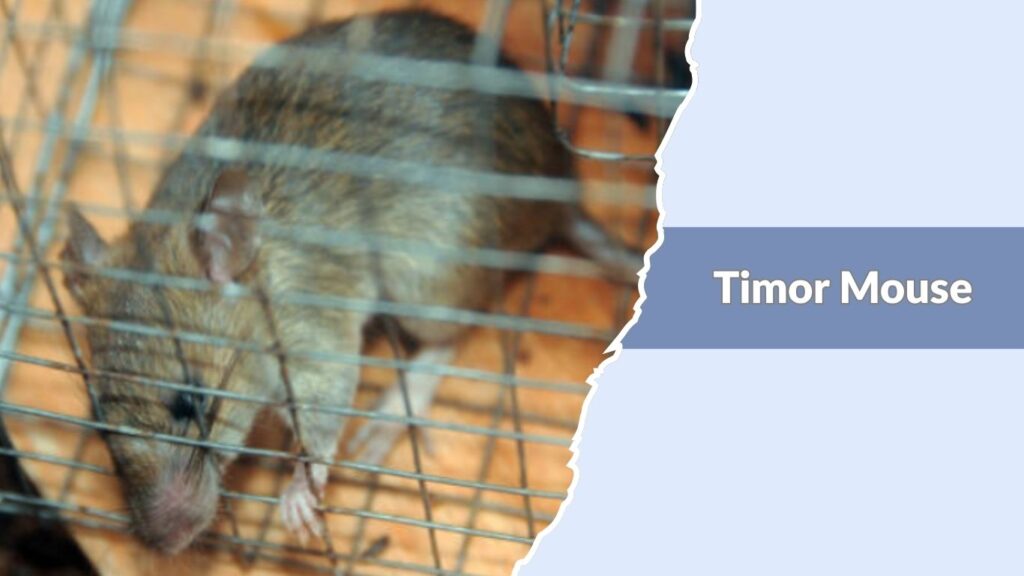
The Timor mouse is a small Mus species native to island environments, particularly in Southeast Asia. It is adapted to tropical conditions and typically lives in natural habitats with vegetation and moderate humidity. This species is not commonly found in urban areas and prefers to remain in less disturbed environments.
Identification
- Small, slender body with a compact build
- Fur is usually brown to grayish-brown
- Underside is lighter, often pale gray or white
- Ears are moderately sized and rounded
- Tail is thin and about equal to body length
Habitat
The Timor mouse prefers grasslands, forest edges, and rural landscapes with sufficient vegetation. It is often found in areas that provide ground cover such as shrubs or crops. This species avoids heavily urbanized regions and tends to stay within natural or semi-natural environments.
Behaviors
This mouse is primarily nocturnal and active during the night. It is a ground-dwelling species that builds nests in hidden areas such as under vegetation or in shallow burrows. The Timor mouse is cautious and relies on its surroundings to stay protected from predators.
Diet and Lifespan
The Timor mouse feeds mainly on seeds, grains, and plant material, along with occasional insects. Its diet depends on local availability. In the wild, its lifespan is typically around one year, though environmental conditions and predation can affect survival.
22. New Guinea Mouse
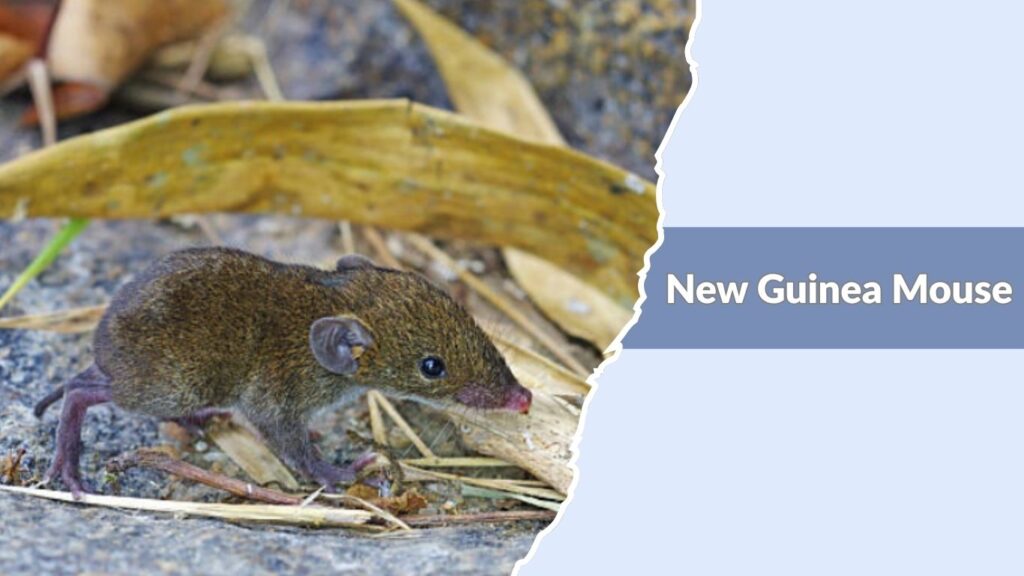
The New Guinea mouse is a small Mus species native to the island of New Guinea. It is well adapted to tropical environments and typically lives in natural habitats with dense vegetation. This mouse prefers forested regions and is rarely associated with urban areas, relying on its surroundings for shelter and food.
Identification
- Small, slender mouse with a compact body
- Fur is usually brown to dark brown
- Underside is lighter, often pale gray or whitish
- Ears are moderately sized and rounded
- Tail is thin and about equal to body length
Habitat
The New Guinea mouse prefers tropical forests, grasslands, and areas with thick vegetation. It is commonly found in environments rich in plant cover, such as forest floors and shrublands. This species avoids urban settings and remains in natural or lightly disturbed habitats.
Behaviors
This mouse is mainly nocturnal and active during the night. It is a ground-dwelling species that builds nests in hidden locations such as under leaves or within shallow burrows. The New Guinea mouse is cautious and depends on dense vegetation for protection.
Diet and Lifespan
The New Guinea mouse feeds on seeds, fruits, plant material, and small insects. Its diet varies depending on what is available in its environment. In the wild, its lifespan is generally around one year, though environmental factors and predators influence survival.
23. Little Indian Field Mouse
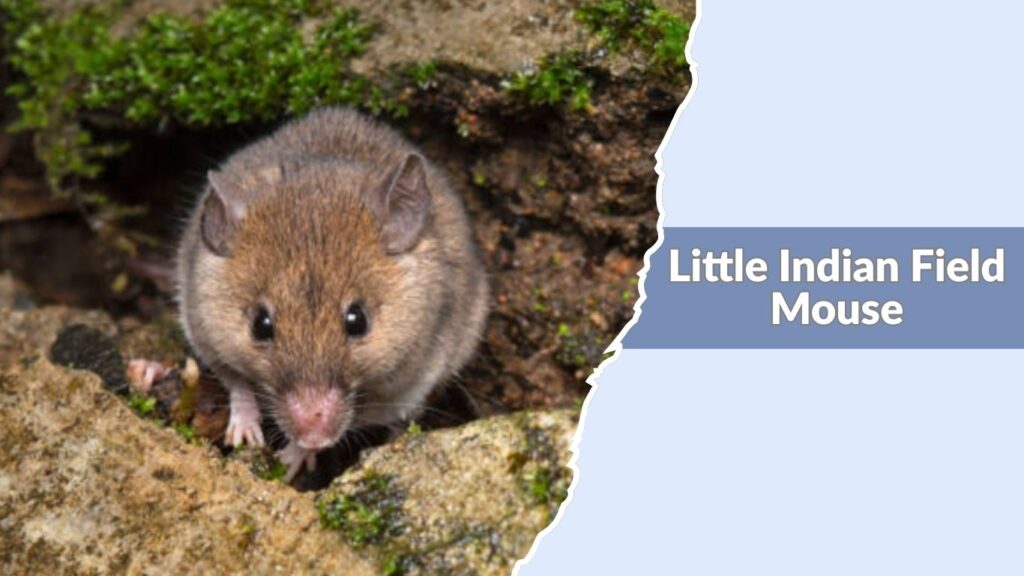
The little Indian field mouse is a small Mus species commonly found in South Asia. It is well adapted to agricultural environments and is often seen in fields and rural areas. This mouse is known for its ability to live close to human activity while still maintaining its presence in natural habitats.
Identification
- Small, slender body with a light build
- Fur is usually brown to grayish-brown
- Underside is lighter, often pale gray or whitish
- Ears are moderately sized and rounded
- Tail is thin and about equal to body length
Habitat
This mouse prefers agricultural fields, grasslands, and rural landscapes. It is commonly found in crop areas where food is abundant. It may also live near human settlements, especially in farms and storage areas, but is more closely associated with outdoor environments.
Behaviors
The little Indian field mouse is primarily nocturnal and active at night. It is a ground-dwelling species that creates burrows for shelter and nesting. It is quick and alert, often staying hidden within vegetation to avoid predators.
Diet and Lifespan
This mouse feeds mainly on grains, seeds, and plant materials, along with occasional insects. It is considered an agricultural pest in some areas due to crop feeding. In the wild, its lifespan is generally around one year, depending on environmental conditions and predation.
24. Indian Pygmy Field Mouse
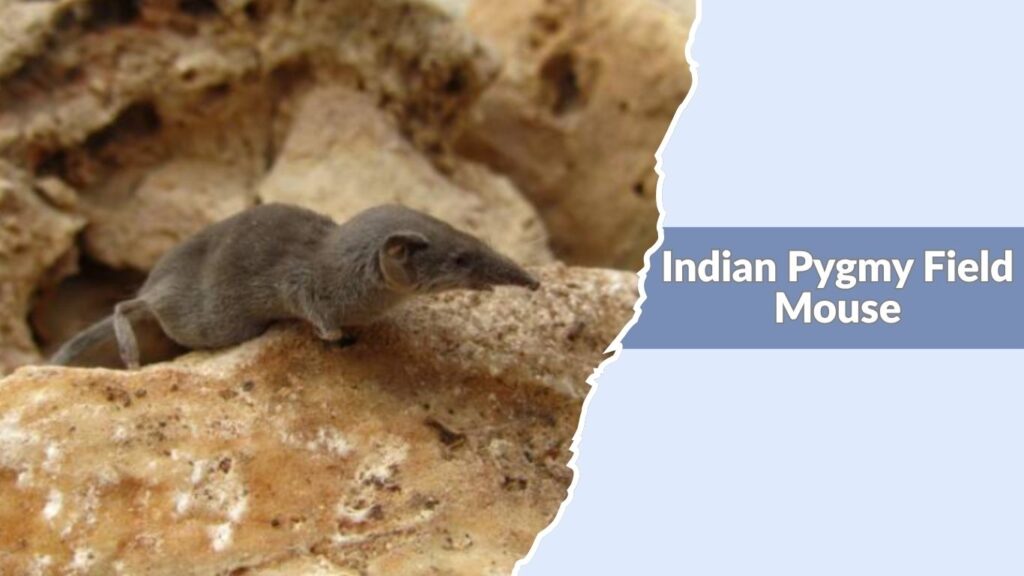
The Indian pygmy field mouse is a very small Mus species found in parts of South Asia. It is known for its tiny size and ability to live in grassy and agricultural environments. Despite its small stature, it is active and adaptable, often remaining hidden in vegetation to avoid predators.
Identification
- Very small body with a delicate and lightweight build
- Fur is usually light brown to grayish
- Underside is pale, often whitish or light gray
- Ears are small to moderately sized
- Tail is thin and about equal to body length
Habitat
This mouse prefers grasslands, crop fields, and rural environments with dense ground cover. It is commonly found in areas where tall grasses or crops provide shelter. It may also live near farms but usually avoids indoor environments, staying within natural surroundings.
Behaviors
The Indian pygmy field mouse is mainly nocturnal and active during the night. It is a ground-dwelling species that builds small nests in grass or shallow burrows. Due to its small size, it is very cautious and relies heavily on cover to remain safe from predators.
Diet and Lifespan
This mouse feeds on seeds, grains, and small plant materials, along with occasional insects. Its diet depends on what is available in its habitat. In the wild, its lifespan is typically short, usually around one year, influenced by environmental conditions and predation.
25. Assam Mouse
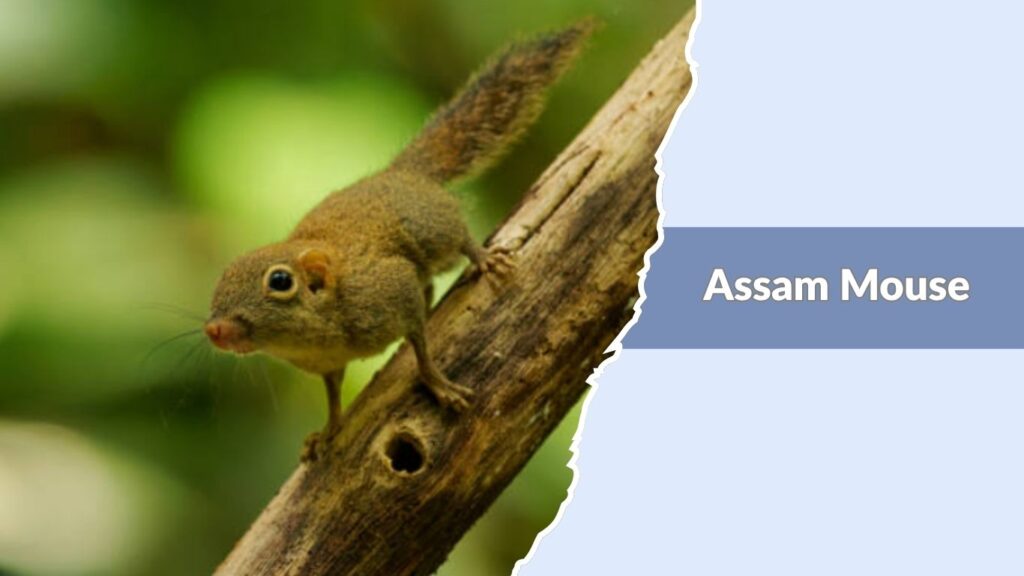
The Assam mouse is a small Mus species commonly found in parts of South and Southeast Asia. It is typically associated with natural and agricultural environments where vegetation is abundant. This species is adaptable and can live near human activity while still preferring outdoor habitats.
Identification
- Small, slender body with a compact build
- Fur is usually brown to grayish-brown
- Underside is lighter, often pale gray or whitish
- Ears are moderately sized and rounded
- Tail is thin and about equal to body length
Habitat
The Assam mouse prefers grasslands, forest edges, and agricultural fields. It is often found in areas with dense vegetation that provide both food and shelter. This species may live near farms and rural settlements but generally avoids heavily urbanized areas.
Behaviors
This mouse is primarily nocturnal and active during the night. It is a ground-dwelling species that builds nests in hidden locations such as burrows or under vegetation. The Assam mouse is cautious and relies on cover to avoid predators.
Diet and Lifespan
The Assam mouse feeds mainly on seeds, grains, and plant materials, along with occasional insects. Its diet varies depending on seasonal availability. In the wild, its lifespan is usually around one year, though environmental conditions and predation can affect survival.
26. Himalayan Field Mouse
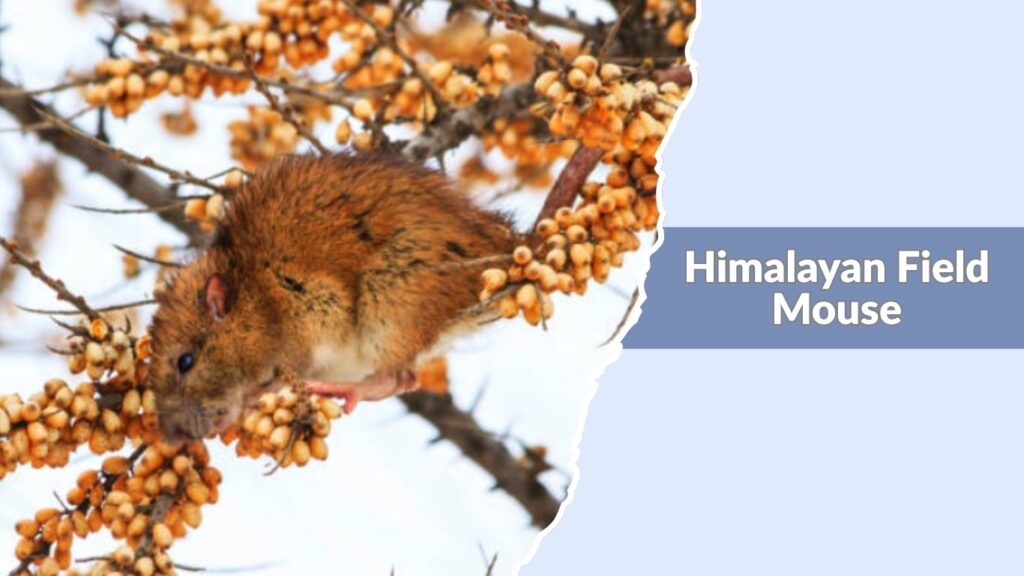
The Himalayan field mouse is a small Mus species found in mountainous regions, particularly in the Himalayas. It is adapted to cooler climates and lives in natural environments with vegetation and ground cover. This mouse is more commonly associated with rural and highland areas rather than urban settings.
Identification
- Small, slender mouse with a compact body
- Fur is usually grayish-brown to dark brown
- Underside is lighter, often pale gray or whitish
- Ears are moderately sized and rounded
- Tail is thin and about equal to body length
Habitat
This mouse prefers mountainous grasslands, forest edges, and high-altitude agricultural areas. It is often found in regions with shrubs, grasses, and natural cover. The Himalayan field mouse avoids dense urban areas and stays within cooler, less disturbed environments.
Behaviors
The Himalayan field mouse is mainly nocturnal and active during the night. It is a ground-dwelling species that builds burrows or nests in sheltered locations. It is cautious and uses vegetation and terrain for protection from predators.
Diet and Lifespan
This mouse feeds on seeds, grains, plant materials, and occasional insects. Its diet varies with seasonal availability in mountainous regions. In the wild, its lifespan is generally around one year, though environmental conditions and predation influence survival.
27. Southeast Asian House Mouse
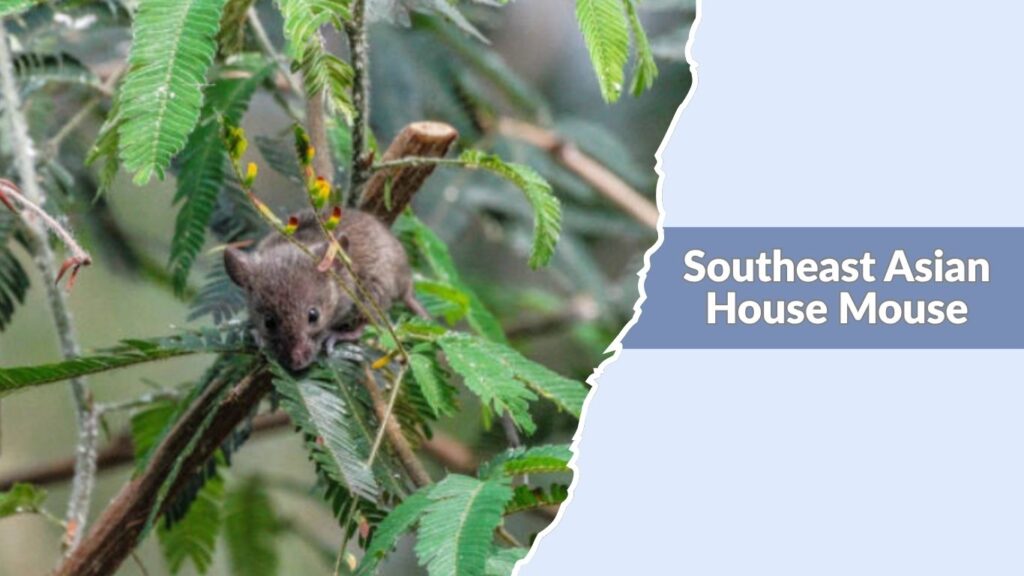
The Southeast Asian house mouse is a small Mus species commonly found across tropical regions of Southeast Asia. It is closely associated with human environments and is often found in homes, farms, and storage areas. This species is highly adaptable and thrives in warm climates where food and shelter are readily available.
Identification
- Small, slender body with a compact build
- Fur is typically brown to grayish-brown
- Underside is lighter, often pale gray or whitish
- Ears are moderately large and rounded
- Tail is thin and about equal to body length
Habitat
This mouse prefers urban, suburban, and rural environments where it can live close to humans. It is commonly found in houses, barns, markets, and agricultural fields. It thrives in warm, humid climates and often nests in hidden indoor spaces such as walls, ceilings, and storage areas.
Behaviors
The Southeast Asian house mouse is primarily nocturnal and active at night. It is an excellent climber and can move through small openings. It builds nests using soft materials and stays close to food sources. This mouse reproduces quickly, allowing populations to grow rapidly in suitable environments.
Diet and Lifespan
This mouse feeds on grains, seeds, fruits, and small food scraps, along with occasional insects. It is an opportunistic feeder and can survive on a wide range of foods. In the wild or near human environments, its lifespan is usually around one year, though it may live longer in protected conditions.
FAQs
What is the most common type of mouse in homes?
The house mouse is the most common species found in homes worldwide. It adapts easily to human environments, finds shelter in walls and storage areas, and feeds on a wide variety of foods. Its fast reproduction rate makes it a frequent household pest.
Are all Mus mice harmful to humans?
Not all Mus mice are harmful, but some can be pests. They may contaminate food, damage property, and spread certain diseases. Wild species usually avoid humans, while house-associated mice are more likely to cause problems in homes and farms.
Where do Mus mice usually live?
Mus mice can live in a variety of habitats, including forests, grasslands, mountains, and human settlements. Some species prefer natural environments, while others thrive in urban and agricultural areas where food and shelter are easily available.
What do Mus mice eat?
Most Mus mice are omnivores. They primarily eat seeds, grains, fruits, and plant materials, but they may also consume insects when available. Their diet often depends on the environment and food sources around them.
How long do Mus mice live?
In the wild, most Mus mice live around 9 to 12 months due to predators and environmental conditions. In safer environments with fewer threats, such as indoors or in captivity, they can live up to two years or slightly longer.