
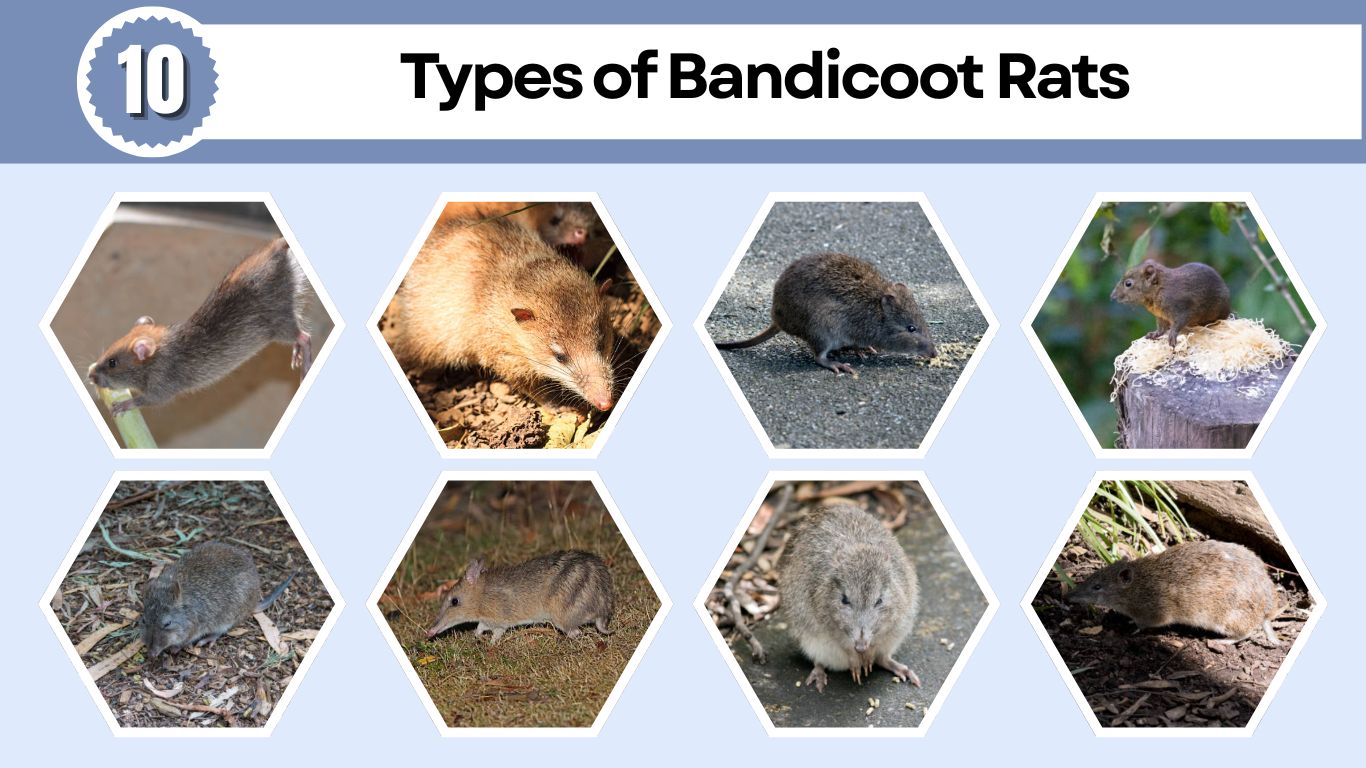
Bandicoot rats are large, burrowing rodents commonly found across South and Southeast Asia. They are known for their strong digging ability and adaptability to both rural and urban environments. These rodents often live close to human settlements, where food and shelter are easily available. While they play a role in natural ecosystems, they are also considered pests due to their impact on crops and stored food. In this guide, you will explore 10 types of bandicoot rats, along with their identification, habitat, behavior, and lifespan.
1. Lesser Bandicoot Rat
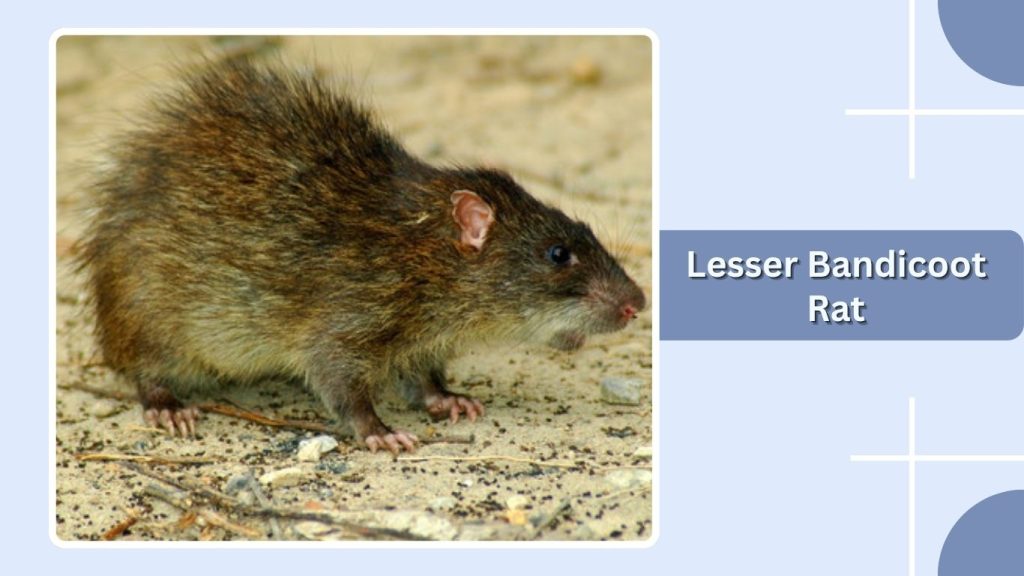
The Lesser Bandicoot Rat is a common rodent species widely found in South and Southeast Asia. It is known for its strong burrowing ability and close association with human settlements. This species often lives near agricultural fields and urban areas, where food is easily available. Despite its small size, it is highly adaptable and can thrive in a variety of environments.
Identification
- Medium-sized rodent body
- Coarse, dark brown to gray fur
- Small ears and eyes
- Long, scaly tail shorter than body length
- Strong, sharp claws for digging
- Pointed snout with whiskers
Habitat and Distribution
The Lesser Bandicoot Rat is widely distributed across India, Bangladesh, Sri Lanka, Nepal, and parts of Southeast Asia. It prefers habitats such as agricultural fields, gardens, urban areas, and near water sources. These rats are often found in areas with loose soil, which allows them to dig extensive burrow systems. They commonly live close to human settlements due to easy access to food and shelter.
Behavior and Diet
This species is mostly nocturnal and spends the day in underground burrows. It is an active digger and creates complex tunnel systems for shelter and food storage. The Lesser Bandicoot Rat is omnivorous, feeding on grains, fruits, insects, and food waste. It is considered a pest in many regions due to its habit of damaging crops and stored food supplies.
Lifespan
The Lesser Bandicoot Rat typically lives around 1 to 2 years in the wild. Its lifespan is influenced by environmental conditions, availability of food, and threats such as predators and human control measures.
2. Greater Bandicoot Rat
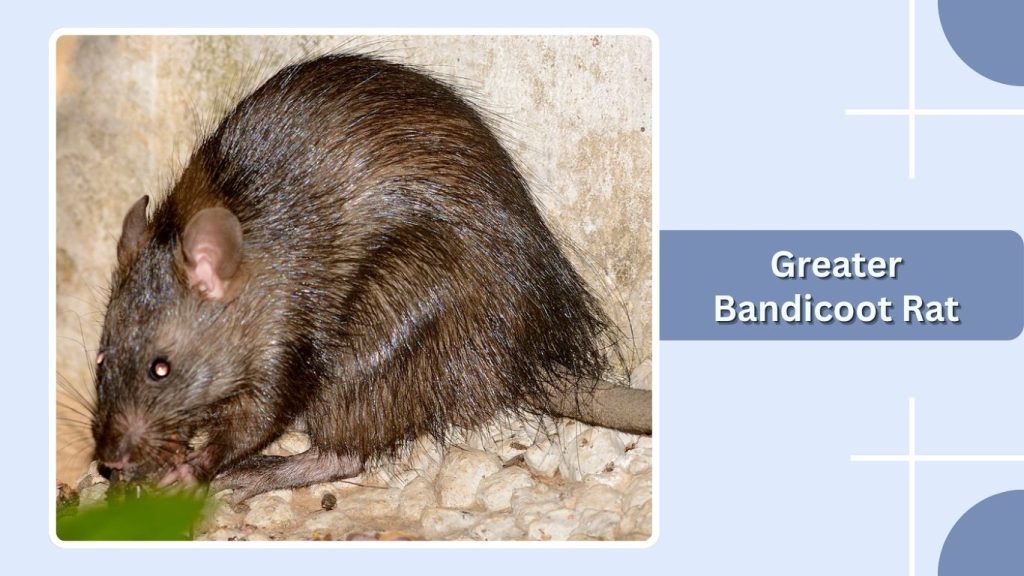
The Greater Bandicoot Rat is a large and robust rodent known for its strong digging ability and adaptability to both rural and urban environments. It is commonly found near human settlements, especially in areas with abundant food sources. Due to its size and burrowing behavior, it is often considered a significant pest in agricultural and city areas.
Identification
- Large, heavy-bodied rodent
- Coarse, dark brown to black fur
- Small eyes and rounded ears
- Long, thick tail often equal to body length
- Powerful claws for digging
- Broad head with a blunt snout
Habitat and Distribution
The Greater Bandicoot Rat is widely distributed across South and Southeast Asia, including India, Bangladesh, Sri Lanka, and parts of Southeast Asia. It prefers habitats such as urban areas, sewers, agricultural fields, and near water sources. It thrives in environments with soft soil, allowing it to dig deep and extensive burrows.
Behavior and Diet
This species is mainly nocturnal and spends most of the day inside its burrow. It is an aggressive and territorial rodent, often dominating other smaller species. The Greater Bandicoot Rat is omnivorous, feeding on grains, vegetables, fruits, insects, and waste. Its feeding habits make it a serious pest in both farming and urban settings.
Lifespan
The Greater Bandicoot Rat typically lives around 2 to 3 years in the wild, depending on environmental conditions, food availability, and threats such as predators and pest control efforts.
3. Indian Bandicoot Rat
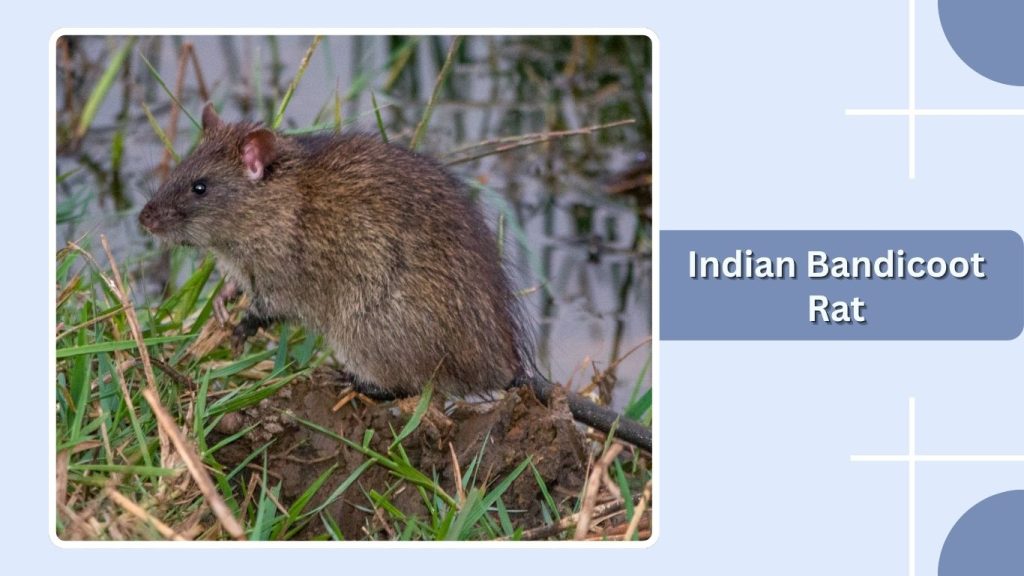
The Indian Bandicoot Rat is a widely recognized rodent species commonly found in South Asia. It is known for its strong burrowing behavior and close association with human environments. This species often inhabits agricultural fields and urban areas, where it has easy access to food. It is considered a major pest due to its destructive feeding habits.
Identification
- Medium to large-sized rodent
- Dark brown to black coarse fur
- Small ears and relatively small eyes
- Long, scaly tail
- Strong, sharp claws for digging
- Thick, sturdy body
Habitat and Distribution
The Indian Bandicoot Rat is commonly found across India, Bangladesh, Nepal, and Sri Lanka. It prefers habitats such as farmlands, urban areas, gardens, and near water sources. These rats thrive in places with loose soil for burrowing and areas where food is easily available. They are often seen around human settlements.
Behavior and Diet
This species is mainly nocturnal and spends most of the day inside its burrow. It is an aggressive and highly adaptable rodent. The Indian Bandicoot Rat is omnivorous, feeding on grains, vegetables, fruits, insects, and human food waste. It is known to cause damage to crops and stored food, making it a significant pest.
Lifespan
The Indian Bandicoot Rat typically lives around 1 to 3 years in the wild, depending on environmental conditions, food availability, and exposure to predators or human control measures.
4. Burmese Bandicoot Rat
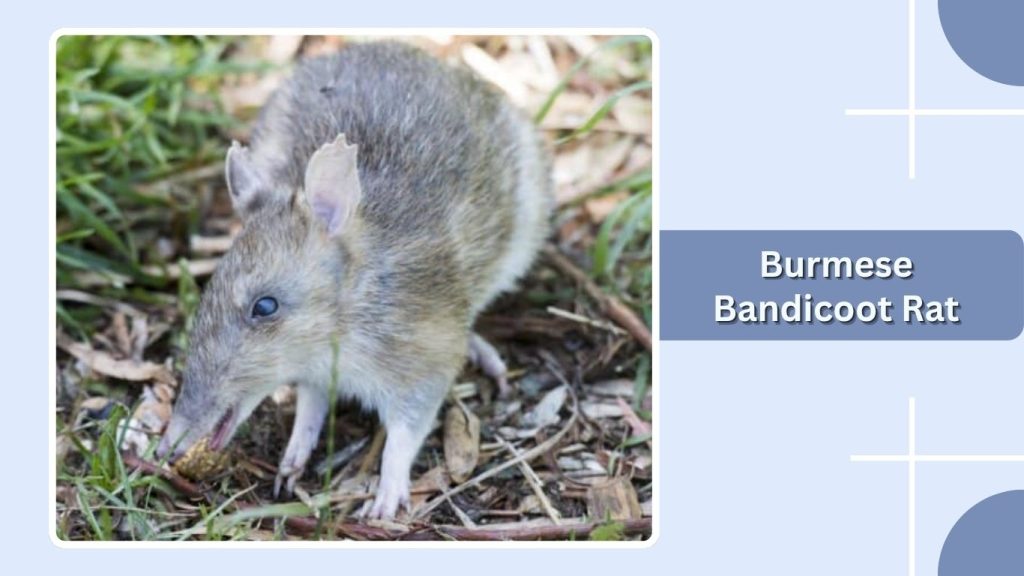
The Burmese Bandicoot Rat is a lesser-known species found in parts of Southeast Asia. It is similar in appearance to other bandicoot rats but is adapted to local environments such as forests and rural areas. This species is a strong burrower and often lives near agricultural lands, where food is readily available.
Identification
- Medium to large-sized rodent
- Coarse brown or grayish fur
- Small eyes and rounded ears
- Long, scaly tail
- Strong claws for digging
- Slightly elongated snout
Habitat and Distribution
The Burmese Bandicoot Rat is primarily found in Myanmar and surrounding regions of Southeast Asia. It prefers habitats such as rural farmland, forest edges, and grassy areas. These environments provide both shelter and access to food. It often digs burrows in soft soil near crops or natural vegetation.
Behavior and Diet
This species is mostly nocturnal and spends much of the day inside its burrow. It is an active digger and creates underground tunnels for protection. The Burmese Bandicoot Rat is omnivorous, feeding on grains, seeds, fruits, and small insects. It may also feed on crops, making it a pest in agricultural areas.
Lifespan
The Burmese Bandicoot Rat typically lives around 1 to 3 years in the wild, depending on environmental conditions, food availability, and predation.
5. Chinese Bandicoot Rat
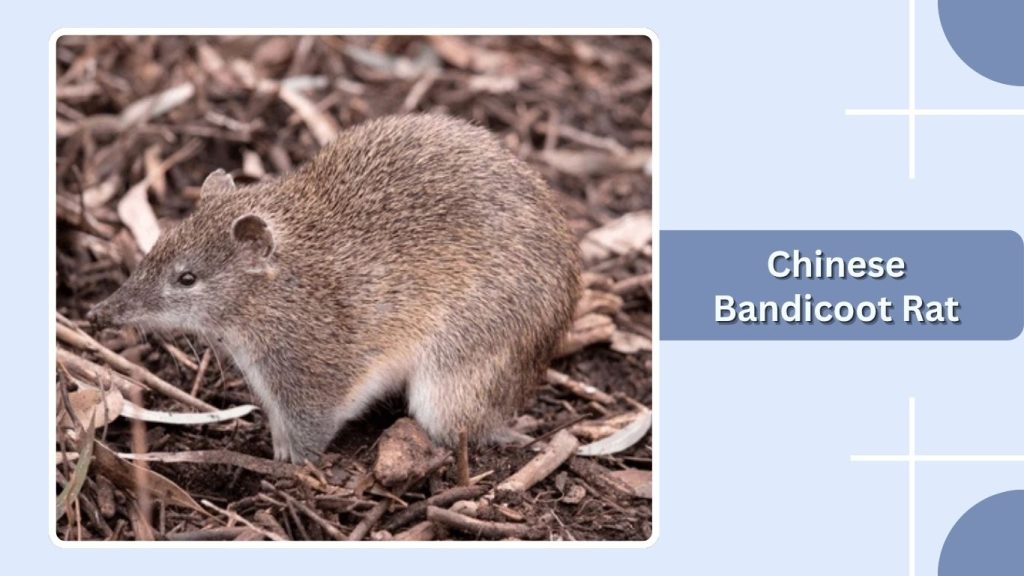
The Chinese Bandicoot Rat is a regional species found in parts of East Asia. It is known for its adaptability and burrowing behavior, often living near agricultural and semi-urban areas. Like other bandicoot rats, it thrives in environments where food and shelter are easily available. It is considered a pest in some regions due to its impact on crops.
Identification
- Medium-sized rodent
- Brown to gray coarse fur
- Small ears and eyes
- Long, scaly tail
- Strong front claws for digging
- Pointed snout with whiskers
Habitat and Distribution
The Chinese Bandicoot Rat is found mainly in China and nearby regions of East Asia. It prefers habitats such as farmlands, grasslands, and areas near human settlements. These environments provide soft soil for burrowing and access to food sources. It is commonly seen in areas with dense vegetation and crop fields.
Behavior and Diet
This species is primarily nocturnal and spends most of the day in underground burrows. It is an active digger and creates tunnels for shelter and food storage. The Chinese Bandicoot Rat is omnivorous, feeding on grains, seeds, fruits, and insects. It may also consume crops, making it a concern for farmers.
Lifespan
The Chinese Bandicoot Rat typically lives around 1 to 3 years in the wild. Its lifespan depends on environmental conditions, food availability, and threats such as predators and human control efforts.
6. Malayan Bandicoot Rat
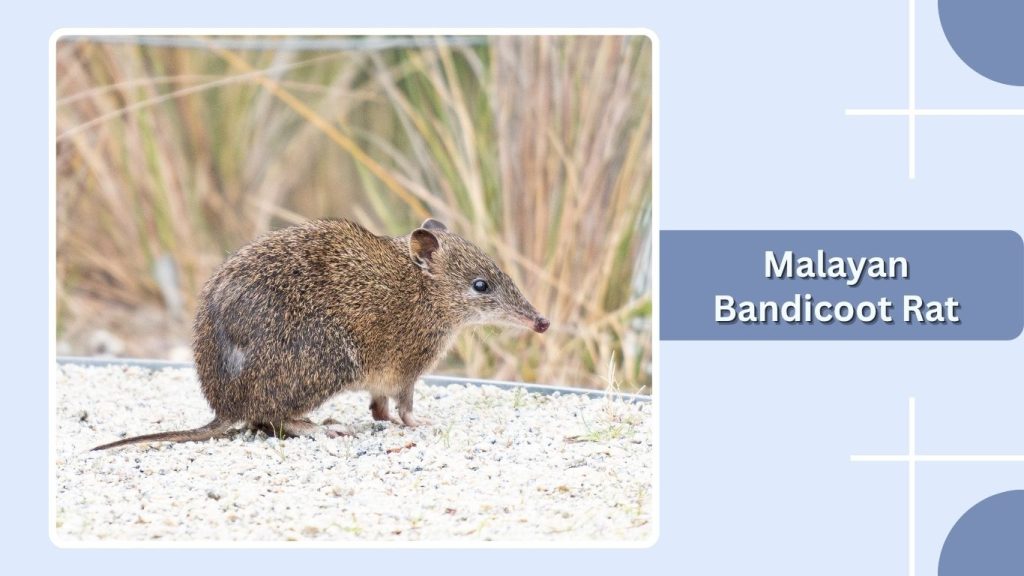
The Malayan Bandicoot Rat is a large rodent species found in Southeast Asia, particularly in regions with warm and humid climates. It is known for its strong burrowing ability and close association with human environments. This species is often found near agricultural fields and urban areas, where it has easy access to food and shelter.
Identification
- Large, robust body
- Coarse dark brown to black fur
- Small ears and eyes
- Long, thick scaly tail
- Powerful claws for digging
- Broad head with a blunt snout
Habitat and Distribution
The Malayan Bandicoot Rat is found in Malaysia, Indonesia, Thailand, and nearby regions. It prefers habitats such as agricultural lands, urban areas, and near water sources. These rats thrive in areas with soft soil for burrowing and places where food is abundant. They are commonly associated with human settlements.
Behavior and Diet
This species is mostly nocturnal and spends the day inside its burrow. It is an aggressive and highly adaptable rodent. The Malayan Bandicoot Rat is omnivorous, feeding on grains, fruits, vegetables, insects, and human food waste. It is considered a pest due to its habit of damaging crops and stored food.
Lifespan
The Malayan Bandicoot Rat typically lives around 2 to 3 years in the wild, depending on environmental conditions, food availability, and threats such as predators or human control measures.
7. Sikkim Bandicoot Rat
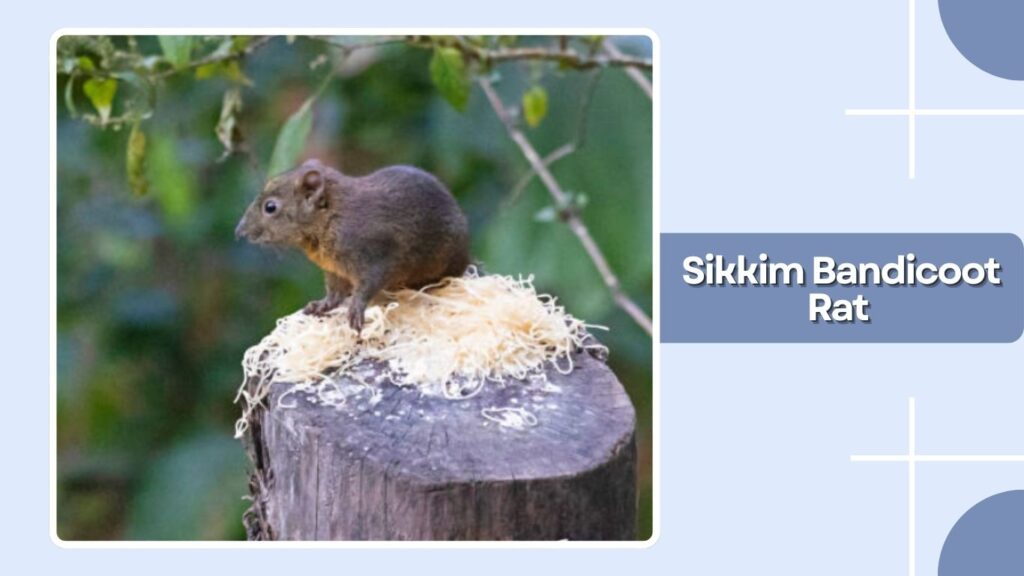
The Sikkim Bandicoot Rat is a regional species found in parts of the Himalayan foothills. It is adapted to cooler environments compared to other bandicoot rats and is known for its burrowing behavior. This species is often found in rural and agricultural areas, where it can access food easily. It plays a role in local ecosystems but may also be considered a pest.
Identification
- Medium-sized rodent body
- Brown to gray coarse fur
- Small ears and eyes
- Long, scaly tail
- Strong claws for digging
- Slightly pointed snout
Habitat and Distribution
The Sikkim Bandicoot Rat is mainly found in northeastern India, particularly in the Sikkim region, and nearby Himalayan areas. It prefers habitats such as forest edges, agricultural fields, and grassy slopes. These environments provide soft soil for burrowing and access to food sources.
Behavior and Diet
This species is primarily nocturnal and spends most of the day in underground burrows. It is an active digger and creates tunnel systems for shelter and protection. The Sikkim Bandicoot Rat is omnivorous, feeding on grains, seeds, roots, and small insects. It may also feed on crops, making it a concern for farmers.
Lifespan
The Sikkim Bandicoot Rat typically lives around 1 to 3 years in the wild, depending on environmental conditions, food availability, and predation.
8. Nepalese Bandicoot Rat
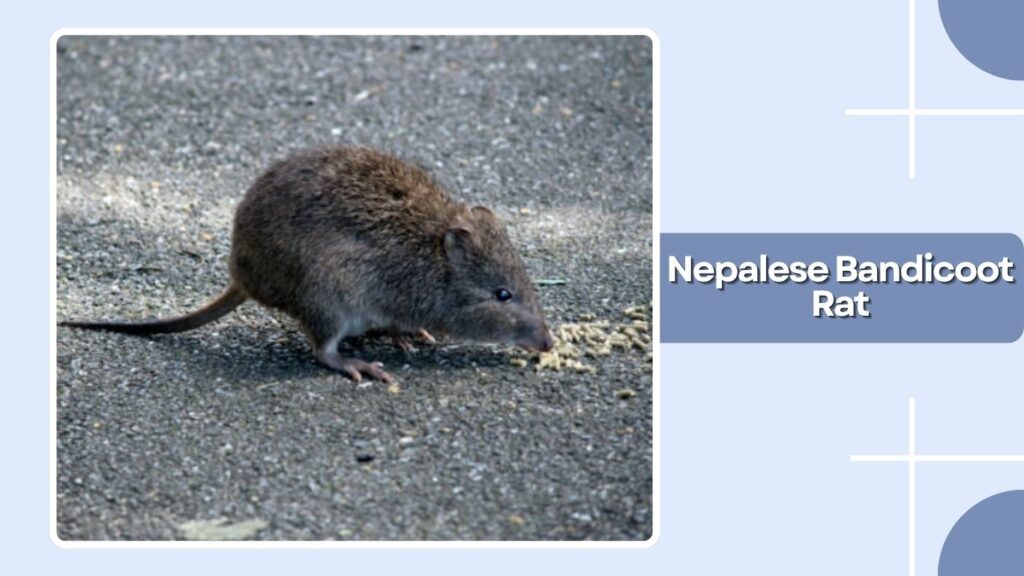
The Nepalese Bandicoot Rat is a regional rodent species found in the Himalayan regions. It is adapted to both lowland and hilly environments and is known for its strong burrowing habits. This species often lives near agricultural areas and human settlements, where it can find food easily. It is considered a pest in some regions due to its impact on crops.
Identification
- Medium-sized rodent
- Brown to gray coarse fur
- Small ears and eyes
- Long, scaly tail
- Strong digging claws
- Pointed snout with whiskers
Habitat and Distribution
The Nepalese Bandicoot Rat is found mainly in Nepal and surrounding Himalayan regions. It prefers habitats such as agricultural fields, forest edges, and grassy areas. These environments provide suitable soil for burrowing and access to food sources. It is commonly found in both rural and semi-urban settings.
Behavior and Diet
This species is mostly nocturnal and spends the day inside its burrow. It is an active digger, creating underground tunnels for shelter and protection. The Nepalese Bandicoot Rat is omnivorous, feeding on grains, seeds, fruits, and small insects. It often feeds on crops, making it a concern for farmers.
Lifespan
The Nepalese Bandicoot Rat typically lives around 1 to 3 years in the wild. Its lifespan depends on environmental conditions, food availability, and threats such as predators and human control measures.
9. Sri Lankan Bandicoot Rat
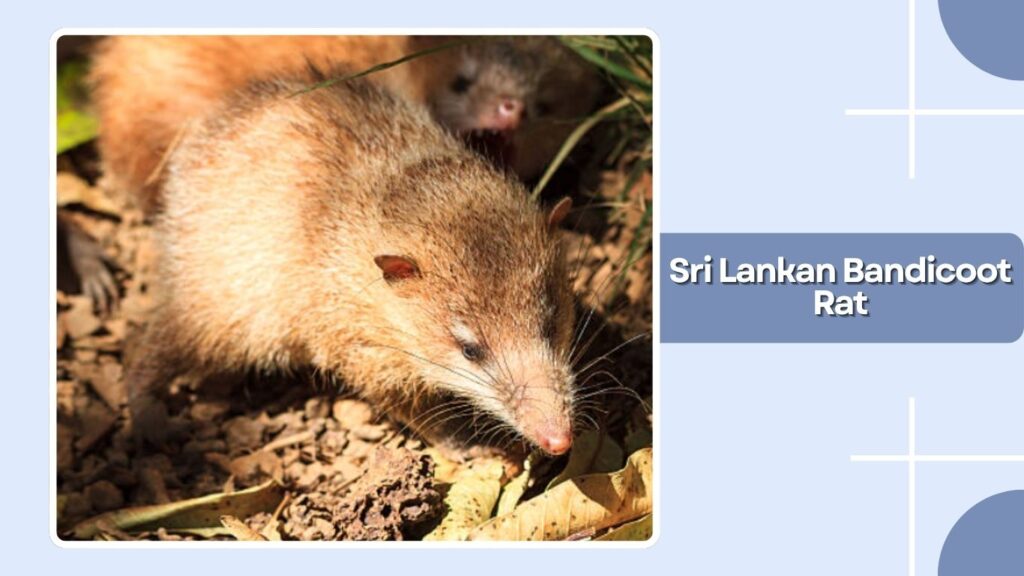
The Sri Lankan Bandicoot Rat is a regional species found primarily in Sri Lanka. It is well adapted to tropical environments and is commonly associated with agricultural and semi-urban areas. Like other bandicoot rats, it is a strong burrower and often lives close to human activity, where food is easily available.
Identification
- Medium-sized rodent body
- Coarse brown to dark gray fur
- Small ears and eyes
- Long, scaly tail
- Strong claws for digging
- Broad head with a slightly blunt snout
Habitat and Distribution
The Sri Lankan Bandicoot Rat is mainly found in Sri Lanka. It prefers habitats such as rice fields, gardens, forest edges, and areas near human settlements. These environments provide soft soil for burrowing and abundant food sources. It is commonly seen in both rural and suburban regions.
Behavior and Diet
This species is mostly nocturnal and spends the day inside underground burrows. It is an active digger and creates tunnels for shelter and protection. The Sri Lankan Bandicoot Rat is omnivorous, feeding on grains, fruits, vegetables, and small insects. It is considered a pest due to its impact on crops and stored food.
Lifespan
The Sri Lankan Bandicoot Rat typically lives around 1 to 3 years in the wild, depending on environmental conditions, food availability, and threats such as predators and human control measures.
10. Thai Bandicoot Rat
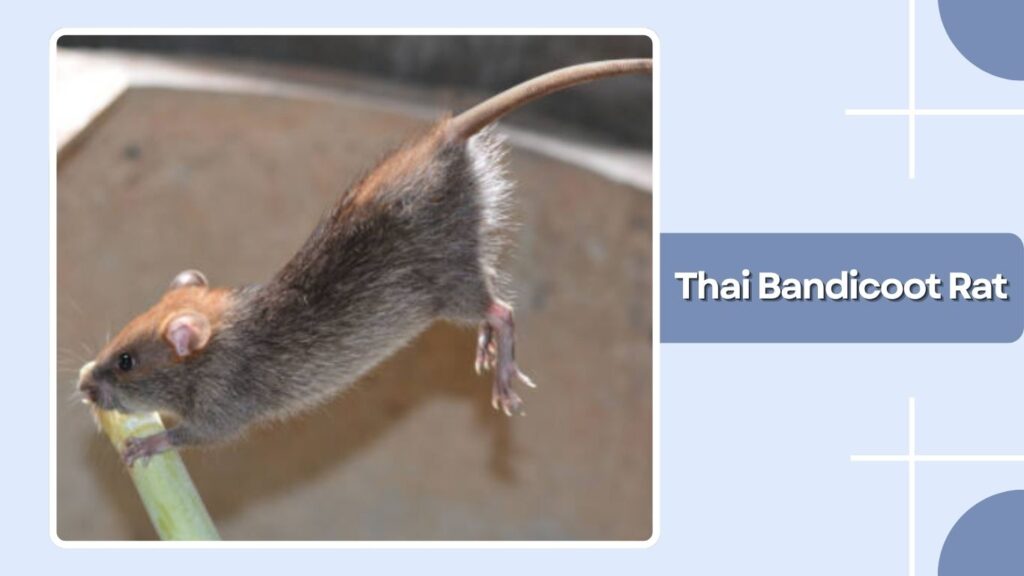
The Thai Bandicoot Rat is a regional species found in parts of Southeast Asia, particularly Thailand. It is known for its adaptability and strong burrowing behavior. This rodent is often associated with agricultural lands and rural areas, where it can easily access food and shelter. Like other bandicoot rats, it is considered a pest in many regions.
Identification
- Medium to large-sized rodent
- Coarse brown or dark gray fur
- Small ears and eyes
- Long, scaly tail
- Strong front claws for digging
- Sturdy body with a blunt snout
Habitat and Distribution
The Thai Bandicoot Rat is mainly found in Thailand and nearby Southeast Asian regions. It prefers habitats such as rice fields, farmland, grassy areas, and near human settlements. These environments provide soft soil for burrowing and abundant food sources. It is commonly found in rural and semi-urban areas.
Behavior and Diet
This species is mostly nocturnal and spends the day inside its burrow. It is an active digger, creating underground tunnels for shelter and protection. The Thai Bandicoot Rat is omnivorous, feeding on grains, seeds, fruits, vegetables, and small insects. It often feeds on crops, making it a concern for farmers.
Lifespan
The Thai Bandicoot Rat typically lives around 1 to 3 years in the wild. Its lifespan depends on environmental conditions, food availability, and threats such as predators and human control efforts.
FAQs
What are bandicoot rats?
Bandicoot rats are large, burrowing rodents commonly found in South and Southeast Asia. They are known for their strong digging ability and close association with human environments. These rodents often live near farms and urban areas where food is easily available.
Where do bandicoot rats live?
Bandicoot rats are typically found in agricultural fields, urban areas, gardens, and near water sources. They prefer places with soft soil for digging burrows and areas where food is abundant, especially near human settlements.
What do bandicoot rats eat?
Bandicoot rats are omnivorous and feed on a wide range of food. Their diet includes grains, seeds, fruits, vegetables, insects, and human food waste. Their feeding habits often make them pests in farming areas.
Are bandicoot rats harmful?
Yes, bandicoot rats can be harmful as they damage crops, stored food, and infrastructure through their burrowing. They may also carry diseases, making them a concern in both rural and urban environments.
How can bandicoot rats be controlled?
Control methods include proper sanitation, sealing entry points, removing food sources, and using traps or pest control measures. Managing waste and maintaining clean surroundings can help reduce their population.