
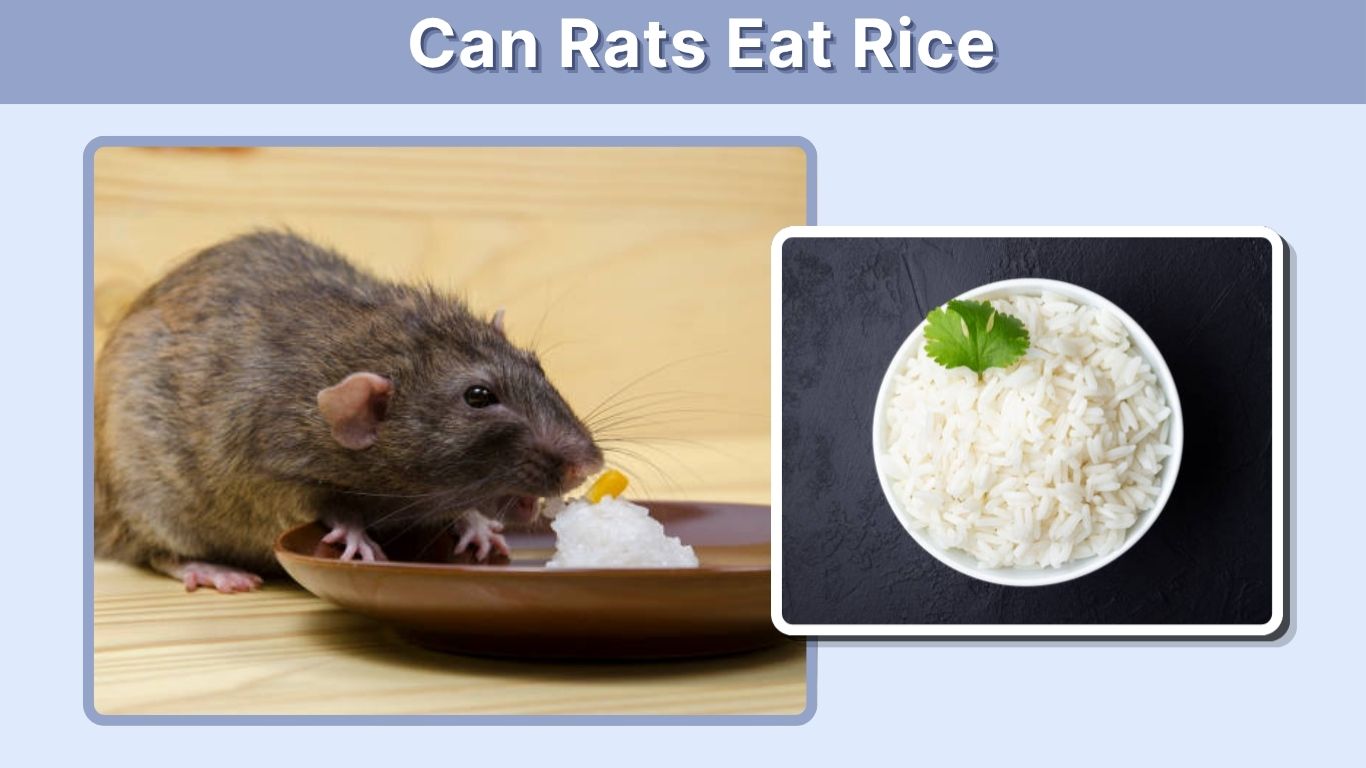
Yes, rats can eat rice. Plain cooked rice is safe for pet rats when served in small portions, while wild rats may eat cooked rice, dry grains, and rice plants whenever they are available. Brown rice generally provides more fiber and nutrients than white rice, but neither should replace a balanced rat food. Rice containing excessive salt, sugar, butter, oil, or seasoning is unsuitable. Pet-care guidance specifically includes cooked brown rice and unsweetened puffed rice among acceptable supplementary grains for rats.
Is Rice Safe for Rats?
Rice is not poisonous to rats. It supplies carbohydrates that their bodies can use for energy. However, rice alone does not provide the correct balance of protein, fat, vitamins, minerals, and fiber required by pet rats.
A nutritionally complete rat pellet or laboratory block should remain the main food. Rice is best treated as a small supplement or occasional treat.
| Type of rice product | Can rats eat it? | Feeding guidance |
|---|---|---|
| Plain cooked white rice | Yes | Offer a small amount occasionally |
| Plain cooked brown rice | Yes | One of the better rice options |
| Uncooked white rice | Generally yes | Give only a few grains |
| Uncooked brown rice | Generally yes | Harder to chew and digest |
| Wild rice | Yes | Cook it and serve plain |
| Rice cakes | Occasionally | Choose plain, unsalted products |
| Rice Krispies | Occasionally | Choose plain cereal without added sugar |
| Rice noodles | Yes | Serve cooked, plain, and cooled |
| Fried rice | Best avoided | Usually high in oil, salt, and seasoning |
| Rice pudding | Avoid | High in sugar and often dairy fat |
| Rice crackers | Occasionally | Must be plain and low in sodium |
Can Pet Rats Eat Cooked Rice?
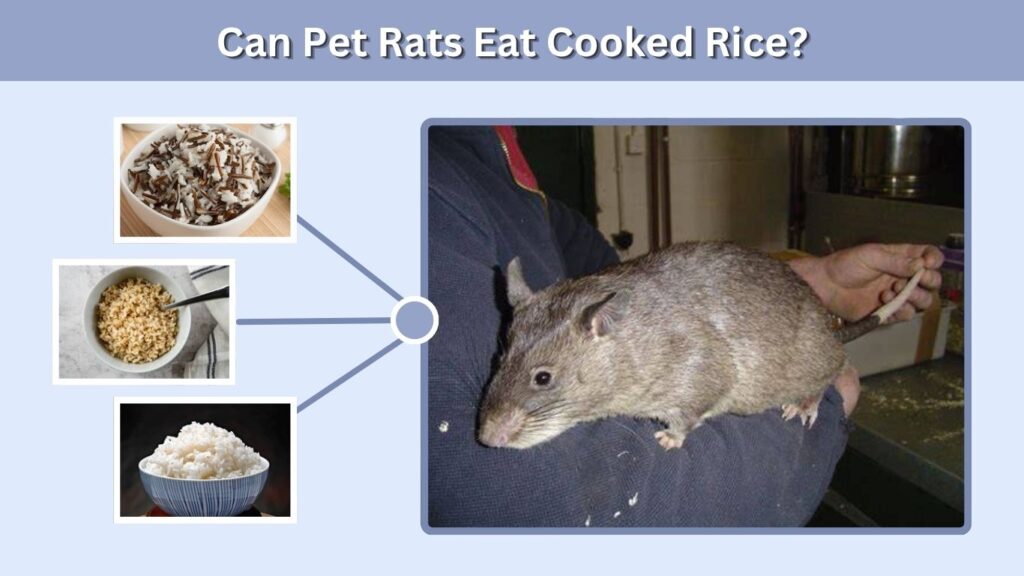
Cooked rice is usually the best way to give rice to a pet rat. Cooking softens the grain, adds moisture, and makes it easier to chew.
Cooked White Rice
Pet rats can eat cooked white rice as long as it is plain. Allow it to cool completely before serving it. Do not add salt, butter, oil, sauces, or spices.
White rice is easy to digest but has less fiber and fewer naturally retained nutrients than brown rice. It can provide energy, but it is not a particularly complete or nutrient-dense treat.
Cooked Brown Rice
Cooked brown rice is generally a better choice because it retains its bran layer. This gives it more fiber and nutrients than refined white rice.
Serve only a small spoonful shared among your rats. Brown rice should complement their normal diet rather than become a large daily meal. Commercial rat-feeding guidance suggests approximately ½–1 teaspoon of supplementary grains per day, depending on the rat’s entire diet and condition.
Cooked Wild Rice
Wild rice is technically the seed of aquatic grasses rather than the same species as common white or brown rice. Nevertheless, rats can eat it.
Cook the grains thoroughly in plain water and allow them to cool. Wild rice has a firmer texture and can create an interesting foraging treat when several grains are scattered around a clean enclosure.
How Much Cooked Rice Can a Rat Eat?
A few cooked grains or approximately ½ teaspoon per rat is enough for one serving. Large rats can tolerate slightly more, but rice should remain a minor part of the meal.
Treats and supplementary foods should generally provide no more than 5–10% of a pet rodent’s daily diet.
Can Rats Eat Uncooked Rice?
Rats can eat uncooked or raw rice. Wild rats frequently chew dry grains stored in farms, warehouses, kitchens, and food-processing facilities.
Uncooked rice is not known to make a rat’s stomach rupture. However, that does not mean large quantities are appropriate for a pet.
Is Dry Rice Good for Pet Rats?
Dry rice is harder and contains less moisture than cooked rice. A healthy adult rat can normally chew a few grains, but cooked rice is easier to eat and portion.
Avoid giving dry rice to a rat that has dental problems, difficulty swallowing, dehydration, or a digestive condition. Young, elderly, sick, pregnant, or nursing rats may also need a diet recommended by an experienced veterinarian.
White Rice vs. Brown Rice
Both varieties are edible, but they offer different nutritional qualities:
- White rice: Softer when cooked and easier to digest but lower in fiber.
- Brown rice: Contains more fiber and naturally retained nutrients but is firmer.
- Uncooked white rice: Easy to store but should be limited to a few grains.
- Uncooked brown rice: Tougher and better served after cooking.
Rice that is moldy, damp, insect-infested, chemically treated, or contaminated by wild rodents should never be given to a pet.
Can Rats Eat Rice Cakes and Cereals?

Many rice-based snacks contain ingredients that are unnecessary or unhealthy for rats. Always read the package before sharing human food.
Rice Cakes
A pet rat can have a small piece of a plain, unsalted rice cake. The crunchy texture may provide enrichment, but rice cakes offer limited nutrition and can be easy to overfeed.
Avoid flavored varieties containing cheese powder, chocolate, caramel, artificial sweeteners, excessive salt, or sugary coatings.
Rice Krispies and Puffed Rice
Plain, unsweetened puffed rice can be used as an occasional training reward. Standard breakfast cereals may contain added sugar and salt, so they should not be given frequently.
Check the ingredient label and choose the simplest product available. A few individual pieces are sufficient; a rat does not need an entire bowl of cereal.
Rice Chex, Rice Pops and Rice Cereal
These products depend on their ingredients:
- Plain Rice Chex can be given sparingly.
- Sweetened rice pops should be avoided or offered extremely rarely.
- Plain, unsweetened rice cereal may be safe in a tiny amount.
- Baby rice cereal should not become a regular food unless a veterinarian recommends it.
- Chocolate-coated cereals are unsuitable.
Dry cereal can also be scattered around an enclosure to encourage natural searching and foraging behavior.
Can Rats Eat Rice Noodles, Crackers and Rolls?
Plain rice products may be acceptable, but seasonings can turn a safe grain into an unhealthy meal.
Rice Noodles
Rats can eat plain cooked rice noodles. Cut the noodles into short pieces to prevent rats from dragging long, wet strands through their bedding.
Do not add salty broth, soy sauce, chili, garlic sauce, butter, or oil. Noodles are mostly carbohydrates, so offer only a small piece.
Rice Crackers
A tiny piece of a plain, low-sodium rice cracker is acceptable occasionally. Many commercial crackers contain substantial salt, sugar, oil, or flavoring. Products covered with chocolate, caramel, cheese seasoning, or spicy powder should be avoided.
Rice Rolls
A plain roll made primarily from cooked rice may be safe, but the filling matters. Do not give rats sushi or rice rolls containing raw seafood, heavily salted sauces, spicy ingredients, or large amounts of avocado skin and pit.
Rice Dishes Rats Should Avoid
The rice itself may be safe while the other ingredients are not suitable for regular feeding.
Egg-Fried Rice
Egg-fried rice usually contains oil, salt, soy sauce, and seasonings. Although plain cooked egg and plain rice can both fit into a rat’s diet, restaurant-style fried rice is too rich and salty.
If you want to prepare a rat-friendly version, cook a tiny amount of egg without seasoning or excessive oil and mix it with plain rice.
Rice Pudding
Rice pudding is high in sugar and may contain cream, butter, sweetened condensed milk, chocolate, raisins, or artificial flavoring. It provides unnecessary calories and may cause digestive upset.
A rat taking one accidental lick is unlikely to experience a serious problem, but rice pudding should not be intentionally served.
Seasoned or Packaged Rice
Avoid rice containing:
- Excessive salt
- Butter or heavy cream
- Large amounts of cooking oil
- Hot peppers or spicy sauces
- Artificial sweeteners
- Chocolate
- Sugary syrups
- Strongly flavored seasoning packets
Plain food is almost always the safest choice when sharing a human ingredient with a pet rat.
Do Wild Rats Eat Rice?
Wild brown rats, black rats, and many field-dwelling rodents will eat rice. They may consume newly planted seeds, developing grains, mature rice heads, spilled grain, or stored rice.
Rats are opportunistic omnivores. They do not depend entirely on rice and may also eat seeds, fruit, vegetables, insects, eggs, animal feed, food waste, and small animals.
Do Rats Eat Rice in Fields?
Rodents living near rice fields can feed on rice during several stages of production. They may dig up planted grains, cut growing stems, eat mature seeds, and carry harvested rice into burrows.
Their feeding and nesting activities can damage crops. Spilled rice and poorly protected storage areas may also attract rats after harvesting.
Will Rats and Mice Eat Stored Rice?
Both rats and mice can chew into paper, thin plastic, and cardboard packages. Finding holes in a rice bag, scattered grains, droppings, or gnaw marks may indicate rodent activity.
Discard rice that may have been contacted by wild rodents. Do not simply remove the visibly damaged section because urine, saliva, hair, or droppings may have contaminated other parts of the package.
Store rice in tightly sealed glass, metal, or thick food-grade plastic containers. Clean spilled grains promptly and keep storage areas dry.
What Do Rice Rats Eat?
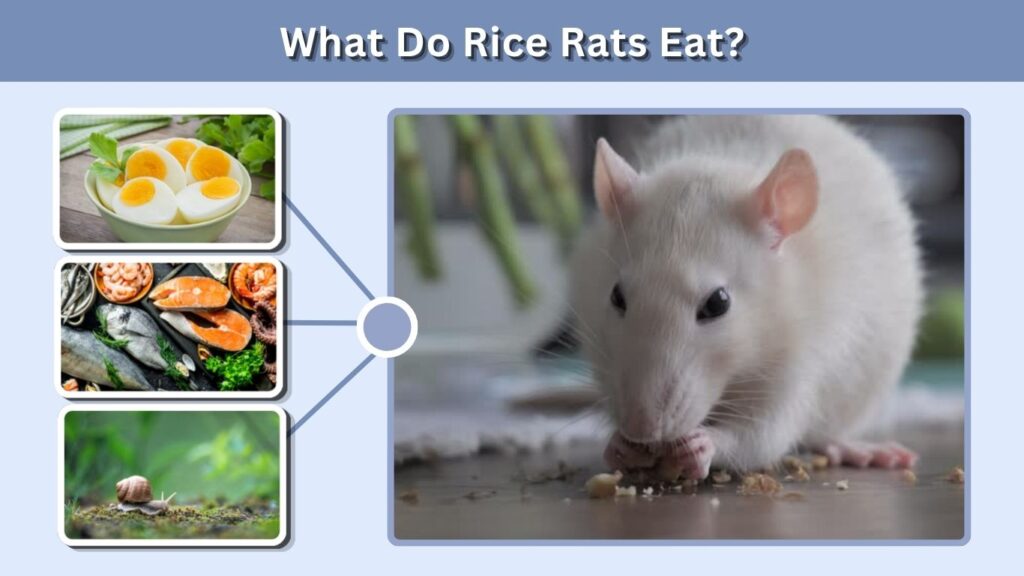
The term “rice rat” describes several rodents, but it does not mean that rice is their only food.
Marsh rice rats primarily inhabit wetlands, marshes, and coastal grasslands. Their diet may include grass seeds, aquatic plants, insects, crabs, snails, fish, eggs, and other small animals. The name refers partly to their historical association with wet habitats and rice-growing areas.
The extinct Martinique giant rice rat probably ate fruits, seeds, and hard-shelled nuts, along with smaller amounts of leaves, roots, insects, and other animal matter. Its powerful teeth were especially well suited to breaking hard plant foods.
Why Do “Gym Rats” Eat Rice?
In fitness language, a “gym rat” is a person who spends a great deal of time exercising—not an actual rodent.
Bodybuilders and other athletes often eat chicken and rice because the meal provides lean protein and a measurable source of carbohydrates. Some eat rice cakes or Rice Krispies before training because these foods provide easily digested carbohydrates. This human fitness practice has no connection to feeding pet rats.
FAQs
Can rats eat cooked white rice?
Yes. Rats can eat plain cooked white rice in moderation. Let it cool before serving and avoid salt, butter, oil, or sauces. A few grains or roughly ½ teaspoon is enough as an occasional addition to a nutritionally complete diet.
Is uncooked rice poisonous to rats?
No, ordinary uncooked rice is not considered poisonous to rats. Wild rats commonly eat dry grains. However, cooked rice is softer, provides moisture, and is easier to portion, making it the preferable option for most pet rats.
Can rats eat brown rice every day?
A small amount of cooked brown rice can be included among supplementary foods, but it should not replace balanced rat pellets. Offering too much rice can reduce the amount of complete food eaten and may contribute to excess weight or nutritional imbalance.
Can rats eat Rice Krispies?
Rats can eat a few plain Rice Krispies or pieces of unsweetened puffed rice occasionally. Cereals containing considerable sugar, salt, chocolate, marshmallow coating, or artificial sweeteners are unsuitable. Treat cereal as a training reward rather than a meal.
Can rats eat rice cakes?
Yes, rats can have a small piece of a plain, unsalted rice cake. Avoid sweetened, chocolate-coated, caramel, cheese-flavored, or heavily salted varieties. Rice cakes provide carbohydrates but little balanced nutrition, so they should remain an occasional treat.