

You can physically keep a house mouse in a cage, but a wild house mouse is usually not a good pet. Wild mice are nervous, fast, hard to handle, and may carry parasites or diseases. A domestic pet mouse, often called a fancy mouse, is a much better choice because it is bred for captivity and easier to care for. If you find a baby house mouse, it may need expert care rather than being kept as a pet.
Can You Keep a House Mouse as a Pet?
A wild house mouse is not the same as a domestic pet mouse. Although both are small rodents, wild house mice are adapted to hiding, escaping, and surviving around buildings. They are usually stressed by handling and may never become calm like a captive-bred pet mouse.
The CDC warns that wild rodents can carry diseases and may also carry ticks, mites, or fleas that spread illness. For that reason, wild mice should be handled with caution, especially if found in a home, garage, shed, or storage area.
Main Problems With Keeping a Wild House Mouse
- It may be extremely stressed in a cage.
- It may bite when frightened.
- It can carry mites, fleas, or ticks.
- It may carry germs from urine, droppings, or nesting material.
- It may escape easily.
- It may not adjust to handling.
- It may be illegal or restricted in some places.
If your goal is to have a small pet, a domestic mouse is safer, calmer, and easier to manage.
Wild House Mouse vs Domestic Pet Mouse
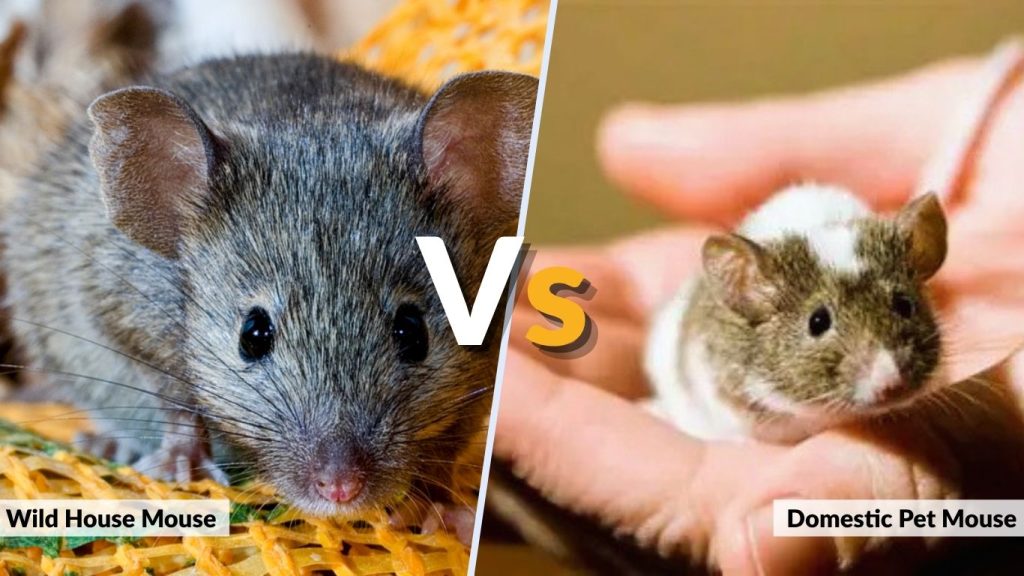
A domestic pet mouse is bred for life around humans. A wild house mouse is not. This difference matters because personality, health, handling, and housing needs can be very different.
| Feature | Wild House Mouse | Domestic Pet Mouse |
| Temperament | Nervous, fast, fearful | Usually calmer if socialized |
| Handling | Difficult and stressful | Easier with gentle handling |
| Health risk | Higher parasite and disease concern | Lower when sourced responsibly |
| Captivity | May not adapt well | Bred for captivity |
| Best choice for pet | No | Yes |
RSPCA guidance says pet mice can be rewarding, but they need proper housing, care, and long-term commitment. It also notes that mice may live around three years, so they are not a “quick” or disposable pet.
Can You Keep a Wild House Mouse as a Pet?
Keeping a wild house mouse as a pet is not recommended. Even if the mouse looks healthy, it may be carrying parasites or germs. Wild rodents can contaminate areas with urine, droppings, saliva, and nesting materials, and the CDC recommends avoiding contact with these materials and cleaning rodent-contaminated spaces safely.
A wild mouse may also spend most of its time hiding, jumping, or trying to escape. This makes it a poor pet for children or anyone who wants an animal they can hold and interact with.
What to Do Instead
If you catch a healthy wild house mouse indoors, the best option is usually humane removal and sealing entry points so more mice cannot enter. If the mouse is injured, contact a wildlife rehabilitator, local animal rescue, or veterinarian for advice.
Can You Keep a Baby House Mouse as a Pet?
A baby house mouse is difficult to care for and often needs specialized feeding, warmth, and hygiene. Very young mice can become dehydrated quickly and may die without proper care.
If you find a baby mouse, avoid handling it too much. Keep it warm and contact a wildlife rehabilitator or veterinarian as soon as possible. Do not give cow’s milk, random foods, or water by mouth unless an expert tells you what to do, because baby rodents can aspirate liquid and become very sick.
If the baby mouse is old enough to eat on its own, it is still a wild animal and may not become a good pet.
Can You Keep a Brown House Mouse as a Pet?
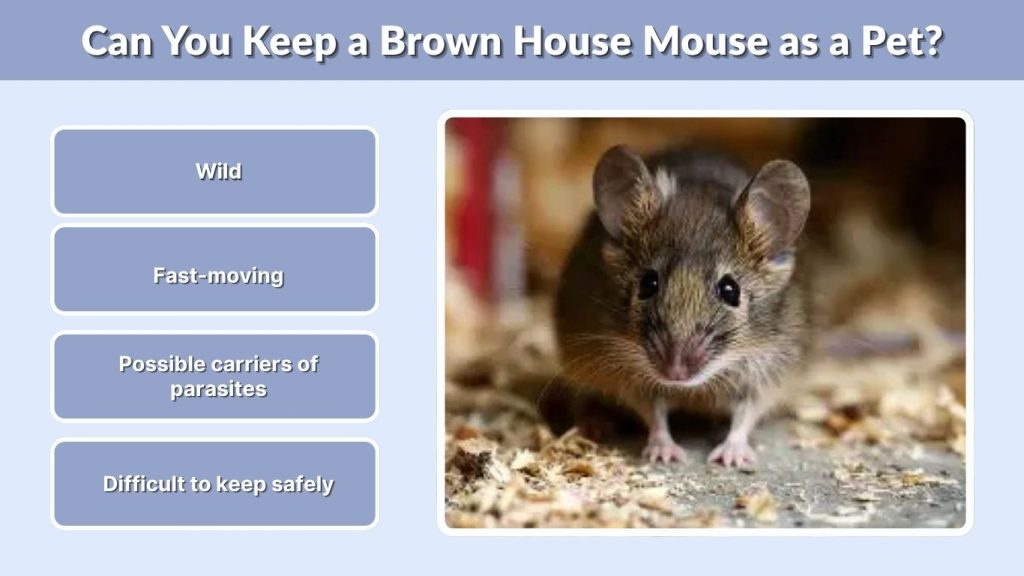
A brown house mouse is usually just a normal wild house mouse with brown or gray-brown fur. Color does not make it safer or more suitable as a pet.
Brown house mice can still be:
- Wild
- Fearful
- Fast-moving
- Hard to handle
- Possible carriers of parasites
- Difficult to keep safely
If you like brown mice, choose a domestic fancy mouse from a responsible breeder, rescue, or pet source instead of taking one from the wild.
Are House Mice Dangerous to Keep?
Wild house mice are not “dangerous” in the way a venomous animal is, but they can create health and safety problems. The risk comes from bites, parasites, droppings, urine, and possible disease exposure.
King County Public Health notes that rodents, including wild and pet rodents, can carry diseases such as hantavirus, leptospirosis, lymphocytic choriomeningitis, tularemia, and salmonella. Wild rodents can also cause property damage by chewing wiring and other materials.
What Pet Mice Need Instead
If you want a mouse as a pet, choose domestic pet mice and prepare the right setup before bringing them home.
Merck Veterinary Manual explains that mice need a balanced diet with carbohydrates, fat, and protein. Commercial mouse diets provide needed vitamins and minerals and help wear down their constantly growing incisor teeth.
Basic Pet Mouse Care
Pet mice need:
- A secure, escape-proof cage
- Good ventilation
- Safe bedding
- Hiding places
- Chew toys
- Exercise wheel
- Fresh water
- Commercial mouse food
- Small amounts of vegetables
- Regular cage cleaning
RSPCA also says mice are social animals and should not normally live alone unless a vet recommends it. Compatible single-sex groups, especially females, are often preferred.
Should You Release a House Mouse After Keeping It?
Releasing a wild house mouse is not always simple. If it has been kept in captivity for a while, it may be stressed, weakened, or less able to survive. Releasing mice near another home can also create problems for other people.
If you accidentally kept a wild mouse and now want to release it, ask a local wildlife expert, animal control office, or rescue group for advice. Rules and best practices vary by location.
Best Alternative: Get a Domestic Fancy Mouse

A domestic fancy mouse is the better option if you want a small, active, interesting pet. Fancy mice come in many colors, including brown, white, black, gray, cream, and spotted varieties.
They are still delicate animals, but they are much better suited to captivity than wild house mice. They also make it easier to provide proper diet, housing, and social care.
FAQs
Can you keep a house mouse as a pet?
You can physically keep one, but it is not recommended if it is wild. Wild house mice are nervous, hard to handle, and may carry parasites or germs. A domestic pet mouse is a much better and safer choice.
Can a wild house mouse become friendly?
Some wild mice may become less afraid over time, but most stay nervous and difficult to handle. They are not bred for human interaction, so they usually do not become friendly like domestic fancy mice.
Can you keep a baby house mouse as a pet?
A baby house mouse needs expert care, warmth, and proper feeding. It is better to contact a wildlife rehabilitator or veterinarian. Raising a baby mouse without experience is difficult, and many do not survive improper care.
Do house mice bite?
House mice can bite if they are scared, trapped, or handled. Wild mice are more likely to bite than domestic pet mice because they see humans as a threat. Gloves and caution are important when dealing with wild rodents.
What is the best mouse to keep as a pet?
The best mouse to keep as a pet is a domestic fancy mouse, not a wild house mouse. Fancy mice are bred for captivity, come in many colors, and are usually easier to care for and handle.