
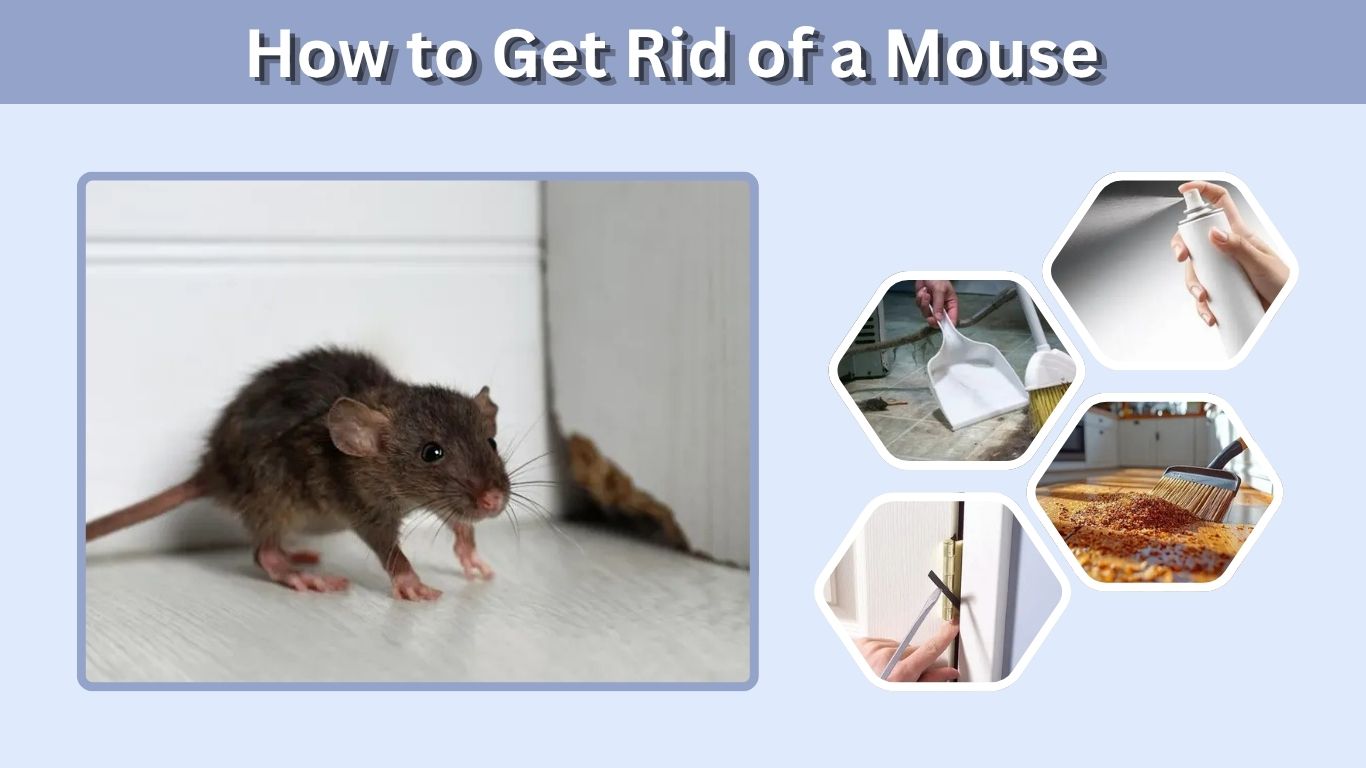
Finding a mouse in your house can feel stressful, but one mouse usually means you should act quickly before the problem grows. Mice enter homes for warmth, food, shelter, and nesting spots. The best way to get rid of a mouse is to combine trapping, sealing entry points, removing food sources, and cleaning safely. A complete plan works better than using only one trap or one repellent.
Signs You Have a Mouse in Your House
Before setting traps, confirm where the mouse is active. Mice usually move along walls, behind appliances, inside cabinets, under sinks, in basements, and near stored food. Fresh droppings after cleaning can mean an active rodent problem, according to the CDC.
Common signs include:
- Small dark droppings near food, drawers, cabinets, or walls
- Scratching or squeaking sounds at night
- Chewed food packaging
- Gnaw marks on wood, plastic, wires, or cardboard
- Greasy rub marks along walls
- Nesting material such as paper, fabric, or insulation
- A strong musty odor in hidden areas
| Sign | What It Usually Means |
| Droppings | Mouse has been feeding or traveling there |
| Chewed packets | Food source is attracting mice |
| Scratching sounds | Mouse may be inside wall, ceiling, or cabinet |
| Nesting material | Mouse may be living nearby |
| Fresh droppings after cleanup | Active mouse problem |
Step 1: Remove Food Sources
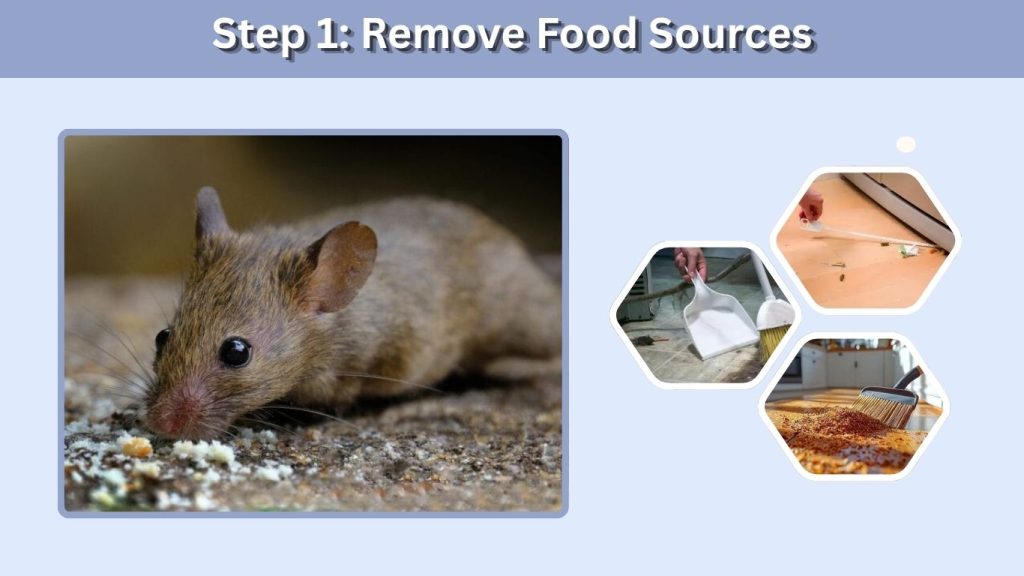
Mice stay where food is easy to find. If you remove their food supply, trapping becomes more effective. Store rice, cereal, flour, pet food, seeds, and snacks in sealed containers. Clean crumbs from floors, under stoves, behind fridges, and inside cabinets.
Do not leave dirty dishes overnight. Empty trash regularly and use a bin with a tight lid. If you feed pets indoors, pick up leftover food after feeding. Good sanitation is one of the main parts of house mouse control, along with exclusion and population reduction.
Step 2: Set Mouse Traps in the Right Places
Traps work best when they are placed where mice already travel. Mice prefer edges and hidden paths, so place traps along walls, behind furniture, under sinks, behind appliances, and near droppings.
Best Trap Options
- Snap traps: Fast, cheap, and effective when placed correctly
- Enclosed snap traps: Safer around children and pets
- Electric traps: Easy disposal and less visible mess
- Live traps: Must be checked often and used according to local rules
Use bait such as peanut butter, oats, chocolate, seeds, or a tiny piece of bread. Do not use too much bait. A pea-sized amount is enough. Place the baited end of the trap against the wall because mice usually run close to edges.
For one mouse, set several traps at once instead of using only one. If you see droppings in two or three rooms, place traps in each active area.
Step 3: Seal Entry Points
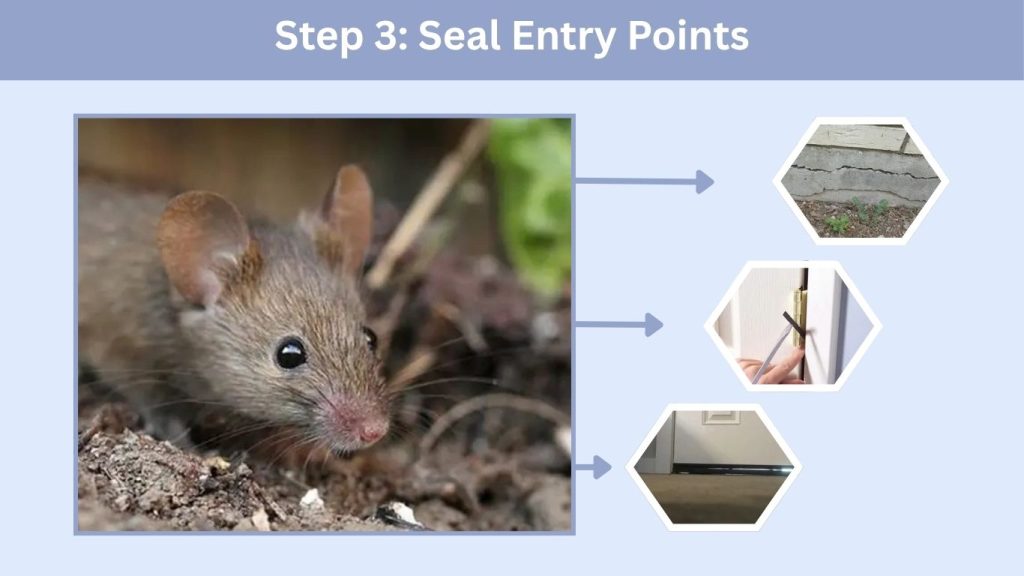
Trapping removes the mouse inside, but sealing keeps new mice from entering. Mice can squeeze through very small gaps. Texas A&M’s school IPM guidance notes that openings as small as 1/4 inch can allow mice into buildings.
Check these areas carefully:
- Gaps around doors
- Holes near pipes and wires
- Cracks in foundations
- Spaces around vents
- Garage door gaps
- Openings under sinks
- Broken screens
- Gaps around window frames
- Holes near rooflines or utility lines
Use steel wool, copper mesh, hardware cloth, caulk, cement, or metal flashing. Avoid using only foam for large holes because mice may chew through it.
Step 4: Clean Mouse Droppings Safely
Never dry sweep or vacuum mouse droppings. This can send dust and germs into the air. The CDC recommends wearing rubber or plastic gloves, spraying urine and droppings with a bleach solution or EPA-registered disinfectant, letting it soak, then wiping it up with paper towels.
Safe Cleanup Steps
- Put on gloves.
- Ventilate the area if possible.
- Spray droppings and urine until wet.
- Let disinfectant sit for the label-recommended time.
- Wipe with paper towels.
- Throw waste into a covered trash bin.
- Disinfect floors, counters, drawers, and nearby surfaces.
- Wash hands after removing gloves.
If there are many droppings, dead mice, strong odor, or signs of a large infestation, call a pest control professional.
Step 5: Avoid Relying Only on Repellents
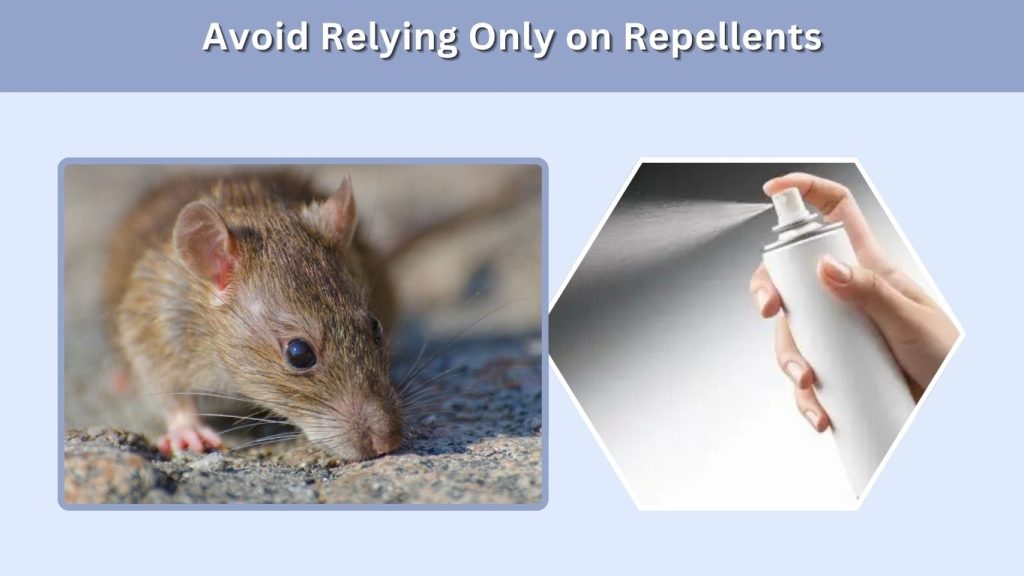
Many people try peppermint oil, ultrasonic devices, dryer sheets, or strong-smelling sprays. These may bother mice temporarily, but they usually do not solve an active mouse problem by themselves. A hungry mouse can ignore smells if food and shelter are available.
Repellents should never replace trapping, sealing, and cleaning. If you use a scent-based method, use it only as a support after removing food sources and closing entry holes.
Should You Use Mouse Poison?
Mouse poison can work, but it has serious risks. Poisoned mice may die inside walls, ceilings, or hidden spaces, creating odor and cleanup problems. Rodenticides can also be dangerous to children, pets, and wildlife if not used correctly. The EPA advises careful use of rodent poison products and provides guidance on bait stations and safer rodent control choices.
For most homes, traps and exclusion are better first steps. If you have a serious infestation and want to use poison, consider hiring a licensed pest control professional.
How to Prevent Mice From Coming Back
Once the mouse is gone, prevention is the most important step. Mice return when they find food, warmth, and open access. The most permanent method is to “build them out” by eliminating openings they can use to enter, according to University of Missouri Extension.
| Prevention Step | Why It Helps |
| Seal 1/4-inch gaps | Blocks mouse entry |
| Store food in hard containers | Removes easy meals |
| Clean crumbs daily | Reduces attraction |
| Remove clutter | Reduces nesting spots |
| Trim outdoor vegetation | Limits hiding places near walls |
| Fix door sweeps | Blocks ground-level entry |
Also keep firewood, boxes, and stored items away from exterior walls. In garages and storage rooms, use plastic bins instead of cardboard boxes.
When to Call a Professional
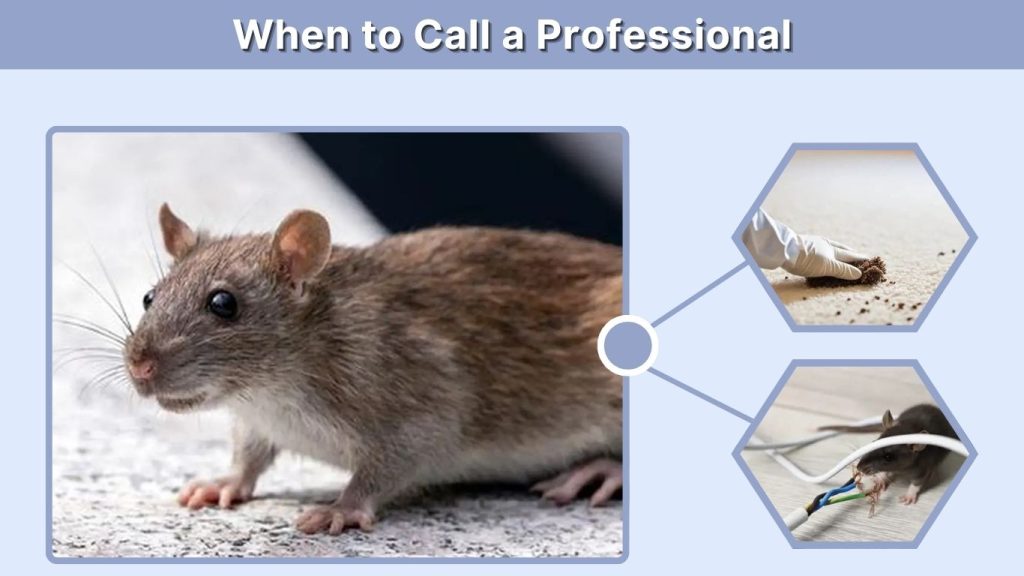
You may be able to handle one mouse yourself, but professional help is better when the problem is larger or keeps returning.
Call a pest control expert if:
- You catch mice but still hear noises
- Droppings keep appearing after cleanup
- You see mice during the day
- There is a strong dead-animal smell
- You find nests or many droppings
- Mice are chewing wires
- You have children, pets, or health concerns
- You cannot find entry points
FAQs
What is the fastest way to get rid of a mouse in your house?
The fastest method is to place several baited snap traps along walls where you see droppings or hear activity. At the same time, remove food sources and seal entry holes so more mice do not come inside.
Will one mouse leave on its own?
Usually, you should not wait for it to leave. If a mouse finds food, warmth, and shelter, it may stay and nest. One visible mouse can also mean more mice are nearby.
Where should I put mouse traps?
Place mouse traps along walls, behind appliances, under sinks, inside cabinets, near droppings, and in dark corners. Put the baited end toward the wall because mice usually travel along edges.
What smell keeps mice away?
Peppermint oil and other strong smells may discourage mice for a short time, but they rarely remove an active mouse problem. Traps, sealing, and food control are more reliable.
Is it safe to clean mouse droppings?
Yes, but only if you clean them safely. Wear gloves, spray the droppings with disinfectant, let them soak, and wipe them up. Do not dry sweep or vacuum mouse droppings.