
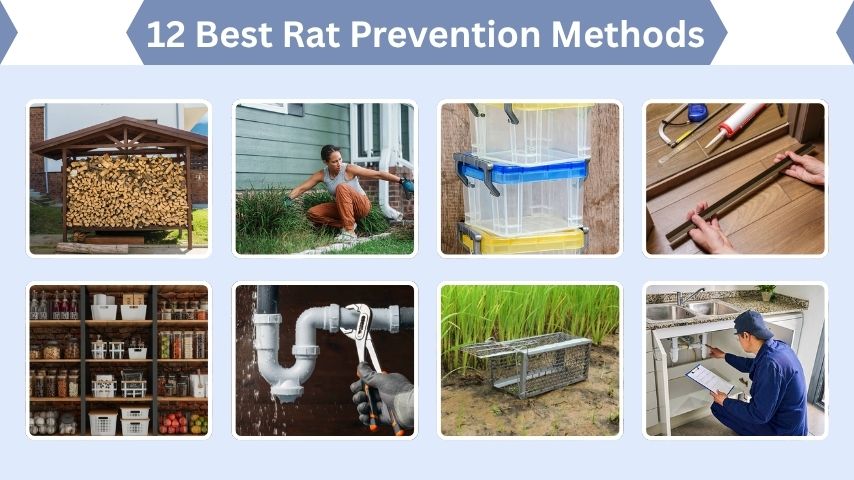
Rats can quickly become a serious problem when they find easy access to food, water, and shelter around homes or buildings. These rodents damage property, contaminate food, and may spread harmful diseases if infestations are left untreated. Fortunately, simple prevention methods can greatly reduce the risk of attracting rats indoors or outdoors. Sealing entry points, managing trash properly, removing clutter, and maintaining clean surroundings are some of the most effective ways to stop rodent activity. Understanding these prevention techniques helps homeowners protect their property and maintain a cleaner, safer living environment.
1. Seal Entry Points
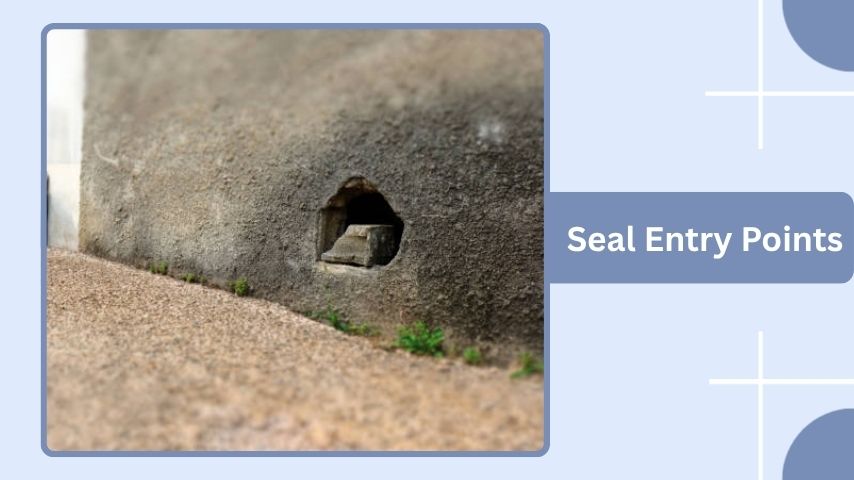
Sealing entry points is one of the most effective ways to prevent rats from entering homes, garages, sheds, and storage areas. Rats can squeeze through surprisingly small openings, making even tiny cracks a possible entry route. Blocking these access points helps stop infestations before they begin. Regular inspections around doors, walls, roofs, pipes, and vents are important for long-term rodent prevention and home protection.
Common Entry Points Rats Use
- Cracks in walls and foundations
- Gaps around doors and windows
- Openings near pipes and utility lines
- Roof vents and attic holes
- Broken air vents and screens
- Drain openings and sewer connections
Why Rats Enter Small Openings
Rats enter buildings mainly in search of food, water, warmth, and shelter. Their flexible bodies allow them to squeeze through gaps much smaller than their body size. Once inside, they often hide in attics, walls, basements, and cluttered storage spaces where they can nest safely and reproduce quickly.
Best Materials for Sealing Gaps
Strong and durable materials work best for blocking rat access points. Metal mesh, steel wool, concrete, and heavy-duty sealants are commonly used because rats cannot easily chew through them. Weak materials such as plastic or thin foam may only provide temporary protection and are often damaged by rodents over time.
How Often to Inspect Your Home
Homes should be inspected regularly for new cracks, holes, and damaged areas. Seasonal weather changes, water damage, and aging structures can create new openings that rats may use. Monthly outdoor inspections and yearly deep home checks help reduce the risk of rodent infestations before they become serious problems.
2. Proper Food Storage

Proper food storage is an important rat prevention method because food is one of the main reasons rodents enter homes and buildings. Rats are constantly searching for easy food sources, especially in kitchens, pantries, garages, and storage rooms. Keeping food sealed and cleaning crumbs quickly can greatly reduce the chance of attracting rats. Good food storage habits also help prevent contamination and protect overall household hygiene.
Foods That Commonly Attract Rats
- Pet food left uncovered
- Grains and rice
- Fruits and vegetables
- Bread and snacks
- Garbage and food scraps
- Bird seed and livestock feed
Why Open Food Increases Rat Problems
Rats have an excellent sense of smell that helps them locate food quickly. Even small crumbs or spilled food can attract rodents into homes. Once rats discover a reliable food source, they often return repeatedly and may build nests nearby to stay close to easy feeding areas.
Best Containers for Food Storage
Durable containers made from metal, thick plastic, or glass provide the best protection against rats. Airtight containers help keep food odors contained while preventing rodents from chewing through packaging. Thin cardboard boxes and soft plastic bags are usually not effective because rats can damage them easily.
Kitchen Habits That Help Prevent Rats
Daily cleaning routines are important for keeping rats away from kitchens and dining areas. Food should never remain uncovered overnight, and dirty dishes should be cleaned promptly. Sweeping floors, wiping counters, and taking out trash regularly reduces food odors that attract rodents into living spaces.
3. Regular Trash Management

Regular trash management is an effective way to prevent rats from invading homes, yards, and commercial spaces. Garbage bins often contain food scraps and strong odors that attract rodents searching for easy meals. Overflowing trash, uncovered bins, and neglected waste areas create ideal feeding conditions for rats. Keeping trash areas clean and properly maintained greatly reduces the chances of rodent activity around buildings.
Trash Items That Attract Rats
- Food leftovers
- Fruit peels
- Greasy containers
- Pet waste
- Open garbage bags
- Compost scraps
Why Poor Waste Control Attracts Rodents
Rats are opportunistic feeders that quickly gather near areas with accessible garbage. Once they locate regular food sources, they may build nests nearby and increase their activity around homes or businesses. Strong food smells from uncovered trash cans can attract rodents from surprisingly long distances.
Best Trash Bin Practices
Heavy-duty trash bins with tight-fitting lids offer the best protection against rats. Outdoor bins should remain closed at all times and cleaned regularly to remove food residue and odors. Damaged garbage containers should be replaced quickly because rats can squeeze through openings or chew weak materials.
How Often Trash Areas Should Be Cleaned
Trash storage areas should be cleaned frequently to prevent odor buildup and food accumulation. Outdoor bins, dumpster spaces, and kitchen garbage areas should be inspected regularly for spills or loose waste. Consistent cleaning routines help make the environment less attractive to rats and other pests.
4. Eliminate Water Sources
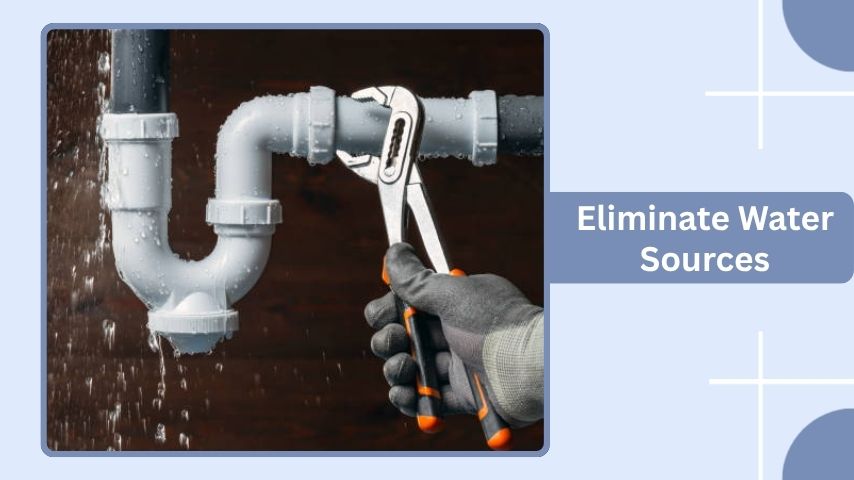
Eliminating water sources is an important step in rat prevention because rodents need regular access to water for survival. Even small amounts of standing water can attract rats to homes, garages, gardens, and storage areas. Leaking pipes, pet bowls, clogged drains, and outdoor puddles often provide enough moisture to support rodent activity. Reducing water availability helps make the environment less suitable for rats and discourages long-term infestations.
Common Water Sources Rats Use
- Leaking pipes
- Pet water bowls
- Standing puddles
- Clogged gutters
- Birdbaths
- Dripping outdoor faucets
Why Rats Need Water to Survive
Like all animals, rats require water daily for hydration and survival. Areas with easy water access often become attractive nesting locations because rats prefer staying close to reliable food and moisture sources. Damp environments also provide safer hiding spaces and support easier movement through basements, drains, and crawl spaces.
Best Ways to Reduce Moisture
Repairing leaks quickly is one of the most effective ways to remove water sources for rats. Gutters and drains should remain clean to prevent standing water buildup. Outdoor containers that collect rainwater should also be emptied regularly to reduce moisture around homes and buildings.
How Water Control Helps Prevent Infestations
Limiting water availability forces rats to search elsewhere for survival needs. Combined with proper food storage and sealed entry points, moisture control creates an environment that is far less attractive to rodents. Regular inspections around kitchens, bathrooms, basements, and outdoor areas help identify water problems before they encourage infestations.
5. Yard and Garden Cleanup

Keeping yards and gardens clean is an effective way to discourage rats from living near homes and buildings. Overgrown vegetation, piles of debris, and cluttered outdoor spaces provide excellent hiding spots and nesting areas for rodents. Rats prefer locations with easy shelter and nearby food sources, especially in neglected outdoor environments. Regular yard maintenance helps reduce rodent activity and improves overall property cleanliness and safety.
Outdoor Areas That Attract Rats
- Overgrown grass
- Wood piles
- Dense bushes
- Fallen fruits
- Leaf piles
- Cluttered storage areas
Why Untidy Yards Encourage Rodents
Rats feel safer in areas with thick vegetation and hidden spaces because predators are less likely to find them there. Gardens with fallen fruits, compost piles, or leftover pet food also provide easy feeding opportunities. Once rats establish shelter outdoors, they may eventually move closer to homes and indoor structures.
Best Yard Maintenance Practices
Regular mowing, trimming bushes, and removing outdoor clutter help reduce hiding spots for rats. Firewood should be stored above ground and away from walls whenever possible. Fallen fruits and garden waste should also be cleaned quickly to prevent attracting rodents searching for food.
How Garden Cleanup Supports Rat Prevention
A clean outdoor environment makes it harder for rats to hide, nest, and move safely around a property. Combined with proper trash management and sealed entry points, yard maintenance creates fewer opportunities for rodents to survive near homes and buildings. Routine outdoor inspections help identify problem areas before infestations develop.
6. Store Firewood Properly
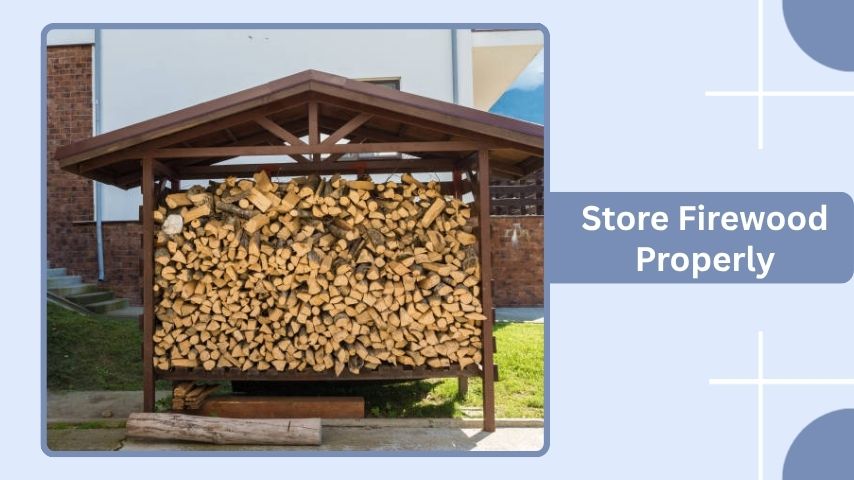
Proper firewood storage is important for preventing rats from nesting near homes and outdoor structures. Piles of wood create warm, protected spaces where rodents can hide safely from predators and bad weather. Firewood stacked directly on the ground or against walls makes it easier for rats to move close to buildings. Organized and elevated wood storage helps reduce shelter opportunities and lowers the risk of rodent infestations.
Firewood Storage Problems That Attract Rats
- Wood stacked against walls
- Damp wood piles
- Unused lumber piles
- Ground-level storage
- Cluttered shed corners
- Leaf buildup around firewood
Why Rats Hide in Wood Piles
Wood piles provide warmth, darkness, and protection that rats naturally seek for nesting. The spaces between logs create hidden tunnels where rodents can move safely without being noticed. Nearby insects, fallen seeds, and outdoor food scraps may also attract rats to these sheltered areas.
Best Ways to Store Firewood
Firewood should be stacked neatly above ground using racks or pallets to reduce hiding spaces underneath. Keeping wood at least several feet away from buildings also helps prevent rats from moving directly toward homes. Dry and organized storage conditions make the area less attractive for nesting rodents.
How Proper Storage Supports Rat Prevention
Well-maintained firewood storage reduces shelter opportunities and improves visibility around outdoor spaces. Regularly inspecting wood piles for droppings, nests, or chewing signs can help detect rodent activity early. Combined with yard cleanup and trash control, proper firewood storage strengthens overall rat prevention efforts.
7. Use Rat-Proof Containers
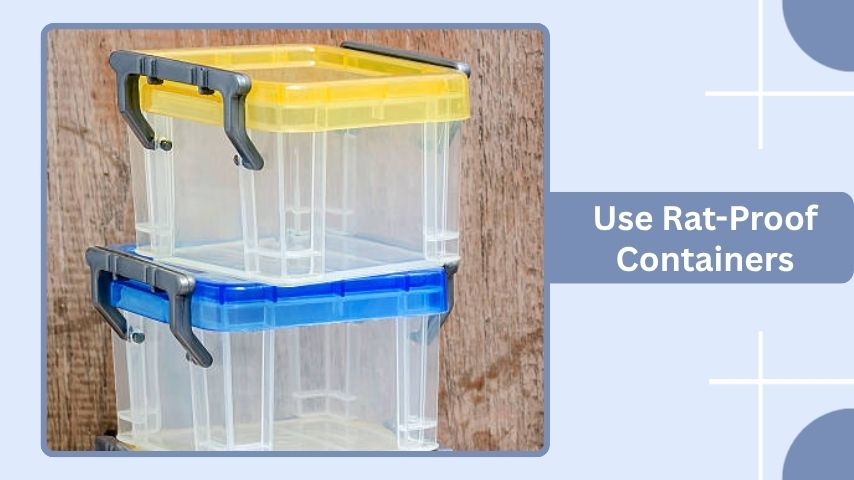
Using rat-proof containers is one of the best ways to protect food, animal feed, and stored items from rodent damage. Rats can chew through cardboard, soft plastic, and thin packaging with ease. Strong containers help block access to food sources while also reducing odors that attract rodents. Proper storage is especially important in garages, sheds, kitchens, barns, and outdoor storage areas where rats often search for food and nesting materials.
Items Rats Commonly Damage in Storage
- Pet food bags
- Bird seed containers
- Grain storage bags
- Cardboard boxes
- Garbage bags
- Dry food packaging
Why Weak Containers Attract Rats
Rats are excellent chewers with strong teeth capable of breaking through many common storage materials. Once rodents smell food or detect nesting materials inside weak containers, they may repeatedly return to chew openings and gain access. Damaged storage areas can quickly become feeding and nesting sites for growing rat populations.
Best Rat-Proof Storage Materials
Metal containers, thick plastic bins, and glass storage jars provide strong protection against rodents. Airtight lids also help trap food odors that might otherwise attract rats. Heavy-duty storage bins with secure locking lids are especially useful for garages, sheds, and outdoor spaces.
How Proper Storage Prevents Infestations
Rat-proof containers remove easy food access and help keep storage areas cleaner and more organized. When combined with regular inspections and proper sanitation, secure storage greatly reduces the chances of rats surviving near homes or buildings. Organized storage also makes it easier to notice early signs of rodent activity before infestations become serious.
8. Trim Trees and Shrubs

Trimming trees and shrubs helps reduce rat activity by removing hidden travel routes and nesting areas around homes. Overgrown branches and dense vegetation allow rats to move safely between outdoor spaces and buildings without being noticed. Trees touching roofs or walls can also provide direct access to attics and upper structures. Regular landscaping maintenance makes outdoor environments less attractive and less accessible to rodents.
Vegetation Areas That Attract Rats
- Overgrown tree branches
- Dense shrubs near walls
- Ivy-covered structures
- Thick hedge lines
- Untrimmed garden plants
- Tree limbs touching roofs
Why Rats Use Trees and Shrubs
Rats often use vegetation for protection while traveling between feeding and nesting areas. Thick shrubs and low tree branches help them hide from predators and move safely around properties. Branches touching buildings can act like bridges that allow rodents to enter roofs, attics, and wall spaces more easily.
Best Tree and Shrub Maintenance Practices
Trees and shrubs should be trimmed regularly to create open space around buildings. Branches hanging over roofs or windows should be cut back whenever possible. Keeping vegetation neat and spaced away from walls improves visibility and removes sheltered pathways commonly used by rats.
How Landscaping Helps Prevent Rats
Well-maintained landscaping reduces hiding spots and limits easy access routes to homes. Combined with yard cleanup and sealed entry points, trimming vegetation creates a less secure environment for rodents. Routine outdoor inspections also help identify nesting activity before infestations become more serious.
9. Clean Cluttered Areas

Cleaning cluttered areas is an important rat prevention method because rodents prefer hidden and undisturbed spaces for nesting. Piles of boxes, unused items, and scattered materials provide warmth, protection, and easy shelter for rats. Cluttered garages, basements, attics, and storage rooms often become ideal hiding places where rodents can live without being noticed for long periods.
Cluttered Areas Rats Commonly Use
- Packed storage rooms
- Cluttered garages
- Basement corners
- Attic storage piles
- Unused furniture areas
- Stacked cardboard boxes
Why Rats Prefer Cluttered Spaces
Rats feel safer in dark and crowded environments where predators and people rarely disturb them. Clutter also provides nesting materials such as paper, fabric, and insulation. Once rodents settle into hidden spaces, they may reproduce quickly and spread throughout nearby areas.
Best Ways to Reduce Indoor Clutter
Organizing storage areas and removing unnecessary items helps reduce hiding places for rats. Items should be stored neatly in sealed containers instead of cardboard boxes whenever possible. Keeping floors clear and regularly cleaning unused spaces improves visibility and makes rodent activity easier to detect.
How Clean Spaces Help Prevent Rats
Clean and organized areas make it harder for rats to hide and build nests. Regular inspections become easier when clutter is removed, allowing early signs of infestation to be spotted quickly. Combined with proper food storage and sealed entry points, clutter control greatly strengthens overall rodent prevention efforts.
10. Install Door Sweeps

Installing door sweeps is an effective way to block rats from entering homes through gaps beneath doors. Even small openings near entryways can provide enough space for rodents to squeeze inside. Exterior doors, garage doors, and basement entrances are especially common access points. Properly fitted door sweeps help create a tighter seal and reduce easy indoor entry opportunities for rats and other pests.
Doors Rats Commonly Use for Entry
- Garage doors
- Basement entrances
- Back doors
- Storage shed doors
- Sliding doors
- Exterior utility doors
Why Gaps Under Doors Attract Rats
Rats naturally search for small openings that provide access to food, water, and shelter indoors. Gaps beneath doors are especially attractive because they are easy to reach and often remain unnoticed. Warm indoor temperatures and nearby food smells can encourage rodents to repeatedly investigate these entry points.
Best Types of Door Sweeps
Heavy-duty rubber, metal, or brush-style door sweeps provide the best protection against rats. Durable materials help resist chewing and maintain a tight seal over time. Door sweeps should fit closely against the floor without leaving spaces where rodents can pass through.
How Door Sweeps Improve Rodent Prevention
Proper door seals help stop rats before they enter indoor spaces where infestations can grow quickly. Regularly checking door sweeps for wear or damage ensures continued protection. Combined with sealed walls and proper sanitation, door sweeps strengthen overall home defense against rodents.
11. Use Traps and Monitoring
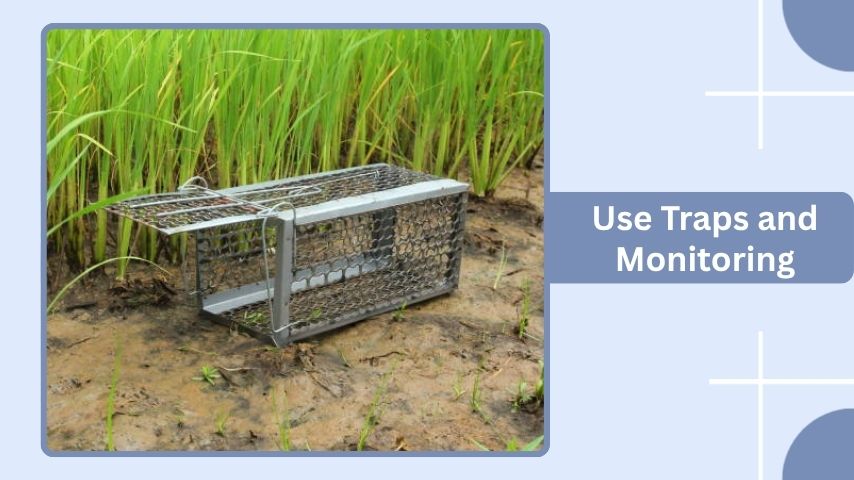
Using traps and monitoring systems helps detect rat activity early before infestations become severe. Traps are useful for controlling small rodent problems and identifying areas where rats frequently travel. Regular monitoring also helps homeowners understand whether prevention methods are working effectively. Combining traps with sanitation and entry-point sealing provides stronger long-term rat control around homes and buildings.
Common Types of Rat Traps
- Snap traps
- Live traps
- Electronic traps
- Glue traps
- Bait stations
- Multiple-catch traps
Why Monitoring Is Important
Monitoring helps identify rat activity before populations increase. Droppings, gnaw marks, scratching sounds, and trap activity can reveal hidden infestations early. Regular checks around kitchens, garages, attics, and outdoor spaces make it easier to respond quickly before rats spread further through a property.
Best Locations for Trap Placement
Traps work best when placed along walls, behind appliances, near nesting areas, and beside common travel routes. Rats usually move close to edges and hidden pathways rather than open spaces. Proper trap placement increases effectiveness and improves early detection of rodent activity.
How Traps Support Long-Term Prevention
Traps help reduce existing rat populations while also showing whether prevention efforts are successful. Frequent inspections and maintenance prevent unnoticed infestations from growing larger over time. Combined with sealing entry points and removing food sources, monitoring systems strengthen overall rodent prevention strategies.
12. Maintain Regular Home Inspections

Regular home inspections are one of the best long-term rat prevention methods because they help identify problems before infestations grow. Small signs of rodent activity are often easy to miss until damage becomes serious. Routine inspections allow homeowners to find entry points, nesting areas, leaks, and food sources early. Consistent checks around both indoor and outdoor spaces greatly improve overall rodent control and home protection.
Areas That Should Be Inspected Regularly
- Attics and basements
- Garages and storage rooms
- Kitchen cabinets and pantries
- Roof edges and vents
- Crawl spaces
- Outdoor sheds and fences
Signs of Rat Activity to Watch For
Rats often leave behind visible evidence such as droppings, gnaw marks, greasy rub marks, and shredded nesting materials. Scratching sounds inside walls or ceilings may also indicate rodent movement. Early detection is important because rat populations can increase rapidly if left untreated.
Best Times to Inspect Your Property
Seasonal inspections are especially important during colder months when rats search for indoor shelter. Monthly outdoor inspections and regular indoor checks help spot developing issues early. Areas near food storage, water sources, and clutter should receive extra attention during inspections.
How Routine Inspections Prevent Infestations
Regular inspections help homeowners respond quickly before rats establish nests and reproduce indoors. Finding small cracks, leaks, or sanitation problems early reduces the chance of larger infestations later. Combined with proper cleaning, food storage, and sealing methods, inspections provide strong long-term protection against rodents.
FAQs
What is the best way to prevent rats from entering a home?
Sealing entry points is one of the best ways to prevent rats from entering a home. Blocking gaps around doors, pipes, vents, and walls helps stop rodents before they gain access to food, water, and shelter indoors.
What smells keep rats away naturally?
Strong smells such as peppermint oil, ammonia, vinegar, and certain cleaning products may discourage rats temporarily. However, natural scents alone are usually not enough for long-term prevention without proper sanitation and sealing methods.
How often should homes be checked for rats?
Homes should be inspected regularly, especially during colder seasons when rats seek indoor shelter. Monthly inspections around kitchens, attics, basements, garages, and outdoor areas help detect early signs of rodent activity before infestations become serious.
Can rats climb walls and trees?
Yes, rats are excellent climbers and can easily climb rough walls, pipes, trees, fences, and branches. Overhanging trees and vegetation touching buildings often provide rats with easy access to roofs and attic spaces.
What attracts rats to a property the most?
Food, water, shelter, and clutter are the biggest attractions for rats. Open garbage, pet food, standing water, overgrown vegetation, and unsealed entry points create ideal conditions for rodents to survive and reproduce near homes and buildings.