
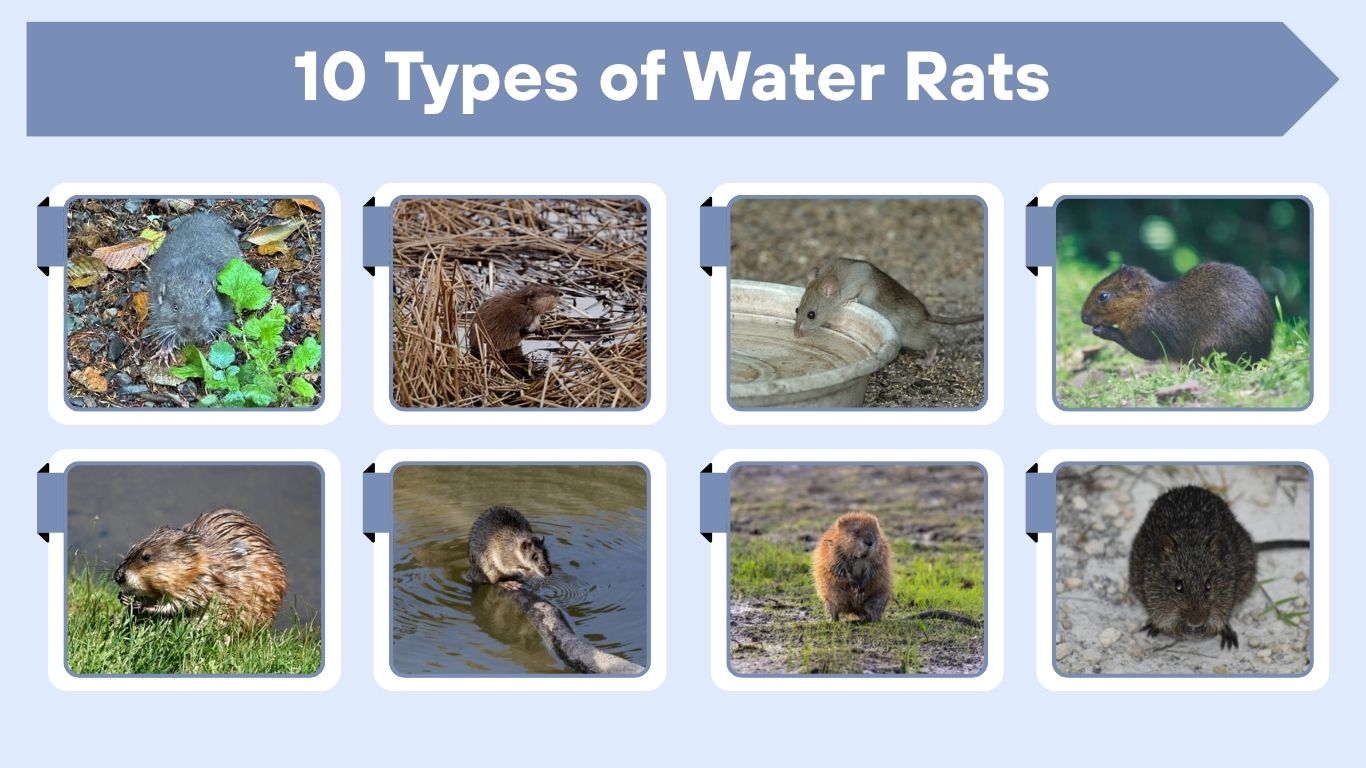
Water rats are semi-aquatic rodents found in freshwater habitats across Europe, Asia, Africa, Australia, and the Americas. They are highly adapted to rivers, streams, lakes, and marshes, using strong limbs, partially webbed feet, and long tails for swimming and diving. Nocturnal by nature, these rodents play a vital role in ecosystems by feeding on aquatic plants, invertebrates, and small fish while serving as prey for birds, snakes, and small carnivores. This guide explores 10 notable water rat species, detailing their identification, habitat, behavior, diet, and lifespan.
1. European Water Rat
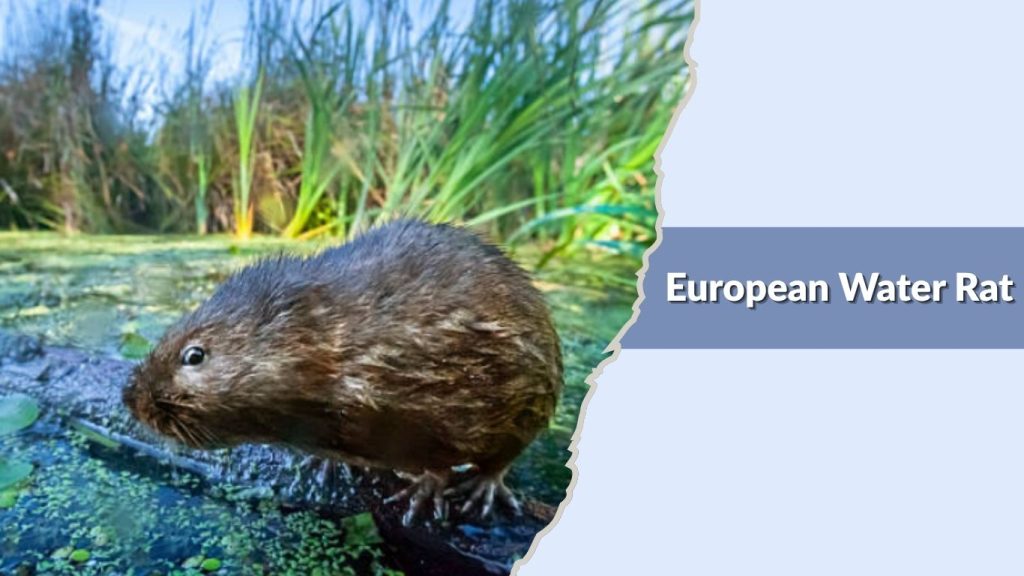
The European Water Rat (Arvicola amphibius) is a semi-aquatic rodent found throughout Europe and parts of Asia. It is highly adapted to freshwater habitats such as rivers, streams, lakes, and marshes. This nocturnal species plays an important ecological role by feeding on aquatic plants, invertebrates, and small fish while serving as prey for birds of prey, foxes, and other carnivores. Its burrowing and foraging behavior also helps shape wetland ecosystems and contributes to the dispersal of plant seeds.
Identification
- Fur: dense brown or gray with a lighter underside
- Medium-sized rodent with a rounded body
- Long, scaly tail for balance in water and on land
- Small, rounded ears and dark eyes
- Partially webbed hind feet for swimming
Habitat and Distribution
European Water Rats inhabit freshwater ecosystems, including rivers, streams, lakes, and marshes across Europe and parts of western Asia. They prefer areas with abundant vegetation for cover and food and dig burrows in riverbanks or dense plant growth. Their burrows provide shelter from predators and protection during floods.
Behavior and Diet
Primarily nocturnal, European Water Rats feed on aquatic plants, roots, stems, invertebrates, and occasionally small fish. They are excellent swimmers and divers, foraging both in water and along banks. They are mostly solitary outside the breeding season, and their burrows often contain multiple entrances to escape threats.
Lifespan
In the wild, European Water Rats typically live 1–2 years, though predation and environmental conditions can reduce survival. In captivity, they may live slightly longer under controlled conditions with stable food and shelter.
2. American Water Rat

The American Water Rat (Nectomys spp.) is a semi-aquatic rodent native to Central and South America. It is highly adapted to freshwater habitats such as rivers, streams, swamps, and marshes. This nocturnal species plays a key ecological role by feeding on aquatic plants, invertebrates, and small fish, while serving as prey for snakes, birds of prey, and small carnivores. Their burrowing behavior along riverbanks also helps stabilize soil and contributes to wetland ecosystem health.
Identification
- Fur: dark brown to gray with lighter underparts
- Medium-sized, stocky body
- Long, partially scaly tail for swimming and balance
- Small rounded ears and dark eyes
- Webbed or partially webbed hind feet for aquatic movement
Habitat and Distribution
American Water Rats inhabit rivers, streams, swamps, and marshes across Central and South America, including countries like Brazil, Colombia, and Panama. They prefer areas with dense aquatic vegetation and soft soil for digging burrows near water sources, providing shelter and protection.
Behavior and Diet
Primarily nocturnal, they feed on seeds, aquatic plants, invertebrates, and small fish. They are skilled swimmers and divers, foraging in water and along the banks. Mostly solitary outside of mating periods, they use burrows for shelter, food storage, and protection from predators.
Lifespan
In the wild, American Water Rats typically live 1–3 years. Predation, flooding, and availability of food affect survival, while captive individuals may live slightly longer under controlled conditions.
3. African Water Rat
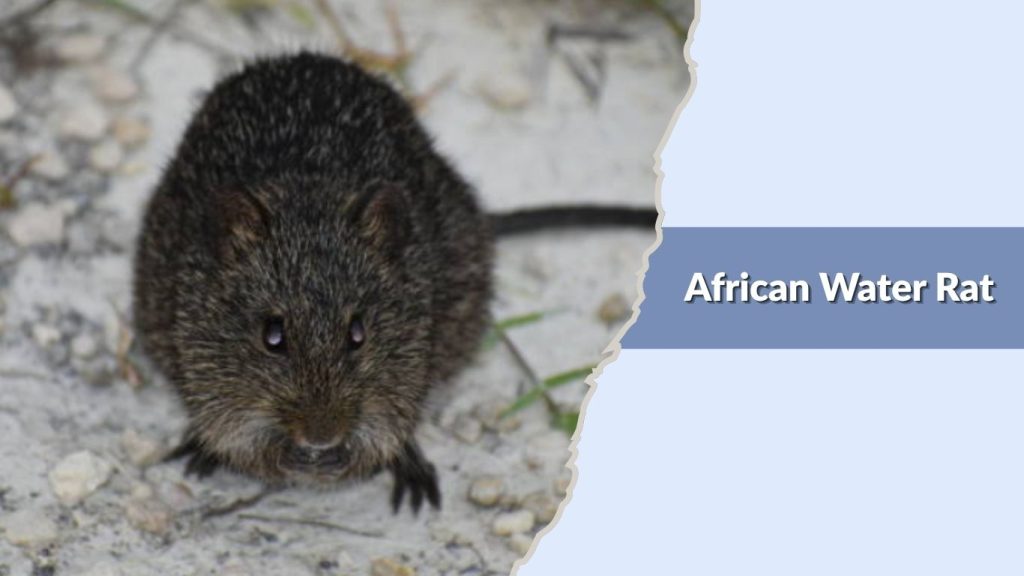
The African Water Rat (Colomys goslingi) is a small, semi-aquatic rodent native to Central and West Africa. It is highly adapted to rivers, streams, and marshes within rainforest and savanna regions. This nocturnal species plays an important ecological role by feeding on aquatic invertebrates and small fish, while serving as prey for snakes, birds, and small carnivores. Its burrowing and foraging behaviors also help maintain the structure and nutrient flow of freshwater ecosystems.
Identification
- Fur: dark brown to black on the back, lighter underparts
- Slender, elongated body for swimming
- Long, scaly tail for balance and propulsion in water
- Small rounded ears and sharp, dark eyes
- Partially webbed hind feet for swimming
Habitat and Distribution
African Water Rats are found along rivers, streams, swamps, and wetlands across Central and West African countries, including Cameroon, Gabon, and the Democratic Republic of Congo. They prefer densely vegetated aquatic areas with soft banks suitable for burrowing.
Behavior and Diet
Primarily nocturnal, they feed on aquatic invertebrates, small fish, and occasionally seeds. They are strong swimmers and divers, often foraging both in water and along riverbanks. They tend to be solitary and use burrows or natural shelters for protection and food storage.
Lifespan
In the wild, African Water Rats typically live 1–3 years. Predation, seasonal flooding, and food availability influence survival, while captive individuals may live slightly longer under controlled conditions.
4. Australian Water Rat
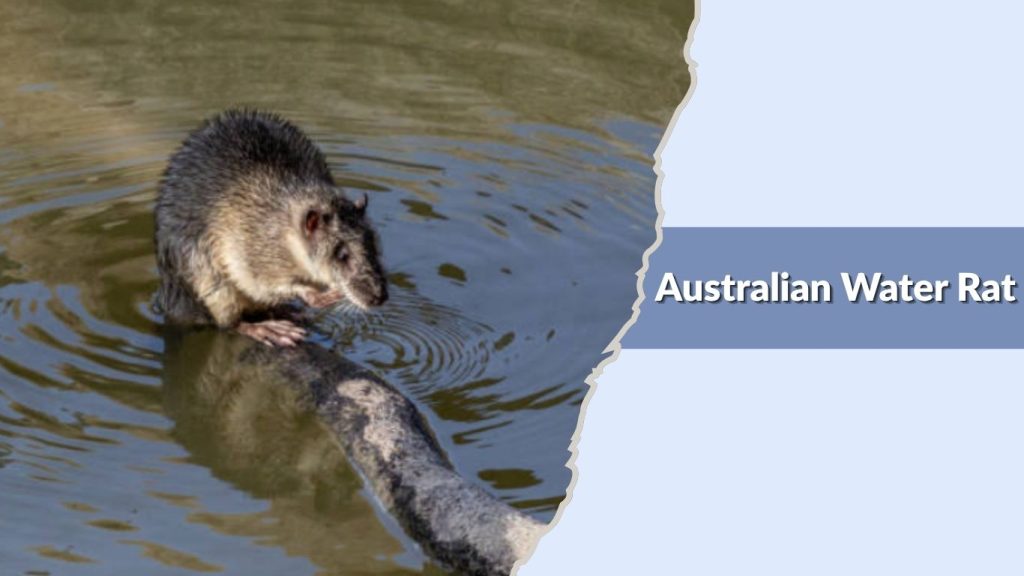
The Australian Water Rat (Hydromys chrysogaster), also known as the rakali, is a large semi-aquatic rodent native to Australia and parts of New Guinea. It is highly adapted to freshwater habitats such as rivers, lakes, swamps, and wetlands. Known for its swimming ability and nocturnal habits, it plays a crucial ecological role by feeding on aquatic animals and plants while serving as prey for larger predators, including snakes, birds of prey, and introduced carnivores.
Identification
- Fur: dense dark brown to black with a lighter belly
- Large, stocky body compared to other water rats
- Flattened, scaly tail for propulsion in water
- Webbed hind feet for swimming
- Small, rounded ears and sharp eyes
Habitat and Distribution
Australian Water Rats are found across freshwater ecosystems in Australia, including rivers, lakes, swamps, and estuaries, as well as parts of New Guinea. They prefer areas with abundant aquatic vegetation for cover and prey. Burrows are dug into riverbanks or beneath rocks for shelter and protection.
Behavior and Diet
Primarily nocturnal, Australian Water Rats feed on fish, crustaceans, insects, and aquatic plants. They are excellent swimmers and divers, capable of hunting underwater. Mostly solitary, they maintain territories and use burrows for shelter, food storage, and breeding.
Lifespan
In the wild, Australian Water Rats typically live 2–3 years. Predation, flooding, and food availability affect survival, while captive individuals may live slightly longer under controlled conditions.
5. Giant Water Rat
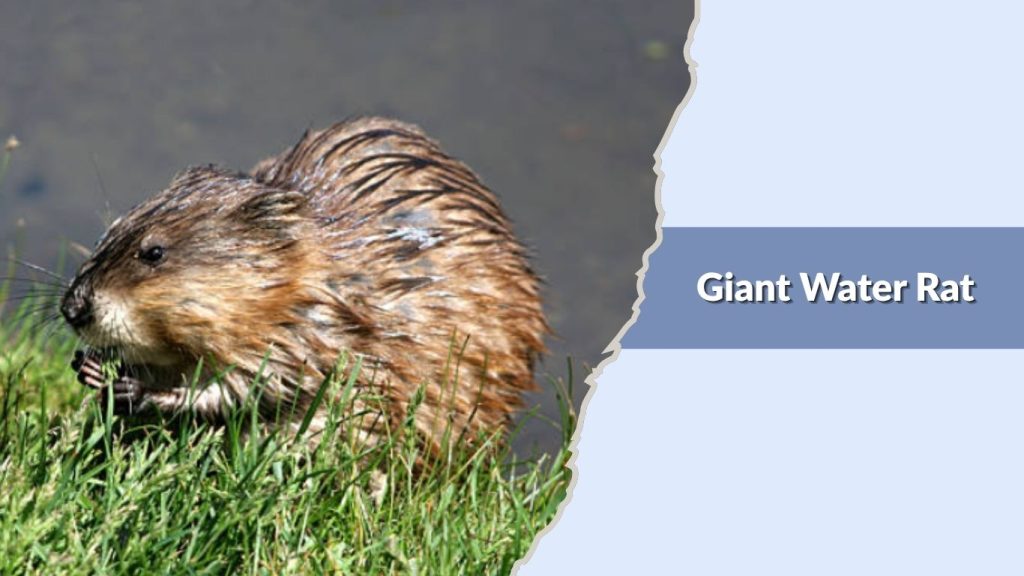
The Giant Water Rat (Hydromys habbema) is a large, semi-aquatic rodent native to the highland freshwater ecosystems of New Guinea. It is highly adapted to rivers, lakes, and swampy areas, using its strong limbs and partially webbed feet for swimming and diving. This nocturnal species plays a key ecological role by feeding on fish, aquatic invertebrates, and plant material, while serving as prey for larger predators. Its burrowing behavior helps stabilize riverbanks and maintain wetland habitats.
Identification
- Fur: dense dark brown to black with a lighter underbelly
- Large, robust body
- Long, flattened tail aiding in swimming
- Partially webbed hind feet for propulsion in water
- Small, rounded ears and sharp eyes
Habitat and Distribution
Giant Water Rats inhabit highland rivers, lakes, and swamps across New Guinea. They prefer areas with abundant aquatic vegetation and soft riverbanks suitable for digging burrows, which provide protection from predators and environmental extremes.
Behavior and Diet
Primarily nocturnal, they feed on fish, aquatic invertebrates, and plant material. They are excellent swimmers and divers, foraging in water and along riverbanks. Mostly solitary, they use burrows for shelter, food storage, and breeding.
Lifespan
In the wild, Giant Water Rats typically live 2–4 years. Predation, seasonal flooding, and food availability influence survival, while captive individuals may live slightly longer.
6. Malaysian Water Rat
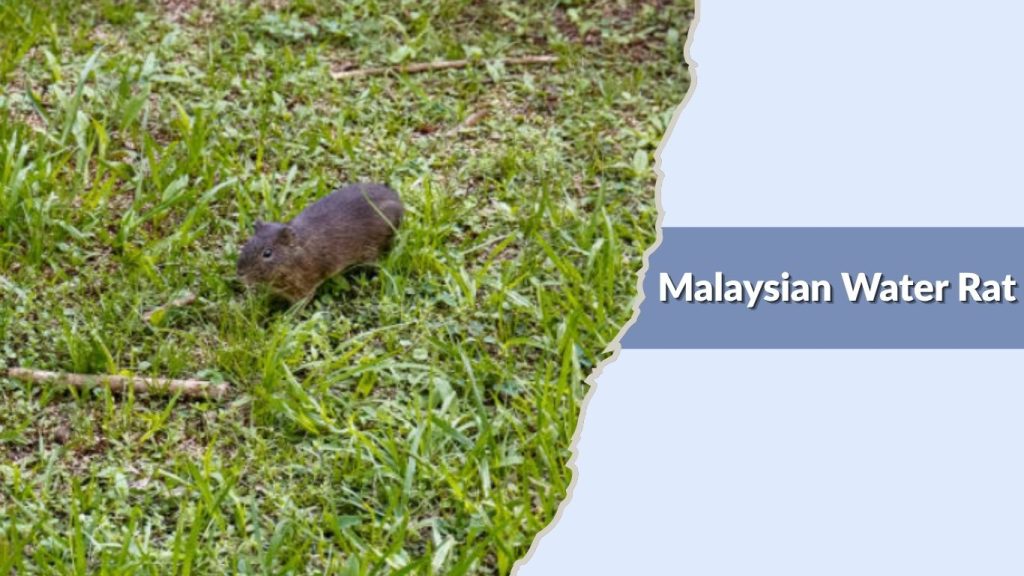
The Malaysian Water Rat (Nectomys grandis) is a semi-aquatic rodent native to freshwater ecosystems in Malaysia and surrounding Southeast Asian regions. It is adapted to rivers, streams, and wetlands, where it forages for aquatic plants, insects, and small fish. Nocturnal in behavior, this species is important in wetland ecosystems, both as a predator of aquatic invertebrates and as prey for snakes, birds of prey, and small carnivores.
Identification
- Fur: dark brown to gray on the back, lighter underparts
- Medium-sized, stocky body
- Long, scaly tail for swimming and balance
- Rounded ears and dark eyes
- Partially webbed hind feet for swimming
Habitat and Distribution
Malaysian Water Rats are found along rivers, streams, and wetlands in Malaysia, Thailand, and parts of Indonesia. They prefer areas with dense aquatic vegetation and soft riverbanks for burrow construction, which provides shelter and protection from predators.
Behavior and Diet
Nocturnal and mostly solitary, they feed on seeds, aquatic plants, insects, and small fish. Burrows serve as daytime refuges and storage areas for food. They are excellent swimmers, able to forage both in water and along riverbanks.
Lifespan
In the wild, Malaysian Water Rats typically live 1–3 years. Survival depends on predation, flooding, and availability of food, while captive individuals may live slightly longer.
7. Philippine Water Rat
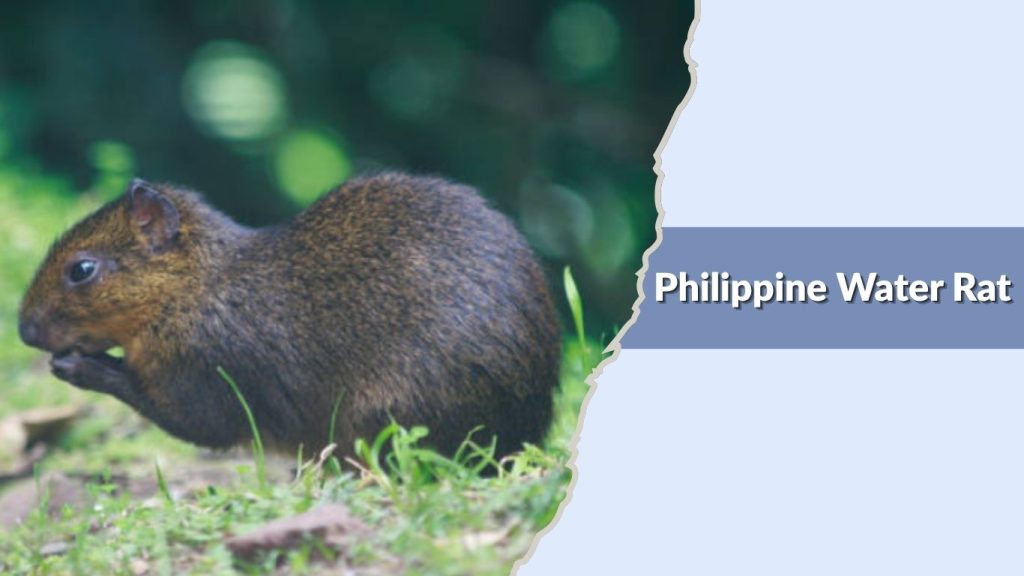
The Philippine Water Rat (Hydromys philippinensis) is a semi-aquatic rodent native to freshwater habitats across the Philippine islands. It is well-adapted to rivers, streams, and marshes, where it hunts for aquatic invertebrates, small fish, and plant material. This nocturnal species plays an important role in wetland ecosystems as both a predator and prey for snakes, birds, and small carnivores, contributing to nutrient cycling and seed dispersal.
Identification
- Fur: dark brown to black on the back, lighter belly
- Medium-sized, robust body
- Long, flattened tail for swimming
- Partially webbed hind feet
- Small, rounded ears and sharp eyes
Habitat and Distribution
Philippine Water Rats inhabit rivers, streams, marshes, and freshwater lakes throughout the Philippine islands. They prefer areas with dense aquatic vegetation and soft riverbanks for digging burrows, which provide protection from predators and extreme weather.
Behavior and Diet
Primarily nocturnal, they feed on aquatic invertebrates, small fish, and plant material. They are strong swimmers and divers, foraging both in water and along banks. Mostly solitary, they use burrows for shelter, storing food, and reproduction.
Lifespan
In the wild, Philippine Water Rats typically live 1–3 years. Predation, flooding, and food availability influence survival, while captive individuals may live slightly longer under controlled conditions.
8. Southern Water Rat
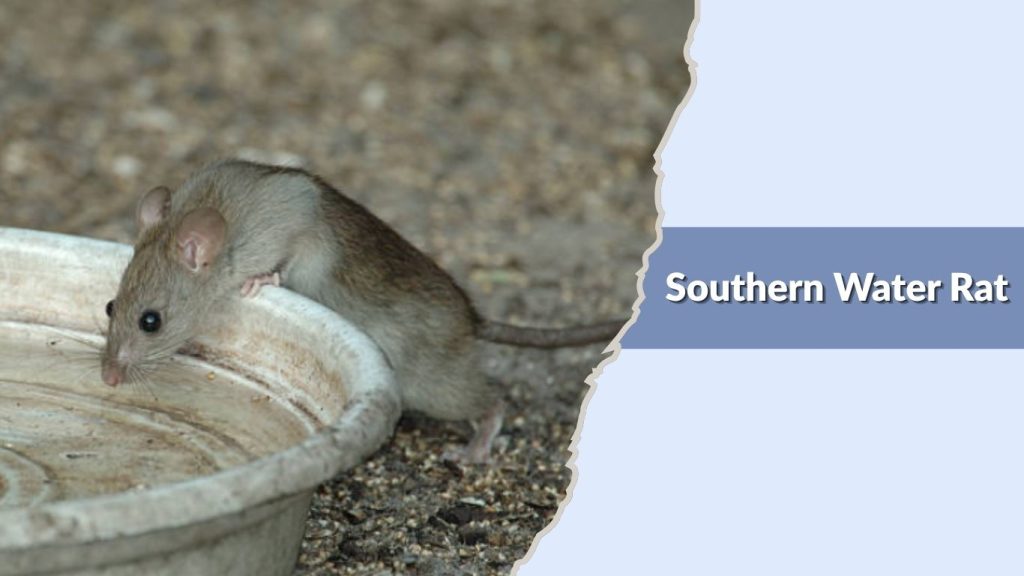
The Southern Water Rat (Nectomys squamipes) is a semi-aquatic rodent native to the freshwater ecosystems of southern Brazil and neighboring regions in South America. It is highly adapted to rivers, streams, and wetlands, using its strong limbs and partially webbed feet for swimming and diving. This nocturnal species plays a vital ecological role by feeding on aquatic plants, invertebrates, and small fish, while also serving as prey for snakes, birds, and small carnivores.
Identification
- Fur: dark brown to gray on the back, lighter underparts
- Medium-sized, stocky body
- Long, scaly tail for swimming and balance
- Rounded ears and dark eyes
- Partially webbed hind feet for aquatic locomotion
Habitat and Distribution
Southern Water Rats inhabit rivers, streams, marshes, and wetlands across southern Brazil, Uruguay, and northern Argentina. They prefer areas with dense aquatic vegetation and soft riverbanks for burrows, which offer protection from predators and environmental extremes.
Behavior and Diet
Nocturnal and mostly solitary, they feed on aquatic invertebrates, small fish, and plant material. Burrows serve as daytime refuges and storage sites for food. Their swimming and diving abilities make them highly effective foragers in aquatic habitats.
Lifespan
In the wild, Southern Water Rats typically live 1–3 years. Predation, flooding, and food availability affect survival, while captive individuals may live slightly longer under controlled conditions.
9. Marsh Water Rat
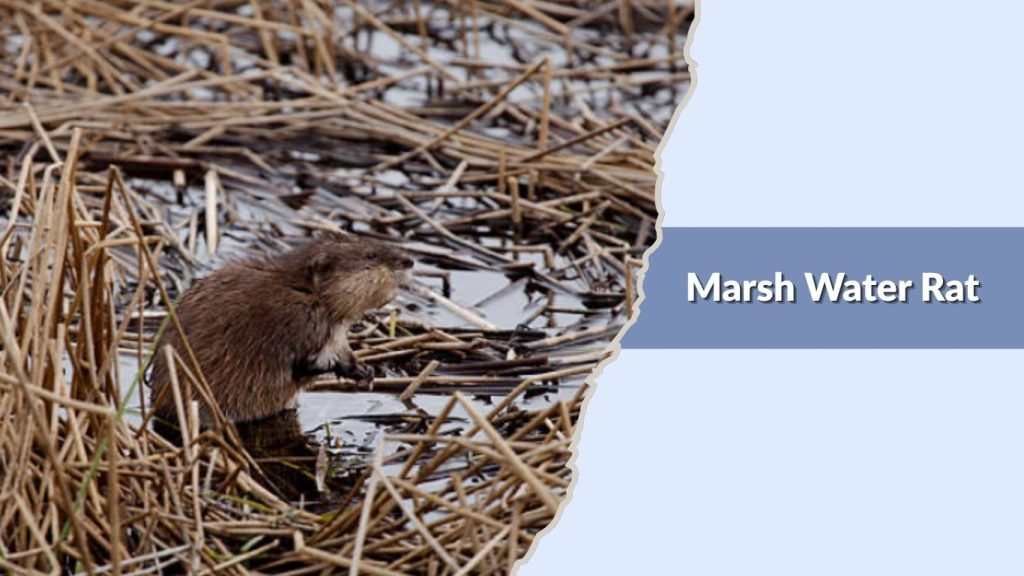
The Marsh Water Rat (Arvicola sapidus) is a semi-aquatic rodent native to wetland habitats in Europe, particularly in marshes, swamps, and river valleys. It is highly adapted to life in water, using its partially webbed feet and strong swimming abilities to forage for aquatic plants, invertebrates, and small fish. This nocturnal species plays an important ecological role by dispersing seeds, maintaining wetland vegetation, and serving as prey for birds, snakes, and small mammals.
Identification
- Fur: brown to gray on the back, lighter underparts
- Medium-sized body with a rounded profile
- Long, scaly tail for swimming and balance
- Partially webbed hind feet for aquatic movement
- Small, rounded ears and dark eyes
Habitat and Distribution
Marsh Water Rats inhabit freshwater wetlands, marshes, riverbanks, and swamps across Europe, including France, Spain, and the UK. They prefer areas with dense aquatic vegetation and soft banks for digging burrows, which provide shelter and protection from predators.
Behavior and Diet
Primarily nocturnal, they feed on aquatic plants, roots, invertebrates, and small fish. They are proficient swimmers and divers, foraging both in water and along banks. Mostly solitary outside breeding periods, they use burrows for shelter, food storage, and raising young.
Lifespan
In the wild, Marsh Water Rats typically live 1–3 years. Predation, seasonal flooding, and food availability influence survival, while captive individuals may live slightly longer under controlled conditions.
10. Montane Water Rat

The Montane Water Rat (Paraleptomys rufilatus) is a semi-aquatic rodent native to high-altitude freshwater habitats in New Guinea. It is well-adapted to rivers, streams, and marshy areas in mountainous regions, using its strong limbs and swimming abilities to navigate water and rocky terrain. This nocturnal species plays an important ecological role by feeding on aquatic invertebrates and small fish while serving as prey for owls, snakes, and small carnivores.
Identification
- Fur: reddish-brown to gray on the back, lighter underparts
- Medium-sized, slender body
- Long, partially flattened tail for balance and swimming
- Partially webbed hind feet for aquatic movement
- Small, rounded ears and sharp eyes
Habitat and Distribution
Montane Water Rats inhabit rivers, streams, and marshes at higher elevations in New Guinea. They prefer areas with dense aquatic vegetation and soft soil along banks for burrows, which provide shelter from predators and environmental extremes.
Behavior and Diet
Primarily nocturnal, they feed on aquatic invertebrates, small fish, and plant material. They are strong swimmers and divers, foraging both in water and along banks. Generally solitary, they use burrows for shelter, food storage, and breeding.
Lifespan
In the wild, Montane Water Rats typically live 1–3 years. Predation, flooding, and food availability influence survival, while captive individuals may live slightly longer under controlled conditions.
FAQs
What is the primary habitat of water rats?
Water rats inhabit rivers, streams, lakes, marshes, and wetlands. They prefer areas with dense aquatic vegetation and soft riverbanks, which allow them to dig burrows for shelter and protection from predators.
Are water rats nocturnal or diurnal?
Most water rat species are nocturnal. They are active at night to forage for aquatic plants, invertebrates, and small fish, avoiding daytime predators and extreme environmental conditions.
What do water rats eat?
Water rats are omnivorous. Their diet includes aquatic plants, seeds, roots, invertebrates, and small fish. Many species store food in burrows to survive periods of scarcity.
How long do water rats live?
In the wild, water rats generally live 1–3 years, depending on species, predation, and food availability. Captive individuals may live slightly longer under controlled conditions with consistent food and shelter.
How are water rats adapted to aquatic life?
Water rats have partially webbed hind feet, strong limbs, and long tails to aid swimming and diving. Their dense fur helps insulate against cold water, and they are skilled at foraging both in water and along riverbanks.