
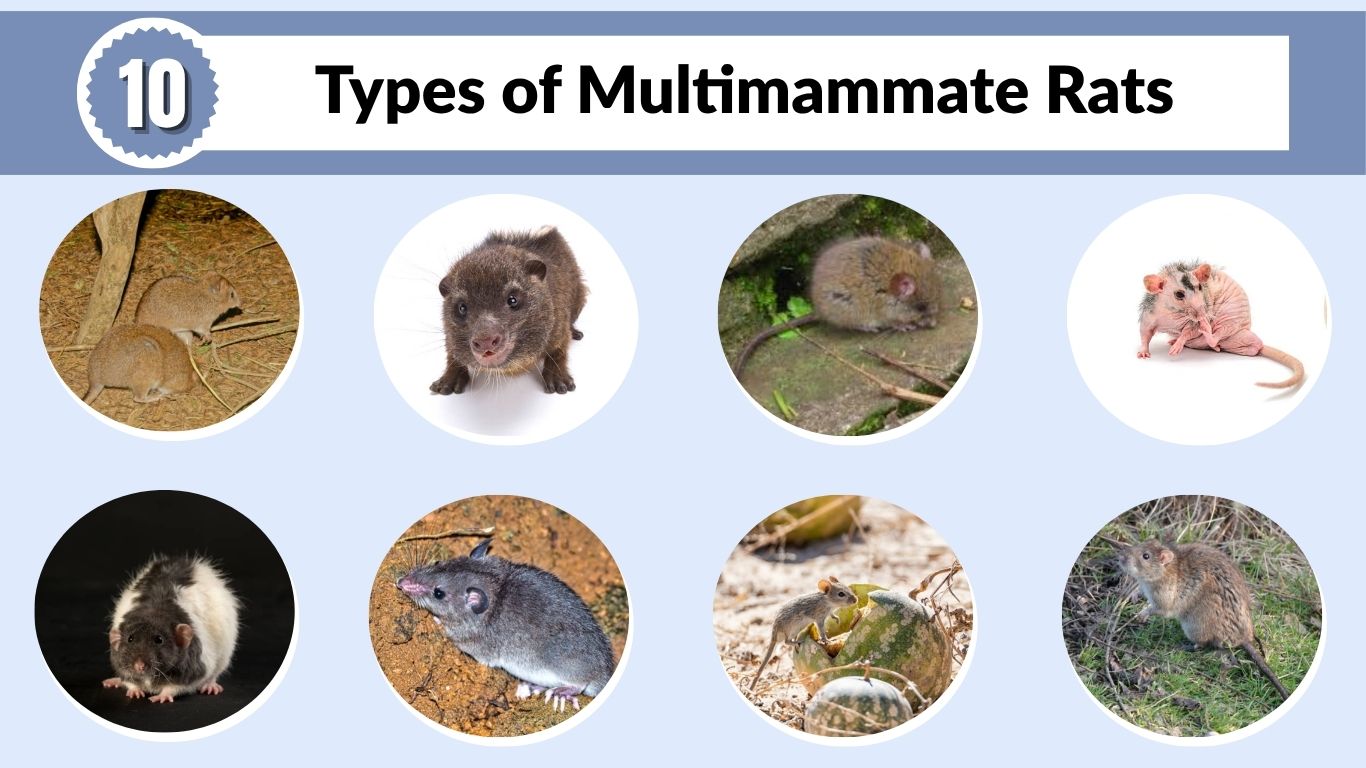
Multimammate rats are highly adaptable rodents native to Africa, known for their remarkable reproductive capacity and ability to thrive in diverse habitats. Found in grasslands, savannas, agricultural fields, and even human settlements, these nocturnal creatures play a vital ecological role by dispersing seeds and serving as prey for snakes, birds, and small carnivores. This guide explores 10 notable multimammate rat species, detailing their identification, habitat, behavior, diet, and lifespan, providing a comprehensive overview of these prolific and resilient African rodents.
1. Natal Multimammate Rat
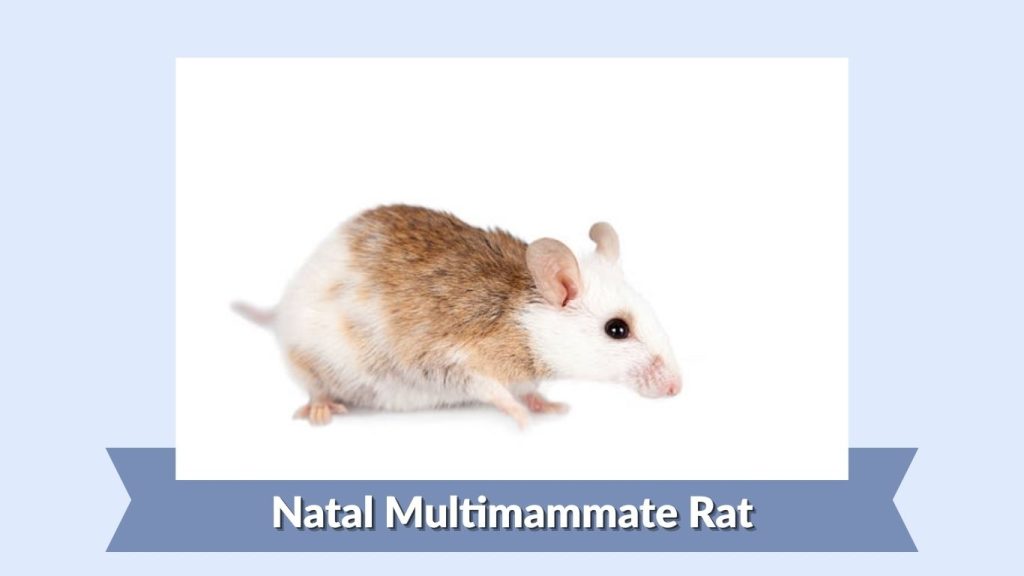
The Natal Multimammate Rat (Mastomys natalensis) is a widespread rodent species native to southern Africa. It is highly adaptable to various habitats, including grasslands, savannas, farmlands, and human settlements. Known for its remarkable reproductive capacity, it plays a significant ecological role by dispersing seeds and serving as prey for snakes, birds of prey, and small carnivores. This species is also studied for its role in transmitting certain diseases, such as Lassa fever in related regions.
Identification
- Fur: brownish-gray with lighter underparts
- Medium-sized rodent with a robust body
- Long, scaly tail approximately equal to body length
- Small rounded ears and dark eyes
- Multiple pairs of mammary glands (hence “multimammate”)
Habitat and Distribution
Natal Multimammate Rats inhabit savannas, grasslands, croplands, and suburban areas across southern Africa, including South Africa, Zimbabwe, Mozambique, and Zambia. They prefer areas with dense ground cover or vegetation near food sources and water. Burrows are often dug under rocks, grass, or crop fields, providing shelter from predators and environmental extremes.
Behavior and Diet
Primarily nocturnal, they feed on seeds, grains, fruits, and occasionally insects. Natal Multimammate Rats are highly social, often living in large colonies with complex burrow systems. They are known for their high fertility, capable of producing multiple litters per year, making them prolific breeders in suitable habitats.
Lifespan
In the wild, Natal Multimammate Rats typically live 1–3 years. Predation, food availability, and environmental conditions influence survival. In captivity, they may live slightly longer under controlled conditions.
2. Western Multimammate Rat
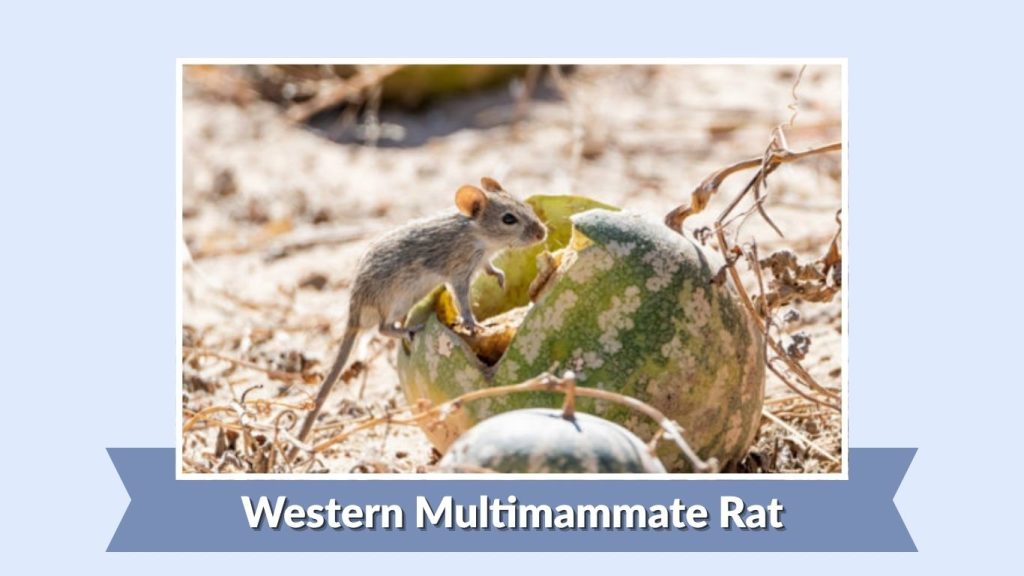
The Western Multimammate Rat (Mastomys erythroleucus) is a rodent species native to West Africa, known for its adaptability to both natural and human-modified environments. It inhabits savannas, grasslands, agricultural fields, and even urban areas. This species plays a crucial ecological role by dispersing seeds and serving as prey for snakes, birds of prey, and small carnivores. It is also studied for its potential as a disease reservoir in certain regions.
Identification
- Fur: reddish-brown to gray on the back, lighter underparts
- Medium-sized body with a long scaly tail
- Rounded ears and dark eyes
- Multiple pairs of mammary glands
- Robust limbs for digging and climbing
Habitat and Distribution
Western Multimammate Rats are found across West African countries, including Ghana, Nigeria, Senegal, and Côte d’Ivoire. They thrive in grasslands, farmlands, and near human settlements. These rats dig burrows or occupy natural shelters under rocks and vegetation, providing protection from predators and harsh weather.
Behavior and Diet
Nocturnal and social, they feed on seeds, grains, fruits, and insects. They live in colonies with complex burrow systems and exhibit high reproductive rates, producing multiple litters per year. Their social structure and foraging behavior help them survive in diverse habitats.
Lifespan
In the wild, Western Multimammate Rats live about 1–2 years. Survival depends on predation, food availability, and environmental conditions, while captive individuals may live slightly longer.
3. Southern Multimammate Rat
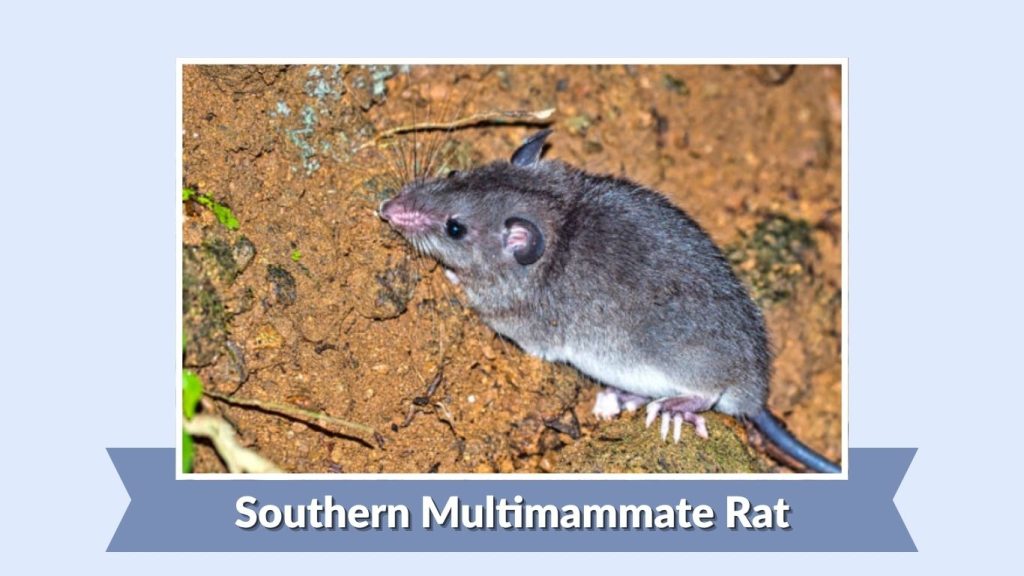
The Southern Multimammate Rat (Mastomys coucha) is a widely distributed rodent native to southern Africa. It is highly adaptable to grasslands, savannas, agricultural fields, and human settlements. Known for its prolific breeding, it serves an important ecological role by dispersing seeds and acting as prey for birds, snakes, and small carnivores. Additionally, this species is used extensively in research due to its susceptibility to certain pathogens and its reproductive biology.
Identification
- Fur: brownish-gray on the back, lighter underparts
- Medium-sized, robust body
- Long scaly tail approximately equal to body length
- Rounded ears and dark eyes
- Multiple pairs of mammary glands for high reproductive capacity
Habitat and Distribution
Southern Multimammate Rats inhabit grasslands, savannas, farmlands, and suburban areas across South Africa, Namibia, Botswana, and Zimbabwe. They prefer areas with dense ground cover, crop fields, or natural vegetation. Burrows or natural shelters are used for protection from predators and extreme environmental conditions.
Behavior and Diet
Primarily nocturnal, they feed on seeds, grains, fruits, and occasionally insects. These rats are social and live in colonies with complex burrow systems. Their high fertility allows them to produce several litters per year, making them highly abundant where conditions are favorable.
Lifespan
In the wild, Southern Multimammate Rats typically live 1–3 years. Predation, food availability, and environmental conditions affect survival. Captive individuals may live slightly longer under controlled conditions.
4. Eastern Multimammate Rat
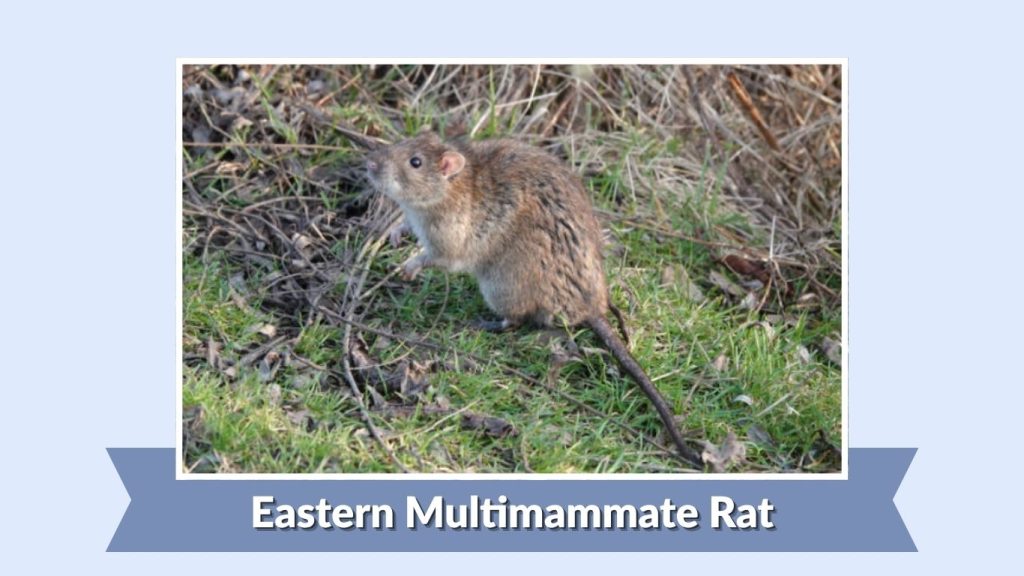
The Eastern Multimammate Rat (Mastomys awashensis) is a rodent species native to eastern Africa, including Ethiopia, Kenya, and Tanzania. It is highly adaptable, inhabiting grasslands, savannas, agricultural fields, and human settlements. This nocturnal species plays a key ecological role by dispersing seeds and serving as prey for snakes, owls, and small carnivores. It is also of interest in research due to its reproductive biology and potential to carry zoonotic diseases.
Identification
- Fur: light brown to gray on the back, lighter underparts
- Medium-sized body with a long, scaly tail
- Rounded ears and dark, alert eyes
- Multiple pairs of mammary glands
- Strong forelimbs for digging and handling food
Habitat and Distribution
Eastern Multimammate Rats are found across Ethiopia, Kenya, and Tanzania. They thrive in grasslands, cultivated fields, and semi-urban areas. Burrows are dug in loose soil or under vegetation, providing protection from predators and extreme weather conditions. Multiple burrow entrances allow quick escape.
Behavior and Diet
Nocturnal and social, they feed on seeds, grains, fruits, and insects. They live in colonies with complex burrow systems. High reproductive capacity allows multiple litters per year, making them a prolific species in suitable habitats.
Lifespan
In the wild, Eastern Multimammate Rats live approximately 1–3 years. Survival depends on predation, food availability, and environmental conditions, while captive individuals may live slightly longer.
5. African Soft-furred Multimammate Rat
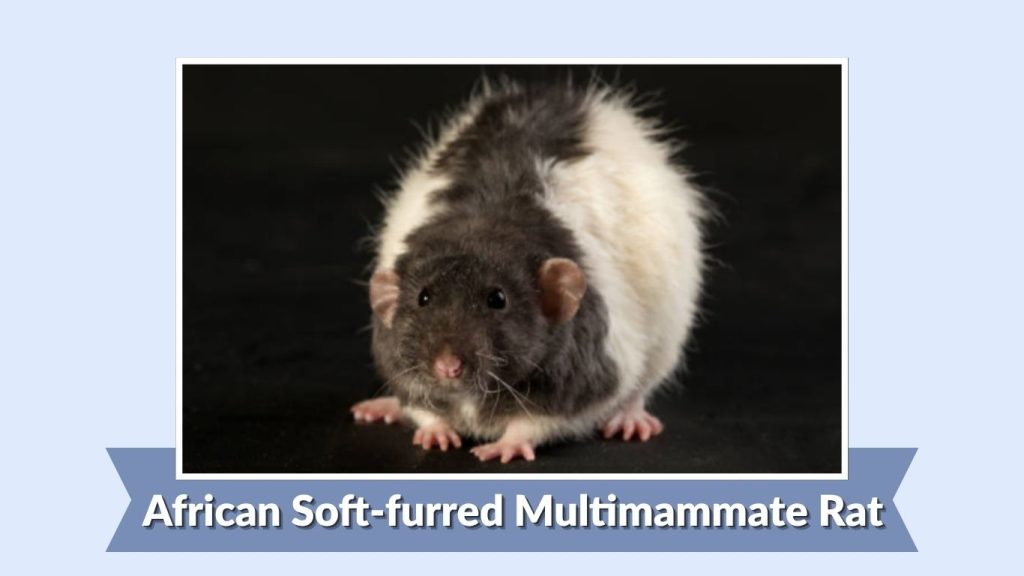
The African Soft-furred Multimammate Rat (Mastomys huberti) is a rodent species found in West and Central Africa. It is well-adapted to grasslands, savannas, agricultural areas, and human settlements. This nocturnal rodent plays a vital role in ecosystems by dispersing seeds and acting as prey for snakes, birds of prey, and small carnivores. It is also notable for its high reproductive capacity, which allows it to thrive in a variety of habitats.
Identification
- Fur: soft, brownish-gray with a lighter underbelly
- Medium-sized body with a long, scaly tail
- Rounded ears and dark, alert eyes
- Multiple pairs of mammary glands
- Strong forelimbs for digging and handling food
Habitat and Distribution
African Soft-furred Multimammate Rats inhabit grasslands, farmlands, savannas, and suburban areas across West and Central African countries, including Nigeria, Cameroon, and Ghana. They prefer areas with dense vegetation or crop cover for shelter and safety. Burrows provide protection from predators and extreme weather.
Behavior and Diet
Primarily nocturnal, they feed on seeds, grains, fruits, and small insects. They live in social colonies with complex burrow systems and exhibit high reproductive rates, producing multiple litters per year. Food caching within burrows helps them survive periods of scarcity.
Lifespan
In the wild, African Soft-furred Multimammate Rats typically live 1–3 years. Predation, environmental conditions, and food availability influence survival. Captive individuals may live slightly longer under controlled conditions.
6. Guinea Multimammate Rat
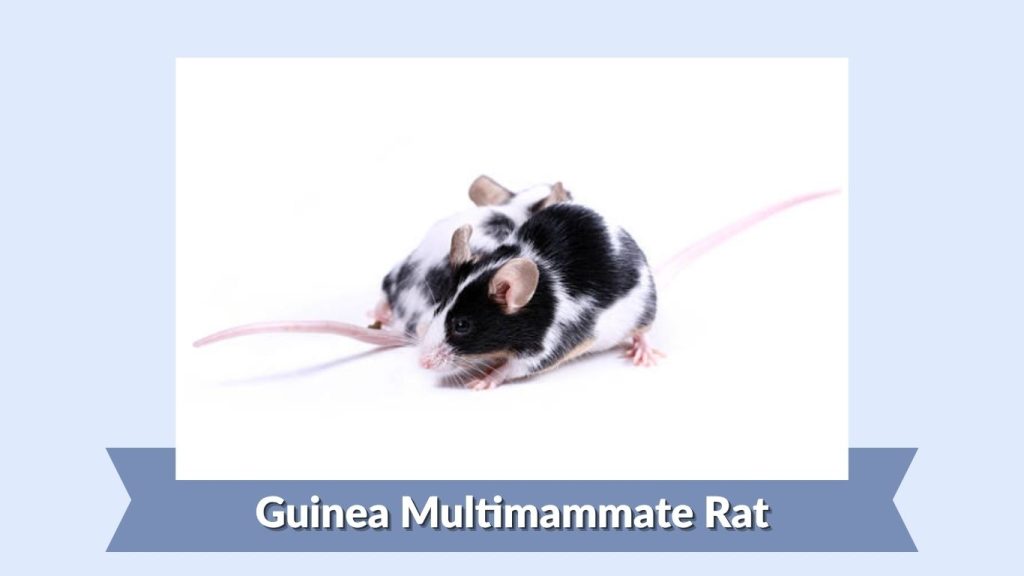
The Guinea Multimammate Rat (Mastomys erythroleucus) is a widely distributed rodent in West Africa, particularly in Guinea and surrounding countries. It is highly adaptable, inhabiting savannas, grasslands, agricultural fields, and human settlements. Known for its remarkable reproductive ability, this species plays an important ecological role by dispersing seeds and serving as prey for snakes, owls, and small carnivores. It is also studied in research for its role in disease ecology.
Identification
- Fur: reddish-brown to gray on the back, paler underparts
- Medium-sized rodent with a long, scaly tail
- Rounded ears and dark, alert eyes
- Multiple pairs of mammary glands
- Strong forelimbs for digging burrows and handling food
Habitat and Distribution
Guinea Multimammate Rats inhabit grasslands, savannas, cultivated fields, and suburban areas across Guinea, Sierra Leone, and Liberia. They prefer areas with dense vegetation or crop cover for shelter and foraging. Burrows are dug in loose soil or under natural cover to protect from predators and environmental extremes.
Behavior and Diet
Primarily nocturnal, they feed on seeds, grains, fruits, and insects. They are social, living in colonies with complex burrow systems, and exhibit high fertility with multiple litters per year. Food caching within burrows ensures survival during periods of scarcity.
Lifespan
In the wild, Guinea Multimammate Rats typically live 1–3 years. Predation, food availability, and environmental conditions affect survival, while captive individuals may live slightly longer.
7. Togo Multimammate Rat
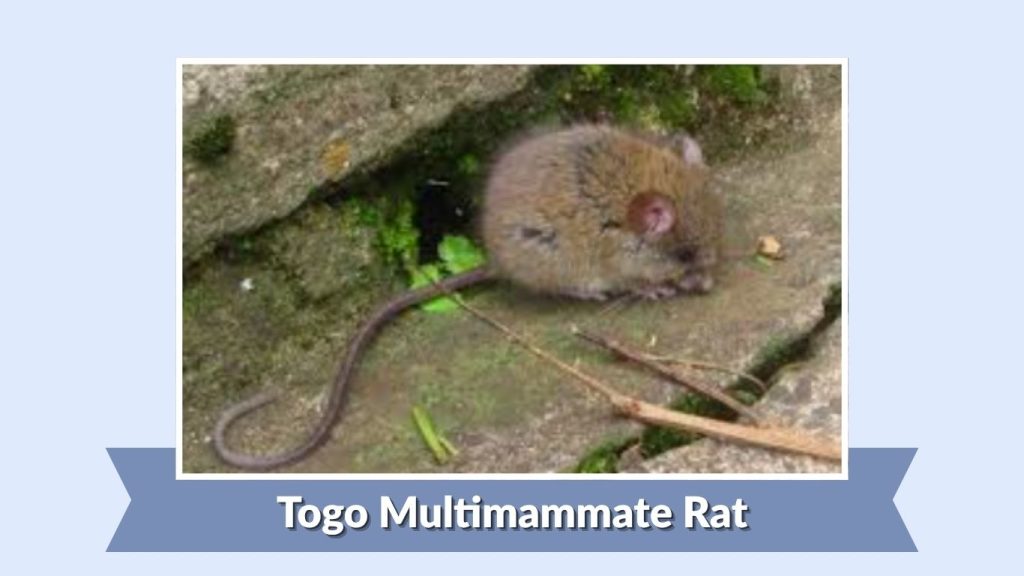
The Togo Multimammate Rat (Mastomys togoensis) is a rodent species native to West Africa, particularly in Togo and neighboring countries. It is highly adaptable to grasslands, savannas, agricultural fields, and human settlements. This nocturnal species contributes to the ecosystem by dispersing seeds and serving as prey for snakes, owls, and small carnivores. It is also studied for its reproductive biology and role in disease ecology.
Identification
- Fur: brownish-gray on the back, lighter underparts
- Medium-sized body with a long, scaly tail
- Rounded ears and dark eyes
- Multiple pairs of mammary glands
- Strong forelimbs for digging and manipulating food
Habitat and Distribution
Togo Multimammate Rats inhabit savannas, cultivated fields, grasslands, and areas near human settlements across Togo, Ghana, and Benin. They prefer regions with dense vegetation or crop cover for protection and foraging. Burrows provide shelter from predators and extreme weather conditions.
Behavior and Diet
Primarily nocturnal, they feed on seeds, grains, fruits, and small insects. They are social, living in colonies with complex burrow systems. Their high reproductive rate allows multiple litters per year, and food is often cached in burrows for periods of scarcity.
Lifespan
In the wild, Togo Multimammate Rats typically live 1–3 years. Predation, environmental factors, and food availability influence survival, while captive individuals may live slightly longer under controlled conditions.
8. Nigerian Multimammate Rat
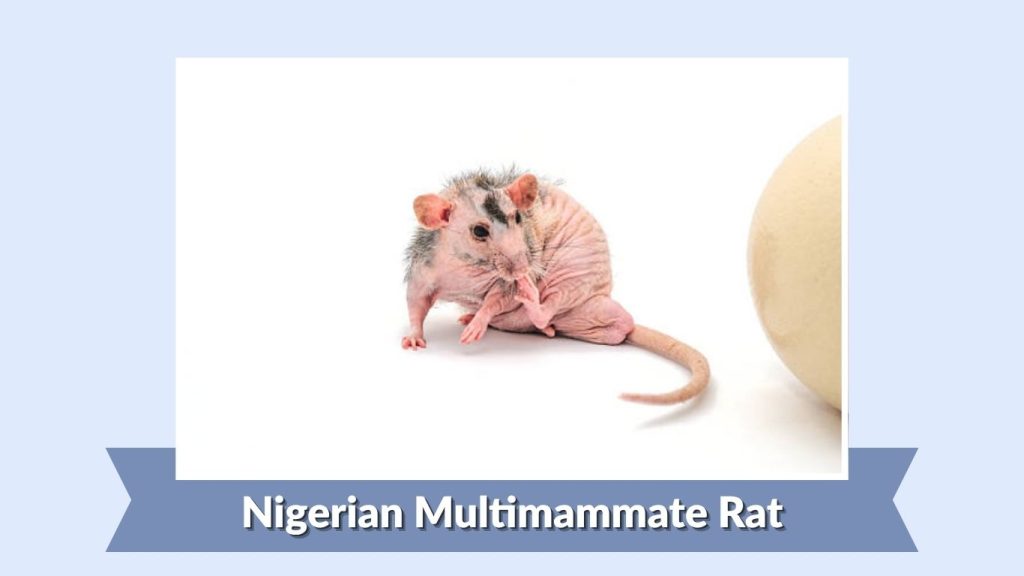
The Nigerian Multimammate Rat (Mastomys nigeriae) is a rodent species native to Nigeria and neighboring West African countries. It is highly adaptable, inhabiting savannas, grasslands, agricultural fields, and human settlements. This nocturnal species plays an important ecological role by dispersing seeds and serving as prey for snakes, birds of prey, and small carnivores. It is also notable for its high reproductive rate, which allows it to thrive in diverse habitats.
Identification
- Fur: brownish-gray on the back, lighter underparts
- Medium-sized rodent with a long, scaly tail
- Rounded ears and dark eyes
- Multiple pairs of mammary glands
- Strong forelimbs for digging and handling food
Habitat and Distribution
Nigerian Multimammate Rats inhabit grasslands, savannas, cultivated fields, and areas near human settlements across Nigeria, Benin, and Cameroon. They prefer regions with dense vegetation or crop cover for shelter and food. Burrows provide protection from predators and environmental extremes, and multiple entrances allow quick escape.
Behavior and Diet
Primarily nocturnal, they feed on seeds, grains, fruits, and small insects. They are social and live in colonies with complex burrow systems. High fertility enables multiple litters per year, and food caching in burrows helps them survive periods of scarcity.
Lifespan
In the wild, Nigerian Multimammate Rats typically live 1–3 years. Predation, food availability, and environmental conditions influence survival, while captive individuals may live slightly longer.
9. Congo Multimammate Rat
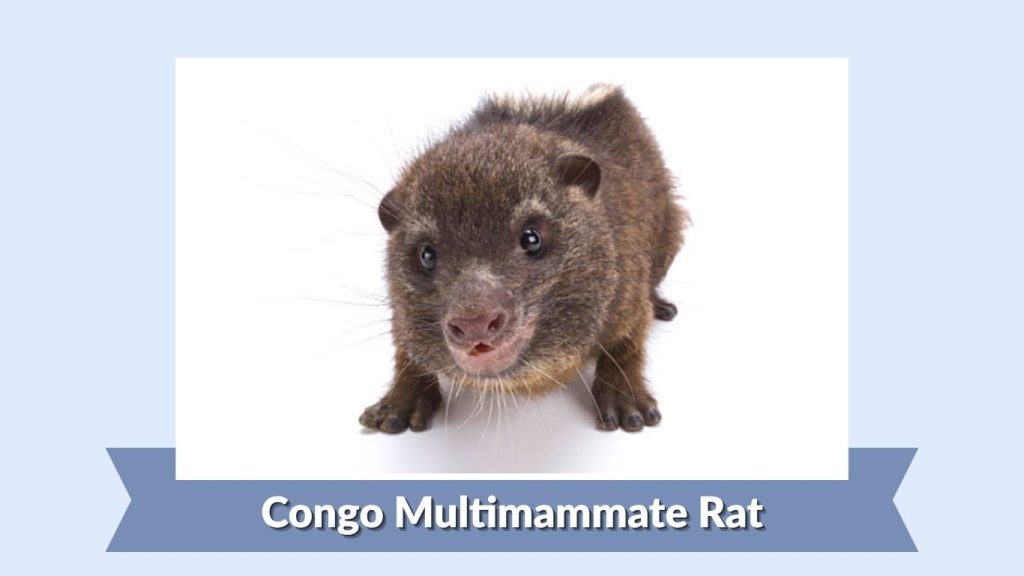
The Congo Multimammate Rat (Mastomys congicus) is a rodent species native to Central Africa, particularly the Congo Basin. It is highly adaptable, inhabiting grasslands, forest edges, agricultural fields, and areas near human settlements. This nocturnal rodent contributes to ecosystems by dispersing seeds and serving as prey for snakes, birds, and small carnivores. Its high reproductive capacity allows it to maintain large populations in suitable habitats.
Identification
- Fur: brownish-gray with lighter underparts
- Medium-sized body with a long, scaly tail
- Rounded ears and dark, alert eyes
- Multiple pairs of mammary glands
- Strong forelimbs for digging burrows and manipulating food
Habitat and Distribution
Congo Multimammate Rats are found across the Congo Basin, including Democratic Republic of Congo, Republic of Congo, and Gabon. They inhabit grasslands, cultivated fields, forest edges, and suburban areas. Burrows or natural shelters provide protection from predators and environmental extremes.
Behavior and Diet
Nocturnal and social, they feed on seeds, grains, fruits, and insects. They live in colonies with complex burrow systems and exhibit high fertility, producing multiple litters per year. Food caching in burrows helps them survive periods of scarcity.
Lifespan
In the wild, Congo Multimammate Rats typically live 1–3 years. Predation, food availability, and environmental conditions influence survival, while captive individuals may live slightly longer.
10. Central African Multimammate Rat
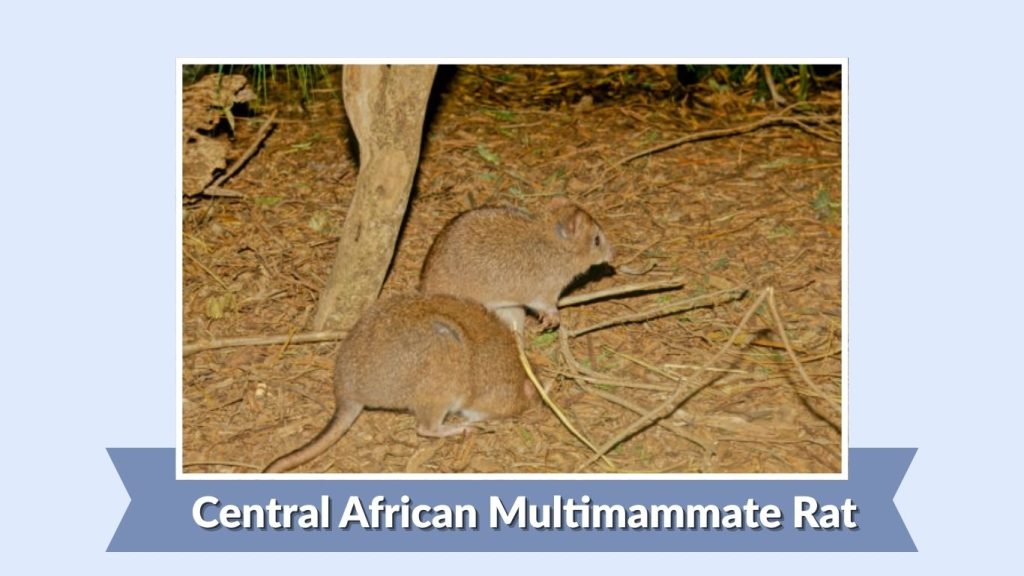
The Central African Multimammate Rat (Mastomys centralis) is a rodent species native to Central Africa, including Cameroon, Central African Republic, and surrounding regions. It is highly adaptable to grasslands, savannas, agricultural fields, and areas near human settlements. Nocturnal in behavior, it plays a vital ecological role by dispersing seeds and serving as prey for snakes, owls, and small carnivores. Its high reproductive rate allows it to thrive even in disturbed habitats.
Identification
- Fur: brownish-gray on the back with lighter underparts
- Medium-sized rodent with a long, scaly tail
- Rounded ears and dark, alert eyes
- Multiple pairs of mammary glands
- Strong forelimbs for digging and handling food
Habitat and Distribution
Central African Multimammate Rats inhabit grasslands, farmlands, forest edges, and suburban areas across Cameroon, Central African Republic, and neighboring countries. They prefer regions with dense vegetation or crop cover for shelter and protection. Burrows or natural shelters provide refuge from predators and extreme environmental conditions.
Behavior and Diet
Primarily nocturnal, they feed on seeds, grains, fruits, and small insects. They live in colonies with complex burrow systems and are highly prolific breeders, producing multiple litters per year. Food caching within burrows helps them survive periods of scarcity.
Lifespan
In the wild, Central African Multimammate Rats typically live 1–3 years. Predation, environmental factors, and food availability influence survival, while captive individuals may live slightly longer under controlled conditions.
FAQs
What is the primary habitat of multimammate rats?
Multimammate rats inhabit grasslands, savannas, agricultural fields, forest edges, and areas near human settlements. They prefer regions with dense vegetation or crop cover and dig burrows or occupy natural shelters for protection.
Are multimammate rats nocturnal or diurnal?
Most multimammate rat species are nocturnal. They are active at night to forage for seeds, grains, fruits, and insects, avoiding predators and daytime heat.
What do multimammate rats eat?
Multimammate rats are omnivorous. Their diet primarily includes seeds, grains, fruits, and small insects. Many species store food in burrows to survive periods of scarcity.
How long do multimammate rats live?
In the wild, multimammate rats generally live 1–3 years. Predation, food availability, and environmental conditions influence survival, while captive individuals may live slightly longer under controlled conditions.
Why are they called “multimammate” rats?
They are called “multimammate” because females have multiple pairs of mammary glands—often more than other rodent species—which allows them to produce large litters and maintain high reproductive rates.