
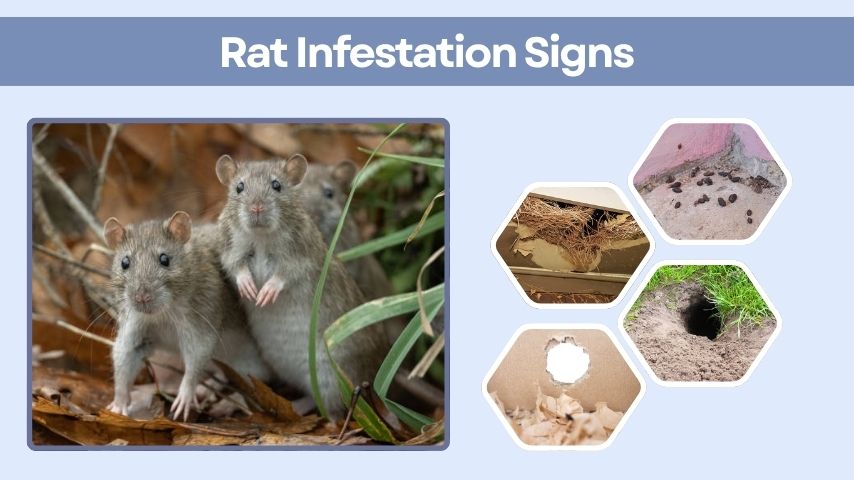
Rats are one of the most common and destructive pests found in homes, gardens, and commercial spaces. They carry diseases, damage property, and reproduce rapidly, making early detection crucial. Identifying the signs of a rat infestation can save you time, money, and health risks. From droppings and gnaw marks to burrows and scurrying sounds, recognizing these warning signals helps homeowners take prompt action. This guide highlights the nine key signs of a rat infestation and provides tips to prevent and control them effectively.
1. Droppings
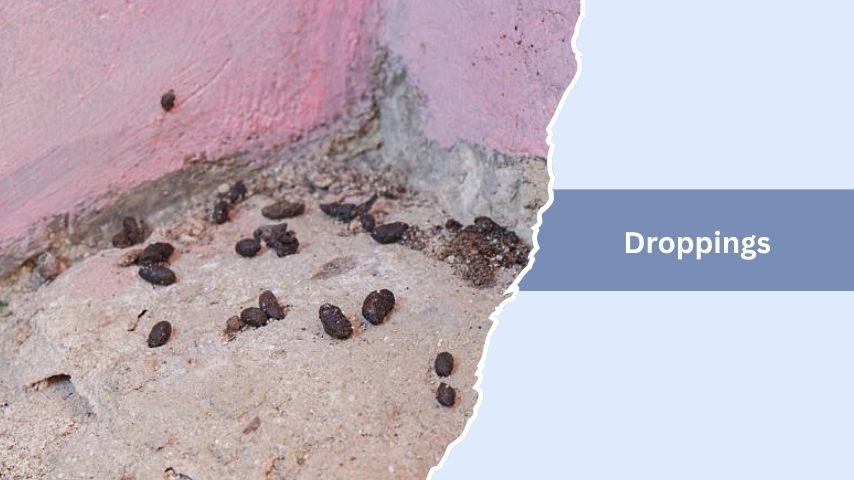
Rats leave behind droppings wherever they roam, which is often the first sign of an infestation. These droppings are usually dark, pellet-shaped, and measure about 1/2 inch long. They are typically found near food sources, along walls, in cabinets, or behind appliances. Identifying droppings early can help you detect a problem before it escalates into a larger infestation.
What Droppings Look Like
- Small, dark, and cylindrical, often with pointed ends
- Dry or slightly soft depending on freshness
Where to Find Droppings
Droppings are commonly located along baseboards, near food storage areas, behind appliances, or in hidden corners of attics and basements. Areas with high activity often have clusters of droppings.
Health Risks
Rat droppings can carry harmful bacteria, viruses, and parasites, posing risks of diseases such as leptospirosis, hantavirus, and salmonella. Proper cleaning and precautions are essential when dealing with contaminated areas.
2. Gnaw Marks
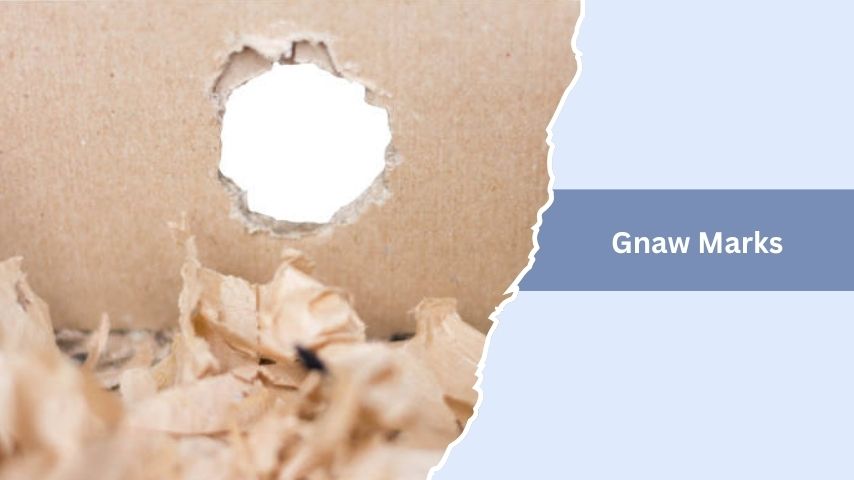
Rats have continuously growing incisors, so they need to gnaw on hard materials to keep their teeth worn down. Gnawing is a clear indication of their presence and can cause serious damage to furniture, wiring, and food containers. Spotting gnaw marks early can help prevent structural damage and reduce fire hazards from chewed electrical wires.
What Gnaw Marks Look Like
- Clean, sharp edges on wood, plastic, or metal
- Irregular scratches or bite-sized chunks missing
Where to Find Gnaw Marks
Gnawing often occurs on baseboards, furniture legs, wiring, food packaging, or wooden beams in attics and garages. Areas near nesting sites are especially susceptible.
Potential Dangers
Gnawing on electrical wires can create fire hazards, while chewing through food packaging can contaminate stored food. Addressing gnawing early reduces both property damage and health risks.
3. Tracks or Footprints
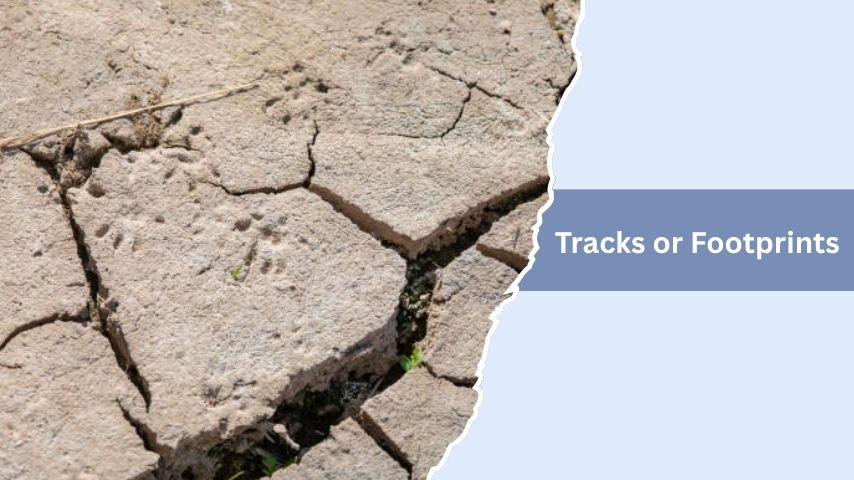
Rats often leave tracks or footprints in dusty or soft areas as they move around their environment. These tracks can help you identify active routes and areas of high activity. Observing them can be an early indication of an infestation, especially if combined with other signs like droppings or gnaw marks.
What Rat Tracks Look Like
- Small, four-toed front prints and five-toed hind prints
- Tail marks may appear as thin lines between footprints
Where to Find Tracks
Look for tracks in dusty corners, along walls, in attics, basements, or near food storage areas. Using a light dusting of flour or talcum powder can help reveal hidden tracks.
How Tracks Help Detection
Tracking rat movement helps determine nesting locations, feeding routes, and the level of infestation. This information is valuable for targeted trapping and control measures.
4. Nests
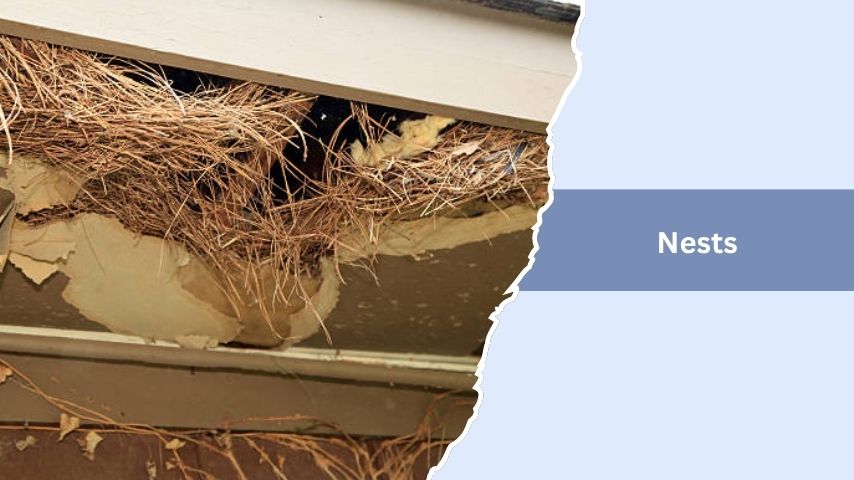
Rats build nests using shredded materials such as paper, fabric, insulation, and plant matter. These nests are usually hidden in quiet, undisturbed areas and indicate that rats are actively living and breeding nearby. Identifying nests early can help you take swift action to control the infestation before it grows.
What Rat Nests Look Like
- Small, rounded piles of shredded materials
- Often lined with soft items like cloth or paper for insulation
Where Nests Are Found
- Hidden corners of attics, basements, or garages
- Inside wall cavities or under furniture
- Outdoors in piles of debris, woodpiles, or dense vegetation
Why Nest Detection Matters
Finding a nest confirms active infestation and can guide the placement of traps or bait stations. It also indicates breeding, meaning the population may increase quickly if left untreated.
5. Urine Smell

A strong, ammonia-like odor in your home or yard is a common sign of a rat infestation. Rats mark their territory with urine, and over time, the concentrated smell becomes noticeable, especially in enclosed or poorly ventilated areas. Detecting this odor early can help you locate active rat zones and take preventive measures.
What the Smell Is Like
- Sharp, pungent, and ammonia-like
- Intensifies in areas of high rat activity
Where the Smell Is Most Noticeable
- Basements, attics, and crawl spaces
- Behind appliances and cabinets
- Outdoor rat burrows near foundations or debris
Why Urine Smell Matters
The presence of this odor indicates rats are actively using the space. It can also pose health risks, as rat urine can carry bacteria and viruses harmful to humans. Prompt action is necessary to remove the infestation and sanitize affected areas.
6. Scratching or Scurrying Sounds
Rats are nocturnal, so you may hear scratching, squeaking, or scurrying sounds at night. These noises usually come from walls, ceilings, attics, or behind appliances where rats move, gnaw, or nest. Hearing these sounds is a strong indicator of an active infestation and can help pinpoint rat activity for control measures.
What the Sounds Are Like
- Scratching, gnawing, or scampering noises
- Often heard at night when rats are most active
- Can include squeaks or squeals
Where to Listen for Sounds
- Inside walls and ceilings
- Attics, basements, and crawl spaces
- Behind cabinets, appliances, or furniture
Why the Sounds Are Important
Detecting these noises helps identify areas of high rat activity and nesting. This information is useful for targeted trapping or baiting, and it confirms that rats are actively moving within the structure.
7. Grease Marks
Rats have oily fur that leaves dark, greasy smudges along walls, baseboards, and surfaces they frequently travel. These marks, also called “rub marks,” indicate well-used paths and are a subtle but clear sign of an infestation. Spotting grease marks helps identify their movement routes and high-traffic areas.
What Grease Marks Look Like
- Dark, shiny streaks along walls or corners
- Often appear where rats brush against surfaces repeatedly
Where to Find Grease Marks
- Along baseboards and door frames
- Around cupboards, pantries, and storage areas
- Near known nesting or feeding spots
Why Grease Marks Matter
Grease marks reveal active rat pathways and frequented areas. They help guide trap placement, baiting, and monitoring efforts, making infestation control more effective.
8. Burrows
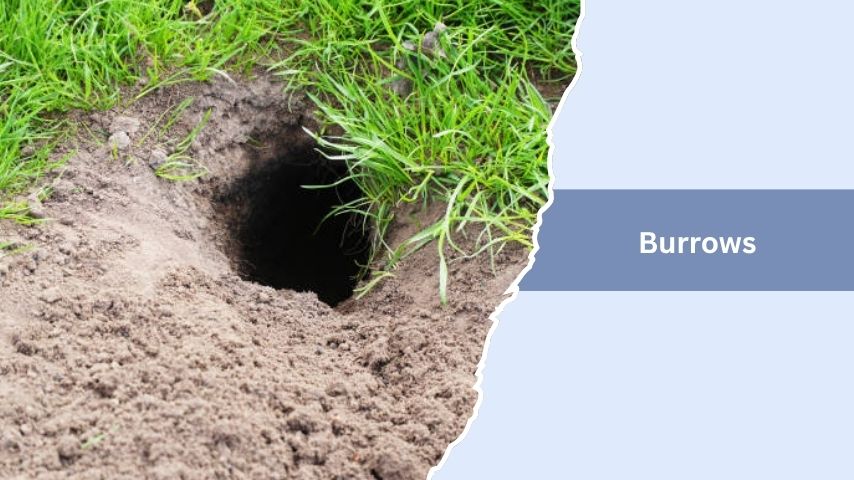
Rats often dig burrows to create sheltered living spaces, especially outdoors near foundations, gardens, or under debris. These burrows provide protection, nesting areas, and access to food. Discovering burrows indicates an established infestation, and the location can help you determine where to focus control efforts.
What Rat Burrows Look Like
- Holes 2–4 inches in diameter
- Typically have smooth, well-worn entrances
- May have surrounding displaced soil
Where Burrows Are Found
- Along building foundations
- Under woodpiles, compost, or garden debris
- Near dense vegetation or trash piles
Why Burrows Matter
Burrows are signs of active habitation and breeding. Identifying them helps in planning traps, rodent-proofing structures, and implementing outdoor control measures to reduce the rat population.
9. Sightings
Seeing live or dead rats is a clear and undeniable sign of infestation. Rats are mostly nocturnal, so sightings often occur at night, though they can be seen during the day if the population is high or food is scarce. Observing them helps confirm the presence of an active infestation and indicates that immediate action is needed.
When Sightings Occur
- At night near food sources or trash bins
- Occasionally during the day if the population is large
- Around gardens, basements, attics, or garages
What to Do After a Sighting
- Avoid direct contact; rats can carry diseases
- Note the locations and time of sightings to identify activity patterns
- Use sightings to guide traps, bait placement, and professional pest control
Why Sightings Are Important
Actual sightings confirm the severity of the infestation and help prioritize areas for intervention. They are often the most convincing indicator that immediate pest management is necessary.
FAQs
How can I tell if I have a rat infestation?
Common signs include droppings, gnaw marks, footprints, grease marks, burrows, and hearing scratching or scurrying sounds at night. Seeing live rats or nests confirms the infestation.
Are rats dangerous to humans?
Yes, rats can carry diseases such as leptospirosis, hantavirus, and salmonella. Their urine, droppings, and bites can pose health risks, so infestations should be addressed promptly.
How do I prevent rats from entering my home?
Seal entry points, remove food sources, keep garbage in sealed containers, clear debris around your home, and maintain clean, clutter-free spaces both inside and outside.
What should I do if I see a rat in my house?
Avoid direct contact, note the location and activity, and set traps or call a professional pest control service. Clean areas contaminated by droppings or urine with proper disinfectants.
Can rats damage my home?
Yes, rats gnaw on furniture, wiring, insulation, and food packaging. Chewing on electrical wires can also create fire hazards. Early detection helps reduce property damage.