
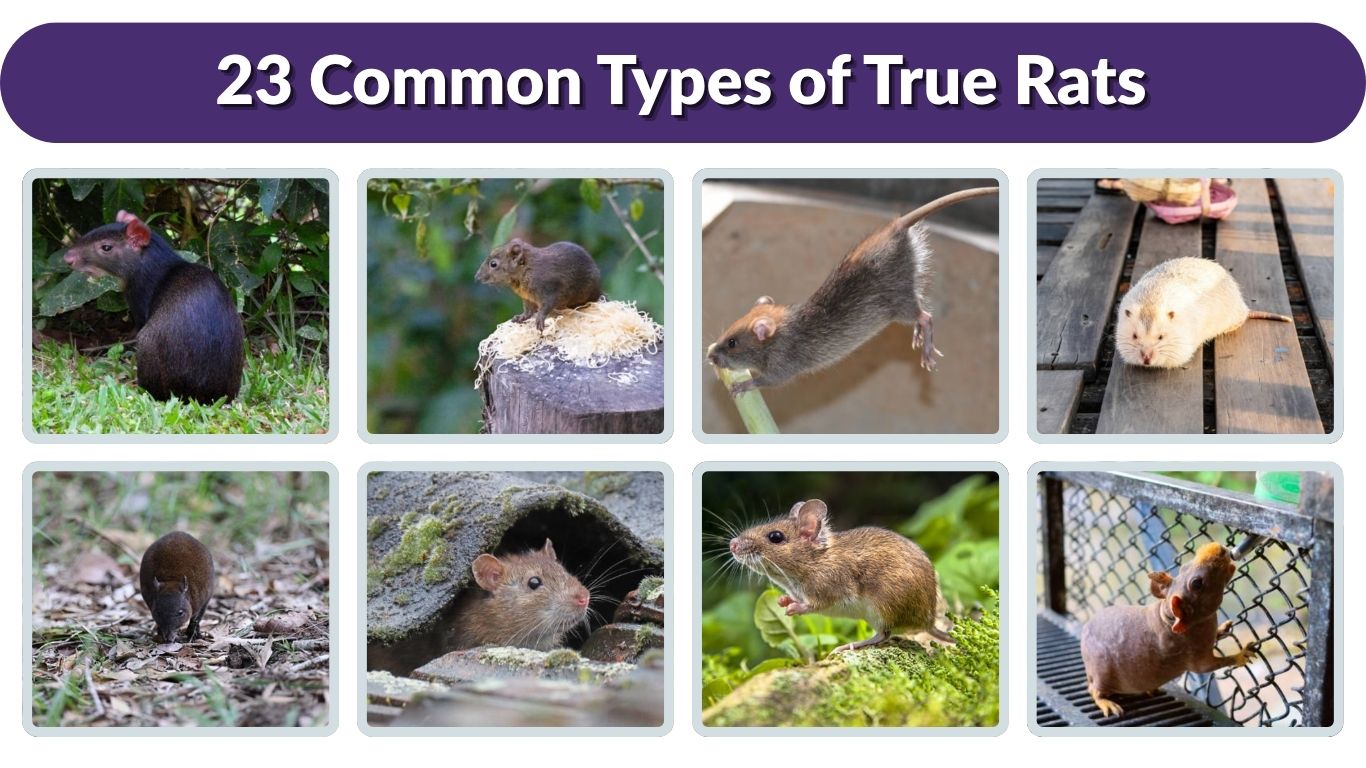
True rats of the genus Rattus are among the most widespread and adaptable rodents in the world. Found across diverse habitats, from dense forests to busy cities, these animals have developed unique traits that help them survive in different environments. Some species live closely with humans, while others remain in natural ecosystems. This guide explores 23 common types of true rats, highlighting their identification, habitat and distribution, behavior and diet, and lifespan in a clear and easy-to-understand format.
1. Brown Rat
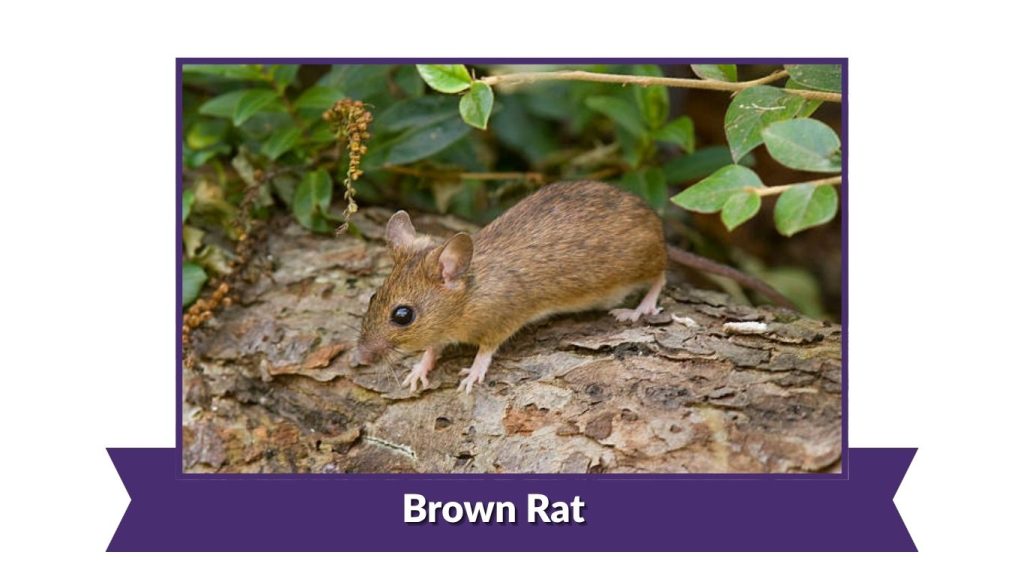
The brown rat is one of the most widespread and well-known rat species in the world. It is highly adaptable and commonly found in both urban and rural environments. This species is known for its intelligence, strong survival skills, and close association with human settlements.
Identification
- Body length about 20 to 28 cm
- Thick, heavy body with a blunt snout
- Brown or grayish fur with a lighter underside
- Small ears and relatively small eyes
- Tail shorter than the body length
Habitat and Distribution
The brown rat is found worldwide, especially in Europe, Asia, and North America. It thrives in a wide range of environments, including cities, farms, sewers, warehouses, and fields. This species prefers areas close to food and water sources and often lives underground in burrows. It is highly adaptable and can survive in both cold and warm climates, making it one of the most successful rodents globally.
Behavior and Diet
Brown rats are mostly nocturnal and are active during the night. They are social animals that live in groups and establish territories. Their diet is omnivorous, meaning they eat a wide variety of foods including grains, fruits, meat, garbage, and small animals. They are excellent swimmers and can climb when necessary. Their intelligence allows them to avoid traps and quickly adapt to new environments.
Lifespan
In the wild, brown rats typically live around 1 to 2 years due to predators and environmental challenges. In captivity, where conditions are safer and food is consistent, they can live up to 3 years or slightly longer.
2. Black Rat
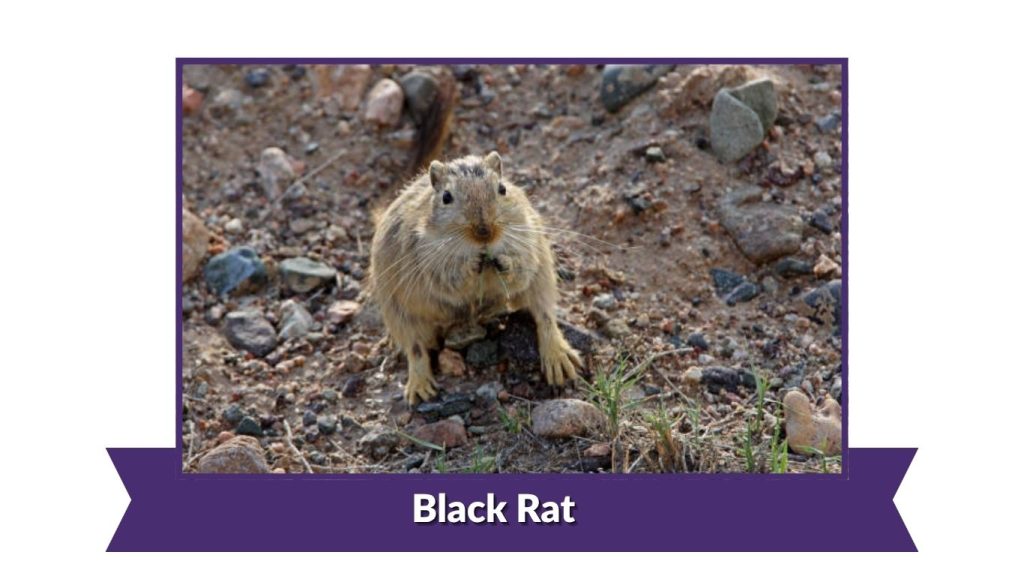
The black rat is a slender and agile species known for its ability to climb and live in elevated places. It has been closely associated with human settlements for centuries and is often found in roofs, attics, and storage areas. This rat is highly adaptable and widespread.
Identification
- Body length about 16 to 24 cm
- Slender body with a pointed snout
- Dark brown to black fur with a lighter underside
- Large ears and prominent eyes
- Tail longer than the body
Habitat and Distribution
The black rat is found worldwide, especially in warm regions of Asia, Africa, Europe, and the Americas. It prefers habitats such as forests, farms, and urban areas. Unlike the brown rat, it is more commonly found in elevated locations like trees, rooftops, and buildings. It thrives in areas where food and shelter are easily available, especially near human activity.
Behavior and Diet
Black rats are mostly nocturnal and are very agile climbers. They are social animals but tend to live in smaller groups compared to brown rats. Their diet includes fruits, grains, seeds, and small insects. They prefer plant-based food but will eat a variety of available resources. Their climbing ability helps them access food in hard-to-reach places.
Lifespan
In the wild, black rats typically live about 1 to 2 years, depending on environmental conditions. In captivity, they may live slightly longer, sometimes reaching up to 3 years with proper care.
3. Asian House Rat
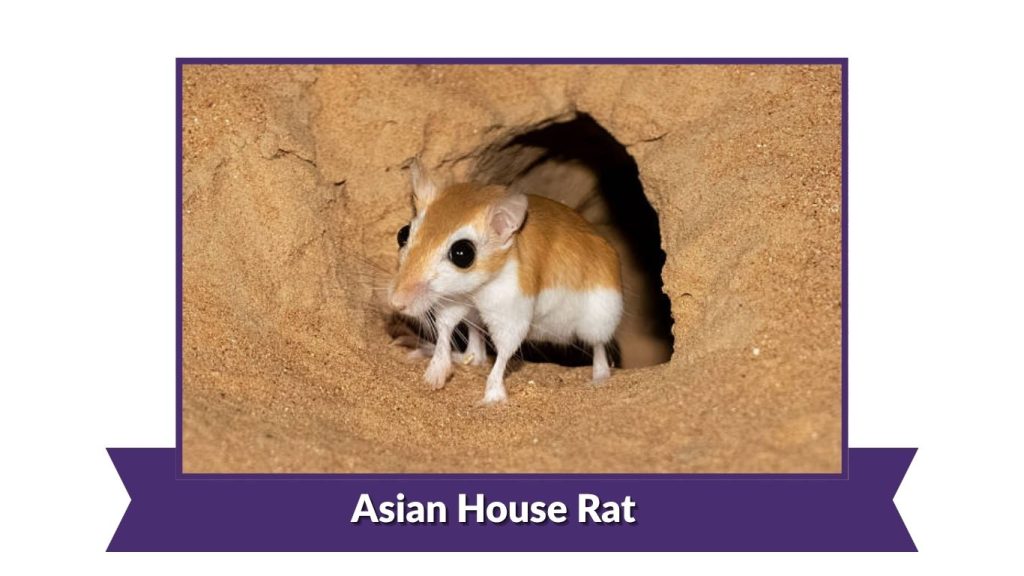
The Asian house rat is a common rodent found in many parts of Asia, especially around human settlements. It is highly adaptable and often lives in homes, markets, and farms. This species is known for its ability to thrive in both urban and rural environments.
Identification
- Body length about 15 to 20 cm
- Slender body with a pointed snout
- Brown or gray fur with a lighter underside
- Large ears and dark eyes
- Tail longer than the body
Habitat and Distribution
The Asian house rat is widely distributed across South and Southeast Asia. It is commonly found in houses, shops, warehouses, and agricultural areas. This rat prefers environments where food and shelter are easily available. It can live both indoors and outdoors, often nesting in walls, roofs, or underground burrows.
Behavior and Diet
Asian house rats are mostly active at night and are good climbers. They are social animals but can also be territorial. Their diet is omnivorous and includes grains, fruits, vegetables, and small insects. They are often seen feeding on stored food in homes and markets, making them a common pest in many areas.
Lifespan
In the wild, the Asian house rat typically lives around 1 to 2 years. In safer conditions such as captivity, it may live up to 3 years with proper care and a stable food supply.
4. Polynesian Rat
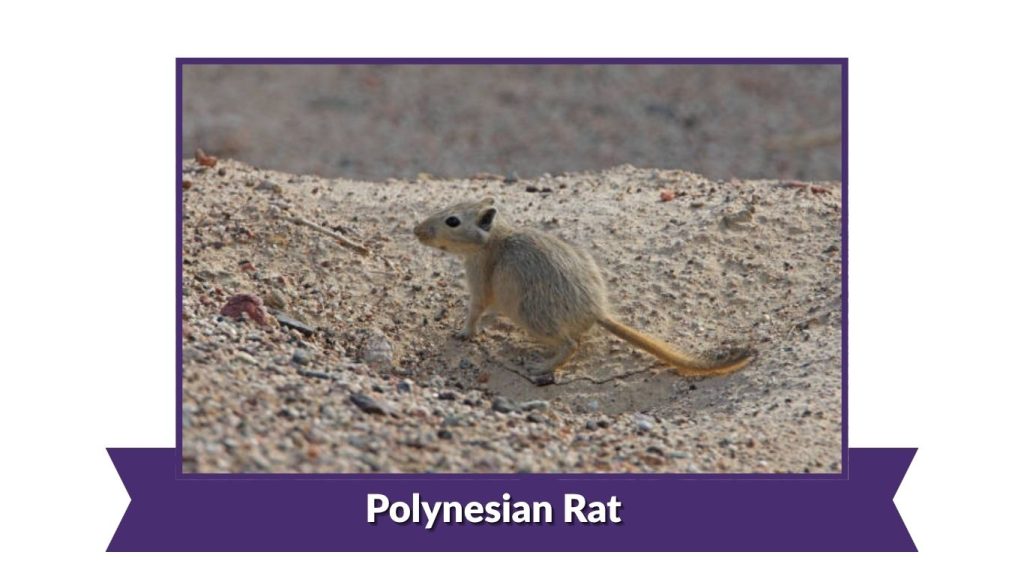
The Polynesian rat is a small and adaptable species that has spread widely across islands in the Pacific. It is believed to have been transported by humans during ancient migrations. This rat is known for its ability to survive in a variety of environments, especially on islands.
Identification
- Body length about 11 to 15 cm
- Slender body with a pointed snout
- Brown or grayish fur with a lighter underside
- Small ears and dark eyes
- Tail about equal to body length
Habitat and Distribution
The Polynesian rat is found across many Pacific islands, including Polynesia, Southeast Asia, and parts of New Zealand. It lives in forests, grasslands, coastal areas, and human settlements. This species is highly adaptable and can survive in both natural and human-influenced environments, often nesting in burrows or vegetation.
Behavior and Diet
Polynesian rats are mostly nocturnal and are active at night. They are good climbers and can move easily through trees and shrubs. Their diet is omnivorous, including seeds, fruits, insects, and small animals. They are known to impact native wildlife on islands by feeding on eggs and small species.
Lifespan
In the wild, Polynesian rats usually live around 1 to 2 years. Their lifespan depends on environmental conditions and availability of food. In protected environments, they may live slightly longer.
5. Norway Rat
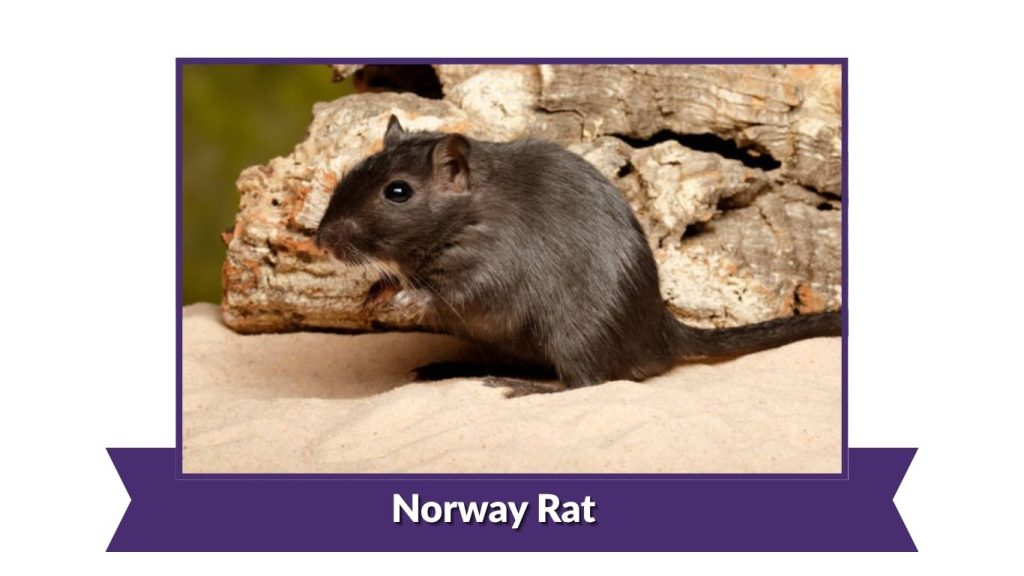
The Norway rat, also known as the sewer rat, is one of the most common rat species in the world. It is highly adaptable and often found living close to humans. This species is known for its strong body, burrowing ability, and survival skills in harsh environments.
Identification
- Body length about 20 to 28 cm
- Thick, heavy body with a blunt snout
- Brown or gray fur with a lighter underside
- Small ears and relatively small eyes
- Tail shorter than the body
Habitat and Distribution
The Norway rat is found worldwide, especially in cities, towns, and rural areas. It prefers environments close to water such as sewers, drains, riverbanks, and basements. This rat is a burrower and often lives underground in tunnels. It thrives in both cold and warm climates and is commonly found near human food sources.
Behavior and Diet
Norway rats are mostly nocturnal and are active during the night. They are social animals that live in groups and establish territories. Their diet is omnivorous and includes grains, garbage, meat, and small animals. They are strong swimmers and can travel through pipes and waterways to find food and shelter.
Lifespan
In the wild, Norway rats typically live around 1 to 2 years due to predators and environmental challenges. In captivity, they can live up to 3 years with proper care and a stable environment.
6. Roof Rat
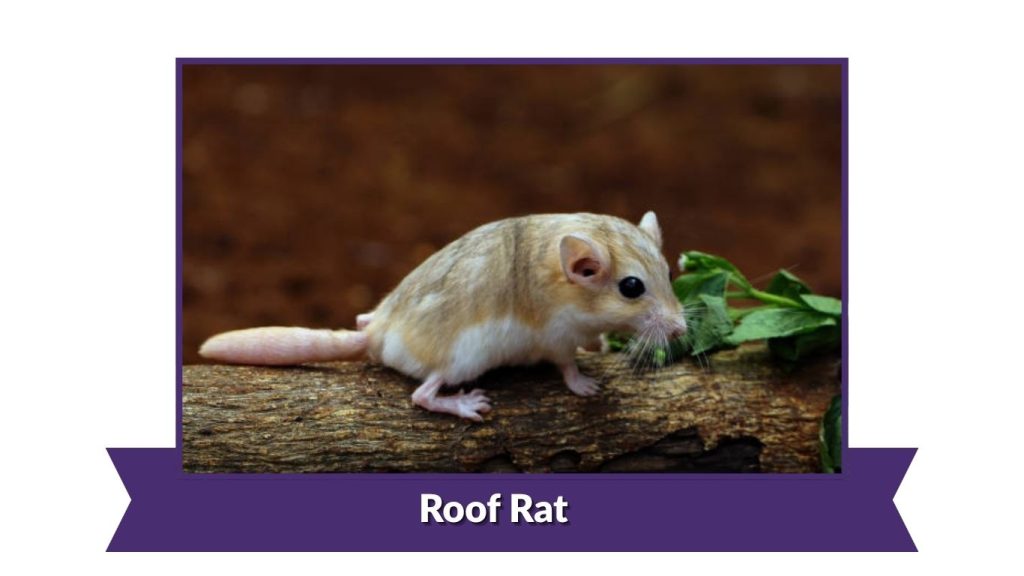
The roof rat is a slender and agile species known for its excellent climbing ability. It is commonly found in elevated areas such as roofs, attics, and trees. This rat is closely associated with human settlements and is often seen in warm climates.
Identification
- Body length about 16 to 22 cm
- Slender body with a pointed snout
- Dark brown or black fur with a lighter underside
- Large ears and prominent eyes
- Tail longer than the body
Habitat and Distribution
Roof rats are found worldwide, especially in tropical and subtropical regions. They prefer habitats such as buildings, rooftops, trees, and dense vegetation. Unlike burrowing rats, they usually nest above ground in attics, ceilings, or tree canopies. They are commonly found in urban and suburban areas where food and shelter are available.
Behavior and Diet
Roof rats are mostly nocturnal and are very agile climbers. They move easily along wires, branches, and walls. Their diet mainly includes fruits, seeds, grains, and small insects. They prefer plant-based foods but will eat a variety of available items. Their climbing ability allows them to access stored food in high places.
Lifespan
In the wild, roof rats typically live around 1 to 2 years. In captivity, with proper care and a stable environment, they may live up to 3 years.
7. Ricefield Rat
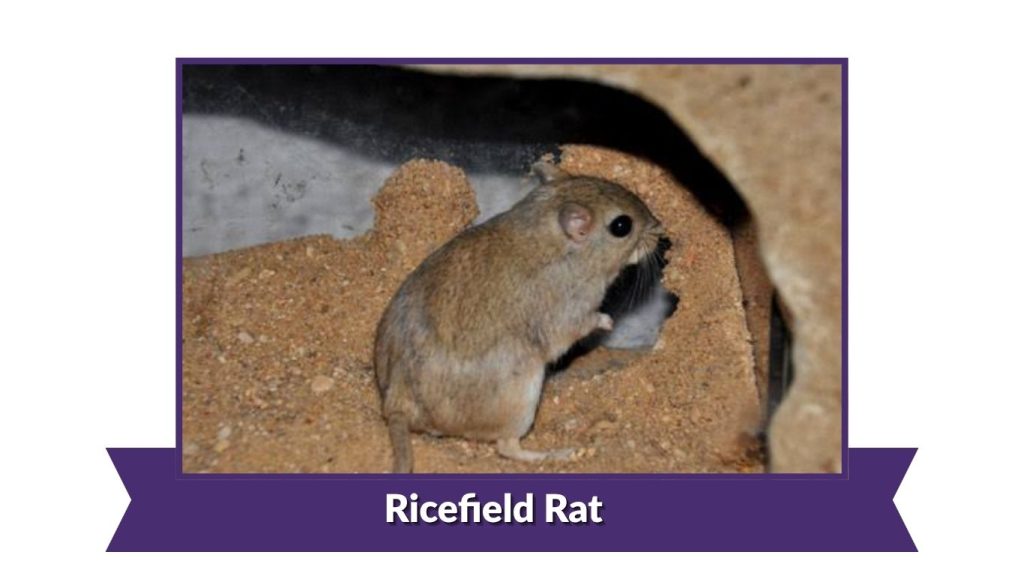
The ricefield rat is a common agricultural pest known for living in crop fields, especially rice paddies. It is highly adaptable and closely associated with farming areas. This species can cause significant damage to crops due to its feeding habits.
Identification
- Body length about 15 to 20 cm
- Slender body with a pointed snout
- Brown or grayish-brown fur
- Medium-sized ears and dark eyes
- Tail about equal to or slightly longer than body
Habitat and Distribution
The ricefield rat is found across South and Southeast Asia. It prefers habitats such as rice fields, farmlands, grasslands, and irrigation areas. These rats often build burrows in field edges or raised ground near crops. They thrive in areas with abundant water and vegetation, especially during the growing season.
Behavior and Diet
Ricefield rats are mostly nocturnal and are very active during the night. They are social and may live in colonies, especially in areas with abundant food. Their diet mainly consists of rice grains, seeds, and other crops, but they may also eat insects. Their feeding behavior often leads to crop damage, making them a concern for farmers.
Lifespan
In the wild, ricefield rats typically live around 1 to 2 years. Their lifespan depends on environmental conditions, food availability, and predation. In controlled environments, they may live slightly longer.
8. Himalayan Field Rat
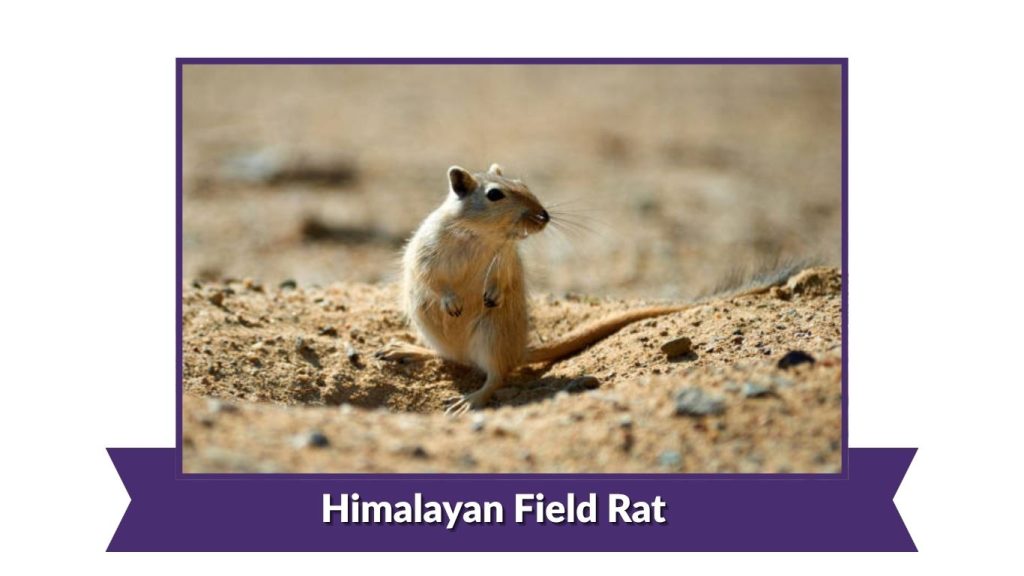
The Himalayan field rat is a medium-sized rodent found in mountainous regions. It is well adapted to cooler climates and rugged terrain. This species is often seen in natural habitats but may also enter agricultural areas in search of food.
Identification
- Body length about 18 to 24 cm
- Sturdy body with a slightly pointed snout
- Brown or gray fur with a lighter underside
- Medium-sized ears and dark eyes
- Tail roughly equal to body length
Habitat and Distribution
The Himalayan field rat is found in the Himalayan region, including parts of India, Nepal, Bhutan, and surrounding areas. It lives in forests, grasslands, and agricultural fields at higher elevations. This rat prefers cooler climates and often builds burrows in soil or hides among rocks and vegetation.
Behavior and Diet
This rat is mostly nocturnal and becomes active at night. It is generally solitary but may live near others in suitable habitats. Its diet includes grains, seeds, roots, and small insects. In agricultural areas, it may feed on crops, making it a minor pest in some regions.
Lifespan
In the wild, the Himalayan field rat usually lives around 1 to 2 years. Its lifespan depends on environmental conditions and food availability. In protected environments, it may live slightly longer.
9. Tanezumi Rat
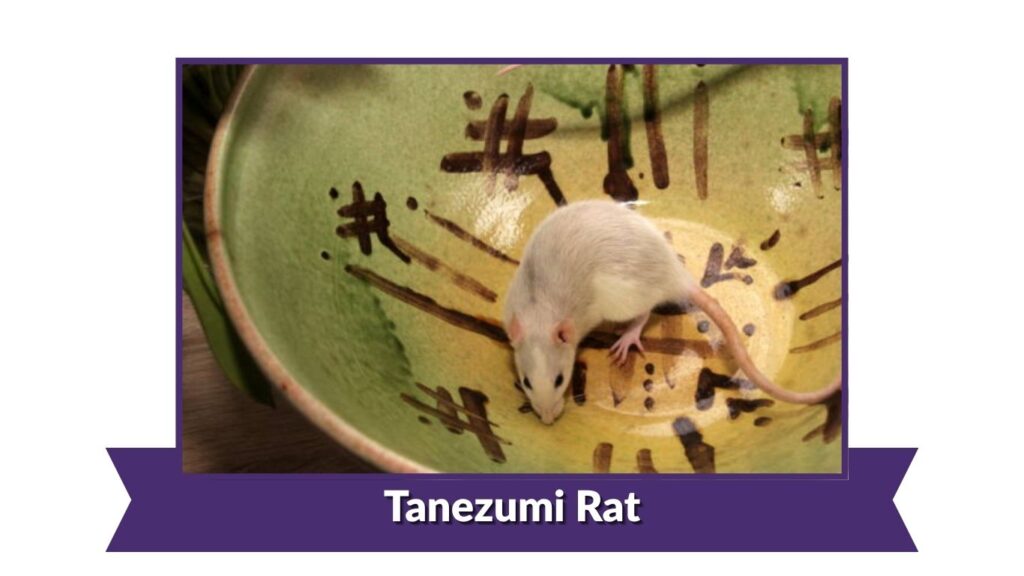
The tanezumi rat is a common and adaptable species found across many parts of Asia. It is closely related to the Asian house rat and is often seen in both urban and rural environments. This rat is known for its ability to live near humans and thrive in a variety of conditions.
Identification
- Body length about 14 to 20 cm
- Slender body with a pointed snout
- Brown or grayish fur with a lighter underside
- Large ears and dark eyes
- Tail longer than the body
Habitat and Distribution
The tanezumi rat is widely distributed across East and Southeast Asia, including China, Japan, and nearby regions. It lives in homes, markets, farms, and forest edges. This species prefers areas with easy access to food and shelter and can adapt to both natural habitats and human settlements.
Behavior and Diet
Tanezumi rats are mostly nocturnal and are active at night. They are good climbers and often move through roofs, trees, and walls. Their diet is omnivorous, including grains, fruits, seeds, and small insects. They are often found feeding on stored food, making them common pests in homes and agricultural areas.
Lifespan
In the wild, tanezumi rats typically live around 1 to 2 years. In safer environments with stable food sources, they may live up to 3 years.
10. Lesser Bandicoot Rat
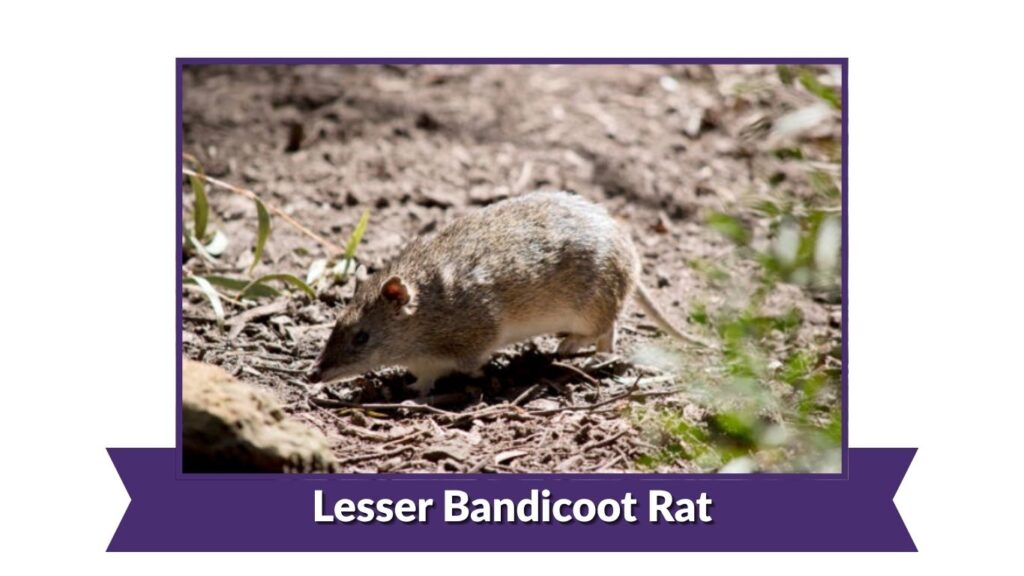
The lesser bandicoot rat is a robust and burrowing rodent commonly found in South Asia. It is known for its strong digging ability and is often associated with agricultural lands and human settlements. This species is considered a major pest in many regions due to crop damage.
Identification
- Body length about 15 to 20 cm
- Thick, sturdy body with a blunt snout
- Brown or dark gray coarse fur
- Small ears and small eyes
- Short, thick tail compared to body
Habitat and Distribution
The lesser bandicoot rat is found across South Asia, including India, Bangladesh, and Pakistan. It prefers habitats such as agricultural fields, gardens, urban areas, and villages. This rat is a strong burrower and creates complex underground tunnels in soil, often near crops or buildings. It thrives in areas with loose soil and abundant food sources.
Behavior and Diet
This rat is mostly nocturnal and is active during the night. It is generally solitary and highly territorial. Its diet is omnivorous, including grains, roots, vegetables, and small insects. It is especially known for feeding on crops like rice and wheat, making it a significant agricultural pest. It uses its burrows for shelter and protection.
Lifespan
In the wild, the lesser bandicoot rat typically lives around 1 to 2 years. Environmental factors such as food availability and predation affect its lifespan. In controlled conditions, it may live slightly longer.
11. Greater Bandicoot Rat
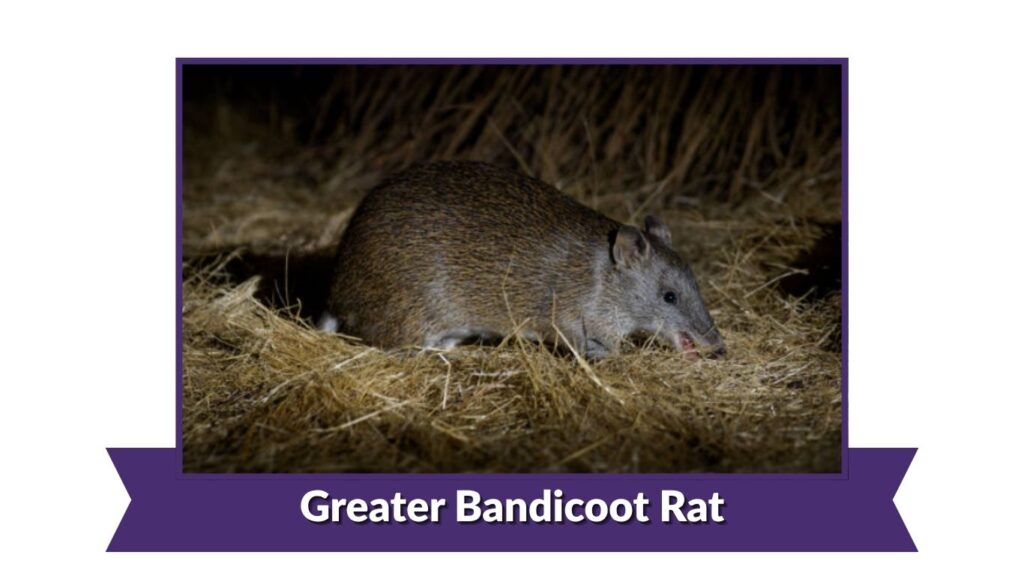
The greater bandicoot rat is a large and powerful rodent known for its strong body and extensive burrowing habits. It is commonly found in South Asia and is often associated with agricultural lands and urban areas. This species is considered a serious pest due to its impact on crops and stored food.
Identification
- Body length about 25 to 35 cm
- Large, heavy body with a blunt snout
- Dark brown or black coarse fur
- Small ears and small eyes
- Thick tail shorter than or equal to body length
Habitat and Distribution
The greater bandicoot rat is found across South and Southeast Asia, including India, Bangladesh, Thailand, and surrounding regions. It lives in a variety of habitats such as farmlands, gardens, urban areas, and villages. This rat prefers areas with soft soil where it can dig large and complex burrow systems. It is often found near human settlements where food is abundant.
Behavior and Diet
This rat is mostly nocturnal and is highly active during the night. It is generally solitary and very territorial. Its diet is omnivorous, including grains, roots, fruits, and small animals. It is known for causing serious damage to crops and stored food due to its strong teeth and feeding habits. It uses its burrows for shelter and protection.
Lifespan
In the wild, the greater bandicoot rat typically lives around 1 to 2 years. Its lifespan depends on environmental conditions, food availability, and predation. In protected conditions, it may live slightly longer.
12. Soft-furred Rat
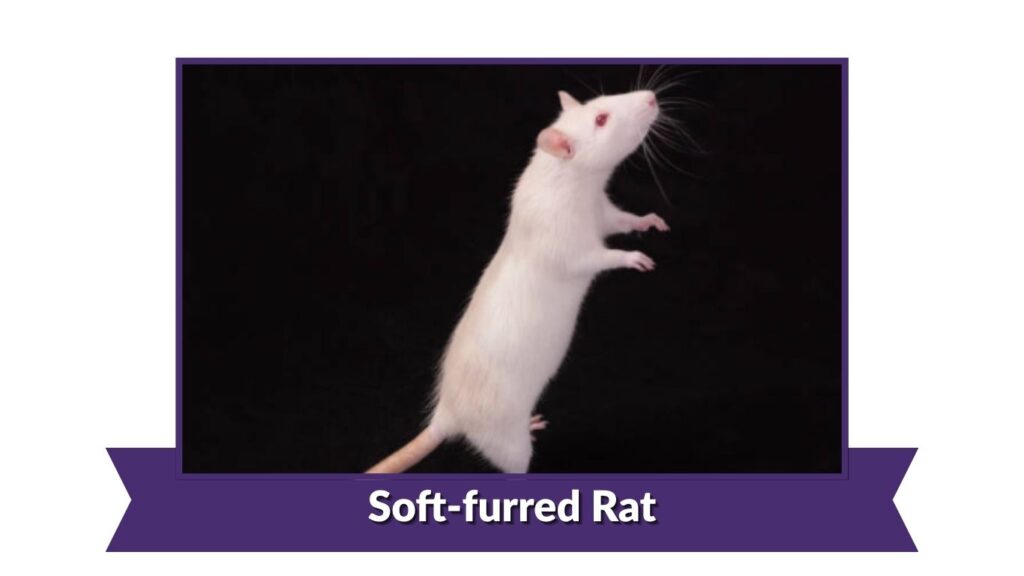
The soft-furred rat is a small to medium-sized rodent known for its smooth, soft coat and adaptability. It is commonly found in grasslands and agricultural areas, where it lives close to vegetation. This species is active and can thrive in a variety of environments.
Identification
- Body length about 12 to 18 cm
- Soft, fine fur usually gray or brown
- Slender body with a pointed snout
- Medium-sized ears and dark eyes
- Tail about equal to body length
Habitat and Distribution
Soft-furred rats are found in parts of Africa and Asia. They prefer habitats such as grasslands, savannas, and farmlands. These rats often live in burrows or hide in thick vegetation. They are commonly seen in agricultural areas where crops provide both food and shelter.
Behavior and Diet
These rats are mostly nocturnal and are active during the night. They are generally social and may live in small groups. Their diet includes seeds, grains, grasses, and small insects. In farming areas, they may feed on crops, making them minor agricultural pests.
Lifespan
In the wild, soft-furred rats typically live around 1 to 2 years. Their lifespan depends on environmental conditions and availability of food. In safer environments, they may live slightly longer.
13. Long-tailed Giant Rat
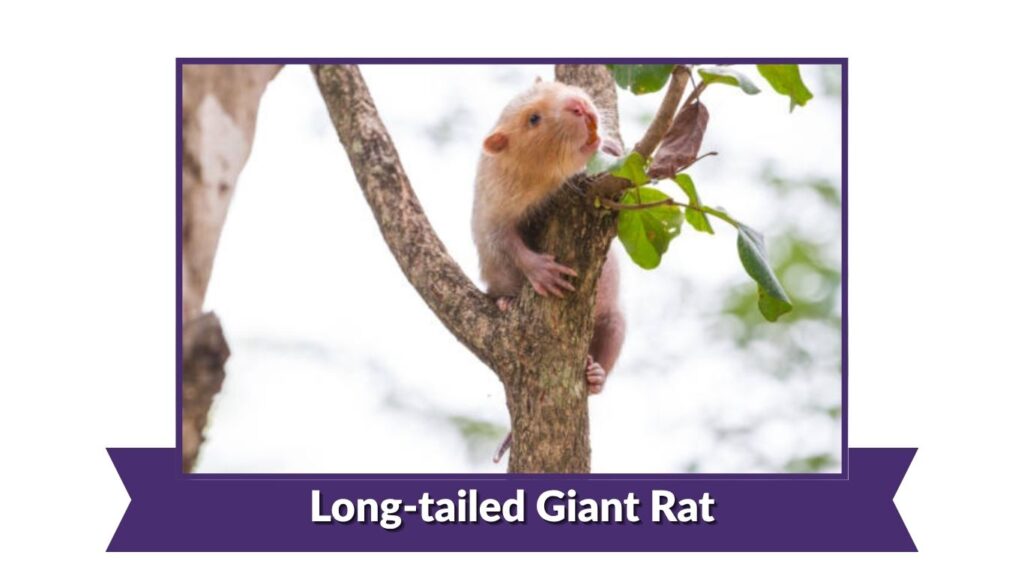
The long-tailed giant rat is a large rodent known for its impressive size and very long tail. It is typically found in forested regions and is less commonly seen than other rat species. This rat is well adapted to natural environments and spends much of its time on the ground or in dense vegetation.
Identification
- Body length about 25 to 35 cm
- Very long tail, often longer than the body
- Strong, bulky body structure
- Brown or dark gray fur
- Medium-sized ears and small eyes
Habitat and Distribution
The long-tailed giant rat is found in parts of Southeast Asia. It prefers habitats such as tropical forests, dense vegetation, and remote natural areas. This species is usually found far from urban environments and is more common in undisturbed regions with plenty of cover and food sources.
Behavior and Diet
This rat is mostly nocturnal and becomes active at night. It is generally solitary and prefers to stay hidden in dense vegetation. Its diet is omnivorous and includes fruits, seeds, roots, and small animals. It forages on the ground and uses its strong body to move through thick undergrowth.
Lifespan
In the wild, the long-tailed giant rat typically lives around 1 to 2 years. Its lifespan depends on environmental conditions, food availability, and predation. In protected environments, it may live slightly longer.
14. Slender Rat
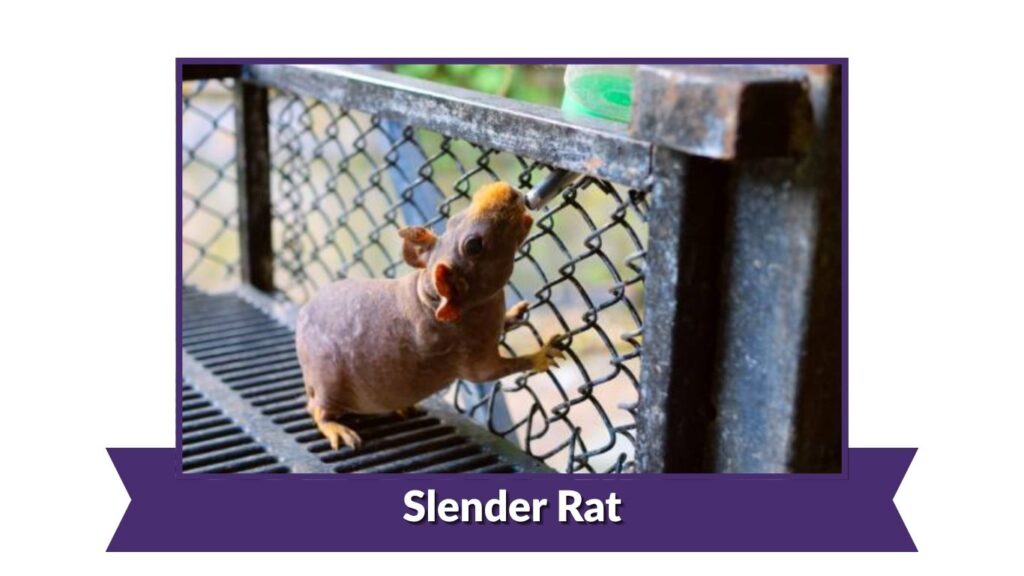
The slender rat is a small and agile species known for its thin body and quick movements. It is commonly found in forested and rural environments, where it lives among vegetation and ground cover. This rat is less noticeable than larger species but is well adapted to its surroundings.
Identification
- Body length about 12 to 18 cm
- Thin, slender body with a pointed snout
- Brown or gray fur with a lighter underside
- Medium-sized ears and dark eyes
- Long tail, often longer than the body
Habitat and Distribution
The slender rat is found in parts of South and Southeast Asia. It prefers habitats such as forests, grasslands, and agricultural areas. This species often lives in burrows or hides under vegetation, logs, or rocks. It thrives in environments where there is plenty of cover and access to food.
Behavior and Diet
Slender rats are mostly nocturnal and are active during the night. They are quick and cautious, often avoiding open spaces. Their diet is omnivorous and includes seeds, grains, fruits, and small insects. They may also feed on crops in agricultural areas, making them minor pests in some regions.
Lifespan
In the wild, slender rats typically live around 1 to 2 years. Their lifespan depends on environmental conditions, food availability, and predation. In protected environments, they may live slightly longer.
15. Island Rat
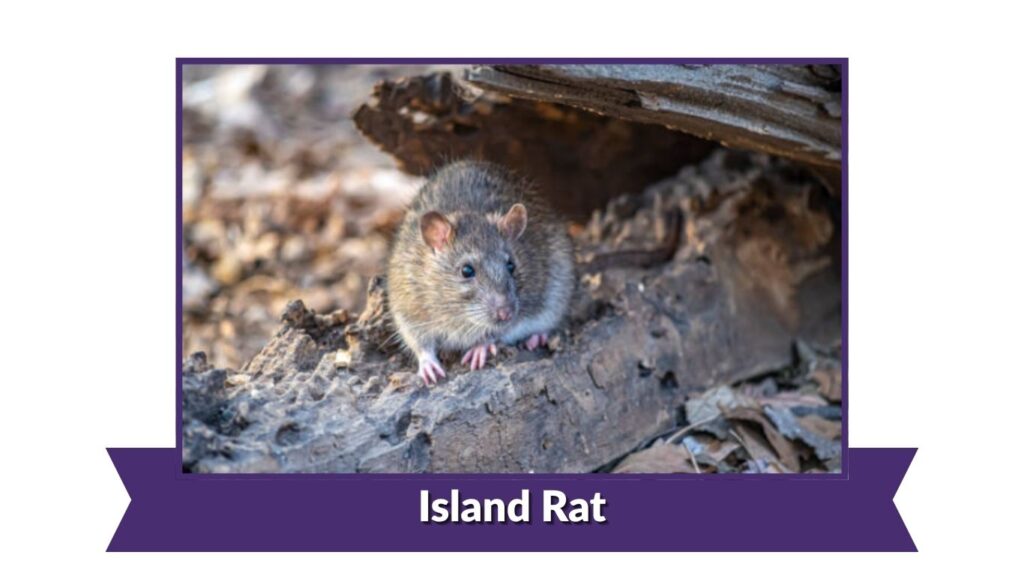
The island rat is a small to medium-sized rodent commonly found on islands. It is highly adaptable and has often spread to new locations through human activity. This species can survive in a variety of environments, especially where food and shelter are available.
Identification
- Body length about 14 to 20 cm
- Slender body with a pointed snout
- Brown or gray fur with a lighter underside
- Medium-sized ears and dark eyes
- Tail about equal to or slightly longer than body
Habitat and Distribution
The island rat is found on many islands across the Pacific and Southeast Asia. It lives in forests, coastal areas, grasslands, and human settlements. This species is highly adaptable and can thrive in both natural and human-influenced environments. It often nests in burrows, vegetation, or hidden areas near food sources.
Behavior and Diet
Island rats are mostly nocturnal and are active during the night. They are good climbers and can move through trees and structures with ease. Their diet is omnivorous and includes fruits, seeds, insects, and small animals. On islands, they may affect native wildlife by feeding on eggs and small species.
Lifespan
In the wild, island rats typically live around 1 to 2 years. Their lifespan depends on environmental conditions and food availability. In protected environments, they may live slightly longer.
16. Forest Rat
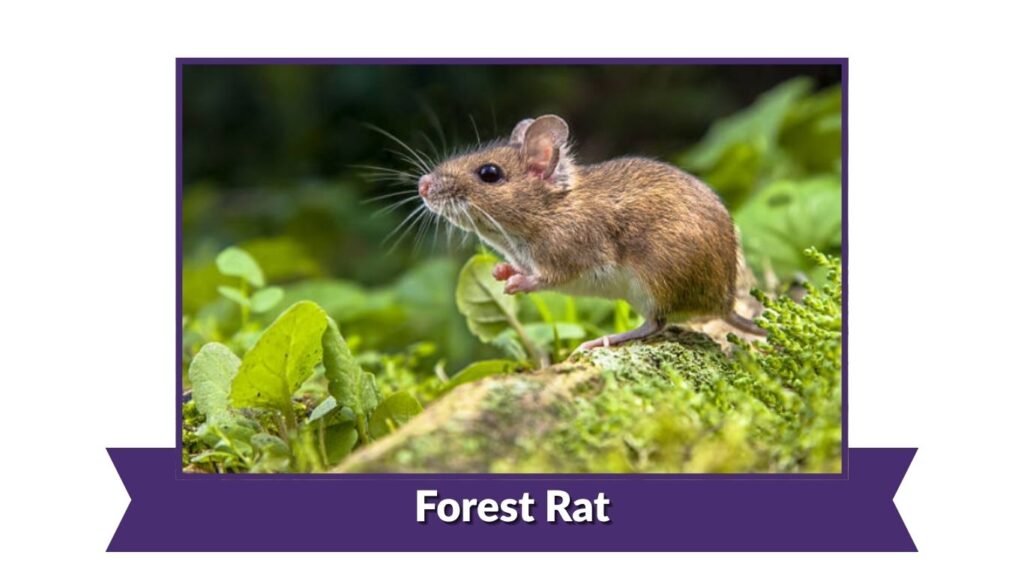
The forest rat is a species commonly found in wooded and natural environments. It is well adapted to life in dense vegetation and is less dependent on human settlements compared to other rats. This rat plays a role in forest ecosystems by feeding on seeds and small organisms.
Identification
- Body length about 15 to 22 cm
- Slender to medium build with a pointed snout
- Brown or dark gray fur with a lighter underside
- Medium-sized ears and dark eyes
- Tail about equal to body length
Habitat and Distribution
Forest rats are found in various parts of Asia, Africa, and some island regions. They prefer dense forests, woodlands, and areas with thick vegetation. These rats often live on the ground or in burrows, but some may also climb trees. They thrive in natural environments with plenty of cover and food sources.
Behavior and Diet
Forest rats are mostly nocturnal and are active during the night. They are generally shy and avoid open spaces. Their diet is omnivorous and includes seeds, fruits, insects, and small animals. They help in seed dispersal, which supports forest growth. They are usually solitary but may live near others in suitable habitats.
Lifespan
In the wild, forest rats typically live around 1 to 2 years. Their lifespan depends on environmental conditions, food availability, and predation. In safer environments, they may live slightly longer.
17. Desert Rat
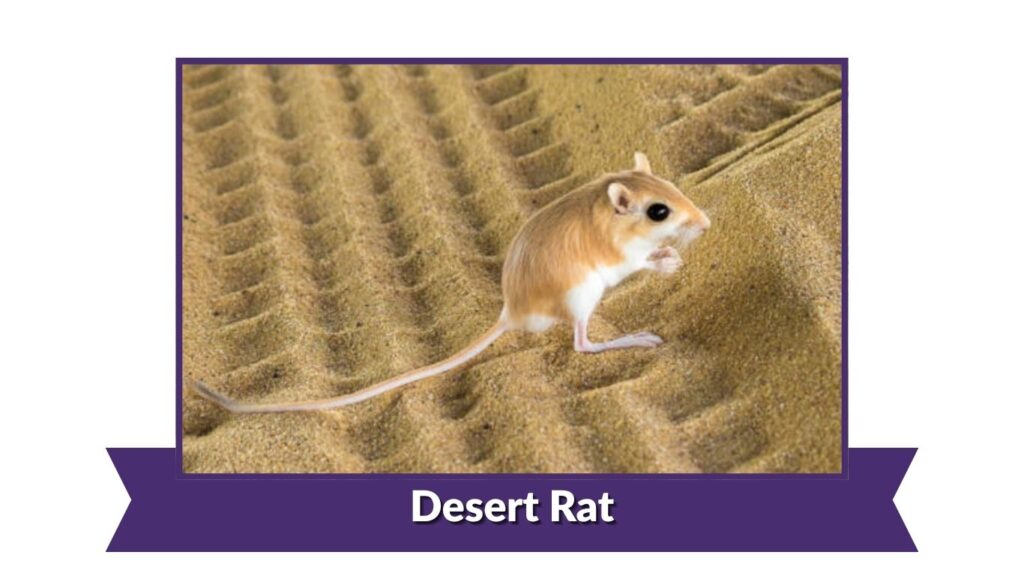
The desert rat is a hardy species adapted to survive in dry and harsh environments. It is known for its ability to live with limited water and extreme temperatures. This rat is commonly found in arid regions where few other rodents can thrive.
Identification
- Body length about 14 to 20 cm
- Slim body with a pointed snout
- Light brown or sandy-colored fur
- Medium-sized ears and dark eyes
- Long tail, often equal to body length
Habitat and Distribution
Desert rats are found in arid and semi-arid regions across parts of Africa, the Middle East, and Asia. They prefer deserts, dry plains, and scrublands. These rats often live in burrows underground, which help protect them from extreme heat during the day and cold at night. They are usually found in areas with sparse vegetation.
Behavior and Diet
Desert rats are mostly nocturnal and are active during the cooler night hours. They avoid daytime heat by staying in their burrows. Their diet includes seeds, dry plants, roots, and small insects. They can obtain moisture from their food, allowing them to survive with very little water.
Lifespan
In the wild, desert rats typically live around 1 to 2 years. Their lifespan depends on environmental conditions and availability of food. In protected environments, they may live slightly longer.
18. Mountain Rat
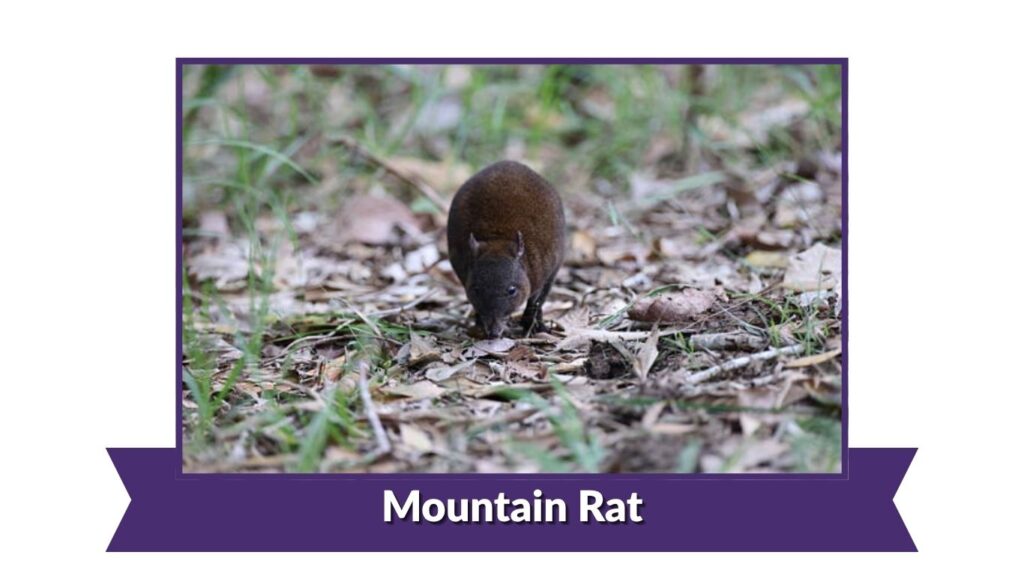
The mountain rat is a species adapted to life in elevated and cooler regions. It is commonly found in hilly and mountainous areas where it lives among rocks, vegetation, and forest cover. This rat is well suited to survive in rugged terrain and changing weather conditions.
Identification
- Body length about 16 to 24 cm
- Strong, medium-sized body
- Brown or gray fur with a lighter underside
- Medium-sized ears and dark eyes
- Tail about equal to body length
Habitat and Distribution
Mountain rats are found in highland and mountainous regions across Asia and parts of other continents. They prefer habitats such as forests, rocky slopes, and grassy hills. These rats often build burrows in soil or hide among rocks and dense vegetation. They thrive in cooler climates and areas with natural cover.
Behavior and Diet
Mountain rats are mostly nocturnal and are active during the night. They are generally cautious and avoid open spaces. Their diet is omnivorous and includes seeds, roots, fruits, and small insects. They may also feed on crops in nearby agricultural areas. Their ability to adapt helps them survive in challenging environments.
Lifespan
In the wild, mountain rats typically live around 1 to 2 years. Their lifespan depends on environmental conditions, food availability, and predation. In protected environments, they may live slightly longer.
19. Large Bamboo Rat
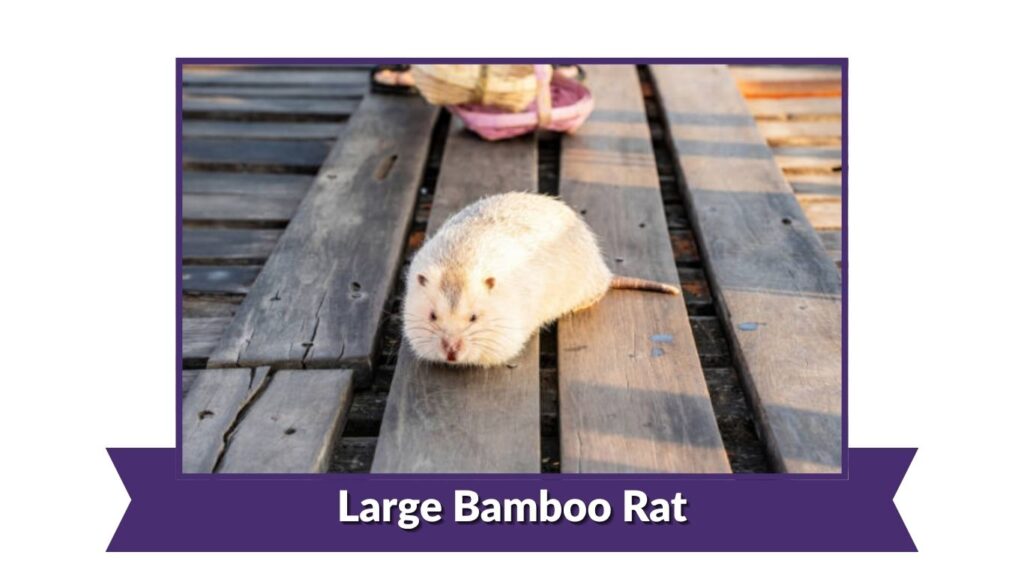
The large bamboo rat is a strong and burrowing rodent known for its association with bamboo forests. It has a heavy body and spends much of its life underground. This species is commonly found in regions where bamboo is abundant.
Identification
- Body length about 25 to 35 cm
- Thick, heavy body with a blunt snout
- Gray or brown coarse fur
- Small ears and small eyes
- Short, strong legs adapted for digging
Habitat and Distribution
The large bamboo rat is found in parts of Southeast Asia, including countries like China, Thailand, and Vietnam. It prefers habitats such as bamboo forests, grasslands, and hilly areas. These rats dig extensive burrow systems in soft soil, often near bamboo roots, which provide both food and shelter.
Behavior and Diet
Large bamboo rats are mostly nocturnal and spend much of their time underground. They are generally solitary and rarely seen above ground. Their diet mainly consists of bamboo stems, roots, and other plant materials. They use their strong teeth to gnaw through tough plant fibers.
Lifespan
In the wild, large bamboo rats typically live around 1 to 2 years. Their lifespan depends on environmental conditions and food availability. In captivity or protected environments, they may live slightly longer.
20. Small Bamboo Rat
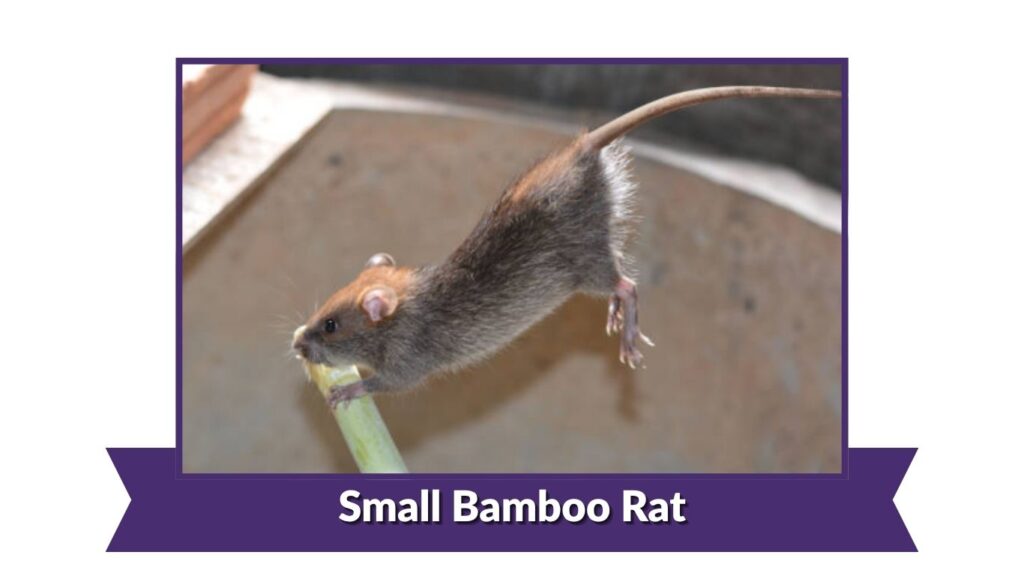
The small bamboo rat is a burrowing rodent closely related to the larger bamboo rat species. It is known for its compact body and underground lifestyle. This rat is commonly found in areas with bamboo and dense vegetation, where it spends most of its time hidden.
Identification
- Body length about 20 to 30 cm
- Compact, sturdy body
- Gray or brown fur with a lighter underside
- Small eyes and ears
- Strong forelimbs adapted for digging
Habitat and Distribution
The small bamboo rat is found in parts of Southeast Asia, including regions of China, Myanmar, and Thailand. It prefers habitats such as bamboo forests, grasslands, and agricultural areas. These rats dig extensive burrows underground, often near bamboo roots, which provide both shelter and food. They thrive in soft soil where digging is easier.
Behavior and Diet
Small bamboo rats are mostly nocturnal and spend much of their time underground. They are generally solitary and come above ground mainly to gather food. Their diet consists mainly of bamboo shoots, roots, and other plant materials. They use their strong teeth to chew through tough vegetation and roots.
Lifespan
In the wild, small bamboo rats typically live around 1 to 2 years. Their lifespan depends on environmental conditions, food availability, and predation. In protected environments, they may live slightly longer.
21. Sikkim Rat
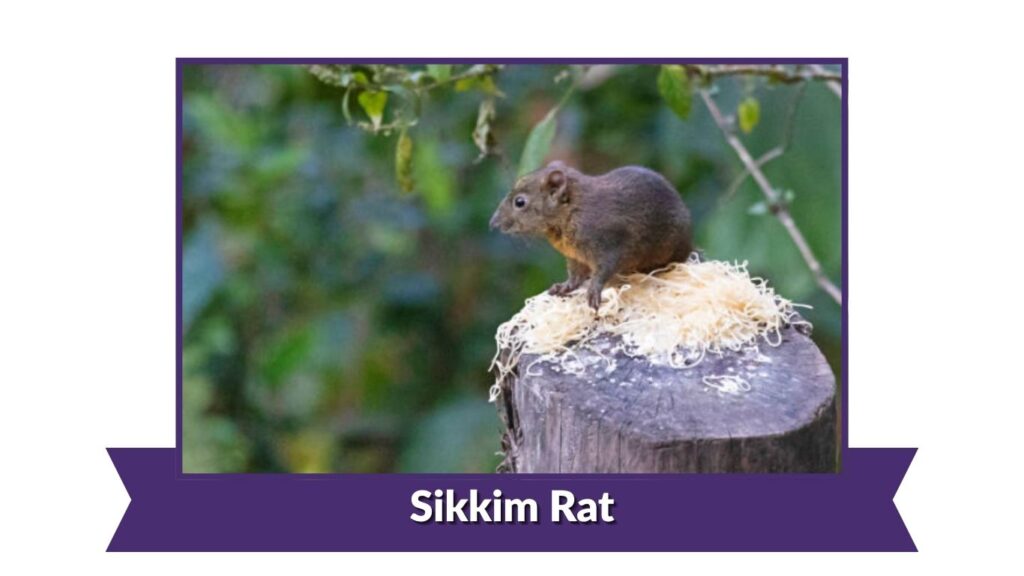
The Sikkim rat is a lesser-known species found in mountainous regions of South Asia. It is adapted to cooler climates and natural environments, often living in forested and hilly areas. This rat is generally shy and less commonly seen compared to urban rat species.
Identification
- Body length about 16 to 22 cm
- Slender to medium body with a pointed snout
- Brown or gray fur with a lighter underside
- Medium-sized ears and dark eyes
- Tail about equal to or slightly longer than body
Habitat and Distribution
The Sikkim rat is found in parts of the Himalayan region, including India, Nepal, and Bhutan. It prefers habitats such as forests, grasslands, and hilly terrain. This species often lives in burrows or hides under rocks and vegetation. It thrives in cooler climates with dense natural cover.
Behavior and Diet
Sikkim rats are mostly nocturnal and are active during the night. They are generally solitary and avoid open spaces. Their diet is omnivorous and includes seeds, fruits, roots, and small insects. They forage on the ground and sometimes climb vegetation in search of food.
Lifespan
In the wild, the Sikkim rat typically lives around 1 to 2 years. Its lifespan depends on environmental conditions, food availability, and predation. In safer environments, it may live slightly longer.
22. Nicobar Rat
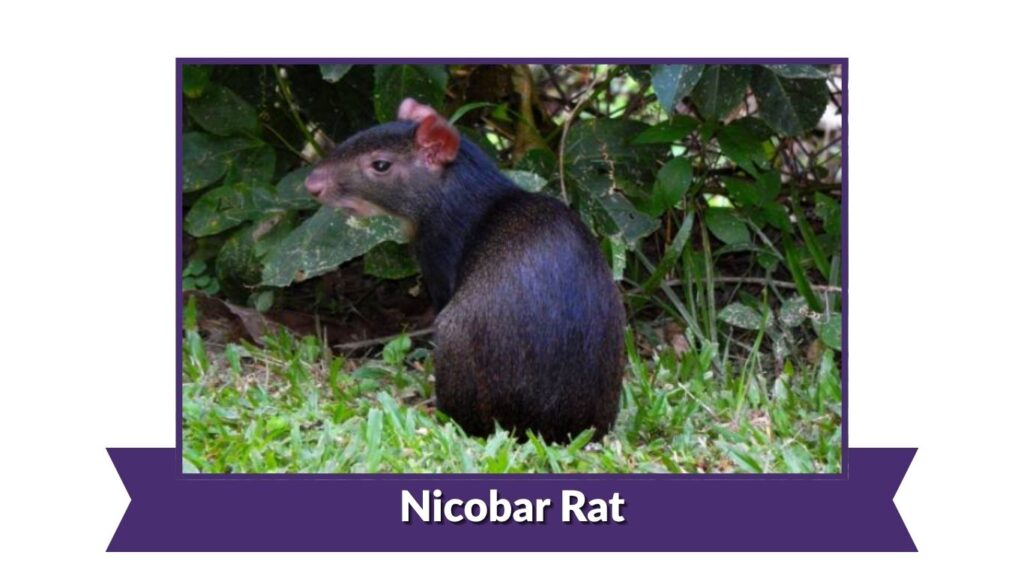
The Nicobar rat is a species native to island environments, particularly the Nicobar Islands. It is well adapted to tropical conditions and dense vegetation. This rat is less influenced by urban life and is mostly found in natural habitats.
Identification
- Body length about 18 to 25 cm
- Medium to sturdy body with a pointed snout
- Brown or dark gray fur with a lighter underside
- Medium-sized ears and dark eyes
- Tail about equal to body length
Habitat and Distribution
The Nicobar rat is mainly found in the Nicobar Islands and nearby regions. It prefers tropical forests, coastal vegetation, and island habitats with dense plant cover. This species often lives in burrows or hidden ground spaces. It thrives in warm, humid climates with abundant natural food sources.
Behavior and Diet
Nicobar rats are mostly nocturnal and active during the night. They are generally shy and avoid human contact. Their diet is omnivorous and includes fruits, seeds, roots, and small insects. They play a role in seed dispersal, helping maintain the natural ecosystem of their habitat.
Lifespan
In the wild, the Nicobar rat typically lives around 1 to 2 years. Its lifespan depends on environmental conditions and food availability. In protected conditions, it may live slightly longer.
23. Sulawesi Rat
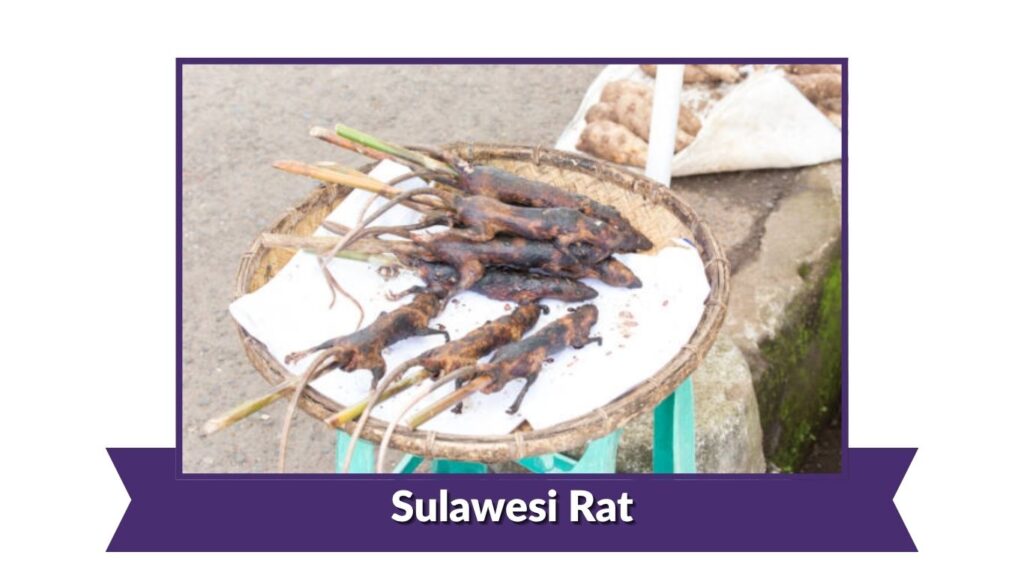
The Sulawesi rat is a unique species found on the island of Sulawesi in Indonesia. It is adapted to tropical environments and is part of a diverse group of rodents native to the region. This rat is generally found in natural habitats and is less associated with human settlements.
Identification
- Body length about 15 to 22 cm
- Slender to medium body with a pointed snout
- Brown, gray, or dark-colored fur
- Medium-sized ears and dark eyes
- Tail about equal to or slightly longer than body
Habitat and Distribution
The Sulawesi rat is found mainly on the island of Sulawesi. It prefers tropical forests, mountainous areas, and dense vegetation. This species lives in natural environments with plenty of cover and food. It may inhabit forest floors, burrows, or hidden areas among plants and rocks.
Behavior and Diet
Sulawesi rats are mostly nocturnal and are active during the night. They are generally shy and avoid human contact. Their diet is omnivorous and includes seeds, fruits, insects, and small animals. They play a role in the ecosystem by helping with seed dispersal and controlling insect populations.
Lifespan
In the wild, the Sulawesi rat typically lives around 1 to 2 years. Its lifespan depends on environmental conditions, food availability, and predation. In protected environments, it may live slightly longer.
FAQs
What are true rats (Rattus)?
True rats belong to the genus Rattus, which includes many species found around the world. They are medium-sized rodents known for their adaptability, intelligence, and close association with human environments. Some species live in the wild, while others thrive in cities and farms.
Where are true rats commonly found?
True rats are found on almost every continent, except Antarctica. They live in a wide range of habitats, including forests, grasslands, deserts, farms, and urban areas. Many species prefer locations where food, water, and shelter are easily available.
What do true rats eat?
Most true rats are omnivorous, meaning they eat both plant and animal matter. Their diet includes grains, fruits, seeds, insects, and sometimes small animals. Rats living near humans often feed on leftover food and garbage.
Are true rats harmful to humans?
Some rat species can be harmful because they damage crops, contaminate food, and spread diseases. However, not all rats are dangerous. Many play important roles in ecosystems, such as seed dispersal and serving as prey for other animals.
How long do true rats live?
The lifespan of true rats usually ranges from 1 to 2 years in the wild due to predators and environmental challenges. In captivity, where they are protected and well-fed, they can live up to 3 years or slightly longer.