
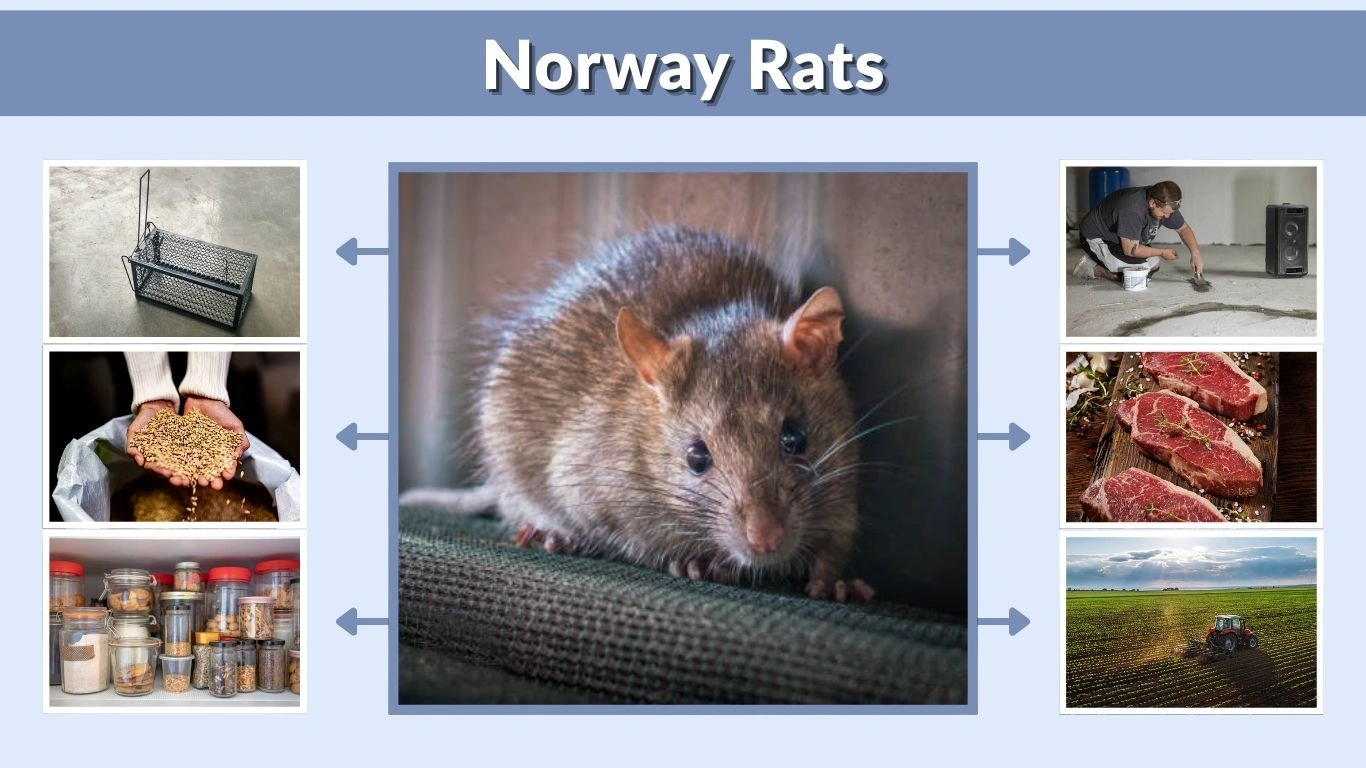
Norway rats are among the most common and widespread rodents found in urban and rural environments worldwide. Known for their adaptability and resilience, they often live close to human settlements, making them a significant pest concern. Understanding their physical characteristics, behavior, and habitat is essential for proper identification and control. This guide explores the Norway rat species, how to recognize them, and how they differ from similar rodents like roof rats.
What Is a Norway Rat?
The Norway rat is a large rodent species commonly found in cities, farms, and industrial areas. It is known for its burrowing habits and strong ability to survive in various environments. Often associated with human activity, this rat species thrives where food and shelter are easily available.
Scientific Identity
The Norway rat is scientifically known as Rattus norvegicus. It belongs to the rodent family Muridae and is one of the most studied rat species due to its close association with human environments.
Common Names
- Brown rat
- Sewer rat
- Street rat
Norway Rat Size and Physical Characteristics
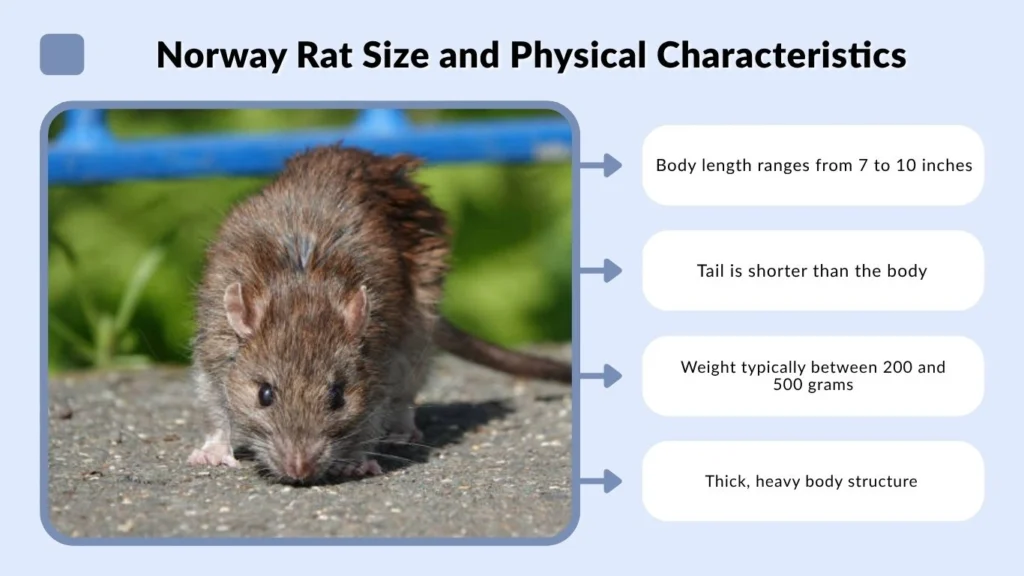
Norway rats are known for their robust bodies and distinctive features, which help differentiate them from other rat species. Their size and physical traits make them easier to identify, especially in comparison to smaller or more agile rodents.
Average Size
- Body length ranges from 7 to 10 inches
- Tail is shorter than the body
- Weight typically between 200 and 500 grams
Key Identification Features
- Thick, heavy body structure
- Small ears relative to head size
- Blunt nose and coarse fur
Norway Rat vs Roof Rat
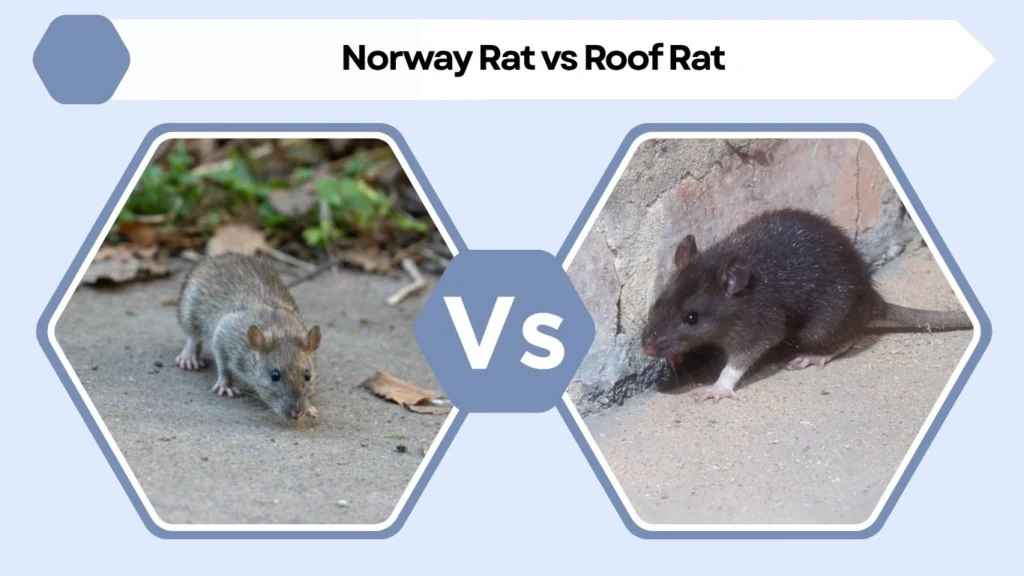
Understanding the difference between Norway rats and roof rats is important for proper pest identification. Although they may appear similar at first glance, their physical traits and behaviors are quite different.
Key Differences
- Norway rats are larger and heavier
- Roof rats are slimmer and more agile
- Norway rats prefer ground-level habitats
- Roof rats are skilled climbers
Habitat Comparison
- Norway rats live in basements, sewers, and burrows
- Roof rats are commonly found in attics and ceilings
Where Do Norway Rats Live?
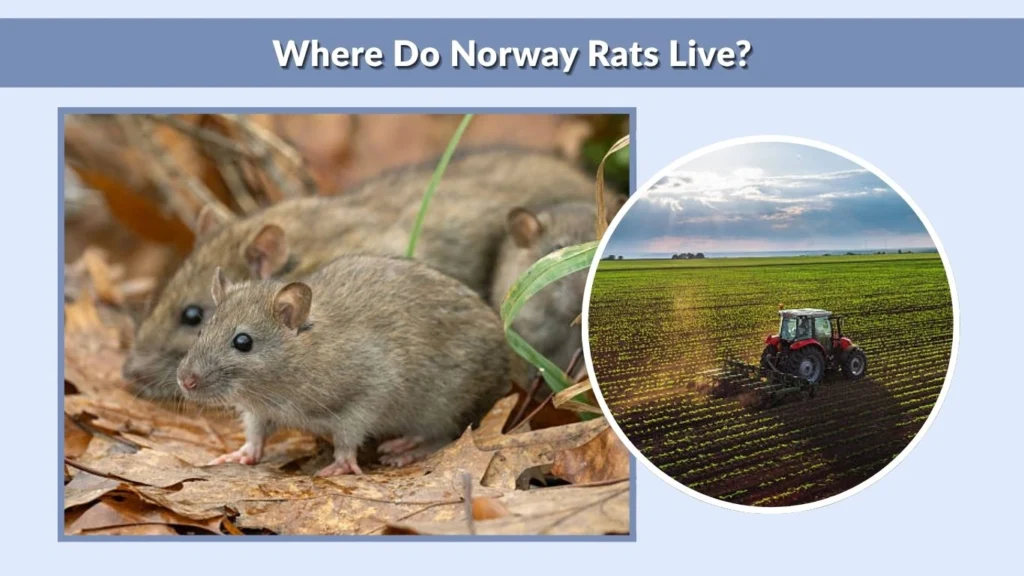
Norway rats are highly adaptable and can survive in a wide range of environments. They are commonly found in areas where food and shelter are easily accessible. These rats prefer to stay close to the ground and often build burrows in soil, especially near buildings or waste areas. Their habitats include urban neighborhoods, agricultural fields, and industrial zones. They are especially attracted to places with poor sanitation and readily available food sources.
Norway Rat Behavior and Diet
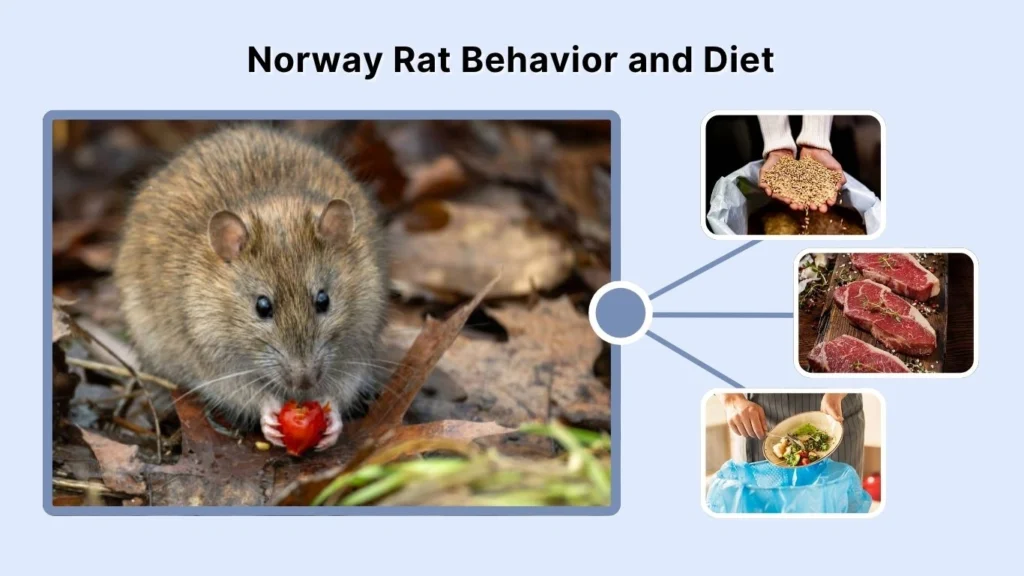
The behavior and feeding habits of Norway rats contribute significantly to their survival and spread. They are opportunistic feeders and can adjust their diet based on available resources. Their activity patterns also make them difficult to detect during the day.
Behavior
- Mostly active during nighttime
- Strong burrowers that create underground tunnels
- Highly adaptable to different environments
Diet
- Omnivorous feeding habits
- Consume grains, meat, and food waste
- Scavenge in garbage and storage areas
Signs of Norway Rat Infestation
Recognizing the signs of a Norway rat infestation early can help prevent serious problems. These signs are often visible in areas where rats are active, especially near food sources or nesting sites.
Droppings and Feces
- Dark, capsule-shaped droppings
- Commonly found near walls or food storage
Burrows and Holes
- Visible holes in soil near structures
- Tunnels with multiple entry points
Other Indicators
- Gnaw marks on wood or plastic
- Scratching noises in walls or floors
Are Norway Rats Dangerous?
Norway rats pose significant risks to both human health and property. Their close association with human environments increases the chances of contamination and disease spread. While they may appear harmless at a distance, their presence can lead to serious hygiene and safety concerns if not addressed quickly and effectively.
Health and Safety Risks
- They contaminate food with urine and droppings
- They can damage structures by gnawing
- They may trigger allergies and respiratory issues
Property Damage Impact
- Chew through wires, increasing fire risk
- Damage insulation and wooden structures
- Destroy stored food and supplies
Do Norway Rats Carry Diseases?
Norway rats are known carriers of several harmful diseases that can affect humans. These diseases are usually transmitted through direct contact or indirectly through contaminated food, water, or surfaces. Proper awareness is essential to minimize health risks.
Common Diseases
- Leptospirosis
- Salmonella
- Hantavirus (rare but possible)
How Diseases Spread
- Contact with rat urine or droppings
- Contaminated food or water
- Exposure to infected surfaces
How to Get Rid of Norway Rats
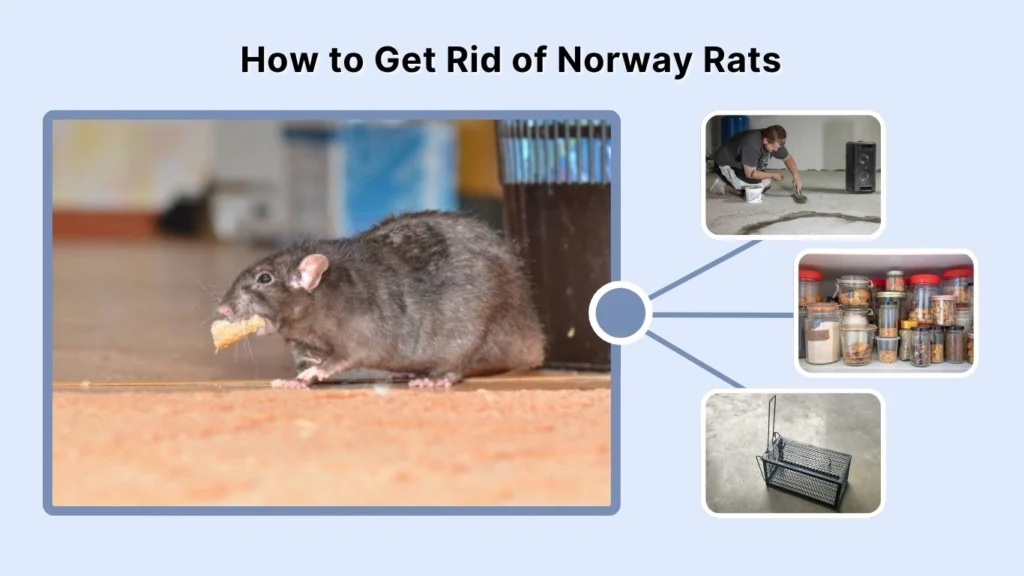
Controlling Norway rats requires a combination of prevention and active removal methods. Early action is important to stop the infestation from spreading and causing further damage. Both homeowners and professionals use different strategies to manage rat populations.
Prevention Methods
- Seal cracks and holes in walls and floors
- Store food in sealed containers
- Keep surroundings clean and dry
Control Methods
- Use traps in active areas
- Apply rodenticides carefully
- Hire professional pest control services
Norway Rat Burrows and Nesting
Norway rats are known for their burrowing behavior, which allows them to create safe and hidden nesting spaces. These burrows are often located near buildings, under concrete slabs, or in soil close to food sources. Inside the burrow, they build nests using soft materials such as paper, cloth, and plant matter. Their underground systems can have multiple entry and exit points, making them difficult to eliminate without proper control methods.
Conclusion
Norway rats are highly adaptable rodents that thrive in environments close to human activity. Their ability to reproduce quickly, combined with their destructive behavior, makes them a serious pest concern. Identifying their presence early and understanding their habits are key steps in effective control. By taking preventive measures and using appropriate control strategies, it is possible to reduce the risks they pose. Maintaining cleanliness and sealing entry points can go a long way in keeping these rodents away from homes and workplaces.
FAQs
What is a Norway rat?
A Norway rat is a large rodent species known scientifically as Rattus norvegicus. It is commonly found in urban and rural environments and is often associated with sewers, basements, and underground burrows near human settlements.
How big do Norway rats get?
Norway rats typically grow between 7 to 10 inches in body length, with a shorter tail. They can weigh up to 500 grams, making them larger and heavier than many other common rat species.
What is the difference between Norway rats and roof rats?
Norway rats are larger and prefer ground-level habitats like burrows and basements, while roof rats are smaller, more agile, and tend to live in elevated areas such as attics and ceilings.
Are Norway rats dangerous to humans?
Yes, Norway rats can be dangerous as they spread diseases, contaminate food, and cause structural damage. Their droppings and urine can pose serious health risks if proper hygiene is not maintained.
How do you get rid of Norway rats?
Getting rid of Norway rats involves sealing entry points, removing food sources, maintaining cleanliness, and using traps or pest control methods. Severe infestations may require professional assistance.